Why is it so difficult to produce a foldable iPhone? After disassembling this "rolling screen" phone, I finally understand.
Exploring the coexistence of portability and large screens has been the main theme of innovation for mobile phone manufacturers in the past five years.
Apple's answer is quite mainstream: foldable screens. According to a report from Nikkei, the highly anticipated foldable iPhone has started trial production this week. Unexpectedly, on the same day, news spread that the trial production had encountered setbacks, which might lead to delays in its production volume and release.
IFanr has reported on the foldable iPhone several times before. It is likely to be a "wide-fold" phone, with the outer and inner screens possibly around 5.5 inches and 7.8 inches respectively. Due to its special design ratio, its production difficulty is quite high.
There are also rumors that Apple developed multiple prototypes simultaneously and finally selected the most conservative version.
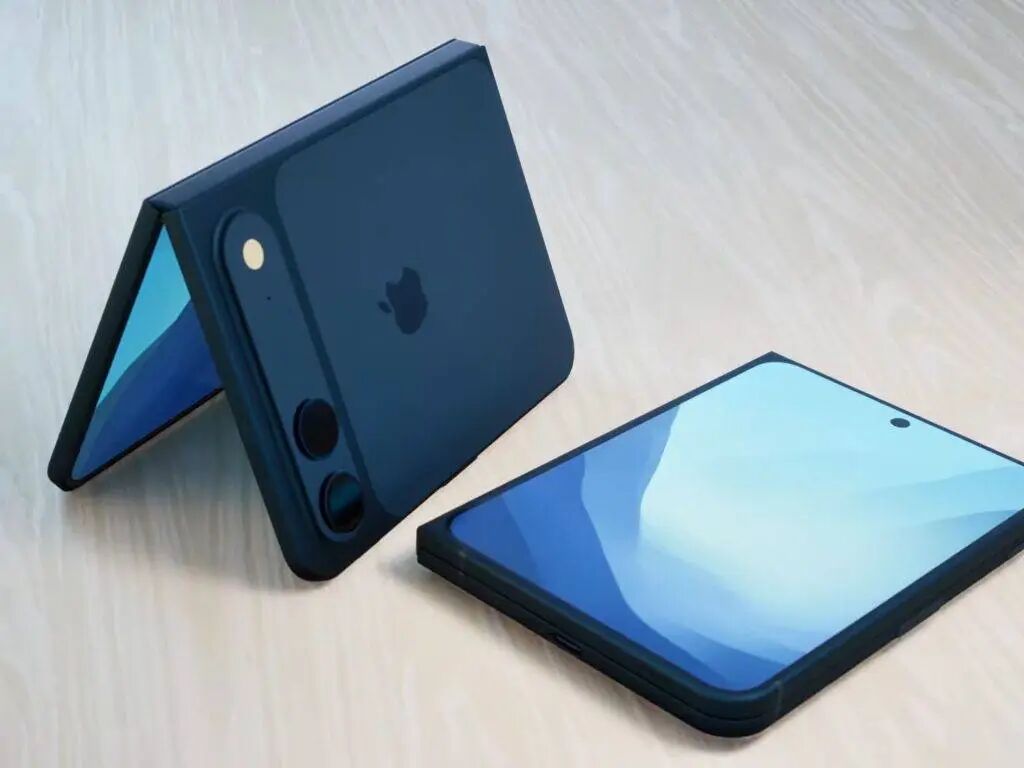
Rendering of iPhone Fold
From being initially heavy and fragile to becoming increasingly thin and light, with the creases gradually fading, and then continuously exploring the boundaries with forms such as triple-folding and wide-folding, the foldable screen has proven to be a viable path, driving the entire industry forward. It's understandable for Apple to choose a mature solution.
However, in the era when the foldable screen had not yet unified the narrative, there were more bold explorations in the industry. Perhaps the closest to "another future" was the rollable screen.
Recently, a prototype of an LG rollable screen phone from five years ago was exposed again. It had a high level of completion but was never officially released.
Why has the foldable screen survived its struggling phase, and even Apple wants to give it a try, while the rollable screen phone has faded away? Why is it difficult to make a good foldable screen phone and achieve perfection? Could there be an answer in the rollable screen phone?
With these questions in mind, we disassembled this LG rollable screen phone.
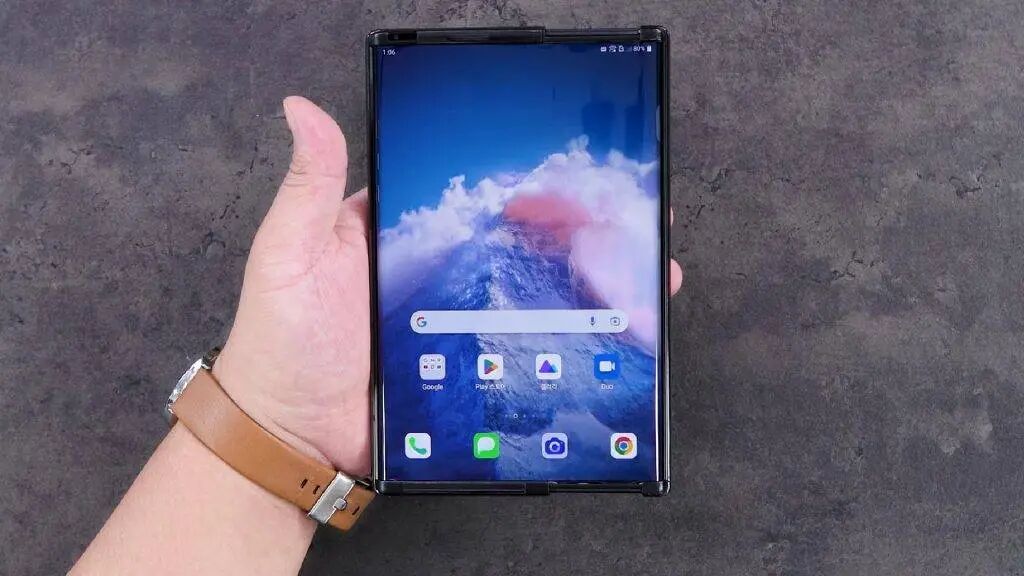
Image source: YouTube@Bulls Lab
Is the out-of-production rollable screen better than the foldable iPhone?
The LG Rollable was originally scheduled to be launched in 2021. LG had already started the pre - launch promotion for the phone, and the relevant certification work was also completed.
However, people's attention is limited. At that time, more important things were happening in the world, disrupting all the plans.
Just before its release, LG announced the shutdown of its global mobile division and would no longer launch new phones. The LG Rollable died in the womb.
However, as a phone about to be released, the LG Rollable already had a highly completed engineering prototype at that time, which has been circulating in the market in the past few years.
Last week, the famous YouTube disassembly blogger @JerryRigEverything got hold of one and revealed this mysterious phone to us from the outside in.
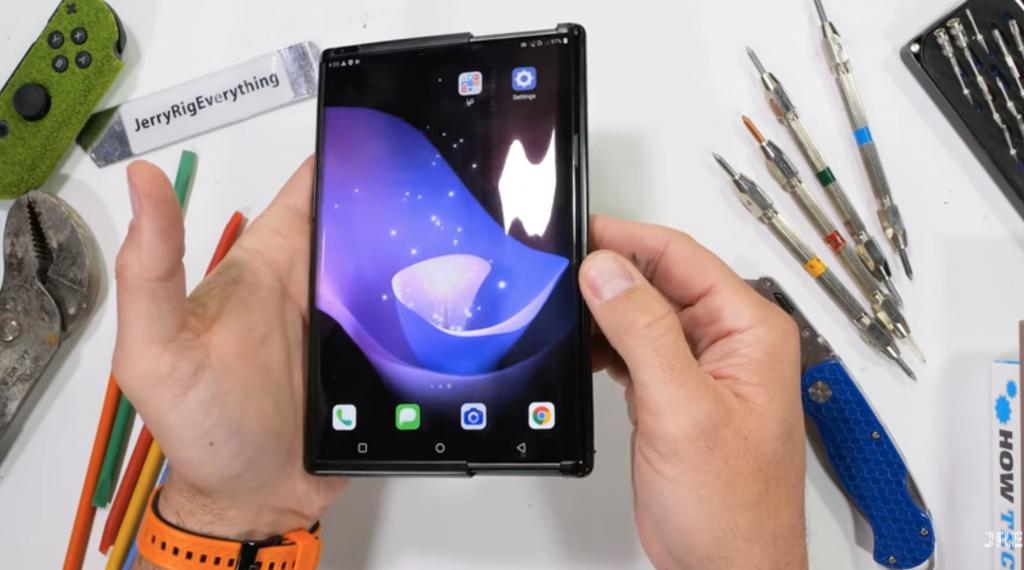
From the appearance, the unrolled LG Rollable is basically no different from a regular Android phone. It still has the double - curved full - screen design from six years ago, and the 6.8 - inch OLED screen has a slightly longer aspect ratio.
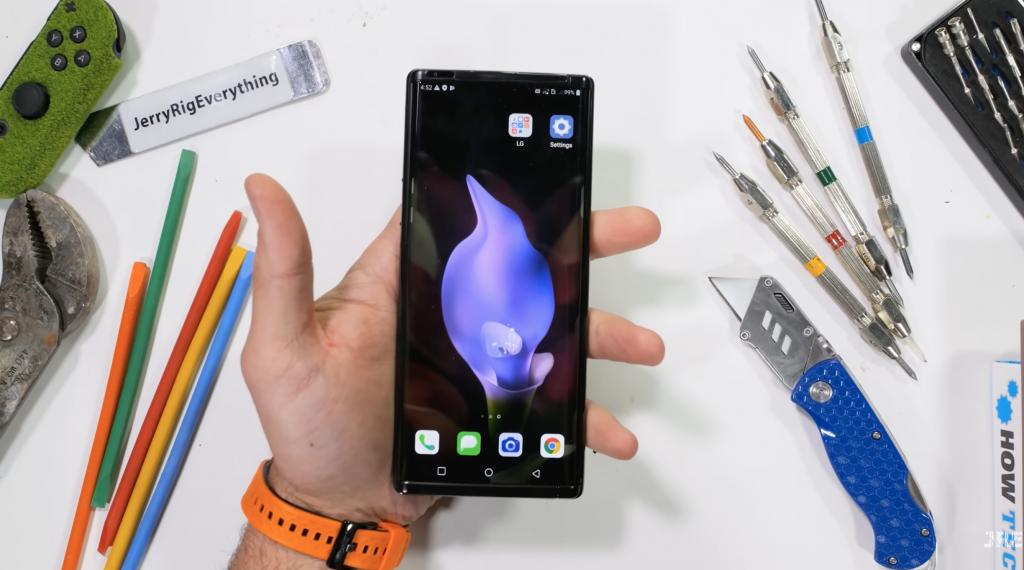
Image source: YouTube@JerryRigEverything
By swiping right on the screen with three fingers, the screen will automatically "stretch", expanding from 6.8 inches to 7.4 inches, approaching the size of a small tablet.
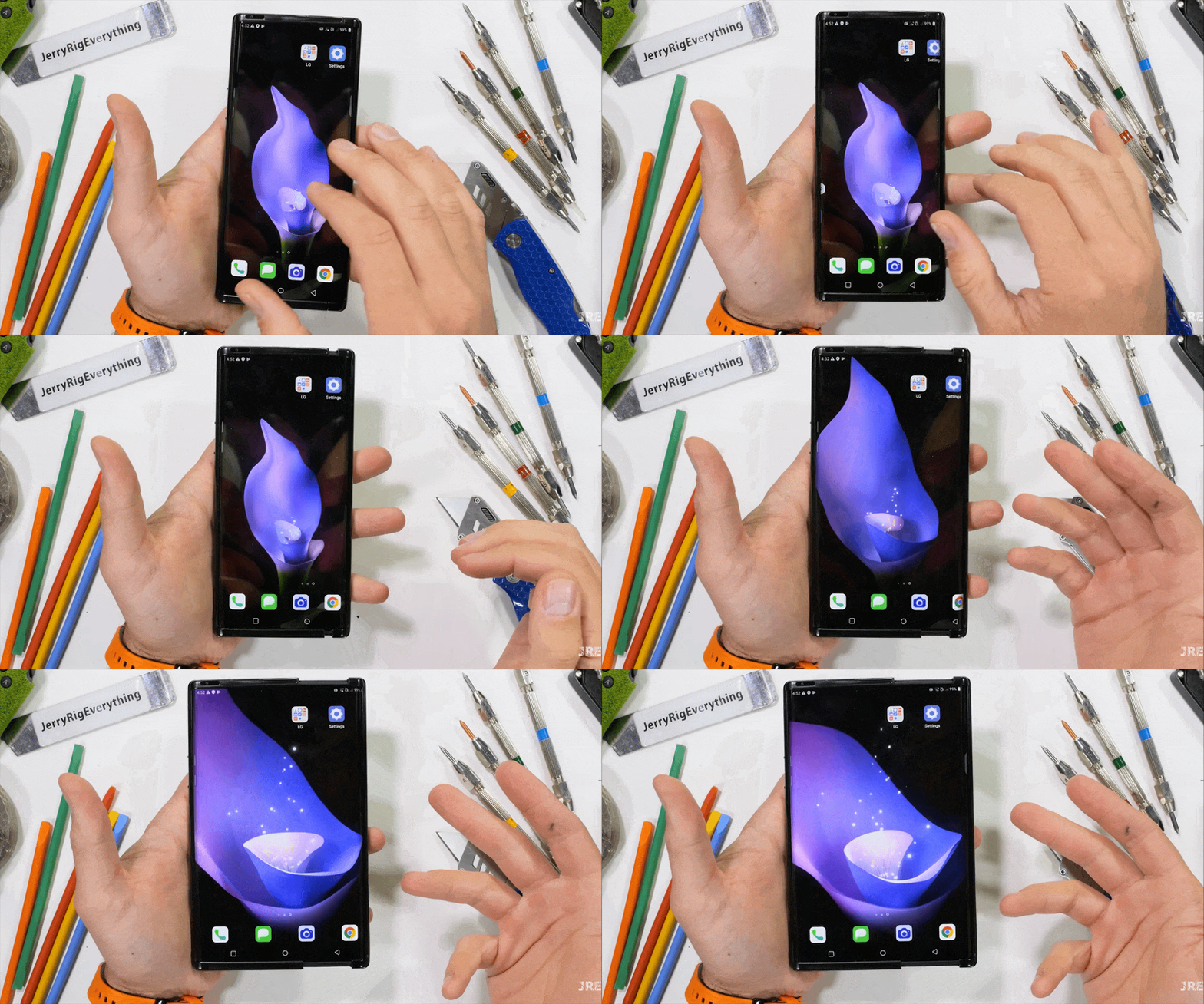
Even without disassembly, it can be seen from the appearance that the structure of the LG Rollable's rollable screen is quite complex. There is a zipper - like structure at the screen edge, and the entire expansion process is completed by a built - in motor.
Interestingly, when the screen starts to expand, the phone will automatically play a sound effect to cover the buzzing sound of the motor during expansion.
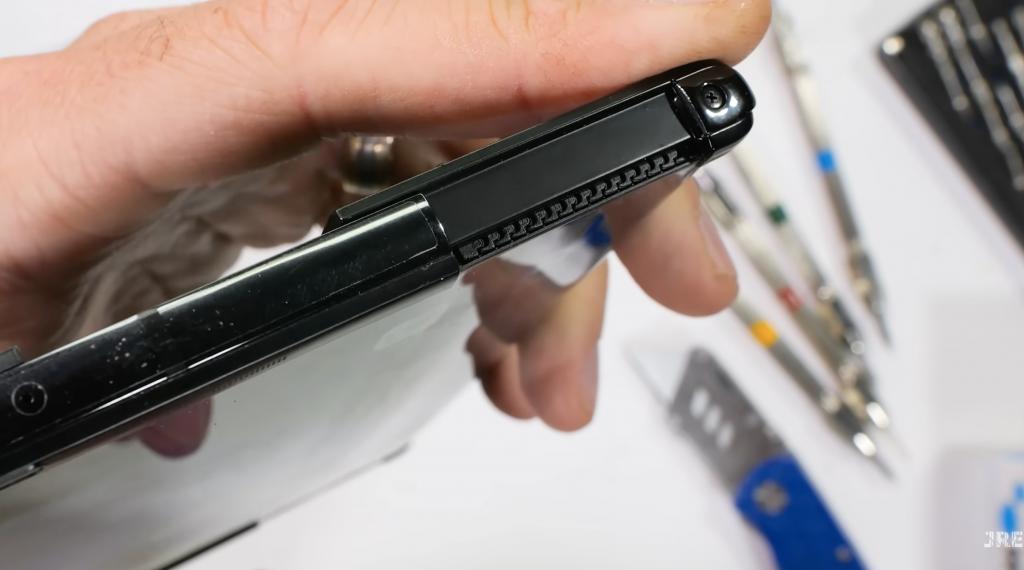
It is said that LG evaluated this motor to be able to be used at least 200,000 times, with quite good strength. When the screen expansion is blocked by external factors, the motor will retract the screen to avoid damage to the phone.
The fact that a phone needs to incorporate a motor that can precisely control the force, sense resistance, and automatically protect itself already reminds us that any design involving "changing the physical form of the screen" will increase the engineering complexity geometrically.
The foldable screen doesn't have a roll, but the hinge is also a precise mechanism. It also needs to maintain accuracy during tens of thousands of openings and closings. Through reasonable structural design and some essential small ideas, it tries to slow down the solidification of creases and even have a certain "recovery" effect on the creases.
Why it is difficult to make a good foldable screen phone can actually be seen from this rollable phone.
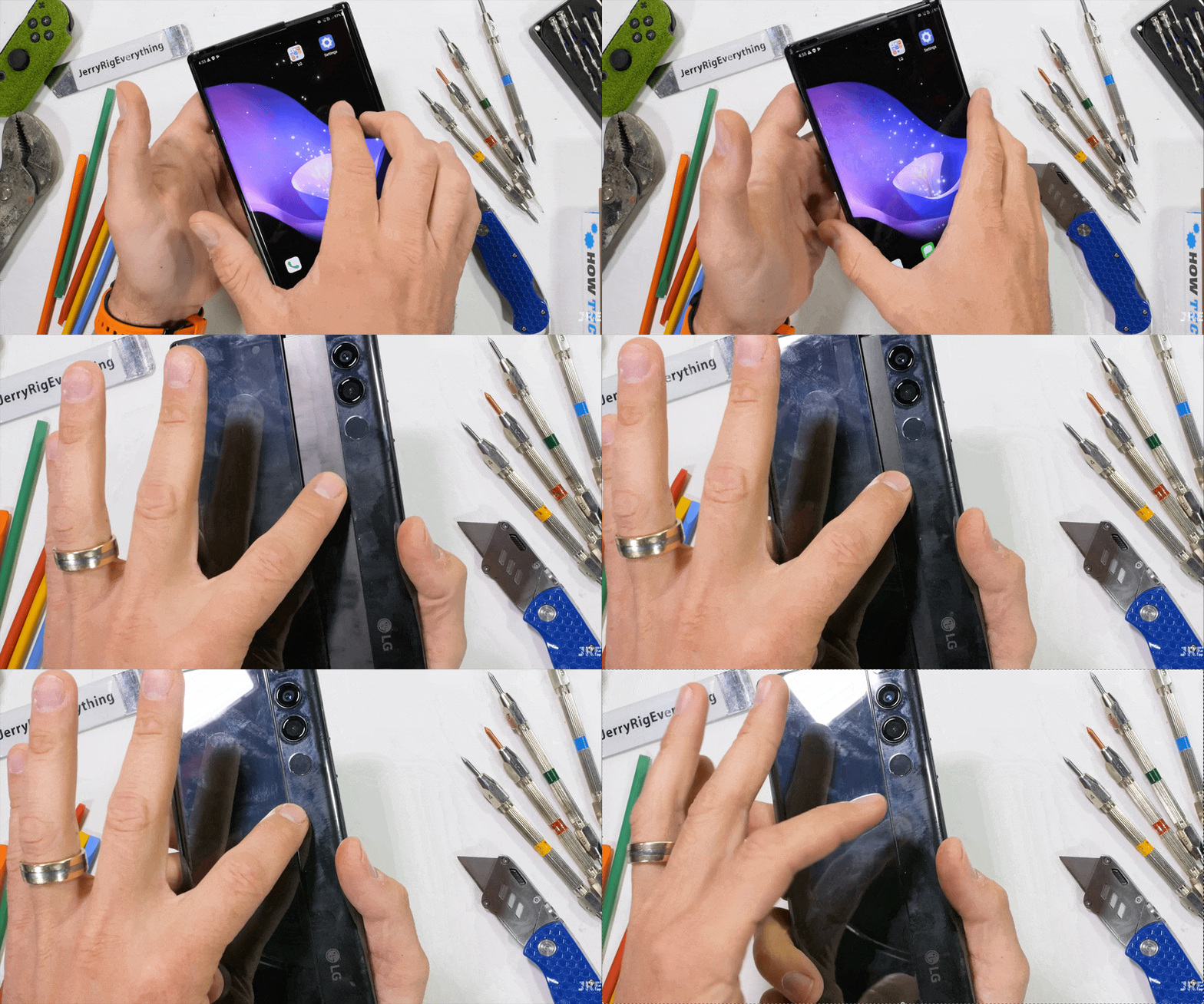
Let's return to the LG Rollable: There is an opening and closing structure on its back. When opened, it expands to both sides like an "automatic door". When closed, the two back panel parts will recombine. JRE tried to put a finger between the two "doors", and the finger won't be pinched, but the flesh of the palm might be.
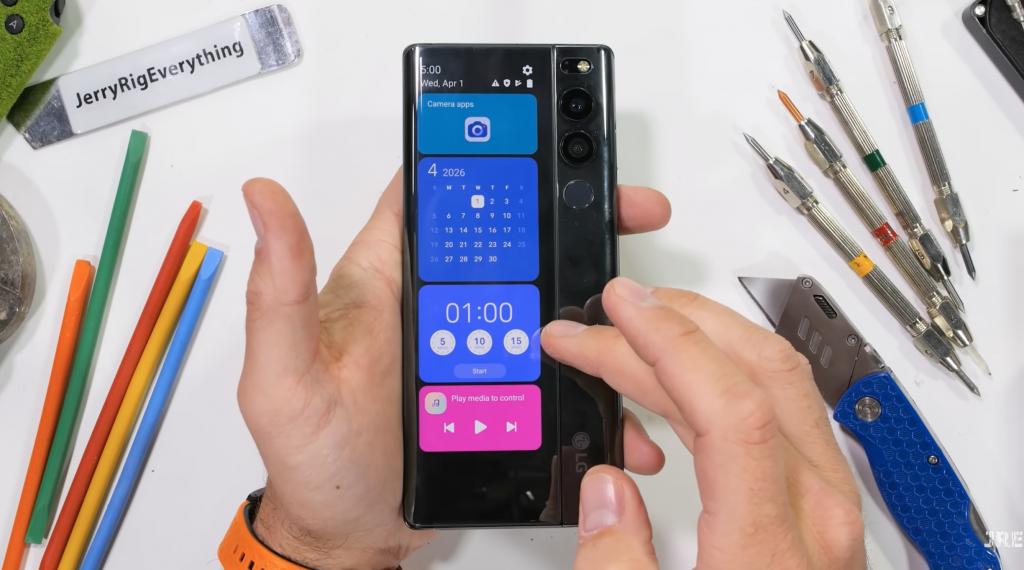
When not expanded, the expandable screen part is located under the transparent glass back panel of the phone and can act as a "secondary screen" to display some simple function modules, such as the camera preview. It's a bit like the Meizu Pro 7 or Xiaomi's concept phone MIX Alpha, which is a rather ingenious design.
It's worth mentioning that the screen of this phone can be divided into two parts: the main screen of the phone is covered with flexible glass, while the expandable screen part is covered with plastic. Visually, the expandable screen will have wavy reflections.
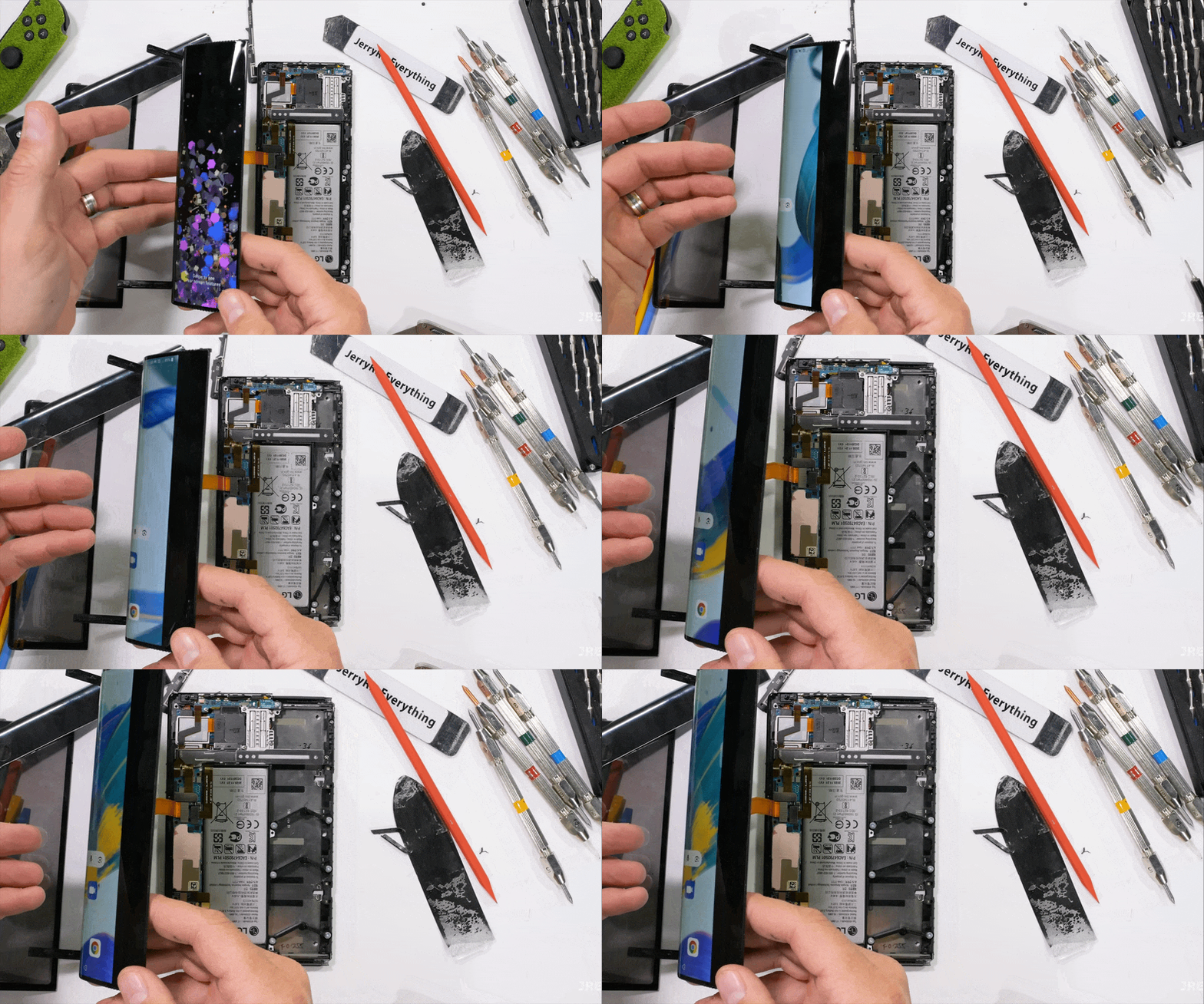
After disassembling the flexible screen covering most of the phone's surface and the back panel, we finally got a glimpse of the real technology of the "rollable screen".
Inside the LG Rollable, there is an "extension arm" that spans the entire phone body. It is a drawer - like structure that is pushed out by two rotating motors. There are also three spring - powered mechanical arms in the lower part of the body. They have no power themselves and are used to help the entire body expand more smoothly.
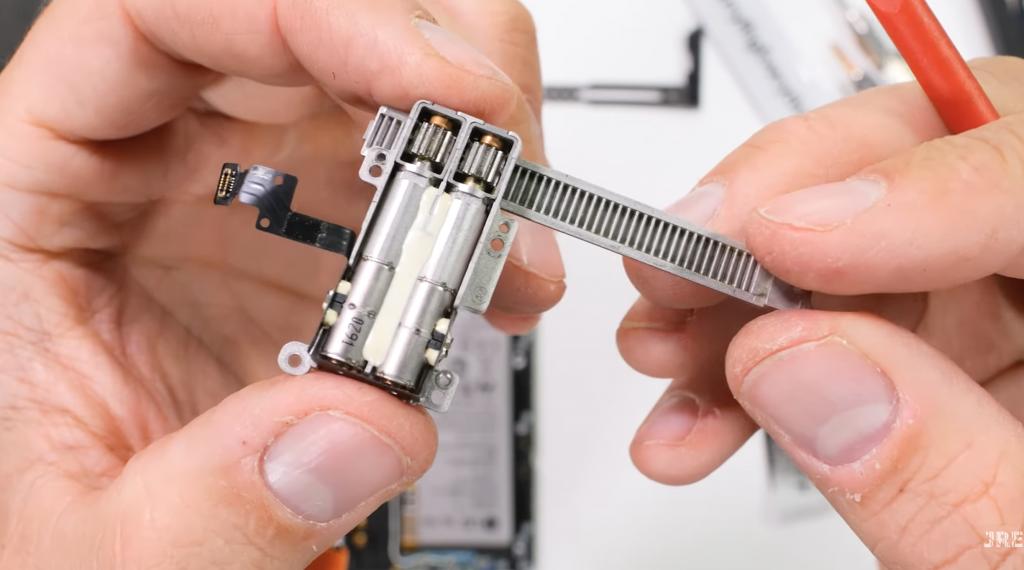
The motor used to expand the screen
This complex and precise structure also means to some extent that the phone will be more fragile. A single grain of dust getting inside may cause a malfunction.
To enhance its durability, Samsung added a brush between the "expanded screen" and the main screen of the phone to prevent dust from entering the expansion structure, and the "zipper" at the screen edge is used to increase the rigidity of the flexible screen during expansion.
Dust prevention, sealing, and maintaining rigidity - these three problems are also faced by foldable screens.
The "fully laminated screen" that Apple is reportedly working on is essentially the same kind of problem: only when there is no air gap between the screen and the protective layer can the visual effect of creases be eliminated. However, once the screen is damaged after lamination, the difficulty and cost of repair will soar.
Apple certainly has the ability to solve problems. But the real challenge is that every time a problem is solved, new constraints often arise.
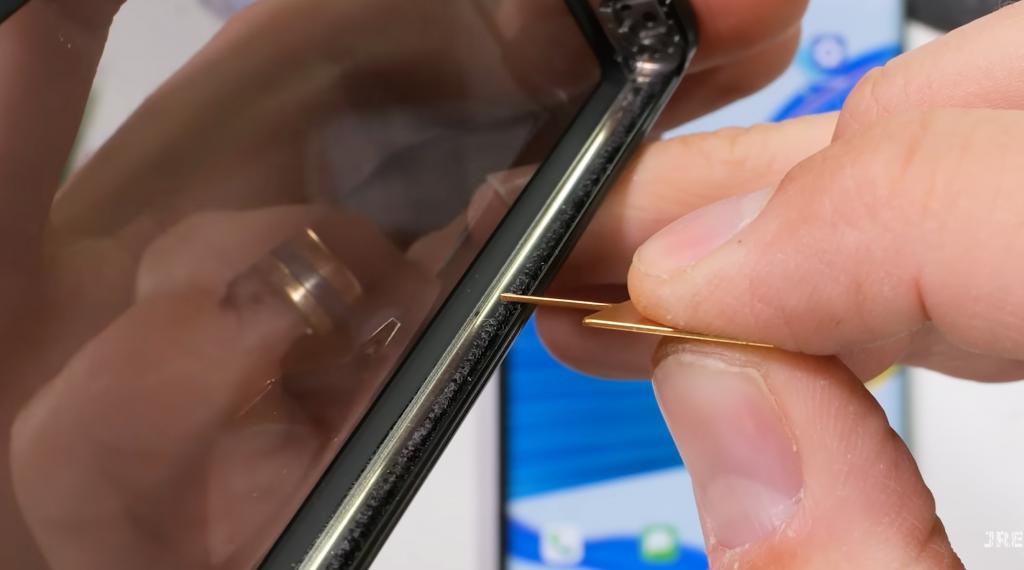
After years of folding, the inner screens of the foldable phones we've seen so far are difficult to avoid aging. The screen creases become more obvious, and there may even be situations where the screen cannot be unfolded flat.
The rollable screen cleverly utilizes the phone's thickness. Instead of a "V - shaped" fold, it has a more gentle "U - shaped" fold. Even after five years, the screen of this LG Rollable shows almost no signs of aging, and the motor can still operate normally.
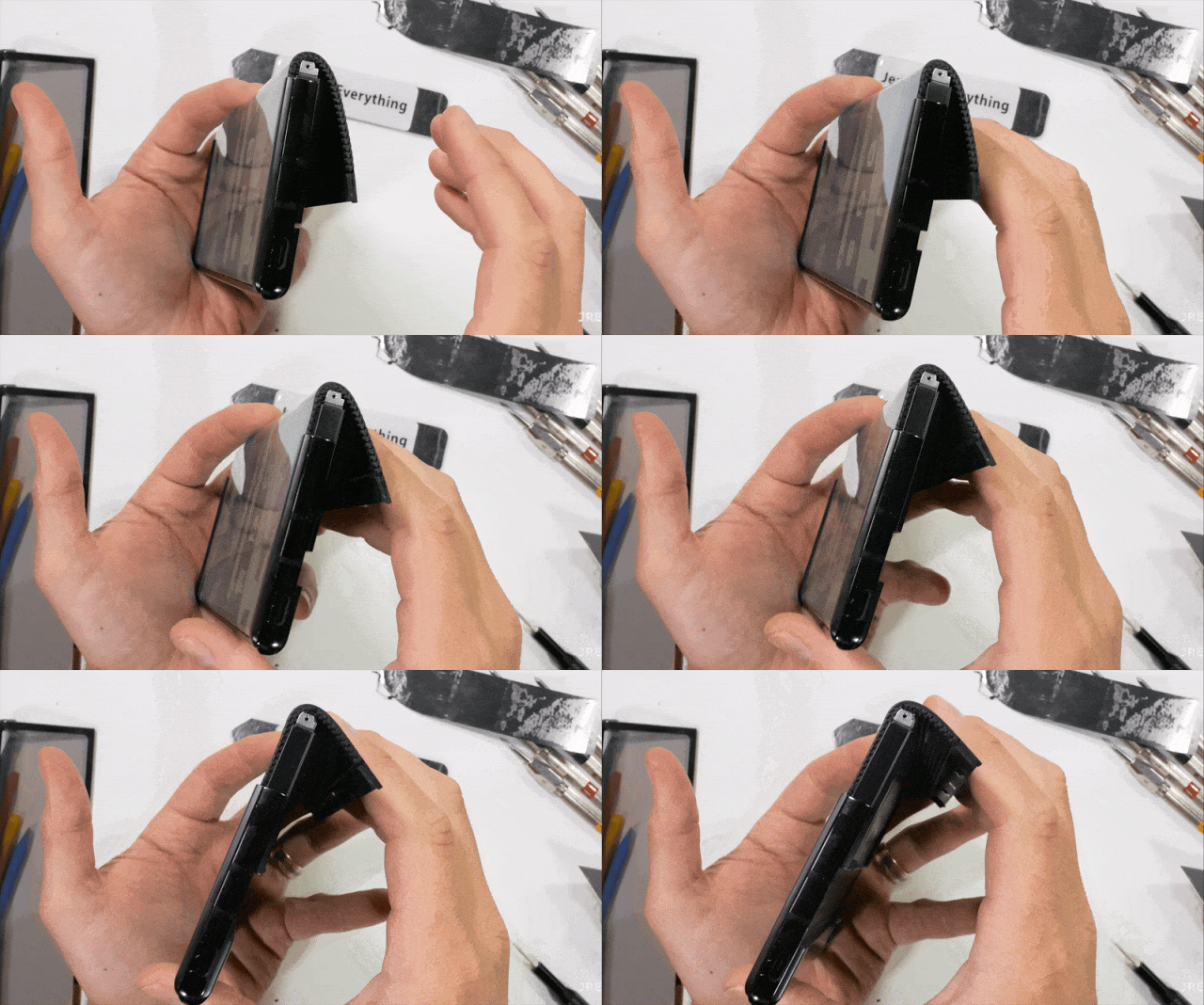
It's worth mentioning that due to the need to leave space for expansion, the volume of the motherboard and battery of the LG Rollable is actually only about the same as that of a regular phone. To support this large screen, LG also installed a large 4500mAh battery. The entire phone weighs 285 grams, which is almost the same as large foldable phones like the Samsung Galaxy Z Fold 4 at that time.
The rollable screen can be said to be an "uncompromising" solution, and different screen aspect ratios can be achieved by controlling the motor. Unlike foldable screens, where either the outer screen or the inner screen's aspect ratio has to be sacrificed - either the outer screen is short and fat, or the inner screen is square.
For example, the folded iPhone from Apple will probably have a nearly square aspect ratio when folded, being relatively short and fat, just to become a horizontal tablet when unfolded.
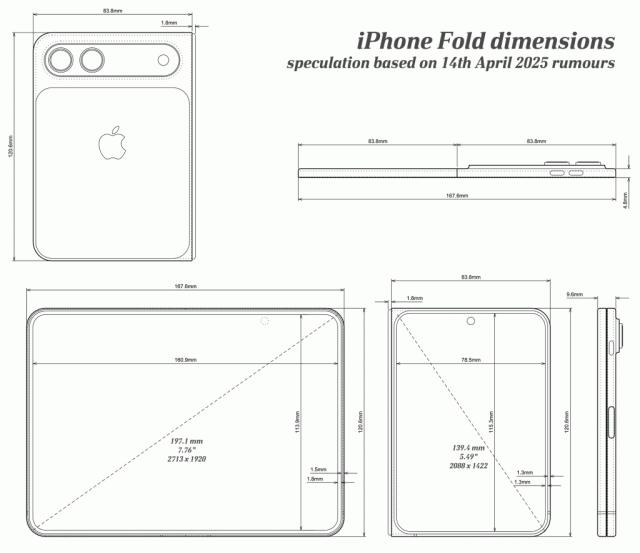
Therefore, after this disassembly video was released, many media and netizens felt a bit sorry for the LG Rollable. They thought that if it could have survived until now, it might have been able to compete with foldable screens and become another solution for "portable large screens". Some even thought it was more innovative than current phones.
The rollable screen can't compete with the foldable screen
In fact, LG was not the only one working on rollable screens at that time. Samsung, its old rival, always had rollable screen prototypes, and OPPO in China also presented similar concept products at that time.
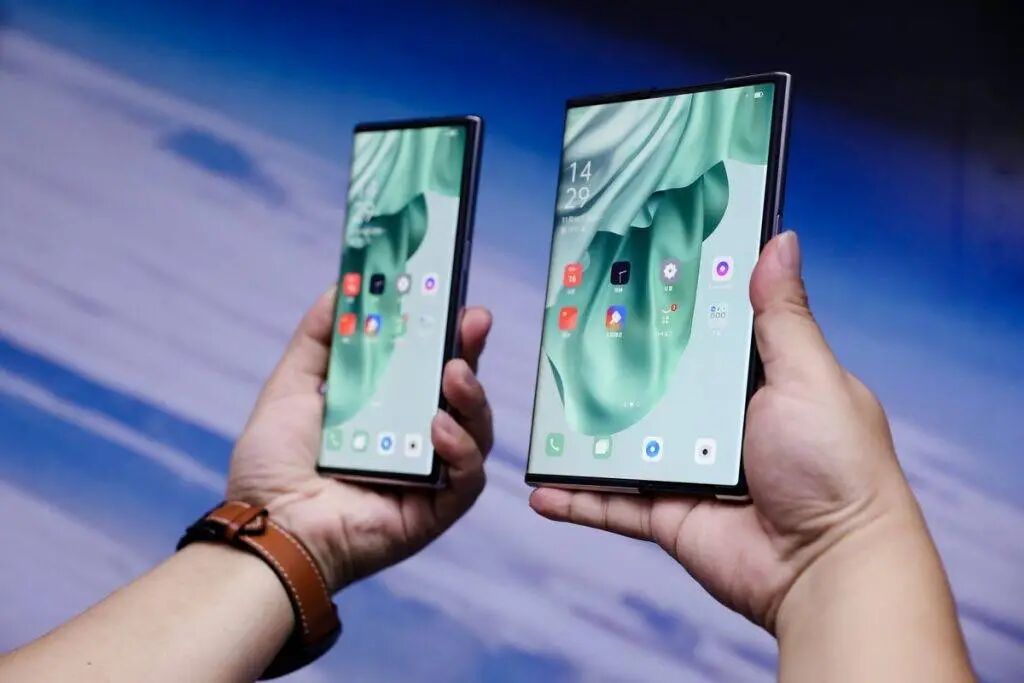
OPPO X 2021
However, to this day, we still haven't seen any rollable phones officially launched. Xiaomi and OPPO have long abandoned the exploration in this direction, and Samsung's rollable screens have never left the glass cases at exhibitions and reached our hands.
The rollable screen seems to have the most ideal "portable large - screen" display effect without compromising on either the large or small screen. However, this doesn't mean it is the most perfect solution.
The expansion method of the "rollable screen" is relatively complex. Manually "pulling" it open is not only difficult but also likely to damage the delicate mechanism. To avoid uneven stress on the screen, an automatic screen - expanding motor has to be incorporated.
For the precious space in a phone, incorporating such a large - scale structure has greatly limited the possibility of the phone's future form evolution, and the cost is also difficult to match that of foldable phones with a pure mechanical structure.
