Can an Ultraman flying at Mach 3 fly faster than a fighter jet flying at Mach 3.2?
This is the power form of Ultraman Tiga. According to the official archives, its flight speed is 3 Mach.

And this is one of the fastest fighter jets in human history, the Soviet MiG - 25. Its maximum speed can reach 3.2 Mach.
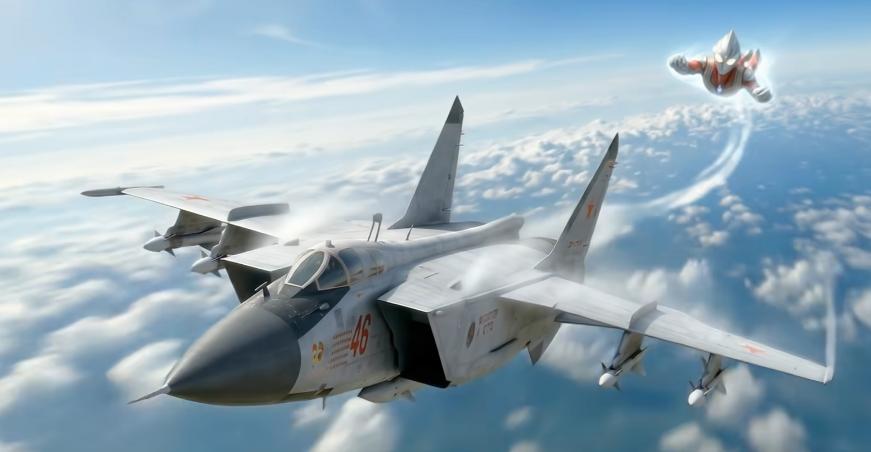
Judging from the numbers, it seems that the jet is flying faster than Ultraman. So, can't Ultraman fly faster than the fighter jet? Today, let's talk about how fast Mach is.
How fast is Mach?
I don't know if you've noticed that whether it's Ultraman or the more common airplanes and missiles, whenever we talk about something flying in the sky, we often use Mach to describe its speed.
So, how fast is 1 Mach exactly?
In fact, it's not a specific number, but the ratio of the current speed to the speed of sound.

If it's flying exactly at the speed of sound, it's 1 Mach; if the speed is twice the speed of sound, it's 2 Mach.
But the speed of sound is not a constant value.
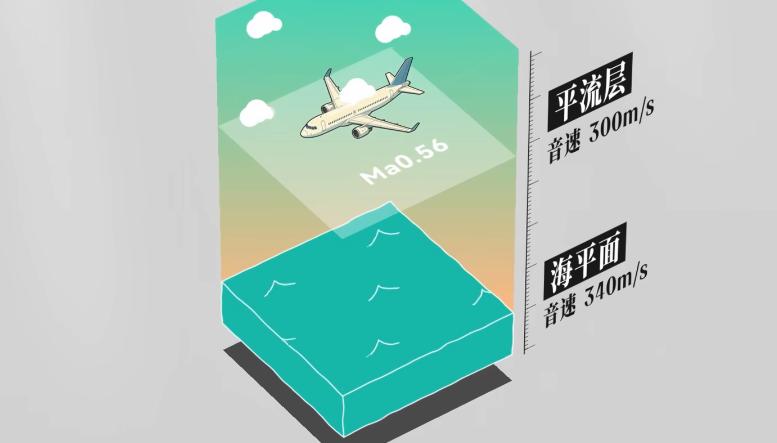
The 340 m/s that we're most familiar with is the speed of sound in the air at 15°C and one standard atmosphere. But once the environment changes, the speed of sound will change accordingly.
For example, near sea - level, the speed of sound is 340 m/s, but in the stratosphere where the air is thinner, the speed of sound may be only about 300 m/s.
That is to say, an airplane flying at 170 m/s has a speed of 0.5 Mach at sea - level, but if it flies into the stratosphere at the same speed, it becomes 0.56 Mach.
So talking about Mach without considering altitude and temperature is like talking about toxicity without considering dosage. It's all nonsense.
Why use Mach?
But by this point, I believe many of you will have a question: since Mach is a variable value, why do we still use it to describe flight speed? Isn't it more intuitive to use fixed units like meters per second or kilometers per hour?
To figure this out, we first need to know how an airplane takes off.
How does an airplane take off?
What keeps an airplane suspended in the air is not the engine, but the lift force generated by the wings in the air. In an ideal situation, we can regard the air as a set of continuous, uniform parallel airflows.
When the airplane flies forward, the wings are like a shovel, "crashing" into the air and splitting the parallel airflow into two parts. One part goes over the wings, and the other part goes under the wings.
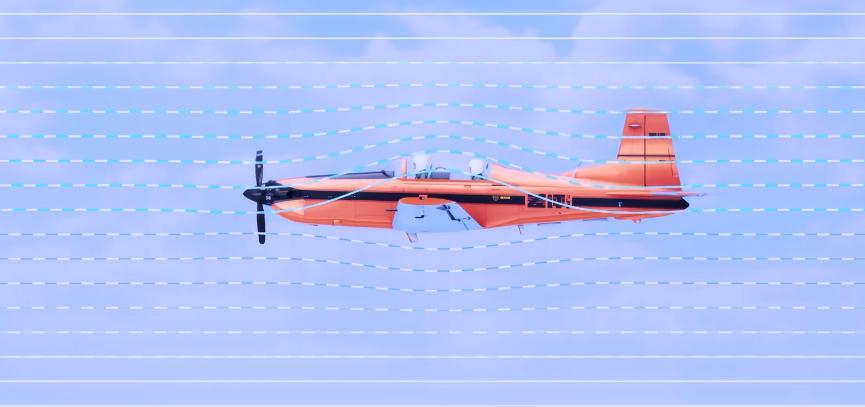
At this time, the air above the wings will make a sharp "turn" around the curved contour of the leading edge.
To make the air keep turning, there must be an inward force to pull it.
This force doesn't come out of thin air, but from the compression of the surrounding air. The air passing through here will experience a centrifugal force perpendicular to the curve and pointing outward, just like when we drive at high speed around a curve.
Under its action, part of the pressure of the air above the wings is "sucked away", forming a stable low - pressure area.
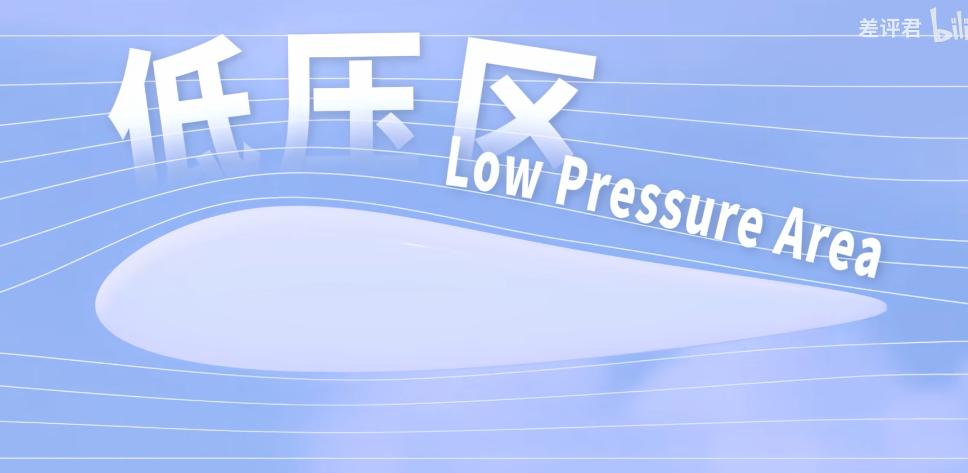
In contrast, the airflow under the wings is smoother, the change in its motion state is not as drastic, and the pressure doesn't decrease significantly.
Due to the pressure difference on both sides of the wings, the air forms an upward resultant force on the wings, which is what we call lift.
Based on this theory, we seem to be able to draw a very intuitive conclusion: as long as the angle between the wings and the air is within a certain range, the faster it flies and the larger the angle at which the wings are lifted, the greater the pressure difference between the upper and lower surfaces, and the greater the lift.
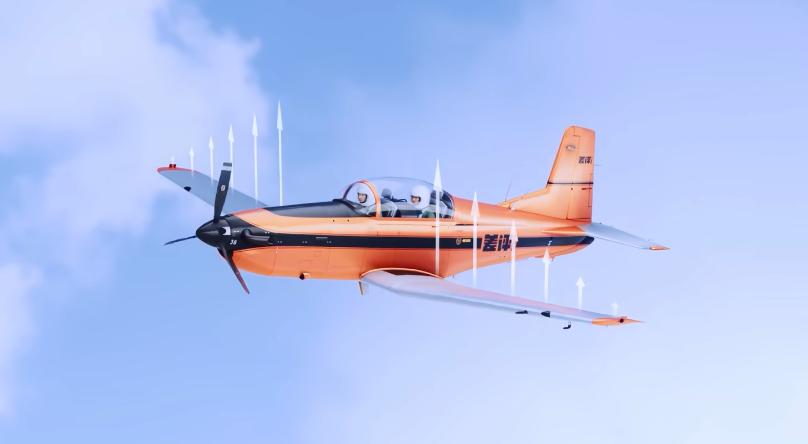
But as the maximum speed of airplanes becomes faster and faster, many pilots have found that when the airplane approaches its maximum speed, it will shake violently and even lose control.
On November 5, 1941, a test pilot named Ralph Weldon was flying a P - 38 "Lightning" fighter jet for a high - speed dive limit test.
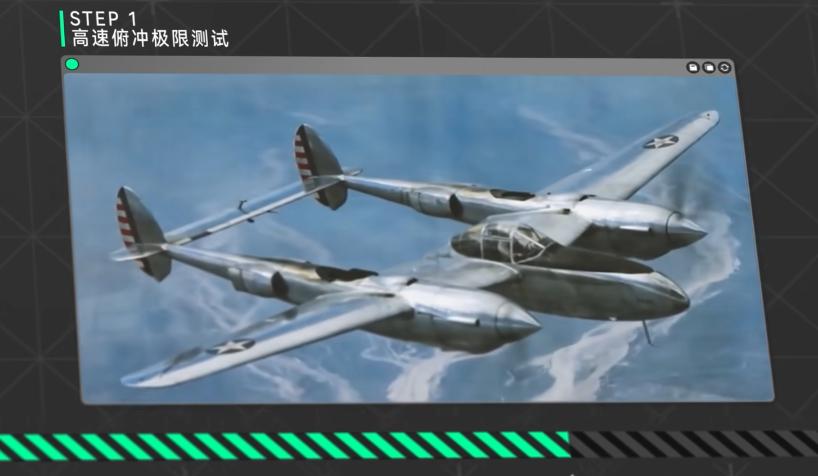
But when he was about to end the dive state, pull up the nose, and resume level flight, he found that no matter how hard he tried, the airplane seemed to be held down by something and couldn't be pulled back.
Finally, the airplane lost control and crashed, and Ralph unfortunately died in the accident.
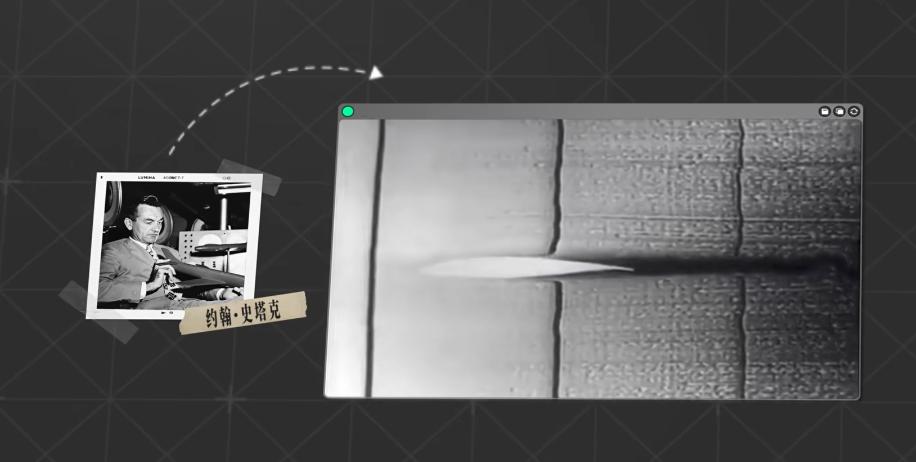
Subsequently, John Stack, the engineer in charge of the investigation, used the schlieren method to photograph the airflow state around the wings in this "high - altitude ghost - pressing" accident in the wind tunnel. He found that this suddenly increased pressure was not a mechanical failure, but came from the invisible and intangible sound.
How does sound affect an airplane?
Sound is essentially a disturbance caused by vibration.
When an object vibrates in the air, it will continuously compress the surrounding air and transmit this compression layer by layer outward, forming sound waves.
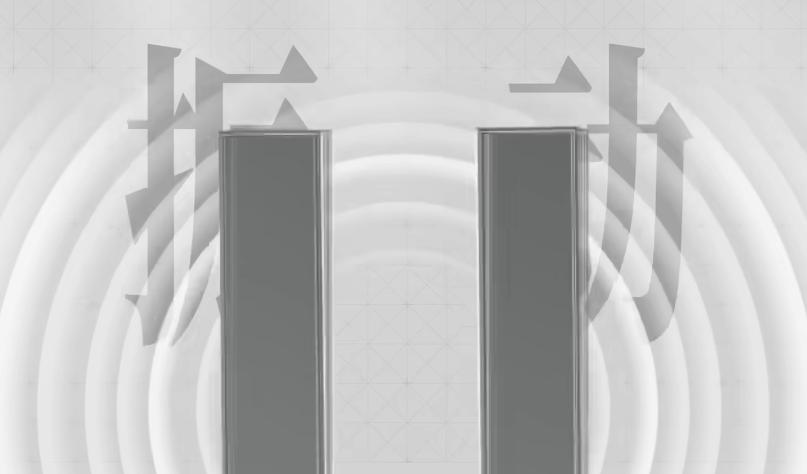
In an ideal situation, if the sound source is stationary, this disturbance will spread evenly around the sound source in all directions.
It looks like concentric circles expanding outward layer by layer.
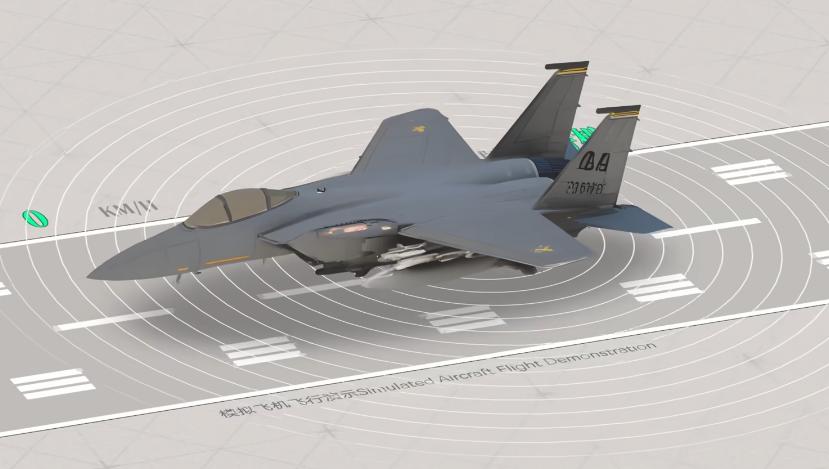
But for a long time, when analyzing the aerodynamic problems of airplanes, aviation engineers actually regarded the air as an incompressible continuous medium.
Under this assumption, no matter how the sound source moves, the sound waves will maintain the shape of concentric circles.
But this approximation doesn't hold at all speeds.
Once the speed of the sound source is greater than 0.3 times the speed of sound, the air compression and expansion caused by sound can no longer be "ignored".
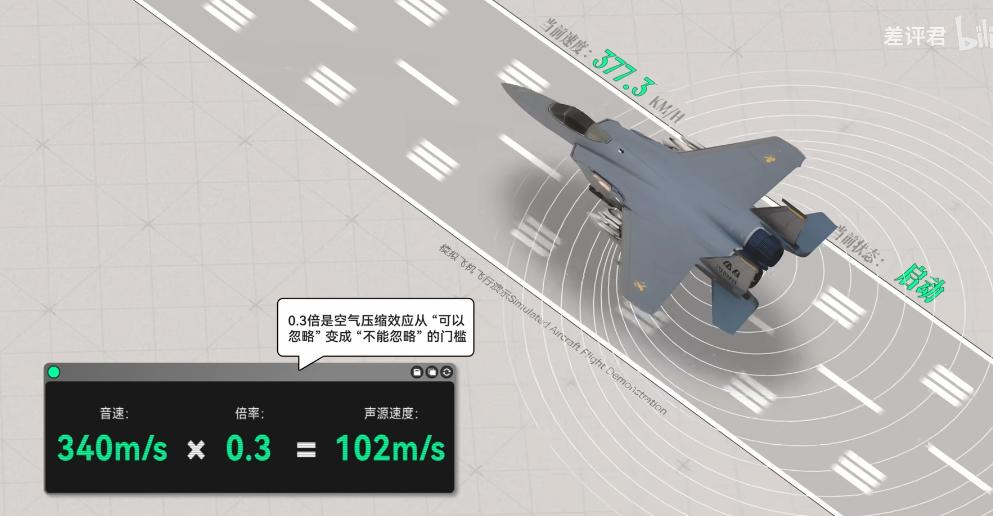
At this time, the sound waves emitted by the airplane are no longer evenly spreading concentric circles, but eccentric circles that are "narrow in the front and wide in the back". In the direction of the sound source's movement, the distance between the waves is compressed, while the distance between the waves behind the sound source is stretched.
As the flight speed gets faster and faster, the center of the circle moves more and more, and the air in front is continuously compressed. When the speed is exactly equal to the speed of sound, the speed of the center of the circle's movement is the same as the speed of the sound wave's diffusion.
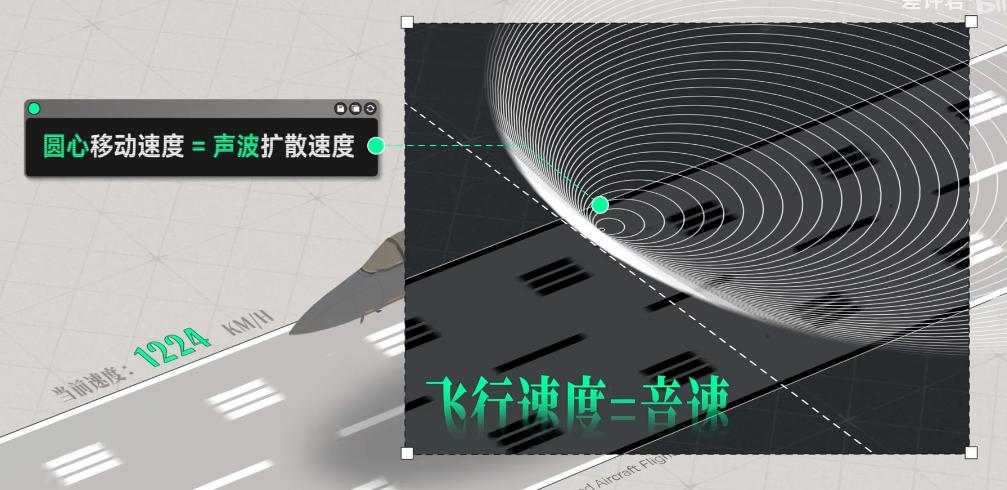
At this time, each newly generated wave can exactly "catch up" with the previous wave. As a result, the sound waves that were originally nested and never intersected are tangent in the direction of the airplane's movement, forming a huge "air wall", which is what we often call the sound barrier.
What does Mach bring to aviation?
How did humans break the sound barrier?
In Ralph's accident, although the airplane hadn't reached the speed of sound, as we mentioned before, once the air hits the wings, in order to bypass the curved contour of the leading edge, it must complete a "sharp turn" accompanied by acceleration.
This makes the air at the leading edge and the upper surface of the wings reach the speed of sound, thus hitting the "air wall", and the resistance increases greatly.
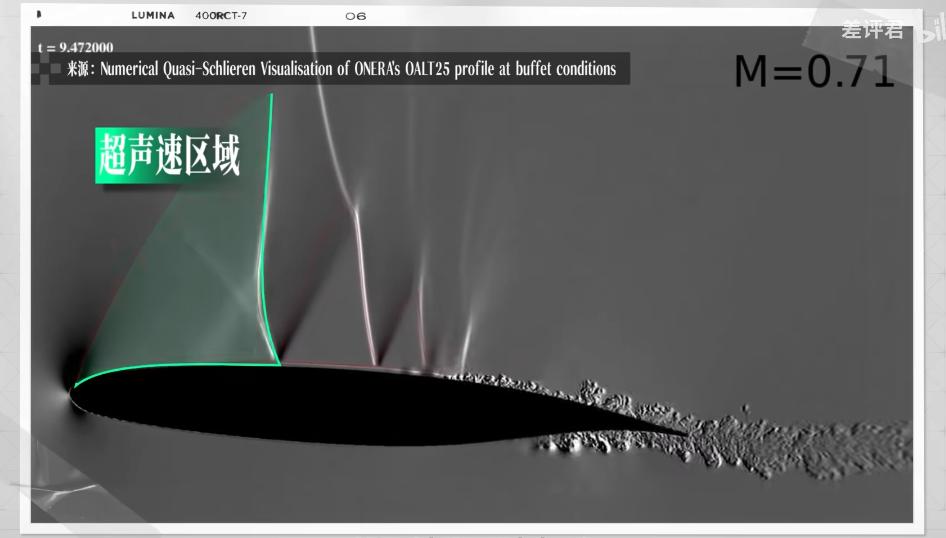
At the same time, when the airflow passes through the boundary of the "sonic area", the drastic pressure change will also cause the airflow that was originally closely attached to the wings to separate from the surface, causing the lift to drop sharply.
Even worse, these highly compressed and suddenly unstable high - speed airflows don't dissipate immediately, but are thrown towards the tail.
Originally, the function of the tail is to balance the airplane, just like the other end of a seesaw, using a downward force to stabilize the airplane's pitch attitude.
But now, the addition of this turbulent flow makes the air velocity above the tail increase rapidly, thus generating an upward lift.
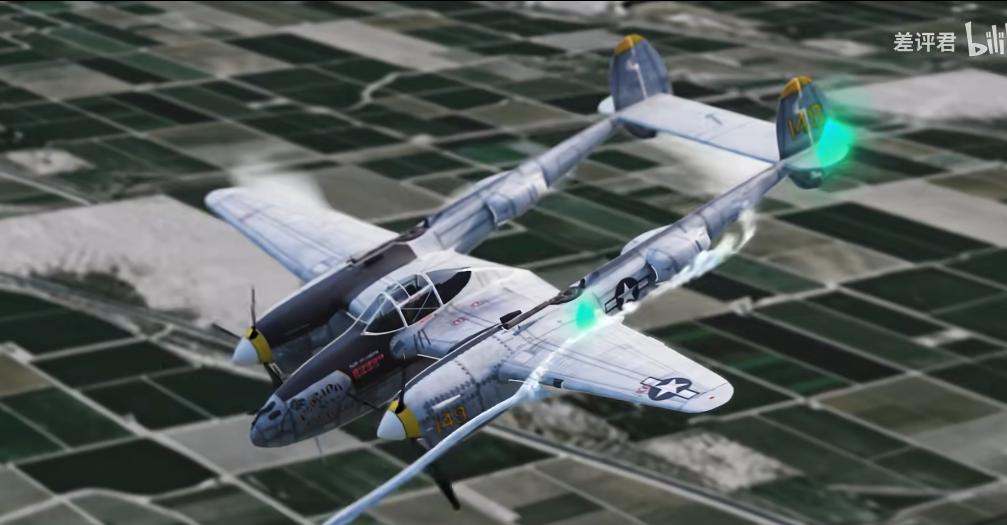
As a result, the lift of the front wings decreases and can't lift the nose, while the rear tail keeps rising. This locked Ralph's airplane in a dive attitude.
Finally, an accident occurred.
From the lessons of this series of accidents, aviation engineers realized one thing: what affects the flight state is not only how fast it flies, but also how close it is to the speed of sound.
So the Mach number was introduced into the aviation field.
What Mach describes is actually what kind of air the airplane is facing at