The list of the top ten bionic robots is out: XPENG IRON's "catwalk" went viral on the Internet, and Shouxing Matsuken is busy making a 1:1 replica.
On April 1st, the Chinese name of XPeng Motors was officially changed to "XPeng Group", which undoubtedly better reflects XPeng's current business development and expansion.
Beyond the automotive business, XPeng's two most prominent new business layouts at present are low - altitude aircraft (flying cars) and robots (IRON).
In November last year, the new - generation IRON robot walked onto the stage of XPeng Tech Day with a quite natural "catwalk". Its highly anthropomorphic appearance and graceful and stable gait sparked widespread discussions across the internet, and there were even many doubts like "is there a real person inside?"
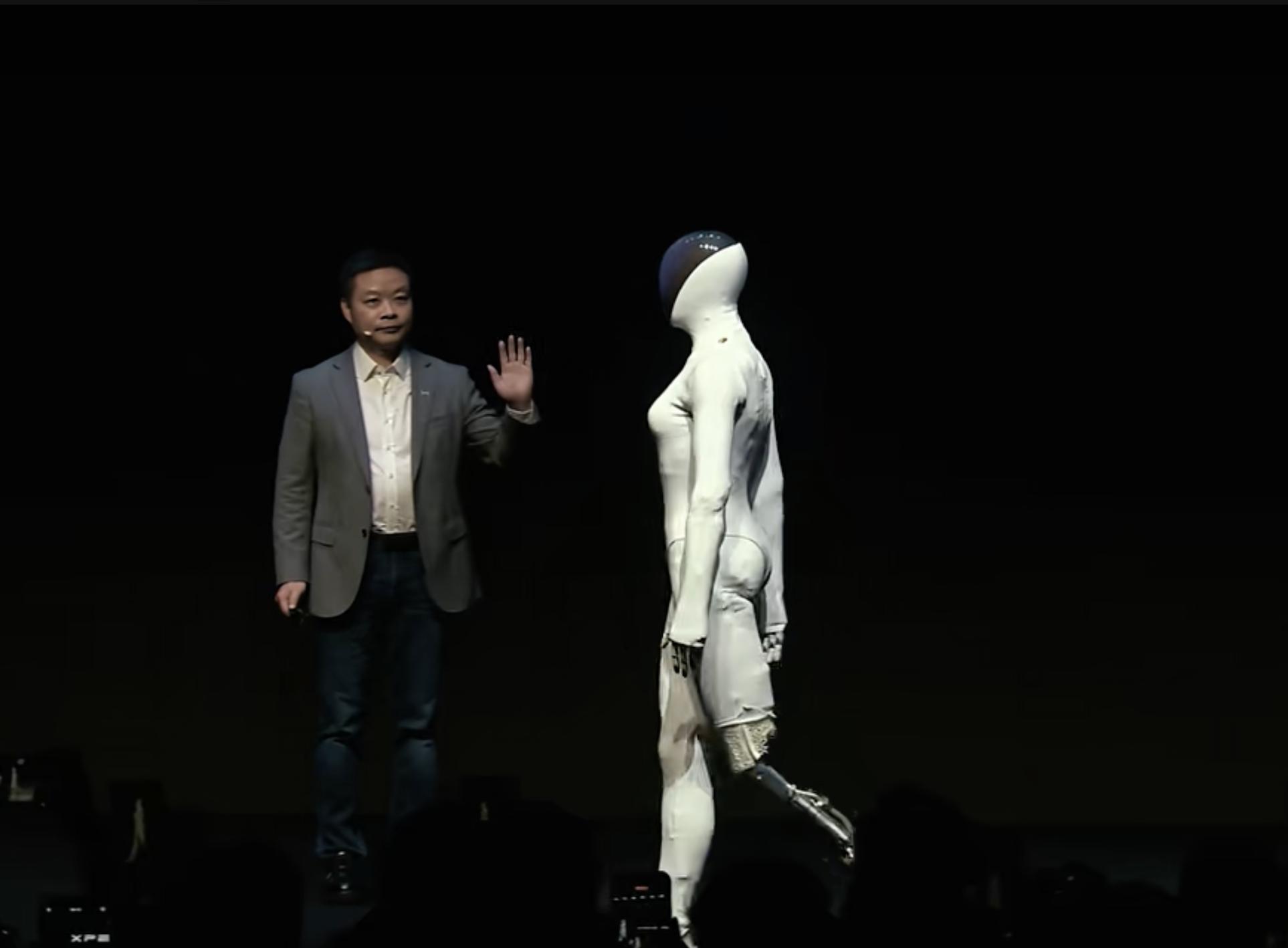
Image source: XPeng
With the popularity of XPeng's IRON, the concept of "bionic robots" has become even more popular. In this technological race, XPeng's IRON, which "can walk the catwalk", is not the only one. Lei Technology (ID: leitech) has compiled a list of the top ten global bionic robot technology companies. Let's take a look.
After robots become "more human - like", XPeng uses them for work, while Shouxing uses them for emotional connection
The new - generation XPeng IRON robot adopts an "extremely anthropomorphic" design. How does it embody the word "extreme"?
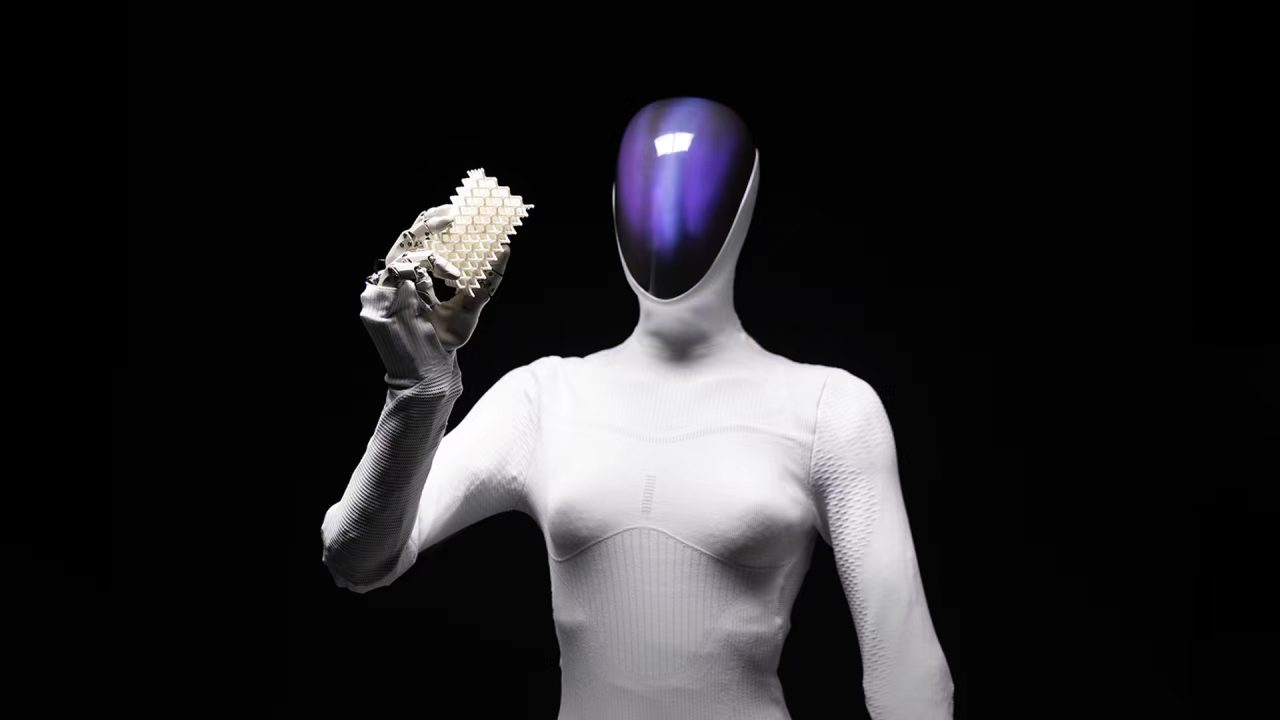
Image source: XPeng
In terms of the body, XPeng's R & D team has made efforts in many aspects such as shape design, hardware configuration, motion control, and detail shaping. As a result, the XPeng IRON robot has a human - like skeleton, muscle - like drives, an ergonomic body, and even "breathing" skin, and has a "more human - like" sense of life in its shell form.
In terms of the brain, the XPeng IRON robot is equipped with 3 Turing AI chips with a total computing power of 2250 TOPS. It is also equipped with XPeng's second - generation VLA large - model for the first time. Through the combination of high - order "VLT + VLA + VLM" capabilities of the large and small brains, it can achieve high - order intelligence such as dialogue, walking, and complex interactions.
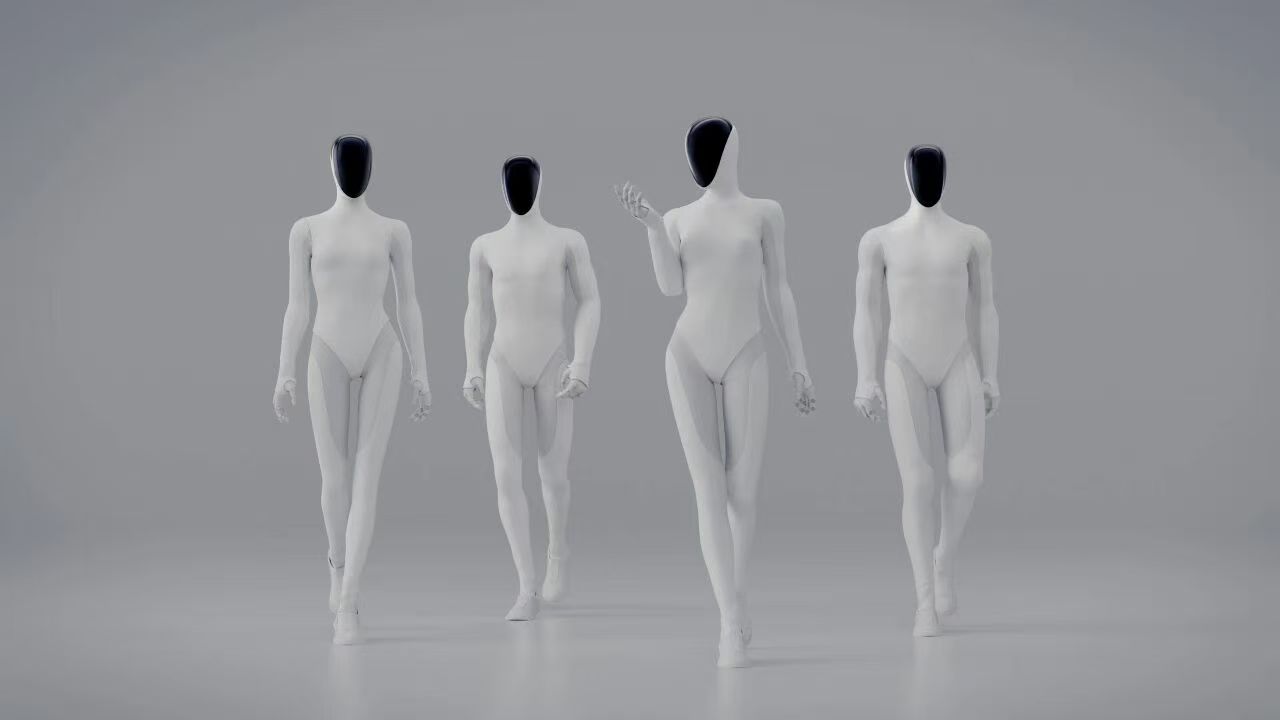
Image source: XPeng
Consistent with most humanoid robot manufacturers, the "extremely anthropomorphic" robot created by XPeng is mainly used in work and service scenarios.
As the "most anthropomorphic" humanoid robot created by XPeng, the new - generation IRON will start mass production by the end of this year, aiming to become "the world's first large - scale mass - produced high - order humanoid robot".
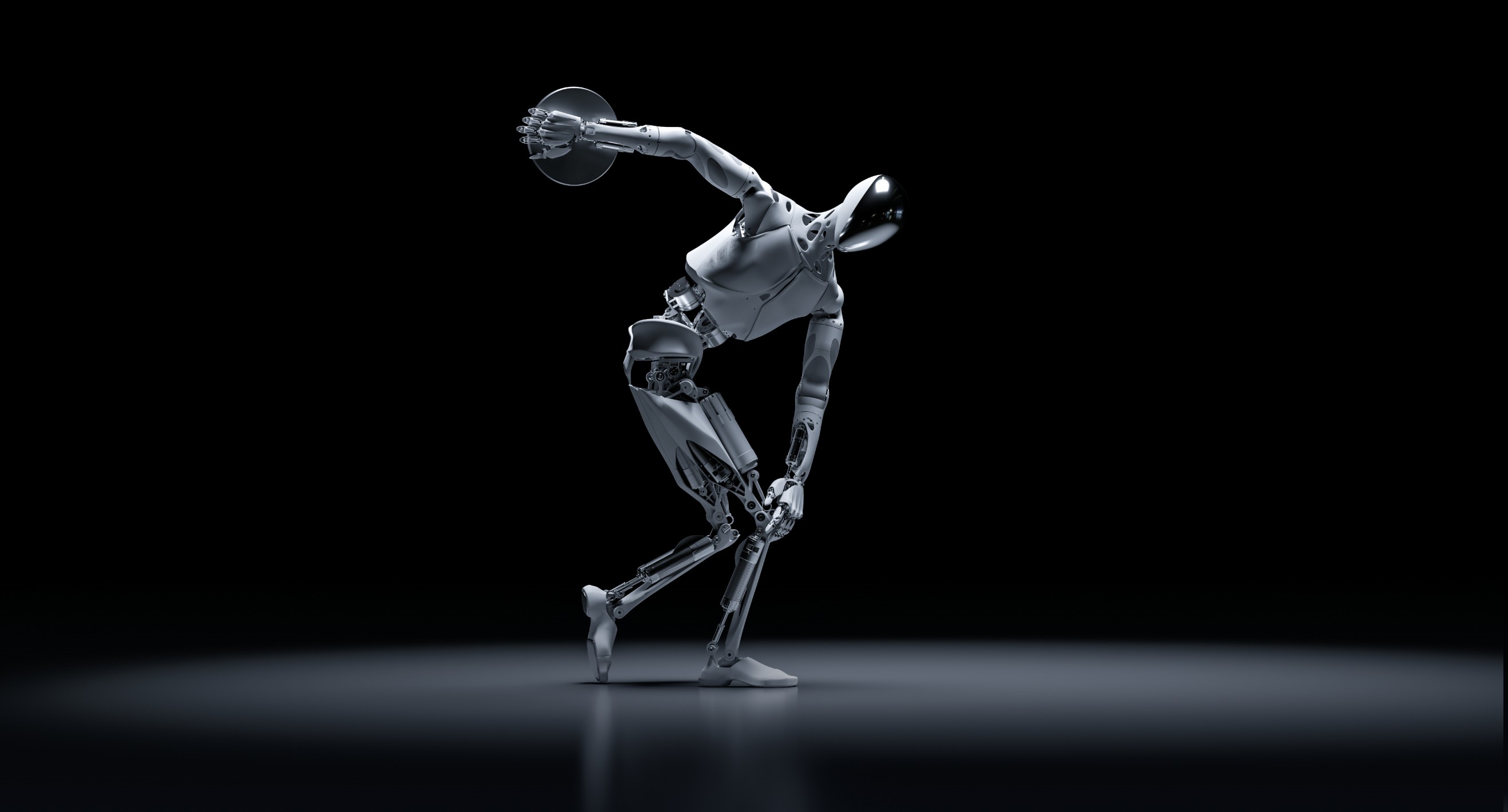
Image source: XPeng
XPeng is not alone on the path of making robots "more human - like".
For example, Shouxing has launched a highly bionic facial robot. Based on its self - developed Emotional Foundation Model, it integrates multi - modal information such as language, expression, voice, and context, and can predict human - robot facial emotional expression. This enables the robot to understand subtle facial changes in humans and make natural and credible responses.

Image source: Shouxing
In addition to the multi - modal emotion system and high - precision facial expression control algorithm, Shouxing's highly bionic facial robot has also made more realistic designs and treatments in skin texture, muscle movement, and facial expression rhythm, aiming to further enhance the immersion and emotional connection experience in human - robot interaction.
Relying on the continuous iteration of the Emotional Foundation Model and highly bionic facial technology, Shouxing Technology extends "natural emotional expression" to "real interaction experience". Robots can not only understand and respond to emotions but also enter the real world as "embodied digital lives". For this purpose, Shouxing has launched the Origin Project and the Elf Project.
The so - called Origin Project aims to transform virtual digital lives from the cold screen into tangible, perceivable, and communicative entities. For example, Shouxing collaborated with NetEase to launch "Fang Chengyi" (from "The Sleuth of the Mists"), which is claimed to be the first 1:1 bionic robot of a game character in China.

Image source: Shouxing
The Elf Project emphasizes aesthetic appearance and character temperament, making the robot itself a "technological product with art collection value". As the flagship product, "Elf Xuan" has a highly bionic face and a highly recognizable design, giving the robot a dual identity of "anthropomorphic + art piece".
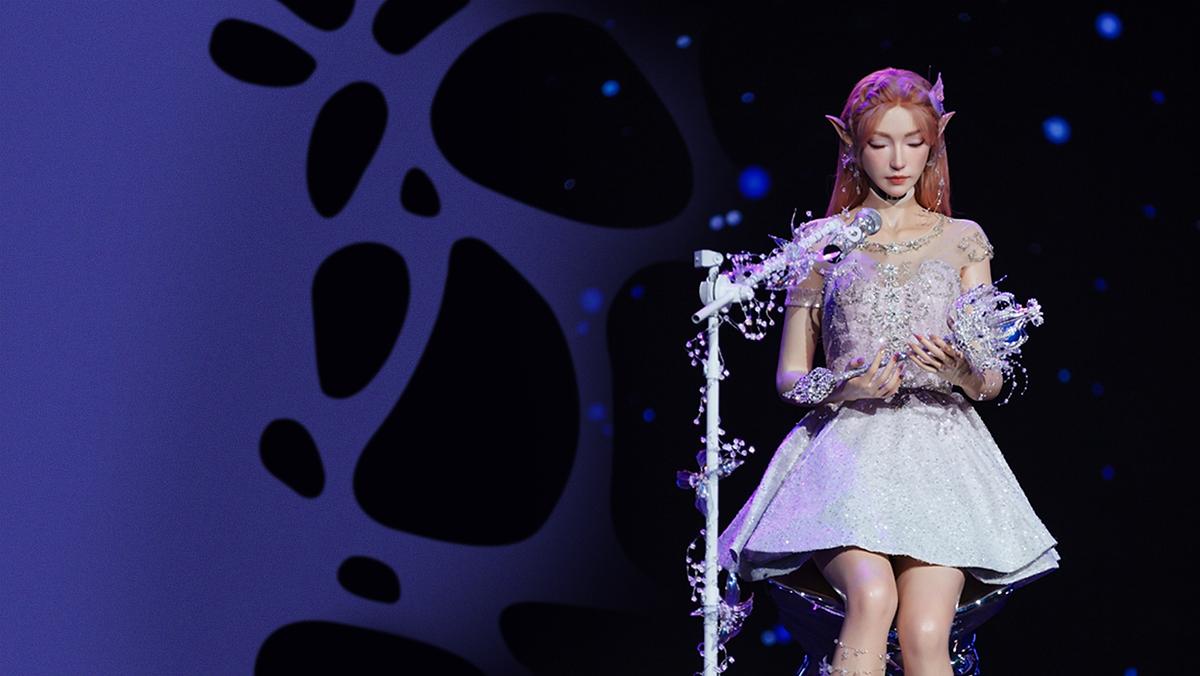
Image source: Shouxing
Overseas technology powerhouses: Engineered Arts & 1X
Engineered Arts, founded in 2004 and headquartered in the UK, is currently a global leader in the fields of "bionic emotional interaction" and "humanoid robot facial expressions" technology.
Engineered Arts believes that the ultimate value of humanoid robots lies not only in the flexibility of the "hands" but also in the vividness of the "face" and the interaction of the "heart".
As the representative work of Engineered Arts, Ameca is hailed by foreign media as "the world's most human - like robot". Its core technology lies in the precise replication of the subtle muscle groups on the human face.
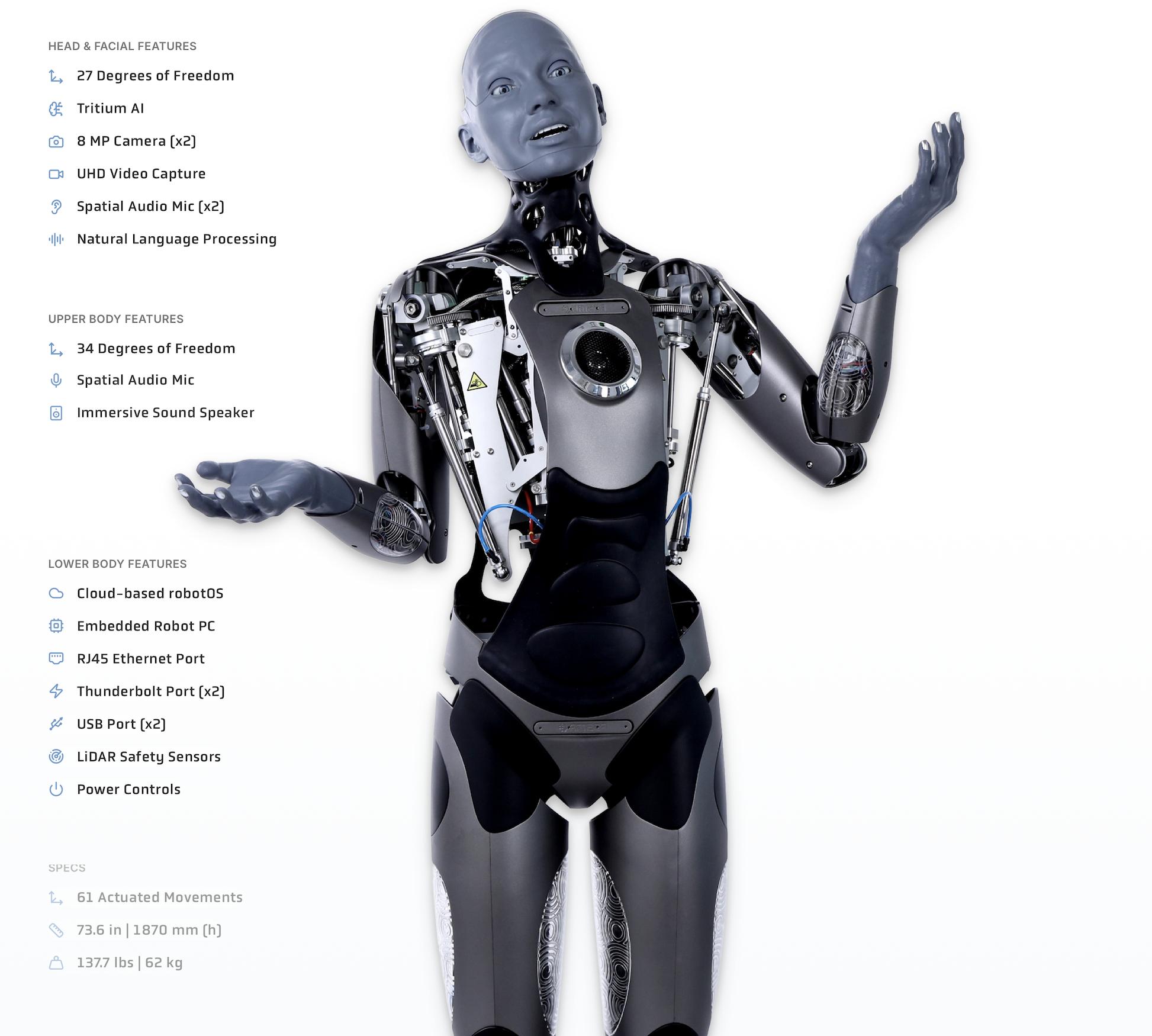
Image source: Engineered Arts
Different from the rigid facial expressions of traditional robots, Ameca can simulate complex expressions including doubt, surprise, disgust, and even a subtle sense of humor through dozens of high - precision actuators distributed on the face.
In terms of the design style of the robot's form, Engineered Arts follows a highly anthropomorphic and artistic route. Their Mesmer robot takes this style to the extreme. By 3D scanning real people and covering them with hand - painted high - grade silicone skin, it is almost indistinguishable from a real person in terms of pore texture and hair direction.

Image source: Engineered Arts
By integrating many third - party large language models, Engineered Arts intends to gradually transform its robot products into digital life carriers with personality, a sense of humor, and social etiquette, targeting high - end concierge services, film and television special effects, and psychological research applications.
In contrast, 1X (formerly Halodi) is regarded as one of the robot companies that can most challenge the "traditional mechanical paradigm".
As an enterprise invested in by OpenAI, 1X's design logic abandons the traditional mechanical paradigm of rigid gears, reducers, and heavy motors in robots and instead adopts rope - driven technology, imitating the human tendon system, emphasizing a style of "soft and strong like a human".
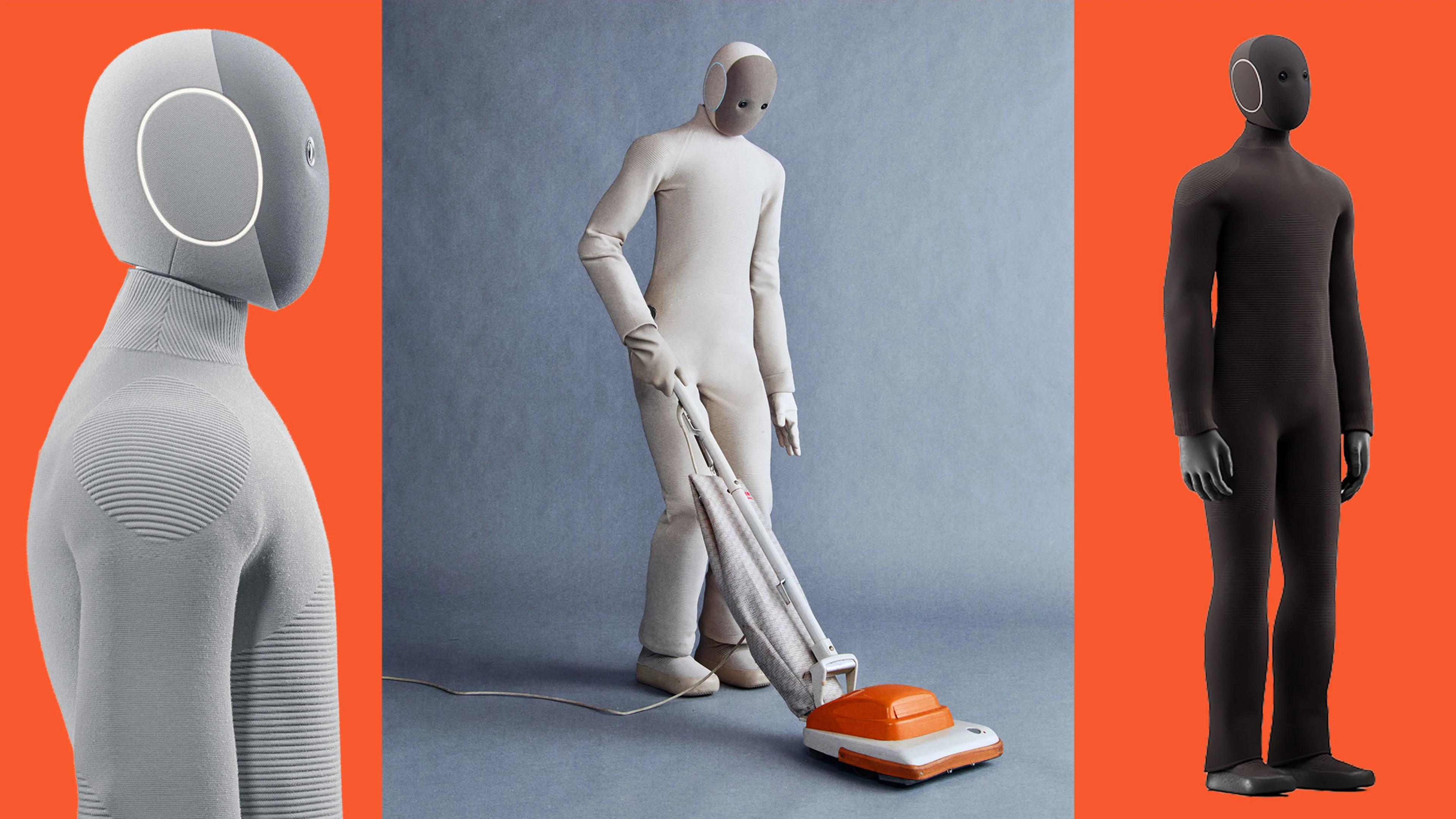
Image source: 1X Technologies
The appearance of the NEO robot, 1X's flagship product, such as its face, does not pursue extreme replication. Instead, it wears a flexible outer layer with a biological touch all over its body, presenting a "compliant" body structure.
This means that the NEO robot's movements are no longer mechanically jerky but elastic and silent like human muscles. This characteristic allows it to move safely in small household spaces. Even if it has a physical collision with a human, it has a "buffer zone" like a real limb.
1X believes that the key for robots to enter thousands of households lies not in how much they look like humans but in how naturally, lightly, and gently they move. The NEO robot's hand has a high degree of freedom and force - control precision and can perform relatively delicate household tasks such as folding clothes and picking up fragile items. Relying on the embodied intelligent brain built on the OpenAI large model, 1X robots can learn new skills autonomously by observing human action videos.
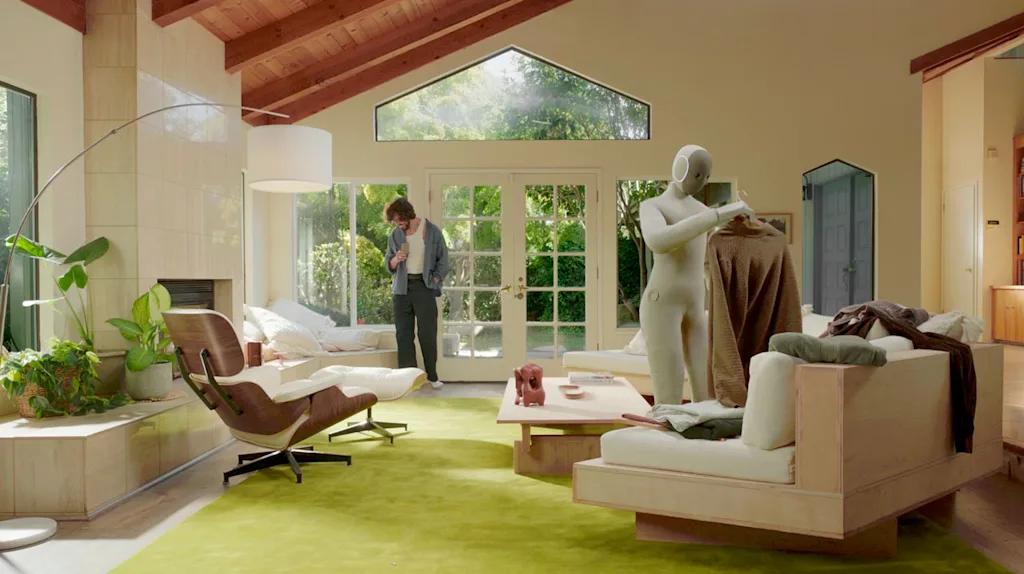
Image source: 1X Technologies
Large - scale humanoid robot manufacturers are also making breakthroughs in functions and scenarios in the bionic human process
Actually, in the currently hottest humanoid robot race, many brands are also trying the bionic human path.
Zhiyuan is currently the global sales champion in the humanoid robot market. At the CES 2026 site, the reporting team of Lei Technology (ID: leitech) saw that many of Zhiyuan's robot products have interaction and customization functions. For example, through the flexible display on the face, different facial expression interactions can be realized.
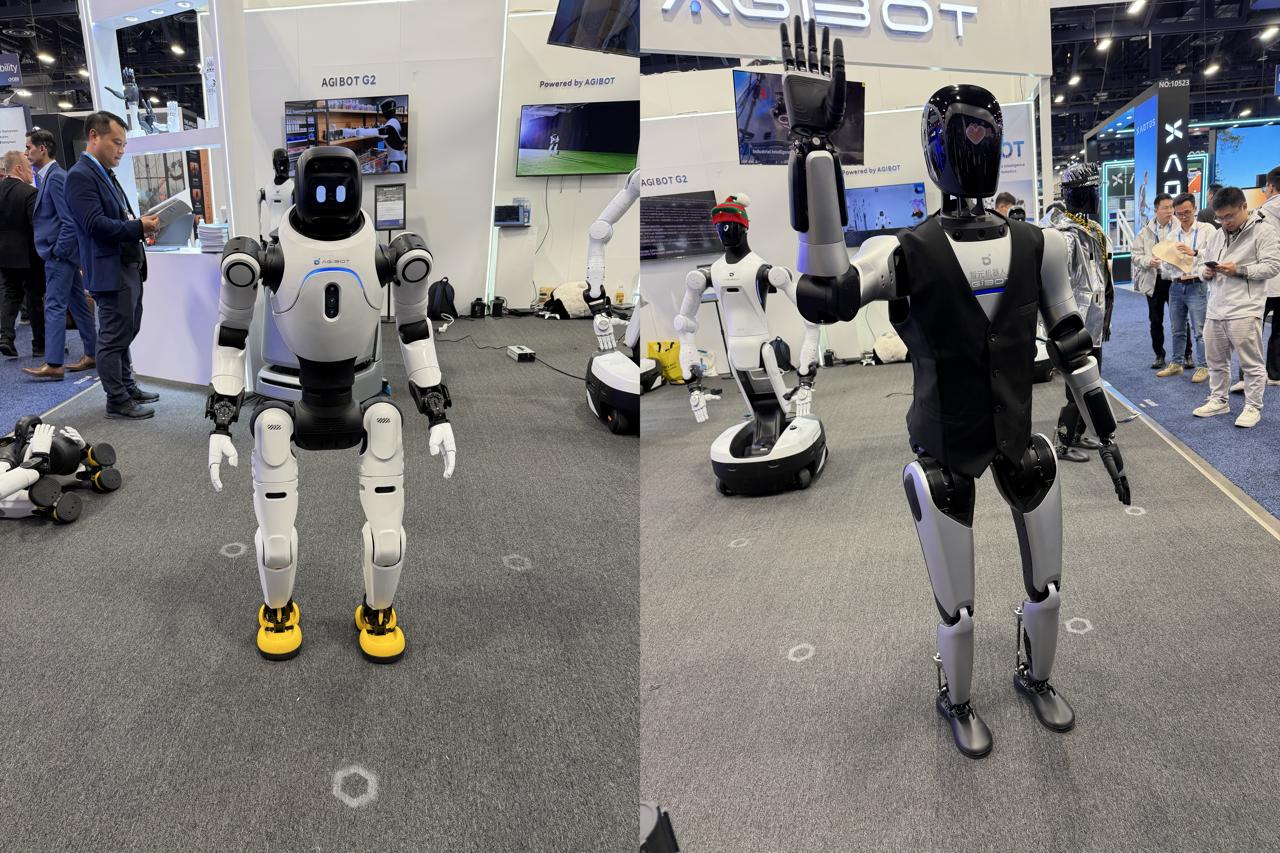
Image source: Footage taken at the Lei Technology CES 2026 site
Zhiyuan not only enables robots to "express" but also makes them "know how to express" through the combination of software and hardware and ecological construction.
As the culmination of its efforts, the facial expression interaction of the Zhiyuan Lingxi X2 robot is based on the self - developed "Silicon - Optic Dynamic Language" multi - modal large model. It can analyze human facial expressions and intonation, respond, and perform more than 30 micro - expressions, convey anthropomorphic emotions, and combine small actions such as breathing rhythm and "stealthy observation" to make the interaction more vivid and interesting.
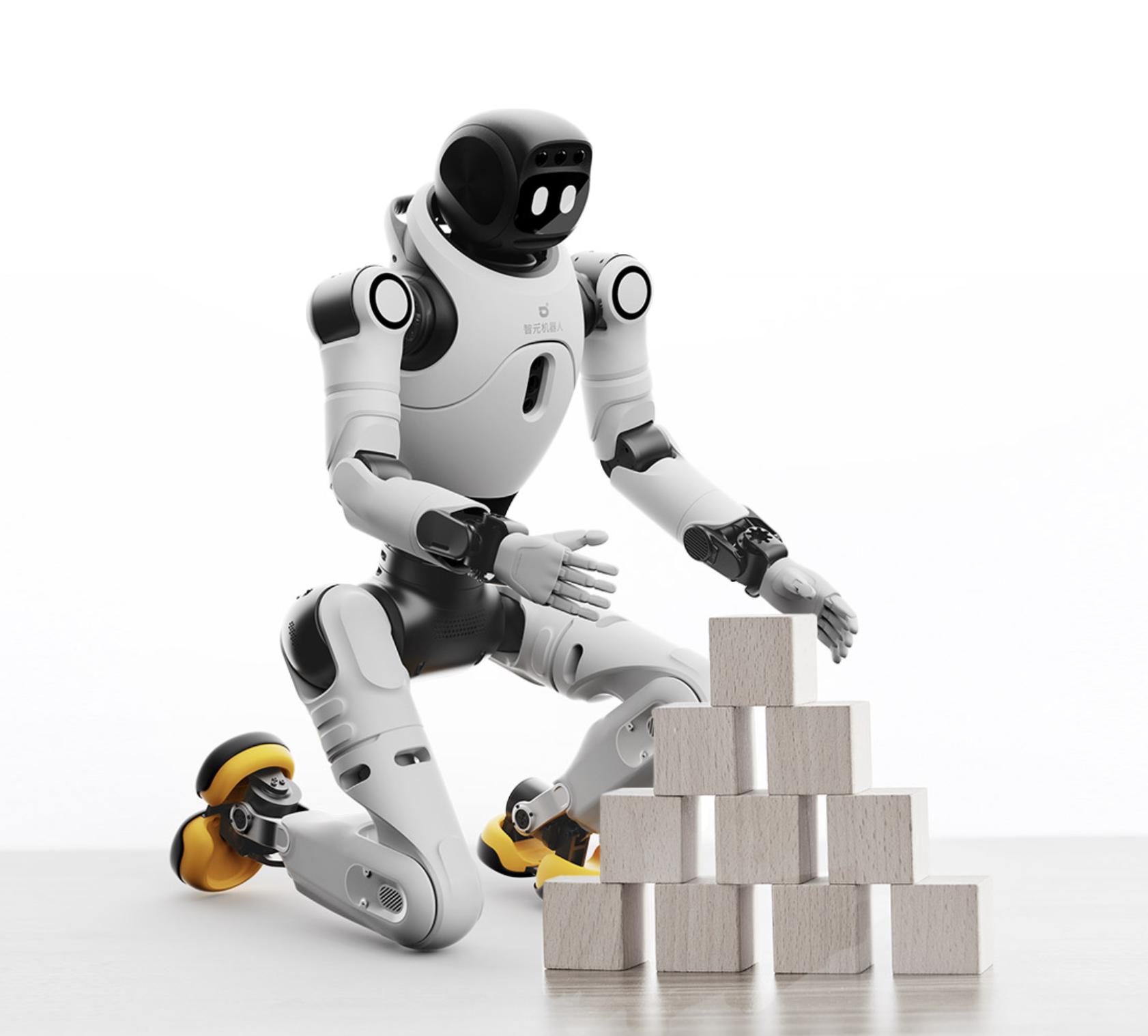
Image source: Zhiyuan
In addition, when touching the flexible outer shell of Zhiyuan's robot, the body sensors can sense the touch signal and then interact with humans through voice responses, facial expression changes, or body movements.
The Zhiyuan Yuanzheng A2 series also has the ability to combine more than 10 micro - expressions and hundreds of anthropomorphic actions. Its flagship version is also equipped with high - precision face recognition, which can achieve automatic wake - up and respectful greetings.
