Unitree is going public, but the final battle for robots is far from over.
The Winning Strategy of Unitree
As Unitree Technology's IPO approaches, the drums of war in the Chinese and even global robotics industry have been officially beaten. The focus of the track has suddenly shifted from the "positioning race" of traditional industrial robots to the "final battle" in the vast expanse of humanoid robots. The years 2025 - 2026 are generally regarded as the key turning point from the "awakening of the torso" to the outbreak of mass production. Unitree's listing, undoubtedly, has cast the most significant footnote in this technological battle.
More importantly, the support from the capital market for science - and - technology innovation enterprises is unprecedented. The two waves of IPO booms from 2025 to early 2026 seem to prove this point. After Moore Threads, the "first domestic GPU stock", went public on the A - share market at the end of 2025, within just 35 days, four domestic GPU companies, namely Moore Threads, Muxi Co., Ltd., Biren Technology, and Tianshu Zhixin, went public one after another, with the highest increase on the first day of listing exceeding 7 times. In January 2026, large - model companies Zhipu and MiniMax were listed on the Hong Kong Stock Exchange one after another. The market values of both companies once exceeded HK$300 billion, even surpassing the veteran Internet giant JD.com.
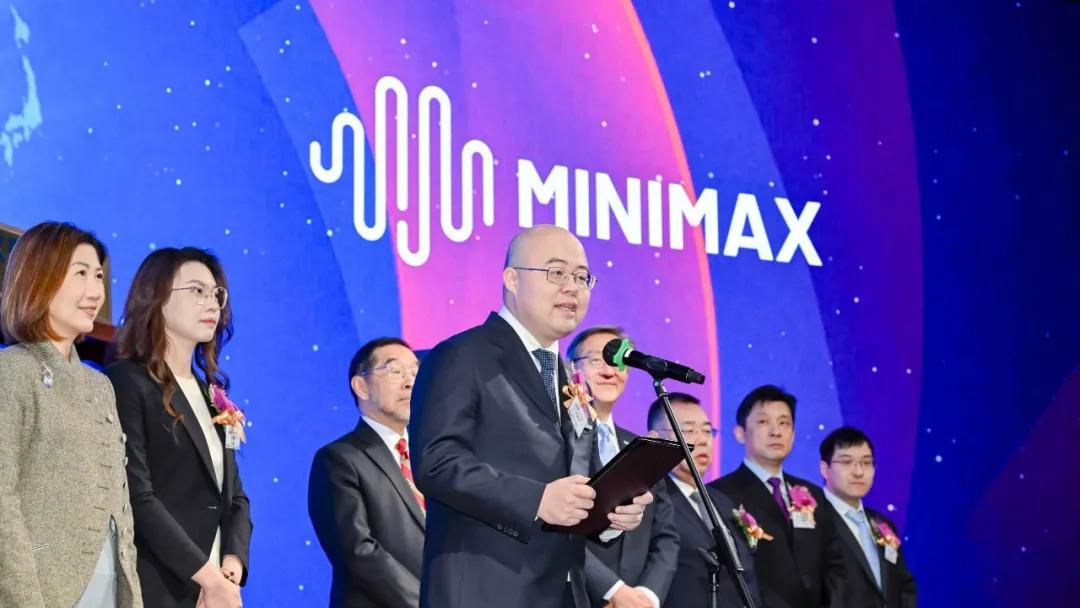
Image source: Internet
So, what should be the valuation of Unitree Technology, which has always been regarded as the "leader" in the field of humanoid robots? And how many people can taste the sweet fruits from this feast? Many investors believe that the embodied intelligence companies that went public in the first wave can be compared with the previously listed domestic chip and large - model companies, and "the market value will be quickly pushed up."
Objectively speaking, Unitree's prospectus is of high value. In terms of performance, Unitree achieved a turnaround from losses to profits in 2024. In 2025, it ranked first in the global shipments of humanoid robots, with an annual revenue of 1.708 billion yuan, a year - on - year increase of 335.36%. The net profit after deducting non - recurring items exceeded 600 million yuan, and the gross profit margin of humanoid robots was stably over 60%. In the hardware manufacturing industry, Apple with a 46% gross profit margin was once regarded as an insurmountable "ceiling" in the hardware manufacturing field.
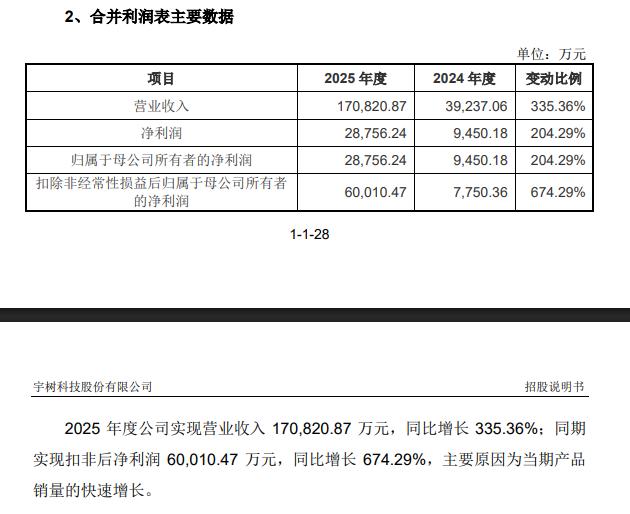
Image source: Unitree Technology's prospectus
So, does it mean that Unitree has completed the final answer sheet for commercialization? The answer may not be that simple. Unitree is indeed the leader in the first echelon, but there is still a long way to go before achieving the large - scale mass production of a commercial closed - loop as expected.
The reply to Unitree's inquiry letter disclosed on the official website of the Shanghai Stock Exchange shows that scientific research and education are still the core application scenarios for Unitree's humanoid robots. In the first three quarters of 2025, the revenue from the scientific research and education field accounted for 73.6% of Unitree's total humanoid robot revenue, commercial consumption accounted for 17.39%, and industry applications only accounted for 9.01%.
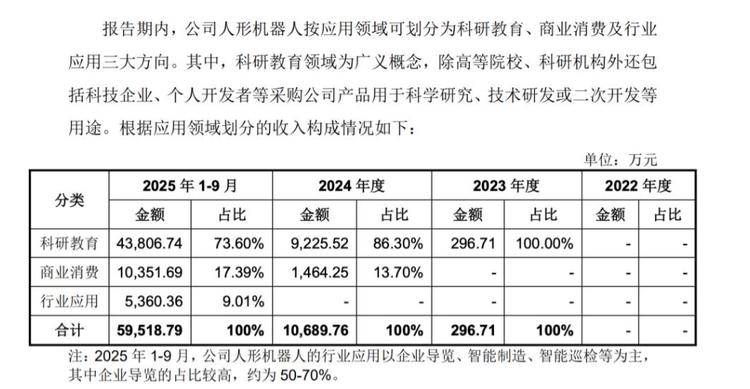
Image source: Unitree Technology's reply announcement to the inquiry letter
Among the less than 10% of industry application revenue, more than half comes from display - type scenarios such as exhibition hall guidance. The sales revenue from core industrial scenarios such as intelligent manufacturing, industrial inspection, and logistics distribution is only 15.702 million yuan, accounting for only 2.6% of the total sales of humanoid robots.
In recent years, almost all well - known brands have been vying for the Spring Festival Gala traffic, but what no one mentions is that it is also extremely difficult to turn the Spring Festival Gala traffic into retained customers. In 2025, the performance of the H1 robot at the CCTV Spring Festival Gala achieved a phenomenal spread, but subsequent follow - up showed that this exposure was mainly converted into brand awareness rather than commercial orders. The development cost of customized performance projects is high, the replicability is low, and the contribution to profitability is limited. The number of technical consultations from potential customers has increased, but the proportion converted into actual purchases is less than 10%.
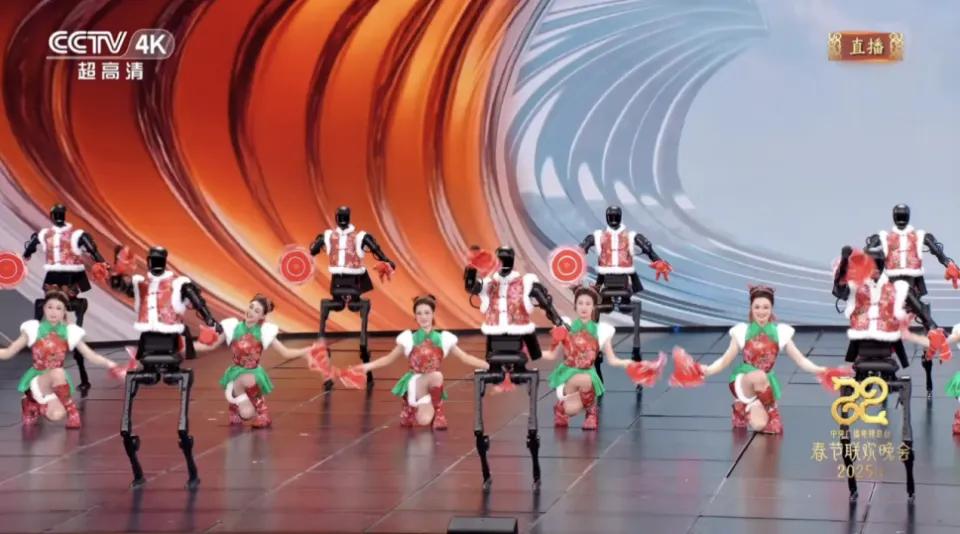
Image source: Internet
An industry insider told us that a more profound problem is the ambiguity of the product value proposition. For enterprise customers, purchasing humanoid robots requires a clear ROI calculation, such as how many manual workers can be replaced, how much efficiency can be improved, how much risk can be reduced, and how long the investment payback period is. Currently, in most scenarios, Unitree's products are less efficient than skilled workers, their reliability is insufficient to support continuous operation, and the comprehensive cost is higher than the benefits of manual replacement.
However, the industry generally still recognizes Unitree's position in the market because it has a large number of orders and more high - quality supply chain enterprises to cooperate with, which gives hope for commercialization. The competition in the humanoid robot industry shows an obvious "head concentration" characteristic. According to the calculation of the Humanoid Robot Scene Application Alliance, the market scale of humanoid robots in China will exceed 9 billion yuan in 2025. The CR5 (the sum of the market shares of the top five enterprises) in the industry is close to 60%, and the CR8 (the sum of the market shares of the top eight enterprises) is as high as 76%. This highly concentrated market structure means that leading enterprises have established significant barriers in terms of technology R & D, supply chain integration, and customer resources, while small and medium - sized manufacturers face the dual bottlenecks of cost control and large - scale mass production.
The "Hundred Schools of Thought Contending" in the Robotics Industry Continues
Wang Xingxing recently publicly stated that the real "GPT moment" of embodied intelligence is still a bit short, and "it will take at least two to three years." This means that in the foreseeable future, the robots delivered by Unitree will be more like high - performance "hardware platforms" or "development platforms" rather than intelligent agents capable of independent understanding, decision - making, and execution. For the entire industry, the end is not yet in sight, and anything is possible.
Unitree's prospectus names Tesla, believing that it "has the ability for large - scale mass production and artificial intelligence technology resources" and may quickly reduce the cost of Optimus, "directly intensifying the price competition in the industry." Tesla plans to produce one million units per year, Figure AI plans to produce ten thousand units per year, and Zhiyuan Robotics plans to have a production capacity of ten thousand units in 2026... Players at home and abroad are accelerating the increase of production capacity. Although Unitree's shipments are temporarily in the lead, as production capacity expands, the "latecomers" may likely catch up and overtake.
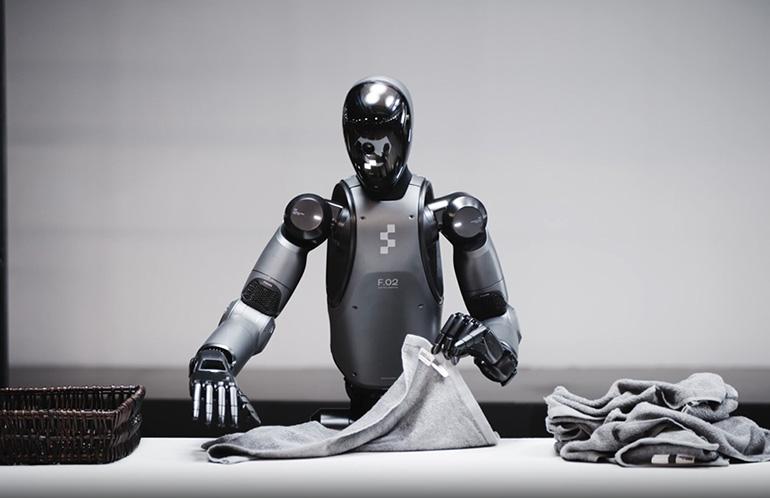
Figure robot. Image source: Internet
The industry has shifted from early - stage financial investment from Shunwei, Sequoia, Hillhouse, and Qingcheng to the participation of late - stage industrial capital (BYD, Meituan) and national - team funds, indicating that robotics has been regarded as a national strategic - level industry with certainty by all parties. BYD's entry implies the imagination space in the automotive manufacturing scenario, and Meituan's support points to the potential in the logistics and distribution field.
Fourier Intelligence initially focused on rehabilitation medical robots and gradually expanded to the field of general humanoid robots. Its GRx series has been verified in tasks such as high - voltage component installation and high - precision operation in a Shanghai automobile factory, demonstrating the ability to transfer technology from the medical scenario to the industrial scenario.
Leju Robotics adopts a "education + industry" dual - drive model and has achieved a leading position in the field of small - sized educational robots, serving five thousand schools. In March 2026, Leju, in cooperation with Dongfang Seiko, launched the first domestic production line with an annual output of ten thousand units (in Foshan). One unit comes off the production line every 30 minutes, with a 50% increase in efficiency and the precision controlled within 0.02 millimeters.
Zhiyuan, Unitree's biggest competitor, adopts a leading strategy of "full - stack layout and ecological expansion." In 2025, Zhiyuan and Unitree Technology were in the leading camp in global shipments, with annual sales of over 5,000 units each. In March 2026, Zhiyuan took the lead in breaking through the milestone of cumulative mass production of 10,000 units, refreshing the global mass - production speed record. IDC data shows that it and Unitree have formed an absolute leading advantage in large - scale delivery and application coverage.
Wang Chuang, the president of Zhiyuan's general business department, said that Zhiyuan is not in a mass - production competition. If it were only for chasing numbers, the existing production capacity could far exceed the current level. "What manufacturers really should value is whether the robots can meet the sustainable needs of customers in real scenarios. Only when customers are willing to replicate and promote them in batches does the production - capacity number make sense. Otherwise, producing them only results in inventory, which is worthless."
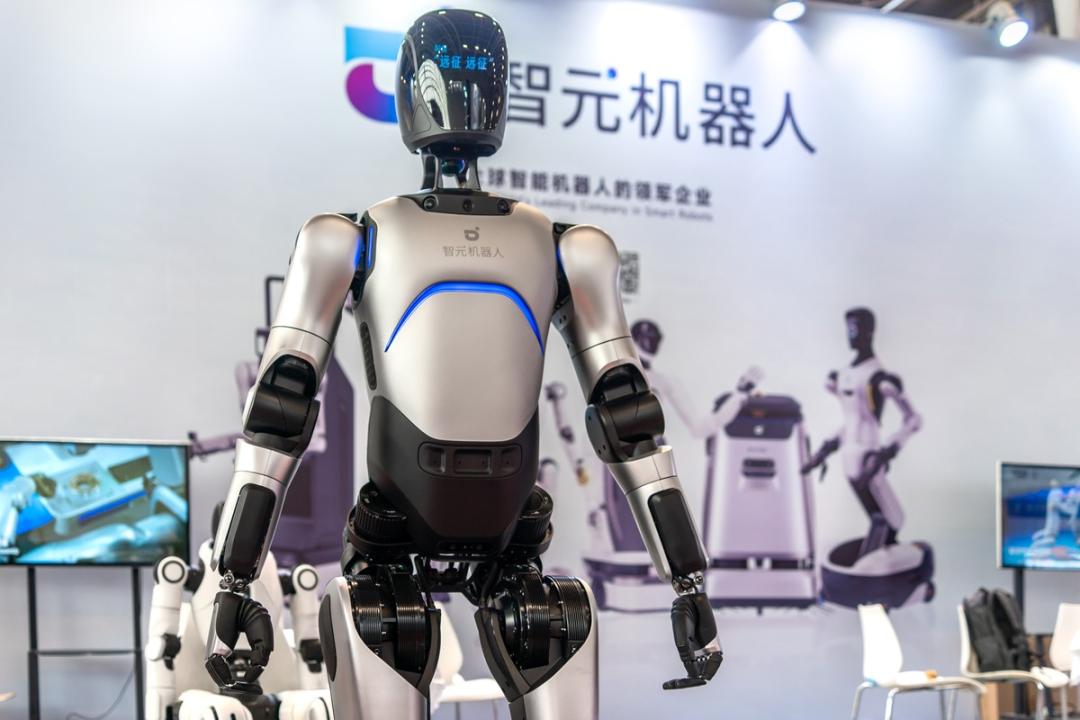
Image source: Internet
It is true that the robotics industry is booming, but perhaps no company dares to claim that it has truly achieved general commercialization. Currently, the industry generally believes that when a company's annual shipments exceed 50,000 units, it not only means a decrease in cost space but also a significant change in the industry's recognition of solutions. At present, only logistics robots are relatively close to this goal. For general - purpose robots, the turning point is still out of sight. Perhaps in the industrial segmentation scenarios, there will be robot companies with high efficiency and low cost that can stand out.
For example, Wei Ming, the editor - in - chief of Chief Business Review, visited Hinton Artificial Intelligence Technology Co., Ltd. with alumni of the Darden School of Business last Friday. Its CEO, Li Keping, introduced solutions such as mobile composite robots developed by the company focusing on three scenarios: smart laboratories, intelligent manufacturing, and intelligent inspection. He emphasized that Hinton AI does not pursue the simple stacking of single hardware but enables robots to achieve high - precision, high - flexibility, and low - cost implementation through modular iteration, unified underlying control, multi - modal perception, and reinforcement learning. In the on - site demonstration, Hinton AI's robots demonstrated millimeter - level end - positioning and millimeter - level navigation accuracy, as well as their abilities in unmanned operations, multi - well plate handling, equipment operation, and sample transfer in biological, chemical, and material laboratories.
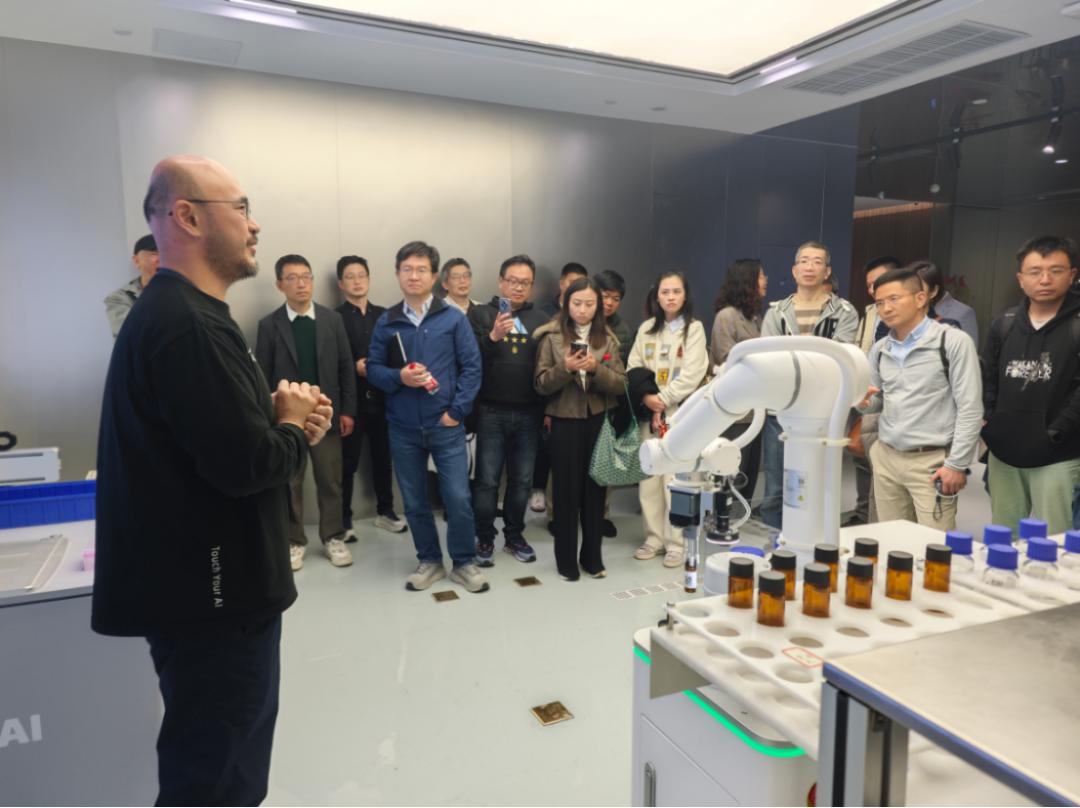
It's Not Easy for Unitree to Strengthen Its "Brain"
In March 2025, Goldman Sachs released an on - the - spot research report on Unitree Technology. The core judgment pointed directly to the structural imbalance of the company's technical architecture: "Unitree's robots are strong in gait control technology rather than in the 'brain'." This is like pouring cold water on Unitree, not recognizing its leading position in intelligence.
The report pointed out that through in - depth analysis of the technical architecture, Unitree's current AI system shows a "layered fragmentation" feature. The perception layer adopts a multi - sensor fusion solution of 3D lidar, depth cameras, and wide - angle cameras, which is superior to Tesla's pure vision route in terms of hardware redundancy. The UnifoLM large model in the decision - making layer integrates reinforcement learning and simulation training, supporting the dynamic generation of "any action can be learned." The execution layer realizes millisecond - level joint response based on model predictive control (MPC). However, these three layers of the system have not formed a real end - to - end integration. The semantic understanding level of the perception output is shallow, the generalization ability of the decision - making layer for open - domain tasks is weak, and the following accuracy of the execution layer for high - level intentions is limited.
This is not a temporary problem for Unitree but a shortcoming that has persisted for several years. The tasks that Unitree's robots can currently perform reliably highly depend on the preset environment and manual supervision. The amazing performance of the H1 robot at the Spring Festival Gala relied on the real - time takeover preparation of remote monitoring personnel, and the dance movements were repeatedly debugged rather than generated through autonomous understanding. In the industrial inspection scenario, the path planning requires pre - mapping, and the coping strategies for unexpected obstacles are limited. Customers in the scientific research and education market mainly use the products as algorithm verification platforms rather than plug - and - play productivity tools. This technical state of "usable for demonstration but limited in practical use" determines that the company has difficulty entering the core manufacturing links and open service scenarios that require higher autonomy.
