Just now, OpenAI set the largest financing record in history, with its valuation approaching one trillion.
While everyone was still immersed in the source code leak incident of Claude Code, OpenAI has once again grabbed the headlines. Just now, OpenAI officially announced the completion of a $122 billion financing round.
A single private placement of $122 billion has never happened in the history of human business. After the financing, OpenAI's valuation stands at $852 billion, just one step away from the trillion - dollar mark, and this company has only been established for a decade.
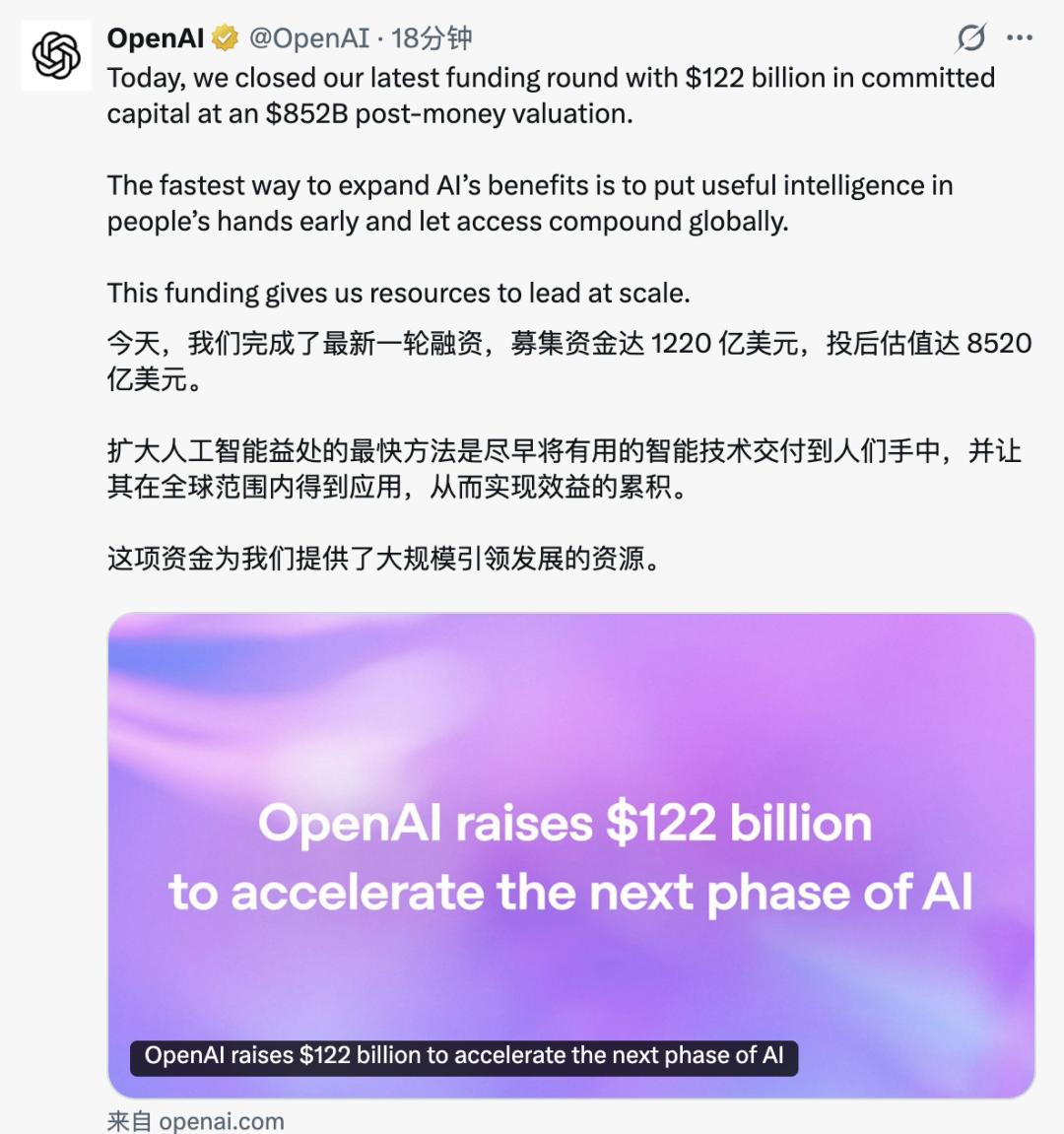
It's worth mentioning that when this financing round was first announced in February this year, the promised amount was still $110 billion, but the final closing amount was $12 billion more, indicating that more institutions joined in than expected.
It is generally believed in the outside world that this is OpenAI's last large - scale private placement before its IPO at the end of the year, and the rhythm of its listing is becoming clearer.
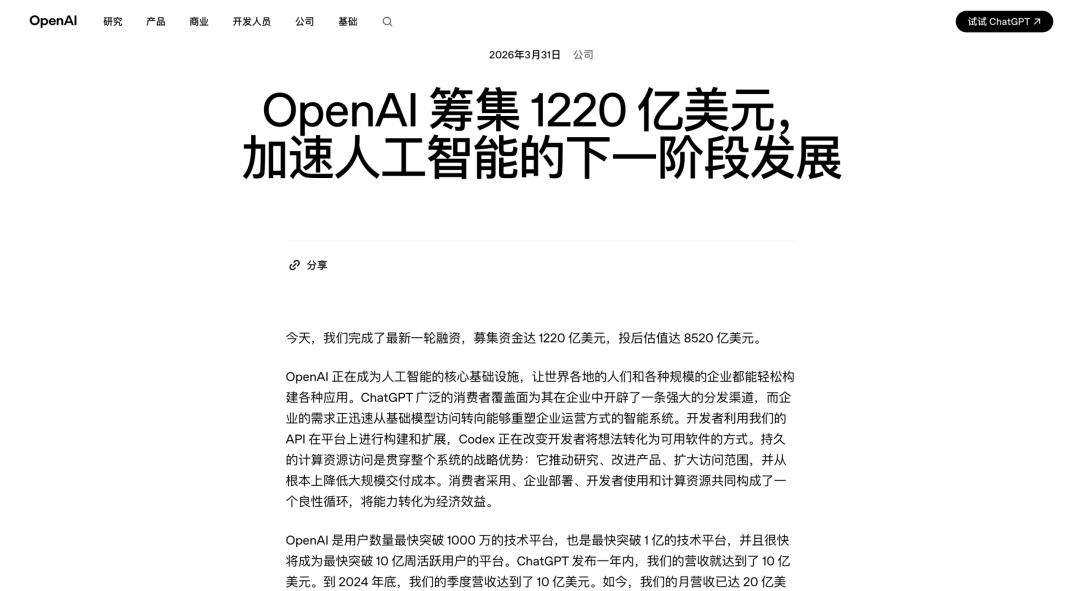
https://openai.com/index/accelerating-the-next-phase-ai/
Where did the money come from?
The main investors in this financing round are Amazon ($50 billion), NVIDIA ($30 billion), and SoftBank ($30 billion). SoftBank also co - led the investment with institutions such as a16z and D.E. Shaw.
As an old partner for many years, Microsoft continued to participate in the investment, but the specific amount was not made public this time. It is only known that as of the end of last year, Microsoft's cumulative investment in OpenAI had exceeded $13 billion.
In addition, OpenAI also opened the fundraising to wealthy individual investors through bank channels for the first time, raising about $3 billion in this part. ARK Invest's flagship innovation ETF with a scale of $6 billion also announced the inclusion of OpenAI, with a holding ratio of about 3%. This is also the first time the fund has invested in a non - listed company.
In fact, some funds managed by T. Rowe Price and Fidelity have long held a small amount of OpenAI shares. The participation of ARK this time further opens up the channel for ordinary people to participate.
In short, almost the entire technology circle is supporting OpenAI.
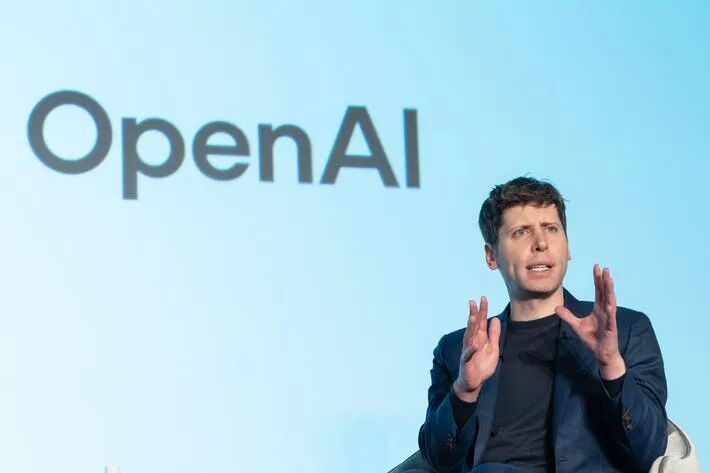
But if you think about it carefully, the logic is actually very simple: After getting this money, OpenAI still has to buy NVIDIA's chips and rent servers from Amazon and Microsoft. By investing in OpenAI, these giants are essentially locking in the world's largest computing power customer in advance. This financing round is more like a sure - win business than just an act of being optimistic about OpenAI.
For OpenAI, this money is more like a final large - scale replenishment before its IPO.
The financial data looks good: The number of weekly active users is close to 900 million, the number of paying users exceeds 50 million. The annual revenue last year was $13.1 billion, with the highest monthly income reaching $2 billion, and the growth rate is four times that of Internet giants such as Google and Meta at the same stage back then.
However, OpenAI is still not profitable, and the rate of burning money has not slowed down at all.
Why did they shut down Sora?
Before and after this financing, OpenAI's product development rhythm did not stagnate.
They released the current most powerful GPT - 5.4, which has significantly improved in multi - task processing and workflow performance. The code generation tool Codex has also been upgraded from a function to an independent programming agent. Currently, the number of weekly active users exceeds 2 million, which has increased five - fold in the past three months, and the monthly growth rate remains at around 70%.
The performance on the enterprise side is also worthy of attention. Currently, enterprise services account for more than 40% of OpenAI's total revenue, and it is expected to reach the same level as the consumer side by the end of 2026.
The number of tokens processed per minute by the API exceeds 15 billion. The usage of the search function has nearly tripled in the past year, and the annualized revenue of the advertising pilot project exceeded $100 million within less than six weeks of its launch. This is also the signal that OpenAI hopes to convey to the outside world: The sources of income are becoming more and more diverse, and the subscription fees of ChatGPT are just one part of it.
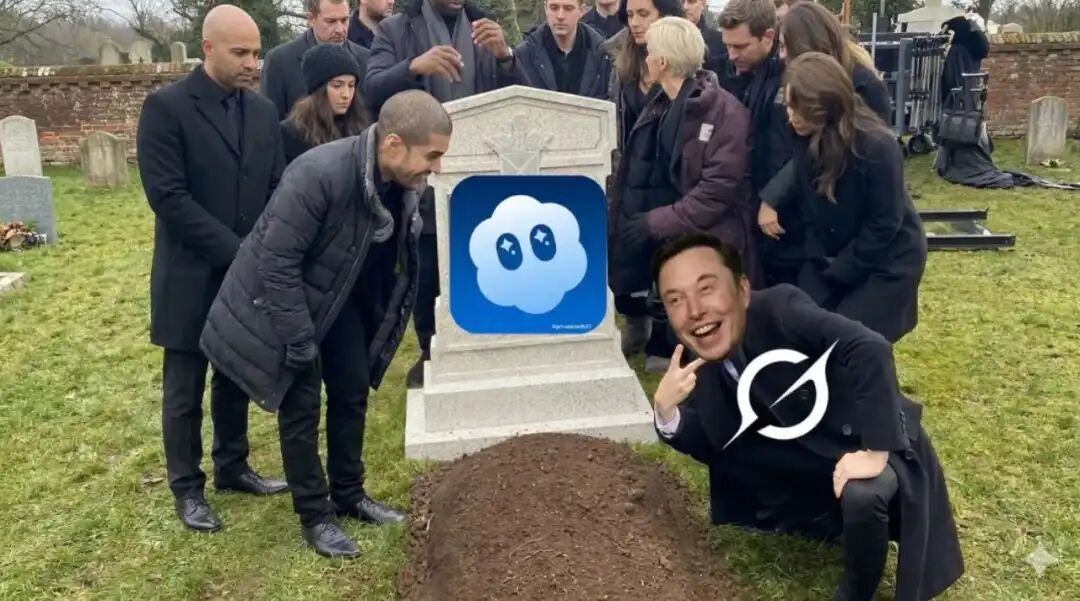
However, right beside this set of positive data, Sora was quietly taken offline.
When Sora was first released, it really caused quite a stir in the film and television industry and the creative industry. Generating videos with just one sentence and the picture quality being quite realistic, many people thought this was the most exciting thing about AI technology.
However, the computing power consumption of video generation is far higher than that of text generation. Every inference of AI, every text generation, and every frame of video rendering are actually consuming expensive GPU computing cycles and electricity. There is no free intelligence, and every call incurs real - money losses.
On the user side, although they find it fun, not many people are willing to pay a high price for it.
According to the Wall Street Journal, one of the reasons why OpenAI chose to shut down Sora is that it burns about $1 million per day, and the number of users has plummeted from 1 million at its launch to less than 500,000.
When the retention data is poor and the commercialization path is unclear, there is naturally no reason to continue this money - burning business. So, before the reality was even disrupted, Sora no longer exists.
Shutting down Sora is just the beginning. OpenAI is still reviewing other directions that cost a lot of money and have slow returns and is preparing to further shrink. Concentrating computing power on text models, code generation, and enterprise services, which have stable cash flows, is also OpenAI's way of signaling to Wall Street: We know how to make money and we need to do it.

From "Changing the World" to "Utilities"
OpenAI was founded in 2015, with the initial vision of ensuring that general artificial intelligence benefits all of humanity.
In 2019, in order to raise enough R & D funds, the company transformed into a "limited - profit" model, established a for - profit subsidiary, and received a $1 billion investment from Microsoft. Although the operating entity has been commercialized, the non - profit OpenAI Foundation still holds about 26% of the equity, nominally continuing the original public welfare mission.
There is a sentence in OpenAI's official statement about the financing that is worth noting: "Building the infrastructure layer for intelligence itself."
In just a few words, it actually reveals the transformation of OpenAI's self - positioning. In the past, they cared more about refreshing the outside world's perception of AI with amazing demos. Now, what they want to do more is to retreat to the background and become an indispensable underlying tool for enterprises and individuals.
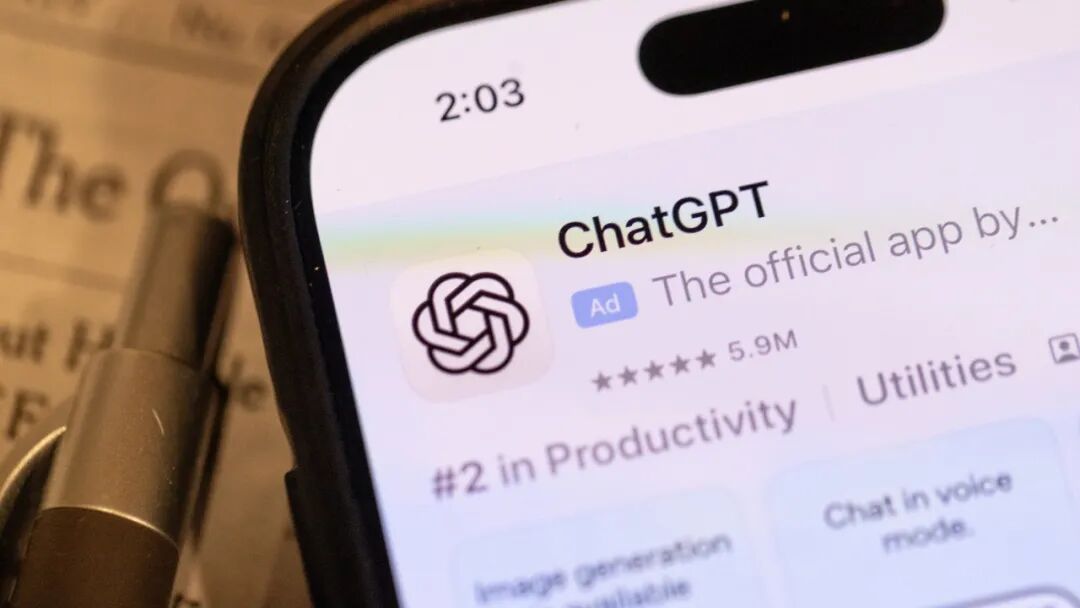
They call this direction the "super - app" and plan to integrate the capabilities of ChatGPT, Codex, search, browser, etc. into a unified entrance, mainly targeting developers and enterprise users, so that people don't have to switch between a bunch of tools.
The logic behind this is to let the habits on the consumer side naturally drive the procurement on the enterprise side, and the two businesses will reinforce each other.
An ordinary user may find it fresh one day and cancel the subscription the next, but an enterprise that runs its core business on OpenAI's models is unlikely to cut off the cooperation easily. The latter is the kind of customer stickiness that Wall Street really wants to see.
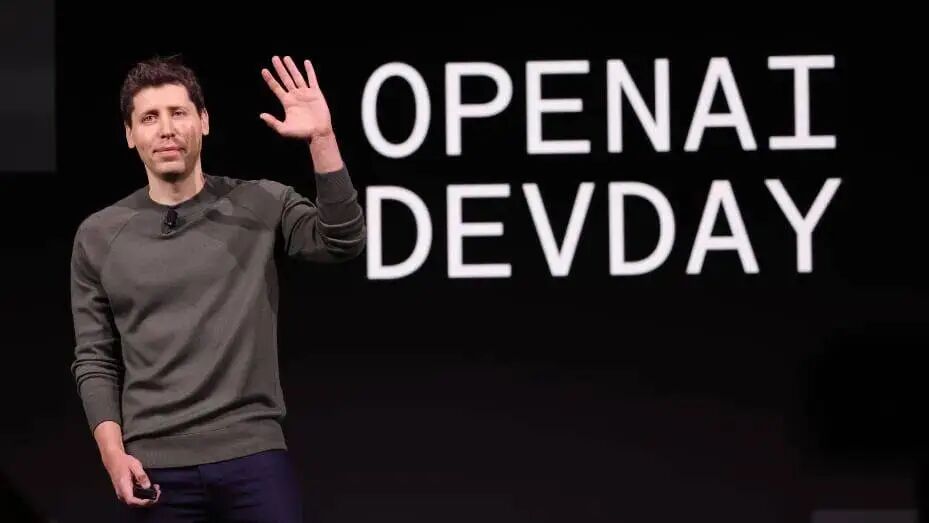
In the past few years, OpenAI has come up with eye - catching things every now and then, such as new models, new products, and new possibilities, one after another.
But judging from this financing round and the shutdown of Sora, that stage full of surprises may really be coming to an end. What follows may be more like a mature business: Some people manage computing power, some manage data, and some manage sales. Everyone has their own responsibilities, focusing on cost control and business implementation.
OpenAI can't go back to the past, but maybe it never intended to.
This article is from the WeChat official account "APPSO", author: APPSO, which discovers tomorrow's products. It is published by 36Kr with authorization.