A Shenzhen unicorn invested by Xiaomi is going to go public.
According to a report from Zhidx on March 30, last night, Shenzhen IoT unicorn Aqara (Lumi United Technology Co., Ltd., hereinafter referred to as Lumi) officially submitted its prospectus to the Hong Kong Stock Exchange.
Founded in 2009, Lumi is an important player in the Xiaomi ecosystem and a national-level specialized and sophisticated "little giant" enterprise focusing on niche markets. Its business covers the self-owned brand of Lumi's smart space products and solutions, as well as the ODM product business for Xiaomi. The prospectus shows that the post-investment valuation of the company after its Series D financing in September 2021 was US$850 million (approximately RMB 5.884 billion).
The "smart space" concept proposed by Lumi is based on sensors, central hubs, and controllers. Through a unified semantic system, it upgrades "device control" to the overall perception, decision-making, and automatic execution of "space status and scenarios."
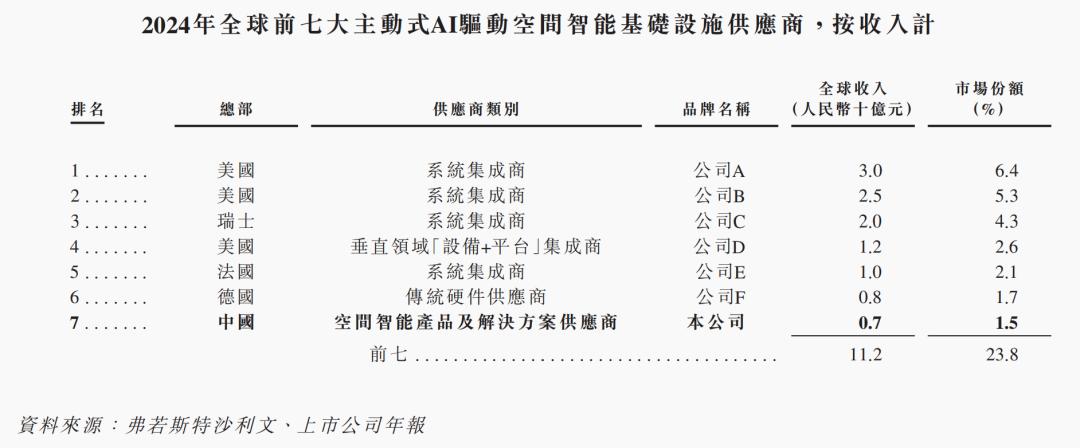
According to Frost & Sullivan data, in terms of revenue in 2024, Lumi is the world's largest Chinese provider of smart space infrastructure, ranking first among similar Chinese manufacturers and seventh globally with a market share of 1.5%.
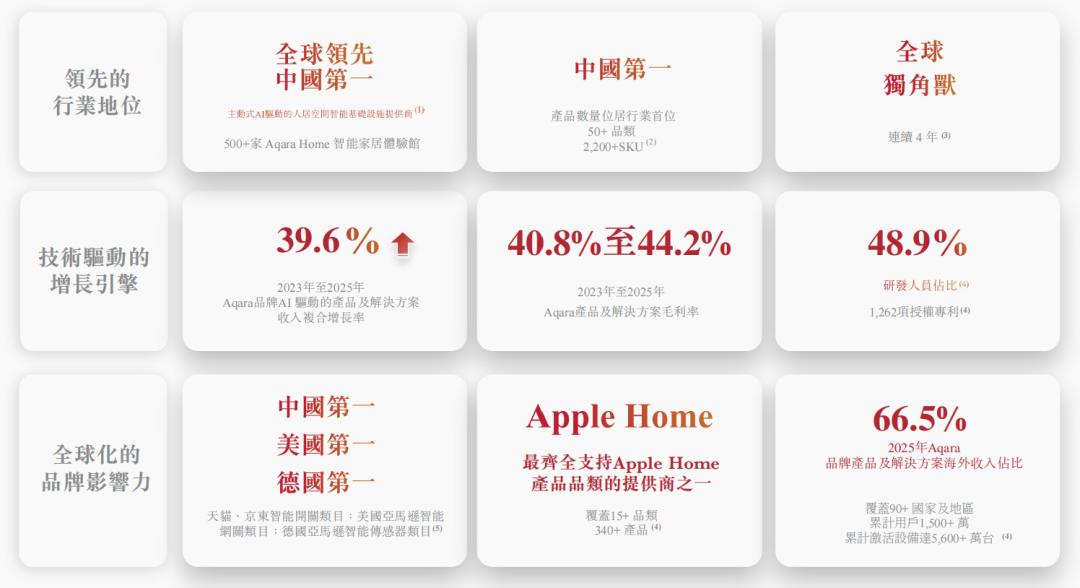
Currently, the company has over 15 million global users and more than 56 million globally activated devices. In terms of ecological compatibility, it has deeply integrated into the smart home ecosystems of Apple, Google, Xiaomi, and Samsung. As of the end of 2025, Lumi had more than 340 products integrated into the Apple ecosystem.
Lumi has a close relationship with Xiaomi. From 2022 to 2025, Xiaomi was Lumi's largest customer, and the proportion of revenue from Xiaomi in the past three years exceeded 32% each year. Lin Zhen, the company's president, was formerly an executive at Xiaomi.
In the equity structure, Xiaomi holds 7.92% of the shares, Midea holds approximately 1.02%, and Tianyi Capital under China Telecom holds approximately 2.97%.
The proceeds from this IPO will be allocated in the following proportions: The largest proportion will be used for R & D investment to continue improving product performance and the technological capabilities of smart space application scenarios; the second largest will be used to expand sales channels and enhance brand awareness; the remaining part will be used to replenish working capital and for general corporate purposes.
01.
Three-year revenue remained at around RMB 1.5 billion
Gross profit margin increased, and Europe is the largest overseas market
From 2023 to 2025, Lumi's total revenue was RMB 1.439 billion, RMB 1.489 billion, and RMB 1.472 billion respectively, with net profits of -RMB 159 million, -RMB 231 million, and -RMB 322 million. The prospectus shows that the current losses are mainly due to the change in the fair value of convertible and redeemable preferred shares.
In terms of R & D investment, the company's investment in the past three years was RMB 173 million, RMB 183 million, and RMB 234 million respectively, accounting for 12.0%, 12.3%, and 15.9% of revenue.
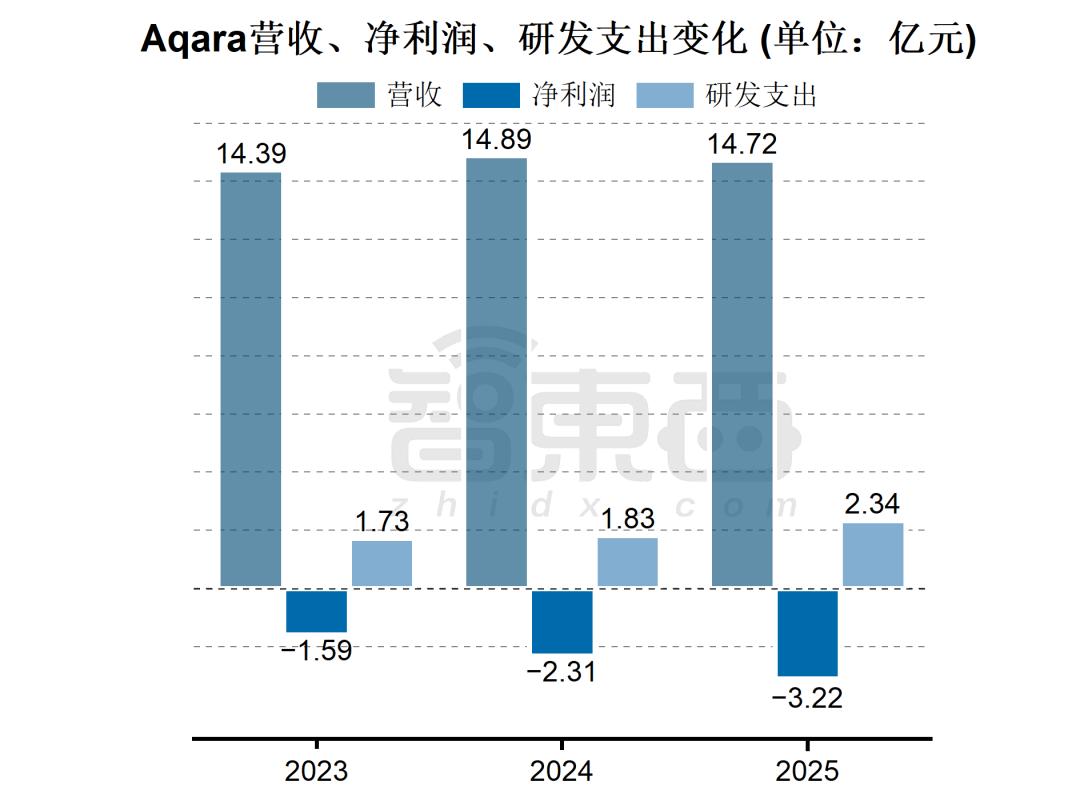
▲ Changes in Lumi's revenue, net profit, and R & D expenditure (Chart by Zhidx)
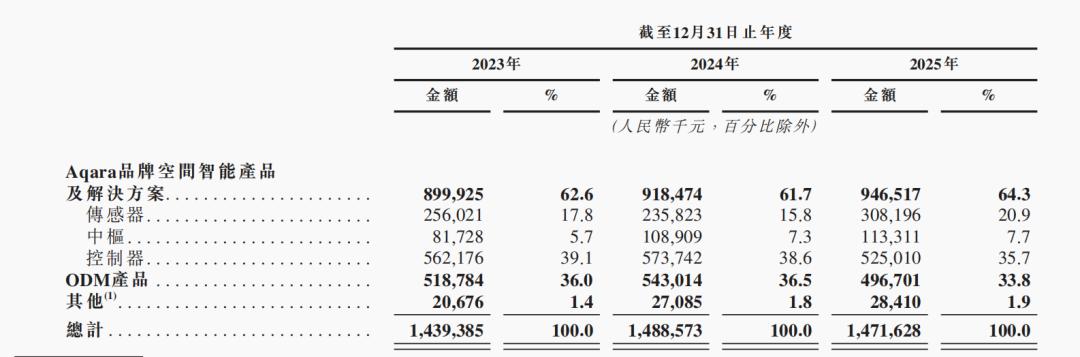
Currently, Lumi's main businesses include the Aqara brand smart space products and solutions, as well as ODM products. The revenue from the Aqara brand smart space products and solutions increased from RMB 899 million to RMB 947 million, accounting for 62.6% to 64.3% of the total revenue. This self-owned brand consists of three types of hardware: sensors, central hubs, and controllers.
In 2025, the revenue generated by Lumi from selling sensors was RMB 308 million, which had the fastest growth rate among the three types of Aqara brand hardware. The revenue proportion increased from 17.8% to 20.9% within two years. The revenue of the central hub in 2025 was RMB 113 million, the smallest among the three types of hardware. The revenue of the controller in 2025 was RMB 525 million, the largest among the three types of Aqara brand hardware, but its proportion decreased from 39.1% in 2023 to 35.7%.
From 2023 to 2025, the revenue from the ODM business was RMB 519 million, RMB 543 million, and RMB 497 million respectively, accounting for 33% to 37% of the total revenue. It was the second-largest revenue segment, second only to the Aqara brand smart space products and solutions.
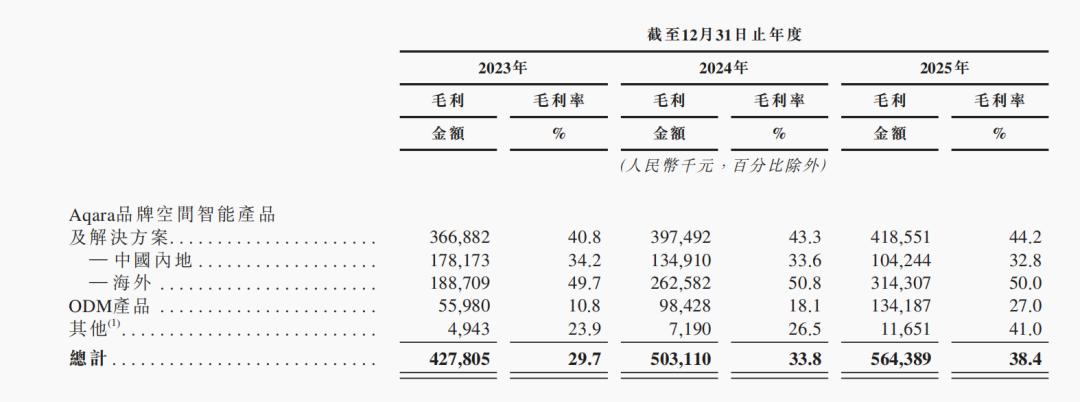
Lumi's gross profit margin from 2023 to 2025 was 29.7%, 33.8%, and 38.4% respectively, with a cumulative increase of nearly 9 percentage points over three years.
Currently, the company's R & D team consists of 460 people, accounting for 48.9% of the total number of employees. As of the end of 2025, it held 1,262 authorized patents and 549 pending patents.
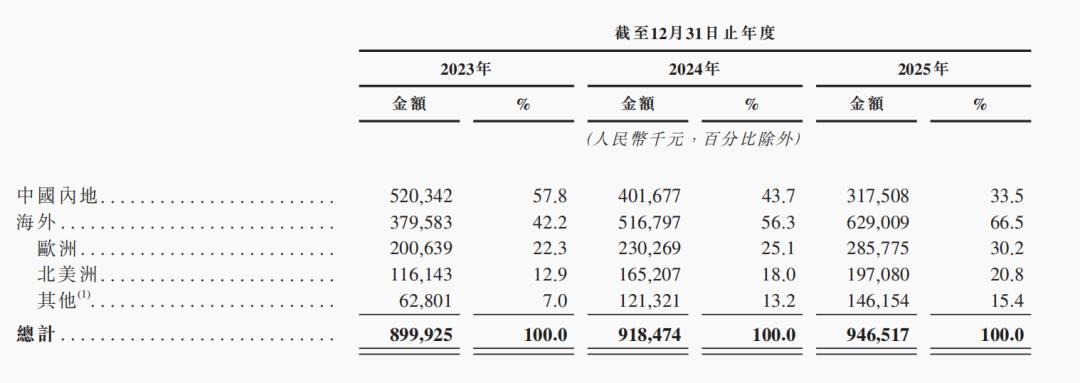
In terms of regional revenue, Lumi's overseas business is the main source of revenue growth. In terms of the Aqara brand smart space products and solutions, from 2023 to 2025, the revenue in the Chinese mainland decreased from RMB 520 million to RMB 318 million; the overseas revenue increased from RMB 380 million to RMB 629 million, accounting for 42.2% to 66.5% of the total revenue.
02.
Three major hardware categories and an operating system
Compatibility with the Apple ecosystem forms a differentiated advantage
Lumi's business comes from two sources: self-owned brands and OEM services for other companies.
The self-owned brand is the Aqara brand smart space products and solutions. The product system consists of three types of hardware, focusing on perception, decision-making, and execution in space. Lumi assigns different functional roles to the three types of hardware. Sensors are responsible for "identification and perception," central hubs for "cognition and decision-making," and controllers for "execution and reshaping." The Aqara App realizes unified scheduling and collaboration based on the three types of hardware.
As of December 31, 2025, Lumi's product portfolio covered more than 50 categories and over 2,200 SKUs. The total number of globally activated devices exceeded 56 million, and the average number of connected devices per user of the Aqara App was 20.02.
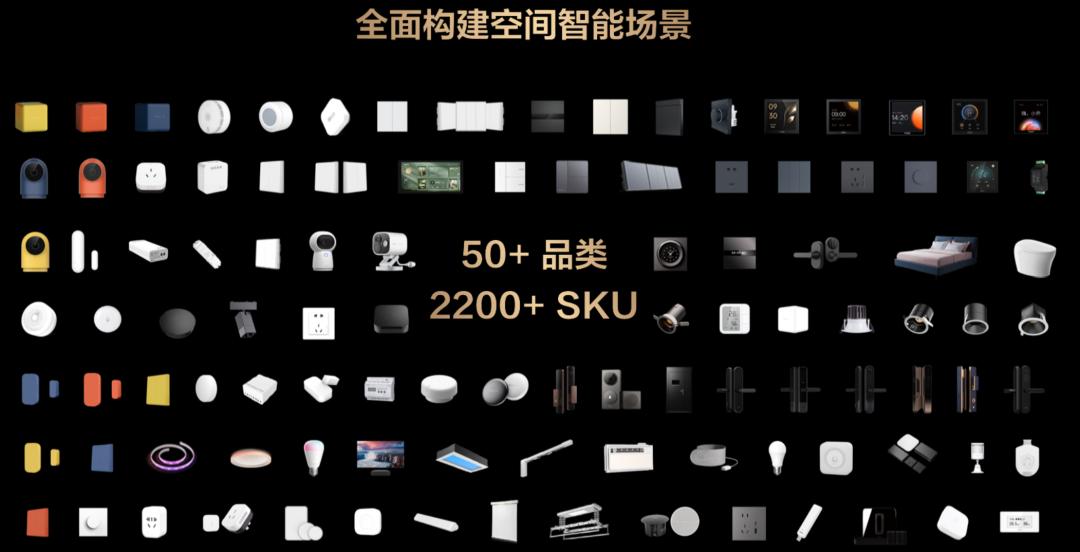
▲ Lumi's product categories (Source: Aqara official website)
Sensors are the perception layer. The main products include AI high-precision scenario sensors, smart cameras, sleep monitoring bands, door and window sensors, human body sensors, temperature and humidity sensors, smoke alarms, etc. A key indicator of sensors is ultra - low power consumption, about one - third of similar products, in exchange for battery life of several years.
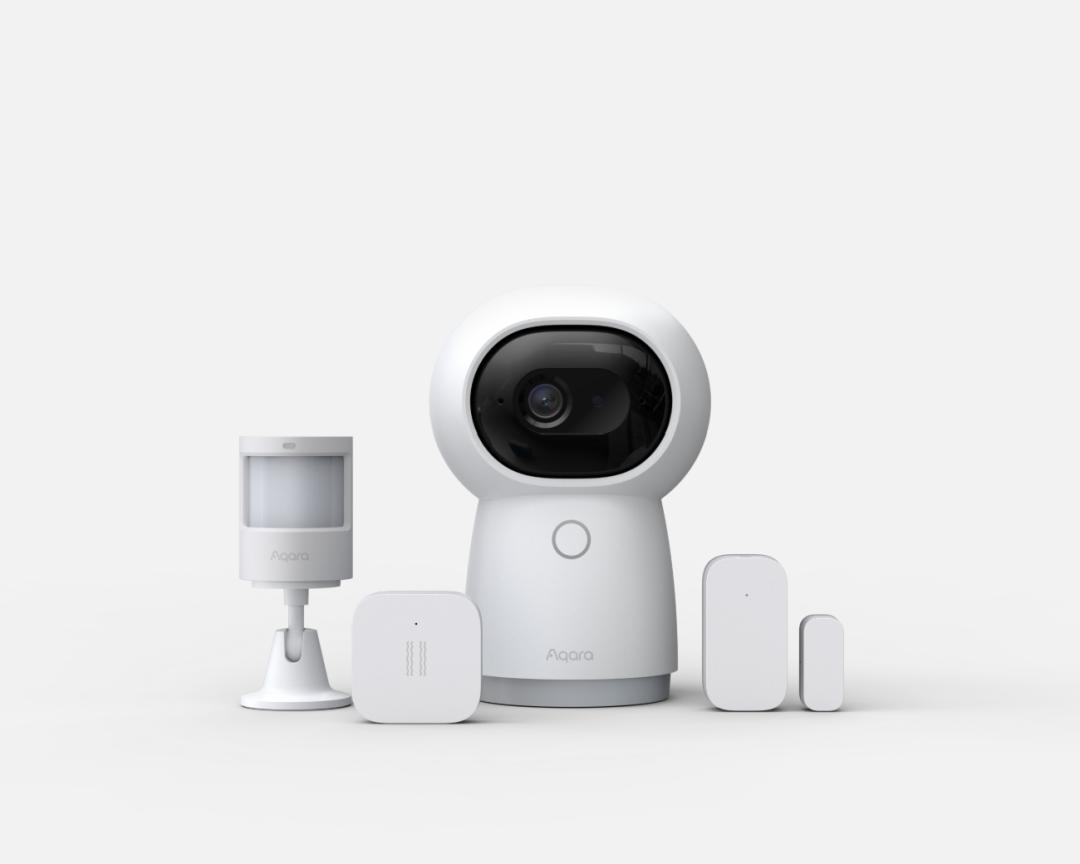
▲ Lumi's product pictures (Source: Aqara official website)
The central hub is the local computing node of the entire system. The main products are smart gateways and smart screens, which are responsible for coordinating device linkage, ensuring low - latency response, and maintaining local automation in the event of a network outage.
Controllers are the execution layer, including smart switches and sockets, light control modules and lamps, smart locks, curtain motors, thermostats, etc.
Lumi not only develops self - owned brand products but also provides OEM services for other companies, namely the ODM business. It mainly develops and produces customized products for Xiaomi. ODM customers (mainly Xiaomi) have the exclusive sales rights of these products in all channels and regions.
Integration with the Apple smart home ecosystem is an important differentiated advantage for Lumi in the overseas market. As of the end of 2025, Lumi had more than 340 models under 15 product categories integrated into Apple Home, natively supporting Apple - exclusive functions such as HomeKit Secure Video, Adaptive Lighting, Adaptive Temperature, and Home Key. More than 30 of its products are available in Apple retail stores in 18 countries and regions.
In January 2022, Lumi launched the world's first smart lock supporting Apple Home Key; the smart lock U400 launched at CES 2026 is the first lock in the market to support hands - free unlocking of Apple devices through UWB technology.
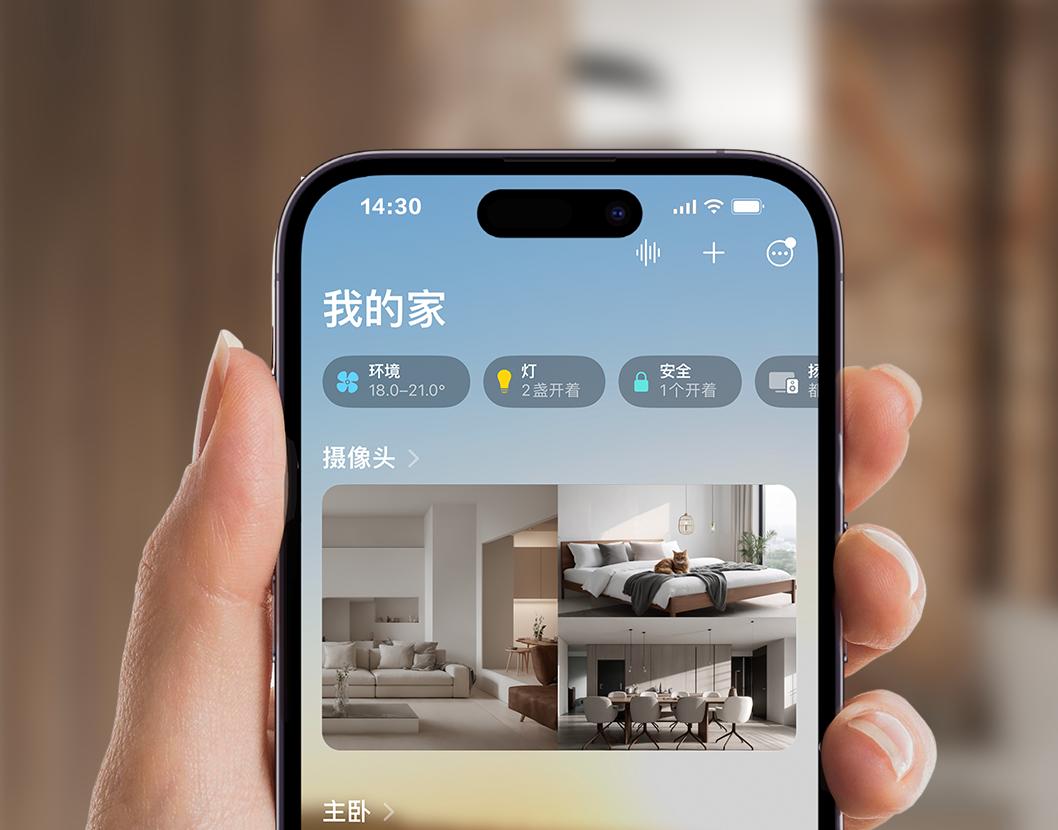
▲ Aqara App (Source: Aqara official website)
What Lumi does at the technical level is essentially to build a unified software semantic layer on top of the hardware of sensors, central hubs, and controllers. The core concept of this architecture is called the ORAP ontology framework, which abstracts objects, relationships, actions, and strategies in space into a machine - understandable semantic model. Then, through the "space map," it synchronously maintains real - time data on the space status between the device layer, the edge layer, and the cloud.
The purpose of this is to enable the system to understand and schedule based on spatial concepts such as "rooms," "areas," and "scenarios" rather than individual devices. Built on top of this semantic layer is a telemetry mechanism that continuously collects complete interaction data from intention to execution and then to results, enabling the system to optimize itself over time. In terms of protocol compatibility, the company unifies multiple standards such as Zigbee, Wi - Fi, Matter, KNX, BACnet, and Modbus into the above - mentioned semantic model through capability mapping. In this way, the upper - layer logic does not need to perceive the differences in the underlying protocols, and device scheduling across ecosystems can be completed within the same framework.
Lumi's core technologies are concentrated in four aspects:
"Identification and perception" integrates millimeter - wave radar, computer vision, and distributed sensor networks, enabling local processing of human behavior recognition and vital sign monitoring without uploading raw data.
"Cognition and decision - making" emphasizes real - time reasoning on the edge side, bridging user intentions and device execution through natural language processing, with a delay in the millisecond range.
"Execution and reshaping" addresses how to access intelligent control without modifying the traditional building electrical system and uses a distributed disaster - recovery architecture to ensure local automation execution when the cloud or central hub is disconnected.
"Connection and integration" refers to the unified access ability to more than a dozen protocols such as ZigBee, Wi - Fi, Matter, KNX, BACnet, OPC UA, and Modbus.
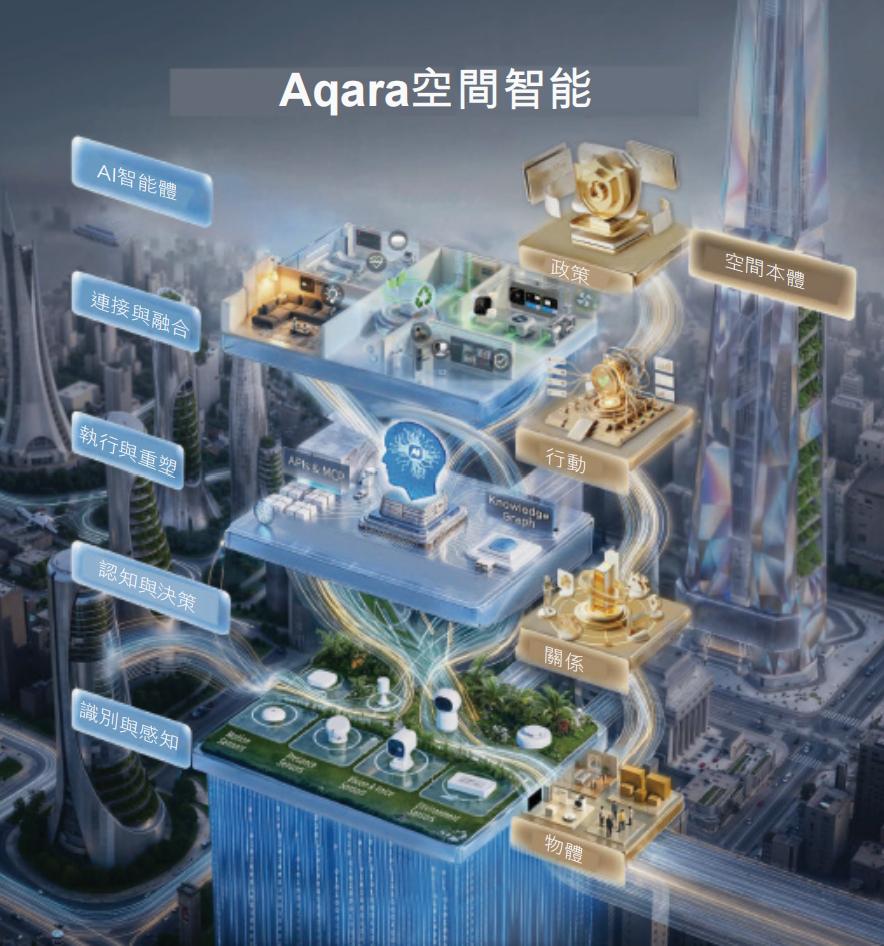
▲ Schematic diagram of Lumi's smart space
03.
Xiaomi contributed over 30% of the revenue for three consecutive years
There is a risk of relying on a single customer
Xiaomi is Lumi's single largest customer. From 2023 to 2025, Lumi's revenue from Xiaomi was RMB 471.6 million, RMB 501.5 million, and RMB 477 million respectively, accounting for 32.8%, 33.7%, and 32.4% of the total revenue in that year. This proportion has hardly changed in the past three years. From 2023 to 2025, the total revenue from