What's the secret behind Unitree's annual profit of 600 million yuan? A deep dive into the 300 - page IPO inquiry letter
According to a report by Zhidx on March 25th, on March 20th, Unitree's IPO application on the Science and Technology Innovation Board was accepted by the Shanghai Stock Exchange, and it plans to raise 4.202 billion yuan.
Unitree also disclosed that it achieved an annual operating income of 1.708 billion yuan last year, a year-on-year increase of 335.36%; during the same period, it achieved a net profit of 600 million yuan after deducting non-recurring gains and losses, a year-on-year increase of 674.29%.
Seeing this, many industry insiders not only sighed that making robots is so profitable! but also became more curious.
How does Unitree actually make money? Who is paying for its robots? Beyond dancing and boxing, what other capabilities do Unitree's robots have?
How does it achieve a gross profit margin of nearly 60%? Once, labor outsourcing costs accounted for nearly 80% of labor costs. Is this production model relying on outsourcing to reduce costs?
Now that car companies and AI companies are flocking to humanoid robots, how long can Unitree's existing barriers hold?
In response to these questions that the outside world is curious about, we delved into the nearly 300-page inquiry documents released by Unitree.
Unitree makes money through the large-scale application of quadruped robots in commercial consumption and industrial scenarios, while humanoid robots are mainly focused on the scientific research, education, and developer markets. The nearly 60% gross profit margin is based on a cost control system of full-stack self-research, self-definition of core components, and the cost of externally purchased components accounting for only about 14% - 18%.
From January to September 2025, the top five customers of Unitree's quadruped robots were JD Group and Galaxy General; the top five customers of humanoid robots were Beijing Chaoyuan Times Technology Co., Ltd., Hangzhou Hewa Robot Technology Development Co., Ltd., etc.
01. Who is paying for Unitree? Commercial consumption is surpassing scientific research and education
The application fields of Unitree's quadruped robots and humanoid robots can be roughly divided into three major directions: scientific research and education, commercial consumption, and industrial applications.
1. Quadruped robots: The proportion in the commercial consumption field is rising rapidly
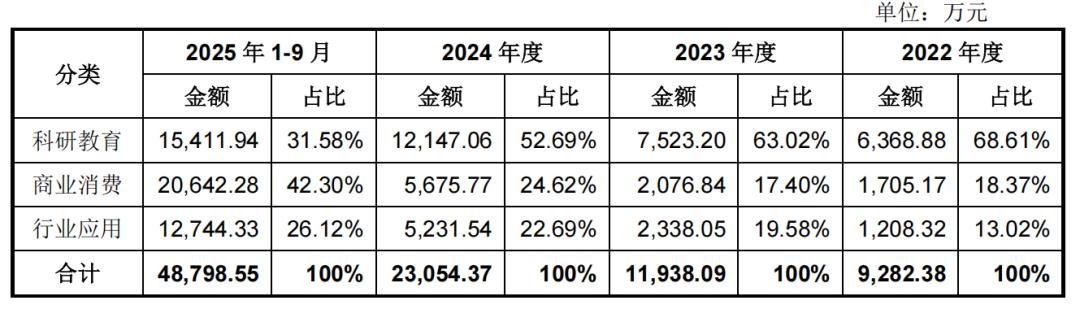
In terms of quadruped robots, from 2023 to 2024 and from January to September 2025, Unitree's sales revenue increased by 28.61%, 93.12%, and 182.22% respectively.
From January to September 2025, the top five customers of Unitree's quadruped robots were JD Group and Galaxy General, as well as agents in Japan and Germany, and a Swiss technology company.
The overall revenue in the scientific research and education field accounts for a relatively high proportion, while the revenue in the commercial consumption and industrial application fields is growing relatively fast.
Among them, from January to September 2025, the sales proportion of quadruped robots in the commercial consumption field increased significantly and exceeded that in the scientific research field, mainly benefiting from the rapid increase in the online sales revenue of consumer-grade quadruped robots.
At the same time, Unitree believes that as the application of quadruped robots in scenarios such as intelligent inspection and fire emergency response continues to improve and gradually expands to scenarios such as exploration and detection and intelligent manufacturing, the revenue proportion in the industrial application field will rise steadily.
Currently, the application cases of Unitree's quadruped robots in industry include: the inspection project of the 500kV Lanting Substation in Zhejiang, the inspection project of the underground pipe gallery in Binjiang District, Hangzhou, and the inspection project of the BASF Zhanjiang Petrochemical Base in Zhanjiang, Guangdong.
In the household field, the application cases include: China Mobile's quadruped robot dog, which can achieve functions such as emotional companionship, picking up and delivering express parcels, autonomous following, and safety early warning; the household scenario in the offline experience store of JD and Unitree.
2. Humanoid robots: Concentrated in scientific research and education scenarios
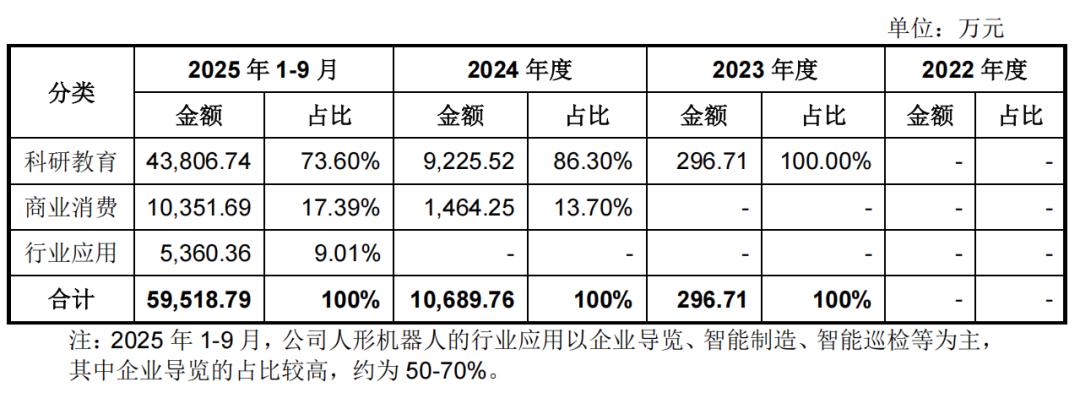
From 2024 to January - September 2025, the sales revenue of Unitree's humanoid robots increased by 35.03 times and 6.42 times respectively.
This is related to the successive launch of its multiple humanoid robot products, the rapid development of AI has driven the progress of general humanoid robot technology, stimulating the product demand for humanoid robots in the scientific research, education, and commercial consumption fields.
From January to September 2025, the top five customers of Unitree's humanoid robots were Beijing Chaoyuan Times Technology Co., Ltd., Hangzhou Hewa Robot Technology Development Co., Ltd., and agents in Japan, South Korea, and Germany.
In terms of humanoid robots, Unitree's product demand is mainly concentrated in the scientific research and education field. This is mainly because the application exploration and commercial development of humanoid robots started relatively late. In the stage of technology R & D and application exploration, the product demand in the scientific research and education field is more realistic and leading.
Referring to the development process of quadruped robots and the progress of embodied intelligence-related technologies, it is expected that in the short and medium term, the market demand for humanoid robots in fields such as scientific research, education, and commercial consumption will be relatively high; in the long term, with the breakthrough and innovation of technologies related to embodied large models and dexterous hands, humanoid robots are expected to enter factory workshops and family life, providing services for industrial, household, and more social scenarios.
The application cases of its humanoid robots in the industrial field include: the 500kV Lanting Substation project in Zhejiang, where it replaces human hands to perform live work to avoid safety accidents; the CSR Zhuzhou Factory project, where it performs handling work; the NIO project, where it performs handling and assembly work.
In the household field, its humanoid robots are mainly in the development and training stage. Lingqiwanwu (Shenzhen) Technology Co., Ltd. has developed a humanoid robot with functions such as watering flowers, picking up express parcels, and household cleaning based on the G1; Hangzhou Embodied Intelligence Pilot Base Technology Co., Ltd. conducts training on household service functions based on its humanoid robot products.
Unitree emphasizes that for robots to achieve large-scale commercial applications, the most crucial issues are the capability of the embodied large model at the "brain" level and the fineness and durability of the "dexterous hand". The most important technical problem is that the embodied large models are in the early stage of development globally, and their generalization ability is insufficient.
Unitree believes that traditional industrial robots, collaborative robots, and general robots have formed a clear functional hierarchy. The real value of general robots lies in their ability to complete the closed-loop of "movement - recognition - operation" in flexible manufacturing and non-standard service scenarios with human - machine coexistence, scattered spaces, and changeable tasks. Their core advantage lies in the deep coupling of operation and generalization ability, and they form a clear complement to traditional industrial robots and collaborative robots.
02. Behind the nearly 60% gross profit margin, labor outsourcing accounts for nearly 80% of labor costs
From 2022 to the first nine months of 2025, Unitree's comprehensive gross profit margins were 44.94%, 44.75%, 56.98%, and 59.83% respectively, significantly higher than the average of listed companies in the same industry. Cost control ability is an extremely crucial influencing factor.
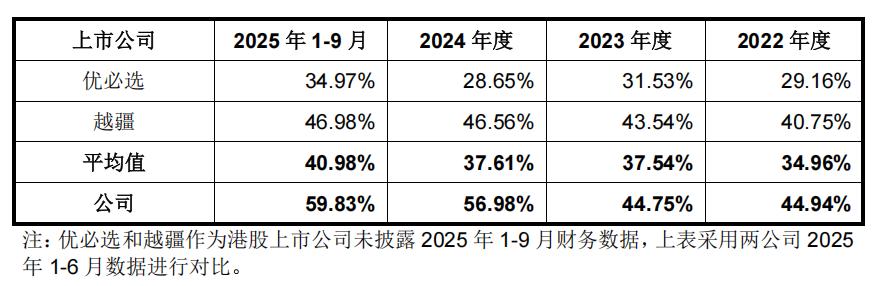
Comparison of the comprehensive gross profit margins of Unitree, Ubtech, and Yuejiang
Unitree adopts a full-stack self-research and development model for robot whole machines and core components, occupying the high-value-added links of the robot industry chain. In the production link, it relies on labor outsourcing to complete low-value-added work such as assembly and testing.
The inquiry letter disclosed that during the reporting period, Unitree's labor outsourcing costs were 14.0039 million yuan, 11.6169 million yuan, 19.2226 million yuan, and 38.0544 million yuan respectively. The proportion of labor outsourcing costs in labor costs increased from 58.38% to 77.77%.
So, is Unitree reducing costs and increasing the gross profit margin through labor outsourcing?
Unitree responded that outsourcing is mainly concentrated in low-value-added links such as assembly and testing, and it belongs to labor outsourcing, not labor dispatch. Outsourced employees are managed by suppliers, and Unitree does not directly manage attendance, scheduling, and performance. More importantly, the cost of outsourced employees is slightly higher than the local average wage in the manufacturing industry, and "there is no situation of reducing labor costs through labor outsourcing."
In terms of self-research and self-production of core components, Unitree has achieved in-depth control of the supply chain by gradually establishing its own production lines.
Specifically, quadruped robots and humanoid robots have certain commonalities in physical structure and functional modules, which can be roughly divided into the body structure, joint modules, energy system, computing platform, motion control system, perception system, and the dexterous hand of humanoid robots.
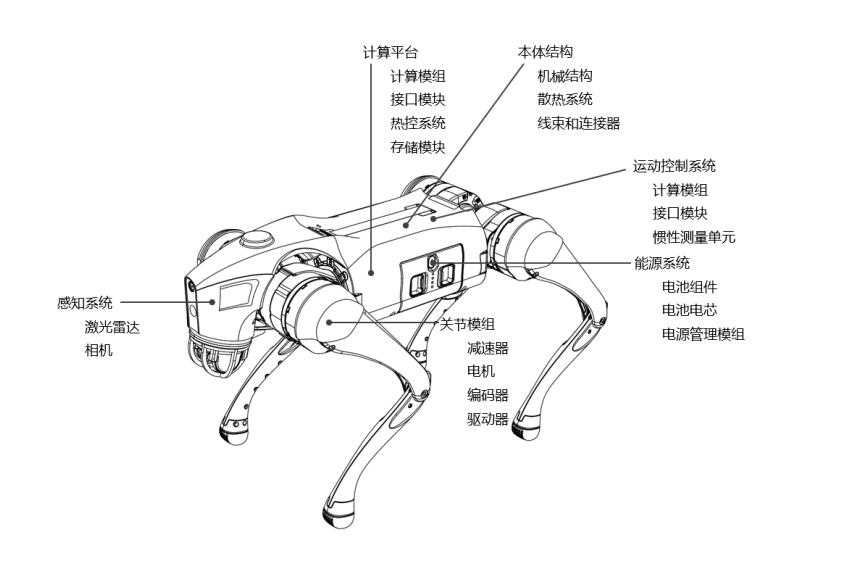
The main components of Unitree's quadruped robots
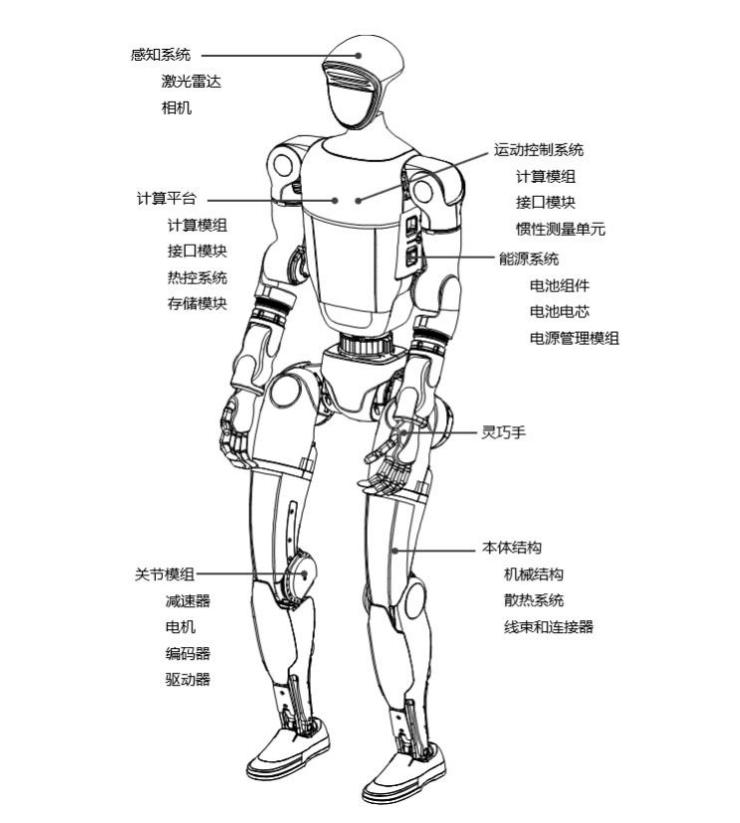
The main components of Unitree's humanoid robots
Unitree's self-research content covers the entire physical structure and core components of robot products. Although most basic parts and components are externally purchased, they are mainly purchased through customized procurement methods to meet Unitree's product development needs.
Among them, although there are cases of purchasing lidars, cameras, and dexterous hands as a whole, Unitree's self-research ability also covers these technical fields and can provide self-developed functional components.
In terms of cost proportion, unless high-specification accessories are optionally installed, the procurement cost of externally purchased components such as dexterous hands, lidars, and cameras accounts for about 14% - 18% of the total cost.
Dexterous hands: Before the launch of the Dex5 five-finger dexterous hand product in 2025, Unitree mainly purchased dexterous hands from Intime Robot, Qiangnao Technology, and Reeman.
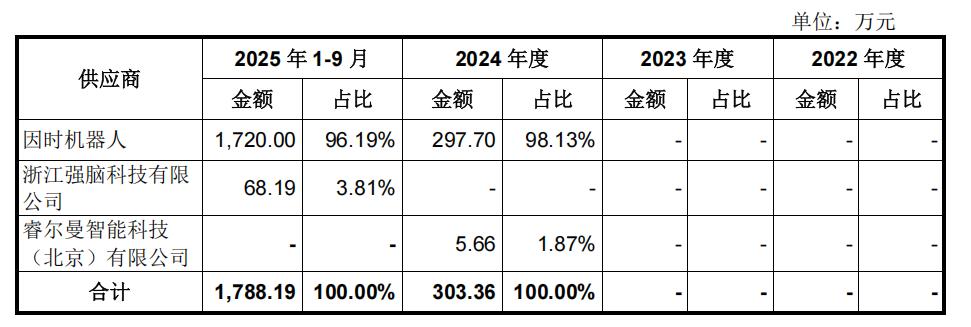
Lidars: All the lidars used in Unitree's humanoid robots are externally purchased; in quadruped robots, the consumer-grade Go2 products are all equipped with self-developed lidars. Unitree has not publicly disclosed the specific names of lidar suppliers.
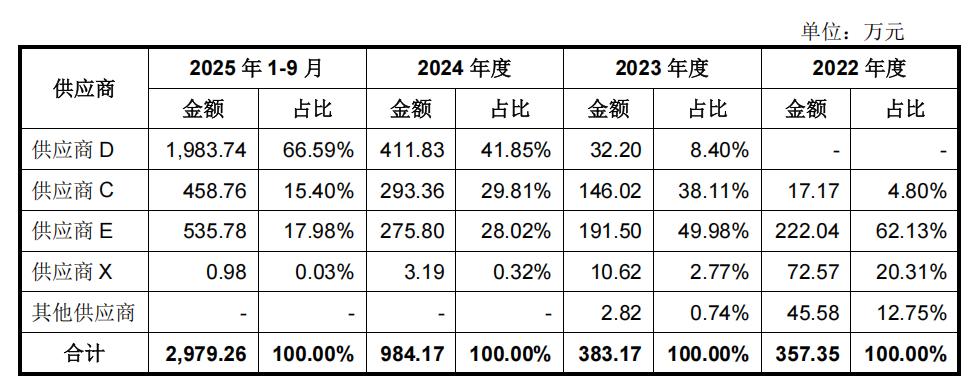
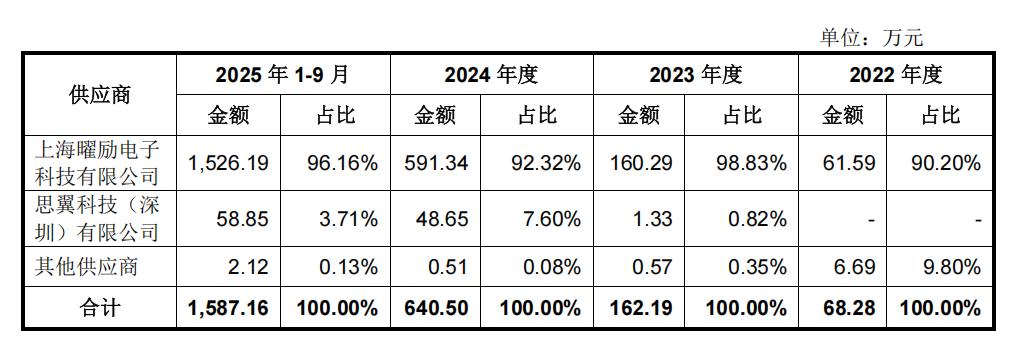
Optical cameras: The main suppliers include Shanghai Yaoli Electronic Technology Co., Ltd., etc. All the optical cameras used in Unitree's humanoid robots are externally purchased. In quadruped robots, some are equipped with externally purchased optical cameras according to customer needs.
Generally speaking, Unitree's self-research and self-production of major key core components have significantly reduced product costs, which is an important basis for the cost - performance advantage of its products.
03. Beyond running, jumping, and boxing, what else does Unitree lack?
All along, the outside world has had a deep impression of Unitree's strong motion control ability.
Unitree emphasizes that the higher the difficulty of highly complex actions, the more stringent the requirements for the robot's balance, explosive power, stability, and accuracy. This is an important manifestation of measuring the collaborative development ability of the software and hardware systems of general robots and the comprehensive motion control level, and can be transferred to real scenarios such as industrial manufacturing, warehousing and logistics, and household services.
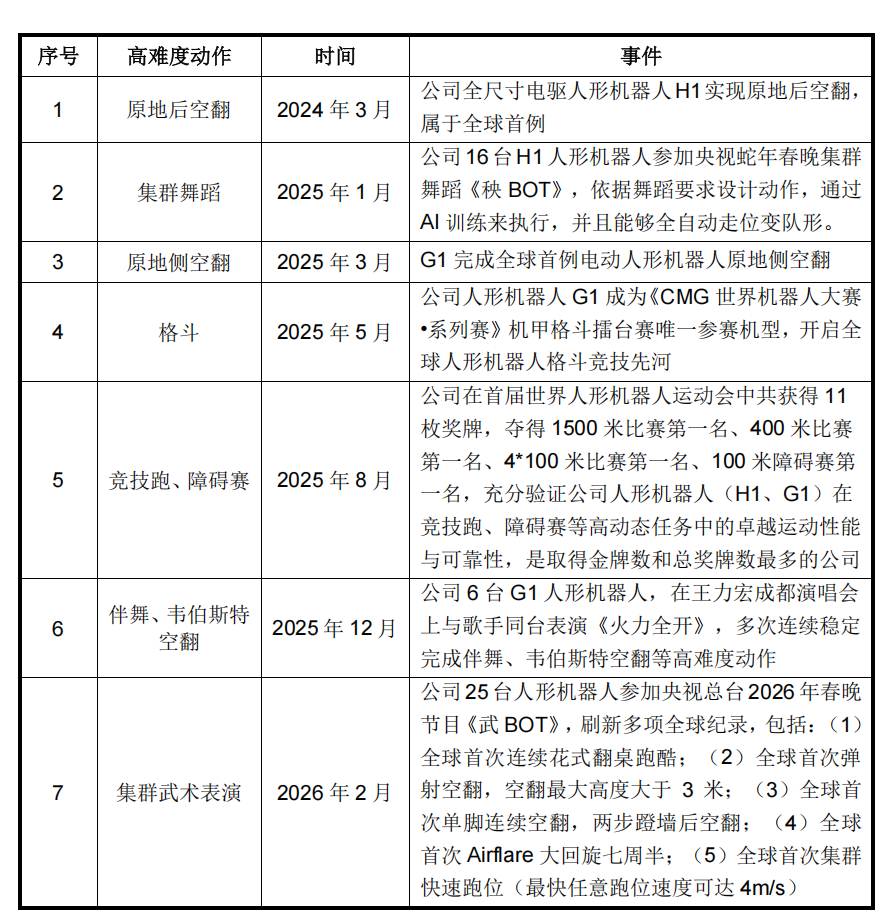
In recent years, Unitree has made a series of breakthroughs in high - difficulty actions: