A rocket builder quit his job to raise cattle, and Peter Thiel invested $2 billion in an AI cattle collar.
Recently, Peter Thiel plans to lead a $2 billion financing round, all for a cattle collar.
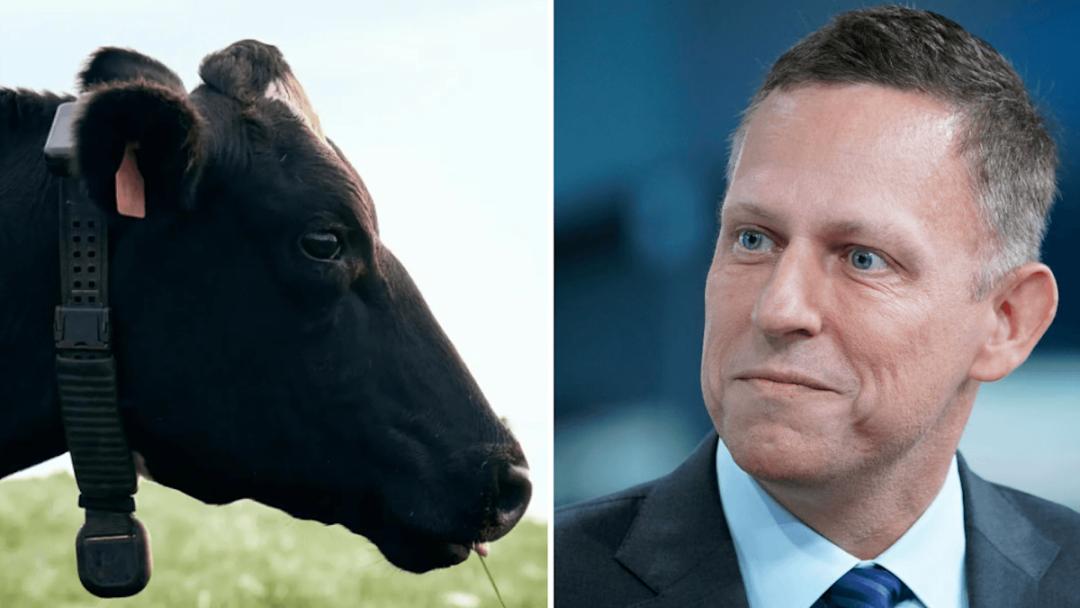
Who is Peter Thiel?
He is a top predator in the Silicon Valley venture - capital circle, the founding leader of the "PayPal Mafia", an outlier who was among the first in the world to understand Facebook and make a heavy - investment, the behind - the - scenes creator of Palantir, the man who bet on SpaceX and gave Elon Musk a lifeline, and the man who engraved "Competition is for losers" in the VC bible. 🤷♂️

Such a remarkable person has taken a fancy to something on a cow's neck.
A rocket - builder turned to making cattle collars
This company is called Halter and is from New Zealand. What they do is put solar - powered AI collars on cows.
This collar can track each cow's location, health status, body temperature, chewing behavior, and reproductive cycle through AI algorithms, collecting 6,000 data points per minute, all day long without interruption.
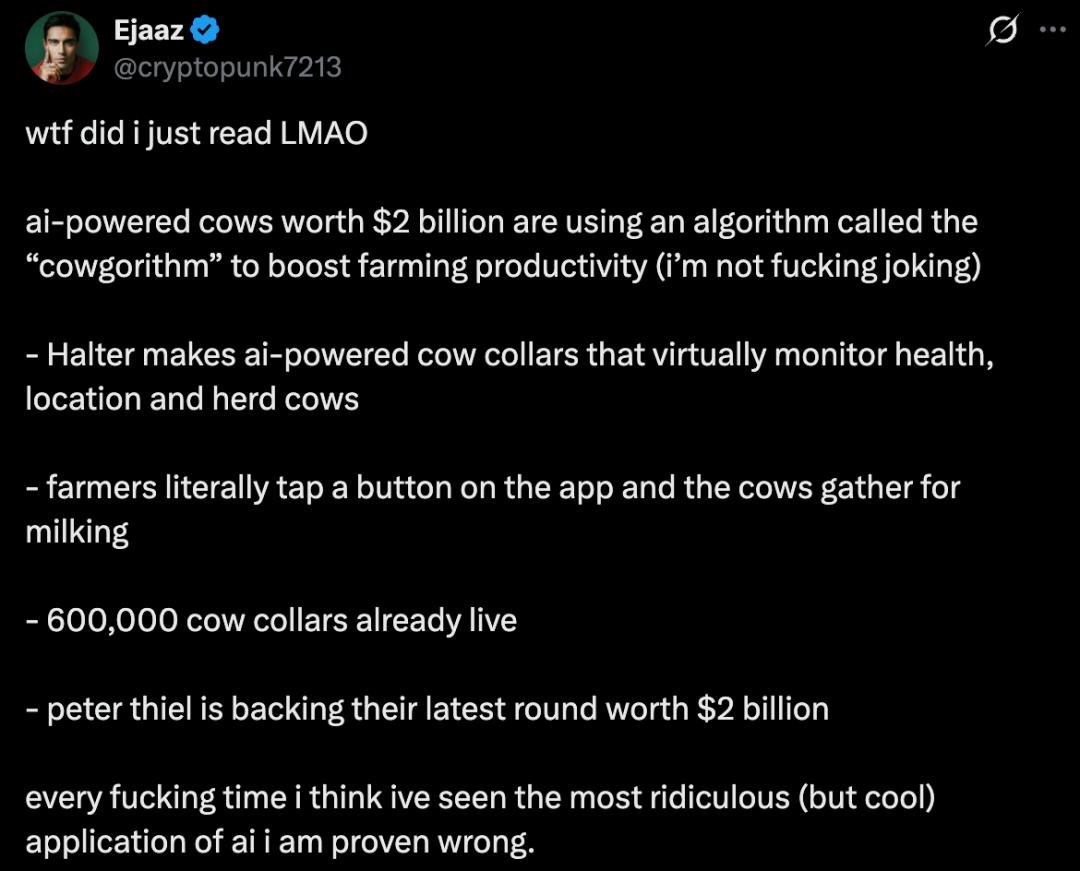
The most disruptive feature is the "virtual fence". Farmers don't need to drive stakes and put up nets. They just open the mobile app, draw a line on the map, and that line becomes the "fence".
Every time a cow approaches the boundary, the collar will emit a sound and vibration alert, and the cow will naturally turn around and walk away. After seven to ten days of such training, they will stay obediently within the designated area.
If you want to drive the whole herd of cows to a new pasture or the milking shed, just click a button.
They also gave this system an official commercial name, "cowgorithm".
Currently, 600,000 cows have worn this collar, spread across New Zealand, Australia, and the United States.
American farmers have used it to create virtual fences with a total length of more than 11,000 miles, which is approximately equivalent to going around the contiguous United States once. The estimated cost savings on physical fences are as high as $220 million. Farmers can also reduce their work by 20 to 40 hours per week. The usage fee? It's only $5 to $8 per cow per month.
The company's founder, Craig Piggott, grew up in a dairy - farming family in New Zealand, watching his parents work 100 hours a week since childhood.
Later, this young man barely got into an engineering college. After graduation, he joined Rocket Lab but quit before the launch of the first rocket. He started tinkering with cattle collars at the age of 22.
A rocket - builder finally chose to go back to cattle - raising and brought high - tech to the fields. What a wonderful turn of events in life.
Currently, Halter has completed a new round of financing led by Founders Fund under Peter Thiel. Its valuation has doubled from $1 billion nine months ago to $2 billion.
Founders Fund didn't just follow the trend halfway. It got involved as early as Halter's $7 million Series A financing in 2018. Icehouse Ventures, an early - stage institution that invested $100,000 in the seed round, now has a book position worth $409 million. According to Halter's current growth rate, some institutions predict that its market value will exceed that of Fonterra, New Zealand's largest dairy cooperative, within 11 quarters.
Netizens' comments are even more hilarious.
Some people say, "It's like a smartphone for cows."

"I remember someone also studied VR headsets for cows a few years ago. I wonder if they can make similar collars for chickens and other livestock."

Some people joked that in the AI era, even cows are managed by high - tech, and humans have no escape. These things can be put on developers in cutting - edge AI labs.
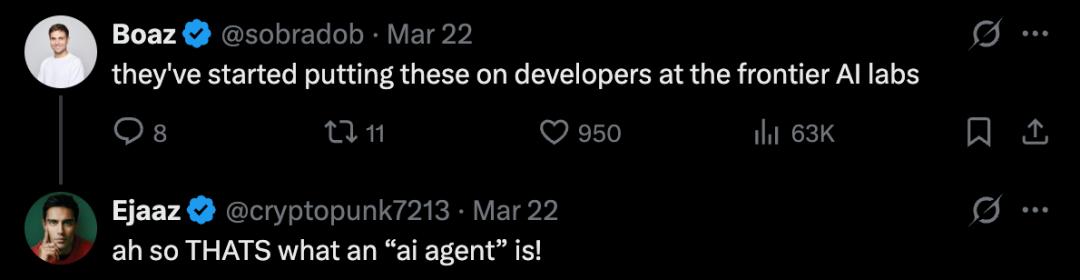
"Check if you're wearing an AI cattle collar."

Some people questioned, "What kind of artificial intelligence is this? It's just a solar - powered GPS tracker with telemetry functions."

"African herdsmen can achieve the same effect with just a whistle."

"Cows will naturally go to the milking shed for milking without anyone's urging... The pressure of milk accumulation is enough. There's no need for an AI collar."

To help his fans with cattle - raising, YouTuber He made an AI collar
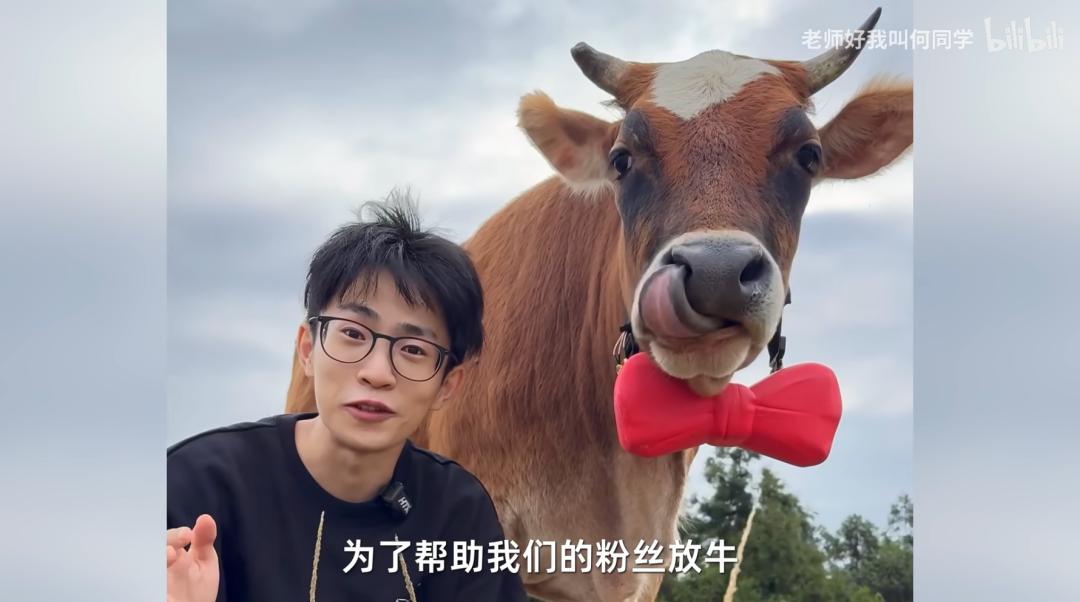
Last year, well - known YouTuber "He" received an email from a fan in Guangxi. The fan said that his father raised more than a dozen cows in the mountains. It was time - consuming and laborious to go up the mountain to find the cows every day. His father even broke his leg because of this a few years ago. The family had bought cattle and sheep locators, but the displayed position could differ from the actual position of the cows by a whole mountain.
He's team went up the mountain to raise cows for a day and finally found the problem. The signal in the mountains is extremely weak. Most locators on the market rely on the 4G network to upload positions. When the cows are in areas with good signals, the positions are sent normally. Once they enter valleys or forests and the signal is cut off, the positions can no longer be updated. What's shown on the user's phone is still the coordinates from the last time there was a signal. It's no wonder there's a difference of a whole mountain.
After figuring out the problem, the team developed a complete cow - finding system, consisting of a collar locator, a gateway, a LoRa relay base station, a cow intercom, and a mobile app. It was developed based on the TuyaOpen open - source framework and the Tuya AI agent development platform.

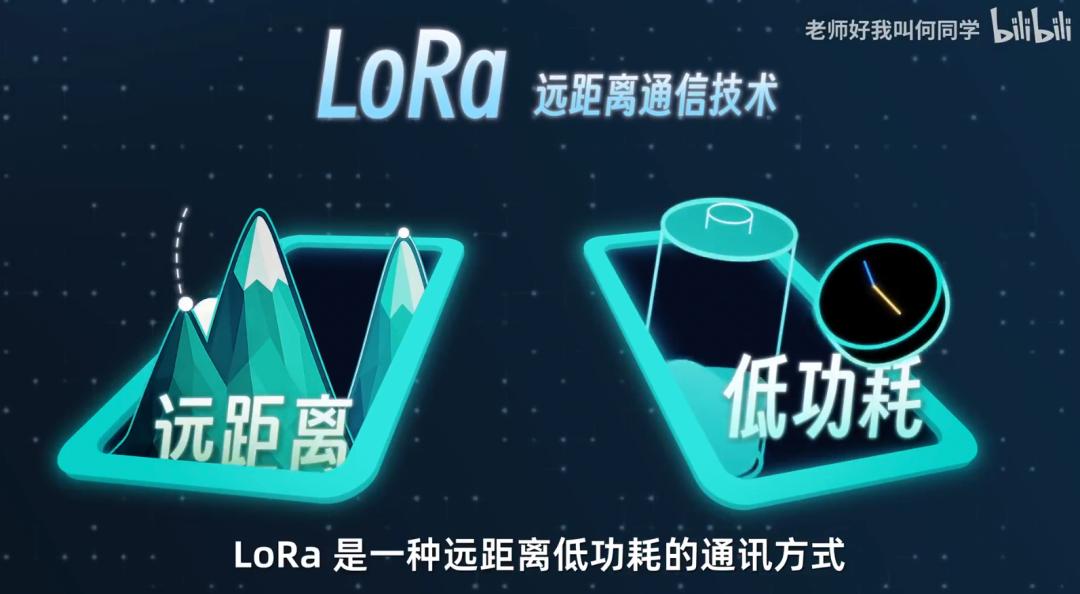
The problem of poor signal is solved by LoRa, a long - distance, low - power communication protocol. The locator passes the position step - by - step to the base station and the gateway, which then upload it to the server and push it to the mobile phone, bypassing signal blind spots.
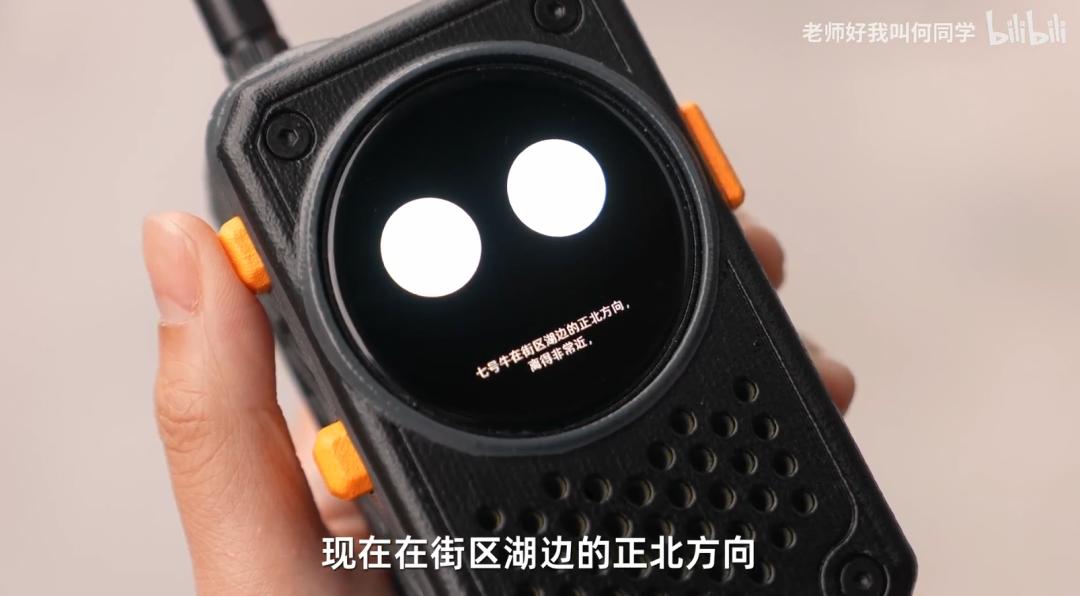
When going up the mountain to find cows, people also have no mobile phone signal. The cow intercom is responsible for this. It receives the cows' positions in real - time through LoRa, has a built - in AI voice function, and is specially adapted to the Guangxi dialect.
If you ask "Where is Cow No. 7?", it will answer with local landmarks. Landmarks can be marked on the map, or you can just say "Mark this place as the cowshed" when you arrive at a certain location, and the system will record it immediately.
The locator's shell is made of nylon with metal buckles, which can withstand cows' fighting and scratching. The shell is printed with serial numbers for easy identification. The built - in accelerometer can monitor the movement status. If a cow stays away from the herd for a long time or has abnormal movement, the mobile app will give a timely alert.
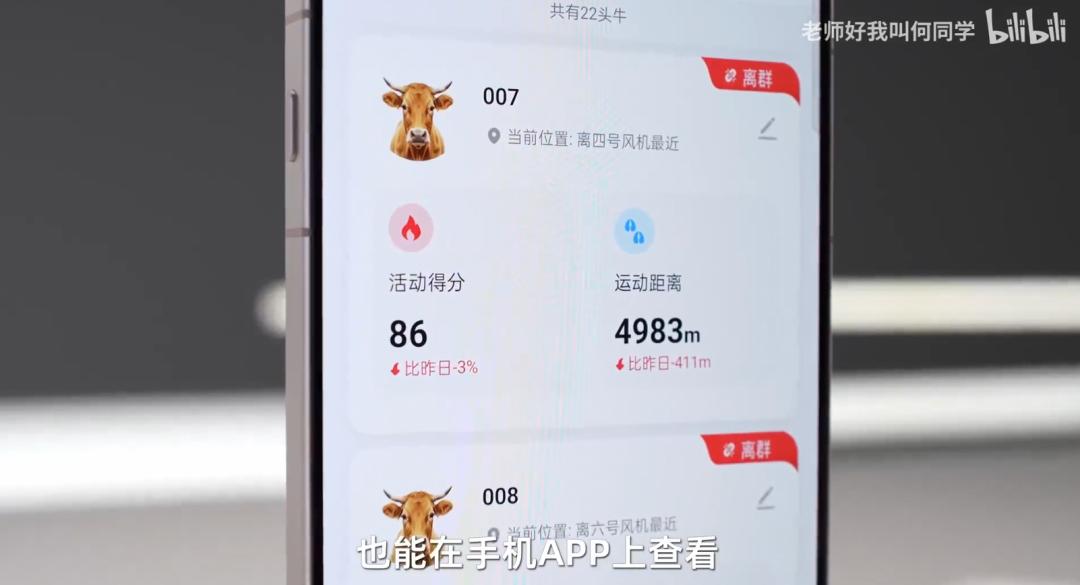
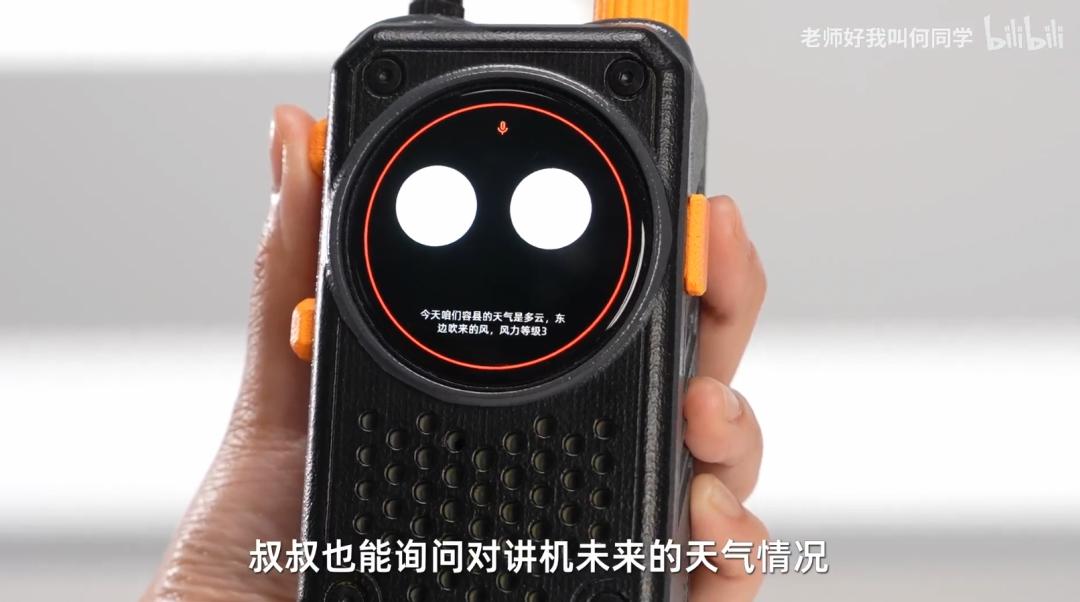
The intercom also has a weather query function to help the elderly decide in advance whether to drive the cows back to the cowshed.
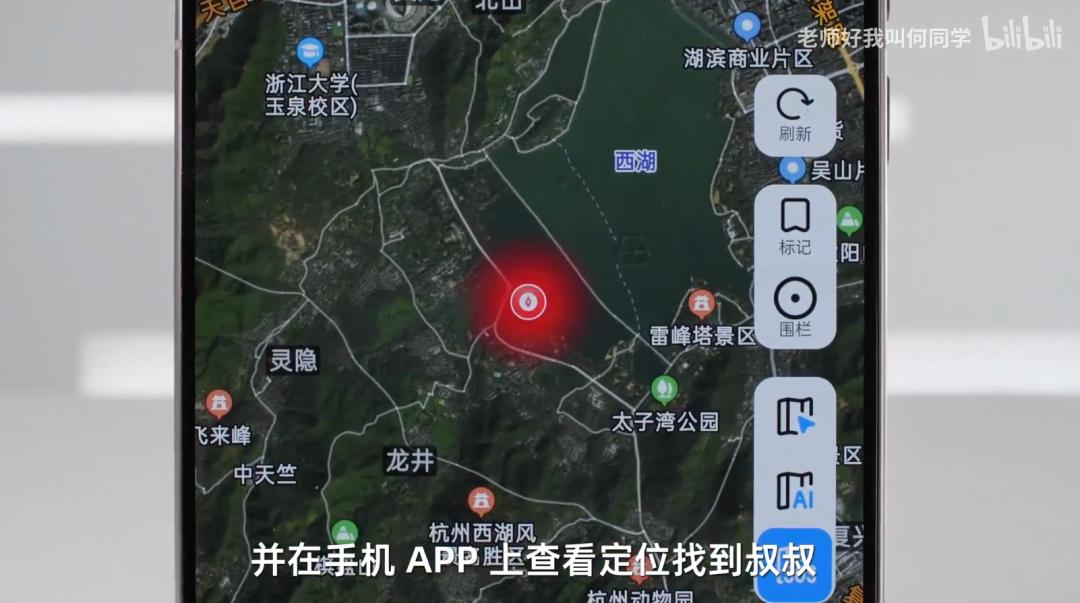
Considering the difficult mountain roads, the team added an SOS button to the intercom. When pressed and held, the family members' mobile phones will immediately receive an alert and can see the real - time location.
A Japanese team developed a Chicken - Call GPT
Since cows have AI collars, what about chickens?
Professor Adrian David Cheok from the University of Tokyo in Japan led a team to develop an AI system called "Deep Emotional Analysis Learning (DEAL)", which is specifically used to understand chicken calls and judge the chickens' moods.
The team first recorded chicken calls and cut them into independent small segments, with each segment corresponding to a specific sound event, such as clucking or quacking. To improve the signal quality, they also did special noise - reduction processing and standardized the audio to ensure that