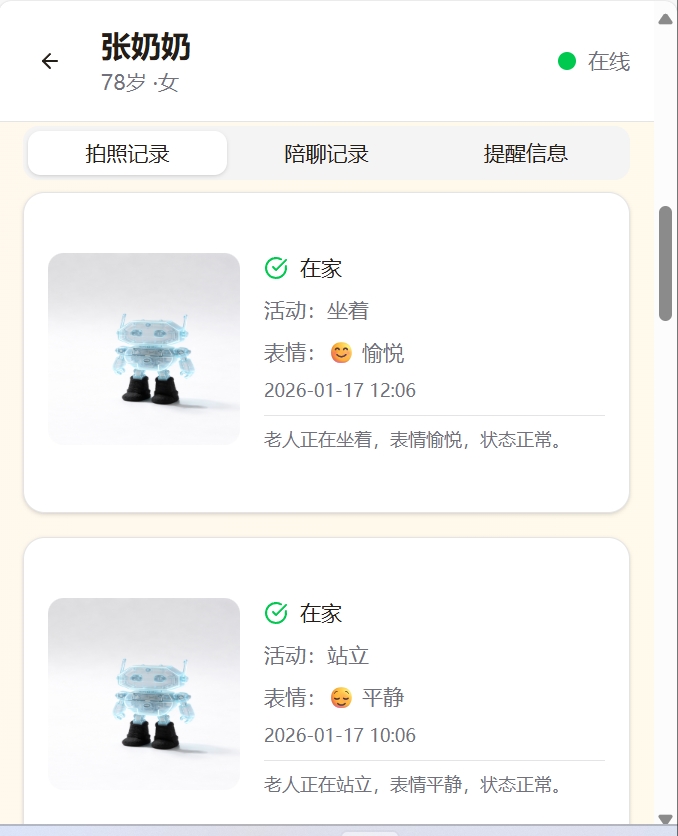
AI monitors the safety status of elderly people living alone. "Are You Still There?" is seeking seed round financing.
Focusing on the Safety Confirmation Needs of Elderly Living Alone, the Niche Market Needs Further Improvement
As the aging process in China accelerates, the safety of elderly living alone has gradually become a focus of social attention. According to public data statistics, the number of elderly over 65 living alone in China has exceeded 20 million and is still growing. Against the backdrop of children working in different places for a long time, how to confirm the safety status of the elderly at low cost and continuously has become one of the core pain points at the family level.
Currently, there are various pension - related products on the market, including smart bracelets, camera monitoring devices, and comprehensive pension robots. However, these products generally have certain limitations in actual use: on the one hand, some devices rely on the elderly's active operation, such as wearing, pressing buttons, or charging, with a relatively high usage threshold; on the other hand, comprehensive devices have complex functions and high prices, making it difficult to be widely popularized in ordinary families.
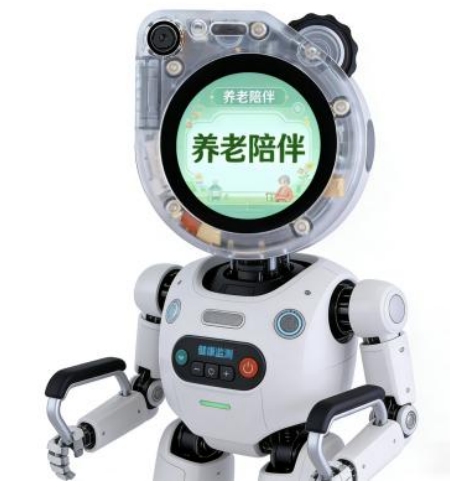
Against this backdrop, the "Are You Still There" project launched by Accident Technology starts from the basic need of "life status confirmation" and attempts to provide a solution for the safety monitoring of elderly living alone at a lower cost and with a lower usage threshold.
Centering on Life Status Monitoring, Building a Low - cost Companion Terminal
The core product of "Are You Still There" is an AI companion robot with basic perception ability. The product periodically collects the activity status of the elderly through a camera and an embedded system, and uploads the relevant data to the server for processing to determine whether the elderly is in a normal activity state.
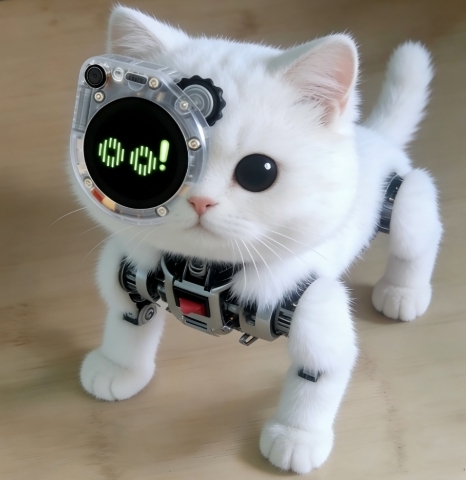
In product design, this project emphasizes "non - intrusive" and "low - intervention". The device does not require the elderly to operate frequently and does not rely on complex wearable devices. Instead, it completes the basic judgment of the life status through environmental perception and regular detection. At the same time, the system will synchronize the analysis results to the children's end, enabling them to remotely understand the basic situation of the elderly.
Different from the multi - functional pension robots on the market, "Are You Still There" takes a relatively focused path in product strategy, that is, it gives priority to solving the core problem of "whether it is safe" rather than covering multiple functions such as medical care, entertainment, and social interaction at the same time. The team believes that at the current stage, the stability and reliability of a single function are the key factors affecting user trust.
In addition, in terms of hardware and system architecture, the project uses an embedded motherboard combined with cloud processing to control costs while ensuring data processing capabilities and room for subsequent function expansion.
Exploring the Path of Standardized Products, the Project is in the Early Verification Stage
In terms of business model, "Are You Still There" currently mainly relies on hardware sales and is exploring extended models related to service subscriptions, such as value - added services like abnormal alerts and remote notifications. The target users are mainly children working outside and families with a continuous need to pay attention to the safety of the elderly.
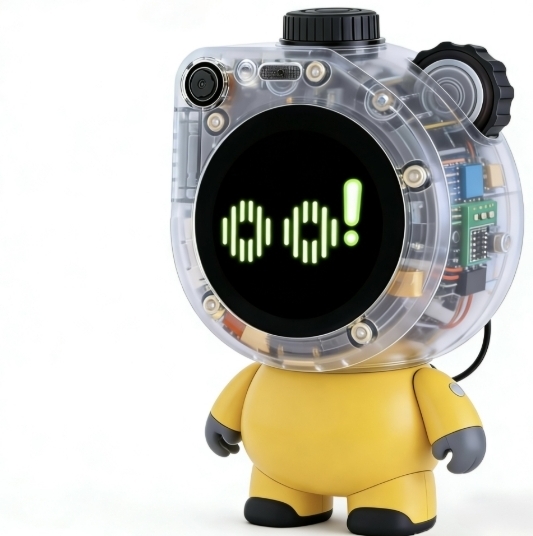
In terms of the team, the "Are You Still There" project is promoted by Accident Technology. Currently, the team has about 20 people, with a certain proportion of technical R & D and market operation personnel. The project has entered the small - scale testing stage, and is verifying the product stability, recognition accuracy, and user acceptance.
In terms of financing, the project has completed a seed - round financing of 10 million RMB invested by Sequoia Capital China. The funds from this round will be mainly used for product iteration, expansion of the technical team, and market promotion.
From the perspective of industry development, intelligent pension is still in the early stage, and a unified product form and user cognitive path have not yet been formed. Compared with function - integrated platforms, focusing on a single rigid demand for product refinement has become one of the entry methods for some entrepreneurial teams.
The path of the "Are You Still There" project reflects an attempt to focus on niche scenarios, that is, by solving the basic problem of "life status confirmation", it builds user trust and gradually expands service capabilities on this basis. In the future, whether such products can be promoted on a large scale still depends on further verification of technical stability, cost control, and user habits.