Mobile phone prices are rising. Why aren't Huawei and Apple increasing theirs?
This year's mobile phone market is destined to be extremely surreal.
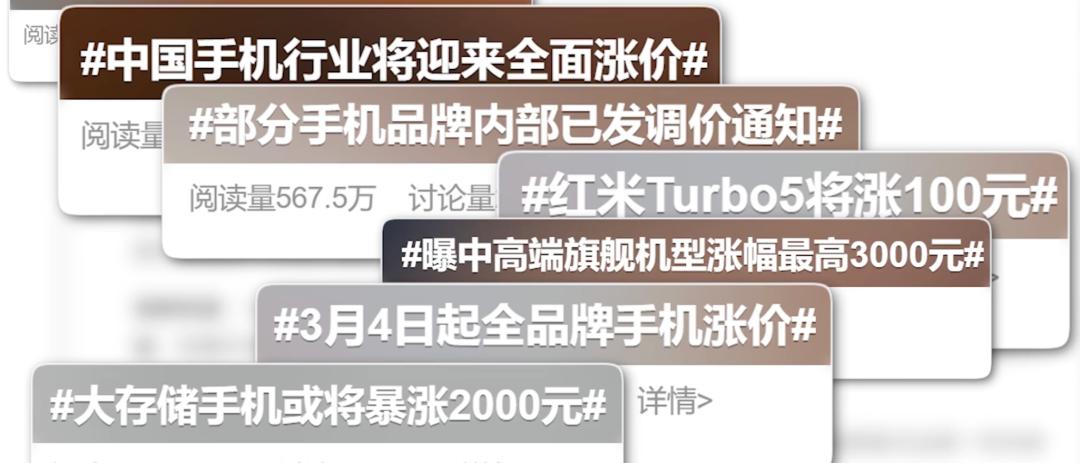
On one hand, mainstream brands like Xiaomi, OPPO, vivo, and Honor have successively spread rumors of price hikes to test consumers' reactions.
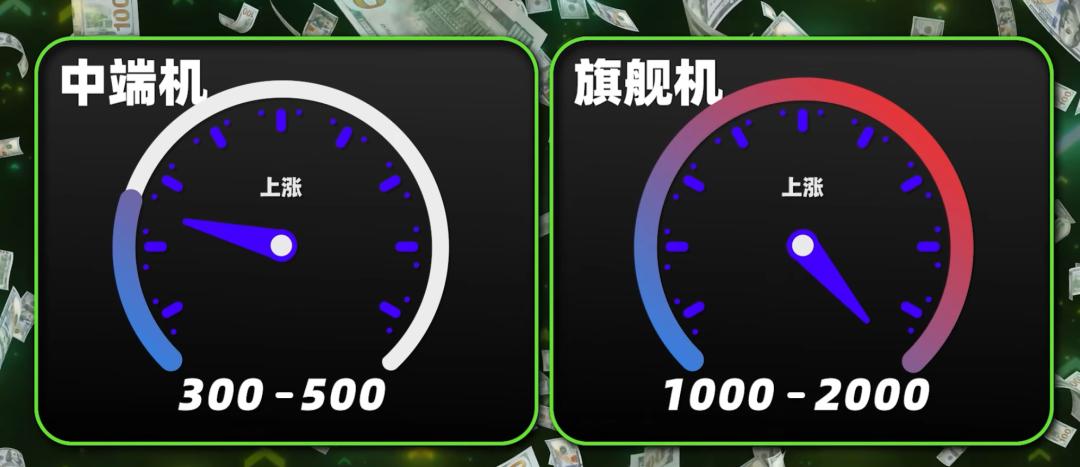
According to channel sources, the prices of mid - range phones may increase by 300 to 500 yuan, and the prices of flagship phones may even rise by 1000 to 2000 yuan.
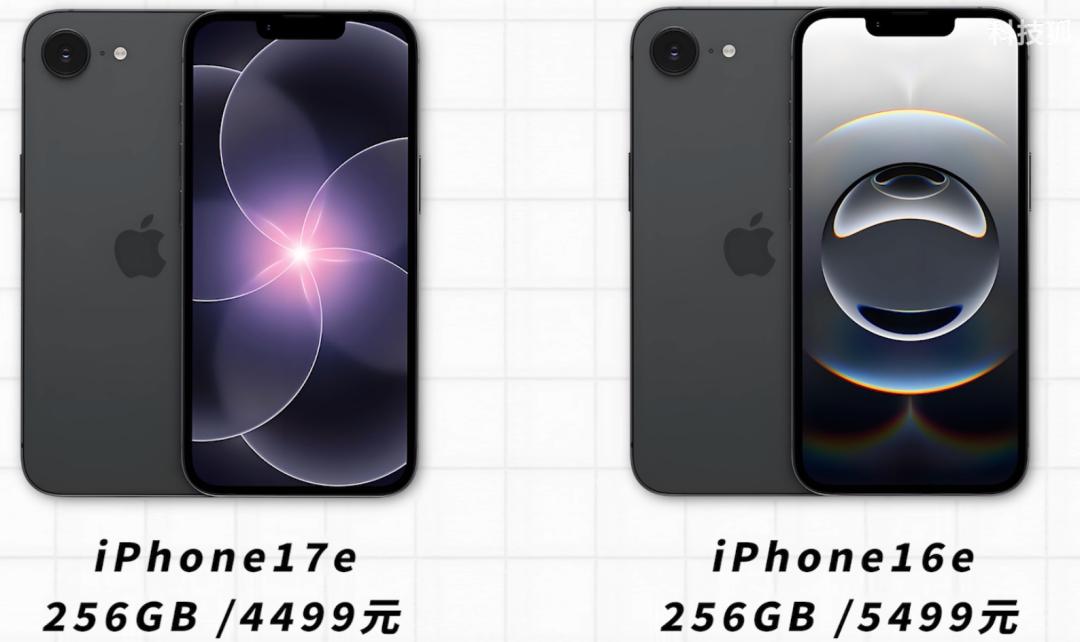
On the other hand, Apple has just released the iPhone 17e. Compared with the previous generation iPhone 16e, the price of the same storage version has been directly reduced by 1000 yuan.
I've already seen many people saying that this phone is a great deal.
As for Huawei, there is no news of a price hike so far. In fact, at the end of last year, the Mate 80 series was sold with more features at a lower price.
I've also basically confirmed from a familiar Huawei channel that Huawei will not follow the trend of price hikes this year and will focus on stability.
So, in this article, I'll thoroughly explain the underlying logic of the mobile phone price hike in 2026, as well as the confidence of Apple and Huawei not to raise prices or even lower them. Finally, I'll also give some purchase suggestions.
Many people may scold phone manufacturers for being greedy as soon as they see price hikes.
First, we need to clarify a core point: the widespread price hikes of mobile phones this time are due to the cost pressure faced by the entire industry. Phone manufacturers are forced to raise prices, not doing it voluntarily.
The core reason for this price hike is the sharp increase in the cost of upstream components, with the most crucial one being storage chips.
— That is, the random - access memory (RAM) and internal storage (ROM) in our phones.
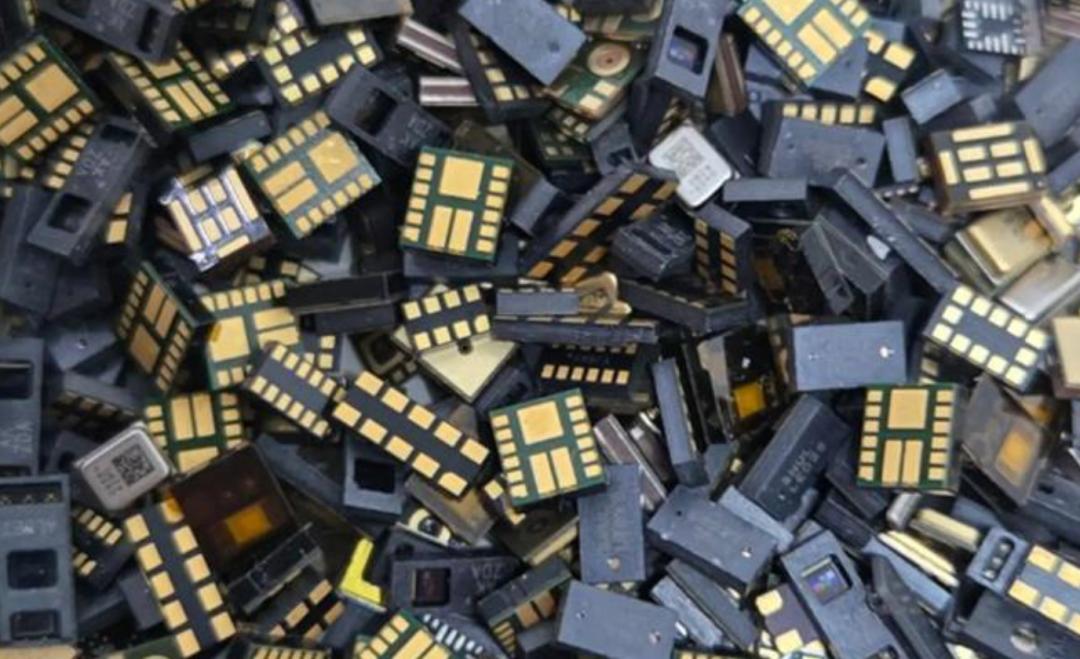
According to industry reports, from September 2025 to February 2026, the spot price of storage chips has increased by more than 300% in total!
In the first quarter of 2026, the contract price of DRAM memory soared by 90% to 95% quarter - on - quarter, and the price of NAND flash memory also increased by 55% to 60%. What does this mean?
For a more intuitive example, for a mid - range Android phone priced at around 2500 yuan, the cost of storage chips last year was about 300 yuan, accounting for about 12% of the total cost of the phone.
But this year, for the same storage specification, the cost has directly risen to 500 - 600 yuan, and the proportion has soared to over 20%, almost a quarter!
We've also written about why memory prices are rising before. Those who are interested can check it out. (The price of memory is comparable to that of gold! Who should be blamed for this?)
To put it simply, it's all about two words: AI.
The explosive growth of AI servers has completely changed the supply - demand pattern of storage chips.
A high - performance AI server requires 8 to 10 times more memory (DRAM) than an ordinary server, and its demand for NAND flash memory is more than 12 times higher.
Tech giants like OpenAI consume nearly half of the global DRAM wafer production capacity every month!
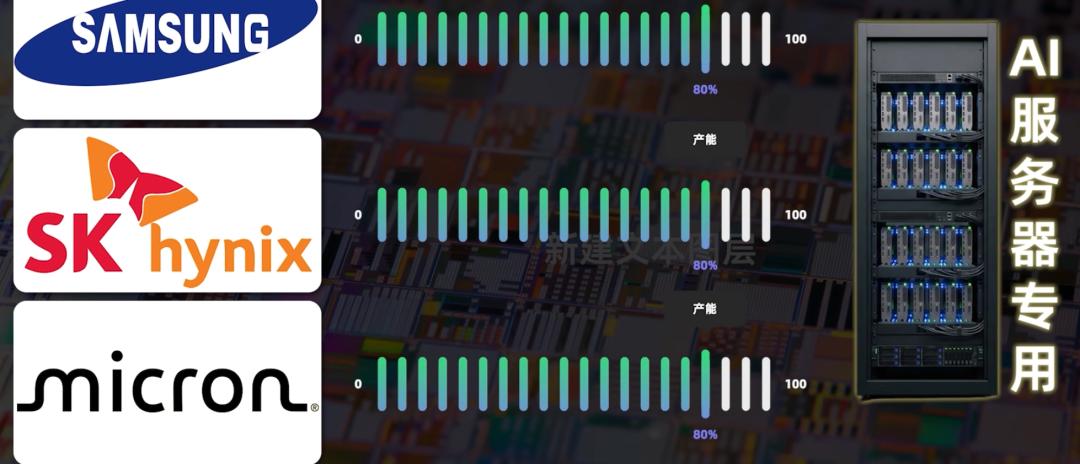
Tempted by huge profits, storage giants such as Samsung, SK Hynix, and Micron have unhesitatingly shifted more than 80% of their advanced production capacity to storage products dedicated to AI servers with higher profits (such as HBM high - bandwidth memory). As a result, the general - purpose storage chips for mobile phones have become extremely scarce, and their prices have skyrocketed.
In addition to storage chips, the prices of raw materials such as copper and aluminum are also rising. Coupled with the global layout of AI infrastructure, which has occupied a large amount of chip production capacity, there is a structural shortage of storage chips dedicated to mobile phones, further increasing the procurement cost of manufacturers.
In simple terms, since the cost of parts for manufacturers has increased, the prices of mobile phones have to rise accordingly. Otherwise, they will either make losses or be forced to exit the market.
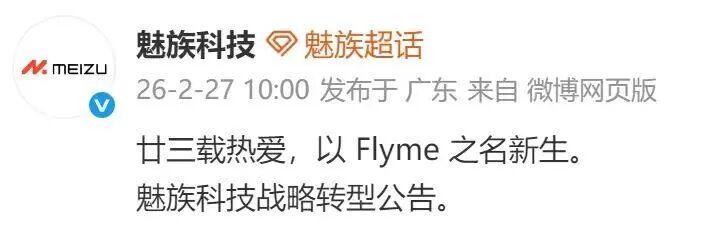
As an early Meizu fan, I knew this day would come, but I didn't expect it to come so soon. Sigh.
So, the question is, facing the same cost pressure, why can Apple lower prices and Huawei avoid price hikes? Are they going to sell phones at a loss this year to maintain their market share?
Of course not.
Let's first compare the core parameters of the newly released iPhone 17e and iPhone 16e.
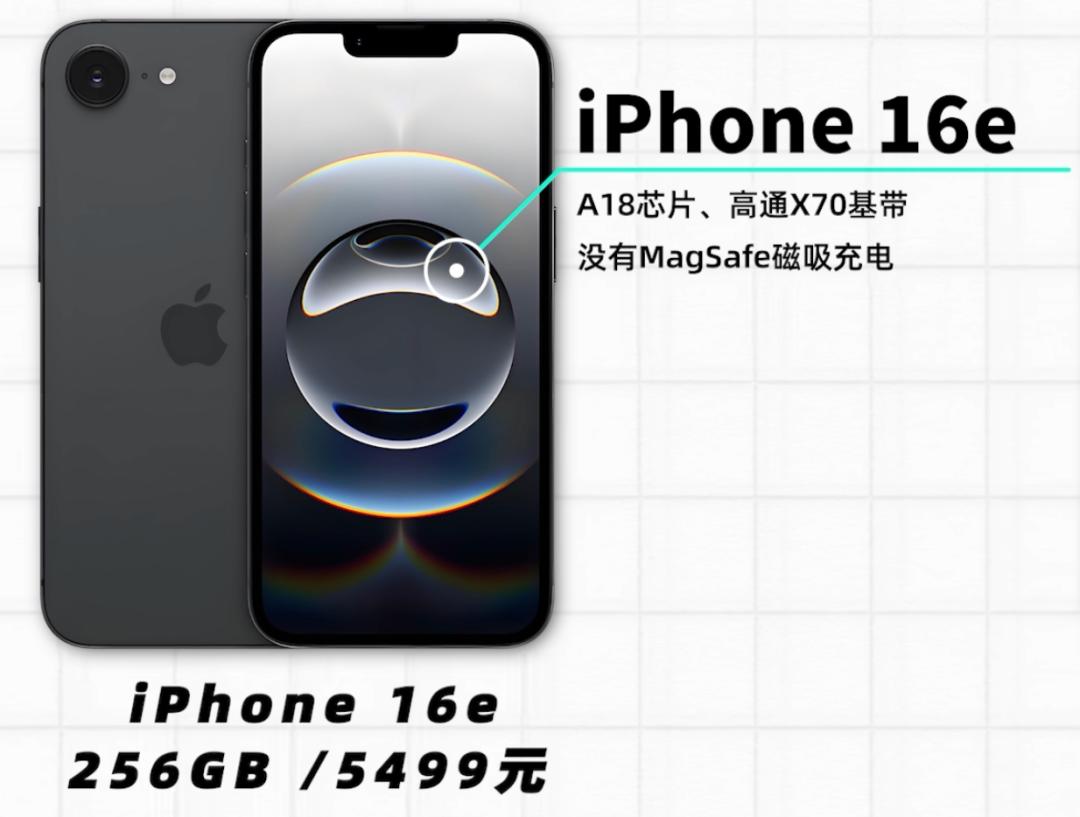
The starting price of the 256GB version of the iPhone 16e was 5499 yuan last year. It was equipped with the A18 chip, the Qualcomm X70 baseband, supported 18W fast charging, and did not have MagSafe magnetic charging.
This year, the starting price of the 256GB version of the iPhone 17e has been directly reduced to 4499 yuan, a direct reduction of 1000 yuan. The core configuration has been upgraded to the A19 chip and Apple's self - developed C1X baseband, and MagSafe magnetic charging has been added. The appearance, screen, and camera are basically the same as the previous generation.
How did Apple manage to upgrade the configuration while lowering the price?
First of all, Apple has a huge global procurement scale. The annual procurement volume of core components such as storage chips and screens far exceeds that of any other mobile phone brand. It can directly negotiate the lowest procurement prices with upstream suppliers such as Samsung and SK Hynix and even lock in long - term supply prices to avoid cost fluctuations caused by rising raw material prices.
Secondly, the self - development advantage reduces costs.
As we all know, Apple's core chips and basebands are self - developed. It doesn't need to purchase chips from Qualcomm and MediaTek at high prices like other Android brands.
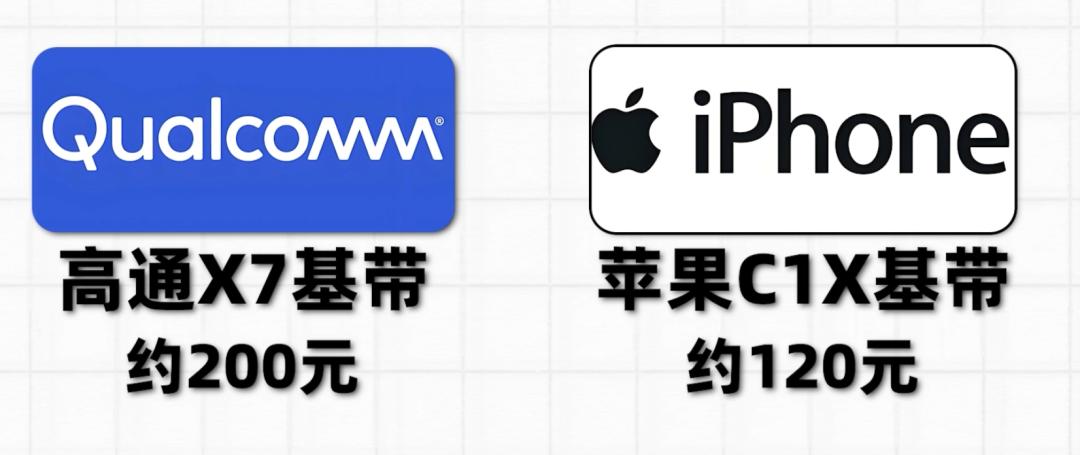
Take the baseband as an example. The procurement cost of the Qualcomm X70 baseband is about 200 yuan per unit, while the cost of Apple's self - developed C1X baseband can be controlled at about 120 yuan per unit, saving about 80 yuan per baseband.
As for the signal, iPhone users know it well.
In addition, after the large - scale mass production of the A19 chip, the R & D cost and manufacturing cost can be further diluted. This is Apple's greatest cost advantage.
Moreover, the appearance, screen size, and body structure of the iPhone 17e and iPhone 16e are basically the same, sharing most of the molds and production processes. There is no need to open new molds or redesign, which saves a large amount of R & D and mold - opening costs.
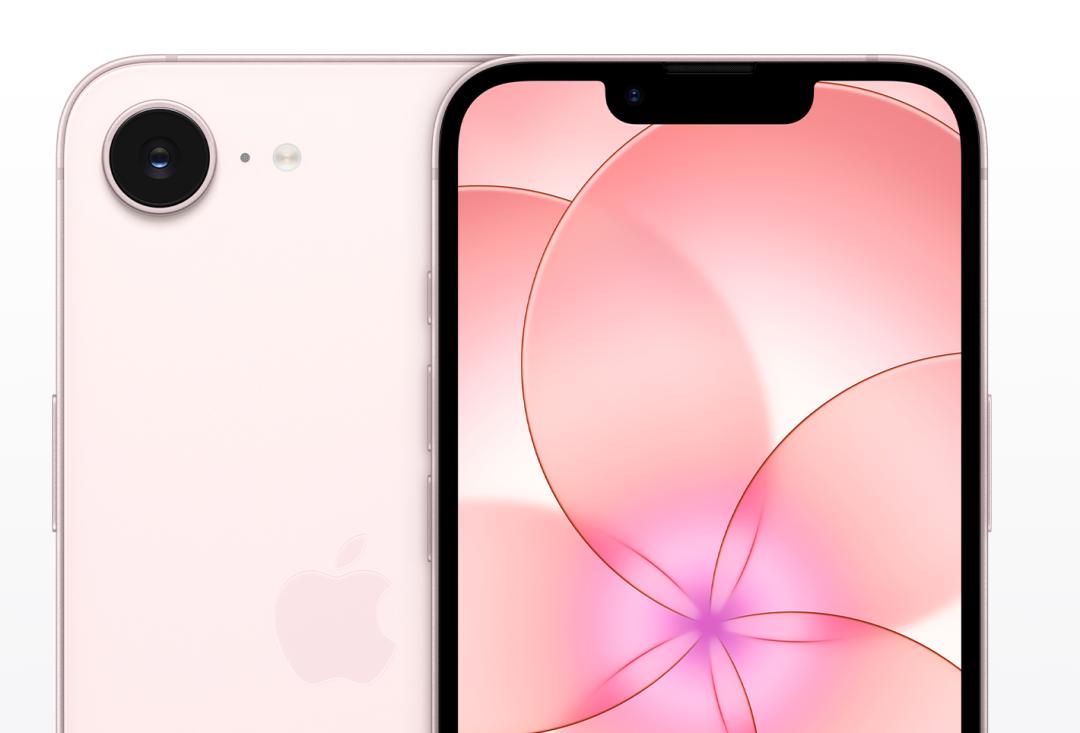
You know, the mold - opening cost of a mobile phone can easily reach millions or even tens of millions of yuan. Saving this part of the cost provides room for price reduction.
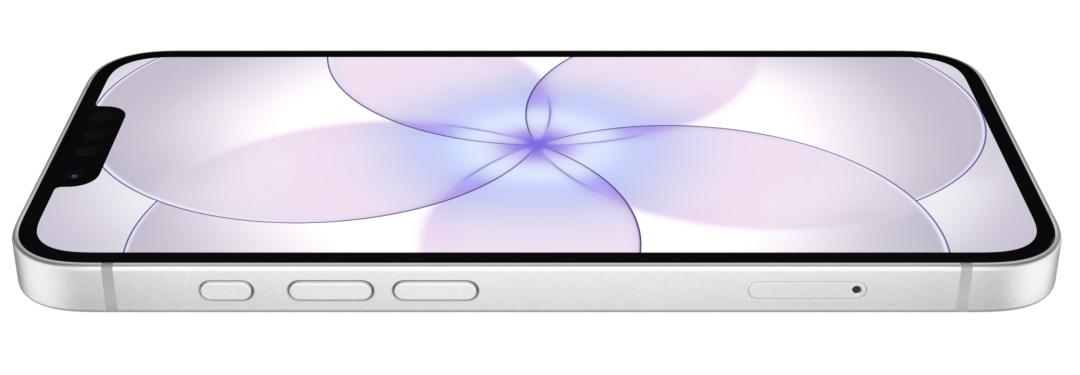
However, I'm very confused. After so many years, why hasn't Apple cleared the inventory of the notch - screen yet?
Seeing such a notch - screen now really makes it seem like a phone from the previous era.
Finally, I think this might be a deliberate move by Apple. You need to understand that the e - series of iPhones is positioned as "entry - level iOS models". Its core mission is not to make a lot of money, but to expand the user base, especially in emerging markets, and compete with mid - to high - end Android models for users.
The price range of 4000 - 5000 yuan is the main battlefield for mid - to high - end Android models. The flagship models of Xiaomi, OPPO, and vivo are all concentrated in this price range, and they will all raise prices this year. Apple has seized this opportunity to cut the price of the iPhone 17e and capture the market share in this price range.
Once users buy an iPhone, they will enter the Apple ecosystem, and Apple can then profit from the iOS ecosystem later. This is really a smart move by Apple.

To be honest, I'm really worried about domestic mobile phones this year.
Fortunately, there is Huawei! It can counterbalance the iPhone. Otherwise, I feel that Apple will dominate the domestic market this year!!
If Apple's price cut is a strategic choice, where does Huawei's confidence not to raise prices come from?
First, Huawei has independent control over core technologies, which helps it avoid external cost pressure. Huawei's Kirin chips and HarmonyOS are self - developed. Unlike Xiaomi, OPPO, and vivo, which rely on chips from Qualcomm and MediaTek, Huawei doesn't need to pay high patent licensing fees.
According to supply - chain sources, the cost of purchasing a Snapdragon 8 Gen4 chip is about 1000 yuan, while the cost of Huawei's self - developed Kirin 9020 chip, after eliminating the middle - man premium, is about 700 yuan, saving about 300 yuan per chip.
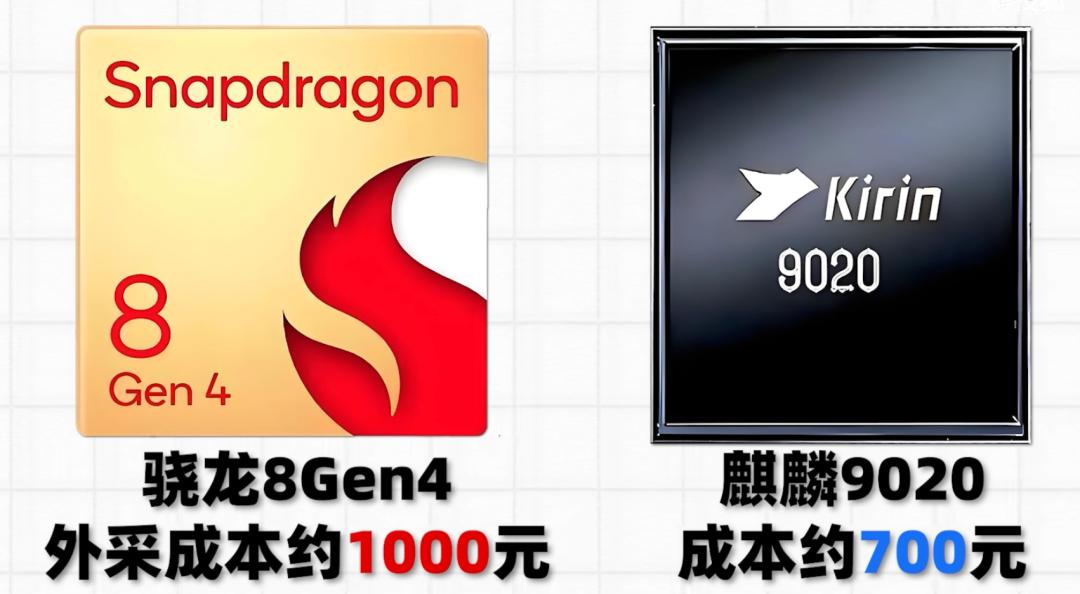
At the same time, Huawei's self - developed basebands and self - developed imaging chips can also be produced independently without relying on foreign suppliers. Naturally, they won't be affected by the price hikes of components.
More importantly, the production capacity of Kirin chips has increased significantly this year, growing by 60% compared with the previous generation. After large - scale mass production, the R & D cost and manufacturing cost are further diluted, providing enough room for Huawei not to raise prices.
Second, like Apple, Huawei also has supply - chain advantages. Over the years, through order support, joint R & D, and technology empowerment, Huawei has deeply restructured the domestic mobile phone industry chain. It has not only directly promoted the development of more than a thousand local enterprises but also accurately rescued several domestic Apple - supply - chain enterprises that were abandoned by Apple's supply chain and faced operational crises, such as O - Film and Will Semiconductor.
