One for dreaming, one for making money. Apple has two new iPhones up its sleeve for its 50th anniversary.

This week, Apple held a special event in Chengdu to commemorate the 50th anniversary of its founding.
Corresponding to the celebratory atmosphere, Apple has had an extremely intensive product release schedule in less than three months since the New Year's Day. The MacBook Neo, two regular MacBook iterations, two new monitors, the iPhone 17e targeting the low - end market, and the long - awaited AirPods Max 2 have all made their appearances one after another.
The lineup is truly luxurious, and the scale of the releases is unprecedented.
The climax of the 50th anniversary will still be the most important autumn product launch event of the year. In September, Apple will release two relatively high - end iPhones with correspondingly higher prices.
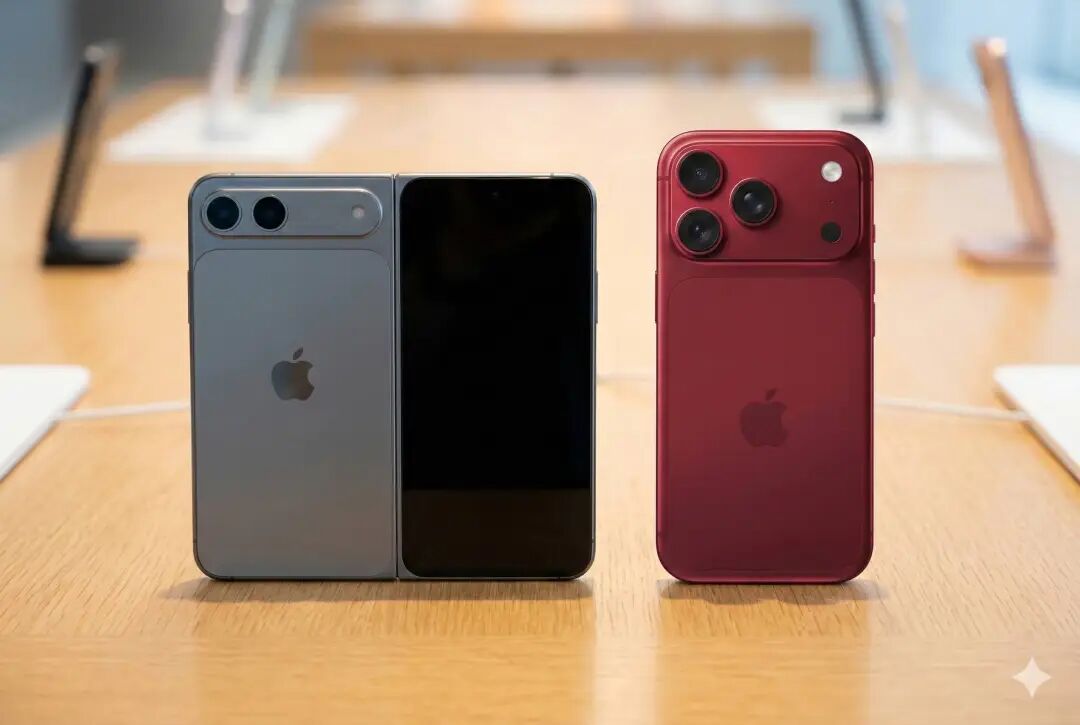
Foldable iPhone Ultra, priced nearly $2,000
For this year's autumn product launch, the foldable iPhone is undoubtedly the most important highlight.
After a seven - year delay, this trillion - dollar company has finally waited for what it considers to be mature folding technology and has entered the foldable device market.
We've already reported a lot about this foldable iPhone, which might be named Ultra. To summarize this phone that has never appeared in Apple's product line, it's roughly "no crease when opened, looks like an iPad; when closed, it's an iPhone."
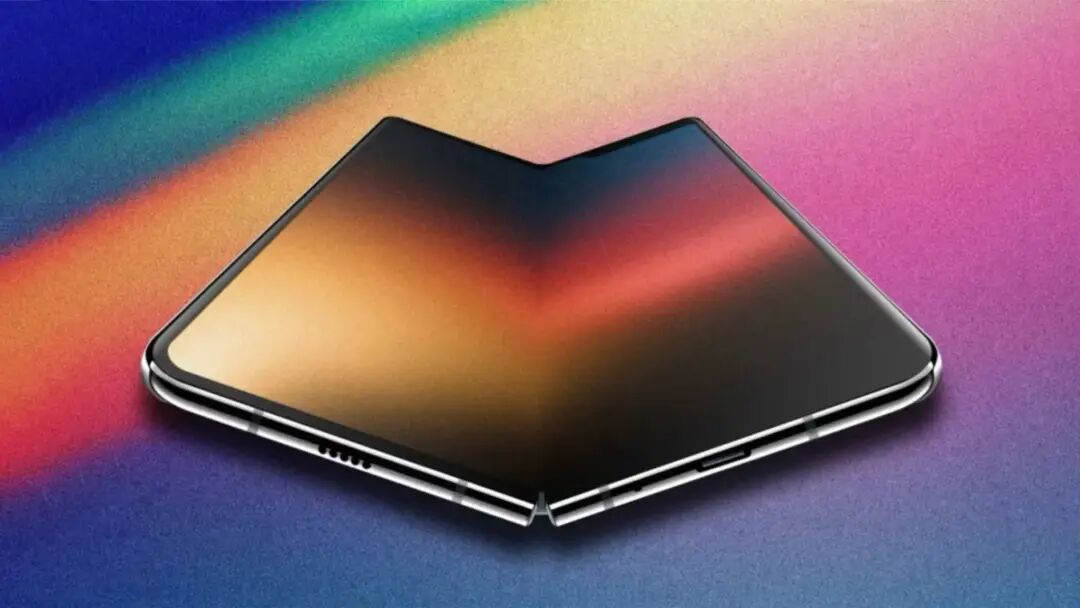
The outer and inner screens of the foldable iPhone may be around 5.3 - 5.5 inches and 7.6 - 7.8 inches respectively. The inner screen is a wide - screen with an aspect ratio of about 1.4:1, which is quite similar to the familiar iPad mini.
According to Bloomberg reporter Mark Gurman, to adapt to this new form, iOS will introduce a sidebar and implement more thorough split - screen multitasking. It should be clear that Apple has no intention of simply copying iPadOS. The phone still retains its own essence.
To compress the unfolded thickness to about 4.5 - 4.8 millimeters, Apple has made extremely decisive trade - offs. This extremely expensive device has removed the space - consuming Face ID and telephoto lens, and resurrected the long - absent Touch ID on the power button. The classic Dynamic Island also disappears, replaced by a smaller single punch - hole.
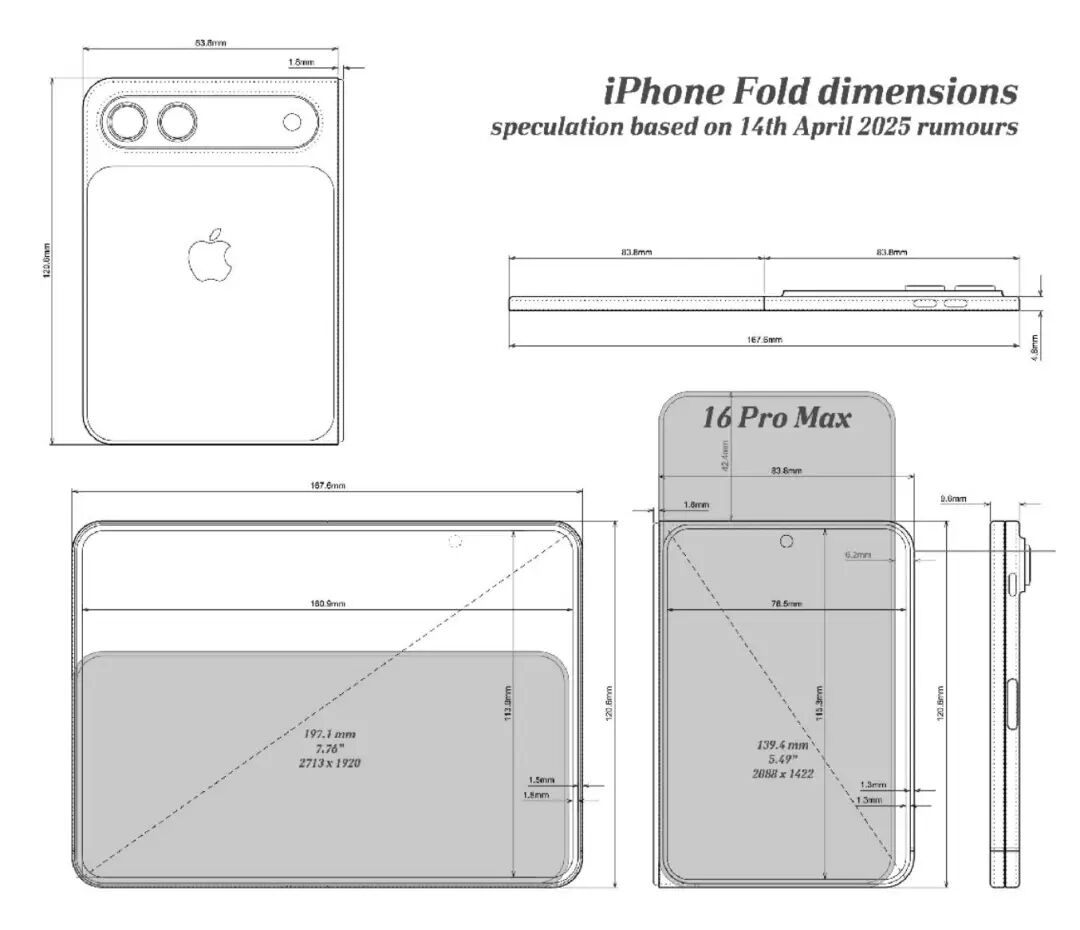
Meanwhile, the physical SIM card slot has become history, and Apple is fully embracing eSIM. Inside the device, Apple's long - developed self - designed C2 baseband chip will make its debut.
This compromise comes at a high cost. Wall Street analysts have calculated that even if Apple tries its best to control costs, the BOM cost may still be as high as $800, and the starting price will soar directly to $2,000.
For more technical details about this foldable iPhone, you can review our previous in - depth report: Apple's Foldable Screen: Looks like an iPad when opened, an iPhone when closed, but...
In the past year, there has been a flood of news about the foldable iPhone. Judging from the level of attention, the market is clearly very concerned about the debut performance of the foldable iPhone. However, the nearly $2,000 price and the experimental nature of the first - generation product mean that it is not the model that will drive Apple's sales volume this year.
The real protagonist that is closer to the general public and can shoulder the sales banner for Apple's 50th anniversary is the iPhone 18 Pro series, which has been overshadowed by the foldable iPhone.
The Professional - Oriented iPhone 18 Pro
Last autumn, Apple redesigned the appearance of the iPhone 17 Pro series: the camera module was horizontally stretched into a "plateau", and the body was made of aluminum alloy to reduce weight and improve heat dissipation. However, looking down, there is still a piece of glass inlaid in the metal back.
The reason is simple. The extensive MagSafe ecosystem is the cornerstone of the iPhone experience. To accommodate the magnetic function, this piece of glass has become an indispensable part of the back.
Opinions on the change in the back design vary, but it can be expected that once an industrial design language is established, it often spans several generations of products. According to reliable current reports, this year's iPhone 18 Pro will still use this mature mold in terms of general outline and screen size. However, the glass in the MagSafe area will use a color that is closer to that of the aluminum alloy body, making the body look more integrated.
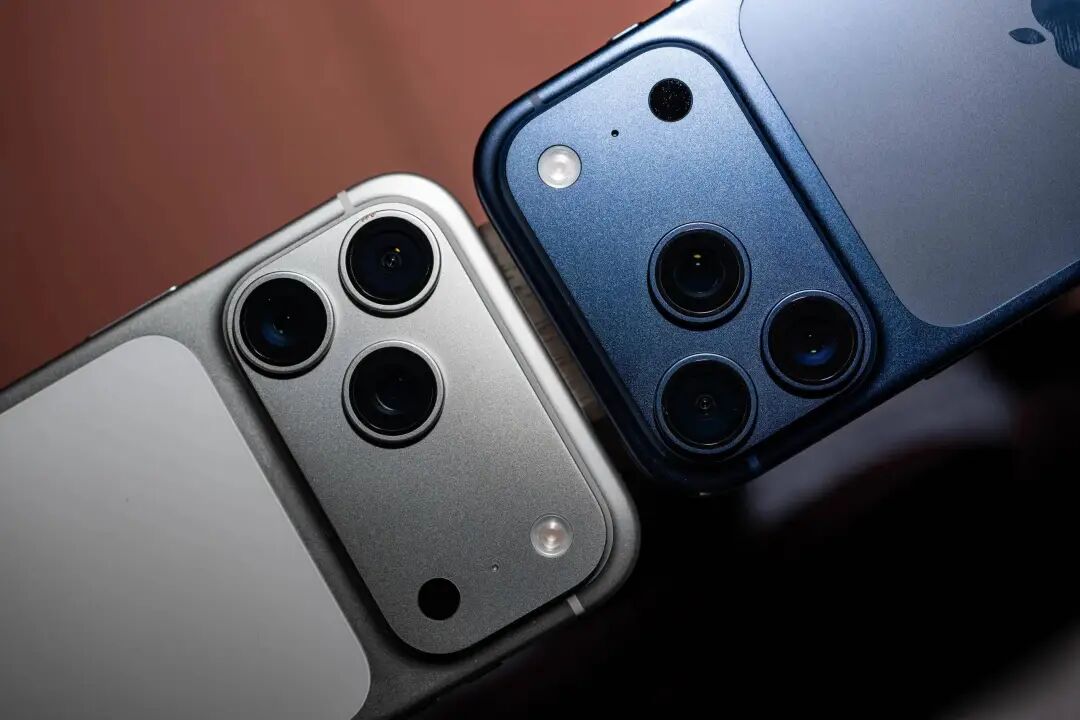
Turning to the front of the device, changes to the Dynamic Island have always been the focus of the iPhone 18 Pro series. We've collected three pieces of news in total:
The Information reported at the end of 2025 that the iPhone 18 Pro would use a punch - hole design, with Face ID placed under the screen and only the camera remaining.
Later, the mainstream news indicated that the Dynamic Island would still be retained and would be reduced by about 35%. This might be due to a technology called a meta - lens. For more information about this technology, you can review our previous report: iPhone's Dynamic Island is finally going to shrink, thanks to a lens
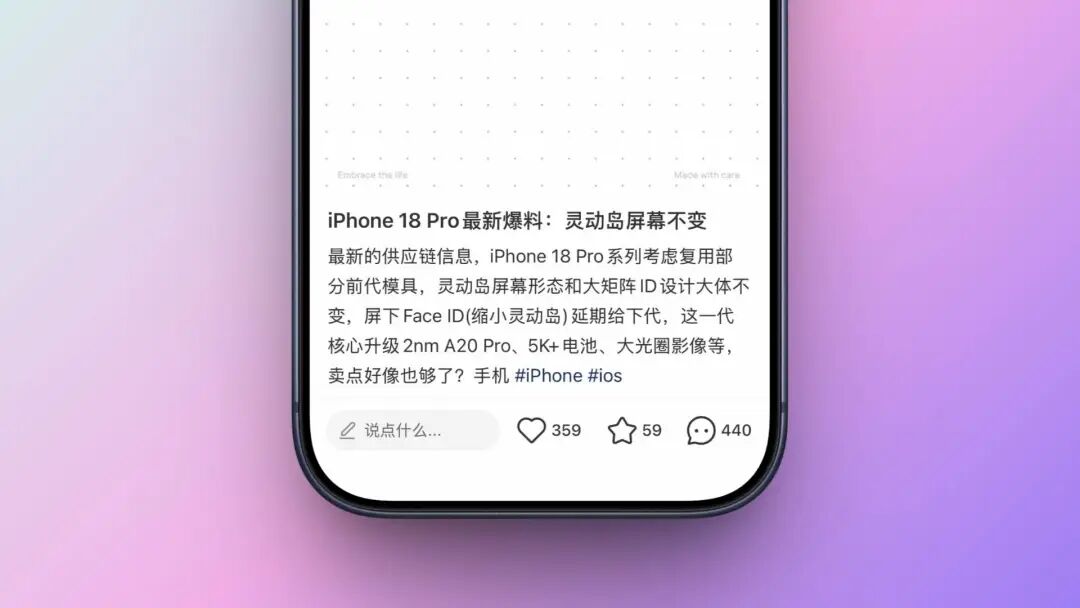
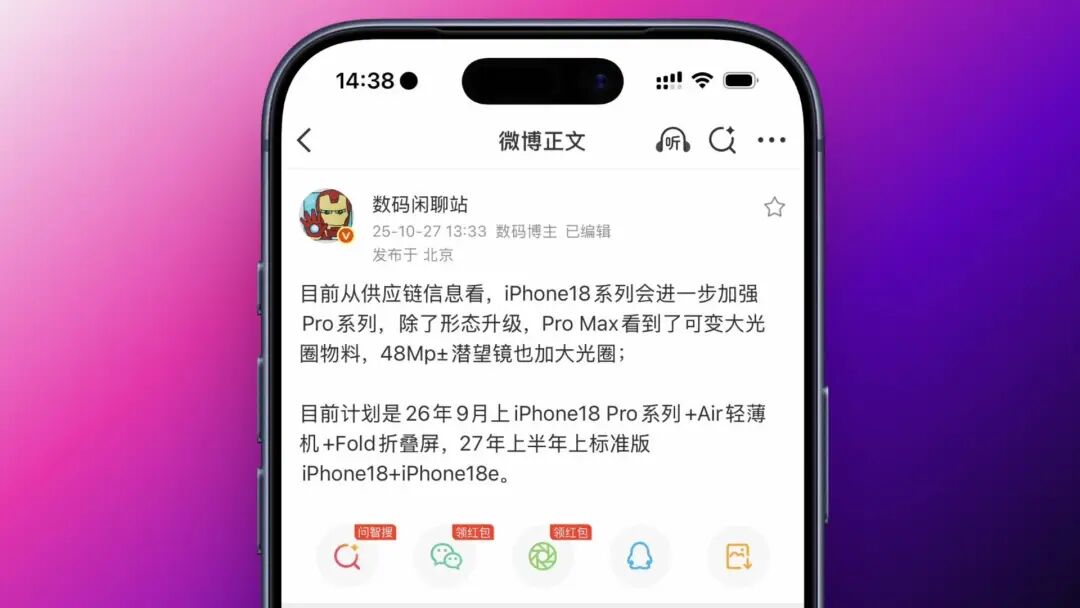
Recently, well - known Weibo leaker @Digital Chat Station said that according to the supply chain, the Dynamic Island of the iPhone 18 Pro will reuse the design of the iPhone 17 Pro, with no significant changes in size and design.
According to information released by well - known Weibo leaker @Ice Universe, the iPhone 18 Pro Max may be thicker than its predecessor, increasing from 8.75mm of the iPhone 17 Pro Max to 8.8mm, and its weight will also exceed 240 grams. This means that the iPhone 18 Pro Max will be the heaviest iPhone since the iPhone 14 Pro Max.
However, with the increase in both thickness and weight, the battery capacity of the iPhone 18 Pro Max is expected to reach 5100 - 5200 mAh, providing longer battery life.
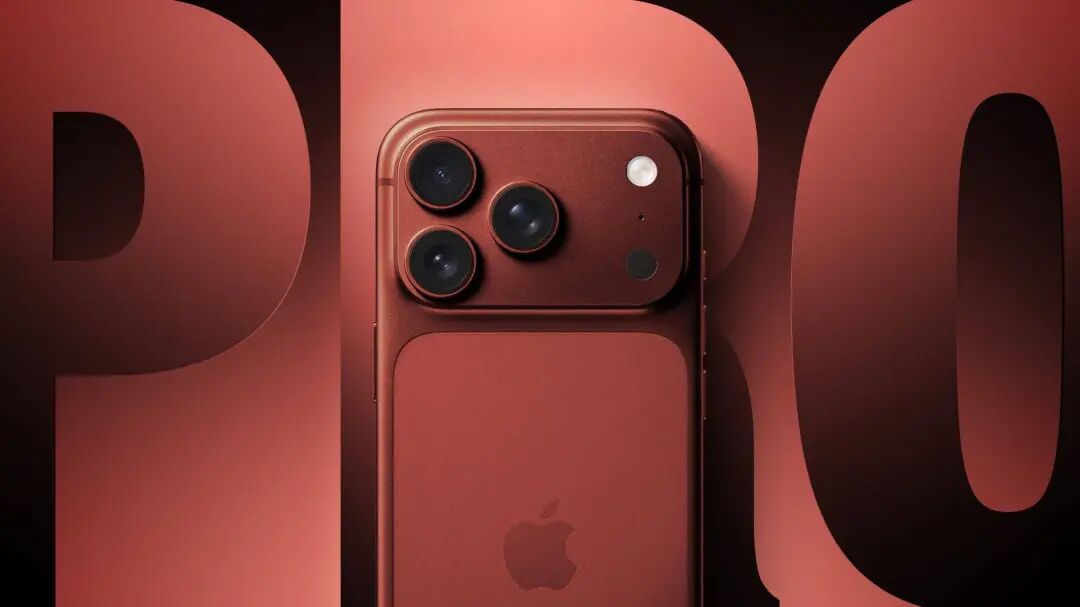
In addition to the weight in hand, the colors are also a major highlight. It has long been Apple's tradition to assign a special color to the Pro series each year to attract the market. The Starry Orange of the iPhone 17 Pro caught a lot of attention, and this year, multiple sources have focused on a deep "Burgundy Red", a dark - toned wine red. If the news is true, this will be the return of the red color scheme after many years since the iPhone 14 series.
In my review of the iPhone 17 Pro, I once made an observation:
The release of the iPhone 17 series marked the beginning of iPhone's diversification. Apple has finally started to recognize the diversity of its user base. You no longer need to choose from similar options or pay for unnecessary features. Instead, you can directly find the "perfect phone" based on your budget and core needs.
This statement may seem a bit obscure. In other words, the standard and Pro models have changed from "high - and low - end versions" to "tools tailored for different people". Users who don't need professional features no longer have to pay extra for features like high - refresh rate and end up with an iPhone they can't fully utilize.
The iPhone 18 Pro will continue to move forward on the path of specialization. According to Apple supply chain analyst Ming - Chi Kuo, Apple plans to add a familiar feature from traditional photography to the main camera of the iPhone 18 Pro series: a variable aperture.
Putting a variable aperture in a phone is not new. As early as 2009, the Nokia N86 had a three - stop variable aperture, and later, the Samsung Galaxy S9 used a two - stop aperture to solve the problems of noise in low - light conditions and overexposure in bright light. Domestic manufacturers have also tried to gain a competitive edge in the imaging field by using variable apertures.
However, the improvement of this precise physical structure in static imaging is not as significant as expected. Limited by the tiny CMOS sensor in a phone, the small changes in aperture value don't result in obvious differences in background blur. Even if you open the aperture to the maximum, the real physical blur effect is far from that of a full - frame camera.
Currently, phone manufacturers that still use variable apertures mainly use the physical data of aperture changes to assist AI algorithms in calculating more natural blur.
Different from most manufacturers that add variable apertures mainly to assist static image blur, considering Apple's efforts in the video field in recent years, we can reasonably speculate that Apple's goal is actually for more professional video recording.
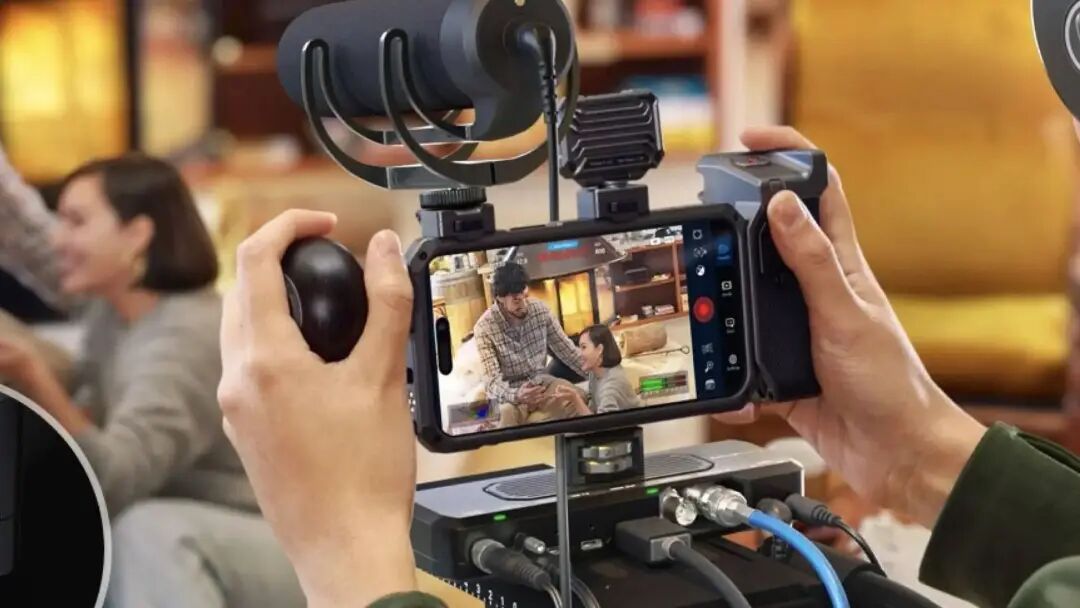
For professional video creators, to achieve a cinematic dynamic blur, the shutter speed usually needs to be fixed at twice the frame rate (for example, 1/50 second for 24 - frame video). However, in bright outdoor conditions, keeping such a slow shutter speed will definitely cause severe overexposure. The traditional solution for photographers is to attach an ND filter to the lens.

External ND filters are quite large in size
With a mechanical variable aperture, the iPhone 18 Pro can physically reduce the aperture in strong light to reduce the amount of light entering the camera, thus lowering the shutter speed as much as possible without affecting the exposure of the picture.
This video - focused approach aligns with the trend of the times and Apple's logic of continuous professionalization in the video field.
Along with the variable aperture, there will be a three - layer stacked image sensor customized by Samsung. According to Taiwanese supply chain publication DigiTimes, this camera sensor with three - layer circuits uses a technology called PD - TR - Logic, which provides faster shutter response, doubles the dynamic range of the picture, and significantly reduces noise in low - light conditions.
However, the news about this sensor dates back to early 2025, so we can't fully guarantee its successful implementation, nor can we confirm if this sensor will be used in the Pro series.
In addition, Weibo user @Digital Chat Station said that Apple will continue to optimize the telephoto camera on the iPhone 18 Pro series. Before this, the size and pixel count of the telephoto sensor on the iPhone 17 Pro were increased, and in the next generation, Apple plans to further upgrade the aperture of this telephoto lens to allow more light to enter.
Of course, the iPhone 18 Pro series will also receive the inevitable upgrade: the A20 Pro chip.
This chip will be the first to use TSMC's latest 2 - nanometer manufacturing process. In the world of chips, a smaller nanometer size means more transistors can be packed into the same area. Compared with the A19, the performance of the A20 Pro is improved by 15%, and the power consumption is significantly reduced by 30%.
This chip uses TSMC's WMCM (Wafer - Level Multi - Chip Module) packaging technology. Simply put, it integrates the memory, CPU, GPU, and neural network engine, which were previously placed separately, on the same wafer. The shorter physical distance for data transmission results in faster response and reduces the footprint of the motherboard.
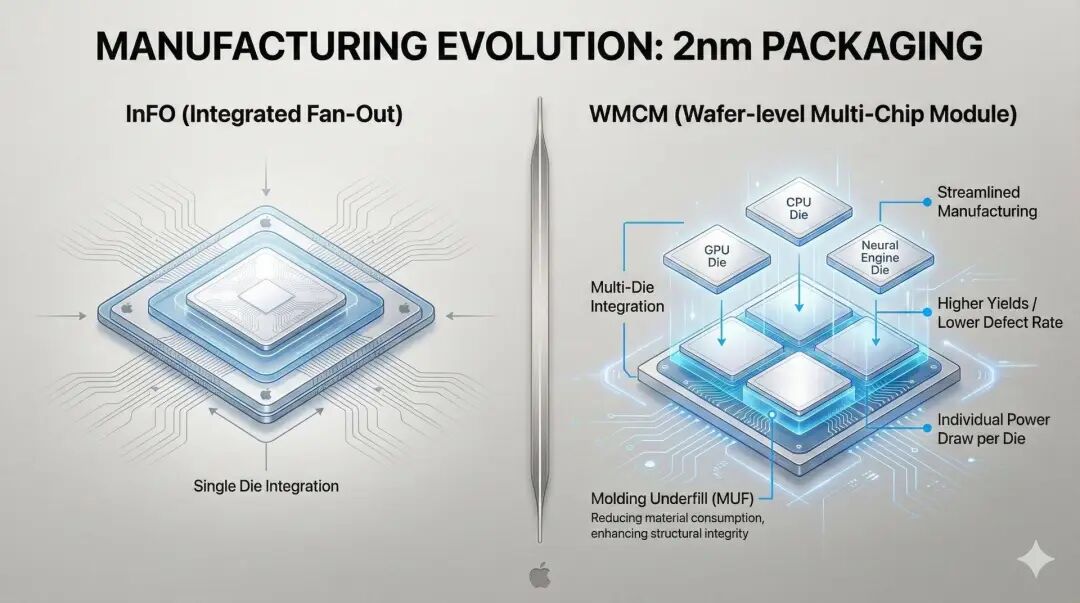
Schematic diagram generated by Gemini, image from @Wccftech