PC sales are declining while peripheral sales are rising. What enables MACHENIKE to lead the market?
The peripheral industry has not entered a downturn cycle; instead, it has bucked the trend and thrived.
Previously, the view within and outside the industry was that after the full - scale popularization of mobile Internet, mobile phones had become the core terminal of the public's digital life, and the usage time of PCs had been continuously diverted. As typical PC peripherals, keyboards and mice inevitably entered a decline cycle.
However, the reality is just the opposite.
According to a QYResearch survey, the global mechanical keyboard market is expected to achieve a compound annual growth rate (CAGR) of 8.8% from 2026 to 2032. In the market, in recent years, mechanical keyboards have continued to gain popularity. The full - scenario product categories such as e - sports peripherals have expanded, domestic peripheral brands have risen rapidly, and the industry's discussion, product activity, and consumer attention have remained at a high level.
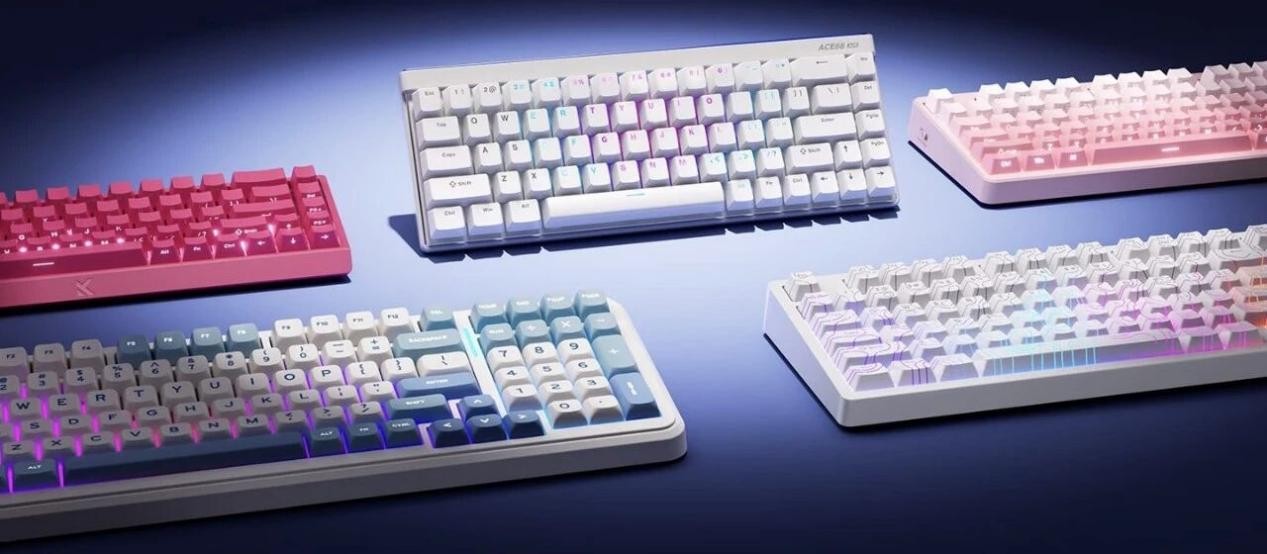
On one hand, multiple institutions predict that the global PC shipments may decline by 12% this year. On the other hand, peripheral product categories are experiencing a significant upward trend. This seemingly contradictory phenomenon indicates that the keyboard - mouse sets, once considered as accessories of PCs, have embarked on a growth path independent of the PC cycle.
Digging deeper, it is not difficult to find that behind the counter - cyclical growth is a complete reconstruction of the underlying growth logic in terms of demand and supply in the PC peripheral industry. In particular, domestic peripheral brands are using new product definitions to open up a new growth cycle for mass - quality consumption.
01 Review: The Peripheral Business with Changed Growth Logic
Regardless of global growth, peripherals remain a lucrative business even in the domestic market. Data from the China Academy of Information and Communications Technology shows that the domestic mechanical keyboard market is expected to reach 17 billion yuan in 2030, with a compound growth rate remaining as high as 26.7%.
Behind this high - growth lies a changed underlying growth logic. The expansion of user groups and usage scenarios and the iteration of market demand have become the key driving factors.
In other words, the driving forces for the sustainable growth of the peripheral business have transformed. In the past, the growth of peripherals was more dependent on the popularization of PCs and the rhythm of PC installations. Today, industry growth increasingly comes from structural changes on the demand side.
The change first occurred in the expansion of the user group.
In addition to heavy - duty office workers such as programmers and designers, new groups such as college students, remote workers, short - video bloggers, and data analysts are rapidly becoming important incremental consumers of peripherals. Taking remote work as an example, the "Statistical Report on the Development of the Internet in China" pointed out that as early as 2020, the number of remote workers in China had reached 364 million, accounting for 34.9% of the total Internet users. The scale has been continuously increasing in recent years.
Moreover, with more than 200 million flexible workers in China, these new groups buy keyboards and mice not just to match new computers but often to find more convenient tools for their daily study and work to improve productivity.
Subsequently, the usage scenarios have been extended.
Games remain the core scenario for peripherals. In China, for example, the number of e - sports users is expected to reach nearly 500 million in 2025. However, the upgrade of office and other scenarios is bringing greater growth to the industry, and more niche scenarios are taking shape.
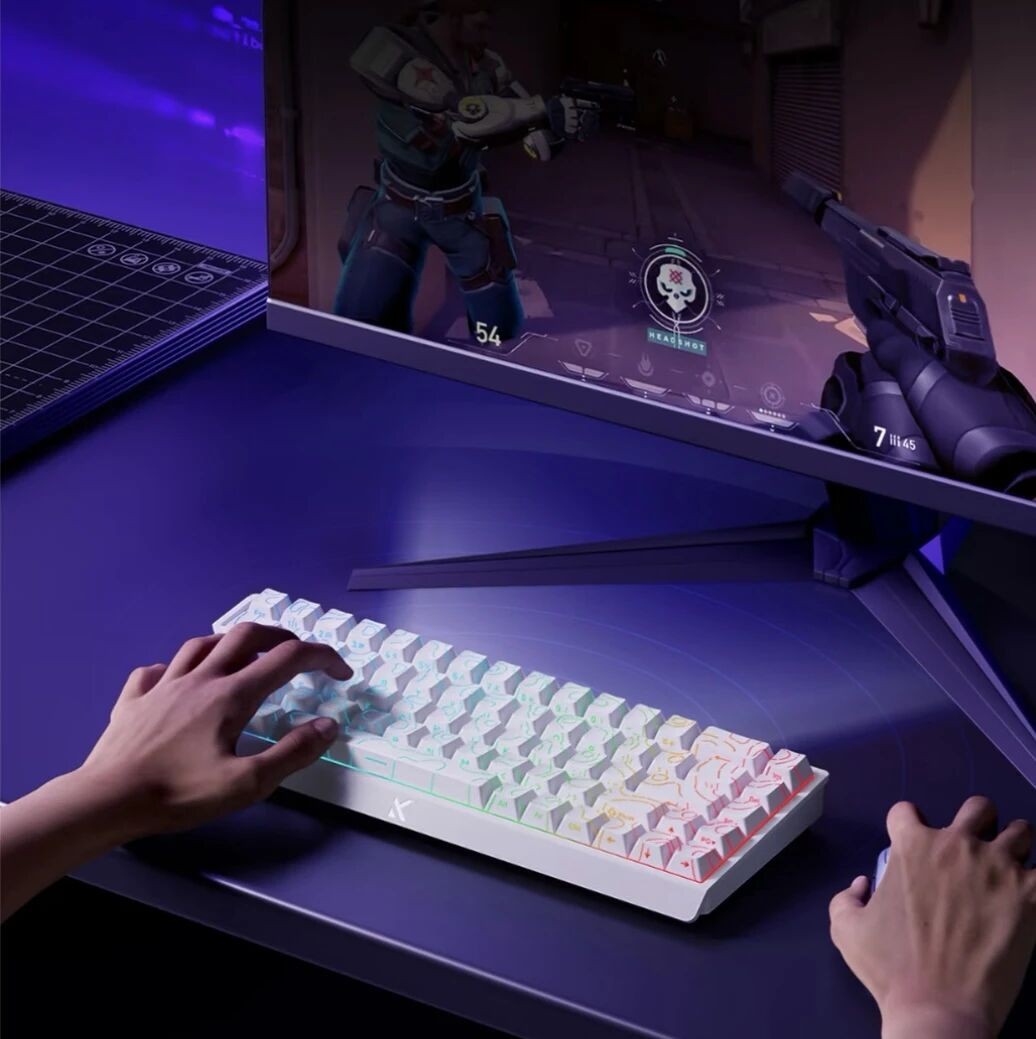
In the office sector, the replacement cycle of AI PCs has started, which has promoted the increase in demand for office scenarios and triggered an upgrade in the demand for peripherals.
The content - creation ecosystem such as AI - generated comics and short videos is booming. The number of emerging intelligent agents is also expected to reach 1 billion in 2029. These scenarios require actions such as writing proposals, editing videos, writing codes, and processing spreadsheets.
The PC and its peripheral industries remain the core carriers to meet these needs. Therefore, the increase in these products will undoubtedly further drive the sustainable development of peripherals, expand the market scale, which is why the annual compound growth rate mentioned above exceeds 20%.
It is obvious that mechanical keyboards are gradually moving from a niche and geeky category in the past to a broader mass - consumption market.
Meanwhile, the expansion of user groups and usage scenarios has raised the market's expectations for the product power of peripherals. Nowadays, users are no longer only focused on low prices but are more willing to pay for a good experience. They care more about how smoothly they can type, how long the battery life is, and whether the appearance meets their preferences.
QYResearch believes in its report that the popularity of video games has led to an increased demand for high - performance gaming peripherals, and users expect them to be more aesthetically pleasing and intelligent. Obviously, peripheral products are evolving from single - function tools to consumer goods that combine efficiency, experience, speed, aesthetics, and self - expression.
This change is almost the same as the development path of the electric vehicle industry. A decade ago, the electric vehicle market relied on policy subsidies for growth. Now, new - energy vehicles rely on product and experience upgrades to actively stimulate users' demand for vehicle replacement.
The same principle applies to the peripheral industry. In the past, growth relied on the passive demand brought by PC popularization. Now, it relies on the active demand created by product experience upgrades, and it has formed an independent growth logic.
02 Core: Only High - Quality Supply Can Seize Growth
From an industry perspective, the change in the industry pattern did not happen overnight. As users' demands have completely changed, cracks have naturally emerged in the past supply system. Players who can seize the dividends are likely to be brands that can understand new demands and provide new supply.
For a long time, overseas brands have occupied a significant share of both domestic and international markets. Relying on their first - mover advantage, they have established a high - end brand image.
With the rapid change in domestic users' demands, the shortcomings of some traditional overseas brands have become increasingly obvious. Their globally unified product definitions make it difficult to meet the specific needs of Chinese users. For example, features highly valued by domestic users such as multi - device switching, long battery life, and silent design are often introduced by overseas brands half a year or even a year later. Their rigid price system also makes it difficult for them to offer competitive products in the mainstream price segment. A flagship keyboard can cost thousands of yuan, keeping most users away.
ZDC once pointed out that in recent years, the keyboard - mouse market has been showing a trend of "high - end configurations becoming more accessible to the public and domestic brands catching up rapidly."
Domestic brands, relying on mature supply chains and a deep understanding of user needs, have emerged as the mainstream in the market. After more than a decade of development, the Pearl River Delta has formed a complete industrial chain from switch development, mold injection, PCB design to assembly production. The service life of switches has also been greatly extended.
The mature supply chain enables domestic brands to have strong product implementation capabilities and iteration efficiency, allowing them to produce high - quality products within the price range acceptable to the public.
More importantly, the new generation of domestic brands is closer to real users than ever. They listen to users' complaints and suggestions in forums, Bilibili, and Douyin comment sections and directly transform users' needs into product iteration directions instead of developing products in isolation.
Take the domestic brand MACHENIKE as an example. It is a typical model for building high - quality supply. Its representativeness lies not only in good sales but also in hitting the core competitiveness of domestic brands of this generation: better understanding of users, faster iteration, greater emphasis on experience, and better at finding the optimal comprehensive solution in the mainstream price segment.
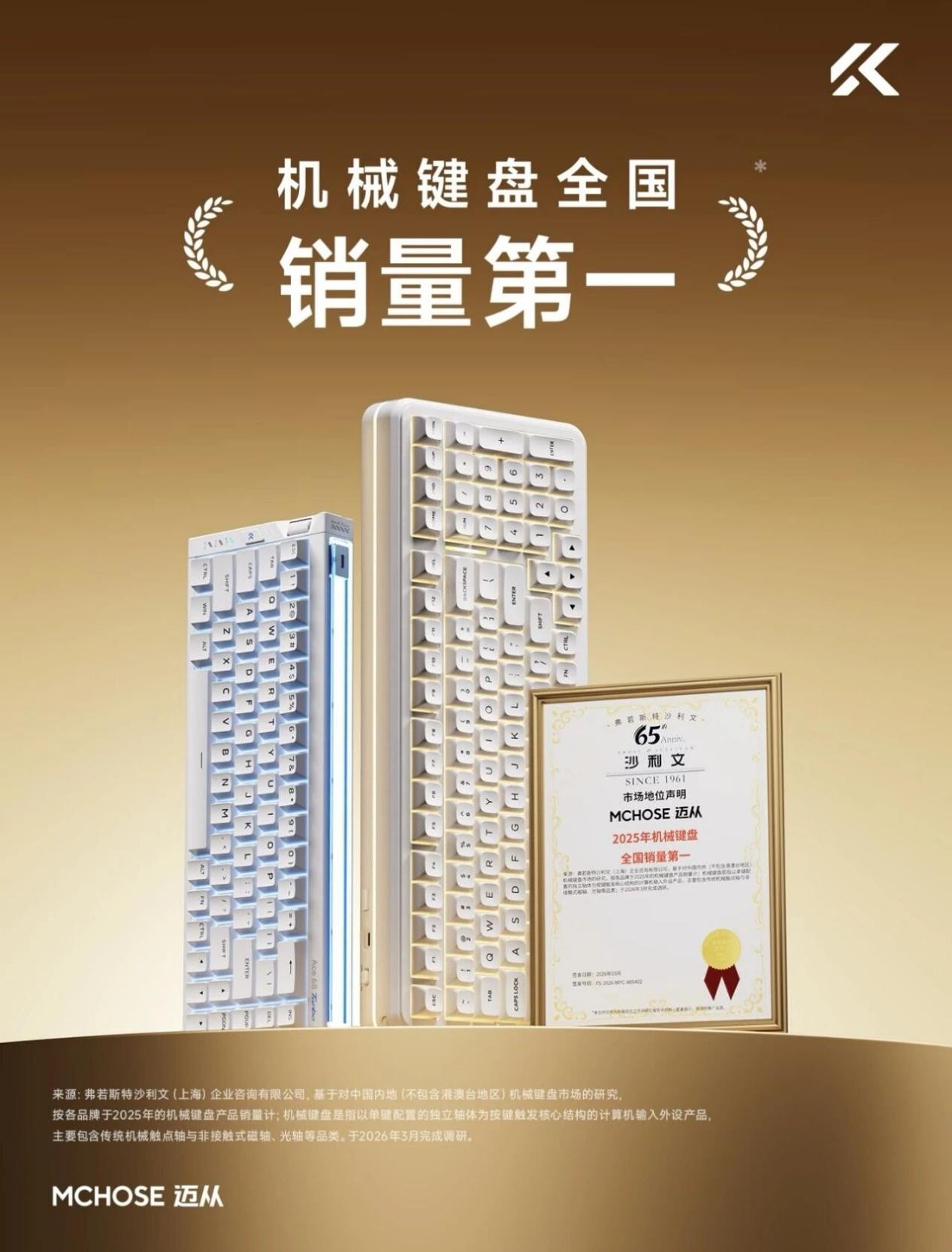
Public information shows that MACHENIKE was certified by Frost & Sullivan as the top - selling mechanical keyboard brand in China in 2025. The outside world believes that this domestic peripheral manufacturer has reached the top with its high - quality products after years of development.
MACHENIKE's brand DNA features technology, practicality, minimalism, and extreme cost - performance. Different from the phenomenon of parameter - centric competition in the industry, MACHENIKE has built a mechanical keyboard product matrix covering all price ranges, multiple layouts, and strong functions based on the characteristics of demand upgrades, fully meeting the diverse needs of users from beginners to professional e - sports players and customization enthusiasts.
In the study and office scenarios, MACHENIKE's customization series such as G87 and K99 meet the quality requirements of students and office workers for daily output.
The continuous popularity of popular PC games such as "League of Legends", "NARAKA: BLADEPOINT", and "VALORANT" and the mainstreaming of e - sports events have given rise to players' core demand for precise control experience. MACHENIKE has launched the magnetic switch series accordingly. From the entry - level Ace 60/68 to the high - end flagship Ace 68 GT, they perfectly meet the needs of game players and professional athletes for precise operations.
In other words, the competition in the peripheral industry is not about parameter comparison but about the precise response to user needs. The core of high - quality supply is to transform users' real needs into tangible product experiences and maximize the experience within the price range that users are willing to pay. This is also the core secret for domestic brands to break the monopoly of overseas brands.
03 Outlook: New Opportunities for the Rise of Domestic Peripherals
As the underlying growth logic has completely changed and high - quality supply has become the core of industry competition, domestic peripheral brands have ushered in unprecedented opportunities for rise.
The high - quality development of this round of the industry lies in brands' ability to accurately capture the needs of the vast majority of consumers and provide products with the highest completion at the most reasonable price. That is, it is not about seizing the market through low - price competition or making profits through high - end premiums but about providing users with experiences beyond expectations through cost - performance.
Domestic brands are naturally endowed with such advantages. Rooted in the mature domestic supply chain, they are closest to the production end and can optimize cost control. They are also closer to users, enabling them to respond to users' demand changes most quickly and keep up with users' demand upgrades with a shorter iteration cycle.
The structure of the entire peripheral market also leaves sufficient room for domestic brands. The current market can be clearly divided into three parts: the high - end enthusiast market above 500 yuan, where users are a small number of geek players and the market scale is limited;
The entry - level market below 100 yuan is shrinking. Users in this market only focus on low prices, making it difficult to build brand awareness. The mass - quality market between 100 and 300 yuan is the largest and fastest - growing part of the market. Users in this market pay more attention to the overall experience rather than the simple stacking of single parameters. They hope that the products have better feel, more stable performance, more pleasing design, and are within an acceptable price range.
This market is exactly the home ground of domestic brands. From a product - logic perspective, MACHENIKE first understands the price range most acceptable to the general public and then improves functions, experiences, and designs around this price range, rather than first creating extreme - parameter products and then looking for customers in the market.
This business model precisely captures the actual market demand. By serving the vast mainstream population in the middle, it gains the initiative in the market. MACHENIKE's achievement of being certified by Frost & Sullivan as the top - selling mechanical keyboard brand in China in 2025 is essentially a victory in the mass - quality market and a precise grasp of market demand by domestic brands.
Moreover, in terms of high - quality development, MACHENIKE's core products such as the Ace 68 series of e - sports magnetic switch keyboards and the A7 series of all - around flagship mice rank first in sales. In addition, the Ace 68 Turbo was selected as the "Annual Focus Product" at the "36Kr·WISE2025 Business King Conference", and the K7 Ultra series won the Gold Award at the New York Product Design Award overseas.
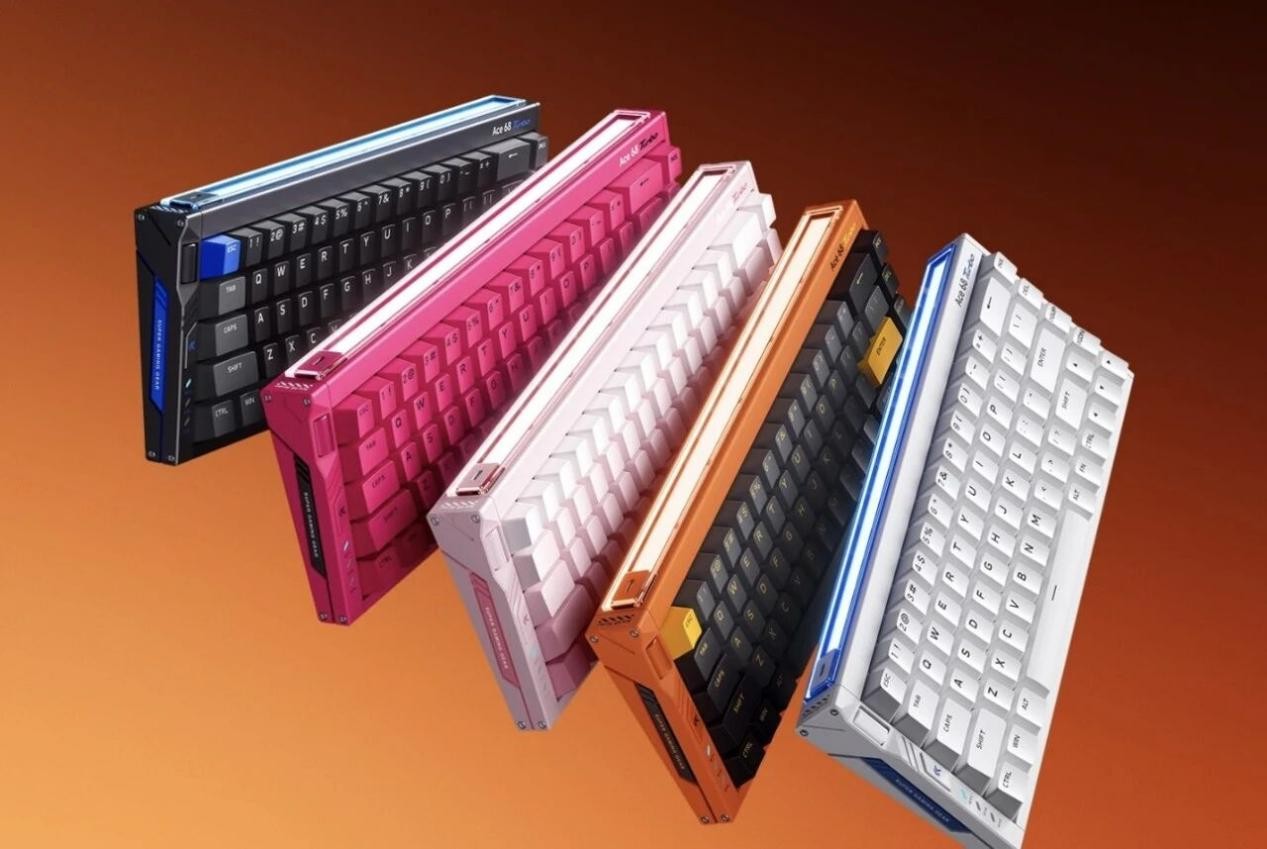
These strong technological capabilities are the foundation for MACHENIKE's all - category explosion in 2025 and the basis for seizing the new opportunities for the rise of domestic peripherals.
Looking back, the rise of domestic peripherals in this round is not only a change in market share but also a transfer of product - definition power. In the past, most product standards in the peripheral industry were set by overseas brands.
Currently, domestic brands are promoting continuous changes in industry product standards through their understanding of user needs. Configurations and experiences that were more commonly found in high - end products in the past, such as faster response, longer battery life, and multi - device compatibility, are now rapidly spreading to the mass - price segment.
The peripheral market has not shrunk. Instead, it has transformed from an accessory attached to another category into a consumer good that can independently create value and meet users' daily experience needs. That is, the peripheral industry has never become obsolete; only its growth logic has changed. As a representative domestic brand sample, MACHENIKE has comprehensively met the mainstream needs brought about by this round of industry changes and finally achieved the top - selling position in the domestic mechanical keyboard market in 2025 as certified by Frost & Sullivan. This is not only the result of the brand's phased growth but also reflects to some extent the new trend of the domestic peripheral industry entering a stage of large - scale maturity.