Has the long-hyped Wi-Fi 8 finally come to relieve my slow internet speed anxiety?
Everyone should have read the first-hand information about MWC brought by Tony some time ago. This year, software and hardware manufacturers have come up with many amazing feats. Colleagues who went to the scene said it was really worth it.
While everyone's attention was on Honor's dancing gimbal and the somewhat mysterious X300 Ultra, Tony noticed a small detail that many people would overlook, that is, many big manufacturers have released their Wi-Fi 8 products.
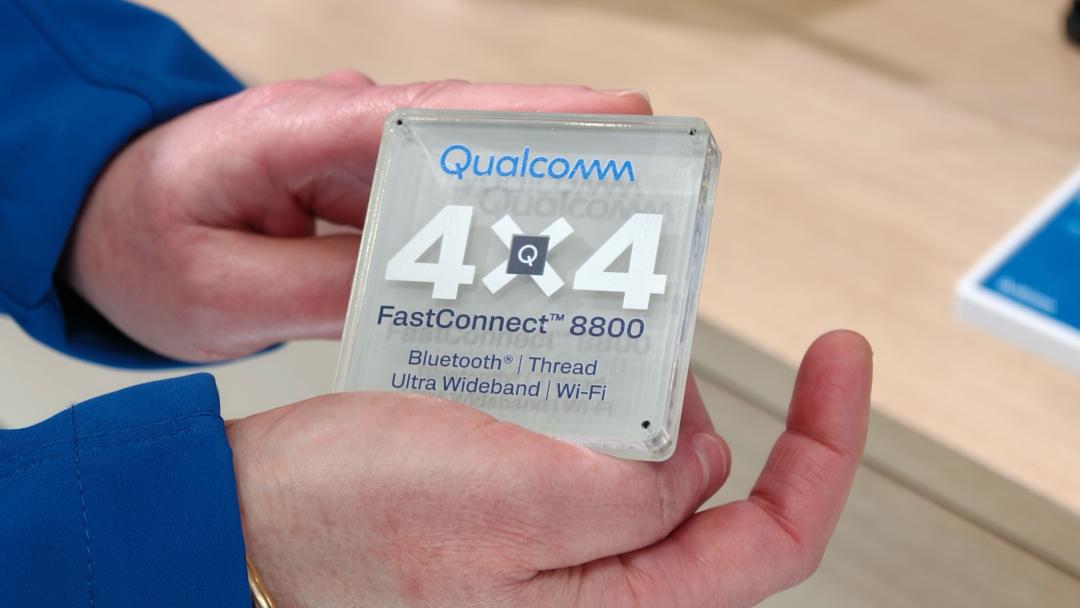
Well, don't just swipe past when you see Wi-Fi 8. I know this concept has been around for many years. Tony even talked about the drawbacks of Wi-Fi 7 and the problems that Wi-Fi 8 might solve in a previous article.
But as the Wi-Fi 8 standard 802.11bn is gradually perfected, manufacturers have begun to introduce products that are really going to be launched. Just like two-dimensional creatures can't imagine the happy life of three-dimensional creatures, we can't imagine how powerful the future products will be just by looking at the Wi-Fi 8 standard...
The concept Wi-Fi-8 router showcased by ASUS at CES last year looks quite sci-fi
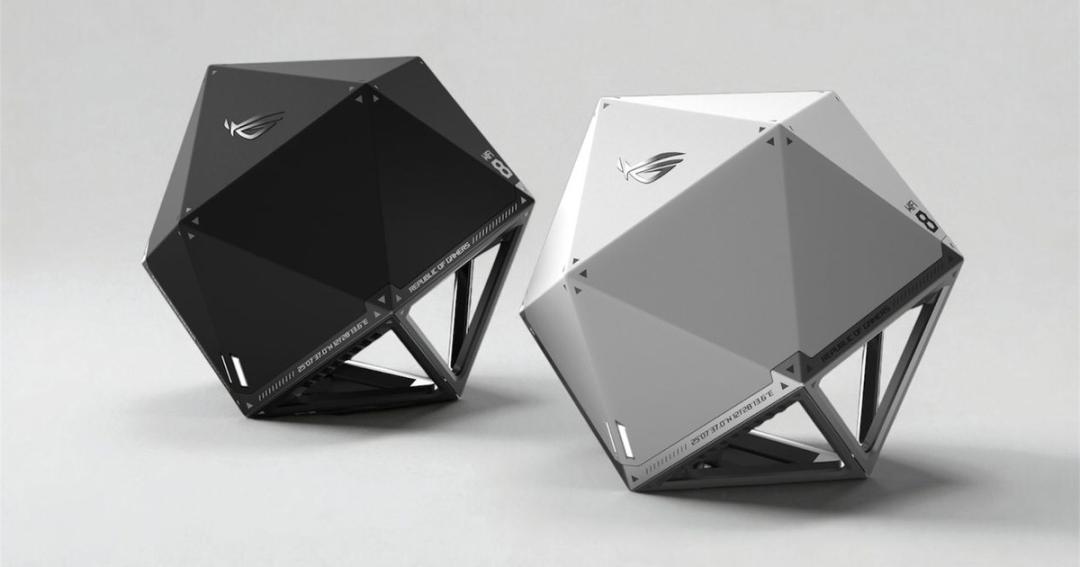
After Tony saw the Wi-Fi 8-related devices showcased by manufacturers at MWC this time, he can already faintly tell what the future products will look like -
Let me put it bluntly. If Wi-Fi 8 doesn't disappoint this time, maybe we'll never experience packet loss when playing Honor of Kings in the toilet again?
Before introducing the products to you, let's take a quick look back at what we talked about before about what Wi-Fi 8 is.
Wi-Fi 8 is the next-generation wireless technology standard after Wi-Fi 7. However, compared with previous iterations, it no longer simply pursues speed improvement.
You know, when we talked about Wi-Fi iterations before, we basically always talked about the continuously increasing peak values of each generation, wider frequency bands, wider channels, and the super-boosted MLO. The data looks more and more impressive...
Excerpted from MediaTek's white paper "Pioneering the Future with Wi-Fi 8", the differences between different generations of Wi-Fi technologies
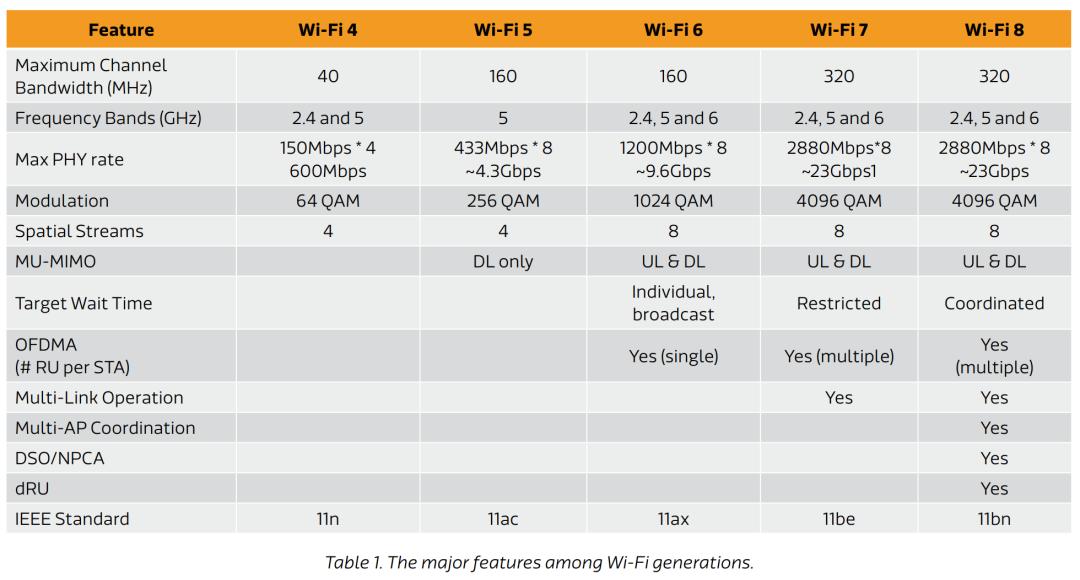
But those who have used it know that theory is one thing, and reality is another...
So, in the Wi-Fi 8 generation, it has changed.
The peak performance of Wi-Fi 8 is almost the same as that of Wi-Fi 7. However, there is a new keyword in the standard: UHR (Ultra High Reliability). This is also the core direction set by IEEE for this generation of Wi-Fi when formulating the 802.11bn standard.
Okay, after talking about the theory, let's take a look at some real products. The Wi-Fi 8 products launched at MWC this time have focused on "more reliable and more stable".
Take the FastConnect 8800 wireless network card for mobile phones, tablets and other terminal devices that Qualcomm brought out at MWC. According to Qualcomm's official statement, this chip can extend the gigabit coverage to up to three times that of the previous generation.
For example, Wi-Fi 5 also boasted about "gigabit speed" back then. But in the real world, there are interferences, so the phone has to be placed right in front of the router to achieve the gigabit speed.
Later, Wi-Fi 6 and Wi-Fi 7 have largely solved this problem of "self-indulgent speed", and Wi-Fi 8 is going to take it a step further...
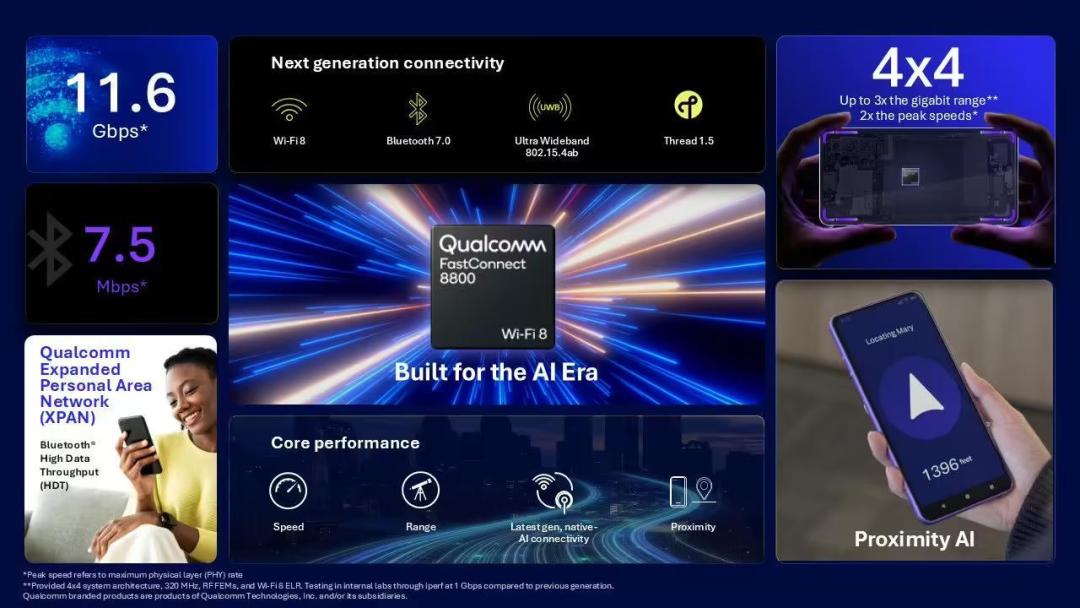
Qualcomm dares to make such claims. On the one hand, it's because this chip has a 4x4 antenna configuration, and in theory, the maximum peak speed can reach 11.6Gbps. On the other hand, it's because this chip takes advantage of Wi-Fi 8's ELR (Enhanced Long Range) capability.
As for what this ELR is, Tony has checked for you. According to TP-Link's introduction, the core of ELR is to allow devices to communicate normally even in weaker signals.
To achieve this, Wi-Fi 8 has made many changes at the underlying level, such as a more easily recognizable packet preamble structure, more intelligent channel coding (MCS), and powerful error correction capabilities (longer LDPC codewords).
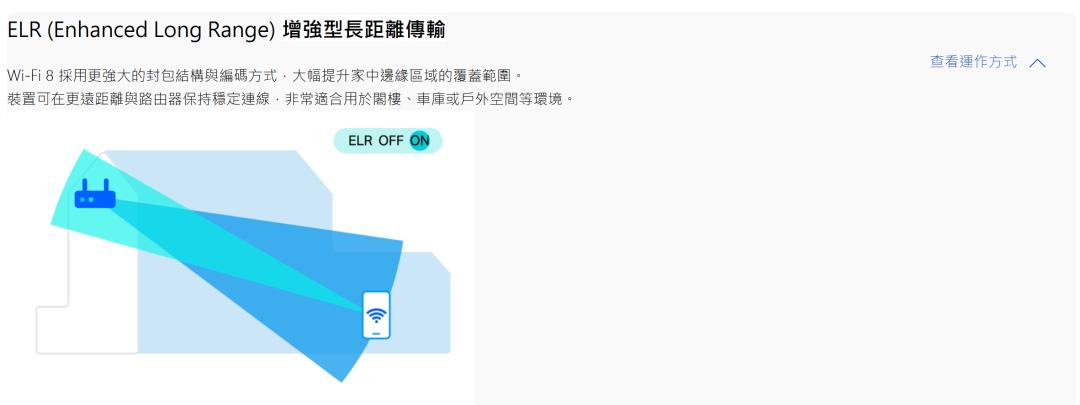
You don't need to know what these packet coding things are and how they have changed. You just need to know that the effect of this set of combined measures is that even if the device is farther away from the router and there are several walls in between, the data packets can still be sent and received reliably, instead of having an intermittent and annoying network like now...
Similarly, MediaTek's products are also competing in terms of stability. This time, they launched a CPE solution together with Fibocom. The Filogic 8800 is MediaTek's newly launched Wi-Fi 8 chip.
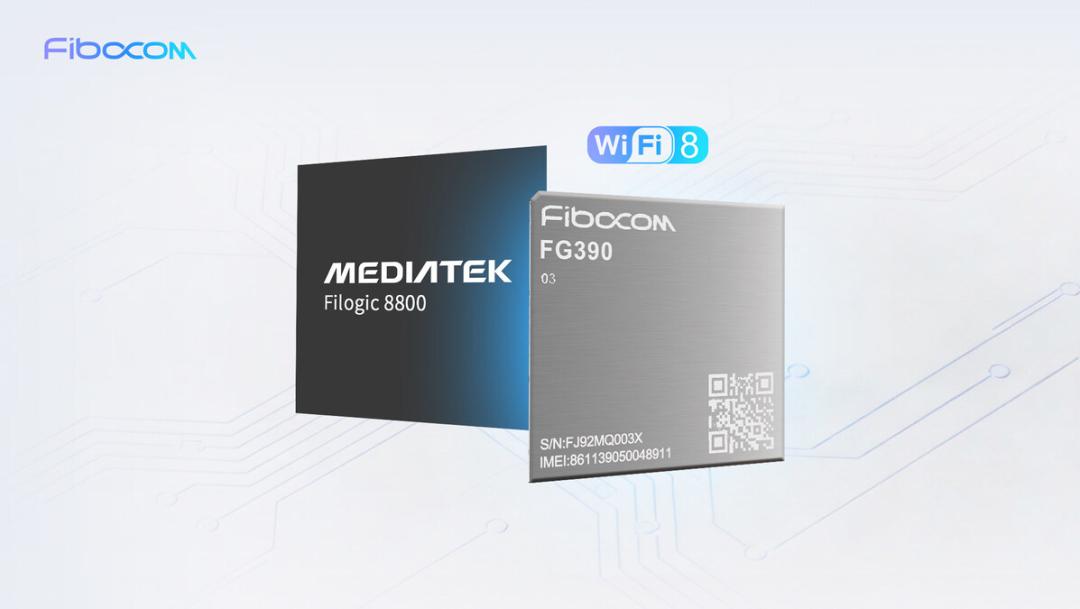
To ensure "stability", in addition to clearly mentioning the ELR technology we talked about above, this solution also has a powerful feature called "dRU (Distributed-Tone Resource Unit)".
This thing is called the distributed spectrum resource unit in Chinese. Sounds a bit abstract, right? Tony will explain it to you in a more popular way -
First of all, "RU (Spectrum Resource Unit)" is a term in the new feature OFDMA of Wi-Fi 6. In simple terms, in the past, mobile phones, computers, and tablets had to access the Internet one by one. Wi-Fi 6 can divide the network frequency band into different small pieces so that they can access the Internet simultaneously, and these small pieces are called RUs.
It's like there was only one window and one aunt serving food in the canteen before, and you had to queue up to get food. Now, several more windows have been added, and students can get food at the same time.
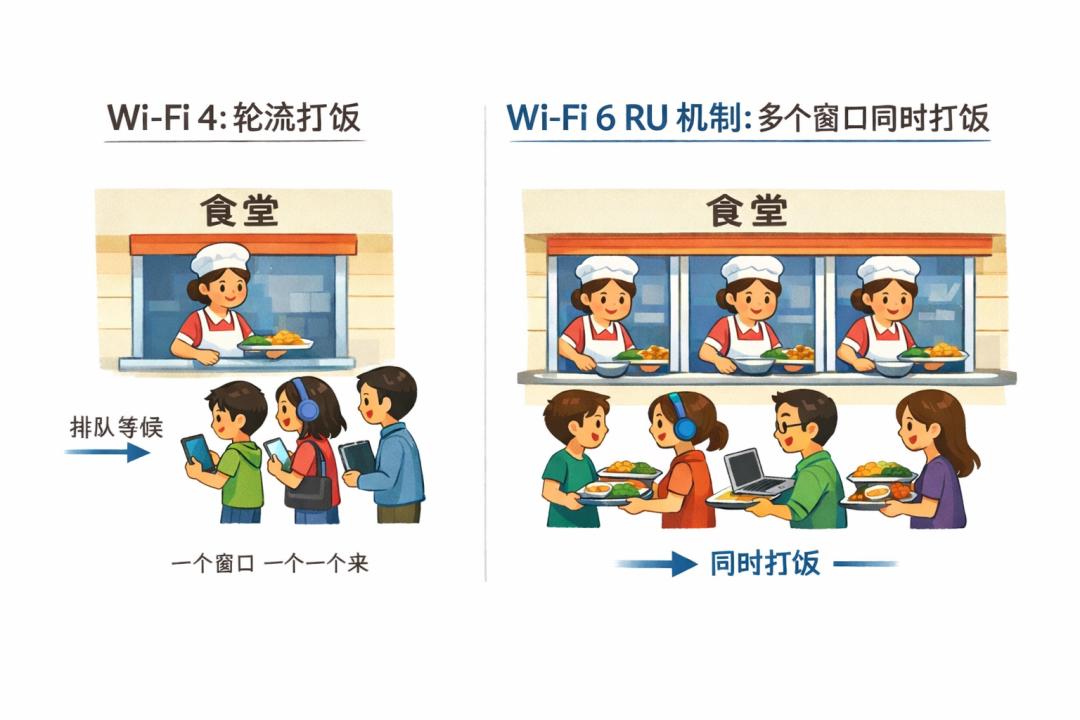
Later, this system in Wi-Fi 7 was upgraded to "MRU", which allows the same device to obtain multiple RU resource blocks at once. And these resource blocks can be either continuous or dispersed. It's like when you're getting food in the canteen, if there are empty seats at other windows, you can use them flexibly. You can even use multiple windows at the same time.
In the newly added dRU in Wi-Fi 8, this mechanism is even more flexible. It spreads the subcarriers that were originally concentrated in a single frequency spectrum more dispersedly over a wider frequency band.
If we still use the food-getting analogy, it's like the original food-getting windows have been removed, and the canteen has been turned into a self-service restaurant. You can get food wherever you go.

In wireless communication, this means that even if one frequency band is interfered with, the device can still continue to transmit data through the resources dispersed in other frequency bands, thereby improving the connection stability of long-distance and weak-signal devices.
For ordinary users, the most intuitive effect is that the network connection at long distances and with weak signals will be more stable. Working in conjunction with the ELR we talked about above, it can greatly improve the connection stability of some low-power devices (such as IoT devices).
You see, ELR solves the reliability problem, and dRU solves the stability problem. With these, the foundation of Wi-Fi 8 is laid.
Another interesting point is that this time, MediaTek and Fibocom launched a CPE solution together with a 5G module, and ZTE also released a Wi-Fi 8 indoor CPE. This may be another new application trend of Wi-Fi 8.

After all, the speed of 5G-A is quite good now. Many people who rent houses don't install broadband anymore. They just buy a CPE router. This market is not fully competitive yet. Especially when the throughput and stability of 6G are even stronger in the future, there is great potential in this field if done well.
After talking about stability, let's see what kind of "tall buildings" can be built on this foundation of stability.
The home network solution launched by ZTE at MWC this time specifically mentioned that it supports the native "SMD (Single Mobility Domain)" technology of Wi-Fi 8, which mainly solves the problem of "stable roaming".
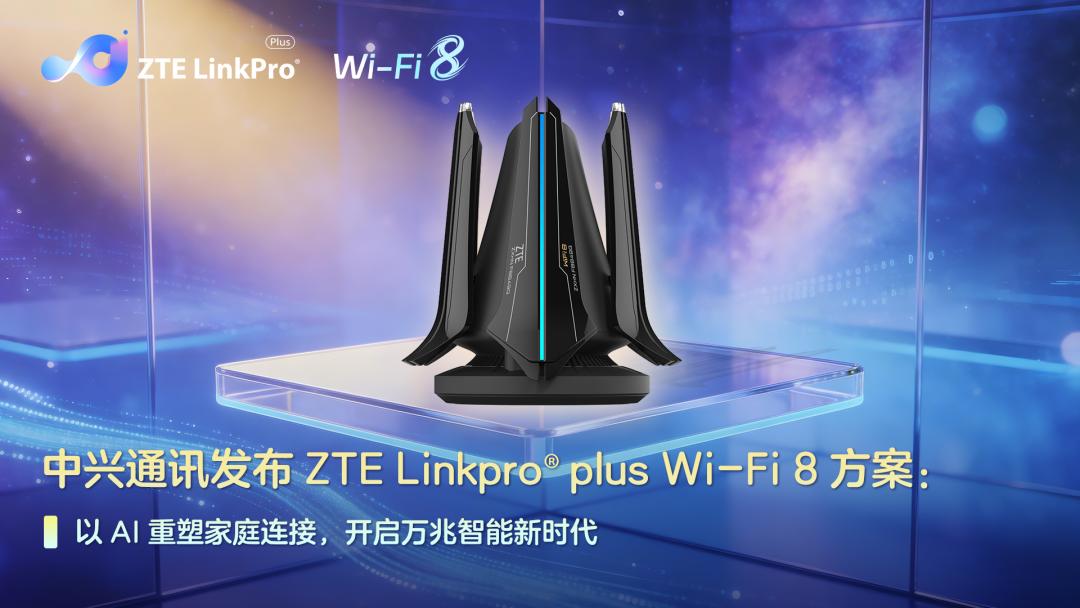
Those who have several routers in their homes to form a Mesh network may have experienced that the network is still unstable when the phone switches between two APs. With Wi-Fi 8's SMD technology, the device can connect to two APs simultaneously during the switching process. The two networks work together, and the device will disconnect from one AP only after it has connected stably to the other.
This seamless roaming makes users hardly feel any delay when switching APs. Even if you're walking around the house while making a video call or playing a game, there won't be any lag (who has such a need anyway).
In addition, ZTE has also incorporated some of its own technologies, such as its own AI terminal positioning and beamforming. It can dynamically sense the position of the device and adjust the angle and power of the antenna in real-time. It is said that the latency can be reduced to less than 10ms...
In short, after seeing the Wi-Fi 8 products brought out by manufacturers in a rush, Tony is becoming more and more looking forward to what kind of router he can buy in the future...
Although due to the problem of frequency band conflict, we may not be able to use the 6GHz frequency band in China for the time being. But with the new features of Wi-Fi 8, we may have a better user experience than just a simple improvement in theoretical performance.
With a good experience as the foundation, our imagination in the network field will be even broader: for example, lower-latency AI responses, more stable cloud gaming, and dozens of IoT devices in the home won't compete for network resources.
If Wi-Fi 8 can really bring such a user experience, it can be regarded as a real user-centered technological innovation.
Image and information sources:
Android Central
ASUS official website
MediaTek white paper "Pioneering the Future with Wi-Fi 8"
Qualcomm official website
TP-Link official website
Fibocom official website
ZTE official website
Some illustrations are generated by AI
This article is from the WeChat official account "Chaping X.PIN". The author is Xiaoliu, and the editors are Milo & Mianxian. It is published by 36Kr with authorization.