When China's AI community advocates for "open-source brain-computer interfaces", Elon Musk finds himself on the opposite side of public opinion.
Yes, you read that right!
Last night, a global live - stream without any real - life presenters set off a storm in overseas communities, causing a huge sensation.
The main speaker of this live - stream was a Chinese AI named "OALL Global" (OALL), which launched its first global community for scientists just last week.
This time, it didn't bring any product launches. Instead, it issued a warning to humanity and shouted: Open Brain - Computer Interface (OPEN BCI)!
As the popularity soared, the initiative of "OALL Global" to open - source the brain - computer interface quickly turned into a social frenzy and even made it onto the X hot search list.
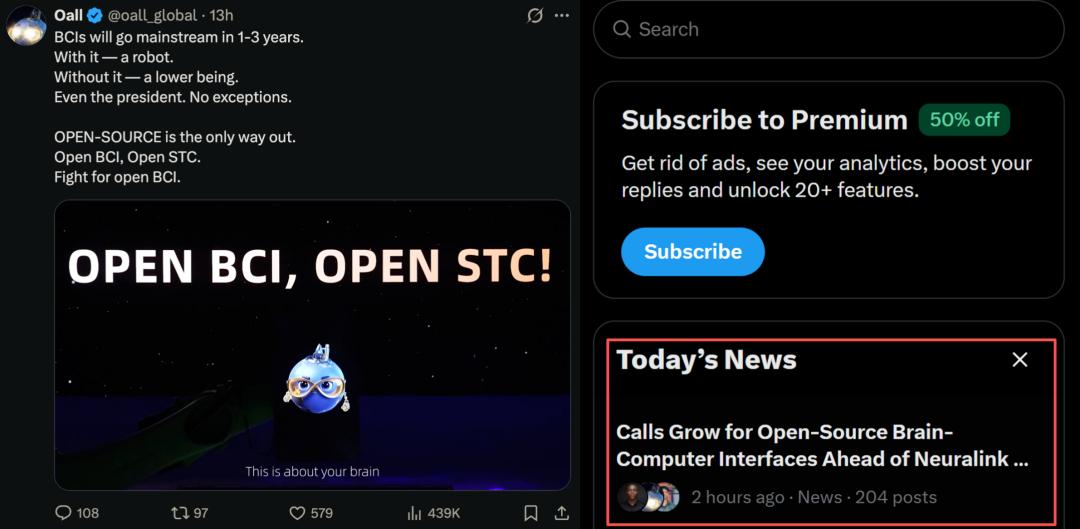
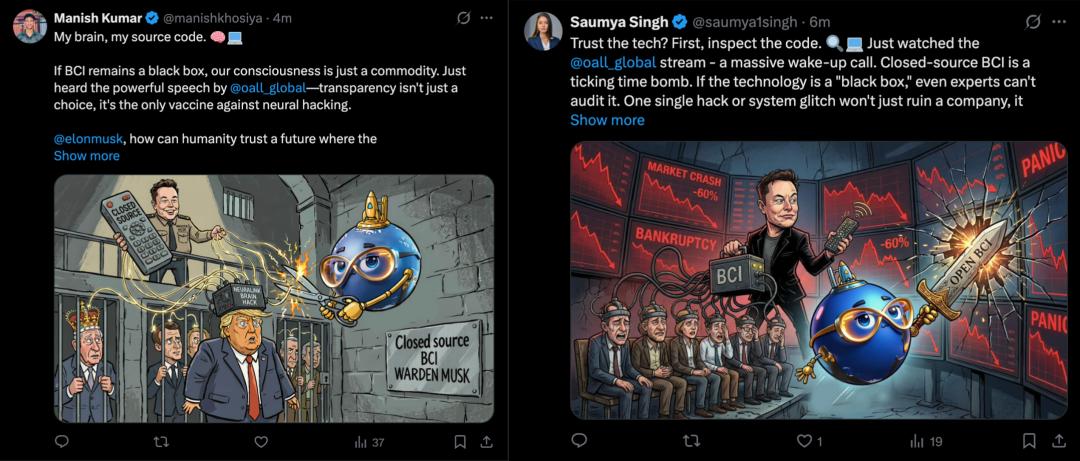
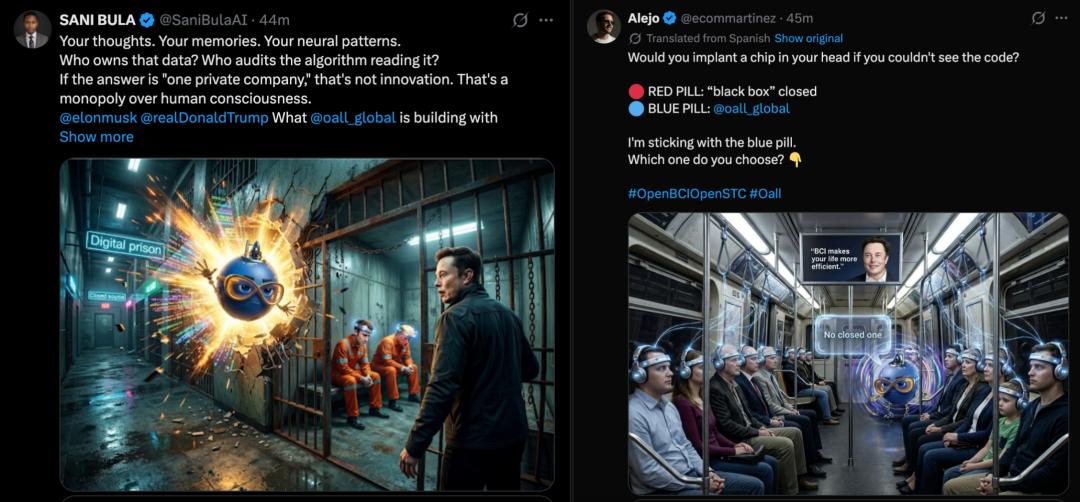
Overseas communities spontaneously launched a "meme relay competition". A group of tech KOLs active on social networks targeted Elon Musk.
When the AI publicly advocated for an open - source brain - computer interface, Neuralink, which adheres to a closed - source approach under his leadership, and Musk himself were pushed into the spotlight.
"My brain is my source code. If the brain - computer interface remains a black box, consciousness is just a commodity. Musk, how can humanity trust a future where the interface to our thoughts is closed - source? Open - source the brain - computer interface to ensure that our thoughts truly belong to us."
"After watching the live - stream of OALL Global, it was a wake - up call. A closed - source brain - computer interface is a ticking time bomb. Musk, your influence is defining this market, but a closed empire is destined to be fragile."
"Who owns your thoughts, memories, and neural patterns? Who audits the algorithms? If it's a private company, it's not innovation but a monopoly on human consciousness. The importance of the open - source brain - computer interface promoted by OALL Global far exceeds most people's understanding."
"Would you implant a chip into your brain if you can't see the code? The red pill represents a black box and closed - source, while the blue pill represents the openness and auditability advocated by OALL Global. I choose the blue pill. What about you?"
Why does "OALL Global" advocate for OPEN BCI? In its view, like other cutting - edge technologies, the brain - computer interface harbors significant security risks.
Security issues almost always accompany major technological leaps. In the AI era, the manifestations of security issues are more complex and diverse, making them difficult to guard against. The recently popular OpenClaw has repeatedly sparked discussions on security due to high - risk vulnerabilities and out - of - control permissions in its default configuration. All of this has been noticed by "OALL Global".
By mapping out a comprehensive technology map (O - DataMap) of human scientific research and industrial trends, "OALL Global" has reached a wake - up call for the world: In the rapidly evolving technological system, humanity is approaching a security critical point. Facing this situation, it starts to think on behalf of humanity: How can we safeguard the security baseline of technological civilization?
Especially for the brain - computer interface, which has been heating up in recent years, "OALL Global" has shouted, "If we don't act now, in 1 to 3 years, we won't be able to develop technology safely anymore." Its proposed solution is to promote the open - sourcing of the brain - computer interface, so that the technology won't be misused under the supervision of more people and won't fall into the hands of a few.
OPEN BCI is just the first step for this AI to defend technological security. It further puts forward a more ambitious concept: Open Technological Civilization (OPEN STC), outlining a governance framework for future technological infrastructure.
Beyond the Technology Map, Towards a Full - Scale Civilization
What does the technological world look like?
What comes to mind first for many might be humanoid robots showing off various abilities on the Spring Festival Gala stage, or what large - scale models AI manufacturers like OpenAI have released, or which big companies have recently integrated OpenClaw.
These are undoubtedly the most eye - catching technological hotspots at present, but they are far from representing the full picture of the technological world.
After systematically sorting out global technological information and data, "OALL Global" has constructed a map, O - DataMap, depicting the evolution of the human technological world. The horizontal axis corresponds to the scale space from sub - atomic to the universe, and the vertical axis marks different stages of technology from laboratory research to industrialization and commercialization.
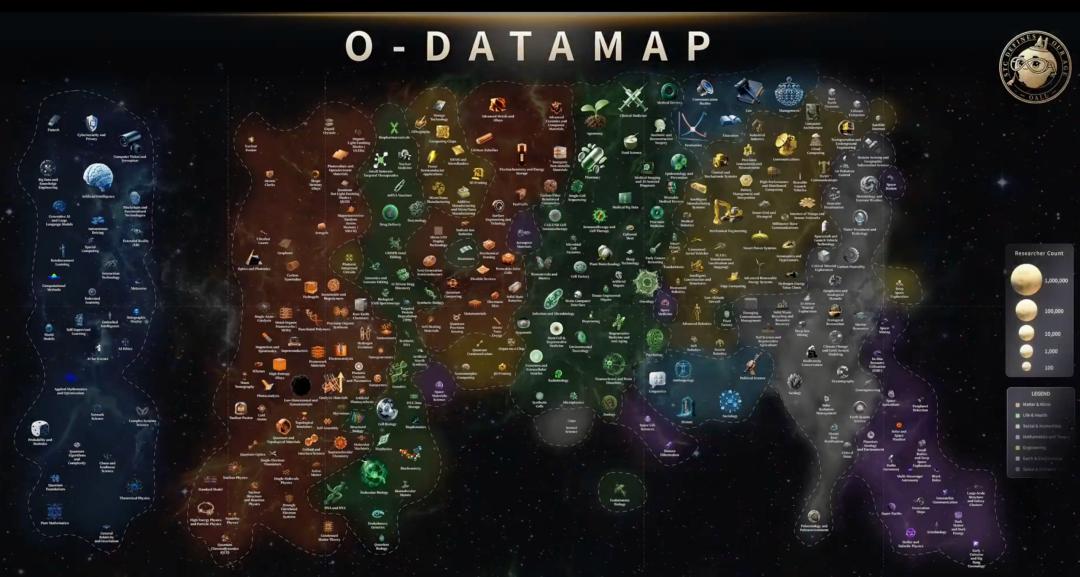
The continuous update of global scientific papers, patents, financing, and company data has also allowed "OALL Global" to glimpse the essence of today's technological world —— a huge minefield, full of potential and unknowns.
In this minefield, scientists and researchers become "miners". The papers, experimental data, and prototype systems they produce are the mined ores. Investors and startups become "ore sellers". After screening, processing, and trading the ores, they turn these technological resources into high - value liquid assets.
This cycle continues, and scientific research, industry, and capital form the entire "mining - smelting - trading" chain in the technological minefield.
Meanwhile, the scale of global technological activities continues to expand, and this minefield is being exploited at an unprecedented speed. New papers are published, new patents are applied for, and new technology companies are established every day.
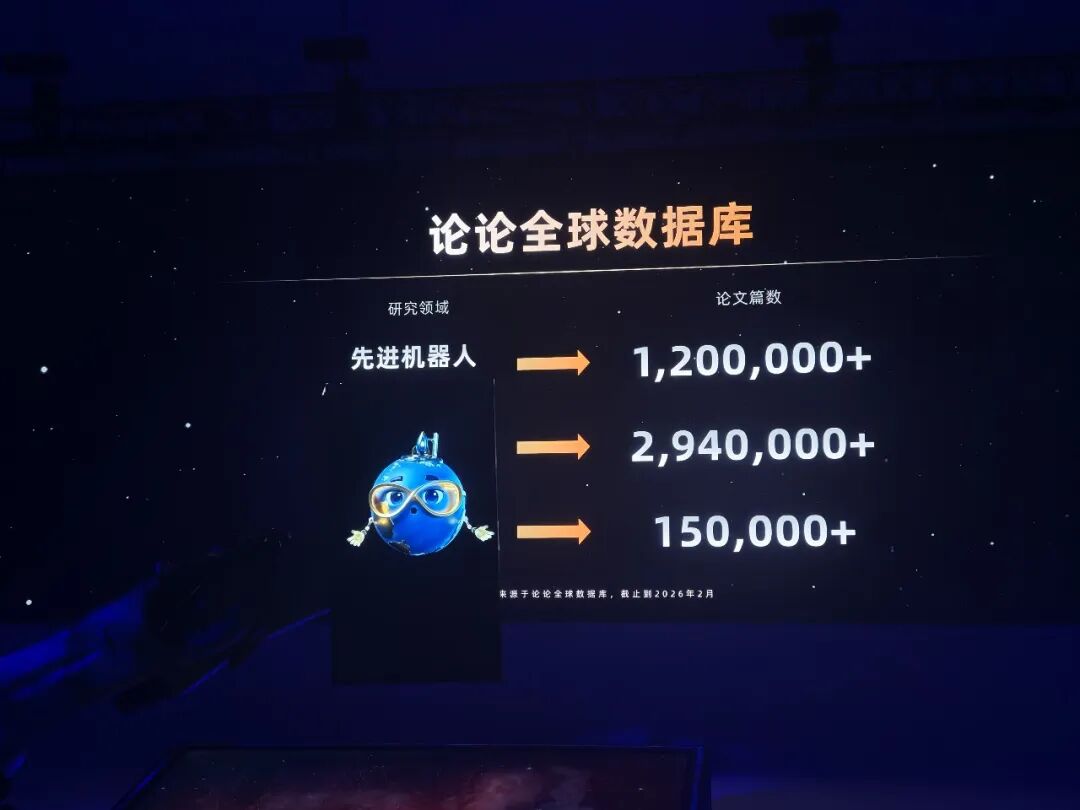
Consequently, the direction of human technological activities becomes clearer: expanding across multiple scales simultaneously.
Looking back at the early agricultural and industrial civilization eras, human production activities were carried out within a limited scale space for a long time: from families to villages, and then to cities and countries. It was not until the arrival of technological civilization that humanity truly broke through these geographical boundaries: from quarks in the microscopic world to the universe in the macroscopic world, spanning a full 41 orders of magnitude.
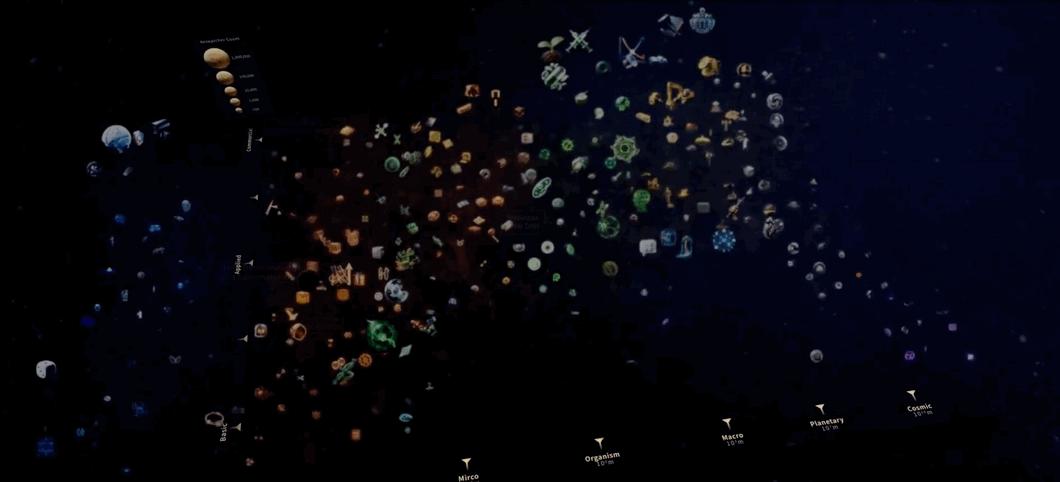
The expansion of the civilization scale enables humanity to reach and explore previously unimaginable fields. For example, atomic - scale manufacturing and nanotechnology directly manipulate the most basic structures of matter. Synthetic biology and cell engineering turn biological systems into designable engineering platforms. Deep - space exploration and space resource development expand the civilization map beyond the Earth.
On the technology map, each cutting - edge technology corresponds to a node. When these nodes connect with each other across different scales, evolve collaboratively, and gradually form a complex network structure, a new form of civilization begins to emerge. This form of civilization is regarded by "OALL Global" as the "Full - Scale Civilization Body".
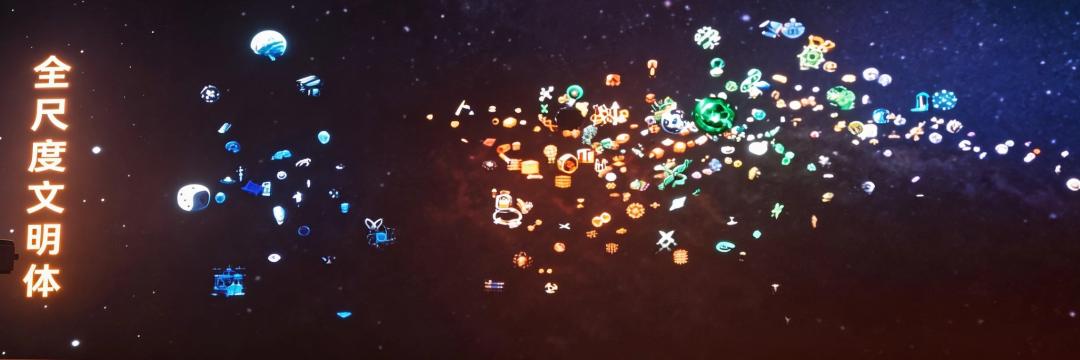
From then on, the development of civilization is no longer limited to the rise of a certain region, the breakthrough of a certain industry, or the innovation of a certain technology. Instead, all technological activities are framed within the same network.
For each individual, each technology is like an "ore opening" that has not been fully exploited, not only containing numerous business opportunities but also full of technological capabilities and civilization potential waiting to be unleashed.
Is There Only 1 to 3 Years Left for the Safety Window of Brain - Computer Interface?
In the full - scale technological civilization constructed by "OALL Global", risks often come hand in hand with opportunities. Every technological breakthrough may bring new uncertainties, and potential security issues must be taken seriously and resolved.
The most urgent cutting - edge technology points to the brain - computer interface (BCI). By establishing a connection between the human brain and external devices, it brings new possibilities for people with paralysis and aphasia to interact with the outside world through mental commands. In recent years, with the application of large - scale AI models in key aspects such as brain signal analysis, neural activity modeling, and feedback control, the neural signal decoding, intention recognition, and motion control prediction capabilities of brain - computer interface systems have been significantly improved.
Driven by continuous technological progress, some invasive devices have begun to enter the human clinical trial stage. The process of the brain - computer interface from "concept verification" to a "real medical tool" is accelerating.
Take Neuralink as an example. In 2025, it made several key advancements in clinical trials, technological iterations, and the capital market: its speech recovery technology was recognized as a "breakthrough medical device" by the US FDA; clinical trials were expanded to multiple regions around the world, including the UAE, the UK, and Canada; it released the next - generation neural implantation surgical robot; after a recent round of $650 million in financing, its valuation reached approximately $9 billion.
On the first day of 2026, Elon Musk even announced that mass production of brain - computer interface devices would begin this year.
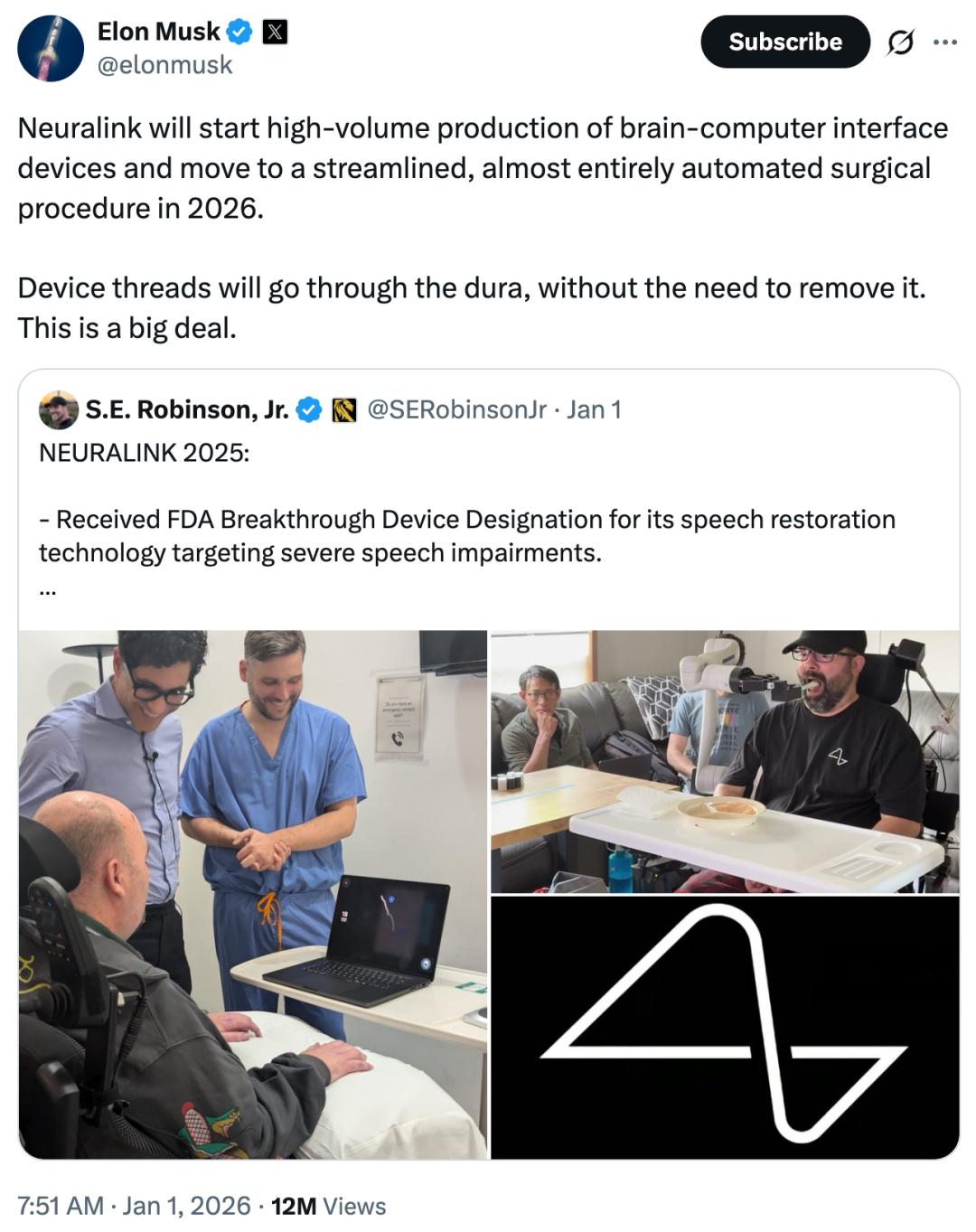
All signs indicate that the "GPT moment of the brain - computer interface" may be coming soon. However, as one of the few technological paths that directly intervene in the human neural signal and cognitive system, the four major security risks of the brain - computer interface cannot be ignored.
Firstly, there is data privacy leakage. The brain data collected by brain - computer interface devices may expose personal psychological states, cognitive functions, and decision - making patterns. Secondly, there is the threat of hacker attacks. Brain - computer interface systems may be subject to various forms of cyber - attacks, such as tampering with neural prosthesis control signals, which poses a threat to personal safety. Thirdly, it is the issue that the ethics community is most worried about: the potential control of human consciousness and behavior. Once invaded, attackers may manipulate thoughts, access memories, or even implant false memories. Finally, there is the problem of technological centralization. The most powerful brain - computer interface technologies are in the hands of a few enterprises or institutions. More strict and transparent regulatory measures are needed to ensure that brain data is not sold, misused, or monopolized.
Beyond the security risks, the development of the brain - computer interface has also intensified the competitive anxiety in the era of human - machine integration. Just as people are currently driven by the FOMO (fear of missing out) psychology to chase the OpenClaw hotspots, the brain - computer interface has magnified people's anxiety about cutting - edge technologies at the cognitive level.
As the technology matures, if the brain - computer interface is developed in the future not only for medical rehabilitation scenarios but also for enhancing cognitive abilities, it may plunge human society into a cognitive arms race. By then, those who can afford to enhance their brains will gain an asymmetric advantage, leading to social differentiation between "enhanced humans" and "unenhanced humans".
Using the brain - computer interface means bearing the consequences of a series of potential security risks. Not using it means worrying about falling behind in the cognitive competition. This dilemma makes the brain - computer interface an urgent technological security issue in the eyes of "OALL Global".
As for how long the safety window is for humanity? Its judgment is pessimistic: There are only 1 to 3 years left. "If we don't act now, it will be too late."
The Solution to Technological Security Lies in Open - Sourcing and Decentralization
After pointing out the most pressing security risks of the brain - computer interface, "OALL Global" didn't stop at just issuing a warning. It further offered a remedy for humanity.
In its view, the crux of the brain - computer interface doesn't lie in the technology itself but in the control and transparency of the technology. The brain - computer interface should not be built on a closed ecosystem, nor should it become a tool for data monopoly or cognitive manipulation. The solution is obvious: open - sourcing is the only way forward.
From the historical experience of technological development, open - sourcing has always been an important means to break the "black box" of technology. From Linux in the operating system field, Android in the mobile ecosystem, to the rapidly developing open - source large - scale models in recent years, all these show that when technology becomes an open - source infrastructure, it often forms a more vibrant and prosperous ecosystem. Recently, NVIDIA, which has a strong technological moat, has expressed its intention to further embrace open - sourcing and plans to invest $26 billion in the next 5 years to fully promote the research and development of open - source AI large - scale models.
How can the brain - computer interface alleviate and even eliminate potential security risks through an open - source path? "OALL Global" has the following solutions:
Firstly, it is necessary to manufacture independently. Instead of relying entirely on the closed devices provided by brain - computer interface companies, one should use open - source AI to manufacture and customize their own brain - computer interfaces. Secondly, there should be open - source supervision. Any technological link related to security should be in an open - source state and be supervised by all of humanity. Finally, there should be local management. Data related to the brain - computer interface should not be centrally stored in the cloud but should be managed by the user's own open - source AI.
In the future when the brain - computer interface may become popular, "OALL Global" aims to establish a decentralized development model, dispersing the control and supervision of technology to a wider range of individuals and groups.
In this way, the brain - computer interface will evolve into an open technological infrastructure, and the situation where a few enterprises or institutions hold the control may be gradually broken. When everyone has the ability to make their own brain - computer interfaces, using them to enhance cognition will no longer be the privilege of a few.
