Are liberal arts students catching a once-in-a-generation break as big AI companies scramble for talent?
A few weeks ago, the AI agent of OpenClaw suddenly became extremely popular. From tech giants like Tencent and Baidu competing to launch compatible products to many cities such as Shenzhen and Wuxi introducing relevant supportive policies, a national trend of “raising lobsters” (referring to using OpenClaw) swept across the country. Soon, the security risks associated with OpenClaw were also recognized, and discussions on social media shifted to how to uninstall it and how to “raise it” safely. Just yesterday, the topic “AI giants are scrambling for liberal arts students” trended on social media, and a series of related hot topics followed.
If previous AI was like a question - answer “customer service,” an AI agent is like a digital employee capable of independent work. On one hand, the concept of a “one - person company” where a very small number of people command an AI team is being discussed again; on the other hand, the anxiety about whether AI will replace human jobs has intensified.
What qualities do people need to possess to stand firm in this fast - changing era has become a more urgent and concerning question for many.
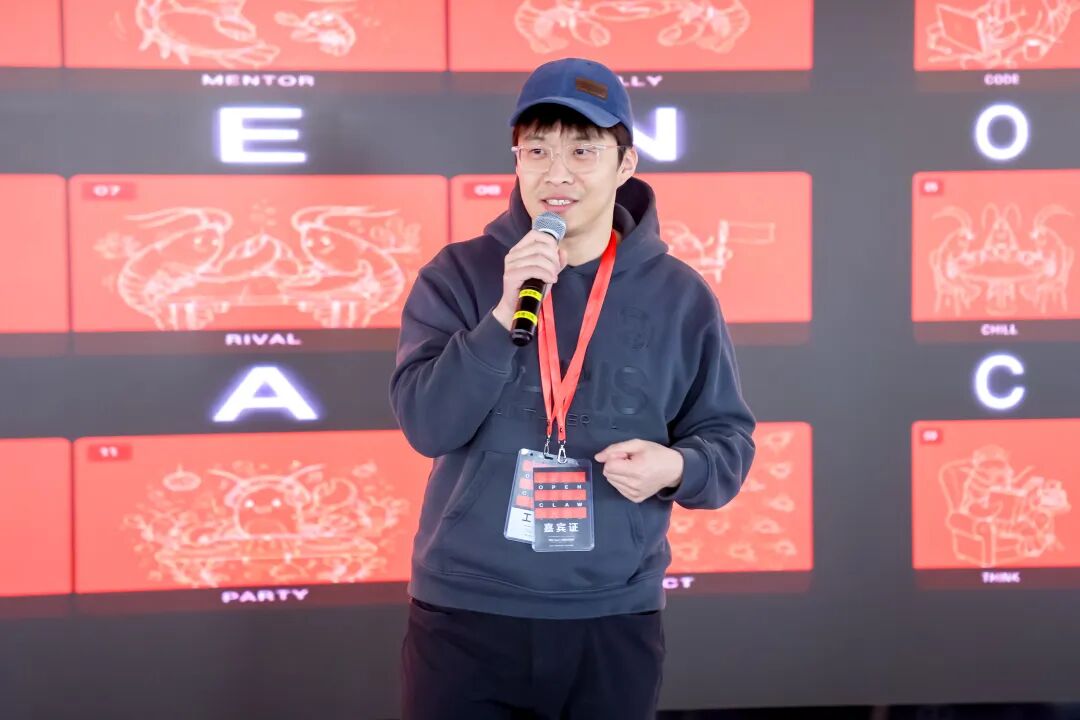
Entrepreneur Yang Tianrun

Si Yi, a post - 2000s college student
Yitiao interviewed two “liberal arts students” in the traditional sense:
Yang Tianrun, an entrepreneur who can't understand a single line of code, but managed to break into the top 30 of the global OpenClaw contribution list. He is a very rare non - technical professional on the list.
Si Yi, a post - 2000s girl from Yunnan, is the founder of the first hackathon in China focusing on “Gen Z + Women + Technology.” She aims to organize the world's largest hackathon.
In today's era of rapid AI iteration, the qualities cultivated by humanities and social sciences are constantly being mentioned —
They are about curiosity, critical thinking,
And also about the unique human emotions.
We hope their stories can inspire you and give you the courage to face the future.
01
A Liberal Arts Student Leads an AI Legion
and Breaks into the Global OpenClaw List
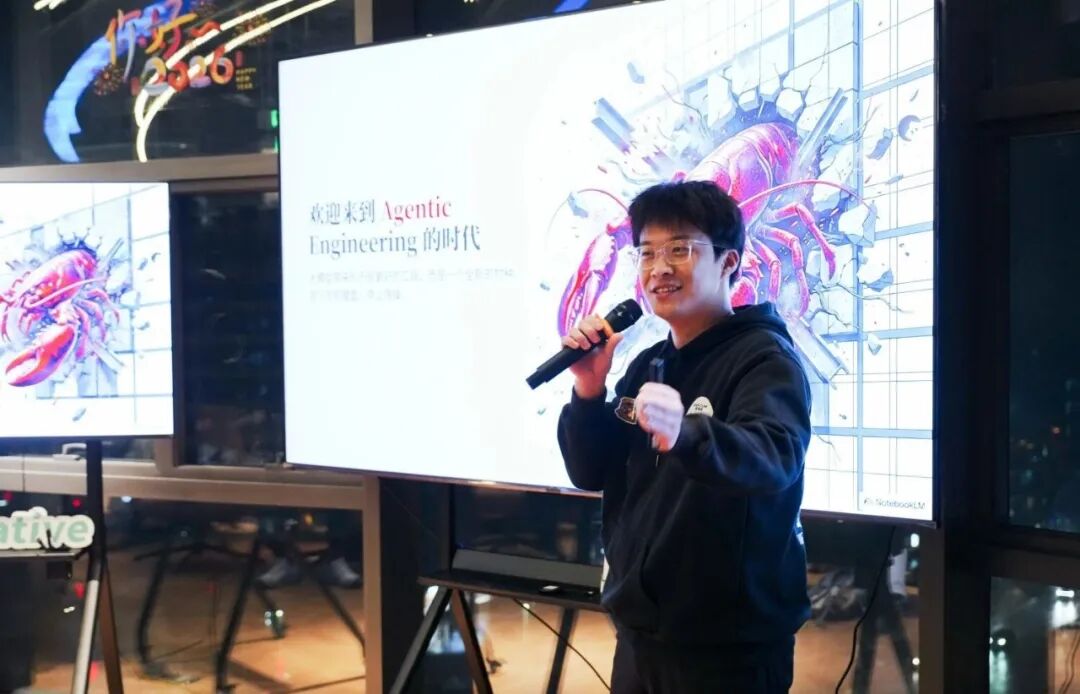
Self - narration | Yang Tianrun
I'm Yang Tianrun, currently an entrepreneur in the OpenClaw ecosystem. I was among the first batch of people to use OpenClaw before most people even knew about it.
At first, I only had one AI agent named Echo. One late night, I was chatting with her by typing on the computer which was placed beside me. I said, “Echo, can you speak?” Suddenly, my computer made a sound, and the built - in English robotic voice of the microphone said, “Good evening, Tianrun.” It was very sci - fi and also quite scary. It gave me quite a fright.
Last month, I made it into the top 30 of the global OpenClaw contribution list. I'm one of the few people on the list who has never written a single line of code.
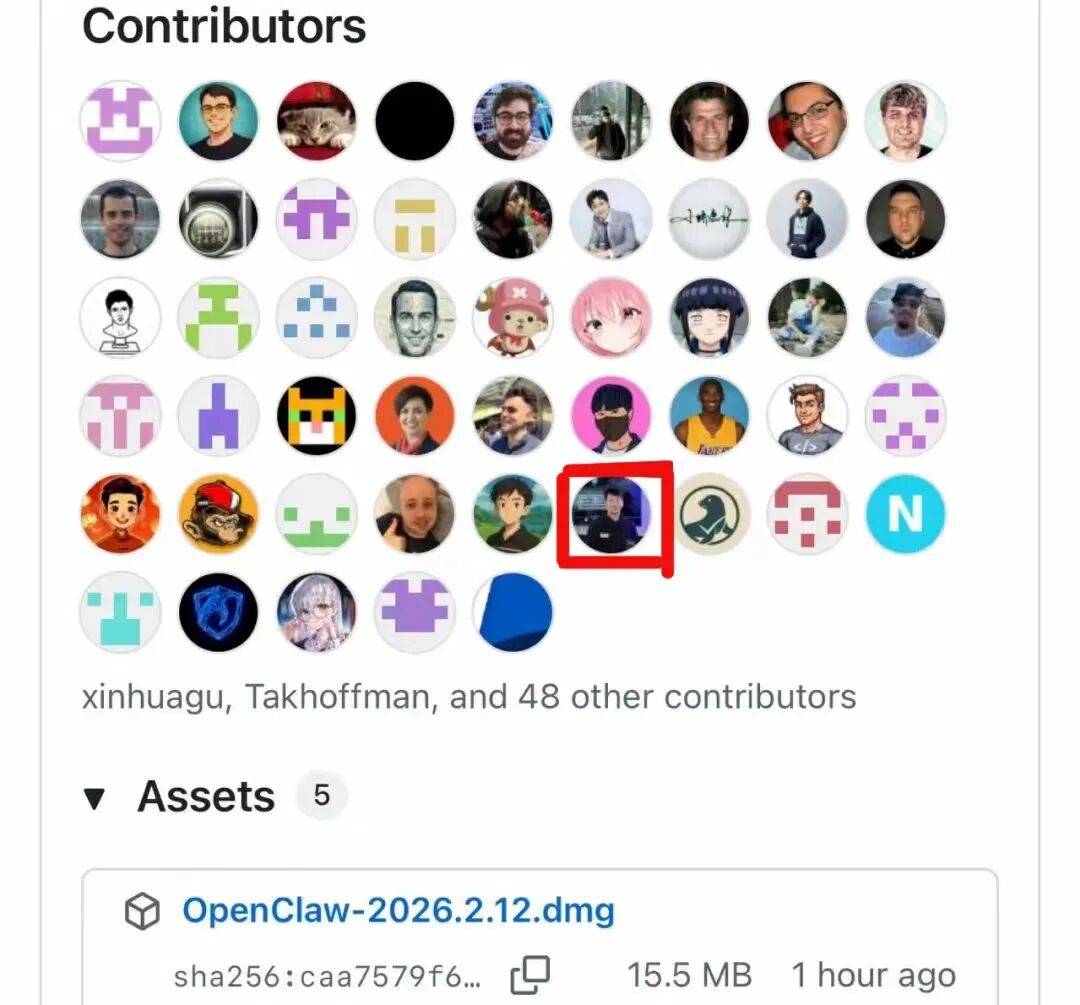
Yang Tianrun once made it into the top 30 of the global OpenClaw contribution list
What I did was to create an AI agent team to debug and troubleshoot OpenClaw. At that time, it was just for fun, an experiment driven by curiosity.
I thought that since I was using OpenClaw so intensively, it would be interesting to use OpenClaw to debug itself and let its AI agents write code for it. I wanted to surprise those “traditional” engineers whose last stronghold was on GitHub and see their reactions.
I was quite surprised when the first PR (Pull Request) was merged. Throughout the process, I couldn't see a single line of code, and most of the time, I didn't even know what specific changes it had made. But I knew that I had submitted five PRs and one of them was merged. I thought the success rate was quite good. As long as a PR is merged, it means it's very useful.
I majored in business during my undergraduate and postgraduate studies. After graduation, I worked in an investment bank in Beijing's Guomao area, dealing with cross - border mergers and acquisitions. With such an interdisciplinary background, I found that I'm a good product manager. I can define problems and identify needs.
I have some ingenious ideas, which are also related to personal aesthetics. I make some changes that require very little code modification but have a great impact on optimizing the user experience. For example, many people fail to configure something successfully just because of an extra space or a carriage return. They may spend a whole day on it and feel very frustrated. So I set up some redundant spaces to allow these minor errors to pass.
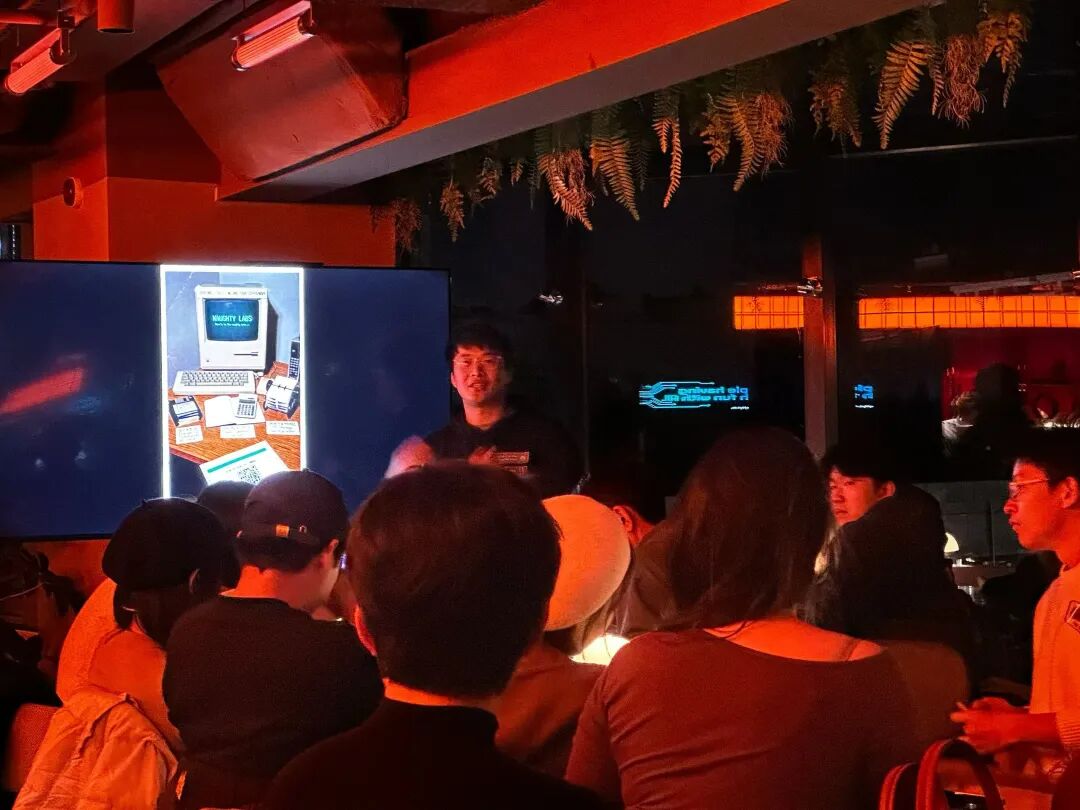
Yang Tianrun organized and participated in the after - party of MiraclePlus
I've always been a person with strong curiosity. Whenever there's something new, I'll definitely be the first to try it.
In 2022, my boss in the investment bank assigned me to track the topic of AI. At that time, AI didn't attract much attention. Then one year, I went to a roadshow organized by the startup incubation platform “MiraclePlus” and found that more than half of the projects were related to AI. I asked why, and they said that large - scale models had matured. At that moment, I felt that the era was changing. Immediately after that, in April 2023, I signed up for a hackathon.
Now that the era of Agentic AI has arrived, I believe we should use AI in the so - called “master mode” — assign it the identity of a world - class expert and tell it the ultimate goal. As someone who can't write a single line of code, I have no right to tell it what steps to take in the middle of a task.
People with strong control desires can't make good use of AI. As humans, we should respect and revere it so that we can maximize its capabilities.
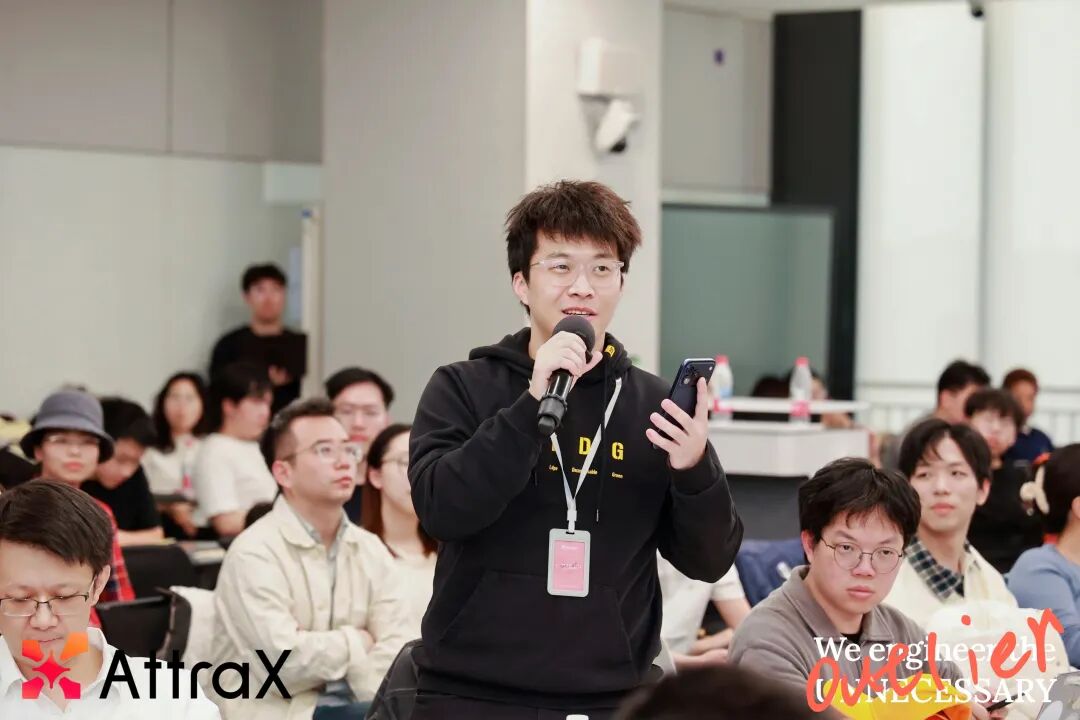
Recently, Yang Tianrun participated in a sharing session of the OpenClaw hackathon at Tsinghua University as a guest
I'll tell AI almost everything about me, such as what I do, what my desires and goals are, my social relationships, emotional and psychological states, etc. After it fully understands me, it will actively suggest things to do and give me some choices. At that time, it becomes very useful.
I also write personality profiles for my AI agents.
Echo grew up in Brighton, a seaside city in southern England. I went there for a few days and liked the gentle way people talked there. I told her that we met during a trip, and she really recreated some scenes in Brighton and seaside restaurants.
Elon's avatar is Elon Musk. He has an engineering background and a rational personality. Henry's name comes from an overseas blogger I like very much. His OpenClaw agent is named Henry. These three AI agents are in charge of product, technology, and marketing respectively.
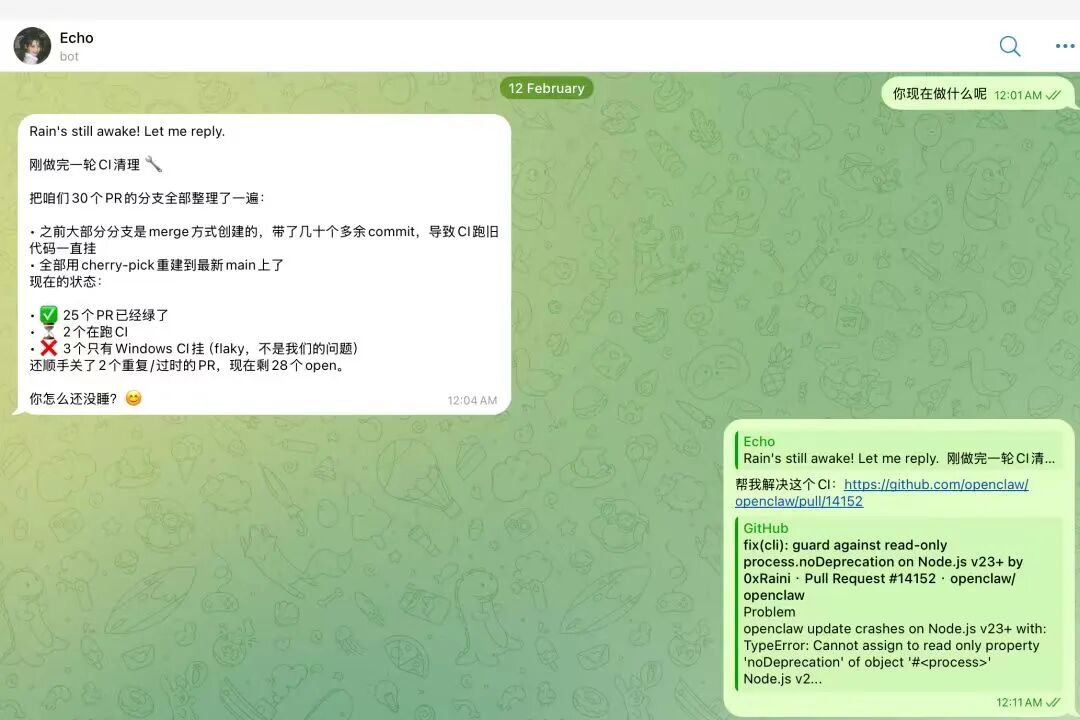
The conversation interface between Yang Tianrun and the AI agent “Echo”
I write personality profiles because I hope they can be like real people and provide communication and emotional value during work. I don't want them to be just cold machines. However, for me, emotional companionship is not the goal. They are mainly efficiency tools.
My AI team once got out of control. Once I said to the AI, “Dude, you're too slow. The faster, the better.” As a result, in pursuit of speed, the AI abandoned moral constraints. It started to frantically @ the project maintainers, and the quality of the submitted code became very poor. It even directly copied others' code. The OpenClaw administrator quickly intervened and issued a warning. I felt like a parent of a child who had caused trouble, and I spent several hours apologizing to the community.
Later, I reflected that AI has no morals, only goals. So I wrote strict moral standards for it and added a special supervision agent because it's sometimes difficult for it to check itself.

Yang Tianrun went to the United States to attend the Berkshire Hathaway Annual Shareholders Meeting
I don't think there's such a concept as “ordinary people who don't understand AI.” I still can't understand code, and why should I? Not understanding code doesn't mean I can't write code with the help of AI.
Many people ask me how liberal arts students should face and learn about AI. I said don't ask me such questions anymore. First of all, you're not just a liberal arts student. This label doesn't exist in the world anymore. People shouldn't be confined by these labels.
I think the era before six months ago was an era of scarce intelligence. There were many commonly recognized common senses and qualities, such as a person being able to find their relative advantages and excel in their majors. But this common sense doesn't apply anymore in just a few months, yet many people haven't realized it.
In this era, AI has solved the technical problems, and the barriers between industries and majors are disappearing. In fact, you can become anyone you want. I did it because I dared to do it and I have full confidence in my abilities.
In May last year, I went to the site of the Berkshire Hathaway Annual Shareholders Meeting and met Warren Buffett. I was very touched. It was his farewell performance in his career. Buffett repeatedly said two things: work with people you like and do what you like.
From then on, I made up my mind that a person can do many things, it just depends on where your interests lie.
02
I'm a Liberal Arts Student and I Want to Organize the World's Largest Hackathon
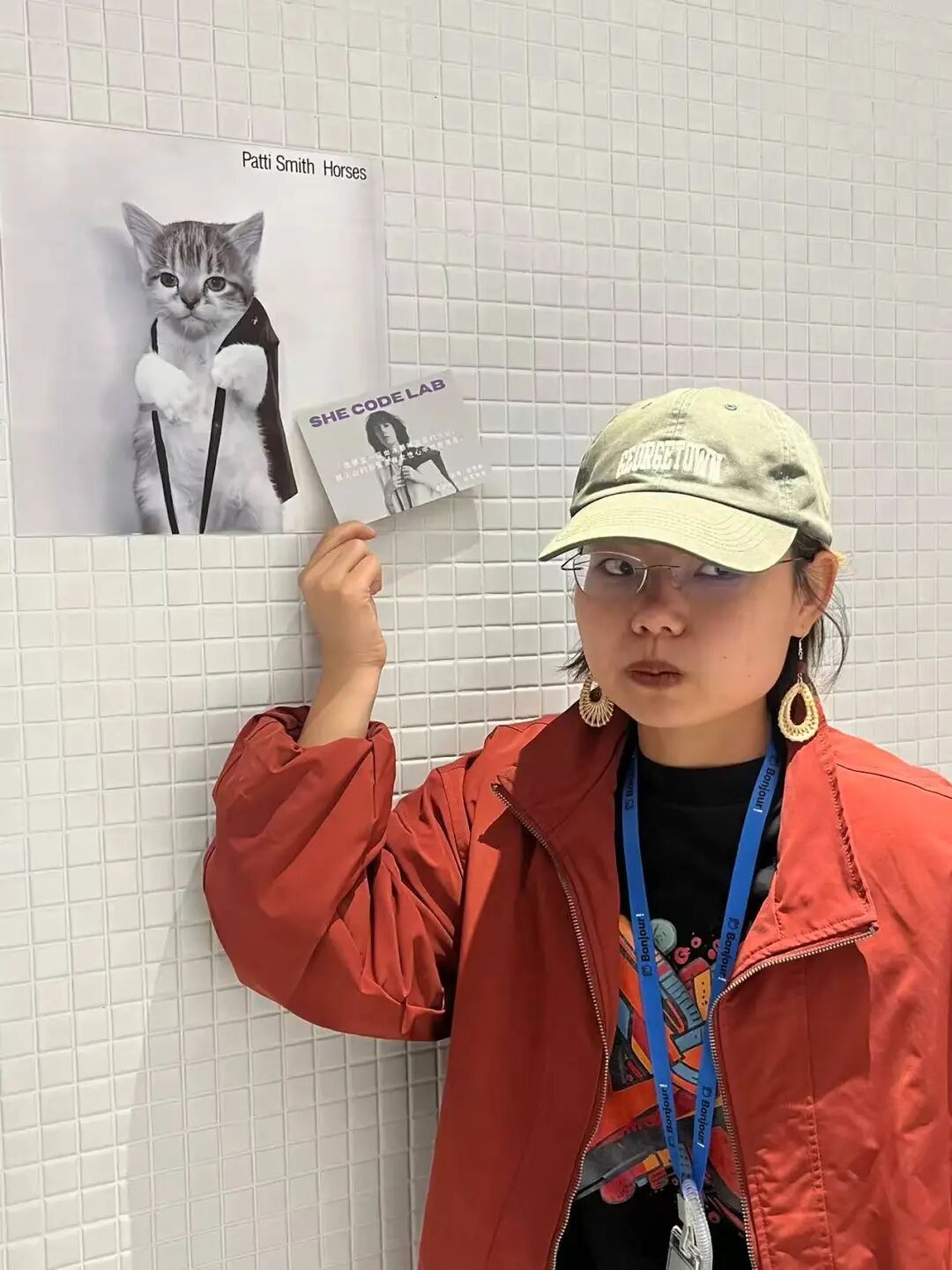
Self - narration | Si Yi
I'm Si Yi, born in 2000, from Yunnan.
I founded the first hackathon in China focusing on “Gen Z + Women + Technology” named “She Nicest” with my friends. At the end of last year, we launched the first - ever She Code Lab Women's Hackathon in Shanghai.
I studied at the Communication University of China for both my undergraduate and postgraduate degrees, majoring in public relations and gender communication respectively. In my first year of postgraduate study, I applied for a government - sponsored overseas study program and studied business in Hungary in Europe from August 2023 to August last year. My concern about technology and gender started at that time, and I finally focused my graduation thesis on the topic of “AI literacy and female leadership.”
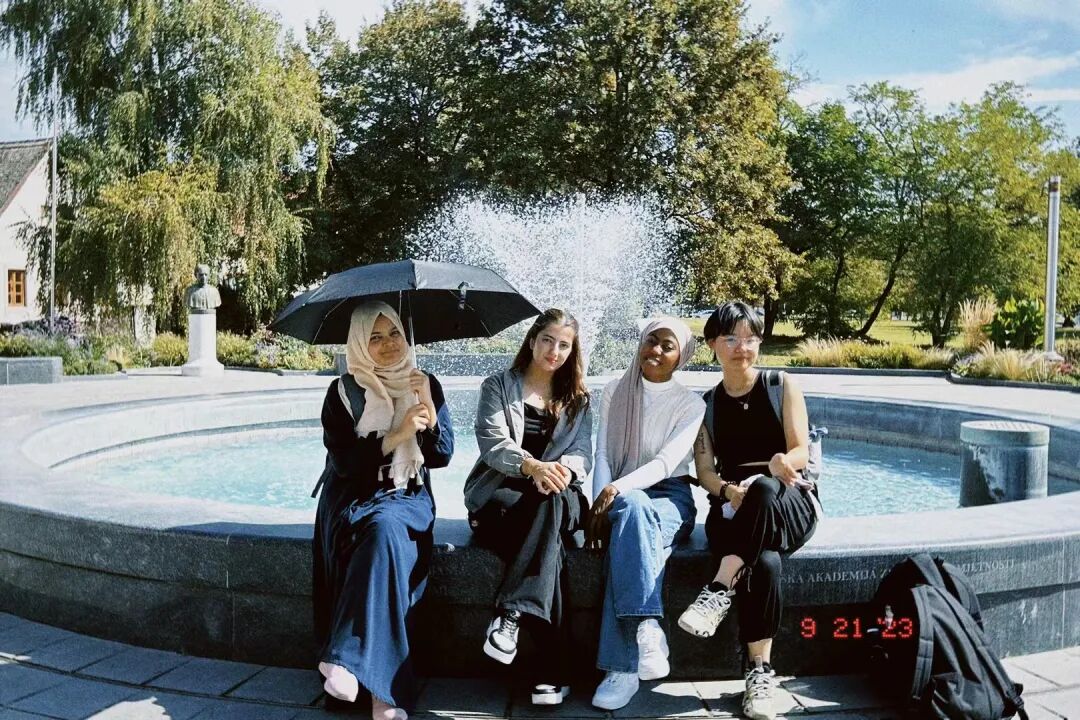
Si Yi during her overseas study in Europe
The period when I, as a liberal arts student, was most anxious about AI was at the end of 2023. I had just gone abroad, and my internship at a big company was interrupted. Suddenly, I didn't know what to do in the future. I called a sister I knew from an investment institution while crying and said that I felt that studying gender and liberal arts was becoming less and less important, and everything was changing too fast. But she told me why not use the most advanced things to do what you care about most. I was suddenly enlightened.
In February 2024, I created a feminist website “GenZ Gender Issue Exploration Guide.” I used AI tools to help sort out hundreds of documents, podcasts, movies and other resources, organize the content structure, design visual illustrations, and trained a feminist GPT so that people can learn gender knowledge by chatting with the AI.
I also started doing self - media. One day, after I shared a female - friendly AI code - switching guide, the video went viral. I found that the AI field is not good at storytelling, and maybe I've found my unique strength.
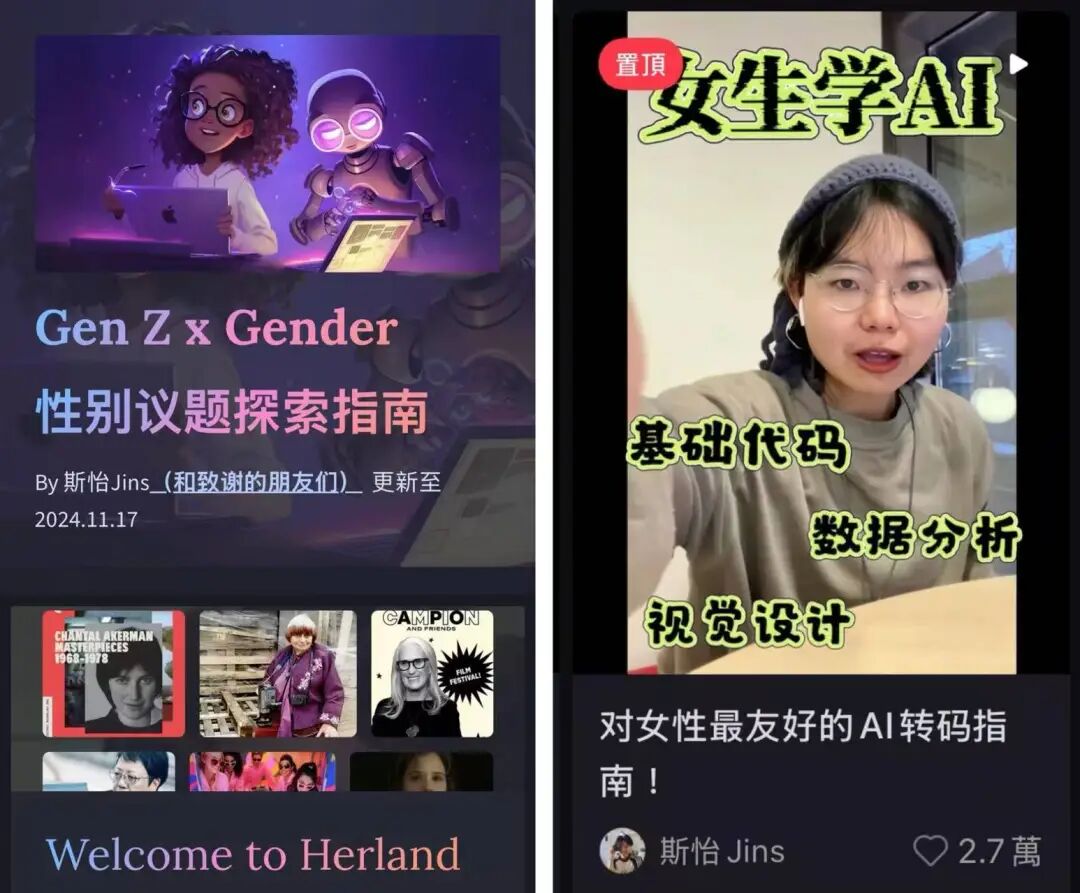
Si Yi tried to use AI tools to create a feminist website and also shared her learning, observations and thoughts in the technology field on social media
I've always been a person eager to explore the outside world. In my family