The so - called "poor man's version" of Apple has finally bent its back under the pressure from young people.
You won't believe it, but you can get an Apple computer for just over 4,000 yuan!
When it comes to Apple, many people's first impression is a brand that stands on the altar of technology with sky - high prices. Who would have thought that one day it would start to back down?
This year, during an offline event, Apple announced the MacBook Neo, with a starting price of only 4,599 yuan. After the discount, it even entered the 3,999 - yuan price range.
This is Apple's first truly low - priced laptop in over a decade. Some people even got this computer for just over 2,000 yuan through the trade - in program.

This so - called "budget computer" has completely sold out.
According to Apple's official website, there is no stock of any Mac mini models equipped with the M4 chip. Orders have been scheduled until the end of March. Customer service has confirmed that retail stores in Shanghai, Suzhou, Hangzhou and other places have also been cleaned out by panic buying.
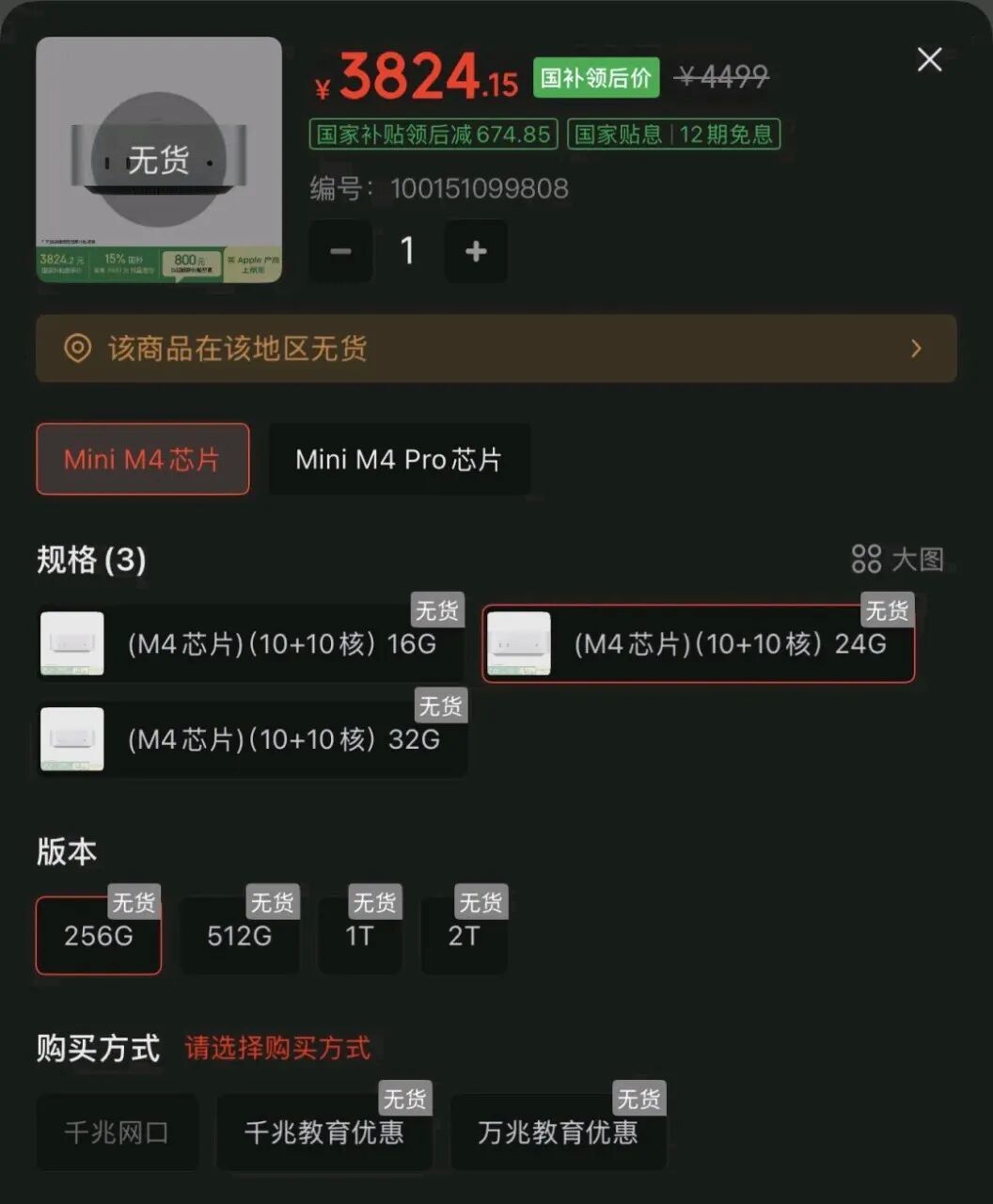
But the most shocking part is yet to come.
It has been reported that the iPhone 18 series will completely change the release rhythm: the Pro series and the foldable screen models will be launched first, while the standard version will be postponed until the spring of 2027.
From launching the MacBook at 4,599 yuan to changing the release rhythm, why is Apple making such decisions that go against its traditions?
No official press conference, but everywhere is a "blessing for the budget - conscious"
Just two months into 2026, Apple suddenly started to make a series of bold moves.
From March 2nd to 4th, 2026, Apple launched a surprise release for three consecutive days, kicking off a large - scale new product show in 2026.
There was no traditional large - scale press conference, but the density of new products remained undiminished. The three major product lines of iPhone, iPad, and Mac were updated simultaneously.
The core keyword is just one: more value for the same price.
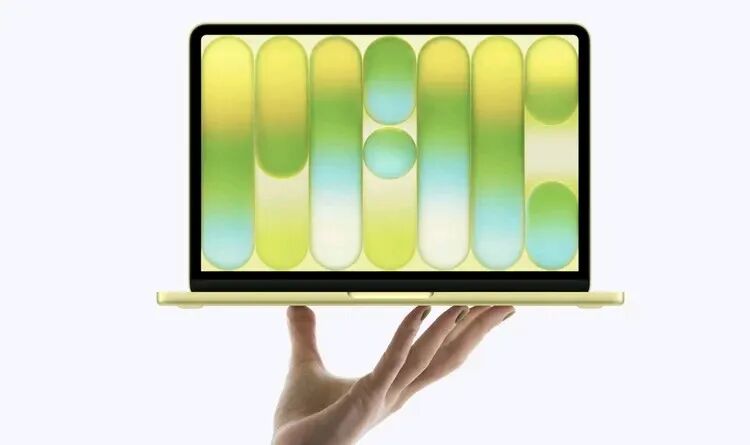
The iPhone 17e and the M4 version of the iPad Air led the way. As an iterative model of the iPhone 16e, the iPhone 17e is still positioned as "the cheapest brand - new iPhone", but its core configuration is no longer hidden.
It is equipped with the A19 chip using TSMC's 3nm process, with significantly improved performance compared to the A18. At the same time, it is equipped with Apple's self - developed C1X baseband, and the 5G signal performance is expected to be significantly improved.
Many people didn't expect that this was just the beginning. The biggest surprise came from an offline event in Shanghai. Apple launched a brand - new entry - level MacBook, the MacBook Neo, with a starting price of only 4,599 yuan, and as low as 3,999 yuan after the discount.
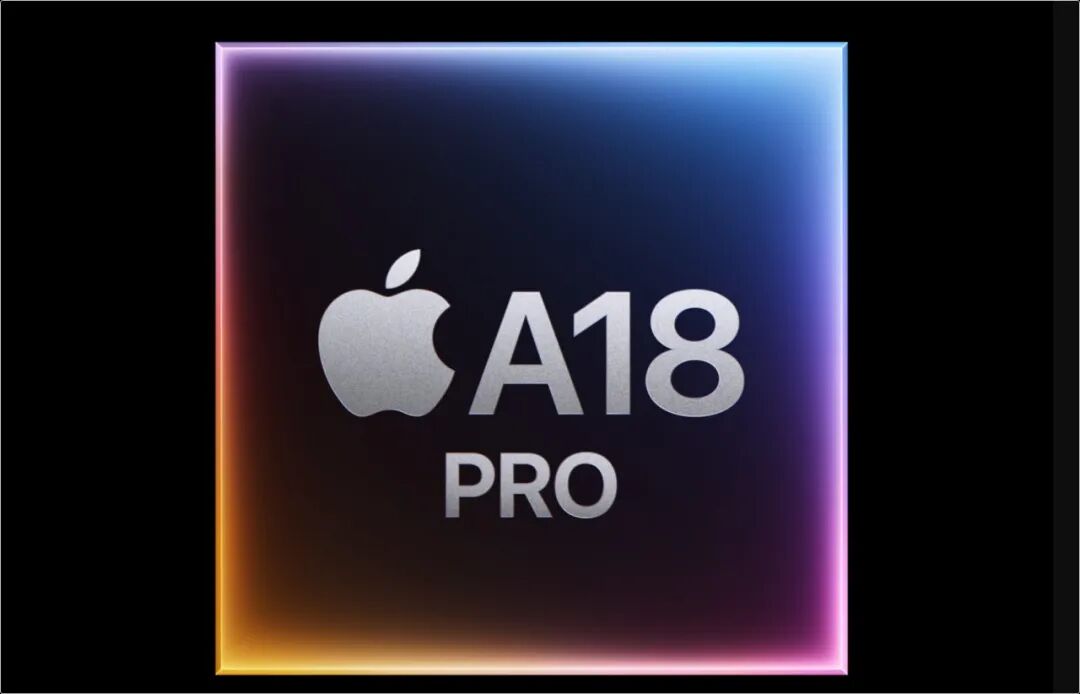
This laptop is equipped with the A18 Pro processor, the same as the iPhone 16 Pro, with a 6 - core CPU + 5 - core GPU. This is the first time Apple has used a smartphone chip in a Mac computer.
Because the price was so affordable, many people thought Apple was joking.
It can be said that the launch of the MacBook Neo is Apple's boldest attempt in the low - end laptop market.
What does this design mean?
Obviously, it's unimaginable in the past that you can get a full - fledged macOS laptop at the price of a mid - range mobile phone.
Some people have tested that compared with popular PCs equipped with the latest Intel Core Ultra 5 processor, the MacBook Neo can be up to 50% faster in handling daily tasks such as web browsing and up to 3 times faster in running device - side AI workloads such as photo editing.
It's a dimensionality reduction strike for the Windows laptop market.
You know, most Windows laptops at the same price range are usually equipped with mid - to low - end processors and have average screen quality, while the MacBook Neo is equipped with the A18 Pro chip, the same as the iPhone 16 Pro, with a battery life of up to 16 hours.

It seems that this time, Apple uses the combination of the A18 chip and macOS to compete with Windows PCs and Chromebooks, targeting budget - sensitive students and new professionals in the workplace.
An Apple executive said, "The MacBook Neo is designed to allow more people to experience the Mac at a more affordable price. It's a laptop that only Apple can create."
With several waves of new products in three days, Apple is no longer pretending:
In 2026, I'm going to dominate all markets, from high - end to low - end.
Launching the "price slasher" at 4,599 yuan, Apple finally bows its head
From the iPhone 17e priced at over 4,000 yuan to the computer at a similar price, Apple's move is widely interpreted as a powerful counter - attack against Android phones. This comeback has surprised many people.
After all, Apple has had a tough time in the past few years.
If you ask who the most embarrassing tech giant is, the answer is probably Apple.
From the "liquid glass" design being widely criticized online, to its AI progress being accused of being a "futuristic concept", and then being mocked by Zuckerberg for "not inventing anything new in 20 years", Apple seems to have fallen from the altar overnight.
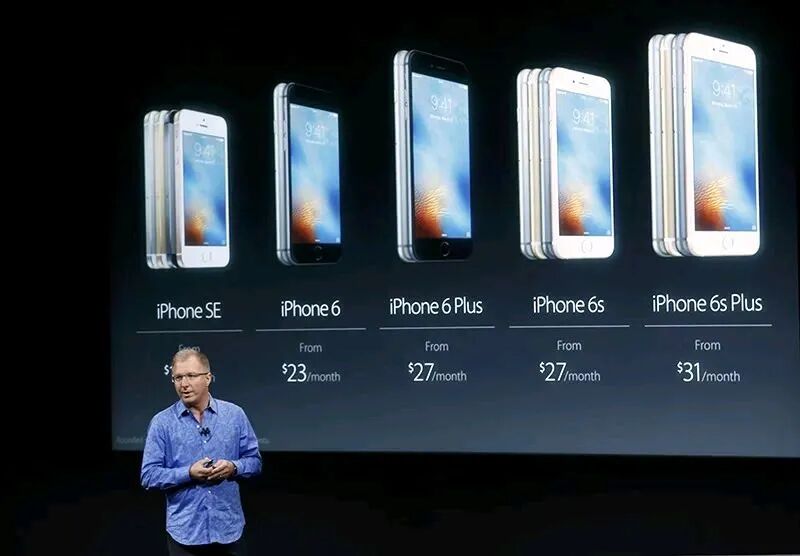
Some people even counted that most of the major innovation attempts led by Cook in the past five years, from the iPhone mini to the iPhone Air, and then to the Apple Vision Pro, have almost all failed.
However, just when everyone thought this tech giant would continue to decline in the Chinese market, a resounding slap came.
According to the latest data from Counterpoint Research, the overall sales volume of the Chinese smartphone market in January 2026 decreased by 23% year - on - year, and Apple was the only brand that achieved positive growth. The iPhone 17 series helped Apple achieve an 8% growth against the trend and increased its market share to about 20%, tying with Huawei for the leading position in the market.
With this victory, Apple not only ended its three - year decline but also achieved a terrifying year - on - year revenue increase in the Greater China region.
Behind this, Apple didn't rush to fight back but quietly completed a "transformation".
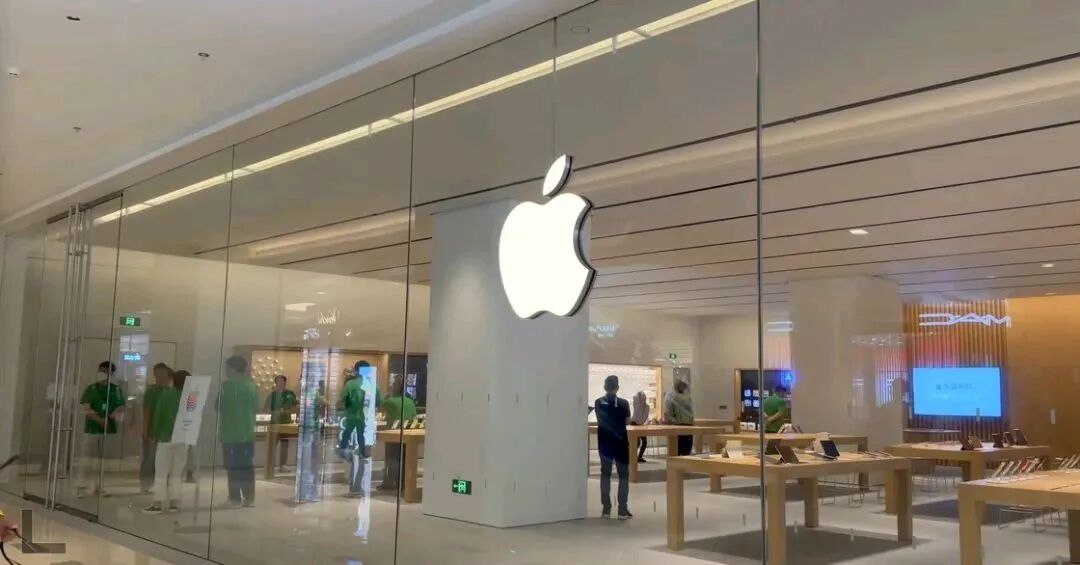
The question is, why did the iPhone 17 series sell so well?
First of all, Apple put aside its pride and did something it used to disdain: actively embrace the price war.
The standard version of the iPhone 17 was successfully included in the "national subsidy" scope in some regions. After the channel discounts, the starting price dropped to a more competitive range. When the word "cost - effectiveness", which was once unassociated with Apple, started to be linked, the market coverage suddenly expanded.
Secondly, when the entire industry was facing cost pressure and passive price increases due to the soaring price of memory chips, Apple maintained a relatively stable price system thanks to its global supply chain management ability and huge purchasing bargaining power.
This anti - volatility ability became a huge competitive advantage in the downward market period, especially when domestic mobile phones were all increasing prices, which made consumers feel more confident in their purchases.
As the prices became more reasonable, Apple fully tasted the benefits of the "budget - friendly strategy". So, this strategy was further expanded in the following products, which is why we have the so - called "budget computer" mentioned above.
More importantly, the launch timing of the MacBook Neo was just right.
When Apple launched the computer, it coincided with the domestic trend of using a certain software. Riding on this wave, many people wanted to buy a new computer to use this software and experience the new wave of AI productivity. Apple's budget computer became the top choice, which can be said to have combined the right time and place.
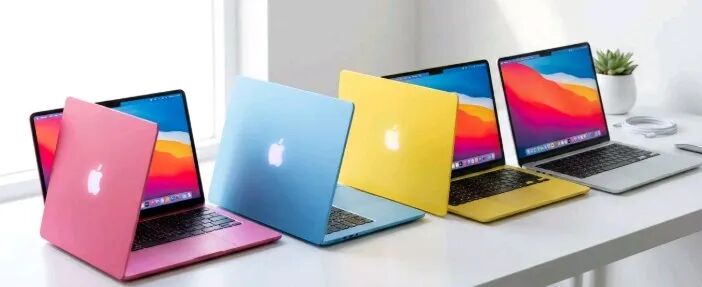
In addition, Apple even made a "decision against its traditions". If the MacBook Neo is a price revolution, then the iPhone 18 is a revolution in the release rhythm.
It is reported that in September 2026, Apple completely broke the 15 - year - old release tradition, and the release rhythm also underwent a major change: in September 2026, the iPhone 18 Pro, iPhone 18 Pro Max, and the highly anticipated first foldable phone, the iPhone Fold, were launched first; in March 2027, the basic version of the iPhone 18 and the entry - level iPhone 18e will be released.
Some industry insiders pointed out that by splitting the release rhythm, Apple can more accurately cover different market segments. For example, the Pro series continues to be the benchmark for high - end performance, and the foldable screen products complete the device form layout, while also ensuring its popularity throughout the year.
Reality has proven that a precise market strategy is sometimes more effective than flashy innovation.
Apple, which is making a comeback, can't let its guard down
In 2026, Apple is playing an unprecedented big game.
Now, in the low - end market, the MacBook Neo has entered the 4,599 - yuan price range, directly attracting Windows users.
In the mid - end market, products such as the "more value for the same price" iPhone 17e, iPad Air, and MacBook Air are used to stabilize the basic market share.
In the high - end market, where it has always excelled, the M5 Pro/Max, the upcoming Ultra series, various Pro series, and the Fold are used to firmly hold on to its die - hard fans.
This is Cook's "three - front battle" strategy, aiming to dominate all markets from high - end to low - end and build an unshakable ecological hegemony.
However, in the author's opinion, Apple's victory this time is far from the end, and it can't relax.
Because its comeback seems more like a tactical success rather than a strategic victory.
The popularity of the iPhone 17 is largely due to its precise pricing and the replacement cycle. But in future core areas such as foldable screens and human - computer interaction, Apple has not shown a leading advantage.
Although the foldable iPhone is about to be launched, it has lagged behind the Android camp for several years. In terms of the depth and experience of AI integration, compared with the aggressive progress of Google and Chinese manufacturers, Apple still seems conservative at present.
Not to mention, the strong comeback of Huawei is the biggest variable. In 2025, Huawei regained the top position in the Chinese market in terms of shipments. With its self - developed chips, HarmonyOS ecosystem, and satellite communication and other differentiated technologies, it poses a direct challenge to Apple in the high - end market.
Now, Apple and Huawei have equal market shares in the Chinese market, and this "rivalry between the two giants" will become more and more intense.
Users' patience and freshness are limited. A victory achieved through market strategies