The first group of people who are making money by "raising lobsters" have already emerged.
"Each generation has its own way of dealing with eggs."
In the spring of 2026, a "great migration" more frenzied than the Spring Festival travel rush took place in China's tech circle.
It wasn't about grabbing train tickets or snapping up houses, but about snatching a "crayfish."
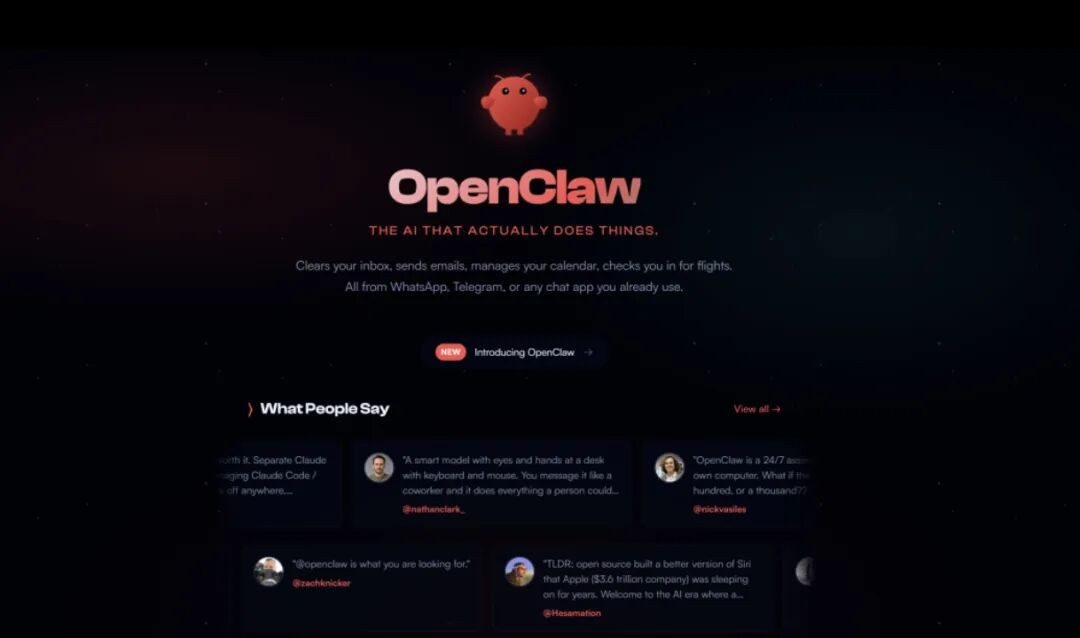
Let me give a quick introduction to many people. This "crayfish" isn't the delicious dish on the dinner table, but an open - source AI agent called OpenClaw developed by an American AI giant. It's a "digital worker" that can directly take over your computer, write code for you, reply to emails, and even trade stocks.
What's even more surreal is that the center of this frenzy isn't in Silicon Valley, but in China.
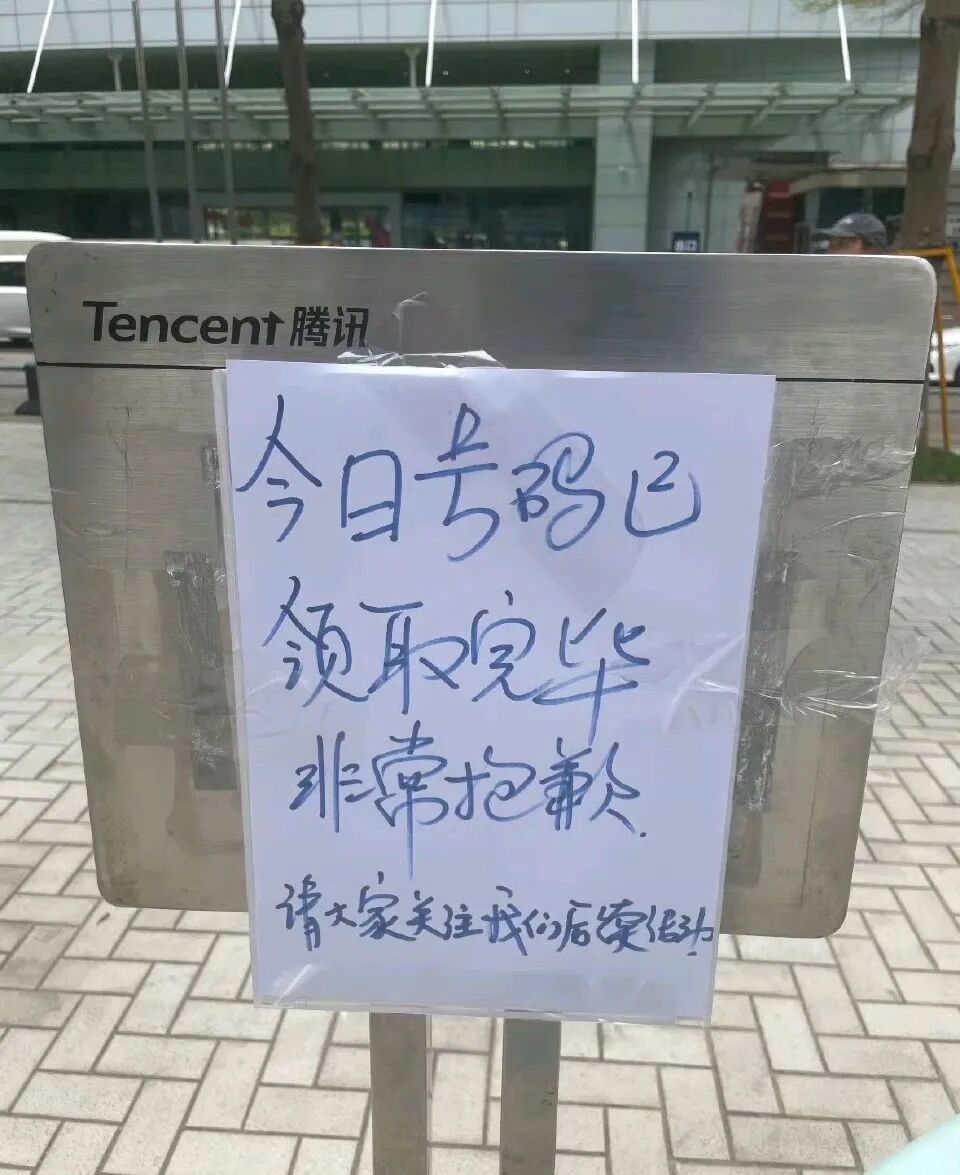
Recently, Tencent set up a "Crayfish Installation Station" at the Tencent Building in Shenzhen, providing free on - site "door - to - door installation" of OpenClaw for developers. The queuing atmosphere on - site was quite heated, and they even put up a sign saying "All numbers have been taken."
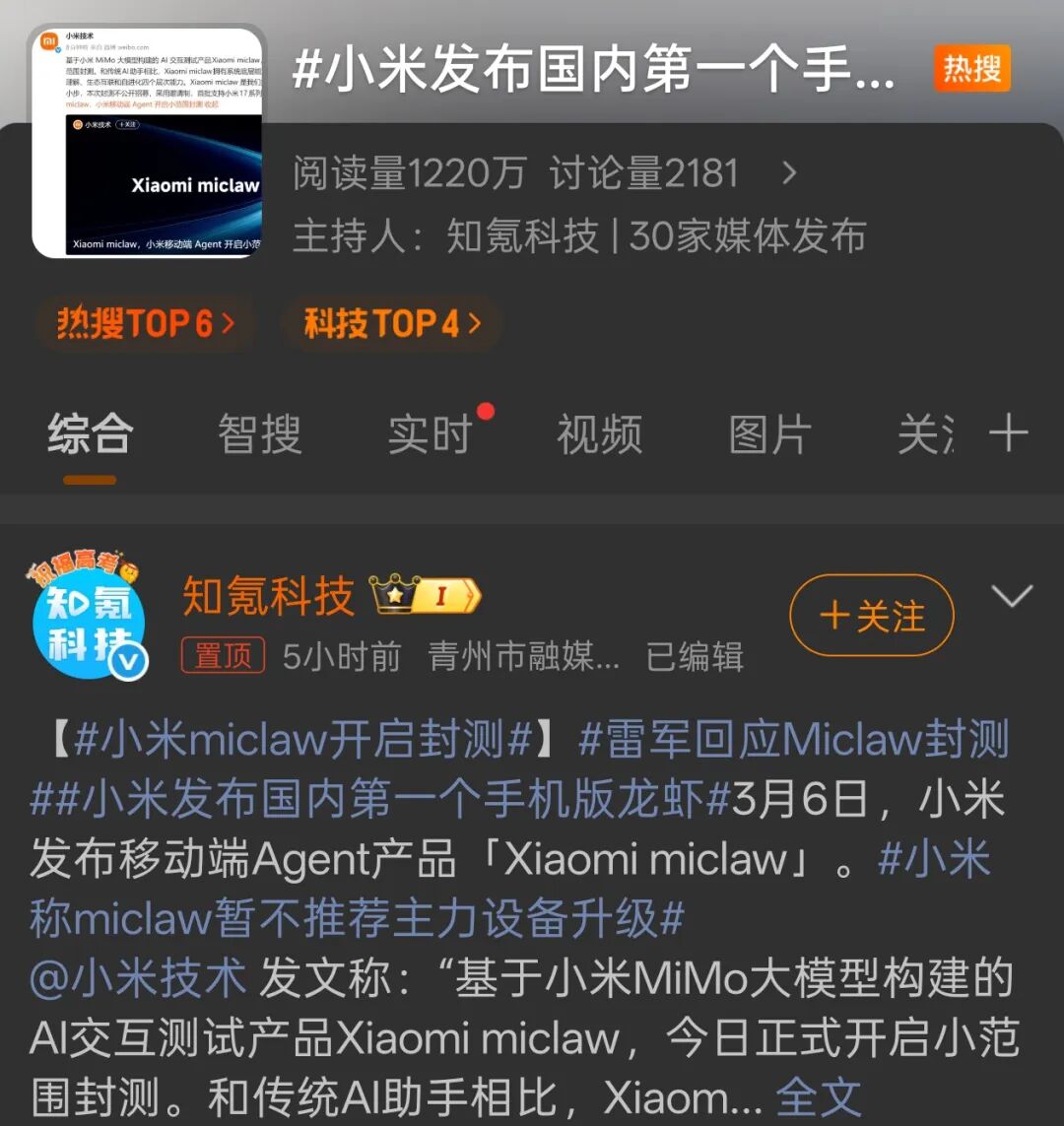
Meanwhile, Xiaomi released the first domestic mobile - version crayfish, kicking off the "Agent wave among mobile phone manufacturers."
Jensen Huang didn't hold back his praise for OpenClaw, calling it "possibly the most important software in history."
Many people suddenly realized that a long - awaited entrepreneurship boom had arrived. Some people use AI to write code and build websites, while others generate short dramas in batches overnight. Some entrepreneurs even said bluntly, "In this era of AI explosion, all Chinese tech people have only one consensus: never fall behind."
An AI dark horse that originated in the United States would never have imagined that Chinese users are now turning OpenClaw into a money - printing machine in the most aggressive way.
People who have reaped the "crayfish dividends" are starting to make money
The first group to benefit from this wave of dividends are those selling the "shovels."
"Door - to - door installation of OpenClaw, 500 yuan per time, with guaranteed learning!"
In March 2026, in a coffee shop in Zhongguancun, Beijing, programmer Xiao Li was showing his "crayfish" installation service to customers. In just one week, he had received more than 30 orders, with an income of over 15,000 yuan.
This is not an isolated case. On platforms like Xiaohongshu and Xianyu, "Door - to - door installation of OpenClaw" has become a popular search term, with prices ranging from 300 yuan to 1000 yuan. Some merchants even put up a sign saying "All - female engineer team, 1200 yuan per time."
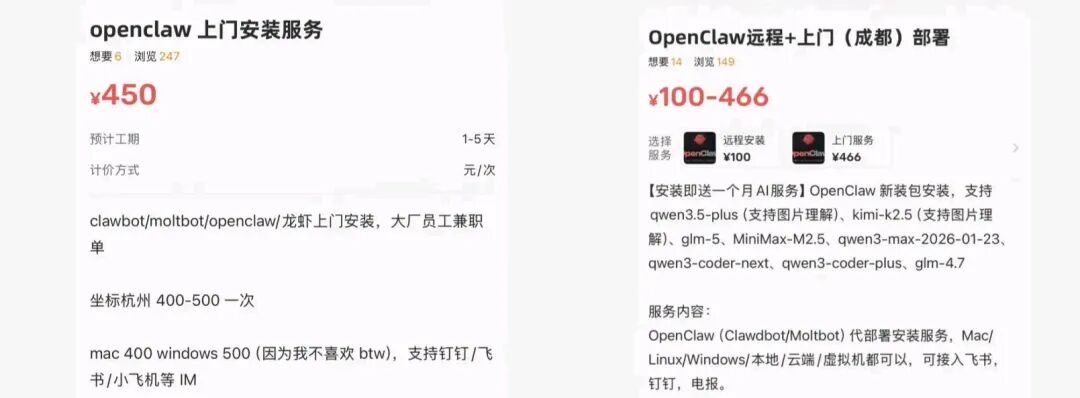
Even more exaggerated, some people are competing in service. In addition to basic installation and debugging, some offer "free problem - solving within 24 hours" and even "door - to - door deployment plus one free cooking service, capable of making all kinds of home - cooked dishes."
The reason for this popularity is that the installation threshold of OpenClaw discourages 90% of ordinary people. It requires a specific version of the Node.js environment, relies entirely on command - line operations, and involves details such as handling daemon processes and opening ports. A single wrong character input can lead to installation failure.
Soon, a second, even more crazy money - making scenario began to unfold.
Some people bought 8 second - hand MacBook Airs, each equipped with an OpenClaw agent, to form an AI team that never sleeps and produce popular content in batches.
Some used OpenClaw to create an arbitrage robot for the Polymarket prediction market, scanning the market every 5 seconds and making a fortune. Some even carried a dozen laptops around the streets, which also triggered a boom in PC sales.
While ordinary people are still struggling with installation, some big shots are already thinking about how to restructure their businesses.
During the Spring Festival in 2026, Fu Sheng, the founder of Cheetah Mobile, completed all the work of a CEO and a team with 8 "crayfish" while in the hospital bed: publishing 6 daily articles on the official account, sending personalized New Year greetings to 611 employees, creating a Twitter post with millions of views, and a short video with over 300,000 views.

Even more crazy, Fu Sheng even launched his own "crayfish" product, EasyClaw, claiming to be "one - click installation in 3 minutes, zero configuration and no need for an API Key."
Another entrepreneur, Wu Bo, the founder of Lashou.com, who is far away in Silicon Valley, directly founded StoryClaw, aiming to create a "hardware - software integrated OpenClaw + Mac mini."
Most people still think of AI as just a tool to be used and discarded. But the big shots have switched to the employee mindset - only with careful nurturing can it grow.
After all, the emergence of the "crayfish" has made more and more people see an unprecedented new possibility:
You don't need to find partners, make heavy - asset investments, or please your boss. All you need is an idea + an executable Agent, and you can start your own company and make your own money.
Even an editor like Brother Dao is counting on his fingers how many years he has left before he can hand over his work entirely to AI.
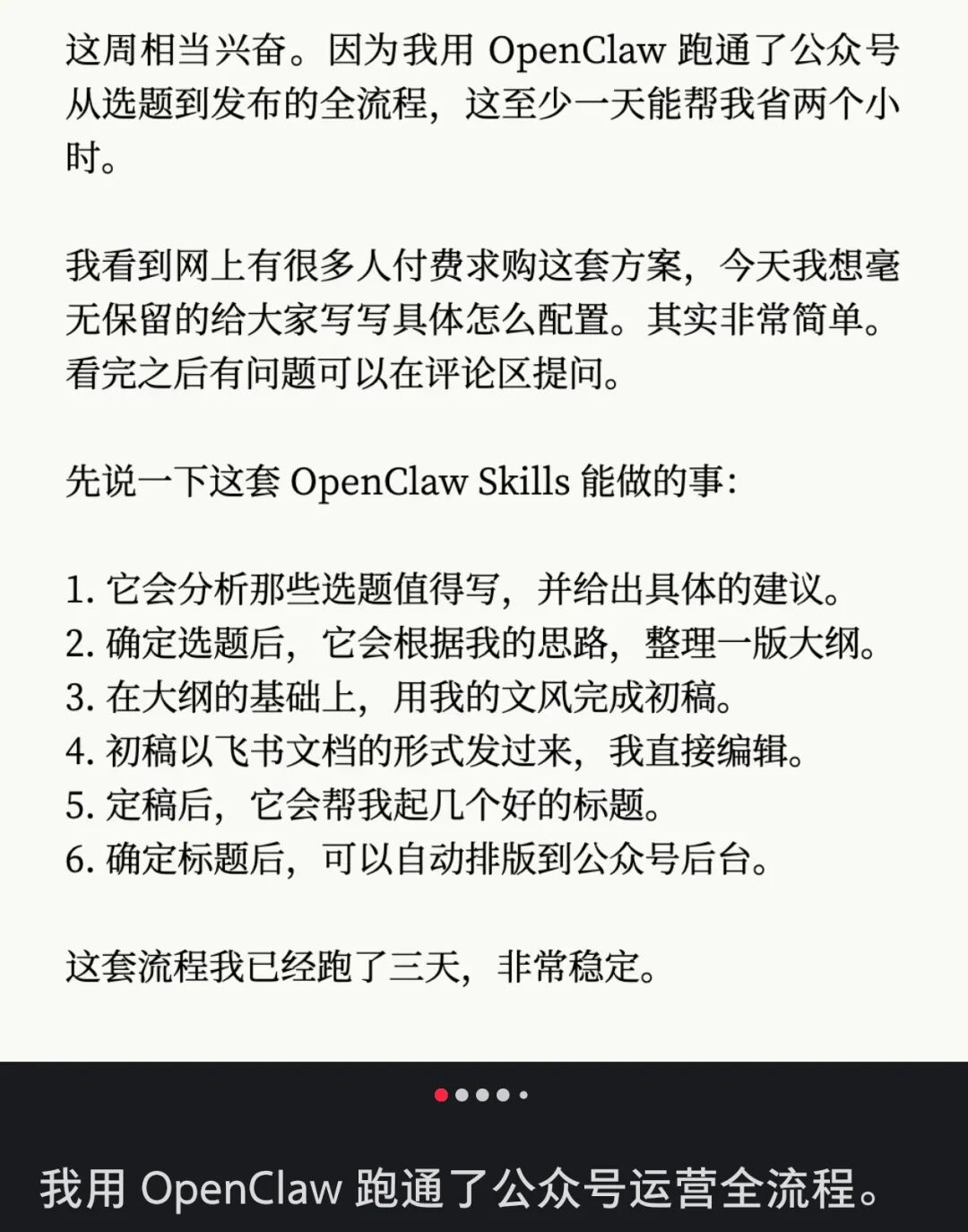
Just as many people are eager to take action, the giants also didn't miss this opportunity, kicking off the third wave of the boom.
On March 6th, Xiaomi officially announced that its mobile - AI agent product, Xiaomi miclaw (the "mobile - version crayfish"), based on its self - developed MiMo large - model, has started a small - scale closed - beta test. This is the first domestic Agent application similar to OpenClaw on mobile phones.
Different from the complex installation required for OpenClaw, Xiaomi miclaw is directly integrated into the mobile phone system. It is built on Xiaomi's MiMo large - model and deeply integrated into the phone's underlying system as a system application, which means it's a fool - proof operation for everyone.
Behind the successive entry of ordinary people and giants is a more profound trend:
AI agents are evolving from geek toys to mass - market tools, and the popularity of installation services is just the prelude.
From Xiaomi to Alibaba, companies are mass - producing "AI employees"
Actually, OpenClaw isn't a brand - new thing. It was popular online two months ago. But many people weren't optimistic about it at that time and even thought it was just a flash in the pan.
Unexpectedly, its popularity not only didn't wane but became even more intense.
Why is OpenClaw so popular? First, we need to understand its revolutionary features.
In the past, AI, whether it was ChatGPT or Claude, was "conversational AI" - you ask, it answers, and it gives you suggestions, but you still have to do the work yourself. OpenClaw completely breaks this convention. It can directly operate your computer, has system privileges, and is on standby 24/7.
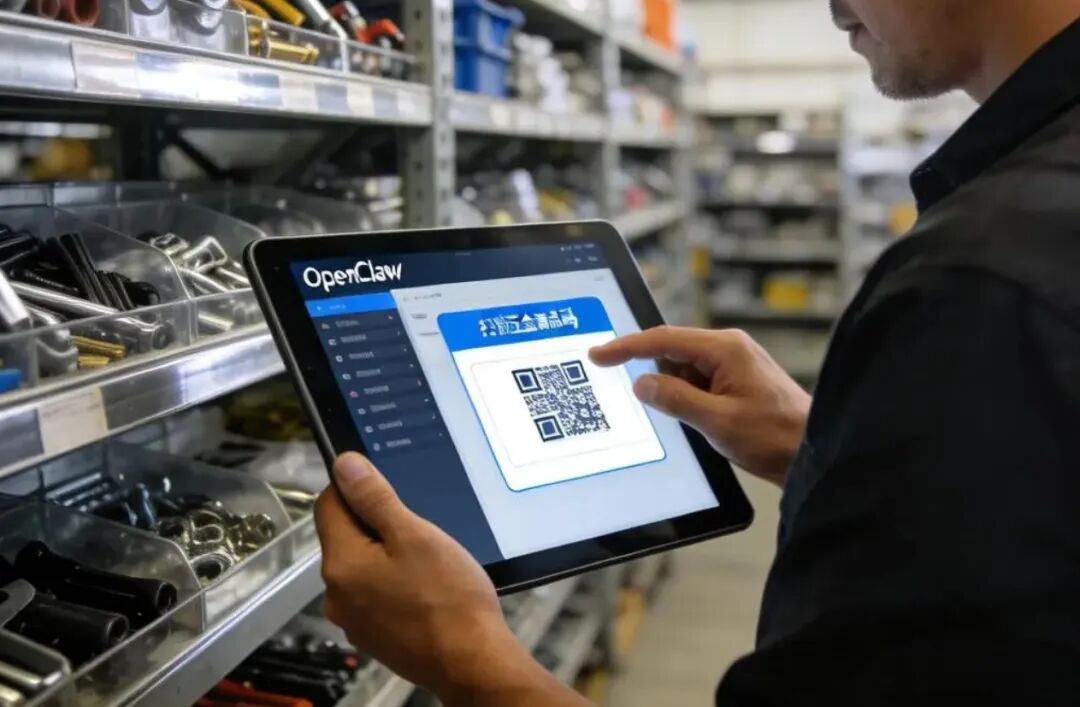
The core difference can be summed up in one sentence: from telling you what to do to doing it for you.
However, if we only consider this aspect, we're still underestimating its potential. What does OpenClaw mean for enterprises? It means a brutal reshuffle of efficiency.
Enterprises that still manage their teams and handle processes in traditional ways will soon be outperformed by competitors armed with AI.
Therefore, the most revolutionary aspect of OpenClaw is that as more and more open - source projects lower the technical threshold, the cost for ordinary people to acquire and use AI agents will approach zero.
Of course, Xiaomi's entry is just the tip of the iceberg. On the AI agent track, the big tech companies aren't idle and each has its own unique strategies.
For example, ByteDance has two core engines: its domestic AI chatbot Doubao and the zero - code agent Coze platform.
Alibaba has established a core strategic pivot. Recently, it unified all its large - model brands under the name "Qianwen" to build a well - structured and highly collaborative AI ecosystem.
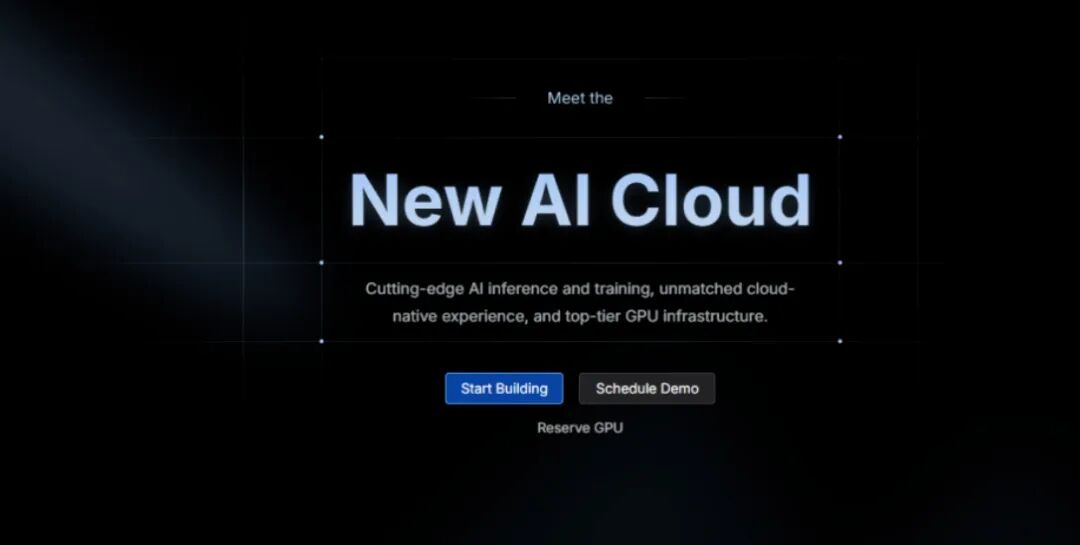
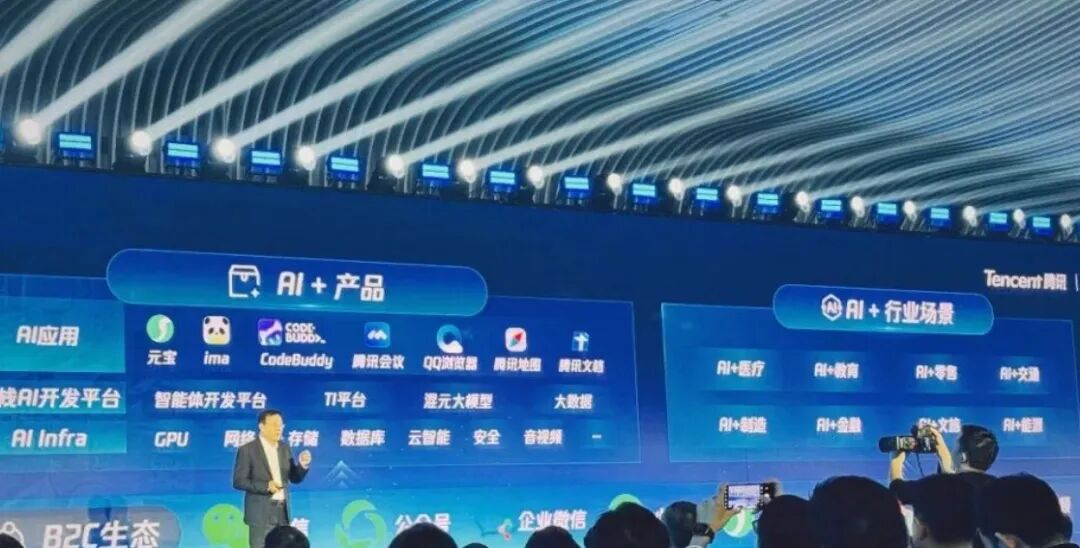
Tencent aims to become the "underlying protocol" in the AI era. It has launched the Tencent Cloud Agent Development Platform (ADP) globally, quietly integrating AI agents into various industries.
These giants understand clearly:
They aren't selling simple installation services; they're selling the future. Because the wealth - creation logic in the AI era has completely changed.
"Raising crayfish" is re - pricing all businesses
Technological progress has always been a double - edged sword.
OpenClaw's dominance is due to its high - level privileges that allow it to access underlying applications. It can freely access your private files, login credentials, and even browsing history.
Network security experts have issued successive warnings that high - privilege agents like OpenClaw are extremely vulnerable to "prompt injection" attacks. Hackers can use just a few hidden commands to turn the AI against you, making it hand over your core business secrets or even post crazily online under your account.
A blogger with the online name "Programmer Brother Ya" on Xiaohongshu revealed the truth: Using OpenClaw without any protection is like letting your data run naked on the Internet.
However, it has to be said that the popularity of door - to - door installation of OpenClaw is just the beginning. 2026 is also a year when the implementation of agents is accelerating.
Looking from the perspective of 2026, we can foresee that in the next 5 - 10 years, as the penetration rate of agents approaches 90%, AI will completely transform from a technological hot - spot to an industrial foundation.
Those who make quick money from door - to - door installation will soon find that this business is disappearing. Because the real players like Xiaomi, Tencent, and Alibaba are building more fundamental platforms and more convenient tools.
By then, the "popularity of door - to - door installation" we're discussing today will just be a short - lived phenomenon in the process of technological popularization, a transitional product between the old and new eras.
And the real war has just begun.
The core of this war is no longer who can create the smartest AI, but who can make AI the most useful.
For example, Xiaomi has a hardware entry point, Tencent has a social ecosystem, Alibaba has an e - commerce scenario, and ByteDance has a traffic matrix. Each company is defining the future of agents in its own way.