Huaqiangbei store visit turns out badly: Similar products and inflated quotes, the glory days of the digital paradise are gone.
Huaqiangbei is located in Futian District, Shenzhen City, Guangdong Province. It starts from Shangbu Middle Road in the east, Huafu Road in the west, Hongli Road in the north, and Shennan Road in the south, with a total area of 1.45 square kilometers.
In various industry articles and documentaries, it is known as the center of China's electronics industry, the starting point of the hardware industry, and the world's centralized sales area for electronics markets. For tech enthusiasts, Huaqiangbei is like a "mythical" legendary place: Here you can find iPhone flagships for 3,000 yuan, phone cases for just a few yuan, and even chips are sold by the catty! There is a wide variety of mobile phones, computers, tablets, drones, etc., and countless headphones, cameras, and graphics cards. You seem to be able to find the latest and trendiest modern consumer technologies here. It is a treasure trove that countless DIY players, repair technicians, and procurement officers from OEM factories dream of.
Last weekend, Xiaolei went to Shenzhen with friends. Taking Line 8, they arrived at this large market full of technological charm. There was only one purpose - a pilgrimage. However, this was the beginning of the collapse of my faith.
High product repetition and lack of new things
(Image source: Lei Technology)
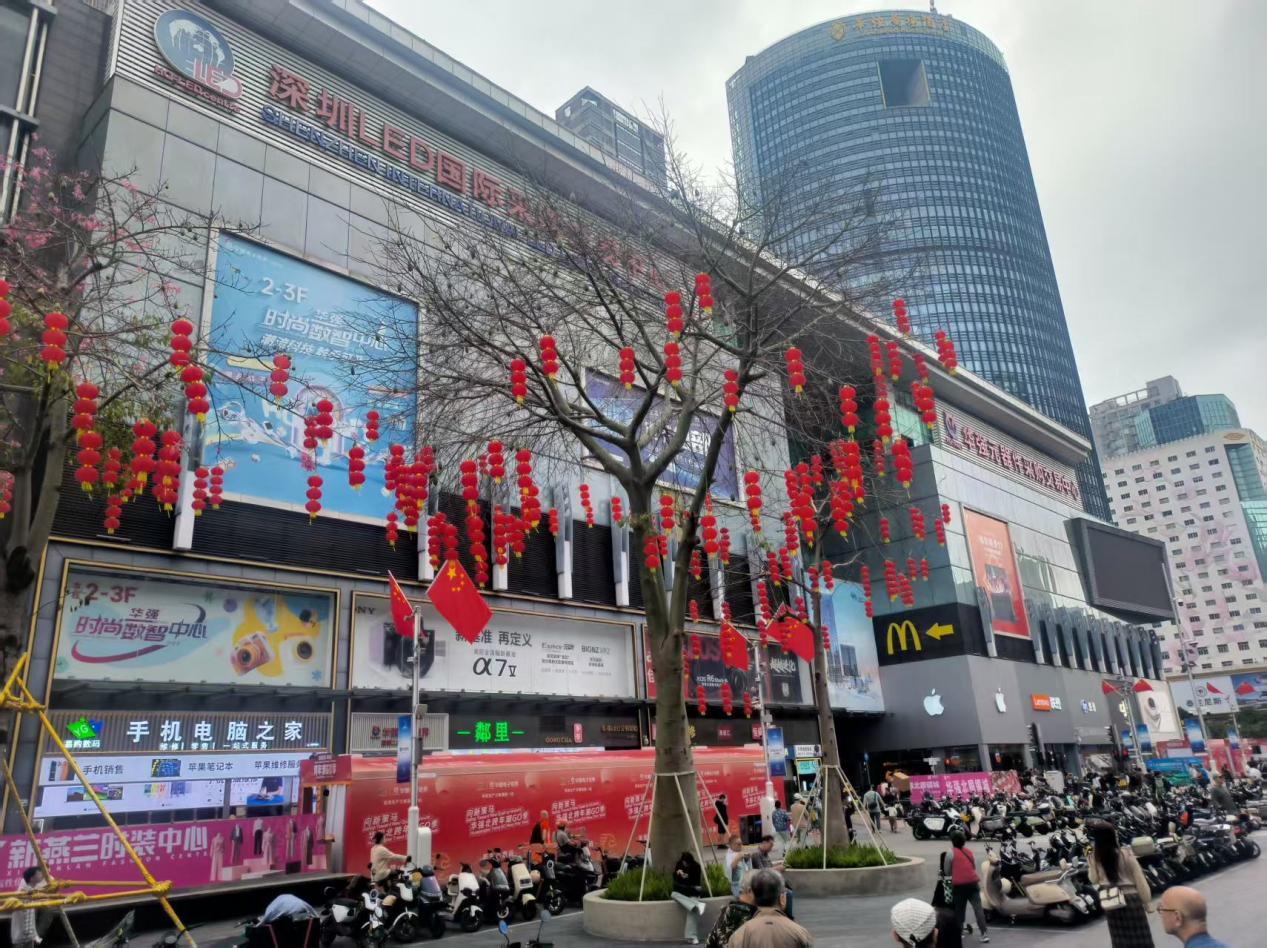
After getting off Line 8, the scenery here is truly spectacular: Super-large shopping malls are neatly arranged, and visitors and staff come and go in an endless stream. Looking around, it really lives up to the saying "full of vitality and all things competing to thrive."
Walking into a market, the first thing you see is a dazzling array of products: Three glass cabinets full of second-hand mobile phones are waiting for your selection; A corridor that seems to have no end, with counterfeit watches, mobile phone accessories, chargers, data cables, wireless headphones, phone cases, and hair dryers on both sides, which is really eye - catching.
But soon this sense of freshness was consumed by the repetitive experiences.
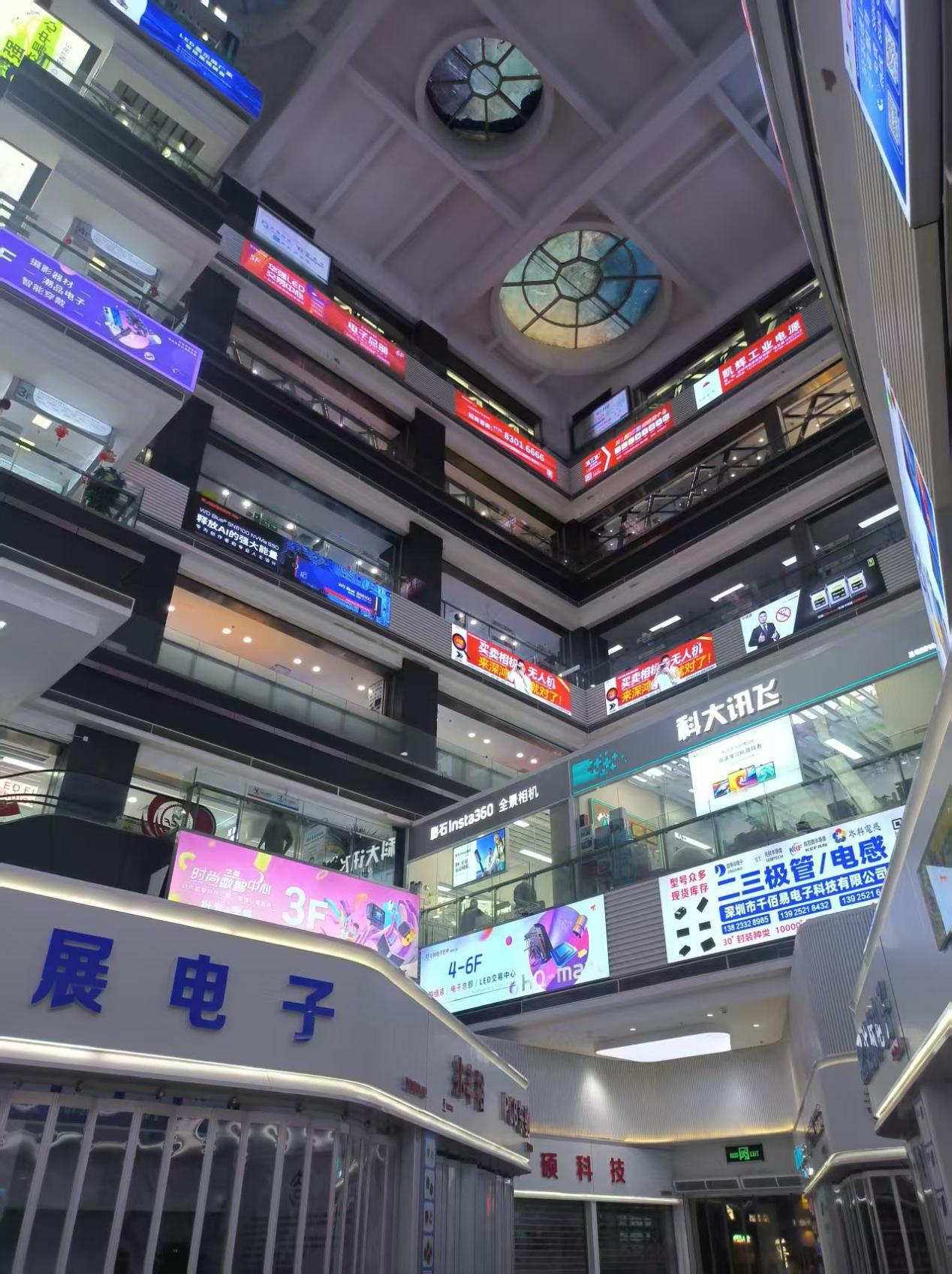
After visiting several phone case stores on three floors, I couldn't see any new products. In all the stalls, it was just the same products being arranged and sold in different combinations. The unique and hardcore tech products I had imagined never appeared.
The mainstream products here are not the hardcore high - tech accessories I imagined, but small accessories with low technology that earn stable profits through bulk wholesale. For ordinary consumers, these things are readily available online, and for tech enthusiasts, there is no fun in exploration.
(Image source: Lei Technology)
Of course, there are also some advanced products such as LED beads, diodes/transistors, and industrial power supplies, but these are things that ordinary consumers have no access to.
(Image source: Bilibili)
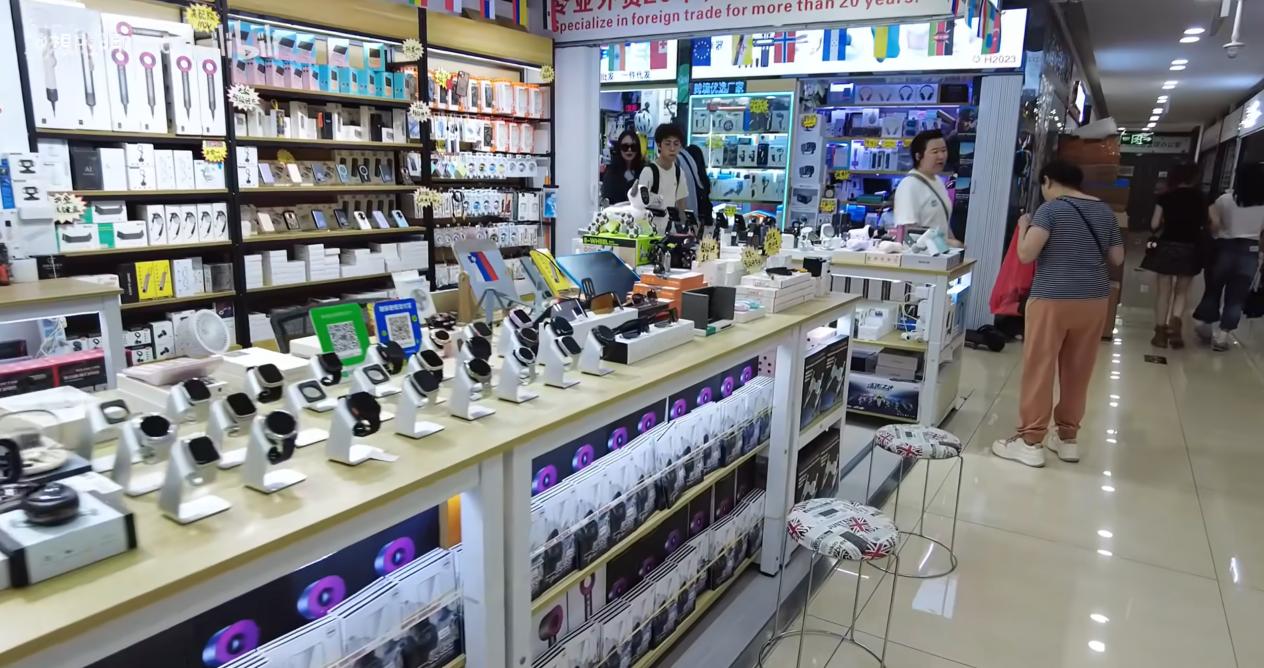
Casually walking into a shop, I picked up a high - imitation Apple Watch. Its appearance was exactly the same as the current genuine Apple Watch. The salesperson beside me introduced: "This watch costs 160 yuan. It can detect heart rate and steps, and can be connected to the phone via the app, with an experience no different from the genuine one." However, when I actually turned on the watch screen, the cheap texture came over me: The frame rate of the window sliding seemed to be only 20 to 30 frames, far from the silky - smooth graphical interface of the genuine Apple Watch. When I opened the settings app to check the device information, as expected, it clearly read: "Android version: 4.1.2". Looking back at the salesperson's face, I seemed to see a hint of embarrassment in her habitual smile.
In some other stalls, there are also brand stores such as Xiaomi, Huawei, and DJI. But without exception, these brand flagship stores are the same as every flagship store you can see in the country, with the same prices and the same quality.
Then why make a special trip here?
Not so attractive market prices
Huaqiangbei also has another name: the distribution center for second - hand mobile phones.
I thought this would be a battlefield for someone like me who knows the ropes, a good opportunity to find a cost - effective device and replace my old device that I had used for three or four years. But the result disappointed me even more.
After communicating with several shop owners, I found that the prices of the products here are not low. In fact, they are even more expensive than those on online platforms.
A two - year - old Redmi K70 with 12GB + 512GB configuration, the merchant actually quoted a high price of 1,400 yuan, while on online second - hand platforms like Xianyu, a 16GB + 512GB model only costs 900 yuan. For an iPad mini 5 that is 7 years old, the merchant dared to quote a shocking price of 1,150 yuan, while on Xianyu, the price is generally in the range of 500 - 600 yuan, almost twice as expensive. The products are also pasted with various labels, such as Aihuishou, Zhuanzhuan, and various private small labels. You don't know how many hands these old products have passed through.
What's even more uncomfortable is their way of quoting prices: Instead of telling you directly, they take out a silent calculator, type in the price, and then turn it around for you to see, just to prevent the surrounding stalls from hearing and gain a price advantage through information asymmetry.
The most important thing is that this is the price I got based on my knowledge of various products. The merchants are very good at "treating customers differently". In the first few sentences of communication with you, they always observe you implicitly or explicitly. At this time, the "information game" has already begun to see if you understand the market, know how to check the device, and are aware of the key parameters.
If they find that you are a novice, the price will be significantly higher.
Xiaolei did a small experiment with a friend who doesn't know much about devices: First, I entered a new stall and actively asked to see a specific model of mobile phone. After getting the phone, I immediately checked the hardware such as the appearance and the lens. At the same time, I asked the merchant about the recycling time, memory configuration, battery cycle times, etc., and then left.
The second time, my friend entered. He just pointed at the same model. After getting the phone, he simply swiped the screen and said, "It feels quite smooth" and also said in the conversation, "This is my first time buying a second - hand phone" and "I don't know much about these parameters", and then left. Later, when we compared the quotes, we found that the price he was quoted was 800 yuan higher than mine!
Not so good service attitude
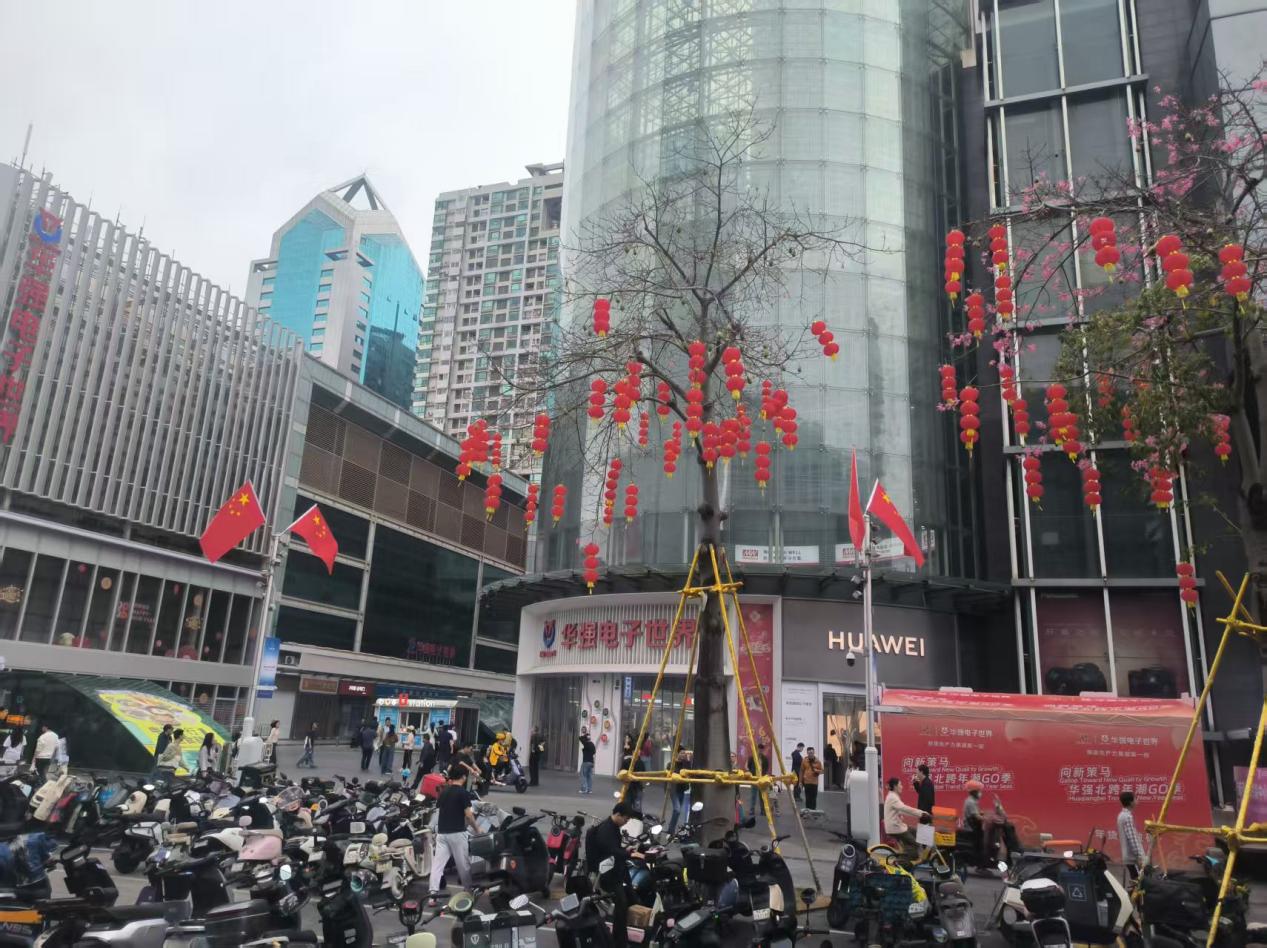
What really made my mood hit rock bottom was the service attitude of the merchants.
(Image source: Lei Technology)
The products such as watches and second - hand mobile phones mentioned above are actually among the few in these shops that respect retail consumers.
Most of the stalls are essentially wholesalers. Especially for products like phone cases and data cables, when you ask about the price, they will instead ask you how many you are going to buy. When they hear that you only want to buy one, their attitude will immediately turn cold.
What's even worse, some stalls directly put up signs saying "Only for foreign trade/wholesale, for display only, no retail". In some stalls specializing in foreign trade, you can even see that the merchants give priority to serving foreign - speaking customers and ignore ordinary domestic consumers.
The gap between ideal and reality
This series of gaps made me realize that Huaqiangbei is not the "digital amusement park" I imagined, where you can always see new products and low prices.
It is no longer a market for "ordinary consumers" like me.
It is now more like a node in the supply chain, a wholesale trading market, and a platform for commercial and corporate users. It may truly be of great value to entrepreneurs, repairers, and distributors.
For us ordinary consumers, this place has no price advantage, no product scarcity, and no service advantage. Buying accessories, new products, or second - hand products here is far inferior to online platforms.
It cannot be denied that the retail end of Huaqiangbei was once prosperous. In the era when the Internet was not as developed as it is now and feature phones and counterfeit phones were everywhere, this was almost the most active area in China's electronics industry. Many domestic brand giants started from here.
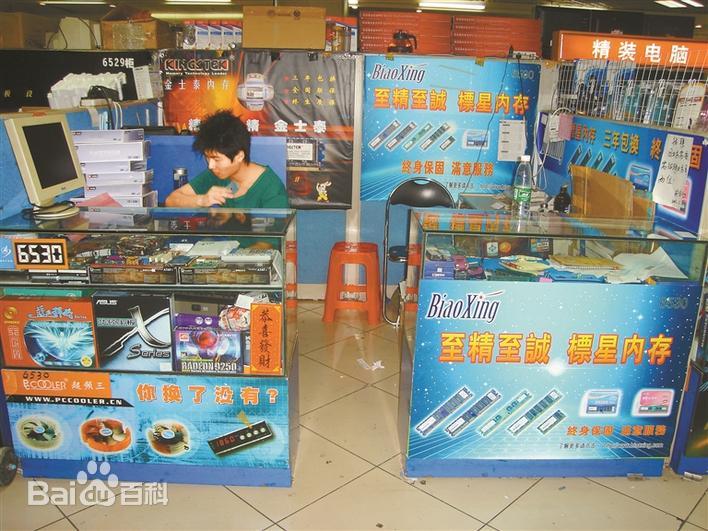
(Image source: Baidu)
Now, with the highly developed e - commerce platforms and extremely transparent prices, the core value of Huaqiangbei has shifted from the "retail market" to the "industrial node". Its significance at the industrial level is irreplaceable.
If you come to Huaqiangbei for a visit, don't come here with the imagination of hunting for and being curious about digital products like Xiaolei did. Otherwise, you will only leave disappointed.
(Image source: Baidu)
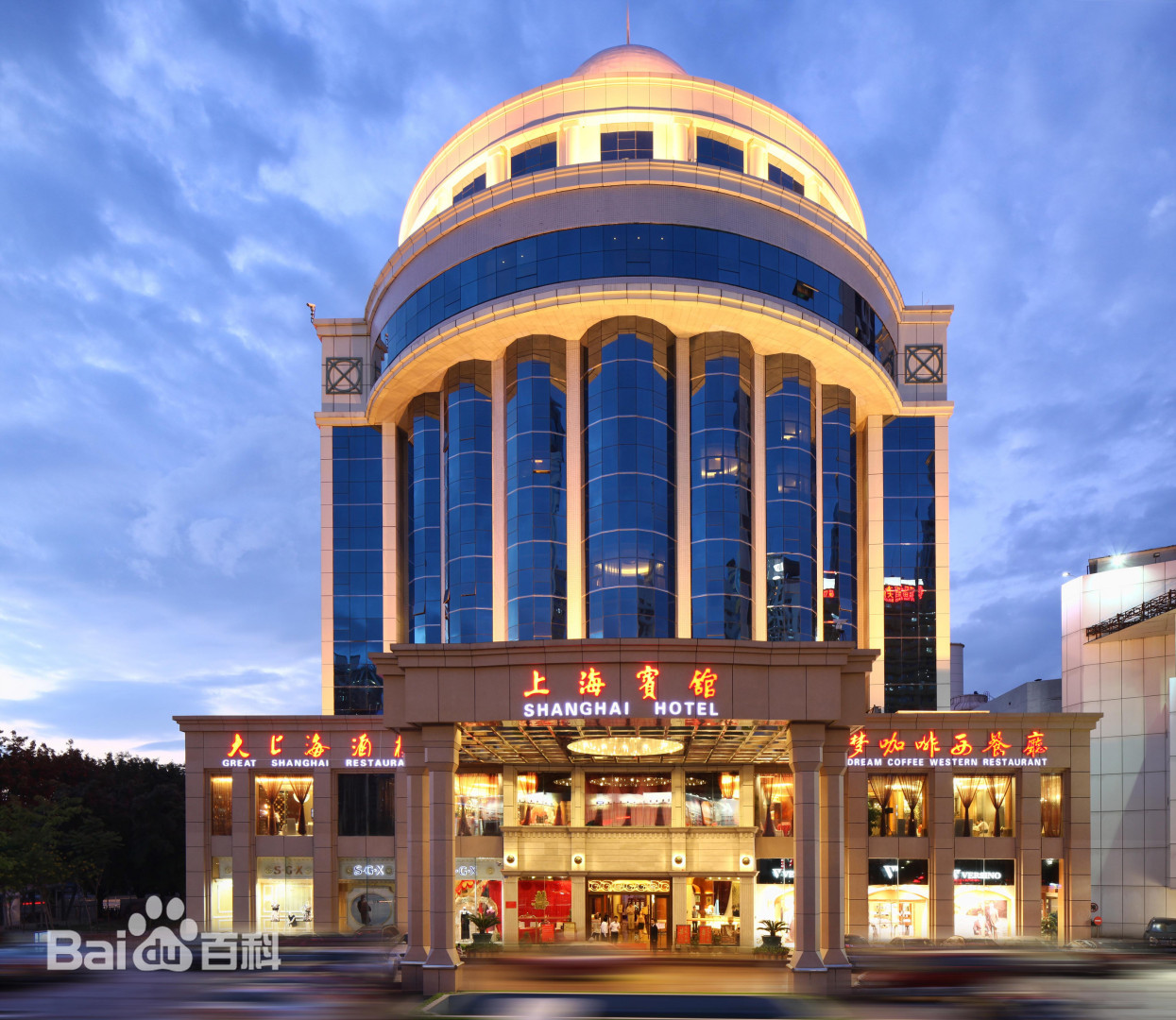
On the contrary, if you come to visit the local tech attractions, this place will definitely satisfy your eyes. The Huaqiangbei Pedestrian Street, full of a strong trendy atmosphere and featuring theme performances such as cosplay, singing, hip - hop dance, and guitar playing, the Shanghai Hotel, the top of the ten historical buildings symbolizing the origin of Shenzhen's development, and the Tencent Origin Museum, which started from a more than 30 - square - meter space, are all excellent places not to be missed. You can deeply feel the development and changes of China's electronics industry over the past forty - odd years in these places.
This article is from the WeChat official account "Lei Technology" and is published by 36Kr with authorization.