On - site at MWC 2026: The "Chinese Moment" of Physical AI Has Arrived
Looking back at the MWC over the past decade, the roles of Chinese enterprises have undergone several significant transformations.
From the "going global" around 2015, to the "5G leadership" from 2018 to 2020. Then, from 2022 to 2024, the industry focus shifted to the "large - model competition". Companies such as Baidu, Alibaba, Huawei, and iFlytek successively launched their own large - model products and participated in the global AI technology wave triggered by ChatGPT.
At the 2026 MWC, the new keyword has gradually become clear, which is Physical AI.
In early March 2026 in Barcelona, the wind from the Mediterranean still carried a bit of chill, but the enthusiasm inside the Fira Gran Via Convention Center reached a high point in the past decade.
The Mobile World Congress (MWC), regarded as the "barometer" of the industry, has significantly changed its narrative focus this year. The conference is organized around six sub - themes: Intelligent Infrastructure (laying a solid foundation), ConnectAI (making the network smarter), AI4 Enterprise (enabling enterprises to utilize AI), AI Nexus (exploring the boundaries of AI), Tech4 All (ensuring benefits for all), and Game Changers (defining the next era). It attempts to build a complete AI industry narrative chain, starting from the underlying infrastructure and network capabilities, extending to industrial applications, technological boundaries, social governance, and the imagination space for the next technological cycle.
In the past, the technological evolution centered around "connection" has been replaced by "intelligence", which has more practical implementation significance.
In this continuously unfolding industrial roadmap, one change is particularly significant, that is, Chinese enterprises are becoming an important force.
Data shows that more than 350 Chinese enterprises participated in this MWC, becoming one of the largest contingents after Spain and the United States. Importantly, these enterprises cover almost the entire AI industry chain, from computing power bases, network connections, chips, industry solutions to new - type terminals and complete robot units.
If in the past few years, the roles of Chinese enterprises at the MWC were more of "communication equipment suppliers" and "high - cost - performance terminal manufacturers", then the change this year is that when AI truly breaks away from the screen and enters the physical world, "Made in China" is achieving a "breakthrough across the entire industry chain" in the field of Physical AI.
The "Chinese moment" of Physical AI has arrived.
1
Chinese Enterprises Flock to MWC,
A "Great Explosion of AI Terminal Species"
The most intuitive feeling when entering the 2026 MWC is that there are more moving things.
In multiple exhibition halls, robots, movable terminals, smart glasses, and AI hardware emerge in an endless stream. Many devices are no longer just traditional electronic products composed of screens and chips. Instead, they are equipped with sensors, actuators, and spatial understanding capabilities, and can react and act in real environments.
In other words, AI is getting a "body".
In this change, Chinese enterprises have almost become the most active explorers.
Near the entrance of Hall 6, the booths of Chinese robot companies became one of the most crowded ones.
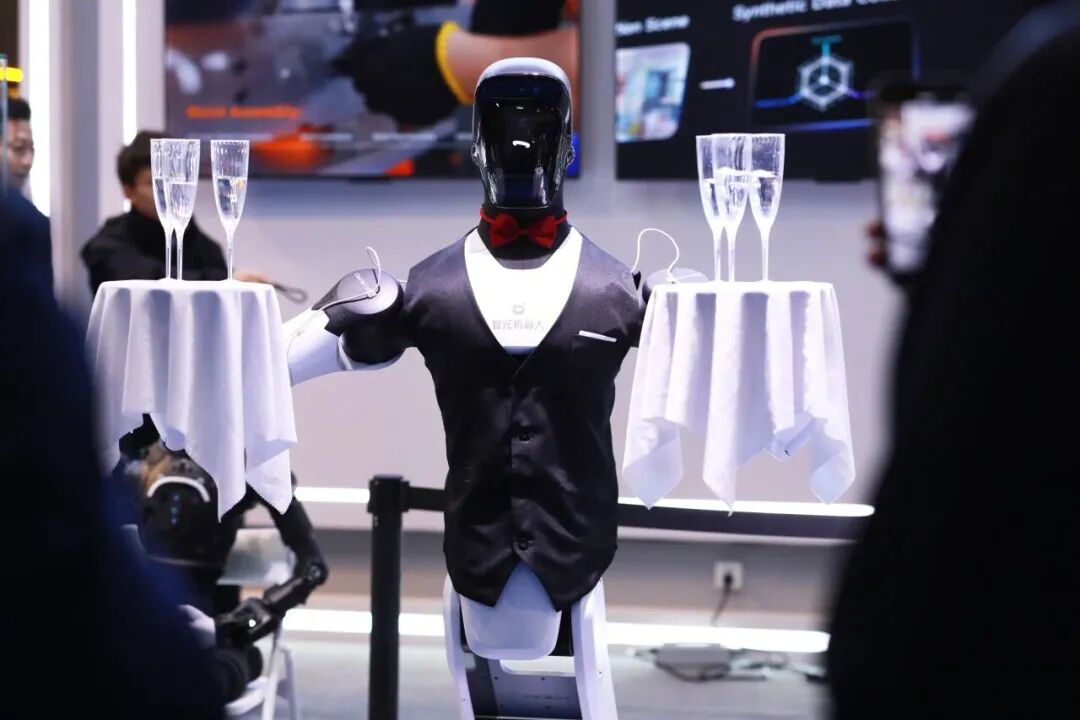
ZhiYuan Robotics brought a variety of embodied intelligence products, including the A2 series of humanoid robots, the small robot X2, the quadruped robot D1, and the dexterous hand OmniHand. These products are mainly targeted at B - end scenarios such as retail, manufacturing, and logistics, demonstrating the robots' operational capabilities in complex environments.
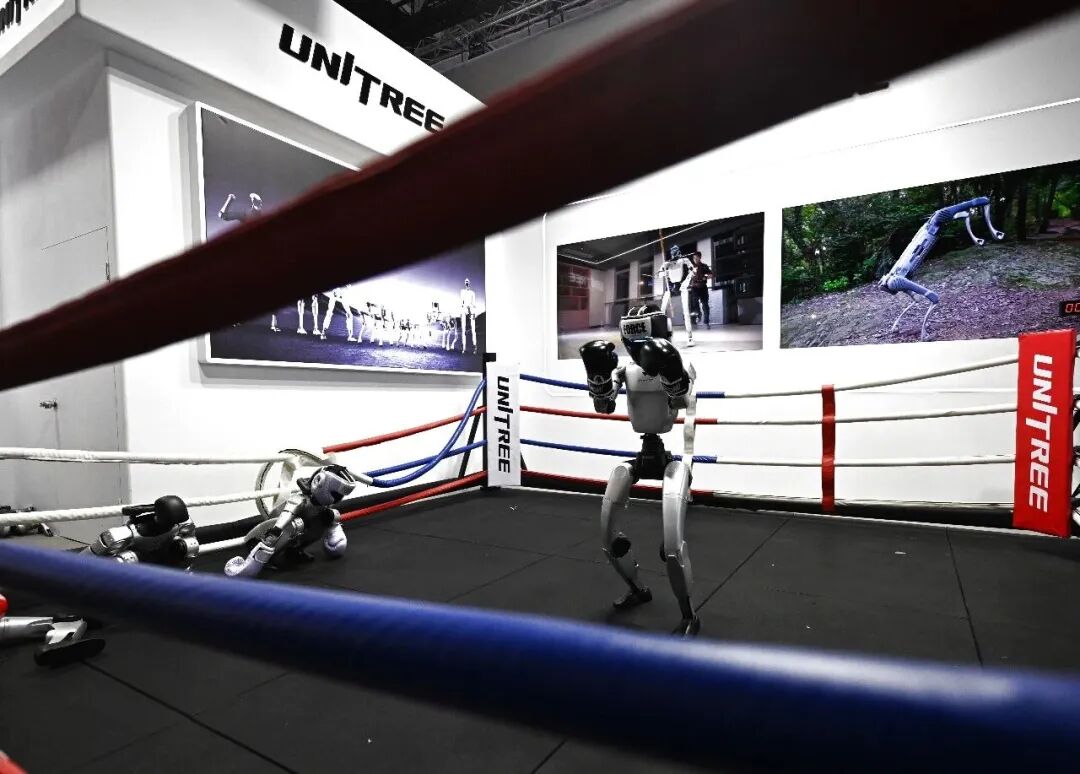
Another star robot company, Unitree Robotics, demonstrated the G1 humanoid robot, showing its motion control ability through high - dynamic movements. In the on - site demonstration, this robot can complete high - speed walking, balance actions, and complex posture switching.
Meanwhile, enterprises such as Magic Atom, Beijing Humanoid Robot, and Chengdu Humanoid Robot also brought their own humanoid and quadruped robot products.
If we look back at the past few years, humanoid robots mostly appeared in laboratories or technology demonstrations. However, at the 2026 MWC, these robots have started to be designed around real scenarios. From industrial inspections to warehouse handling, from service robots to home companion devices, a group of robot enterprises are trying to make AI truly participate in the production and services of the physical world.
This change not only appears in the robot field but also begins to penetrate into traditional consumer electronic terminals.
Among all terminal products, one of the most eye - catching innovations comes from the Chinese mobile phone manufacturer Honor. Honor released the world's first "Robot Phone" at the MWC. The biggest feature of this phone is that a micro - motor and a four - degree - of - freedom gimbal system are added to the traditional phone structure, enabling the camera module to move like a small robot's head. With this structure, the phone can not only automatically track the shooting object but also interact with users through AI, such as nodding, shaking the head, and even simulating "dancing" actions.
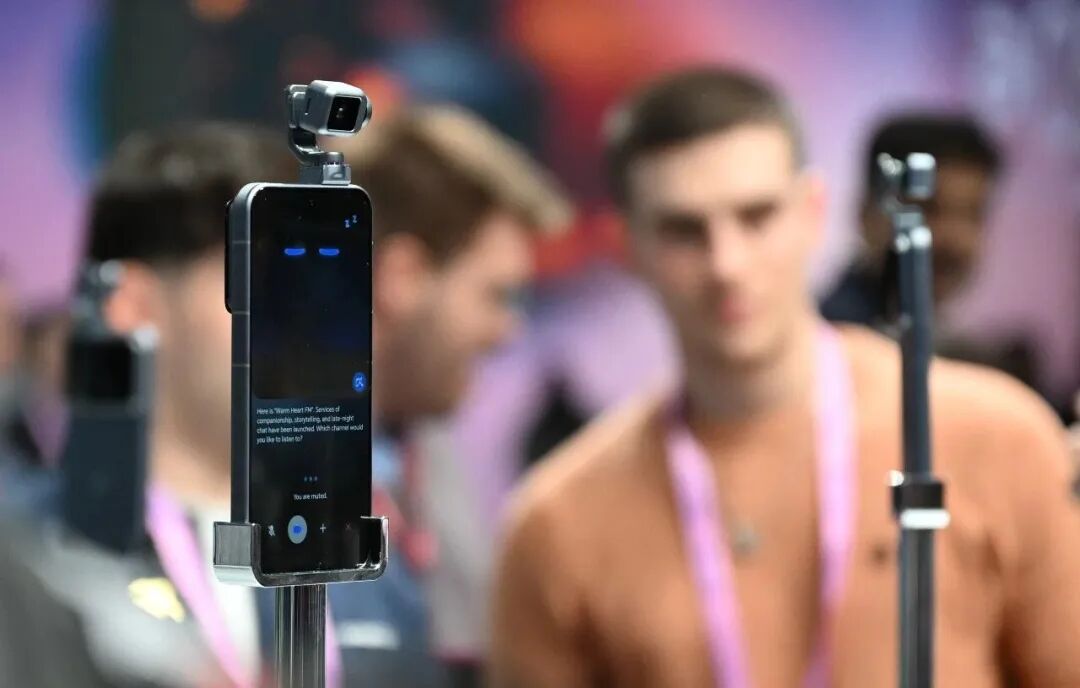
Honor calls this design a "new - species phone". Its core logic is not just to enhance shooting stability but to enable the terminal to have active perception and expression abilities. To some extent, this is an attempt to introduce the robot concept into consumer electronics.
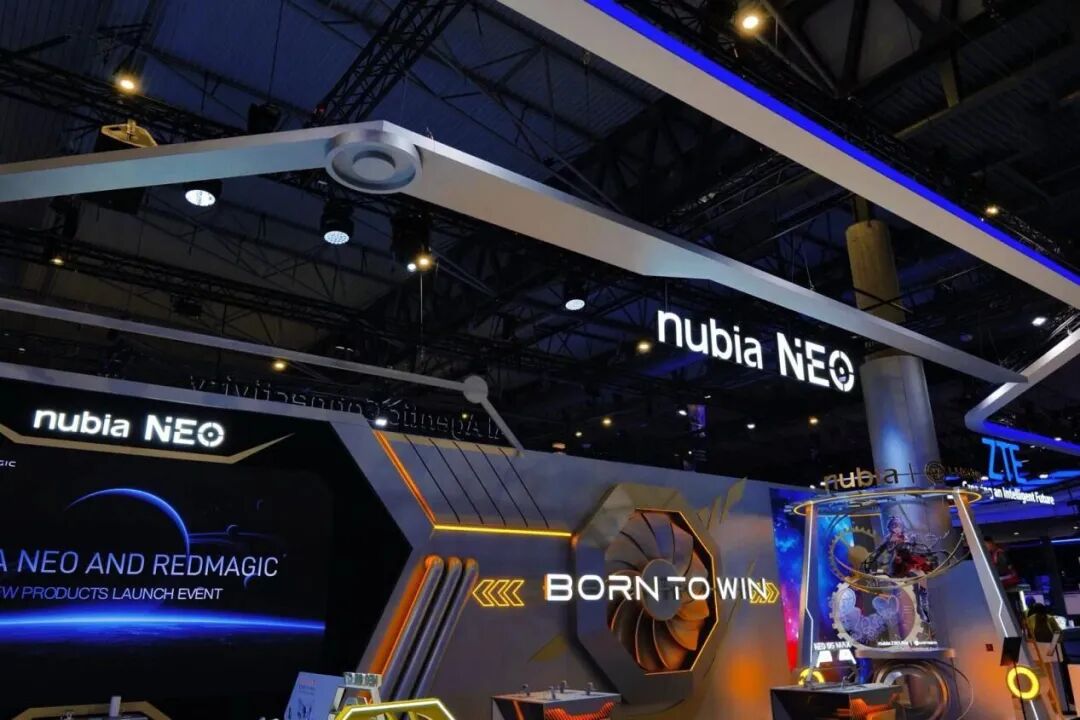
In addition to Honor, many other Chinese manufacturers also demonstrated new forms of AI terminals. For example, ZTE demonstrated the Nubia smartphone integrated with an AI assistant, realizing cross - application intelligent agent interaction through in - depth integration of large models.
Companies such as Alibaba, iFlytek, and Timekettle brought AI glasses, AI earphones, AI translation devices, and a variety of smart hardware products, trying to embed AI capabilities into daily - used devices.
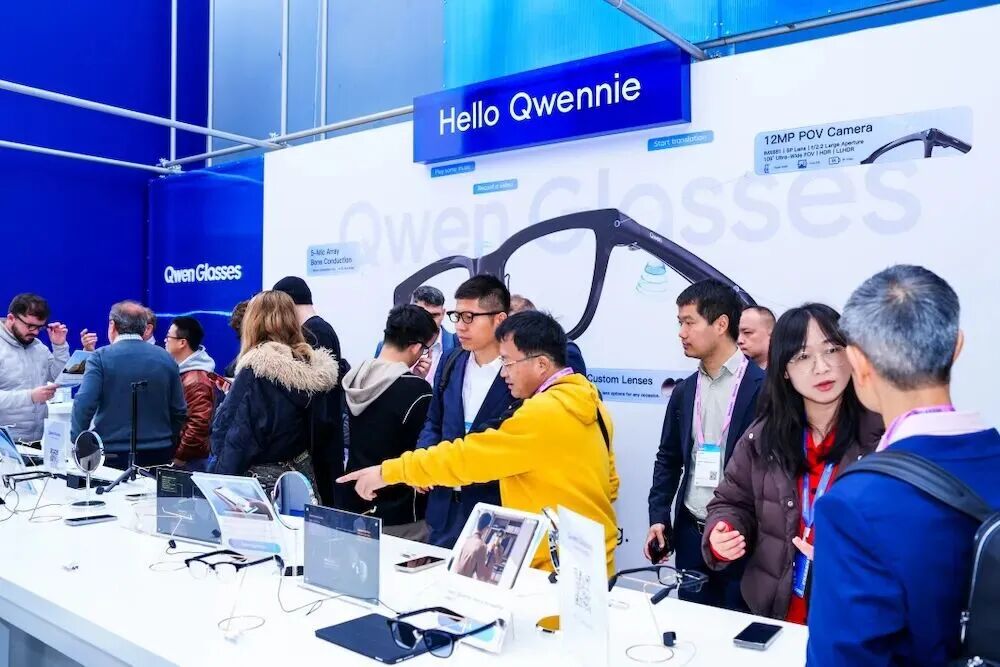
From an industrial perspective, a clear signal at the 2026 MWC is that AI terminals are experiencing a "species explosion".
Mobile phones, robots, wearable devices, cars, and industrial equipment are gradually becoming the "bodies" of AI. In this new competition of terminal forms, Chinese enterprises are forming a highly active and rapidly iterative innovation ecosystem.
2
The Chinese - Style Infrastructure That Enables AI to Truly Grow "Hands and Feet"
The concentrated appearance of terminals and robots is just the most intuitive and easily perceptible phenomenon at the MWC. The deeper change is that the global technology industry is reorganizing the entire intelligent infrastructure around the systematic requirements of "Physical AI".
Taking a walk around the exhibition hall, one can find an obvious trend: The content released around AI is no longer limited to model capabilities or specific applications but is increasingly concentrated on the construction of "base capabilities". Computing power infrastructure, communication networks, cloud architectures, and industry solutions are systematically presented together.
Behind this change is a structural transformation in the computing model.
In the past decade, the computing model of the mobile Internet was highly centralized. Whether it was search, social media, or video applications, most of the computing took place in remote data centers. User terminals were only responsible for information collection and result display, and the cloud end undertook all complex computing tasks.
However, when AI starts to enter the physical world, this architecture quickly exposes its bottlenecks. Dynamic obstacle avoidance of robots in complex environments requires millisecond - level response. Real - time control of industrial equipment depends on deterministic low - latency connections. Vehicle - road coordination and remote control require stable end - to - end communication. These intelligent requirements from the physical world can hardly tolerate the delay and uncertainty caused by the round - trip to the cloud.
Therefore, a new computing power structure, cloud - edge - end collaborative computing, has emerged. The cloud end is responsible for large - scale training and global intelligence. Edge nodes undertake real - time reasoning and data processing, while terminal devices have basic perception and execution capabilities. The coordinated operation of these three components constitutes the computing system in the era of Physical AI. One of the core topics at the 2026 MWC is the global enterprises' layout of computing power and networks around this architecture.
In this round of infrastructure reconstruction, the presence of Chinese enterprises is particularly active.
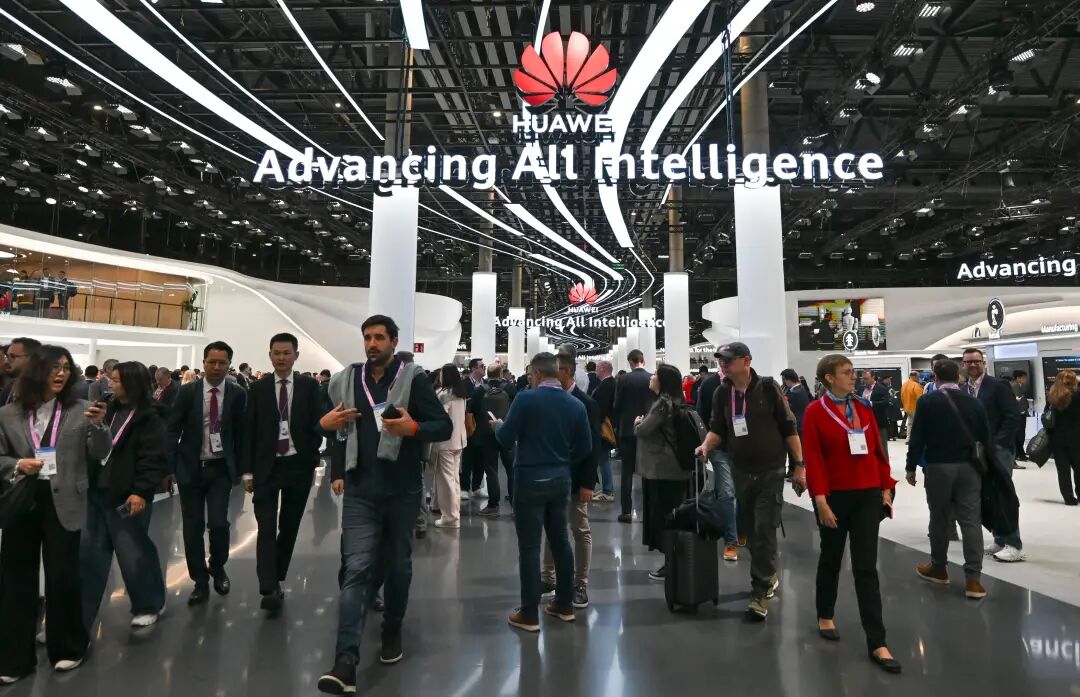
At this MWC, Huawei for the first time released overseas a new - generation AI computing solution, SuperPoD, to support the training and reasoning requirements of embodied intelligence large models and multi - modal physical world models. It also proposed the AgenticCore intelligent agent network architecture for the AI era, aiming to upgrade the traditional communication network into an intelligent operating platform that can support large - scale AI applications, thus connecting the entire link between the cloud brain and the terminal body.
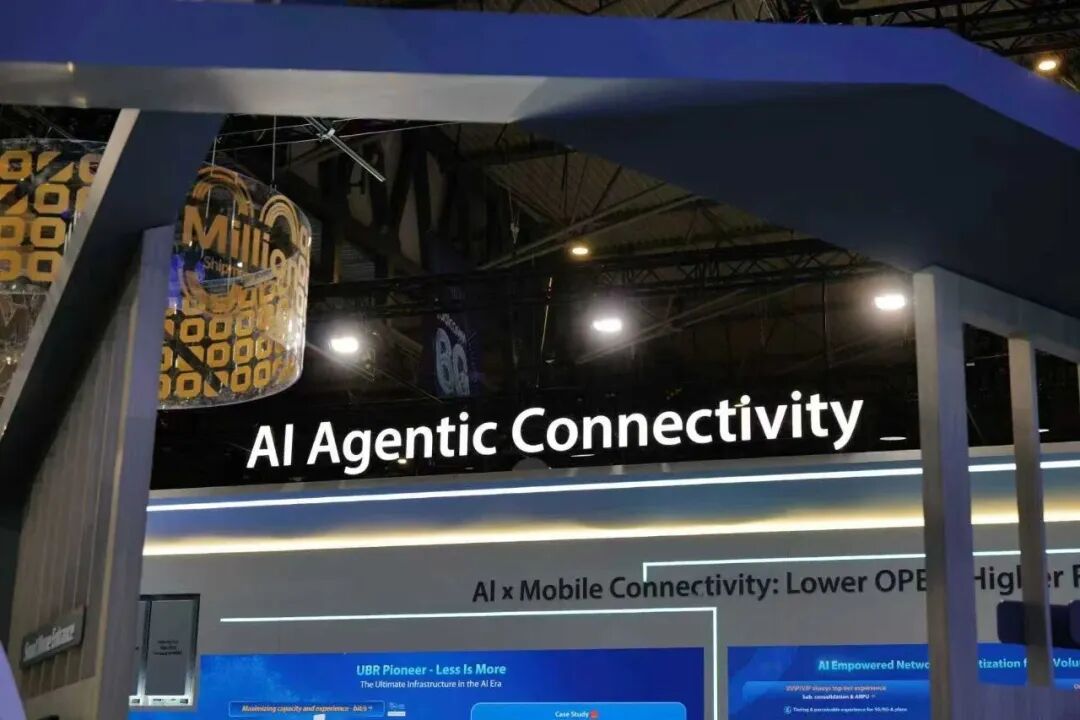
ZTE demonstrated a complete system of in - depth integration of AI and ICT, including AI - native networks, AI computing power platforms, and a full range of intelligent terminal products. The "AI Agentic Connectivity" system it released deeply embeds AI capabilities into the network architecture, realizing dynamic scheduling and self - optimization of network resources through the intelligent agent concept, enabling the network to have the ability to autonomously adapt to the business requirements of Physical AI.
If Physical AI is compared to a living being, then computing power is the brain, the terminal is the body, and the network is the nervous system running through the whole body. Only when these three are deeply coordinated can AI truly "come alive" in the physical world.
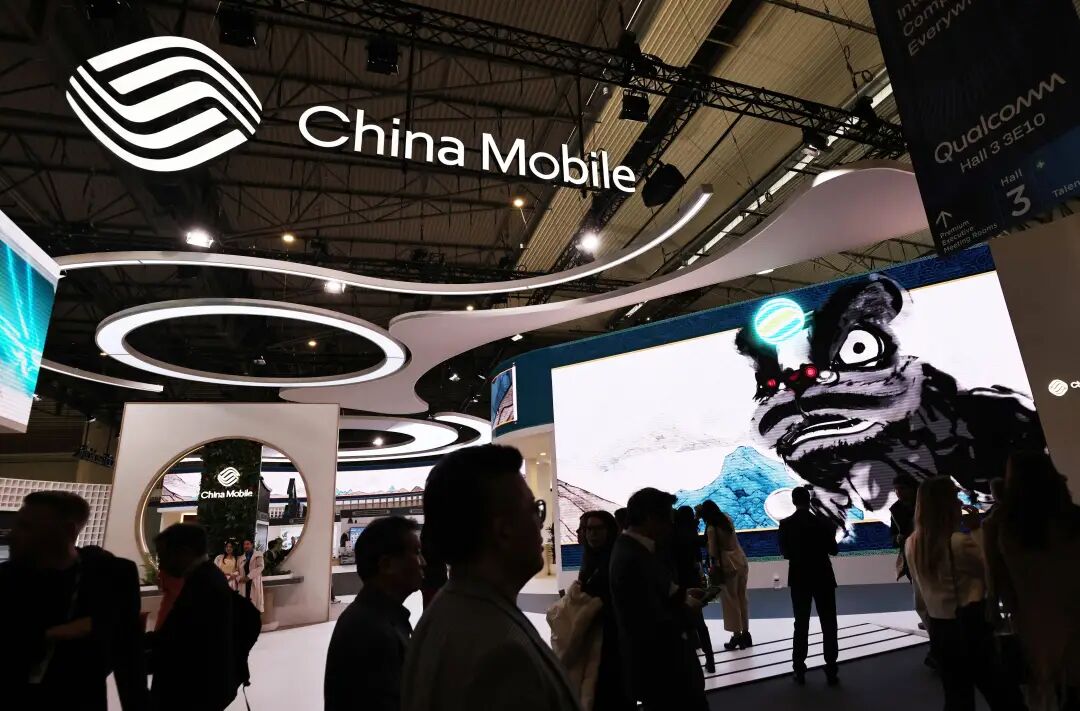
At the connection level, operators are promoting this transformation. During the 2026 MWC, China Mobile, China Telecom, China Unicom, and GSMA jointly launched the "Mobile AI Innovation Initiative", aiming to promote the in - depth integration of AI capabilities and mobile communication networks. This initiative focuses on edge intelligence, cloud - network coordination, and secure and trustworthy AI network infrastructure, attempting to upgrade the communication network from a "data channel" to an "AI platform".
It is worth noting that this transformation does not start from scratch. The continuous promotion of communication infrastructure construction in the past decade has provided China with a unique technological foundation.
As of early 2026, China has built more than 4 million 5G base stations, forming the world's largest 5G network and user group. The vast network coverage and large user scale have made China the world's largest test field for the mobile Internet and provided a real application environment for the new - generation AI network.
The long - term accumulation of Chinese enterprises in the field of communication infrastructure over the past two decades has given them a natural generational advantage in this round of AI infrastructure reconstruction. This will accelerate the evolution of China's communication network from a traditional connection infrastructure to an AI infrastructure. In the future, the network will not only be responsible for data transmission but also undertake the functions of computing power coordination and intelligent scheduling.
This advantage instead constitutes the basic condition for the development of Physical AI. When these bases gradually mature, AI entering the physical world is no longer just a technological vision but an emerging industrial trend.
Another key ability that promotes this trend to truly achieve large - scale development is manufacturing and the supply chain.
3
Made in China,
Enables AI to Quickly Have "Iron Bones"
On the MWC exhibition stands, many people see the movements of robots, the forms of terminals, and the demonstration videos on the screens. However, what really determines the competitive landscape of Physical AI is often the things that are invisible.
Behind a humanoid robot, there is a need for high - precision servo motors, lightweight structural parts, high - density batteries, multi - dimensional sensors, edge computing chips, and a manufacturing system that can quickly iterate and combine these components. Only when these links form a complete and efficient industrial chain can robots be transformed from laboratory products into industrial equipment that can be deployed on a large scale.
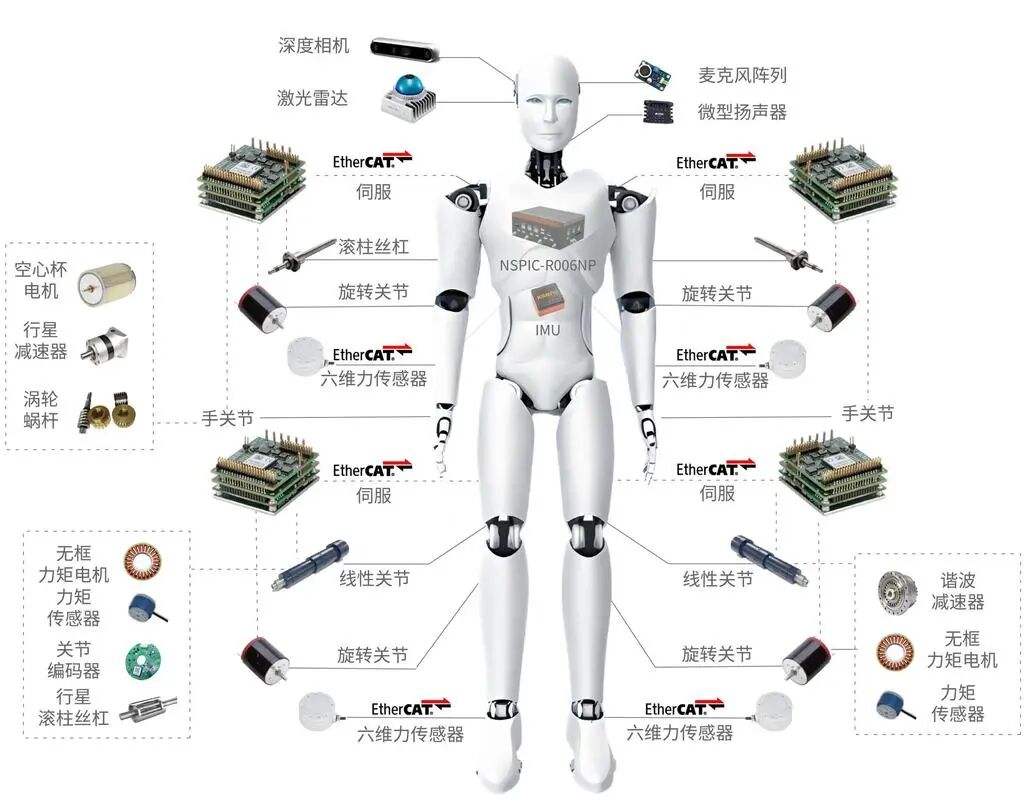
All of these happen to be available in the Chinese market.
Taking ZhiYuan Robotics as an example, the localization rate of its core components has exceeded 70%. From the drive modules of the dexterous hand to the structural parts of the torso, a large number of key components are supplied through the precision manufacturing systems in the Yangtze River Delta and the Pearl River Delta. This highly mature industrial collaboration enables the enterprise to significantly reduce costs while maintaining performance and promote product iteration at a faster pace.
The development path of Unitree Robotics also reflects similar