Chinese and foreign giants are flocking to satellite communication. A hardcore on-site report from MWC26: How far are we from "Space 5G"?
MWC26 officially kicked off on March 2nd, and the reporting team from Lei Technology has already arrived at the scene. Reporter Lei visited multiple booths at the MWC exhibition hall in Barcelona, Spain, and has been reporting on the technologies and products showcased by various brands in the past few days.
As a communication exhibition, the highlight of MWC has always been the latest and most cutting - edge communication technologies. At this year's MWC, satellite communication is an important part. Compared with traditional terrestrial communication, satellite communication is more mysterious and novel. Let's take a look at what kind of communication world future satellite technology will bring.
SpaceX Shows Its Strength, and the Second - Generation Starlink Is Fully Upgraded
Starlink is one of the most successful business projects of Elon Musk after his entrepreneurship. The large number of satellites launched by SpaceX have successfully built a high - speed space network. Most people are most familiar with the "Starlink Terminal" officially launched for using Starlink services. It can be understood as a router that can connect to space satellites, allowing devices such as mobile phones and PCs to connect to the network via Wi - Fi. This kind of space Internet service is most suitable for meeting the Internet needs in areas with incomplete terrestrial network coverage.
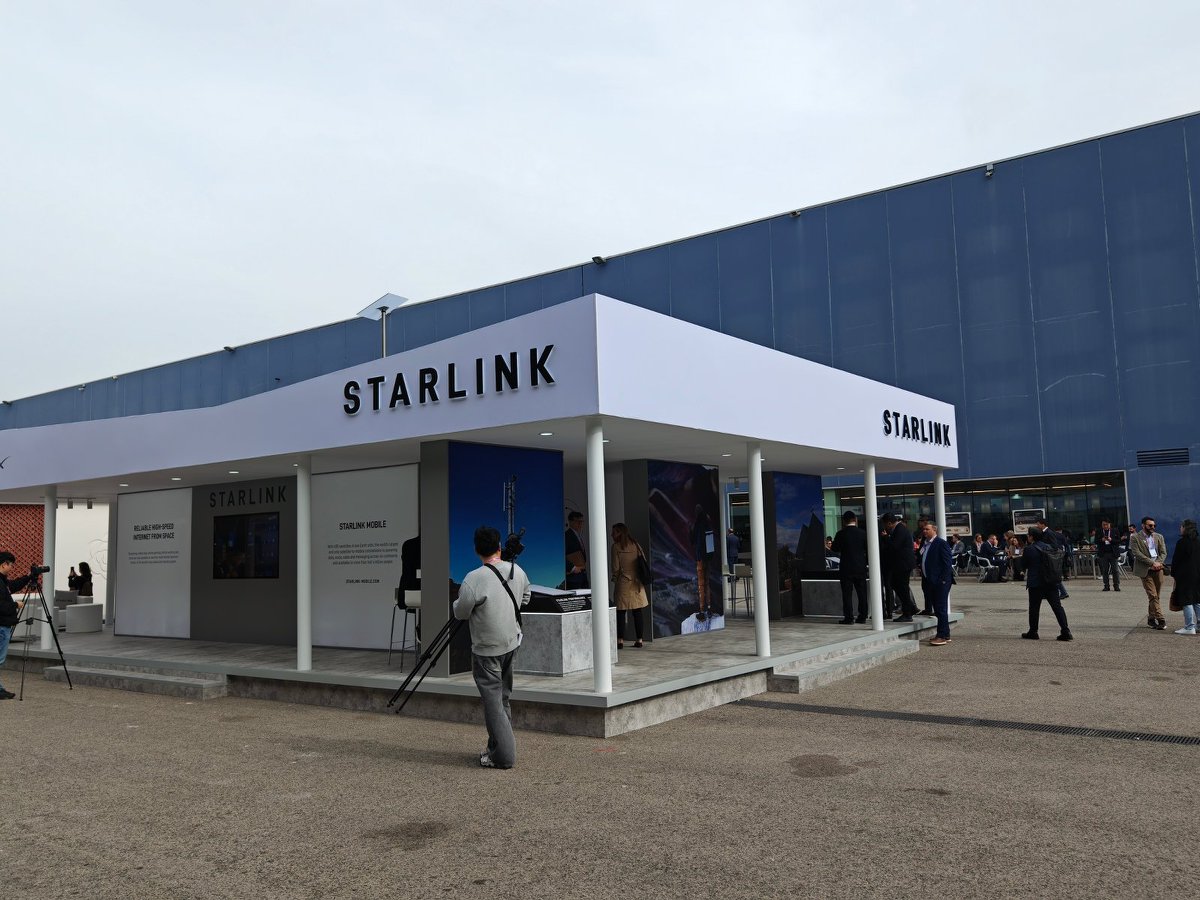
(Source: Photographed on - site by Lei Technology)
However, Musk and Starlink have greater ambitions. They want ordinary mobile phones to connect to the space network. In 2022, Musk announced the launch of the Starlink direct - to - phone service. Specifically, the Starlink satellites in space are equipped with special base stations, allowing ordinary smartphones to connect directly, just like connecting to ordinary terrestrial base stations. The implementation of this function still takes some time. At first, it only supports text message sending and receiving, and later gradually supports voice calls and data Internet access.
At MWC26, the Starlink direct - to - phone service was officially renamed "Starlink Mobile", which is based on the second - generation Starlink satellites. In the keynote speech at MWC, Gwynne Shotwell, President and Chief Operating Officer of SpaceX, and Michael Nicolls, Vice President of Starlink, revealed the detailed parameters of the next - generation Starlink. Specifically, they will start to launch and deploy 1200 satellites intensively within half a year starting from mid - 2027. The second - generation satellites will significantly improve the network speed, and the theoretical peak rate for a single user will reach 150Mbps.
Due to the significant increase in the data throughput of the second - generation Starlink, the applicable scenarios will become more extensive, and users' experiences in text messaging, voice calls, and Internet access can be guaranteed. More importantly, ordinary users don't need a special satellite phone to enjoy these services; an ordinary smartphone will do.
However, although SpaceX has a grand plan, it's not easy for users to enjoy the benefits. First of all, according to the official plan, by early 2028, the number of second - generation Starlink satellites will be about 1200. Although it seems like a large number, it still lags behind the 6500 first - generation Starlink satellites that have already been deployed. In other words, in the first few years after the launch of the second - generation Starlink, the number of users that can be truly covered is actually quite limited.
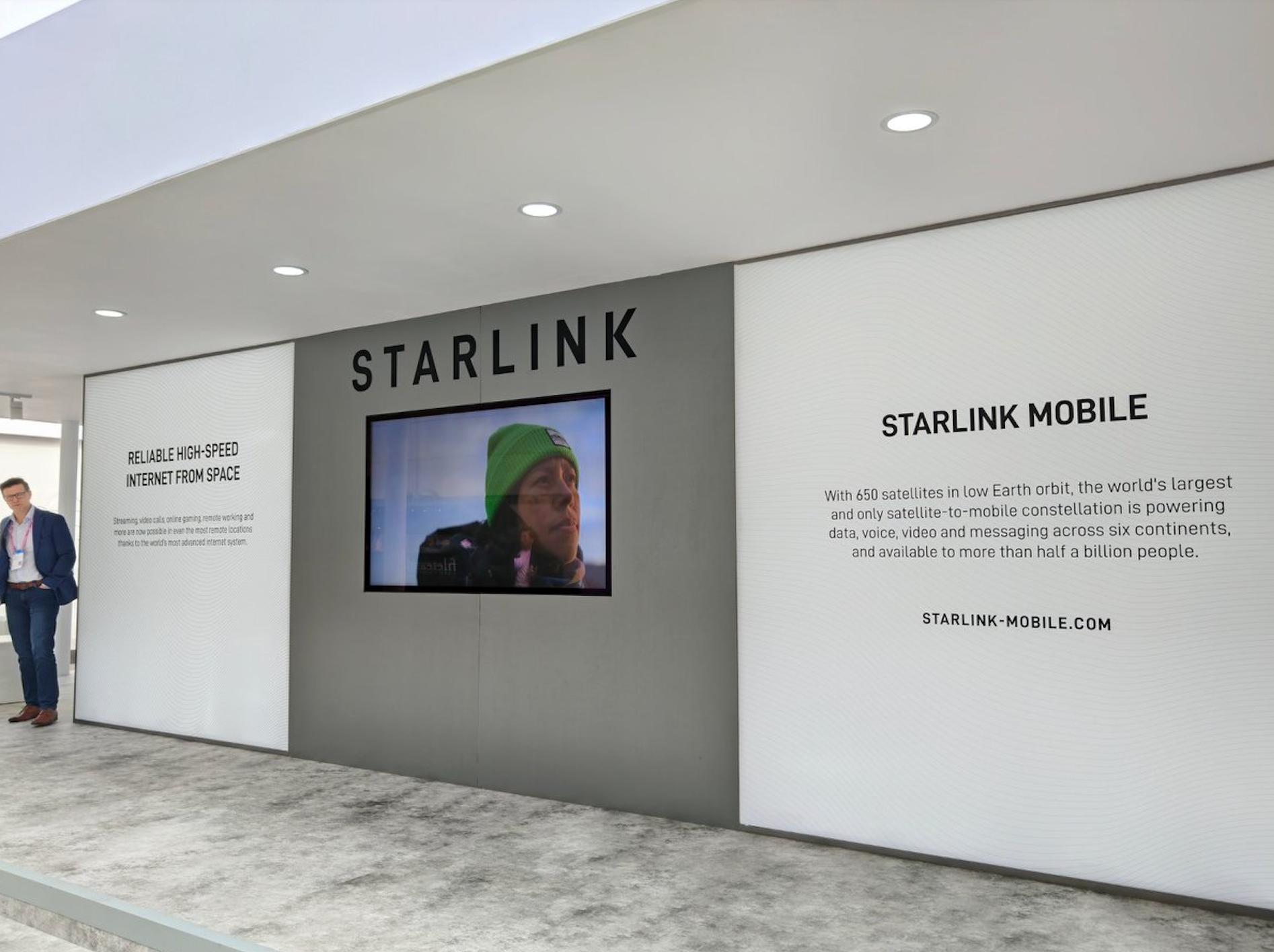
(Source: Photographed on - site by Lei Technology)
Secondly, the downstream rate of 150Mbps theoretically provides a maximum download rate of 18.75MB/s, which is close to the level of terrestrial 4G networks. However, this is only a theoretical value. Once there are many users or signal attenuation occurs, this data will be greatly reduced. In addition, since this is a satellite network, even low - orbit satellites optimized for ordinary mobile phones still need an open and unobstructed outdoor environment to establish a stable connection.
Of course, in any case, the Starlink mobile phone service is of pioneering significance. After all, the last project that tried to use satellites as mobile phone base stations was Motorola's failed Iridium project more than 30 years ago.
Moreover, as SpaceX executives emphasized, the Starlink service does not aim to replace terrestrial networks but to supplement the scenarios where terrestrial networks cannot cover. Furthermore, the Starlink mobile phone service needs to cooperate with operators to be implemented. At the MWC speech, SpaceX announced that it has reached a cooperation with Deutsche Telekom, which is the first second - generation Starlink agreement in Europe.
How to Use Space Communication? MWC Holds a Satellite Technology PK Competition
At this MWC, it is obvious that there are more displays of satellite - related technologies and solutions. In addition to the most prominent SpaceX, chip manufacturers, device manufacturers, operators, and small technology companies have all presented their satellite - related achievements, each contributing to the current and future satellite communication blueprint.
Operators: The Key Role Connecting Satellites and Users
For satellite companies, including SpaceX, if they want to sell satellite network services to individual users, they cannot bypass operators. First of all, in terms of technology, operators around the world hold high - quality local spectrum resources that satellite companies cannot directly use.
In addition, operators have a large number of mobile phone users and have a key business entry point. At the same time, operators are also actively deploying satellite communication services. At the booths of operators at MWC26, a lot of satellite - related things can be seen.
At each MWC, the three major domestic operators in China participate. China Telecom, which has the most mature satellite business in China, is currently the only basic telecom operator with a satellite mobile communication license in China. It has the exclusive operation right of Tiantong - 1 and has achieved commercialization. Currently, the satellite communication functions on domestic smartphones are basically realized through China Telecom's services.
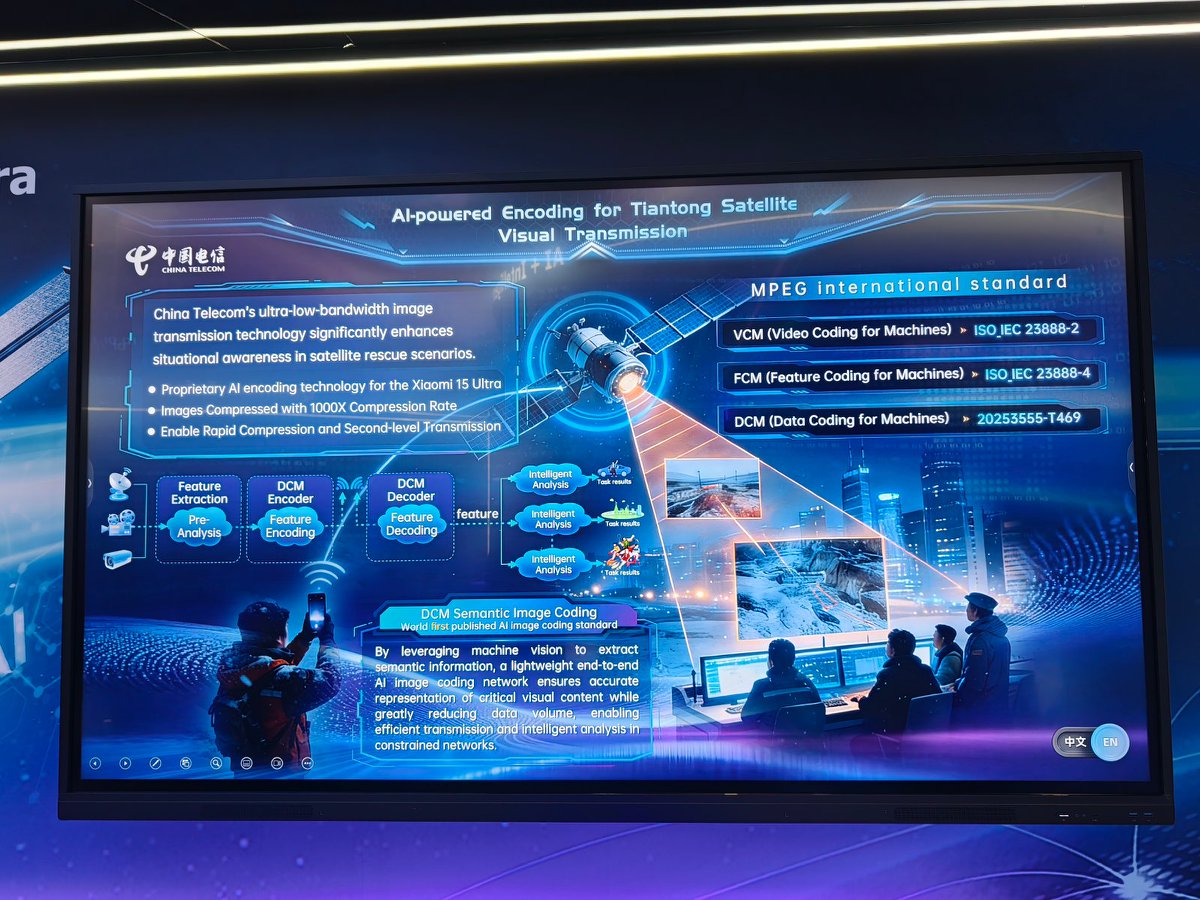
(Source: Photographed on - site by Lei Technology)
At the MWC26 site, we saw China Telecom's new achievements in the field of satellite communication. First, China Telecom showed the achievements of the Tiantong - 1 service as usual. Currently, it supports more than 40 mobile phones and 8 cars. China Telecom users can directly activate satellite services without changing their SIM cards or phone numbers. Then, China Telecom announced its black - tech achievements related to satellite communication.
China Telecom demonstrated the world's first AI image coding standard - DCM semantic coding and decoding technology, which can compress any high - definition image to less than 4KB. As we all know, high - orbit satellites have the advantage of wide coverage but the disadvantage of low rate. They are usually only used in voice and text message fields, mainly for emergency scenarios.
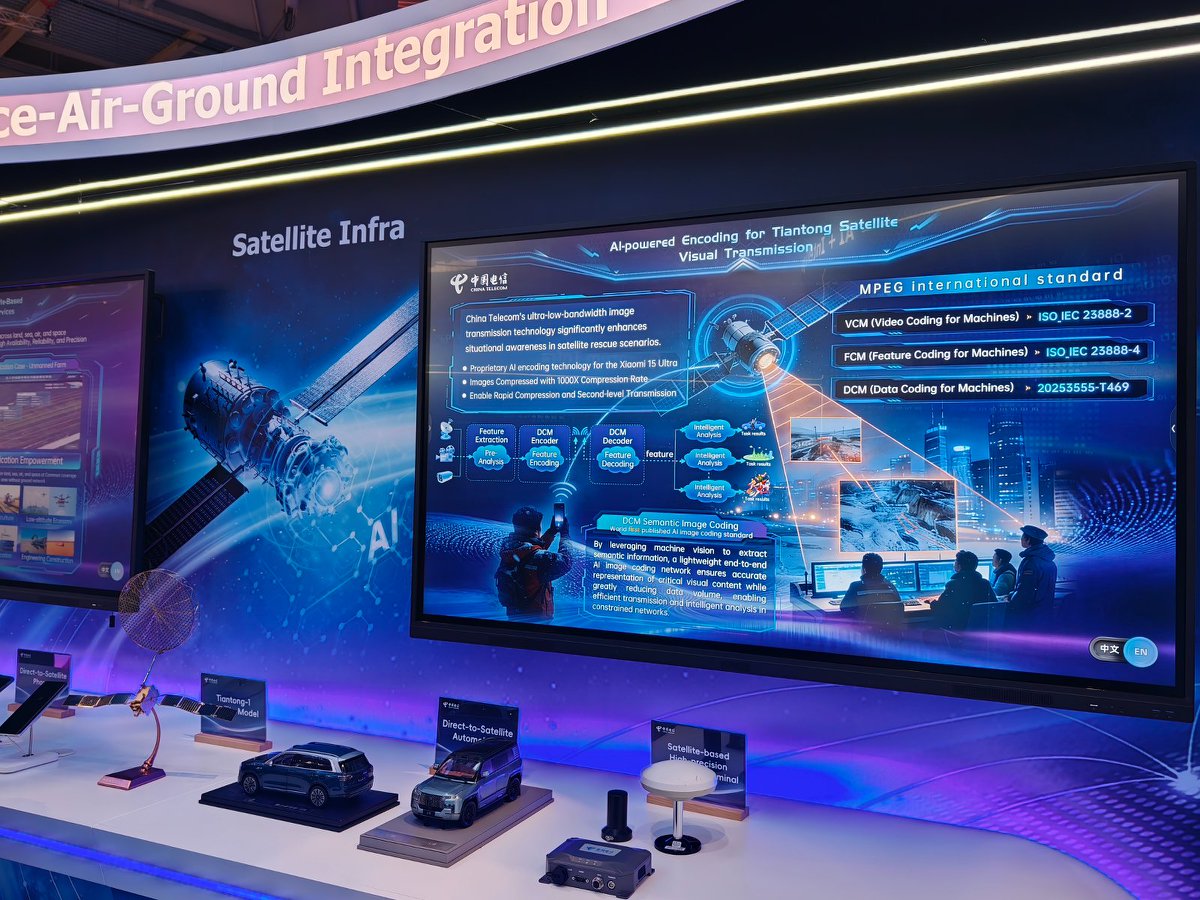
(Source: Photographed on - site by Lei Technology)
With China Telecom's image extreme compression technology, images can be sent quickly even at low rates. In scenarios such as emergency rescue, image information is more helpful for rescuers to quickly determine the location and the situation of the trapped people.
In addition, in China Telecom's 6G technology blueprint, satellites play a key role. High - orbit, medium - orbit, and low - orbit satellites will all participate in the 6G network to build a three - dimensional satellite network with full - scale coverage, which will complement the terrestrial network.
At this MWC, it is also obvious that overseas operators have satellite - related anxieties. Although SpaceX emphasizes that it will not take away the operators' business, operators obviously don't think so. At MWC26, in my opinion, operators can be divided into two categories: those that cooperate with Starlink and those that cooperate with Starlink's competitors.
Let's start with the first category. In addition to Deutsche Telekom mentioned above, Japanese operators also cooperate with Starlink. SpaceX hinted at MWC that it has reached cooperation with two Japanese operators. Although the names were not disclosed, the outside world generally believes they are NTT Docomo and SoftBank.
The second category is even more exciting. French operator Orange, Spanish operator Telefónica, and British operator Vodafone all support another satellite communication company, AST SpaceMobile, showing a momentum of rallying European forces to counter American influence.
AST SpaceMobile: A Challenger to Starlink
AST SpaceMobile, which is highly expected by operators, seems to have been targeting Starlink since its inception. This company was founded in 2017, and its founders come from the telecommunications industry.
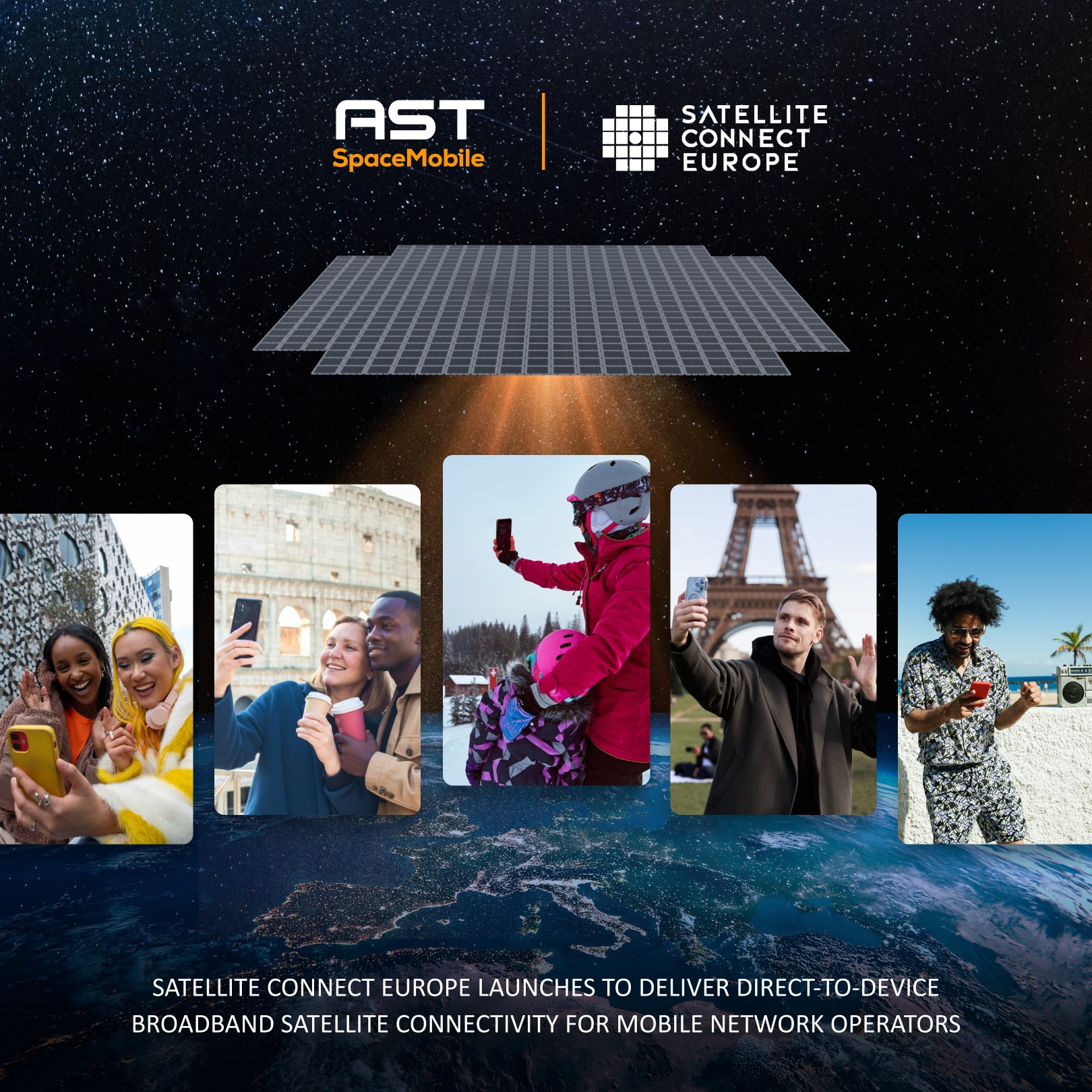
In terms of specific technical routes, there are obvious differences between AST SpaceMobile and Starlink. Starlink satellites rely on a large number of satellites to achieve wide coverage and high network speed; AST SpaceMobile relies on the large size of its satellites. Each satellite has a huge volume and is equipped with a large number of antennas, using its strong radio - frequency capabilities to enable mobile phones to connect to satellites.
The satellites designed by AST SpaceMobile are essentially terrestrial base stations, but with higher power and larger volume, and they are directly placed in space orbits. AST SpaceMobile has successively completed voice and network tests of its satellites and plans to allow users to obtain an experience equivalent to 4G and 5G networks through satellites.
(Source: AST SpaceMobile)
Compared with Starlink, the disadvantage of AST SpaceMobile is that it started later and doesn't have its own rocket company like SpaceX to launch satellites at low cost. Fortunately, many operators around the world don't want to see Starlink monopolize the market and are willing to support it.
At the MWC26 site, the most impressive thing about AST SpaceMobile is that it keeps emphasizing its cooperation with operators. In addition to the European operators mentioned above, Japan's Rakuten Mobile has also joined its camp. As long as its satellite network can provide a good experience, it will definitely not lack users.
Chip Manufacturers: Indispensable for Satellite Terminals
Chip manufacturers are involved in satellite terminal products, whether they are special satellite phones or smartphones with satellite communication functions. At MWC26, leading chip brands such as Qualcomm, MediaTek, and Samsung also showed their achievements in the field of satellite communication.
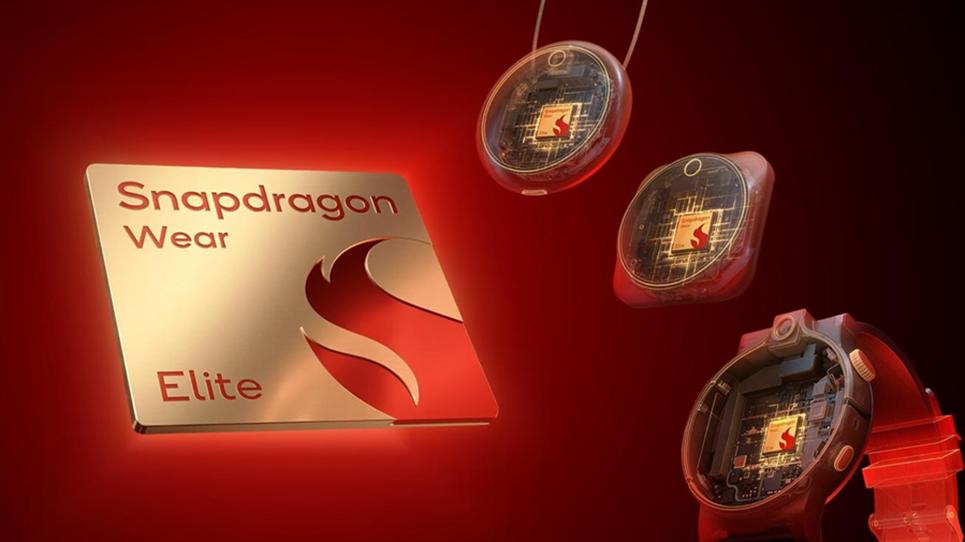
Qualcomm impressed people with its demonstration of a communication chip based on 3nm process technology. It is extremely small and suitable for smart watches. This chip is called the Snapdragon Wear Platform Premier Edition. It not only integrates Wi - Fi and UWB functions but also supports satellite communication, allowing watches to connect to space.
(Source: Qualcomm)
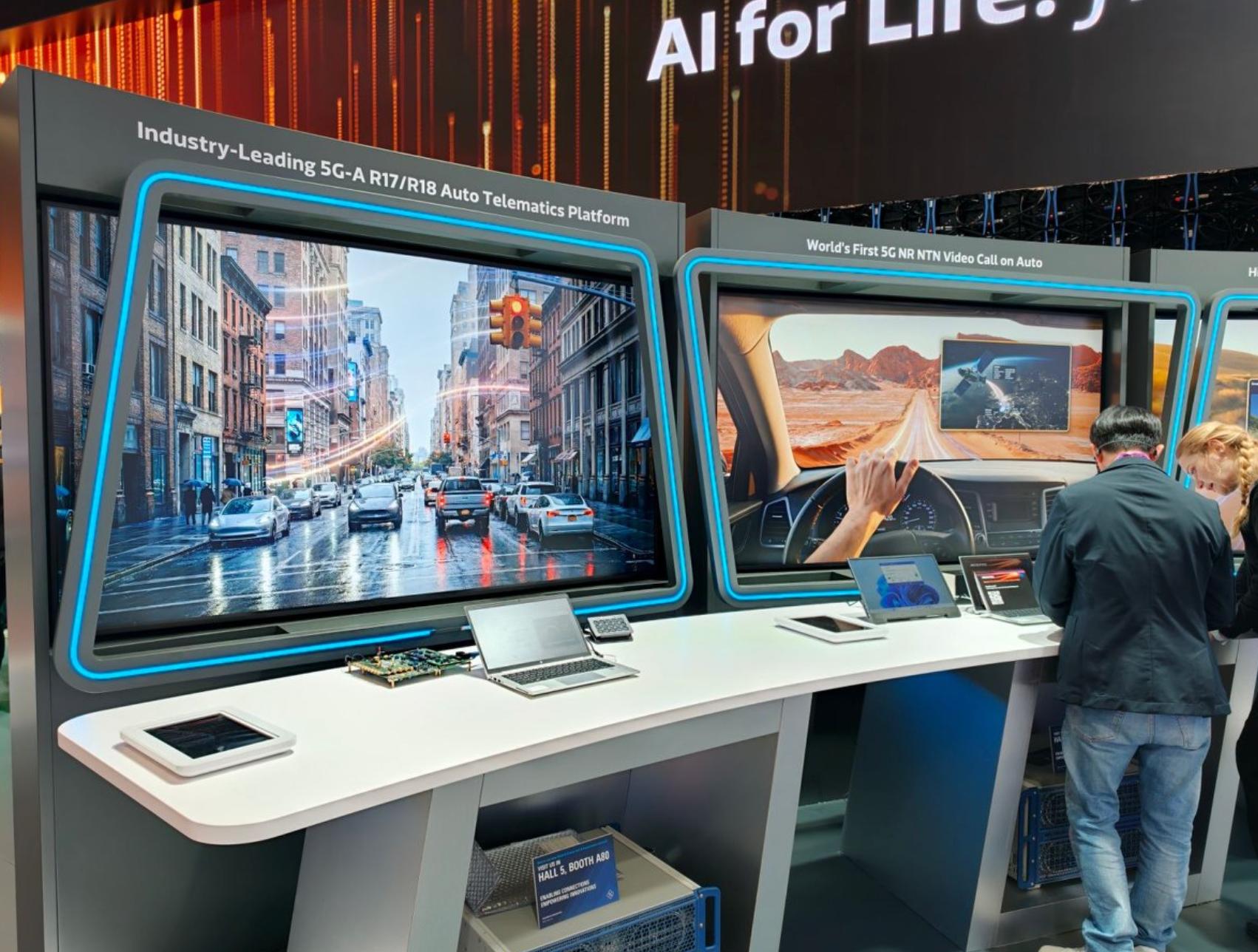
MediaTek cooperated with Starlink. On smart devices equipped with the M90 5G modem, it demonstrated how to send CMAS, WEA, and other high - speed wireless emergency alerts to mobile phones through the Starlink low - orbit network. In addition, both Qualcomm and MediaTek demonstrated the scenario of in - vehicle satellite voice calls.
(Source: MediaTek)
Samsung's chip department demonstrated a laboratory - level NR - NTN satellite modem verification at MWC, mainly to prove that Samsung's mobile phones can stably connect to Starlink satellites in harsh scenarios.
Device Manufacturers and Technology Brands: Indispensable for Building Satellite Communication
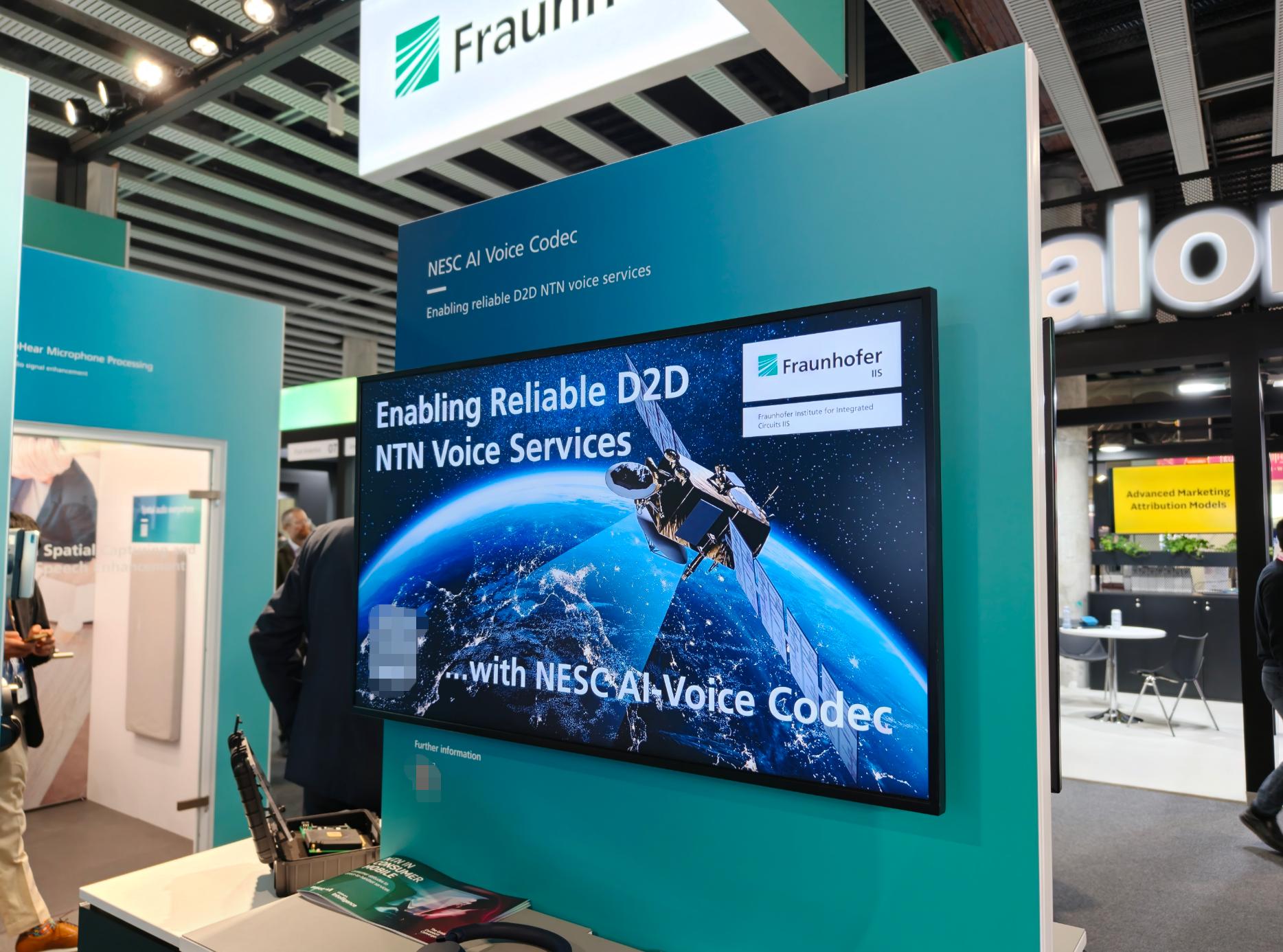
Nokia, which doesn't make mobile phones, is still an important device manufacturer. At this MWC, Nokia brought satellite technology related to voice compression. It jointly demonstrated the "Ultra - efficient AI Voice Codec" with Fraunhofer IIS. Specifically, the key to this technology is data volume compression, which enables satellite calls to be made even at extremely low rates. It's worth mentioning that Fraunhofer IIS is an established audio technology brand, and it is very professional in making voice codecs.
(Source: Photographed on - site by Lei Technology)
ZTE announced its space - air - ground integration strategy at MWC26 and demonstrated a 6G prototype with 2048 antenna elements in the U6 frequency band.
In ZTE's vision of 6G, satellite communication plays a very important role. Compared with previous mobile communication technologies, a major change in 6G is the integration of terrestrial networks and satellite networks, which involves the interconnection and conversion of satellite signals and terrestrial base - station signals. ZTE's prototype significantly increases the number of antennas, and its network capacity reaches 10 times that of 5G - A, which meets people's expectations for 6G network speed.
(Source: ZTE)