Apple spent three days telling the entire industry a story about "genuine commitment".
If you're a fan of digital products, you might have noticed a "strange phenomenon" between March 2nd and March 4th, 2026.
That is, during these three days, almost no new products were launched by brands in the consumer electronics industry, except Apple. Although some manufacturers held press conferences and introduced new products during MWC26, they often deliberately avoided setting the "launch and sales dates" during this period. On various social media and tech news websites, the topic of discussion was all about "Apple has launched new products again."
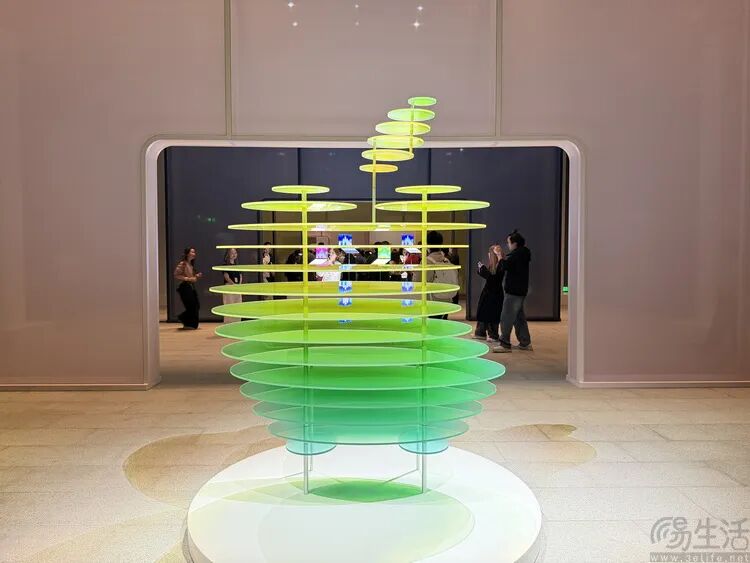
Why is this the case? It turns out that Apple directly launched multiple spring new products on its official website in batches during these three days. It wasn't until the press conference ended at 10 p.m. on March 4th, Beijing time, that they finally concluded this three - day "new product launch period."
So why do Apple's competitors "avoid" the market when Apple launches new products? The most straightforward reason might be that "Apple's products sell extremely well." When the sales of the entire iPhone 17 family exceeded the combined sales of all competing products during the same period before, all competitors naturally understood that it was meaningless to compete head - on and might even damage their own image in the eyes of consumers.
Then the question arises: What are the features and quality of Apple's spring new products in 2026, which make competitors so "scared"?
Since Apple has already published the product details on its official website, we at 3eLife won't repeat the specifications. Let's directly take a look at the parts of these new products that might most hit the pain points of users and make competitors "nervous."
The most practical iPhone, even debuting a new chip
Why did the iPhone 17 series sell so well before?
In the eyes of many users, the iPhone 17 series has made significant performance improvements. The standard version also features a high - refresh - rate screen, and the ultra - wide - angle lens is not compromised. Moreover, the price has not increased, and some models have actually participated in various promotions. This makes the "cost - performance" of this generation of models particularly prominent. Especially when the Android camp generally reduces product configurations, raises prices, and has inflated performance claims, Apple naturally has a better reputation among the general public.
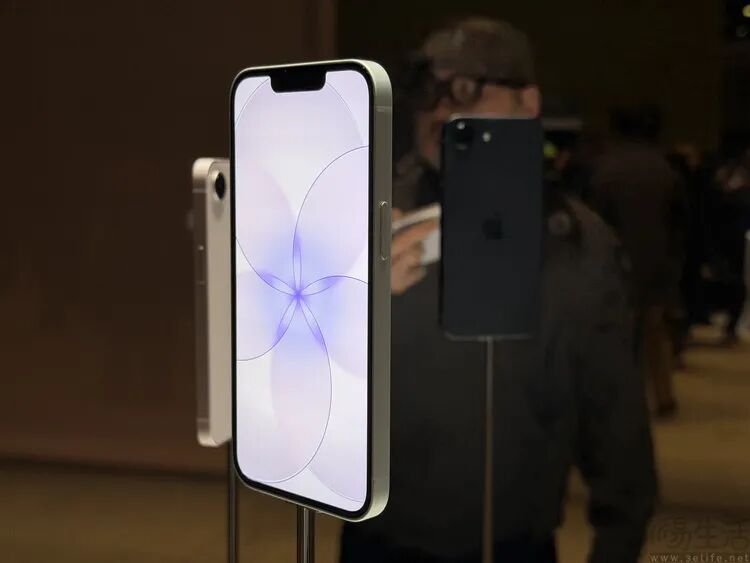
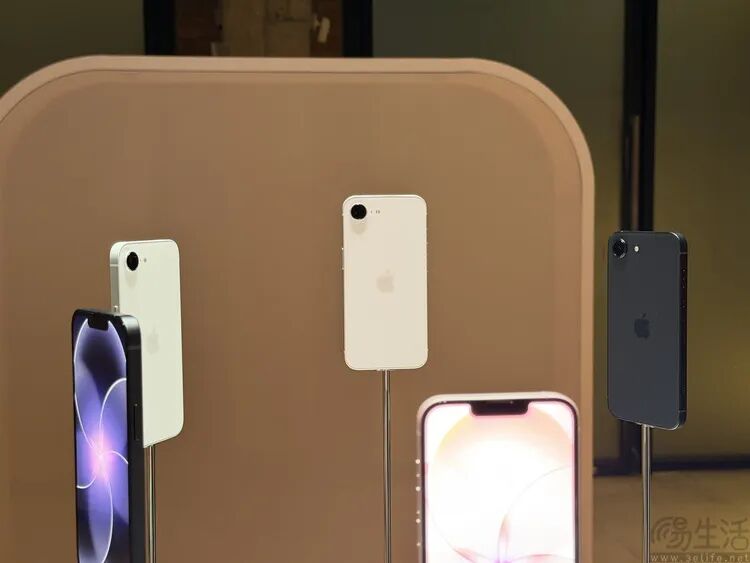
However, note that this is the view of users and does not represent all iPhone users. Especially after the iPhone 17 significantly enhanced its competitiveness in the gaming market, for those users who don't play games and only pursue "longer usability, fewer ads, and no junk software in the app store," the newly launched and more affordable iPhone 17e naturally becomes a more suitable choice.

Compared with previous entry - level iPhones, we think the iPhone 17e has two major highlights. First, it doesn't use an old - generation chip but a customized A19 (the GPU has one less core group than the standard version, with no other differences). This means it will have the same long system maintenance period as other models in the iPhone 17 series and has no difference in AI performance and future AI function adaptation potential.
Second, the iPhone 17e is equipped with Apple's self - developed C1X baseband. The official claims that its performance is twice that of the previous - generation C1 and it supports WiFi7, Bluetooth 6, and of course, the 5G - A network.
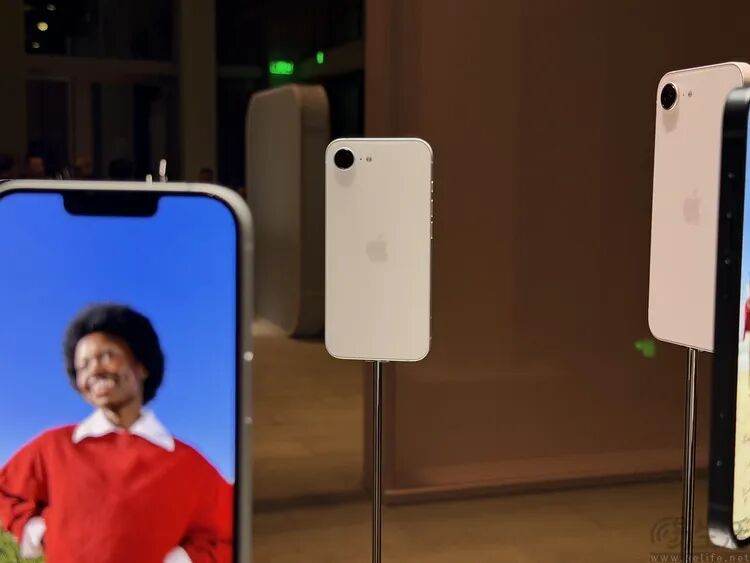
Most importantly, the iPhone 17e has once again made an important contribution to promoting the commercial use of eSIM in the domestic market. This time, it features one physical SIM card slot and two eSIMs. Users can either use one physical card and one eSIM for "dual - SIM dual - standby" or use two eSIMs simultaneously. Of course, for users who only want to use a physical SIM card, they don't have to worry either.
The M5 Pro and M5 Max are launched, and the CPU cores are unexpectedly "renamed"
Friends who follow the tech industry might know that there will be a major event in the PC industry this year. That is, with the expiration of Qualcomm's exclusive cooperation agreement with Microsoft, more manufacturers will launch ARM - architecture PC chips for the Windows system this year. For example, NVIDIA might enter the ARM gaming laptop market.
Obviously, as the pioneer of ARM PCs in recent years, Apple must respond to such "signs" from its competitors. Their approach is to launch three different series of brand - new MacBook products in one go in these few days.
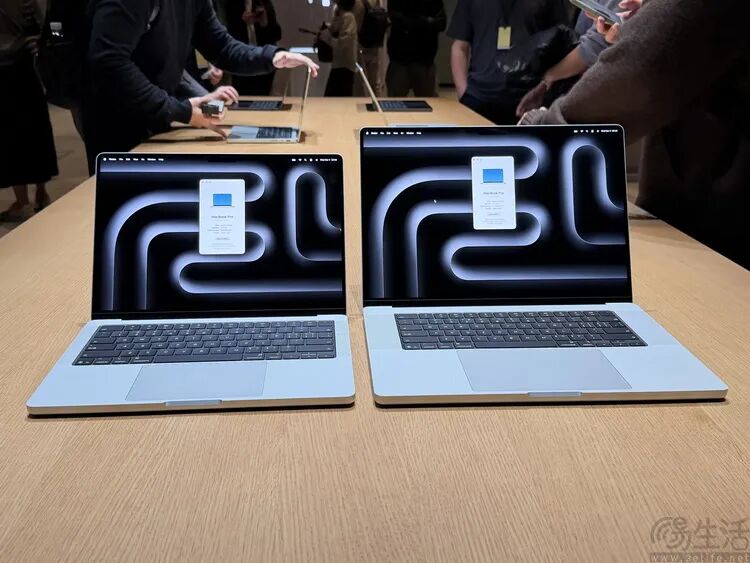
For users who pursue high - performance productivity, Apple has introduced the MacBook Pro equipped with the M5 Pro and even the M5 Max. Both of these new processors have a maximum of 18 - core CPUs, and the GPU scales can reach 20 cores and 40 cores respectively. They also support a maximum of 64GB and 128GB of unified memory respectively.
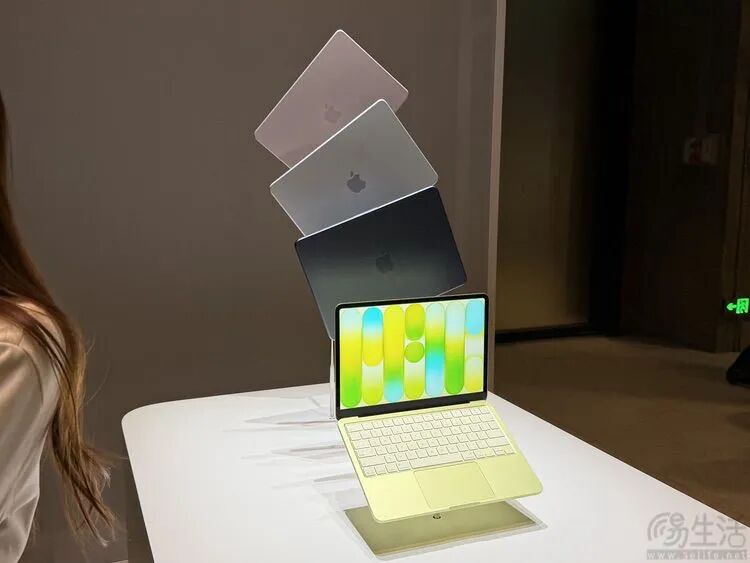
For fans of thin and light laptops, Apple has also updated the MacBook Air series equipped with the M5. Users can choose a configuration with a maximum of 10 - core CPU and 10 - core GPU, and the maximum memory capacity is 32GB.
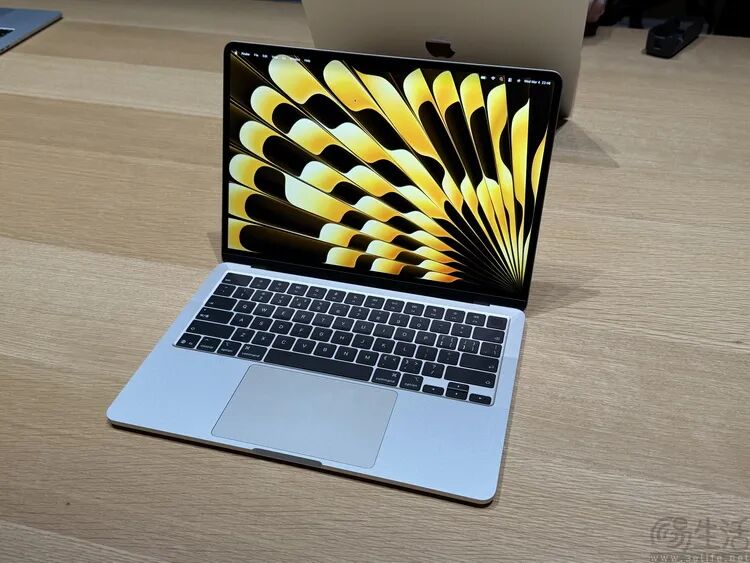
For the regular updates of these two MacBook models, there is a detail worth noting. That is, when Apple launched the M5 Pro/Max, it changed the naming method of the CPU's large and small cores. They are no longer called "performance cores and efficiency cores" but are now called "super cores and performance cores."
So, does this mean that the M5 Pro and M5 Max use a new architecture? Actually, no. In fact, for Apple's A - series and M - series chips in this generation, the CPU and GPU architectures have become unified. That is to say, except for the difference in cache size, the Everest V4 (super core) and Sawtooth V4 (performance core) of the A19 Pro are basically the same as those in the M5 Max in terms of architecture. Apple's "renaming" this time seems to be to accurately describe the characteristics of the CPU and avoid consumers' misunderstanding that there are still traditional "small cores."
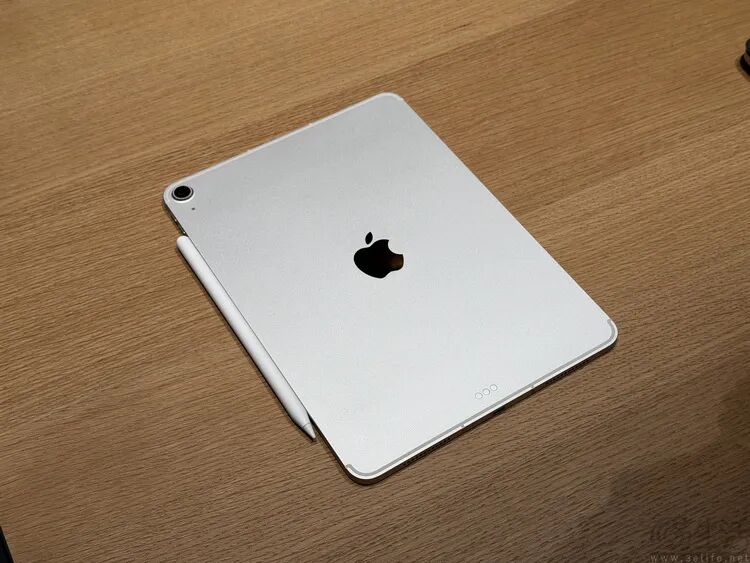
However, precisely because of this, after Apple has achieved the "unification" of its self - developed processor architecture across mobile phones, tablets, and PCs, how to further integrate the ecosystems of these devices (for example, whether the iPad Pro will be able to run macOS applications in the future) might be a more worthy topic of concern.
The most down - to - earth MacBook Neo in history, a game - changer
On the evening of March 4th, Apple introduced what could be the most "groundbreaking" product of this spring's new lineup, the MacBook Neo.
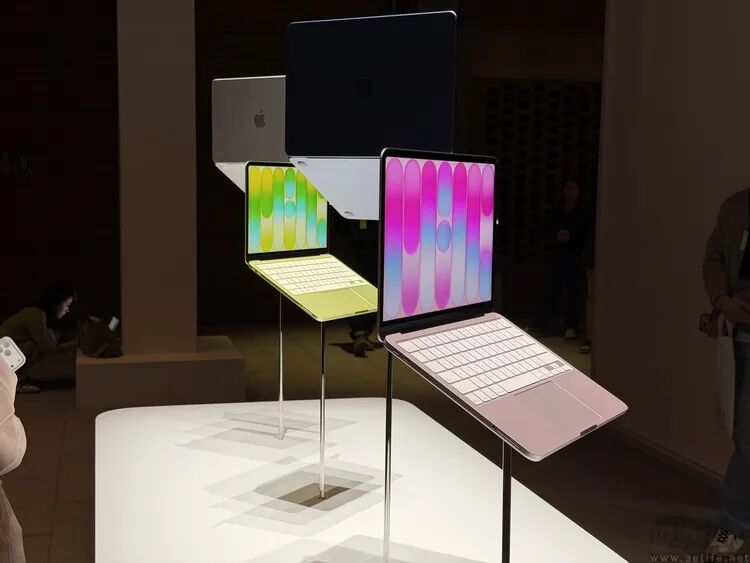
In terms of positioning, this MacBook with the "Neo" suffix somewhat reminds us of the "shell - shaped" MacBook with a transparent plastic shell in the past. This is not only because they both have colorful appearances but also because this might be the first time in recent years that Apple has clearly developed a brand - new MacBook product targeting low - budget groups such as students and the education market.
You know, the Windows on ARM ecosystem next door is still struggling with high - priced products. Even if NVIDIA enters the market, this situation probably won't improve immediately.
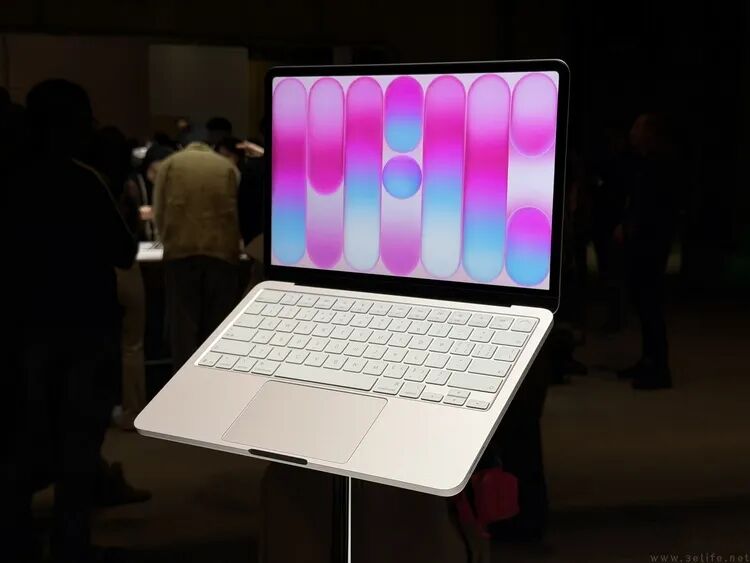
In other words, Apple has once again beaten its competitors to the punch and entered the low - cost ARM PC market first. Especially in an environment where memory prices are skyrocketing and traditional DIY PCs are almost obsolete, a "youthful version of the Apple laptop" starting at only 4,599 yuan, equipped with unified memory, long - lasting battery life, and a mature software and AI development ecosystem, is likely to be a game - changer.
Summary: Apple uses "genuine chips" to win consumers' hearts, a simple but effective approach
To be honest, among Apple's spring new products this time, except for the MacBook Pro with the M5 Max and the Studio Display (XDR), most of the other products are not positioned as very "flagship" models. However, precisely because of this, they are even more "formidable."
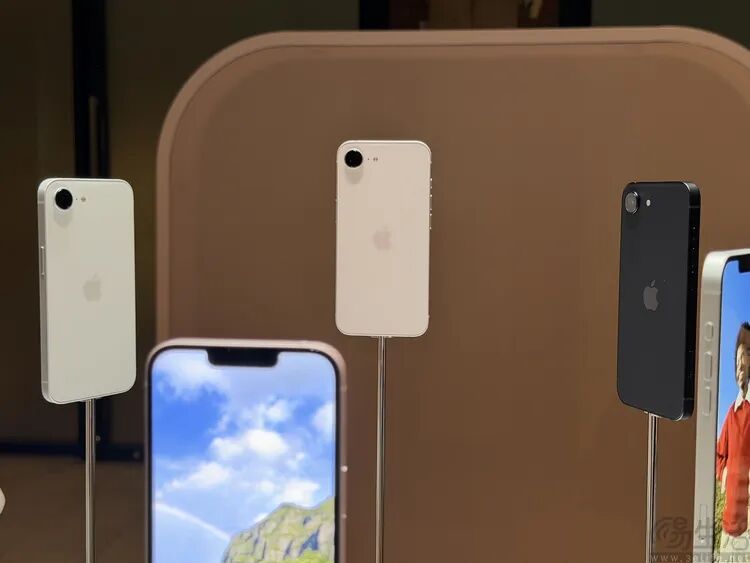
The iPhone 17e has a single - camera setup and a not - very - powerful GPU, but it has a compact 6.1 - inch size, daily performance guaranteed by the latest A19 architecture, and a long system maintenance period. Most importantly, its lower price and more practical positioning mean that it is destined to attract more consumers who value daily experience.
The same goes for the MacBook Neo. Perhaps it's not very suitable for large - scale video editing projects, but nowadays, 4,000 - plus yuan might only be enough to buy two desktop computer memory sticks. In the x86 market, products at this price range are mostly equipped with outdated chips. In contrast, Apple's product is at least good - looking, easy to use, and secure. Most importantly, it probably won't become sluggish even after being used for four or five years.
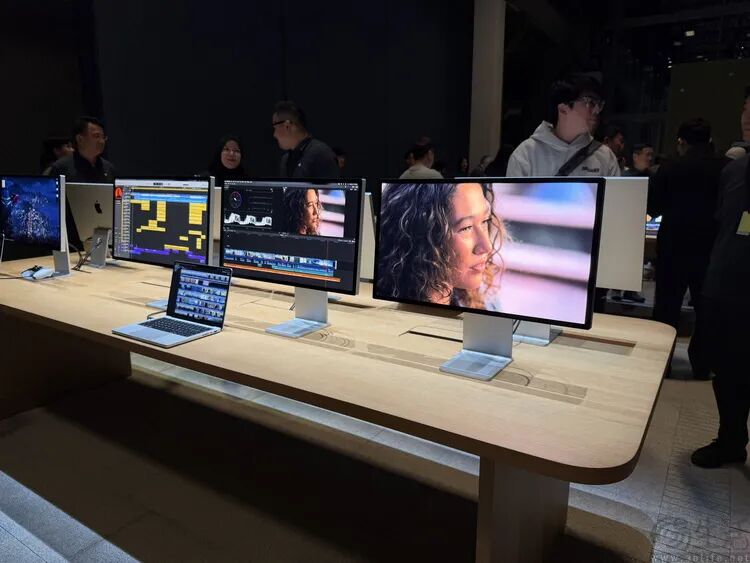
Of course, Apple's spring new products this time are not limited to the new iPhone and new MacBook. Whether it's the iPad Air or the new Studio Display series monitors, this time they have generally focused their upgrades on "internal" performance improvements and basic function enhancements.
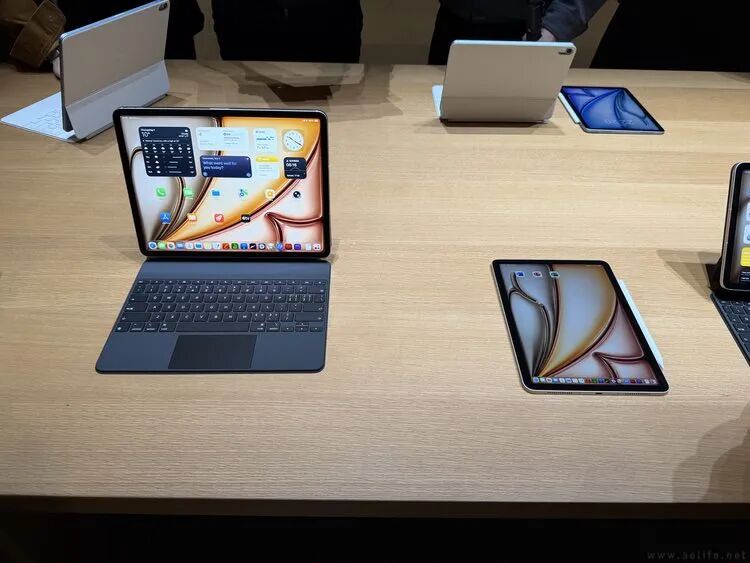
This might be Apple's strategy to deal with the current special period of a tight supply chain and consumers being generally cautious. Although this approach of "emphasizing chips" and "lowering the price threshold" is quite simple.
But sometimes, products that are simpler, more straightforward, and don't beat around the bush with consumers are exactly the strategy that can win people's hearts the most.
This article is from the WeChat official account "3eLife" (ID: IT - 3eLife), written by 3eLife Editor. It is published by 36Kr with authorization.