Cook loses his temper. The cheapest MacBook in history is priced at 3,999 yuan. Is it the first Apple computer for young people?
Sure enough, there are still experts?!
Previously, you could get a new Apple iPhone with the A19 chip for 3,999 yuan. Today, Tim Cook allows you to get a new MacBook for 3,999 yuan.

According to a live report from Shanghai by Zhidx on March 4th, just now, Tim Cook made another big move: The new MacBook Neo laptop starts at 4,599 yuan, and with the education discount, it starts at 3,999 yuan.
Even without the education discount, by combining national subsidies and platform subsidies, it's very possible to get "the first Mac for young people" for 3,999 yuan.

As the "last shot" of Apple's spring new product week, Apple also held an offline experience event in Shanghai this time. Zhidx was also invited to the scene and got the first - hand experience of this significant new product.
Let's get back to today's protagonist: the entry - level 13 - inch MacBook Neo equipped with Apple's A18 Pro chip.
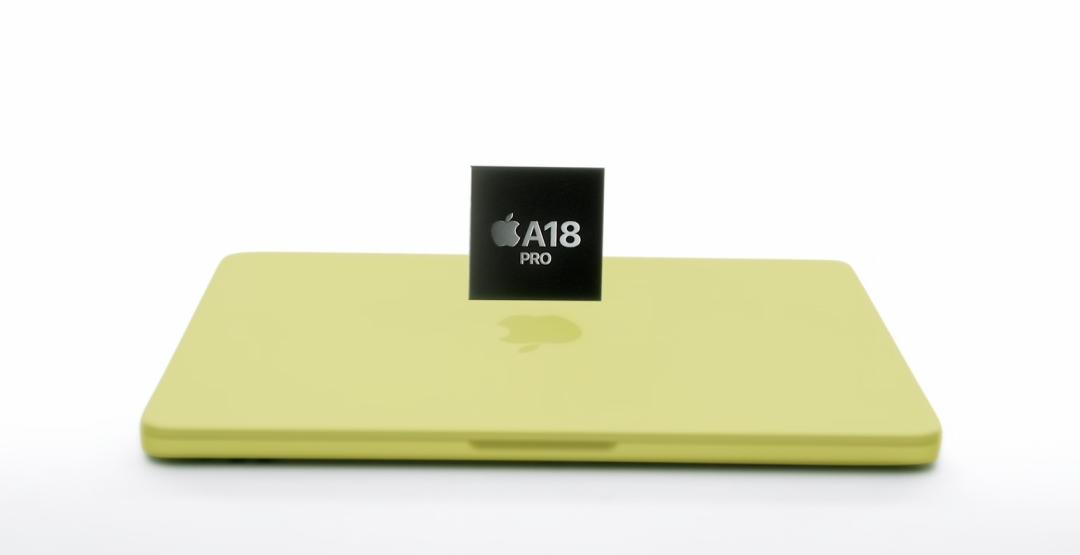
Yes, this time Apple has put the phone chip into a MacBook laptop for the first time. First into the monitor, and now into the computer. This shows the versatility of Apple's chip architecture.
However, compared with the A18 Pro chip in the iPhone 16 Pro/Pro Max, the A18 Pro chip in the MacBook Neo has a 6 - core CPU, but the GPU has one less core, the same as the A18's GPU core count, with 5 cores.
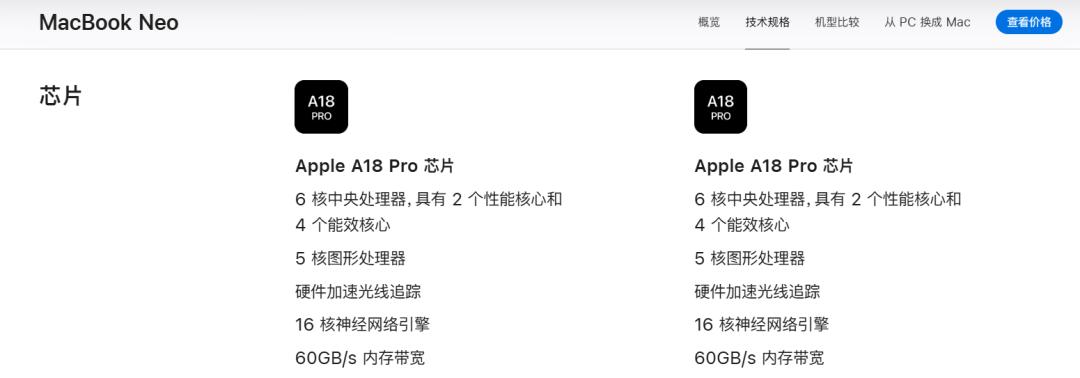
▲ Specifications of the A18 Pro chip in the MacBook Neo
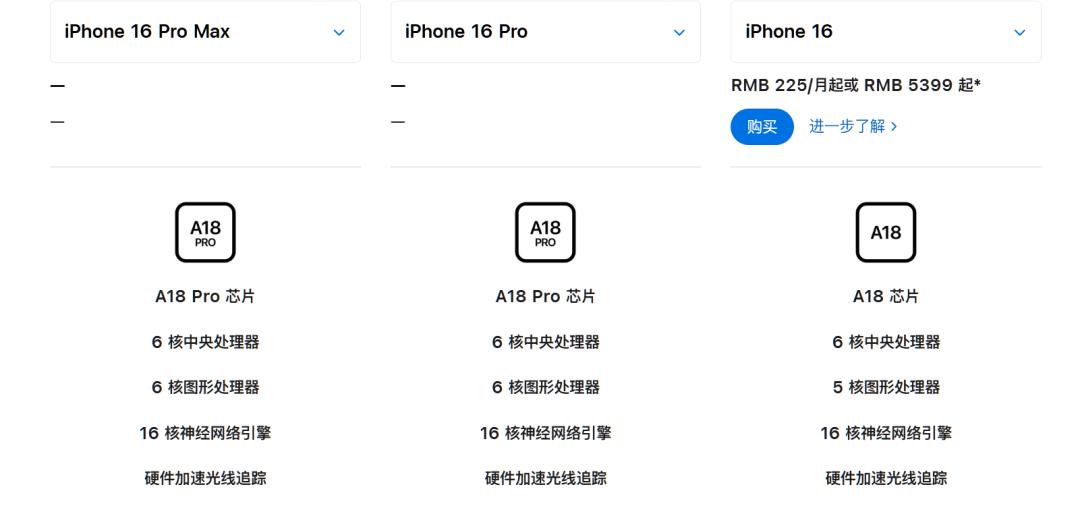
▲ Specifications of the A18 Pro and A18 chips in the iPhone 16 series
So here comes the question: This A18 Pro looks like the A18, and its internal core configuration is also similar to the A18, but why is it called A18 Pro?
Maybe only Tim Cook can answer this question.
When it comes to new products, Apple's color schemes have always been a benchmark in the industry. This time, the MacBook Neo comes in four color schemes: silver, peach pink, citrus yellow, and indigo blue, all with relatively low saturation. Among them, citrus yellow is a new color scheme.
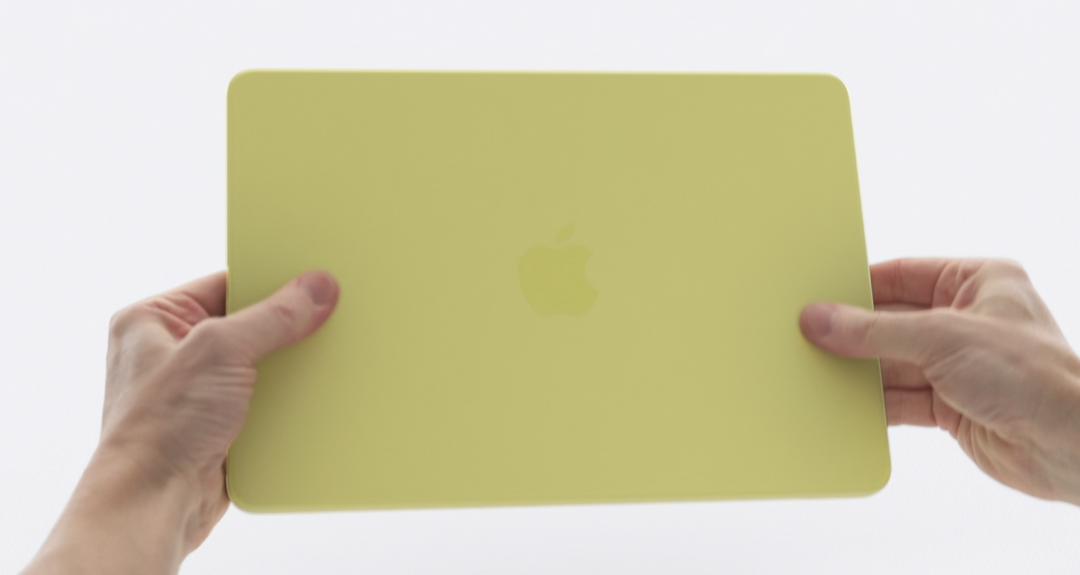
▲ Citrus yellow
After talking about the color schemes, let's talk about the size. In fact, the 13 - inch size is very popular among many female users. In this size, the MacBook Neo weighs 1.23 kilograms and is made of aluminum alloy.
Judging from the on - site actual view, the new MacBook Neo is indeed very "compact", about the same length as an adult male's outstretched index finger and thumb .
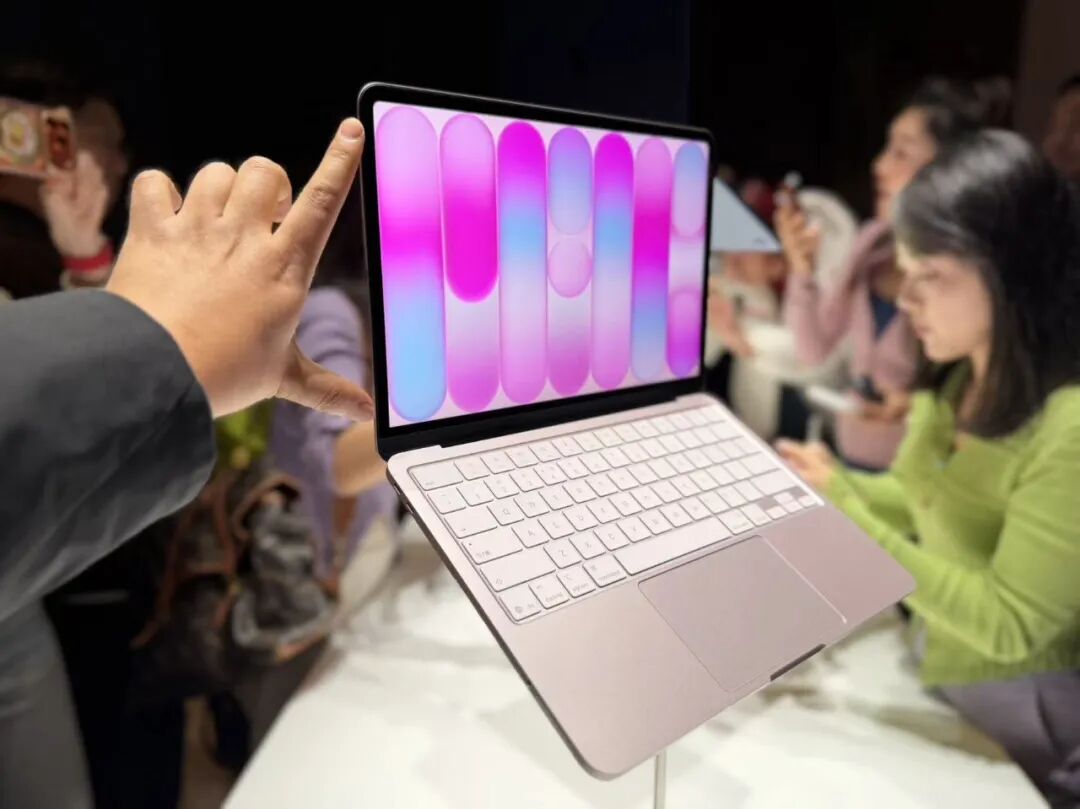
Although it's small in size, the MacBook Neo can achieve a battery life of up to 16 hours. Although there is still a significant gap compared with the Pro and Air models, it can compete with Windows laptops in terms of battery life.
In terms of screen display, the MacBook Neo is equipped with a 13 - inch Liquid Retina display, which is an LCD screen using IPS technology with a ppi of 219, also at the "Retina" level claimed by Apple, the same as the 27 - inch 5K monitor Studio Display.
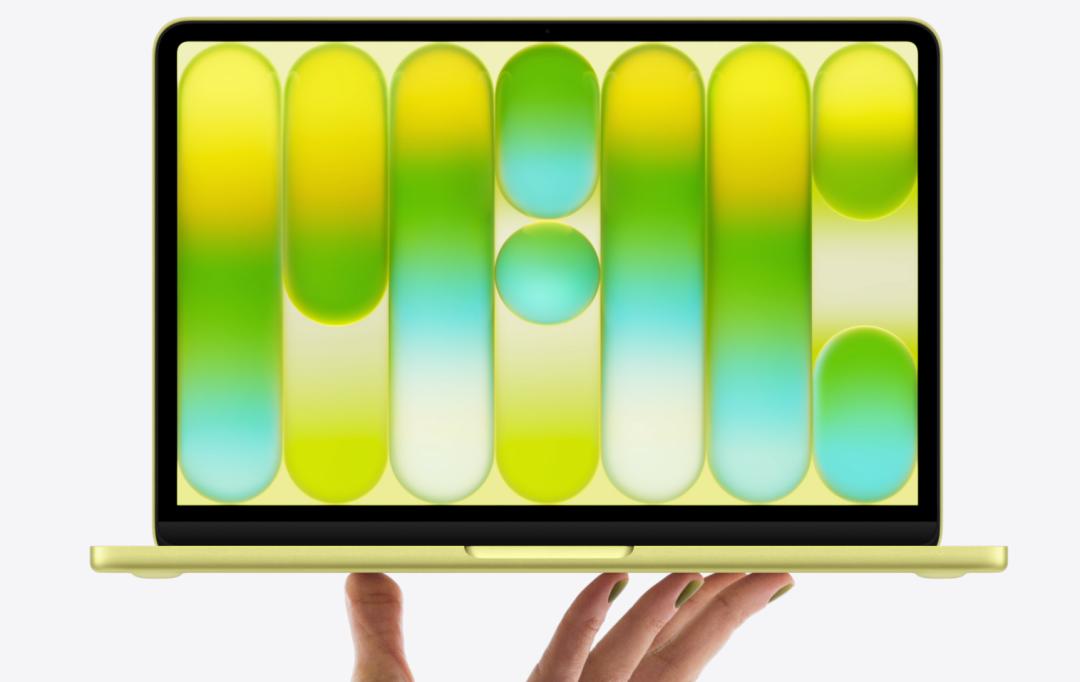
The peak brightness of this screen is 500 nits, which has not reached Apple's HDR standard.
However, embarrassingly, the highest - level interface of the MacBook Neo is only USB 3, with a maximum speed of 10Gb/s. This speed is not even enough to support the 5K 120Hz Studio Display XDR monitor just released yesterday. The bandwidth is only enough for the 5K 60Hz Studio Display.
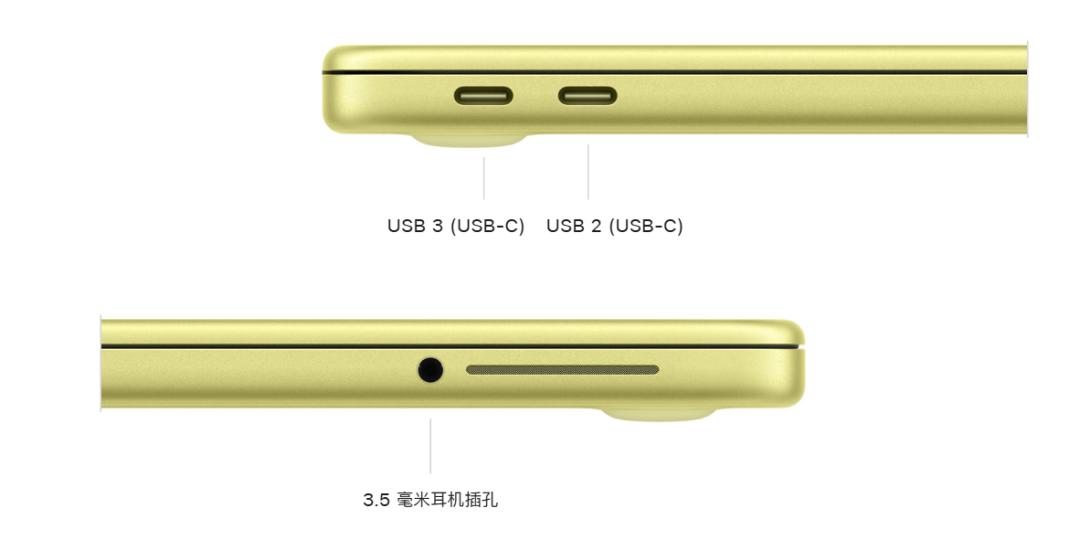
We have to sigh: Apple's "internal hierarchical division" of products is still very strict. As an entry - level product, the MacBook Neo can only be paired with the standard - version monitor.
In addition to the hardware configuration, at the software level, the MacBook Neo can run Apple's latest macOS, and the upgrade of AI capabilities goes without saying.
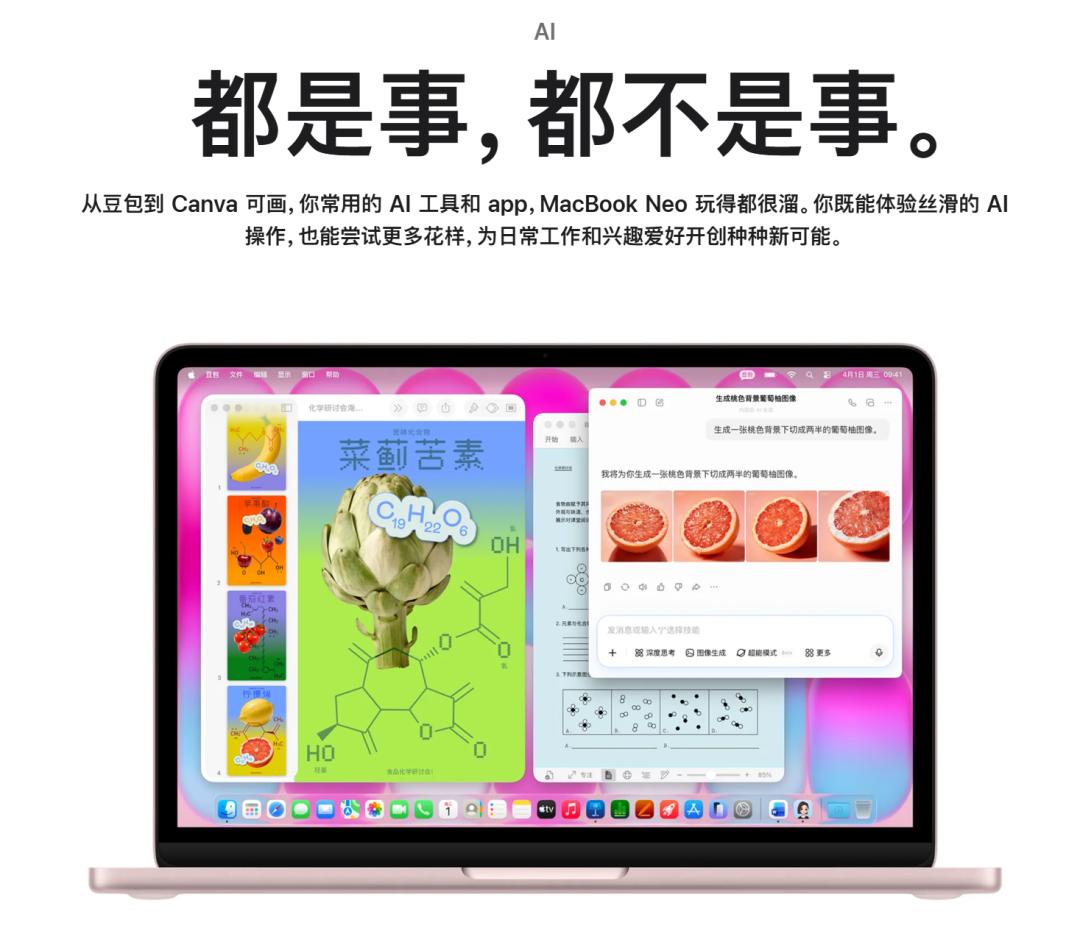
Apple also kindly reminds you: "Pairing with an iPhone is even better. Unlock more tricks together." iPhone mirroring, universal clipboard, and Handoff are all familiar functions to us.
At the application level, Apple mentioned that all kinds of commonly used apps can run. The long - awaited domestic version of Apple Intelligence still hasn't arrived.
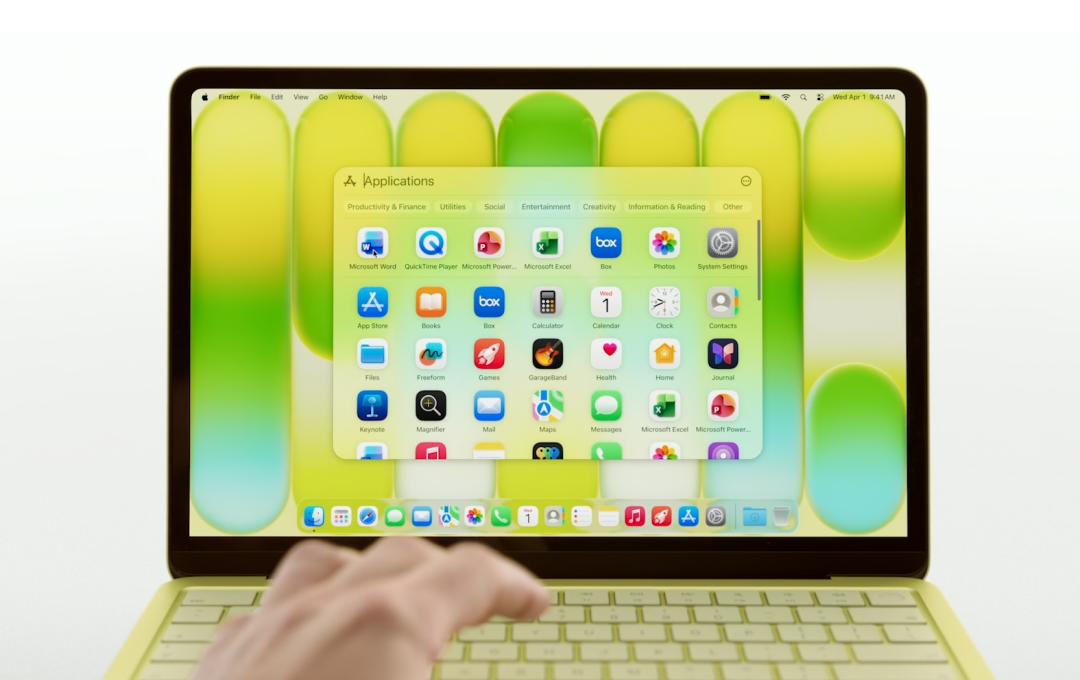
Regarding the user positioning of the MacBook Neo, we can roughly see these types of scenarios from the official website's introduction page.
Daily use: Use the MacBook Neo to reply to emails, browse the web, make video calls, change extracurricular schedules, and share photos at work;
Study: A great study helper, take notes in class, review intensively before exams, and create presentation documents;
Workplace: Create spreadsheets and manage payrolls;
Entertainment: Watch movies, TV shows, videos, and play games;
Finally, it has to be mentioned that Apple has firmly limited the maximum storage of the MacBook Neo to 512GB, and the memory is 8GB across the board. This is basically the "passing line" for light - office storage and also the "bottom line" for the operation of Apple Intelligence. It's basically a farewell to professional productivity users and forms a sharp contrast with the Air and Pro product lines.
Tim Cook's strategy is still precise.
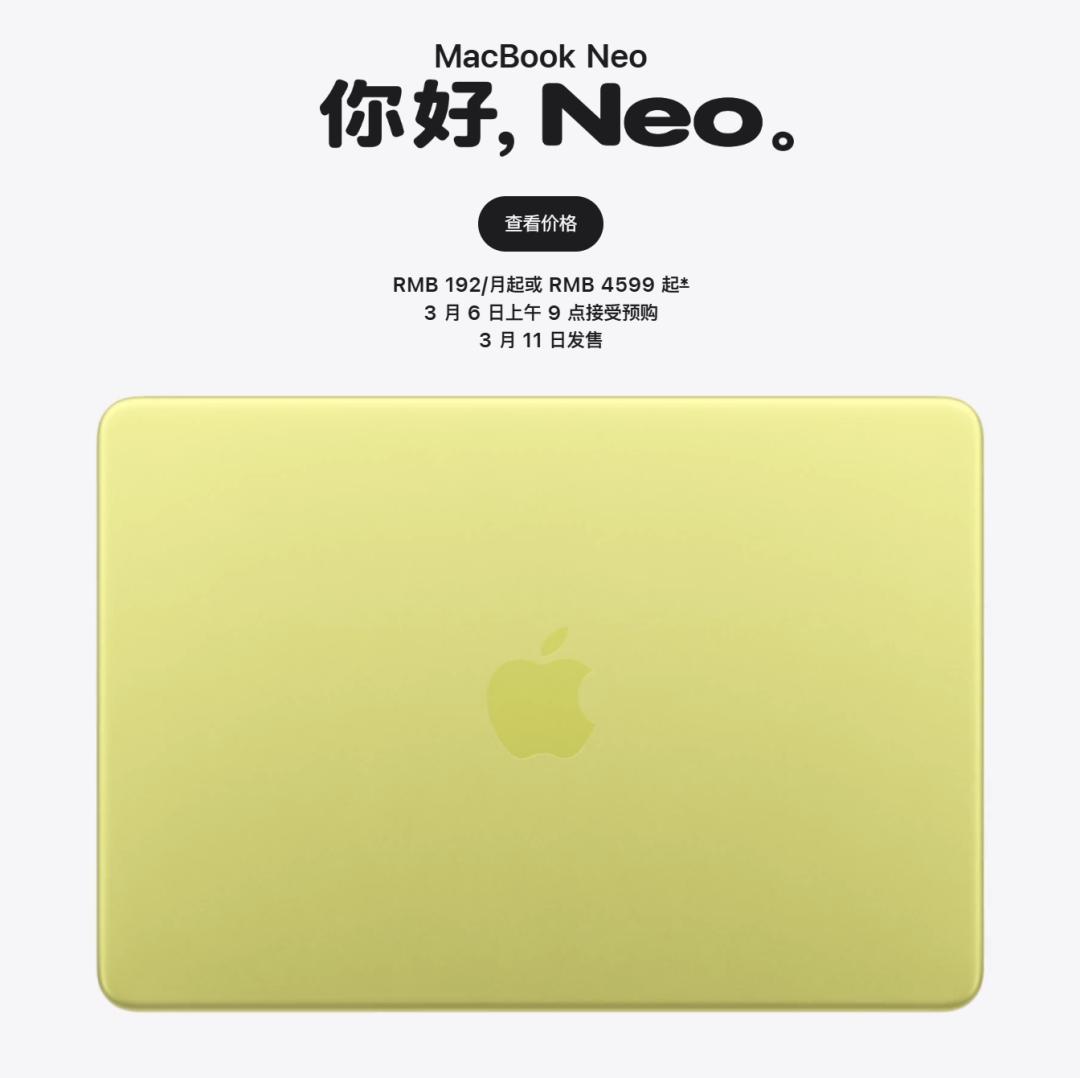
Pre - orders for the MacBook Neo will start at 9 a.m. on March 6th, and it will be officially released on the 11th.
Finally, some thoughts:
Actually, this "budget - friendly" MacBook was reported by foreign media yesterday. It was said that its model name had appeared in EU regulatory documents and on the Apple official website, but Apple later deleted the link.
After the events of the past two days, we're no longer unfamiliar with Tim Cook's operations. Summarizing the prominent trend, it is: The entry - level products are priced low to attract new customers and increase competitiveness, while the high - end products are priced higher to ensure profits.
The iPhone 17e with the A19 chip costs 3,999 yuan after national subsidies, and the starting price of the thin and light MacBook Air has dropped by 1,000 yuan significantly. However, the price of the top - end Pro model has reached over 60,000 yuan, and the price of some storage versions has increased by more than 2,000 yuan.
Today, the entry - level MacBook has directly lowered the entry price of "an Apple laptop" to the "3,000 - yuan range".
Beyond Tim Cook's excellent "strategy" and "supply - chain art", these days' product releases have also shown us another prominent trend: Apple is going all - in on AI.
From the entry - level to the top - end, almost all new products are either based on chip upgrades, joined the Apple Intelligence family, or have significantly improved their AI capabilities. From the on - device operation of various AI models, the use of AI functions in various apps to the local generation of AI images and texts, Apple Intelligence is constantly strengthening its advantages in the integration of software, hardware, and ecosystem.
In this tough battle of AI, although Apple is late, it is still slowly exerting its strength and has strong potential.
This article is from the WeChat official account "Zhidx" (ID: zhidxcom), author: Yunpeng, editor: Li Shuiqing. Republished by 36Kr with permission.