Smart home devices compete at MWC26: Wi-Fi 8 becomes the technological highlight, and no one mentions the interconnection protocol?
MWC 2026 has officially kicked off in Barcelona. As one of the world's three major exhibitions, MWC (Mobile World Congress) has always spotlighted mobile phones, operators, and connectivity technologies. Compared with CES (Consumer Electronics Show), the technologies on display at MWC are more down - to - earth and "practical".
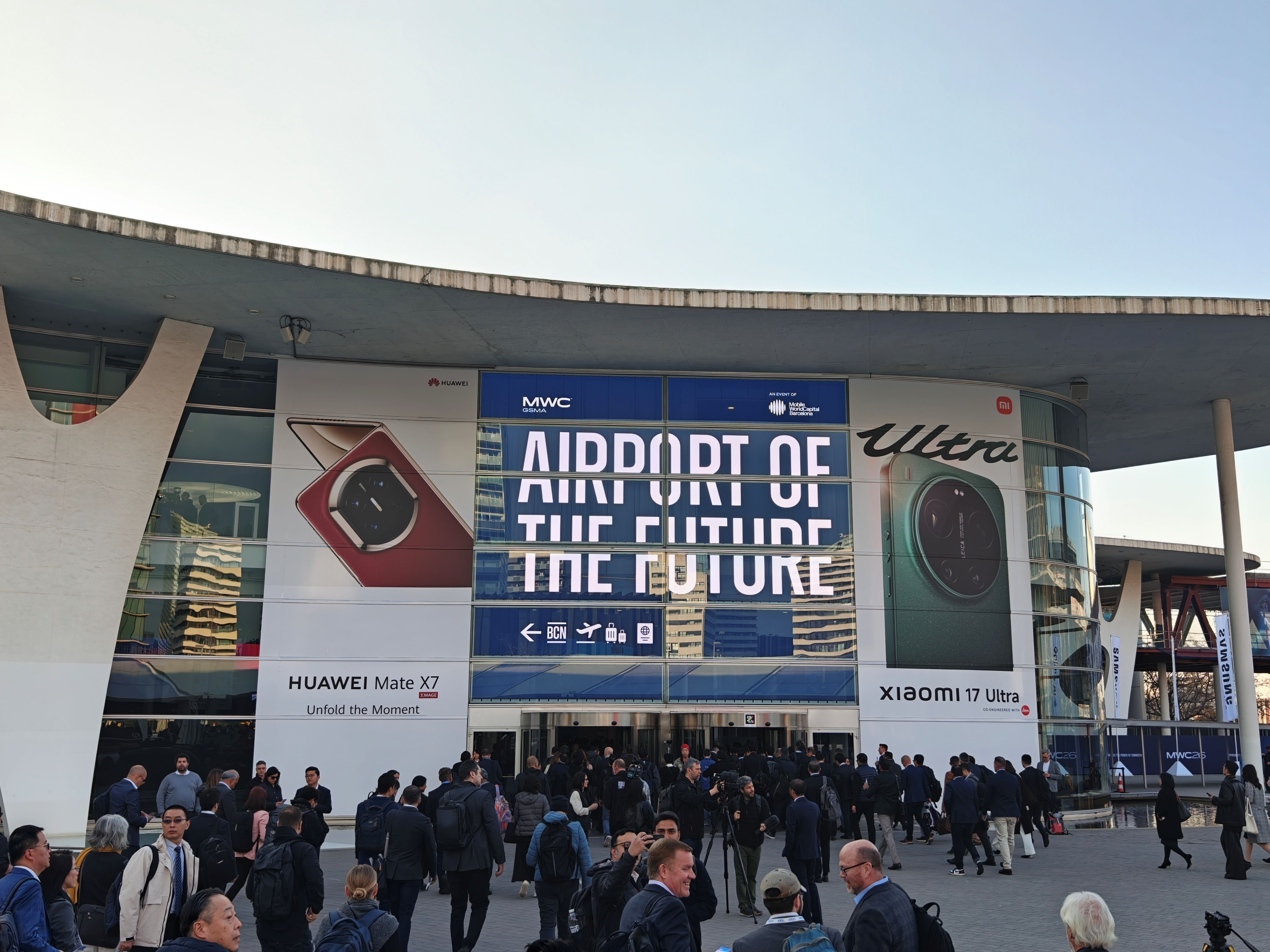
This year marks the 20th anniversary of the MWC exhibition. Lei Technology has dispatched a reporting team led by senior editor Dingxi and anchor A Lei to Barcelona, Spain, to bring you first - hand information and professional reports. On the second day of the opening, after touring the exhibition halls, Lei Technology found that in addition to the familiar mobile phone products, some new communication technologies are starting to move from the laboratory to the public, allowing us to get closer to the new specifications and standards that could shape the next decade or more.
(Source: Photos taken on - site by Lei Technology's MWC reporting team)
Among these, the changes in smart home are the most impressive. MWC is neither a home appliance exhibition nor a consumer electronics show. In most people's perception, this exhibition may have little to do with smart home. However, network devices, chip platforms, home gateways, wireless protocols, edge computing, etc., are actually closely related to smart home.
Without the support of these underlying technologies and protocols, a smart home can hardly be called "smart". At this year's MWC, we also discovered many new technologies that may influence the future development of smart home.
Stability and AI: The Next Keywords for Smart Home
The two most explicit signals released by MWC 2026 in the smart home field are stability and AI.
In the past, home networks essentially served independent devices such as mobile phones, computers, and TVs. Even if each person in the family had one or two devices, the network could still handle it. Today, a household may have dozens of devices connected simultaneously, including cameras, door locks, sweeping robots, air conditioners, speakers, sensors, and even wearable devices.
This complex and dense IoT environment places extremely high demands on network stability. Therefore, in the direction of "stability", Wi - Fi 8 is the most prominent technology. The core design of Wi - Fi 8 is quite different from its predecessors, Wi - Fi 6/7. Instead of pursuing speed, it focuses more on connection stability. When Qualcomm released its Wi - Fi 8 platform centered around the FastConnect 8800 mobile connectivity system and the Dragonwing Wi - Fi 8 network solution, it mentioned that while increasing the peak rate, it is more important to improve signal coverage, anti - interference ability, and low - latency performance.
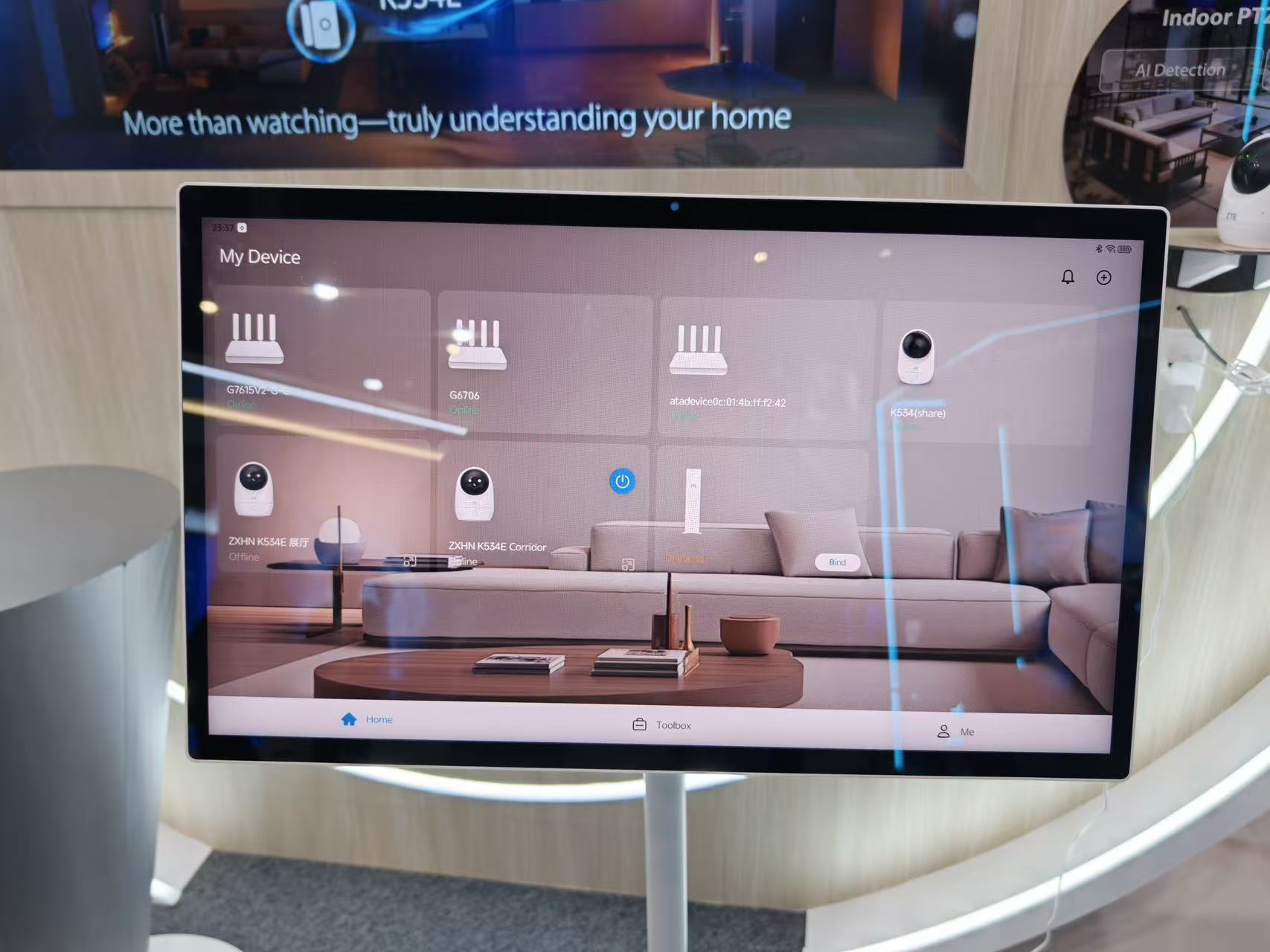
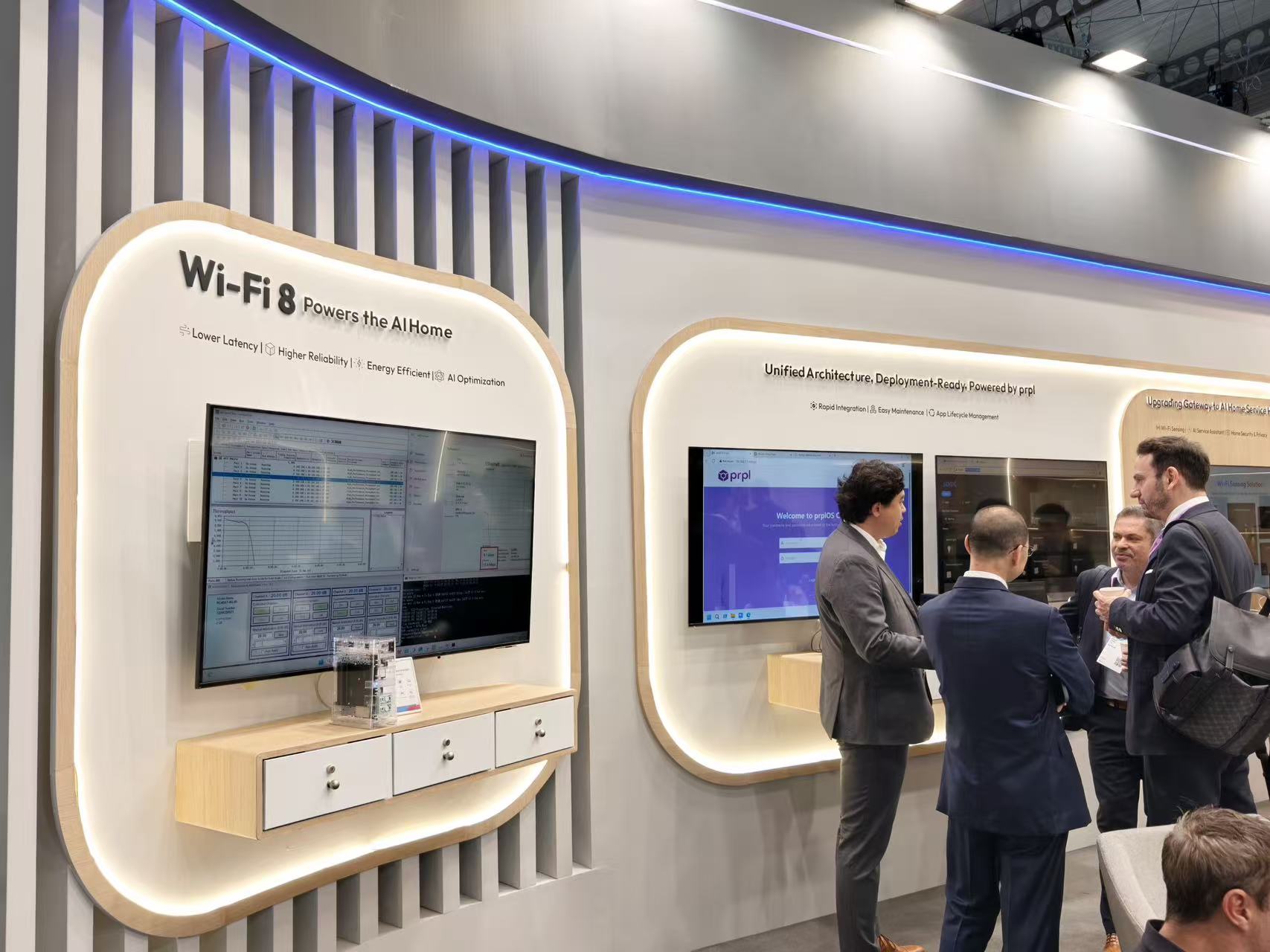
Although the official standard of Wi - Fi 8 (IEEE 802.11bn) is expected to be officially released in 2028, the technology of Wi - Fi 8 is basically ready, and many manufacturers have demonstrated it at MWC 2026. For example, ZTE showcased Wi - Fi 8 Mesh, highlighting "ultra - stability" and "high - speed connection". More notably, ZTE also presented a central concept of "AI Mid - Screen", integrating entertainment, communication, security, and intelligent control into a single entrance for centralized control.
(Source: Photos taken on - site by Lei Technology's MWC reporting team)
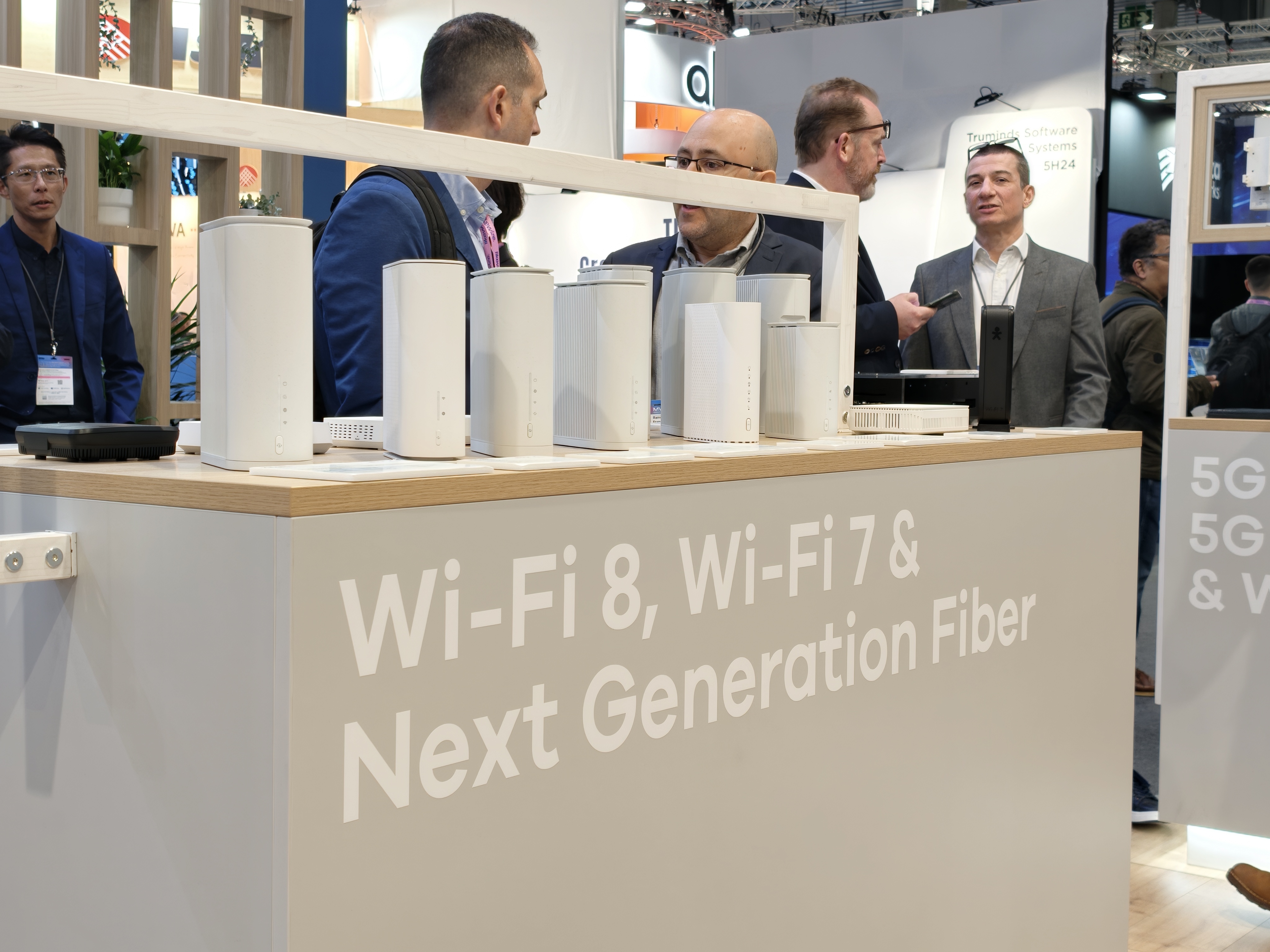
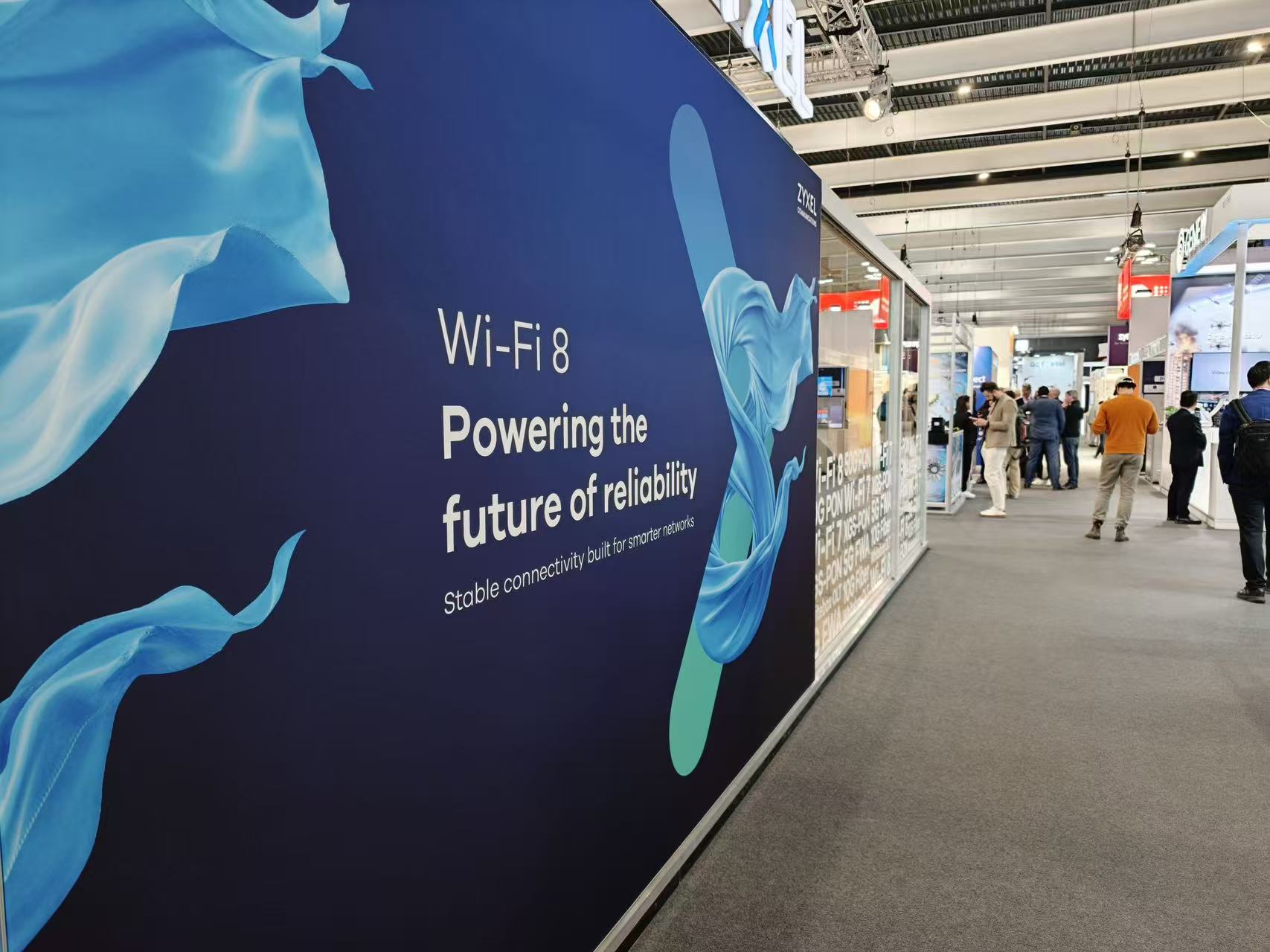
The communication equipment manufacturer Zyxel also demonstrated the preview technology of Wi - Fi 8. Its selling points are concentrated in three aspects: lower latency, stronger stability, and smarter support for smart home/IoT devices. Simply put, in the future, households will face the access of devices with different sizes and network requirements, and stronger stability is needed to ensure that they do not drop the connection and remain responsive at all times.
(Source: Photos taken on - site by Lei Technology's MWC reporting team)
In addition, Zyxel also introduced "AI - driven network management" called Zyxel One, which can enhance network monitoring, automatic optimization, and faster fault location. For smart home devices connected to the intelligent center, as well as mobile phones, computers, and wearable devices, once there is a network fluctuation or fault, Zyxel One will automatically query the problem and perform automatic repair through AI.
Not only is the wireless network changing, but the roles of routers and home gateway devices are also changing.
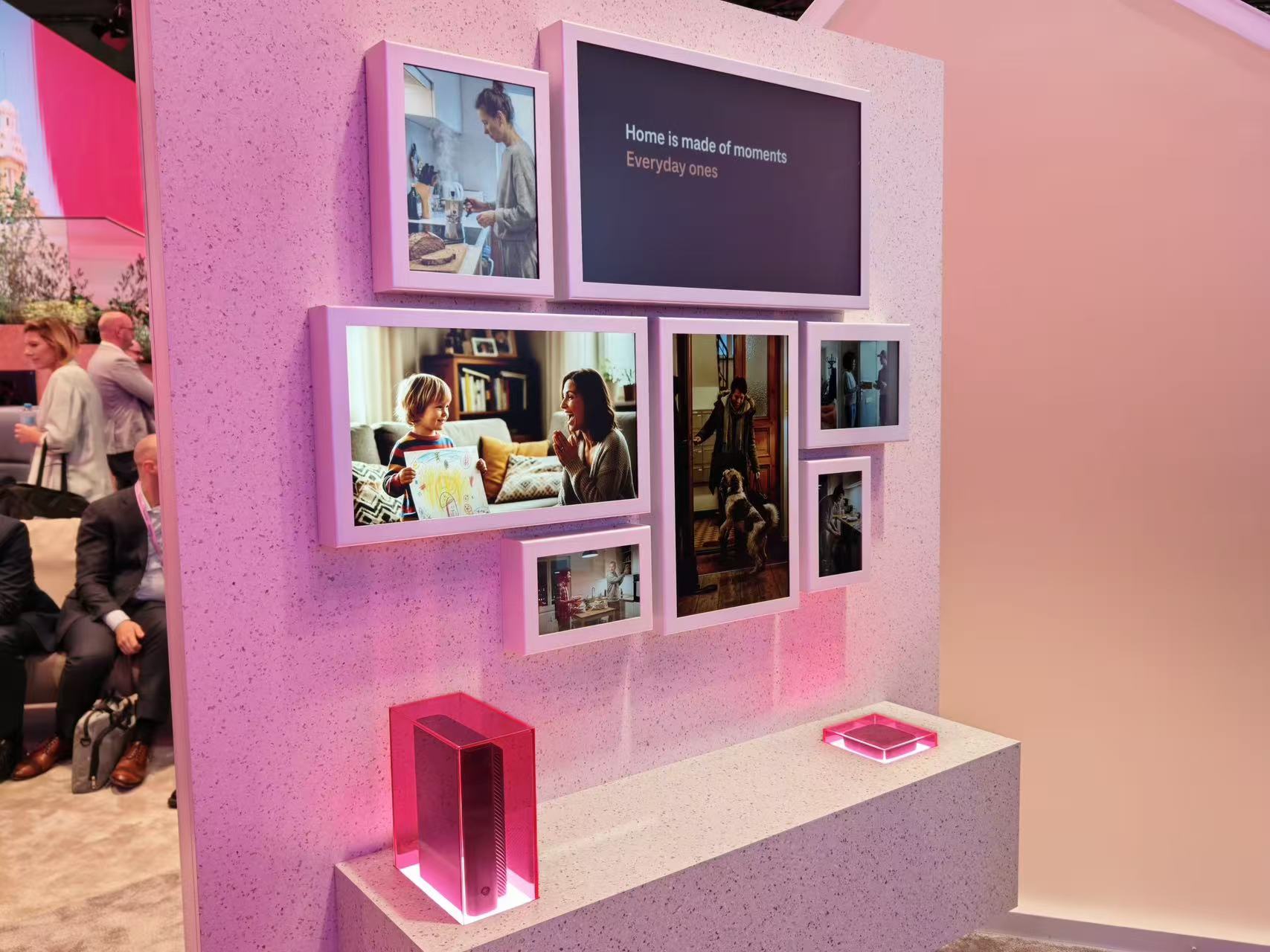
In the past decade, router devices were usually regarded as "transmission tools", responsible for transmitting data from point A to point B within the home and then connecting to the Internet. At the MWC 2026 exhibition, in Deutsche Telekom's "Intelligent Home" concept, AI is directly integrated into the router, connecting home devices, services, and people, learning user habits, responding to needs, and orchestrating between different technologies and brands.
(Source: Photos taken on - site by Lei Technology's MWC reporting team)
Deutsche Telekom also emphasized that these behavior data are only processed locally on the router and will not be uploaded to the cloud.
On the other hand, VDV, established in 2003, launched the Wi - Fi 8 XGS - PON AI Fiber Gateway. On the one hand, it uses an integrated NPU for real - time AI traffic identification and dynamic scheduling, making the Wi - Fi connection experience have lower latency, which is suitable for latency - sensitive home applications such as cloud gaming and video conferencing. On the other hand, the NPU is also used for edge security as a local AI firewall.
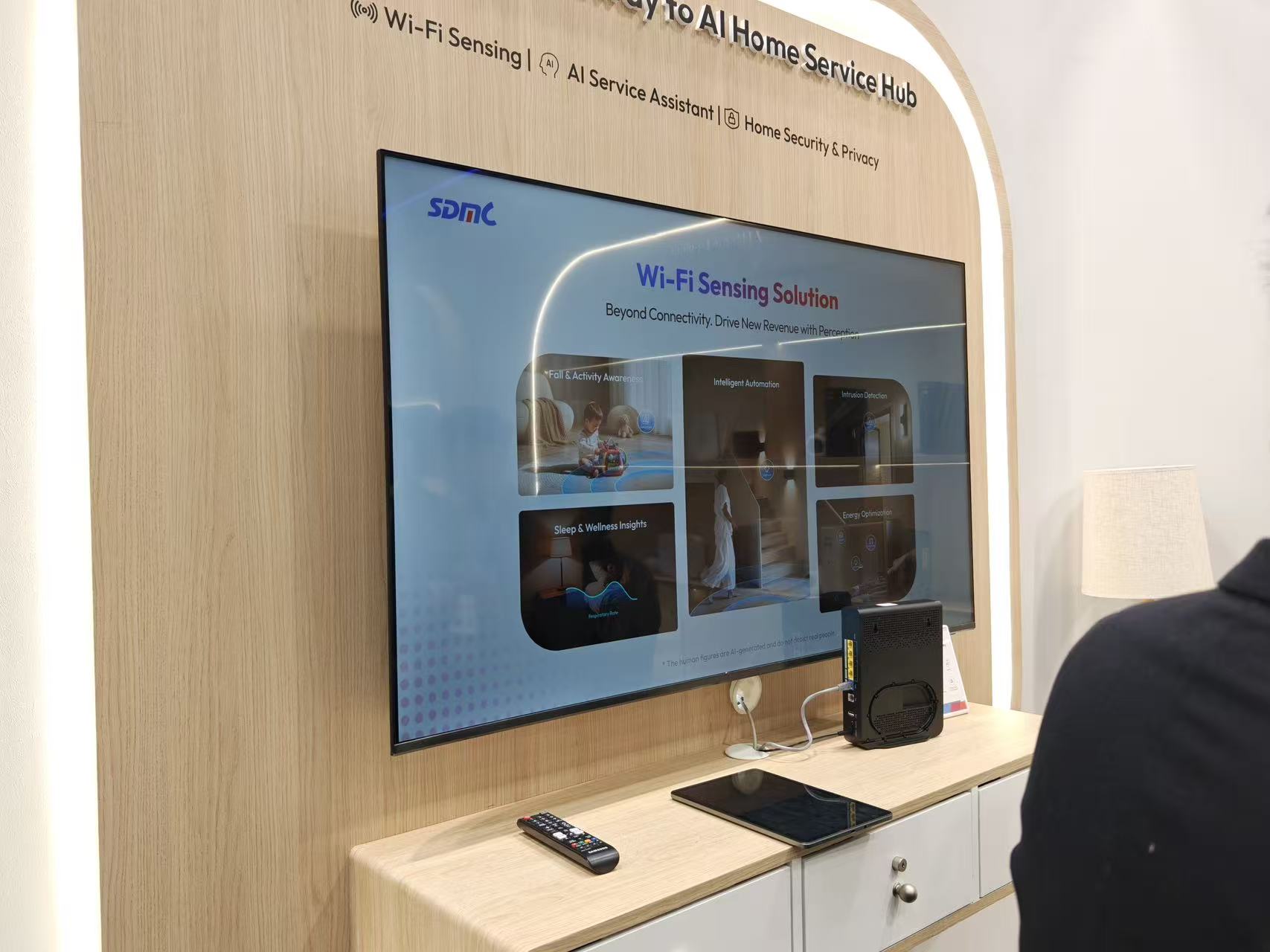
(Source: Photos taken on - site by Lei Technology's MWC reporting team)
More interestingly, VDV's "Wi - Fi Sensing" uses Wi - Fi spatial perception to detect "presence/movement" without the need for cameras and without storing local data. In the future, it will also support near - real - time fall detection, sleep insight, and other capabilities through OTA.
In addition, TCL also exhibited its model for smart home scenarios. The case showed a two - story cottage disassembled, with Wi - Fi Mesh routers, 5G CPEs, fiber - to - the - home gateways, and emergency backup connection solutions arranged inside, and a clear line connecting them to represent "from fiber to 5G, and from the living room to the bedroom".
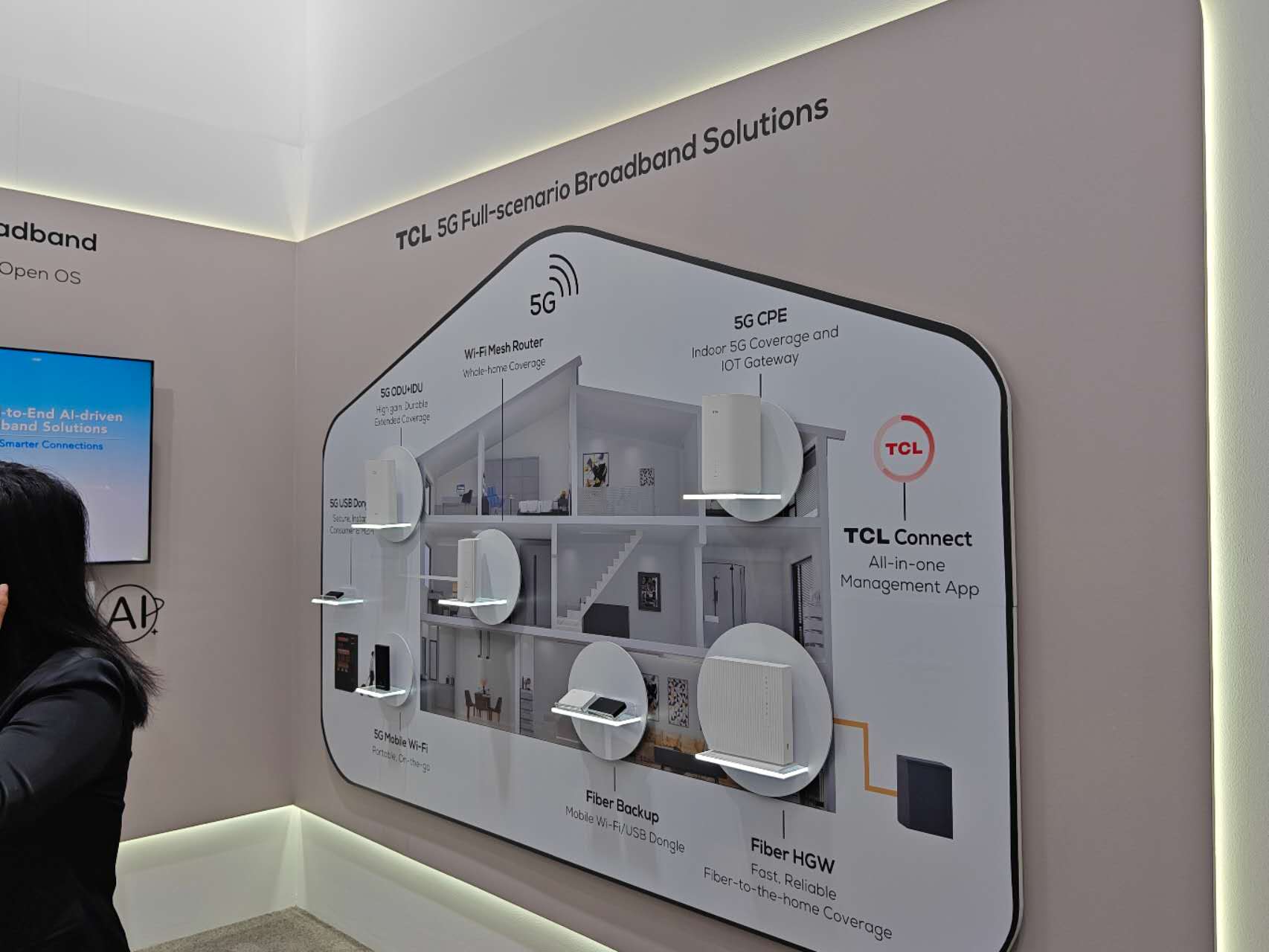
(Source: Photos taken on - site by Lei Technology's MWC reporting team)
In the future, home networks should not rely solely on a single router. Instead, fiber and 5G should be used as complementary foundations, and then the TCL Connect management app should be used to integrate gateways, routers, and IoT entrances, making the whole - house networking more stable and easier to control.
If we look at the technologies introduced by these companies together, it is not difficult to find that the smart home industry has entered an era of "competing on quality" rather than "competing on quantity". Having a sufficient number of supported devices is now the most basic requirement. Whether multiple devices can be connected stably with low latency is the new challenge in the smart home market.
Before Smart Home "Takes Off", the Technical Foundation Matters More
In the past decade, most innovations in smart home have concentrated on the functional layer, such as making devices smarter, voices more natural, and creating more automated scenarios. These innovations are indeed important. Thanks to these innovations, we have evolved from single smart home products to entire smart homes, and finally to ecosystems, cross - brand compatibility, and transmission protocols.
At MWC, a mobile communication exhibition, smart home rarely appears in the form of products but focuses more on the improvement of underlying technologies. Imagine a smart home where the lighting system, air system, and voice control system are all advanced, but the high network latency prevents them from responding promptly to your wake - up commands and processing tasks slowly. Even if the smart home uses the most advanced technologies, it is difficult to provide users with the best experience.
This is why Wi - Fi 8 is particularly important at this MWC. Almost all communication equipment manufacturers and operators regard Wi - Fi 8 as one of the most suitable underlying network deployments for future smart homes. Compared with previous generations of standards that emphasized peak throughput, Wi - Fi 8 more explicitly focuses on improving reliability in complex environments. Multi - AP collaboration, dynamic optimization of resource allocation, and maintaining low latency and stable connections in high - concurrency scenarios are all preparations for the large number of future home devices.
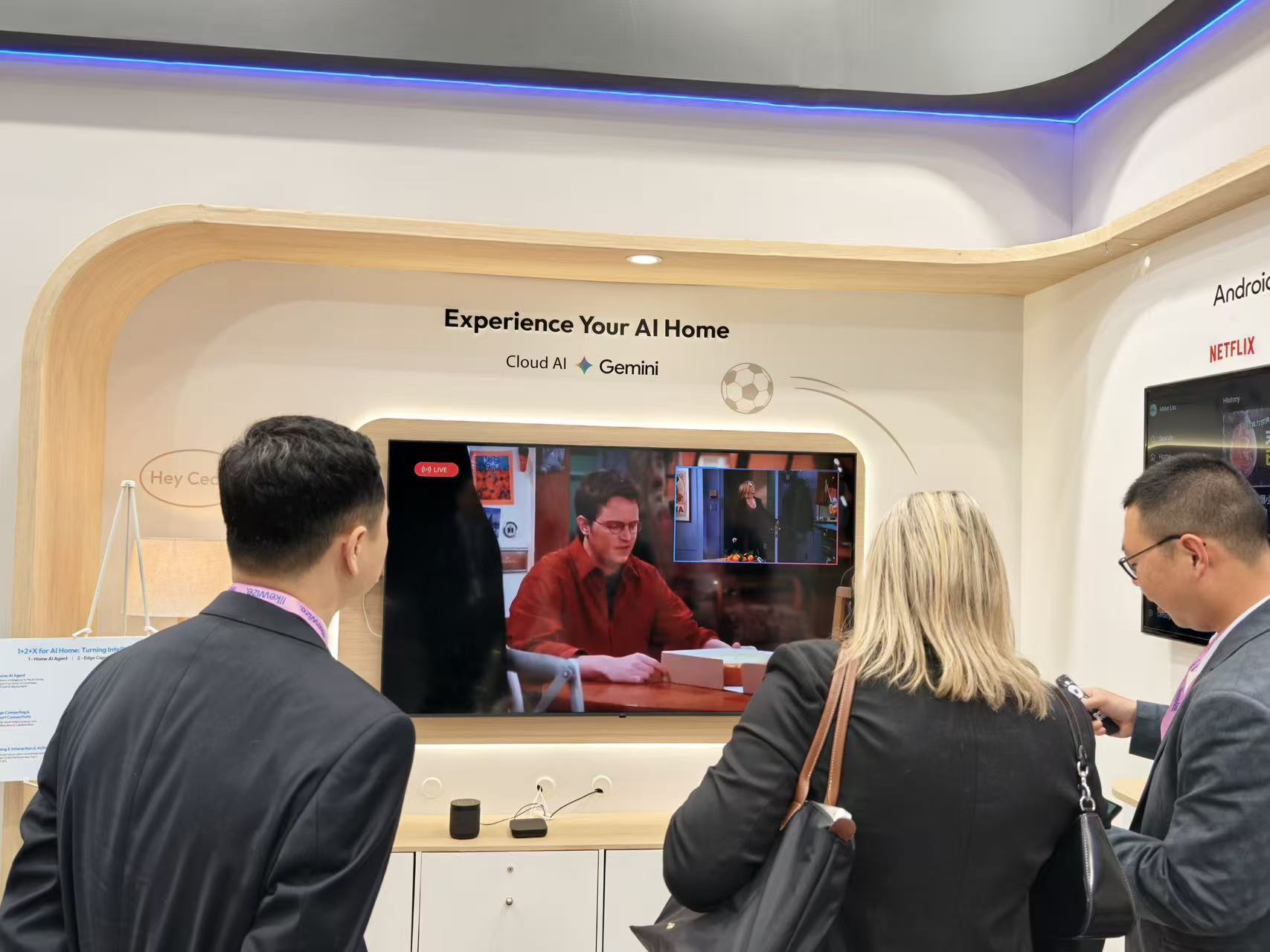
(Source: Photos taken on - site by Lei Technology's MWC reporting team)
As Wi - Fi 8 starts to support the underlying network of smart homes, the intelligent home center is becoming more important.
Deutsche Telekom's "Intelligent Home" concept at MWC attracted over 28,000 visitors. By integrating an AI agent into routers and gateways, local computing power is used to handle device recognition, traffic scheduling, scenario judgment, and security protection tasks. Edge AI is no longer just a concept but has become the core of home network devices. Since routers are at the entrance of home traffic and can monitor the status of all terminals, they are most suitable for the role of a scheduler.
At this MWC, Lei Technology also found that many smart home - related technology suppliers rarely mentioned protocols such as Matter and Thread. Of course, less mention does not mean they are unimportant. Instead, these protocols have become basic capabilities, and interoperability is no longer a selling point but an entry threshold.
(Source: Photos taken on - site by Lei Technology's MWC reporting team)
In the past two years, Thread 1.4 is generally considered a key step in solving the problem of fragmented multi - border routers. One of the key updates of Matter 1.4.2 is reliability and consistency, including optimizing routers/network infrastructure to better serve Matter devices. In fact, all these protocol updates have an obvious common feature: using stability and compatibility to reduce user hassle.
In other words, this MWC does not showcase "what smart home looks like" like the AWE exhibition but uses technology to answer the question of "how smart home can operate stably in the long run". Only when the foundation matures can "whole - house smart home" have a better chance to enter a broader market.
Conclusion
In recent years, the smart home market has gradually grown. IDC data shows that the number of global smart home devices reached 890 million in 2024, and the market has entered the stock stage. This explains why at MWC 2026, there is more discussion about technology, underlying infrastructure, and user experience than product launches, as experience and ecosystem will determine consumers' replacement decisions and market expansion.
The experience bottleneck of many whole - house smart home solutions in the past few years ultimately lies not in the insufficient functionality of a single terminal but in the many uncontrollable factors in the overall experience. For example, door locks, cameras, sensors, speakers, home appliances, and mobile phones all rely on each other in a single network. Once the network fluctuates or the device density increases, users will feel that the system is not sensitive enough. This is why at MWC 2026, smart home - related technologies revolve around Wi - Fi 8, AI gateways, and edge computing power.
Why is there a more urgent need to upgrade the "foundation technology"? IoT Analytics statistics show that the number of global connected IoT devices was approximately 21.1 billion in 2025 and is still growing. The density of devices on the home side will only increase. Especially with the official release of the Aliro 1.0 protocol for smart door locks, the number of devices that need to be connected to the network will only skyrocket. As mentioned earlier, for a truly smart home, with more devices, stability becomes even more important.
(Source: Photos taken on - site by Lei Technology's MWC reporting team)
It is foreseeable that the winner in the future may not be the company that piles up the most functions in a single product but the one that builds the most stable network foundation, the most controllable home center, and the most "seamless" standard capabilities. Many whole - house smart home manufacturers may also choose to develop their own AI network management systems, routers, and other products to create a more unified experience in the technical foundation.
More directly, this MWC has clearly shown the future direction of smart home: there will be no shortage of devices in whole - house smart home, but there will be a shortage of a network that ensures devices