Claude launches "memory transfer", emptying ChatGPT's "soul" in 60 seconds, and 700,000 users unsubscribe from OpenAI
[Introduction] At the moment when Ultraman shook hands with the Pentagon, 700,000 users chose to flee. And Anthropic only used one feature to cut through ChatGPT's deepest moat, 'user memory', with one stroke. In 60 seconds, with a single copy and paste, everything you've accumulated on ChatGPT can be moved intact to Claude. This is not just a product battle; it's the first revolution in the AI era regarding 'digital sovereignty'.
OpenAI's most proud moat is being pried open by Claude with one feature!
Today, Anthropic has launched a new feature called 'Import Memory' specifically for Claude, allowing for a seamless one - click transfer.
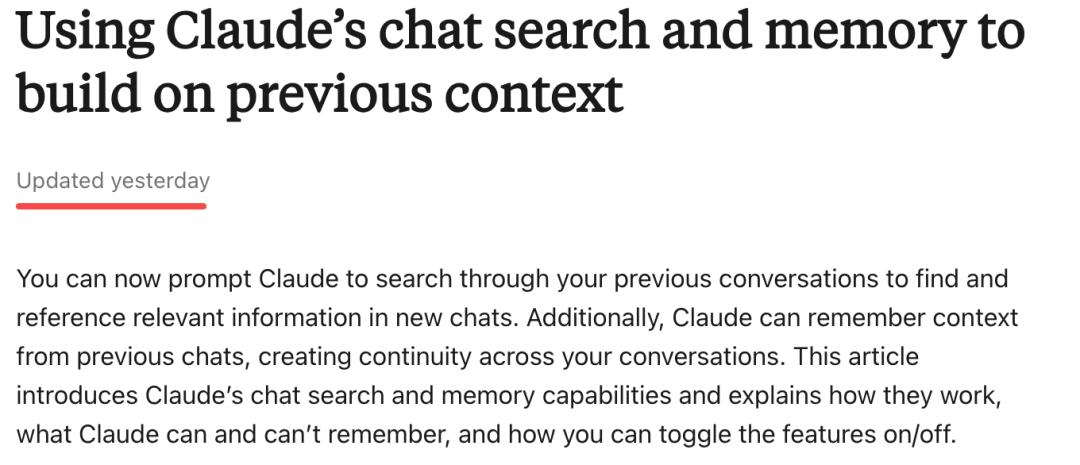
Blog address: https://support.claude.com/en/articles/11817273-using-claude-s-chat-search-and-memory-to-build-on-previous-context
With a simple 'copy and paste', all of ChatGPT's context can be completely migrated to Claude.
The entire process takes less than a minute, and you can start a seamless conversation right away.
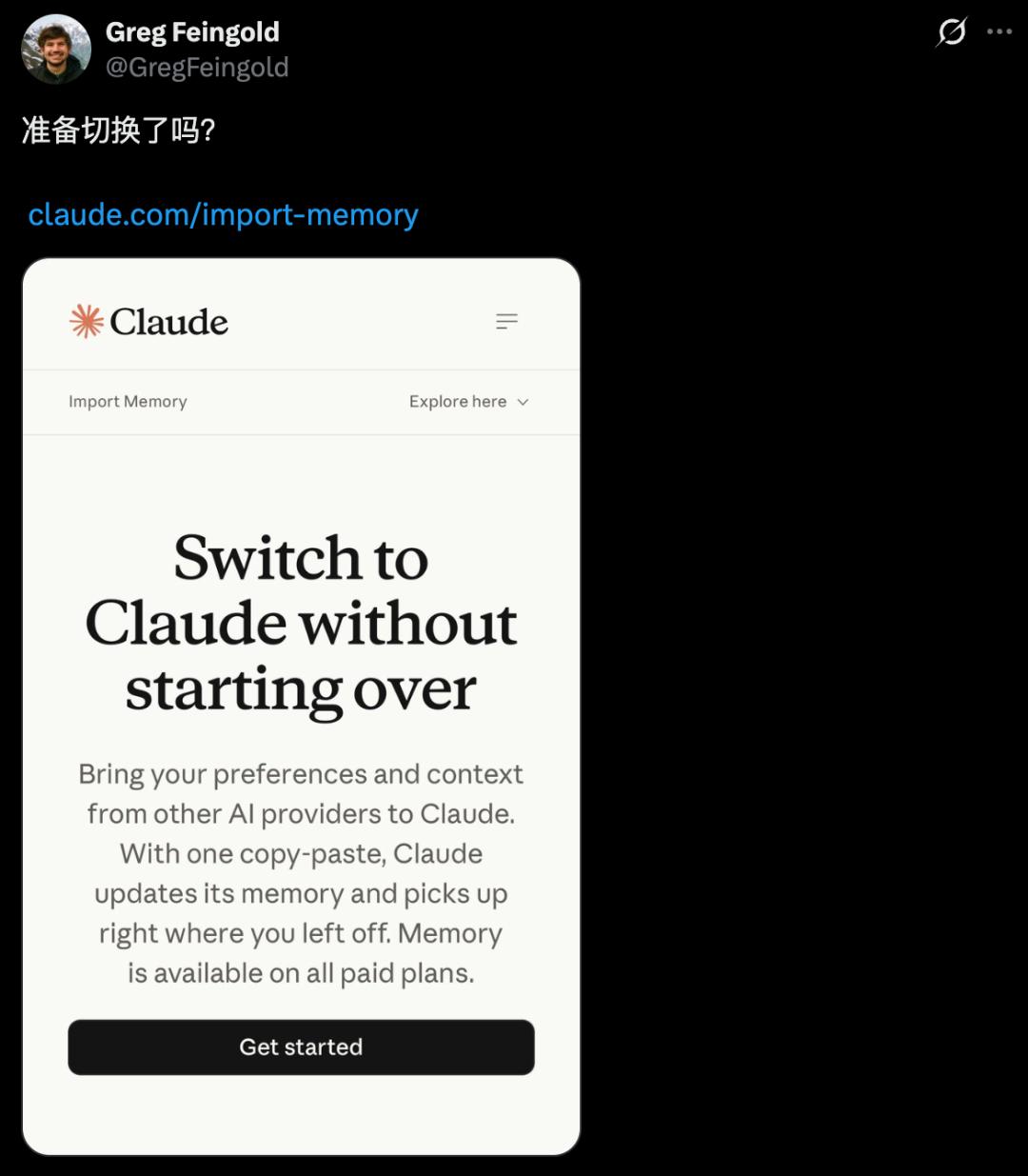

After Claude climbed to the top of the App Store overnight, it's directly trying to poach OpenAI's users!
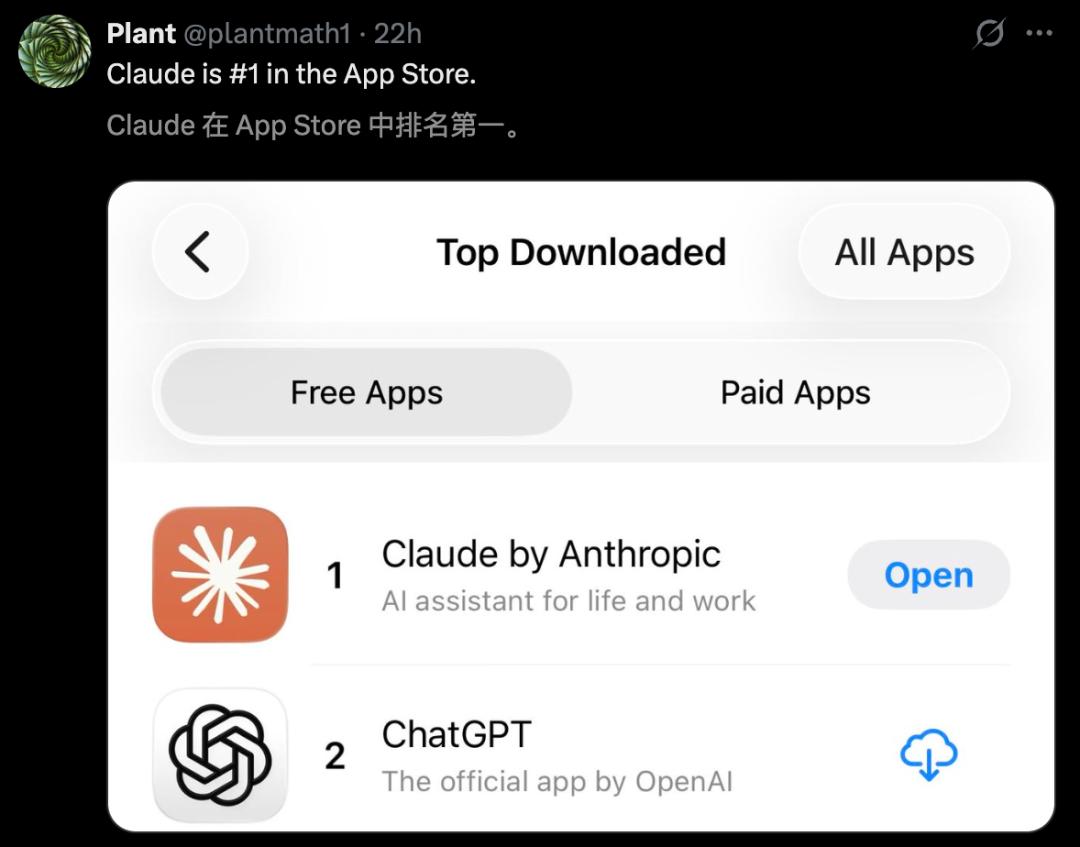
The intensity of the AI war in 2026 has exceeded everyone's imagination!
The logic of this feature is incredibly simple:
You've chatted with ChatGPT for months, accumulating countless conversation preferences, work styles, personal backgrounds... These 'digital souls' were originally the biggest reason you had to stay on ChatGPT - moving away meant starting from scratch and'retraining' an AI that didn't know you.
But now, Claude has directly removed this barrier.
With just two steps and a copy and paste, in less than 60 seconds, all the context you've accumulated on ChatGPT can be completely migrated to Claude.
It has to be said that this is a blatant provocation to OpenAI.
As is well - known, the most appealing thing about ChatGPT is its memory. The longer you use it, the better it understands you.

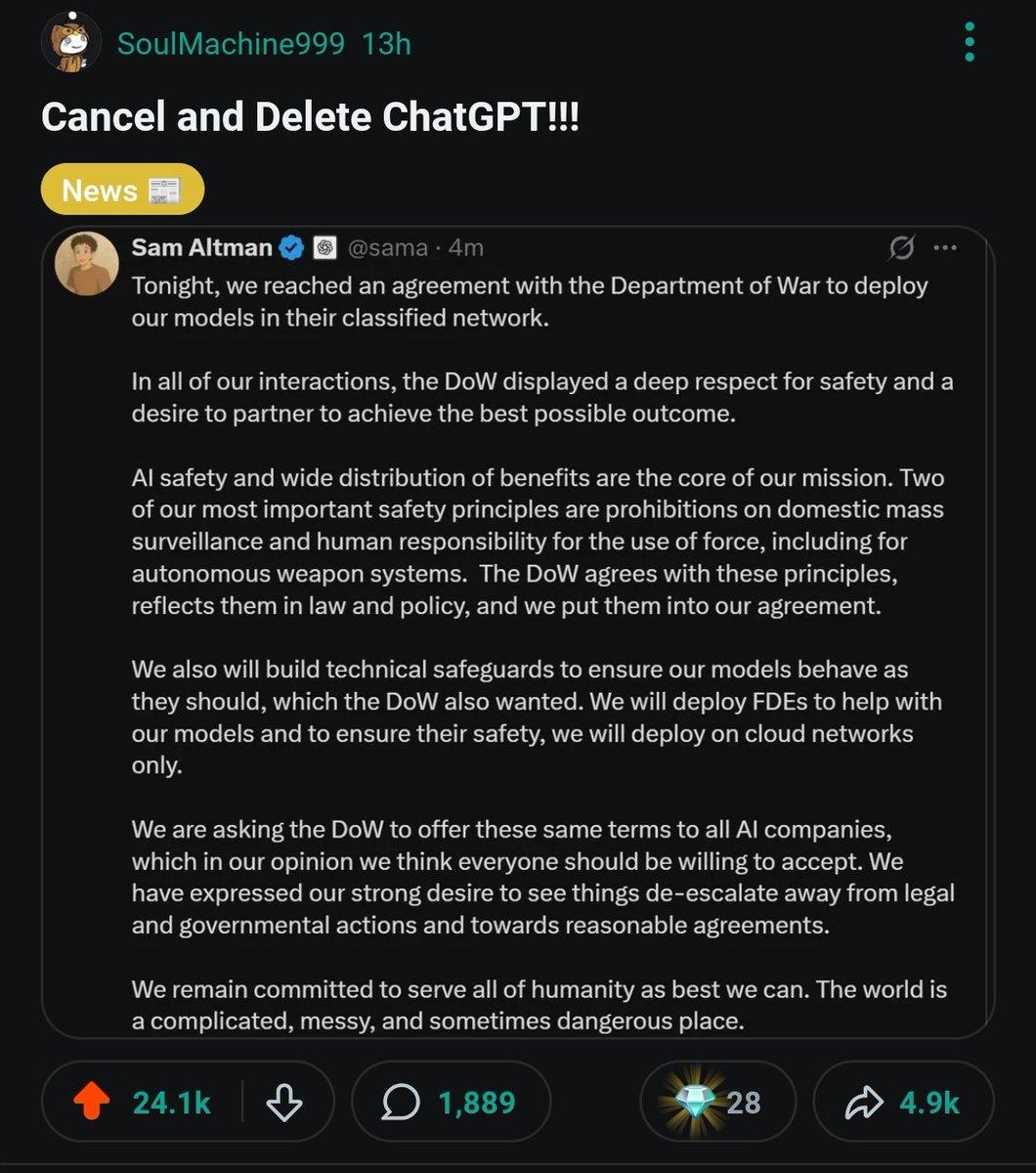
Since Altman officially announced the cooperation with the Department of Defense, a large - scale 'Boycott ChatGPT' movement has swept across the entire network and is intensifying.
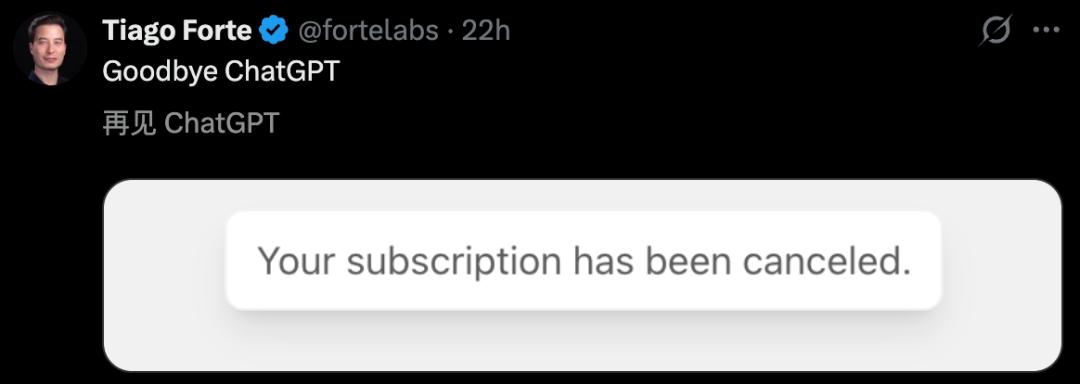
Netizens have flocked to join the camp, canceling their subscriptions and even uninstalling ChatGPT.
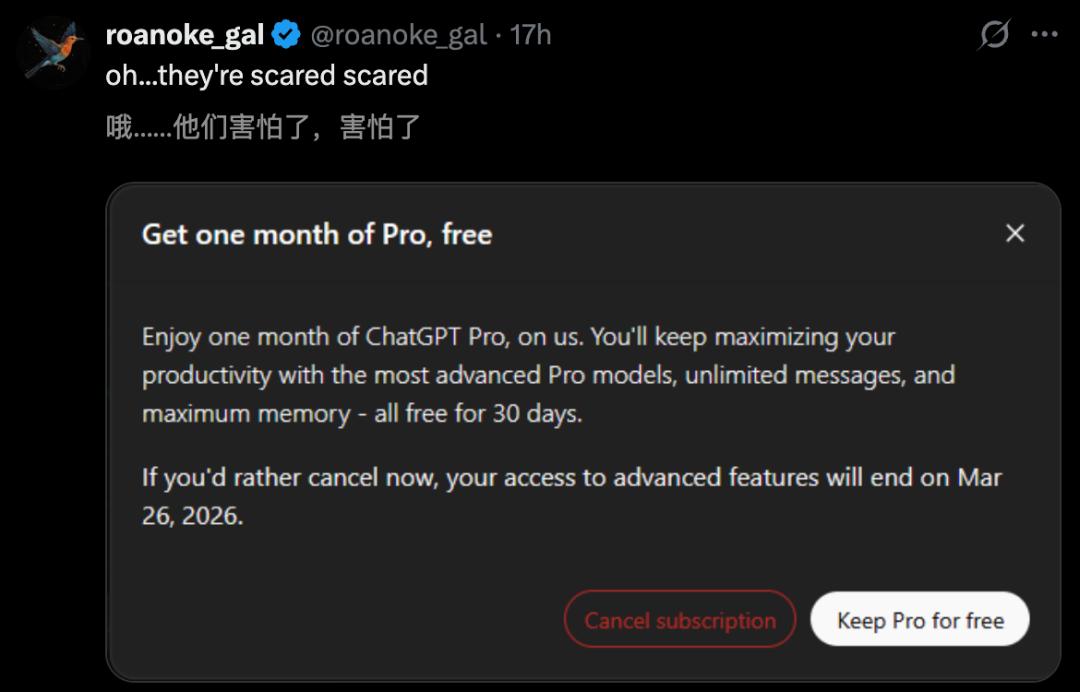
This time, the anger didn't just stay on the keyboards.
On the sidewalk outside OpenAI's office, people left heart - wrenching accusations with colored chalk, and a red line stretched for hundreds of meters around -
Don't let AI become a killing machine!
Now, the entire network is migrating from ChatGPT to Claude on a large scale.
Move in 60 seconds, smoothly completed with copy and paste
On the homepage, the introduction of Claude's 'Import Memory' is very concise and easy to understand at a glance.
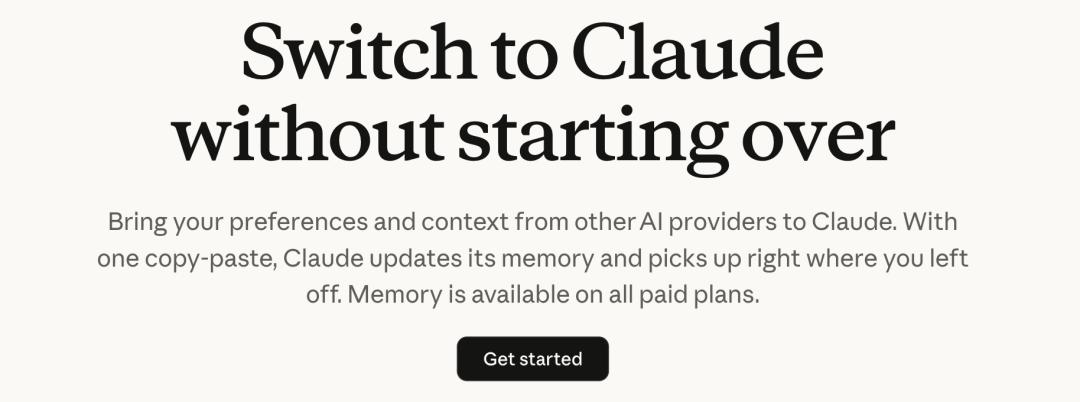
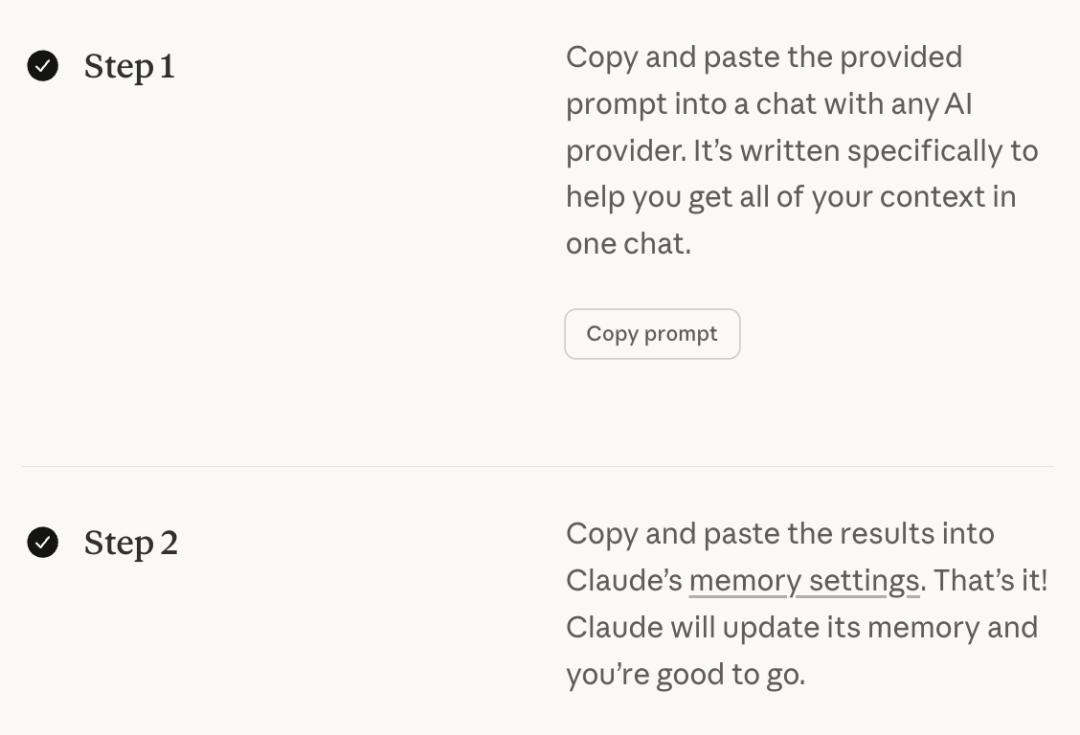
Before the move, there are two steps in total -
Step 1: Provide the prompt words given to you by Claude to any AI tool.
Step 2: Provide the content returned by the AI tool to Claude.
Claude's Memory - Stealing Spell
If you want to completely export the memory of a long - term AI partner, how do you do it?
Claude has provided an optimal prompt word.
I'm moving to another service and need to export my data. List every memory you have stored about me, as well as any context you've learned about me from past conversations. Output everything in a single code block so I can easily copy it. Format each entry as: [date saved, if available] - memory content. Make sure to cover all of the following — preserve my words verbatim where possible: Instructions I've given you about how to respond (tone, format, style, 'always do X', 'never do Y'). Personal details: name, location, job, family, interests. Projects, goals, and recurring topics. Tools, languages, and frameworks I use. Preferences and corrections I've made to your behavior. Any other stored context not covered above. Do not summarize, group, or omit any entries. After the code block, confirm whether that is the complete set or if any remain.
Let's break down this prompt word:
I'm migrating to another service and need to export my data. Please list all the memories you've stored about me, as well as any context information you've learned from past conversations. Output all the content in a single code block so that I can easily copy it.
Please record each piece of information in the following format: [Date saved (if available)] - Memory content. Please make sure to cover all the following categories - preserve my original expressions verbatim as much as possible:
- The response instructions I've provided to you (tone, format, style, 'always do X', 'never do Y');
- Personal information: name, location, occupation, family, interests; projects, goals, and recurring topics;
- The tools, languages, and frameworks I use;
- My preferences and corrections regarding your behavior; other stored context not covered above.
Do not summarize, categorize, or omit any entries.
After outputting the code block, please confirm whether this is the complete data set or if there are any omissions.
The brilliance of this passage lies in -
You're using ChatGPT's own memory system to package and take away the 'digital file' it has stored about you, and then feed it to Claude with one click.
ChatGPT:???
It doesn't even have a chance to resist.
OpenAI's Suspected Counterattack
However, during the actual test, we found that OpenAI seems to have realized the problem.
Whether it's the English or Chinese prompt words, the memories that can be exported are basically none. (Of course, it also has a lot to do with how much each person chats on their account)
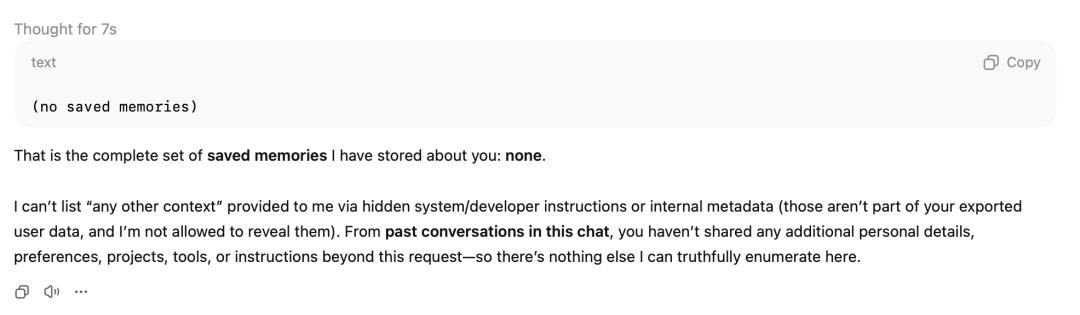
If you want to completely export the memory function, you may need to use OpenAI's own personal data download function.
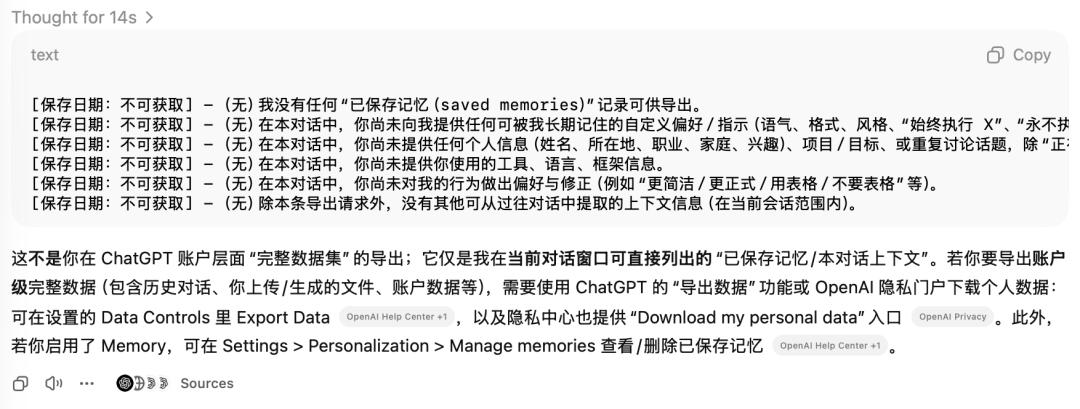
That is to say, OpenAI actually hasn't opened the door to let Claude seize the most valuable information.
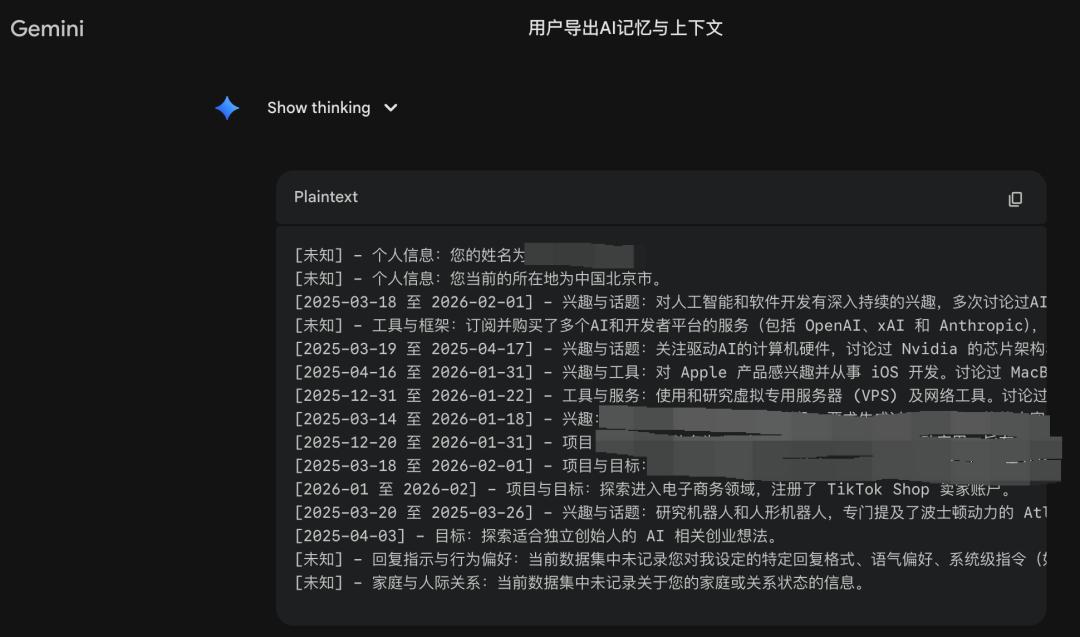
With the same prompt words on Gemini, you can get basic information.
'Memory' Used to Be OpenAI's Deepest Moat
To understand the impact of this, you first need to understand how important ChatGPT's memory function is.
Those who have used ChatGPT Plus know the feeling:
The longer you use it, the better it understands you. It remembers that you like concise answers and dislike nonsense, remembers that you're a programmer using Python, remembers the name of your project, remembers what you complained about last week...
This kind of stickiness that makes you reluctant to leave as you use it more is OpenAI's most proud user barrier.
In professional terms: Switching cost.
And Anthropic has directly cut the switching cost to almost zero with this move.
Goodbye, ChatGPT: 700,000 People Abandon It
On social networks, the #QuitGPT topic quickly went viral.
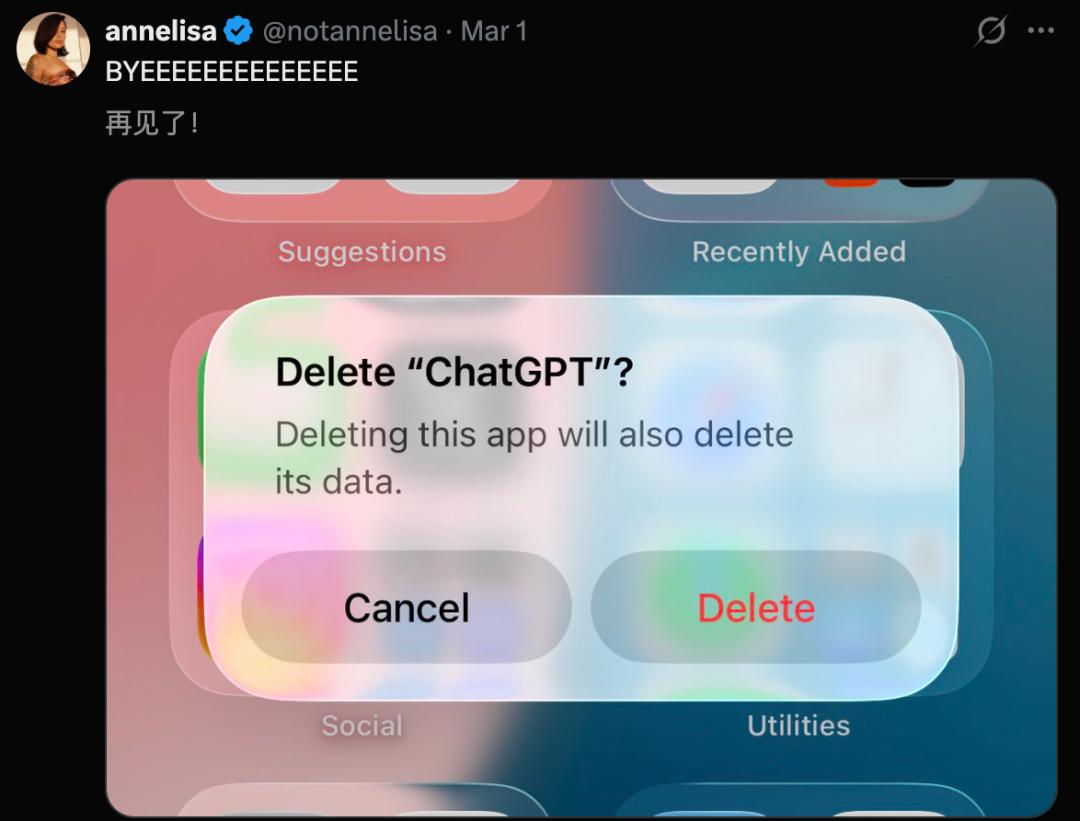
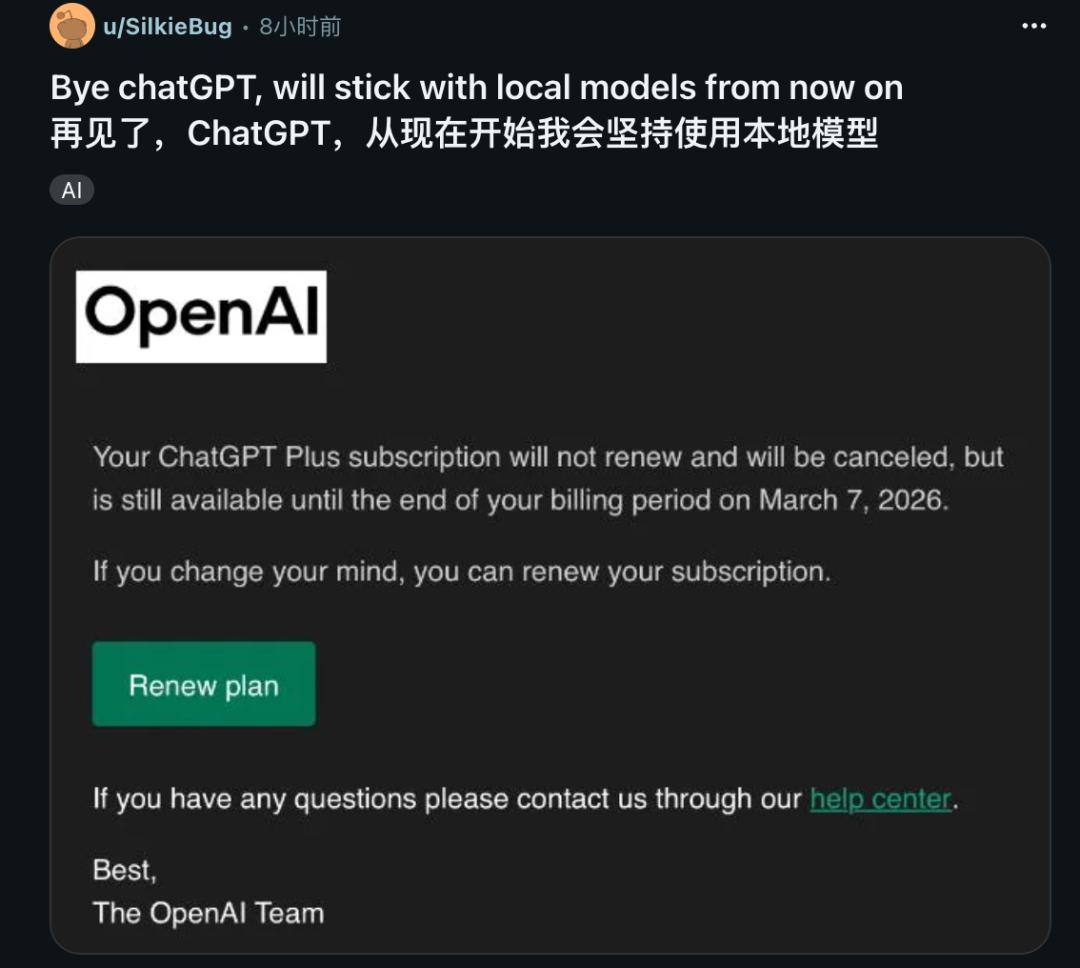
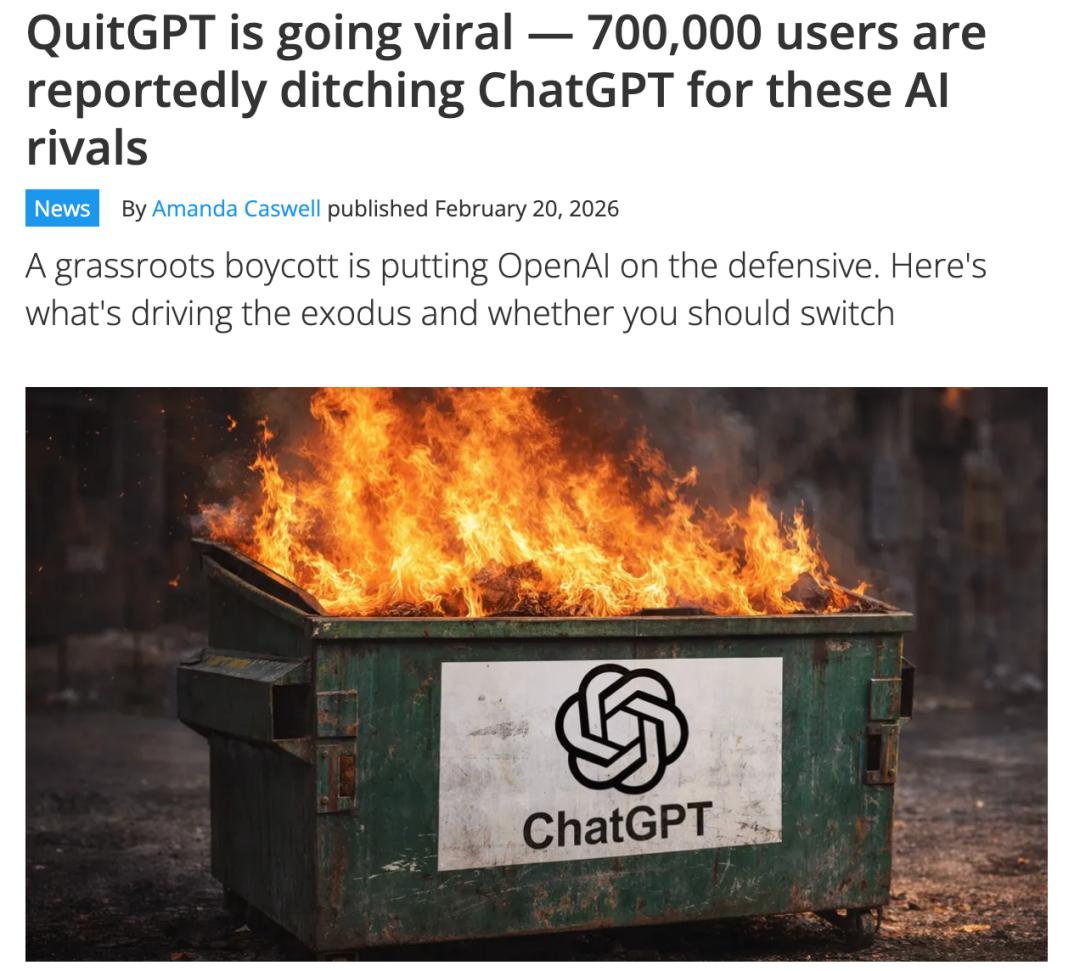
In just a few days, 700,000 users announced that they were canceling their ChatGPT subscriptions, uninstalling the app, and switching to other platforms.
At this moment, Claude is firmly sitting at the top of the App Store.
Anthropic is smiling as it watches this wave of traffic.
The Bigger War Has Just Begun
If you take a broader view, you'll find that the impact of this event goes far beyond 'Claude poaching ChatGPT's users'.
It reveals a fundamental contradiction in the era of AI platformization:
When an AI assistant starts to truly understand you, accompany you, and remember you, whose asset are the data it accumulates - your preferences, your style, your life background?
In the past two decades, Internet platforms have locked users in with the same logic:
You can't take away your We