It's finally coming. NVIDIA's PC processors may make an appearance.
As early as January 2025, our team from 3eLife analyzed a newly exposed Lenovo laptop model at that time and pointed out that this model named "Yoga 2in1 16 2025 N1X" was most likely equipped with an NVIDIA PC SoC. Moreover, its 16 - inch screen size indicated that the power consumption of this chip was probably not low, which also implied that its chip design might be quite similar to the Pro or even Max models of Apple's M - series chips. That is to say, the NVIDIA PC chip installed in the Yoga 2in1 16 2025 N1X may simultaneously feature a "multi - core CPU" and a "super - large - scale integrated graphics card".
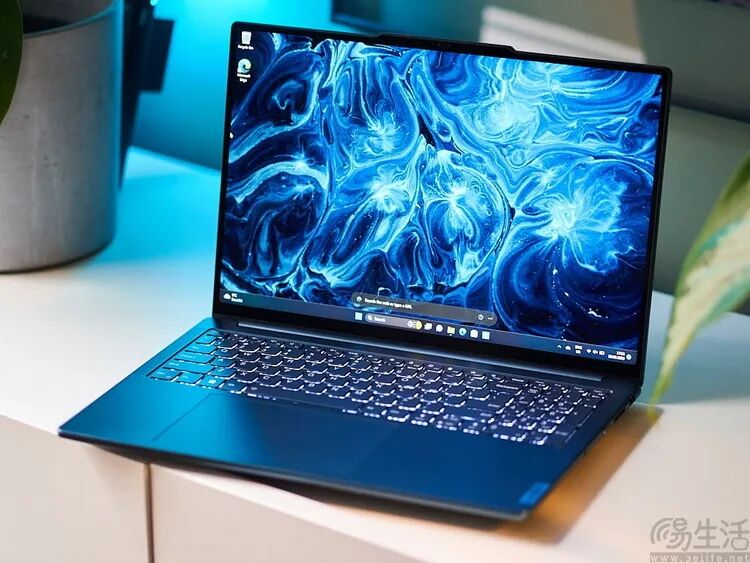
Judging from the subsequent exposed information, almost all our speculations at that time "hit the mark". For example, we thought that the scale of its CPU and GPU would not be small, and it turned out that it integrated a full 10 Cortex - X925 and 10 Cortex - A725 cores, as well as a GPU specification similar to that of the desktop RTX5070 (6144 CUDA cores, but with slightly lower frequency and memory bandwidth).
Another example is that at that time, we guessed that the power consumption of this NVIDIA PC chip was not low and it could probably only be used in large - sized, high - performance laptops. Subsequent revelations showed that its typical TDP was as high as 140W, and the instantaneous power consumption could even reach 224W. This means that it is destined to be used only in large - sized "all - around laptops" or even "gaming laptops", and it's basically impossible to use it in thin and light laptops or PC handhelds.
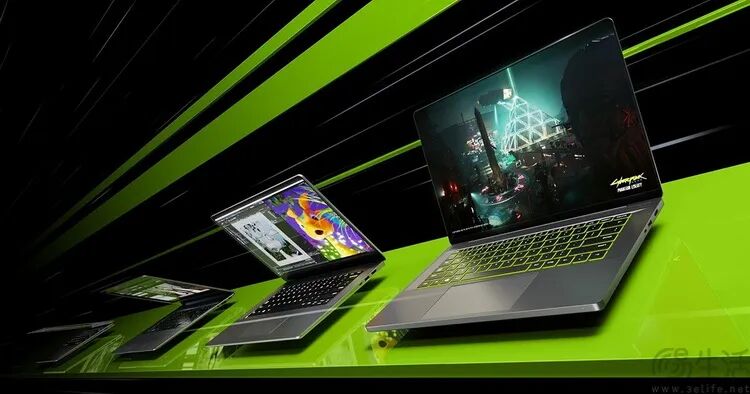
However, the only thing we didn't expect was that the actual market launch time of this NVIDIA PC chip codenamed "N1X" would be so delayed. Although it was exposed to have entered the actual machine testing phase as early as the beginning of 2025, due to "serious software problems", it wasn't until the end of February 2026 that there was news indicating that it would be first launched in gaming laptops by Dell and Lenovo in the summer of 2026.
So, what kind of "serious software problems" caused a delay of possibly more than a year? It doesn't seem hard to guess, right, Microsoft?
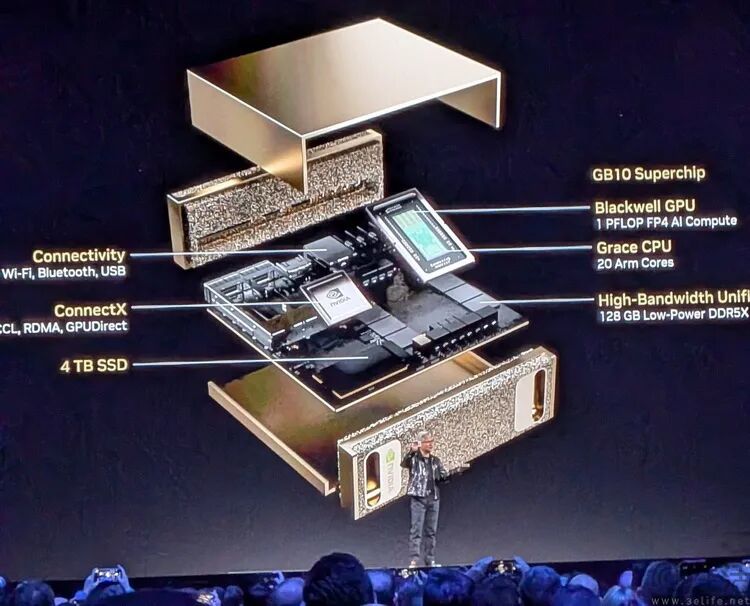
The hardware specifications of N1X are not a mystery, after all, NVIDIA has long released its "full - version".
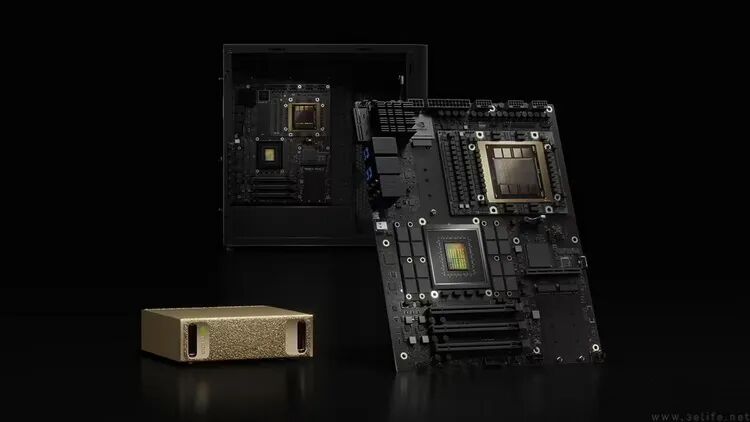
Actually, friends who follow N1X must know that from a hardware perspective, this chip is almost the same as the GB10 chip in NVIDIA's "personal supercomputer". It's just that the mass - produced version of N1X may have a lower frequency and a smaller memory capacity, so as to improve the yield rate and reduce production costs.
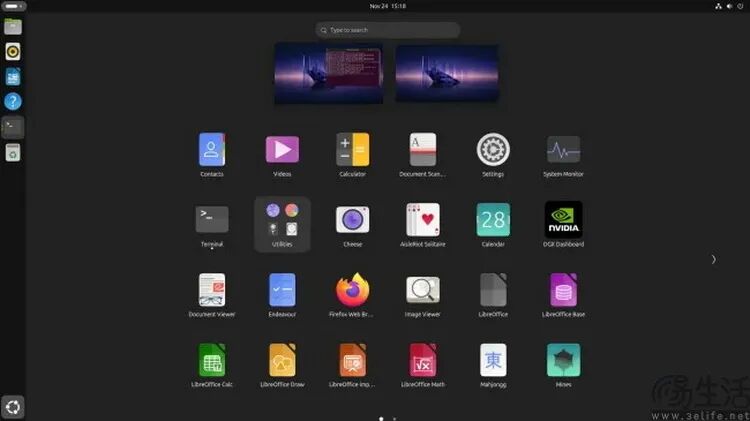
The Linux system that NVIDIA paired with GB10
In that case, the problem is quite simple. It's well - known that the official has equipped GB10 with a deeply optimized Linux system, and it can install the Linux version of the Steam client and play games. So why does NVIDIA have to wait for Microsoft to adapt Windows for it instead of directly using the proven "software - problem - free" Linux?
The reason is not hard to guess. After all, the "exclusive cooperation" between Qualcomm and Microsoft has expired. Since NVIDIA wants to enter the PC processor industry, it naturally prefers to target the more popular Windows PC market with a higher expected shipment volume from the very beginning. In this way, compared with Linux computers, which may have better performance optimization but are destined to be niche, at least Windows computers seem to have a better "marketability" and a larger potential shipment volume, which may help N1X to amortize costs and lower the price threshold more quickly.
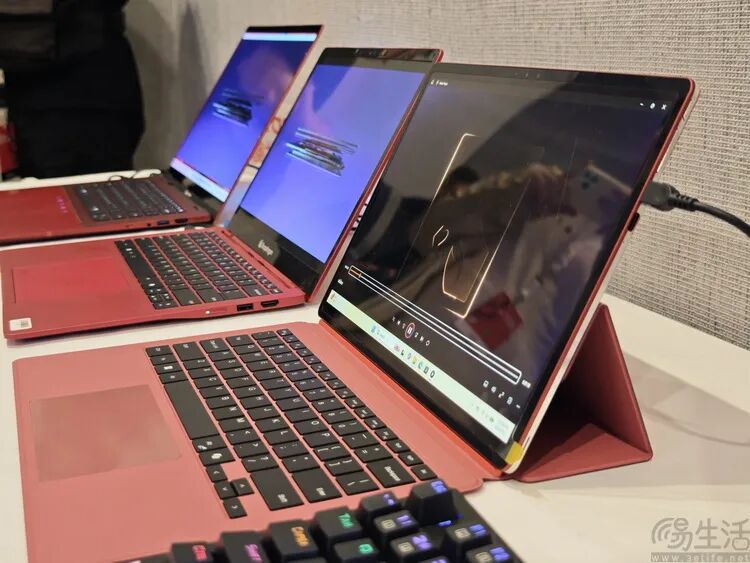
Engineering prototype of Qualcomm Snapdragon X2 Elite
In this way, whether the N1X chip can be "tuned well" depends not only on NVIDIA but also on Microsoft's Windows adaptation. And this is probably the main reason for the serious delay of NVIDIA's PC chip.
Of course, although Microsoft may have created some big problems, it has not done nothing good. A series of the latest information shows that Microsoft has indeed adapted a significantly changed new version of Windows 11 for Arm PCs, which is the rumored Windows 11 26H1. In this version, they have brought a series of unprecedented changes, including but not limited to:
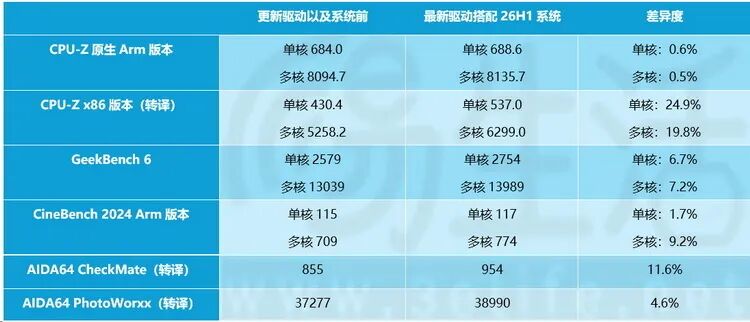
We have tested the effect of 26H1 on old - model Arm laptops, and the translation performance has indeed improved significantly.
Rewrite the x86 translator: Microsoft claims that the performance has been improved by 25% compared with the previous version. Our actual tests at 3eLife show that this level can indeed be achieved, and even "old chips" like the first - generation Snapdragon X can benefit from it.
Support Arm CPUs to simulate more x86 instruction sets: If an Arm v8 instruction set processor is used, the new system can now simulate the previously unsupported AVX and AVX2 instruction sets. For the newer Arm v9 architecture chips, the new Windows 11 has even added the ability to simulate AVX512, further improving software compatibility and reducing the proportion of applications that cannot be used on Arm PCs due to "instruction set incompatibility".
Support AI heterogeneous acceleration: The new Windows 11 supports heterogeneous acceleration of AI processing by CPU, GPU, and NPU for the first time, thus breaking the previous dilemma where only a single computing unit could be used for AI acceleration, which led to the inability to fully utilize the overall AI performance of the chip. This will significantly enhance the performance of various SoC chips (especially those with "large - scale integrated graphics") in AI applications.
Use NPU to assist CPU translation: For some processors with extremely high NPU performance, the new Windows 11 even allows the NPU to participate in the CPU translation operation process, further improving the speed of flagship Arm processors when running x86 programs.
Upgrade the GPU driver stack: Windows 11 26H1 will allow the GPU of Arm processors to support the DX12.2 specification for the first time. This means that for Arm processors with "hardware ray - tracing" GPUs, the ray - tracing function will no longer be a "decoration" in Windows games.
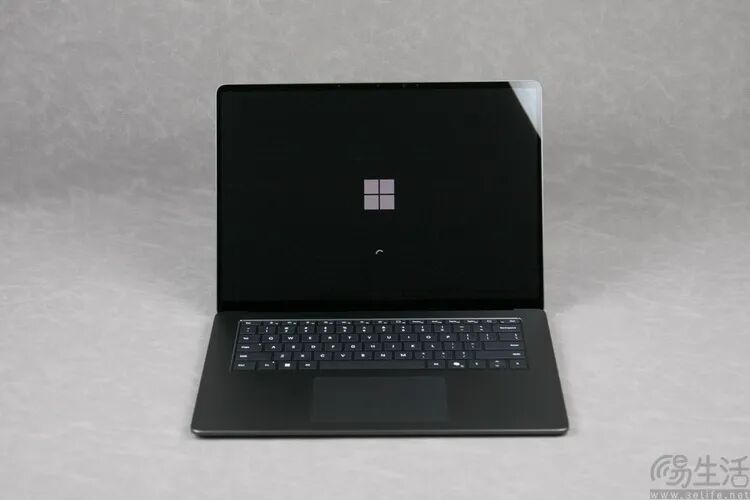
This is not the end. All of the above belong to the "completed" 28000 branch, which is the known update content of the Windows 11 26H1 version. But just a few days ago, Microsoft suddenly started the testing work of the further 29500 branch. There is very little known information about this new branch with a significantly increased version number. We only know that there has been a major underlying reconstruction and many changes in the driver code.
Judging from this information, can we really say that Microsoft hasn't made an effort? It seems not. It's just that they may have "started" a bit late, which not only forced NVIDIA to wait for an extra year but also wore down consumers' patience. As for whether the combination of the new processor and the new system can regain market recognition in the future, we'll have to wait until the actual products are launched to see the result.
This article is from the WeChat official account "3eLife" (ID: IT - 3eLife), written by 3eLife Staff, and is published by 36Kr with authorization.