Leading hydrogen production materials company secures Series A financing led by NIO Capital, founded by a team from the University of Science and Technology of China, with expected order volume to double again | Exclusive from Yingke
Author | Huang Nan
Editor | Yuan Silai
Yingke has learned that Anhui Shenshui New Energy Technology Co., Ltd. (hereinafter referred to as "Shenshui Technology") has completed a Series A financing of over 100 million yuan. Yundao Capital serves as the long - term exclusive financial advisor. The following are the main information about this round of financing and the company:
Financing Amount and Investment Institutions
Financing Round: Series A
Financing Scale: Over 100 million yuan
Investors: NIO Capital leads the investment, followed by Legend Capital and Zhong'an Capital, and Hefei Innovation Investment makes a follow - up investment.
Use of Funds: It is mainly used for the delivery of large orders, increasing R & D reserves, building new factories, and daily operations to promote the integration and upgrading of the industrial chain.
Basic Company Information
Establishment Time: 2019
Registered Address: Hefei, Anhui Province
Enterprise Positioning: Shenshui Technology is a full - chain solution provider focusing on key hydrogen energy materials and core components. Centering on domestic substitution and cost reduction through technology, the company focuses on the R & D and production of key materials such as catalysts, proton exchange membranes, and membrane electrodes required for PEM/AEM water electrolysis hydrogen production, as well as testing equipment. It is committed to opening up the industrial chain of core hydrogen energy materials, providing efficient and reliable business support for downstream electrolyzer customers, and promoting the large - scale and economic implementation of green hydrogen.
Technical Highlights: Shenshui Technology has built a full - chain self - developed system of "catalyst + proton exchange membrane + membrane electrode".
In terms of thin - film technology, the company has taken the lead in achieving mass production of 50μm membrane electrodes and is promoting the R & D of 25μm ultra - thin membrane electrodes. Combined with the self - designed functional layer, it effectively solves industry pain points such as difficult control of hydrogen concentration in oxygen and poor stability caused by thin - film technology, achieving rapid cost reduction of PEM electrolyzers. At the same time, with an innovative core - shell structure design, it has developed a low - iridium catalyst SS - IrTi - 4001, reducing the iridium loading to below 0.6mg/cm², and reducing customers' dependence on precious metals and capital expenditure on electrolyzers.
Relying on its material advantages, Shenshui Technology's membrane electrodes have excellent comprehensive performance. Using the fourth - generation hydrogen - in - oxygen control technology, it can operate stably at 1.8V@4A/cm² and a differential pressure of 3MPa, with the hydrogen concentration in oxygen below 0.3%, a current efficiency of over 97%, and an operating decay rate of only 2.8μV/hr after 8500 hours, combining high stability and long service life.
Combined with the self - developed three - generation megawatt - level PEM test cell, the company has the complete ability from key materials to system integration, forming an ecological closed - loop covering "electrolyzer design consultation, product matrix such as membrane electrodes, and membrane electrode recycling", and providing an integrated solution of service - product - recycling.
Market Size
The "Global Hydrogen Energy Guide 2025" of the International Hydrogen Energy Commission shows that the total investment commitment for current global clean hydrogen (including green hydrogen and blue hydrogen) projects has exceeded 110 billion US dollars, a year - on - year increase of 24.1%, and over 1700 relevant projects have been announced. By 2025, the global newly added operating clean hydrogen production capacity will reach 1 million tons, of which green hydrogen accounts for 30%.
Team Background
Wang Xinlei, the founder and CEO, holds a doctoral degree in Energy and Power from the University of Science and Technology of China. He has many years of technical R & D ability and rich industrialization experience in the fields of core hydrogen energy materials and new energy.
The core technical team relies on the University of Science and Technology of China and the Chinese Academy of Sciences, including top external brain experts such as Professor Liang Haiwei, a National Outstanding Youth, and Professor Wang Gongming of the Ten - Thousand - Talent Program. Many associate professors who have been deeply involved in the R & D field of hydrogen energy materials have also joined full - time, respectively responsible for the company's strategic planning implementation and daily operation management, product R & D and process optimization of membrane electrodes and catalysts, and have mature experience in technology transformation, production capacity ramping up, and supply chain integration.
Business Progress
Shenshui Technology has reached cooperation with hundreds of domestic and foreign enterprises, including Fortune Global 500 companies and global new energy leading enterprises, covering most domestic PEM electrolyzer customers, with a cumulative delivery of over 40,000 membrane electrode assemblies. In 2026, the company will cooperate with customers to establish a hydrogen production plant with a capacity of tens of megawatts. According to the customer model, the price of exported green hydrogen from this plant is expected to be lower than that of blue hydrogen.
In terms of production capacity, the annual production capacity of the catalyst production line in Hefei is 600 kilograms, and the annual production capacity of the membrane electrode factory in Lingang, Shanghai is 40,000 square meters, with the ability to support 1GW projects. Currently, its international business center in Singapore has been put into operation.
The company's revenue has been growing at a high - speed. It was nearly 100 million yuan in 2025, and it is expected that the new orders will continue to double in the next two years. At the same time, the company plans to launch a Series A+ financing this year for customer expansion, batch delivery, and technology iteration.
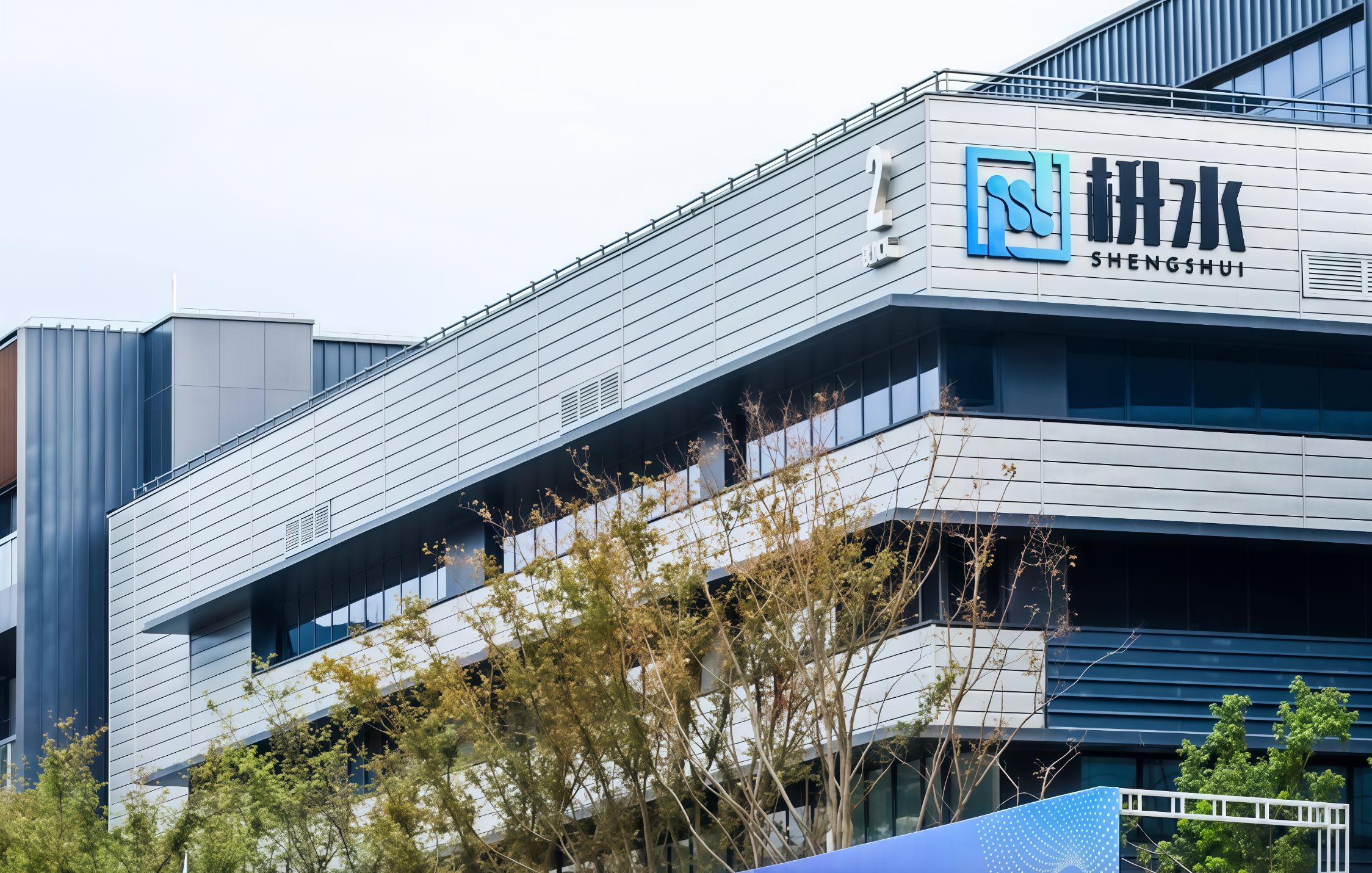
The exterior of Shenshui Technology's office building (Source/Enterprise)
Founder's Thoughts
Yingke: What are the main advantages of water electrolysis hydrogen production technology in specific scenario applications?
Wang Xinlei: From the perspective of energy security, China's western regions are rich in wind and solar resources, but the power generation is highly intermittent and far from the eastern power consumption centers. It must rely on efficient energy storage media for cross - time and space regulation. Hydrogen is the key to solving this contradiction: it can achieve large - scale energy storage and transportation across seasons and regions, with no monthly self - discharge loss, and is more suitable for long - term and long - cycle energy storage and regulation than lithium - ion batteries.
Currently, China is the world's largest hydrogen consumer, with an annual consumption of about 36 million tons, mainly concentrated in the chemical and metallurgical fields. A large amount of hydrogen comes from grey hydrogen produced by coal cracking. Although the cost is relatively low, it is accompanied by high carbon emissions and pollution. Green hydrogen is produced by water electrolysis, with zero carbon emissions throughout the process, and is truly clean hydrogen energy.
Currently, the common goal of national hydrogen energy strategies is to reduce the cost of green hydrogen to about 1 US dollar per kilogram. By then, green hydrogen will not only have environmental advantages but may also receive support from carbon tax policies, and its economic efficiency will be comprehensively better than that of grey hydrogen and blue hydrogen. Therefore, whether from the perspective of energy security or the "dual - carbon" goal, green hydrogen will become an indispensable part.
Yingke: The cost of membrane electrodes accounts for more than 50% of the total cost of PEM electrolyzers. What are the main technical pain points in this field currently?
Wang Xinlei: The cost proportion of membrane electrodes in electrolyzers is indeed very high, and with the trend of further thinning of the membrane layer, this proportion is expected to exceed 50%, which has been confirmed in our model.
In the process of the evolution of proton membranes from thick to thin, such as from 50 microns to even thinner, there are mainly two core challenges. The first is the fine management and heat and mass transfer problems of the three - phase interface inside the membrane electrode, that is, electrons, protons, and water vapor. A thin membrane means higher current density and efficiency, but it also leads to a sharp increase in water flow and heat generation. This requires the design of the porous layer and the flow channel to be extremely efficient, capable of taking away excess heat in time and ensuring the smooth passage of water and gas without blockage or bubble accumulation.
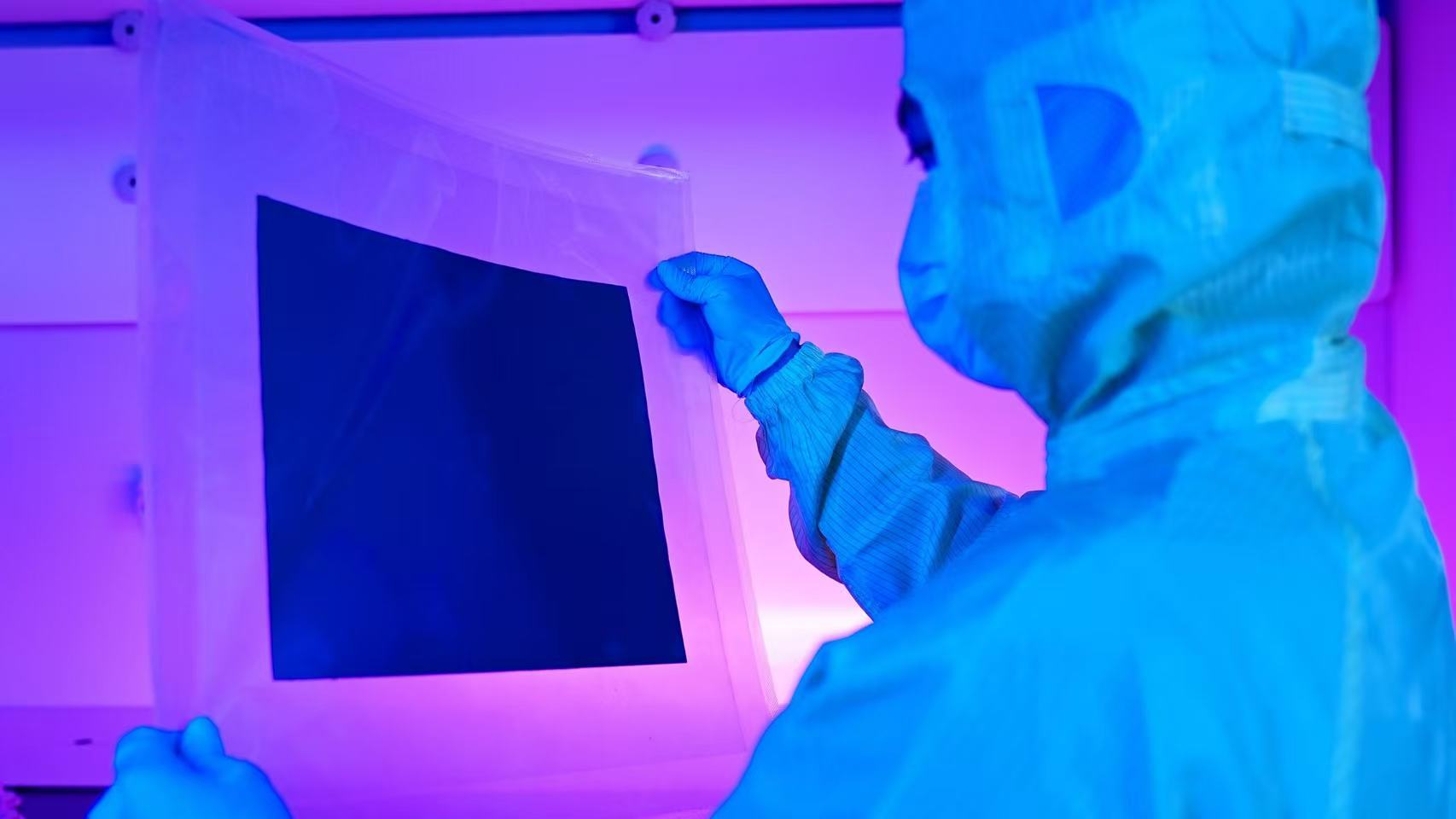
Mass production of 50μm PEM membrane electrodes has been achieved (Source/Enterprise)
The second is the safety problem of "hydrogen in oxygen" and performance degradation caused by hydrogen permeation. In a pressurized environment, small hydrogen molecules can easily penetrate the thin membrane to the anode side and mix with oxygen, bringing safety risks and reducing efficiency. The traditional solution is to add a "hydrogen elimination layer" on the anode side, using precious metal catalysts to recombine hydrogen and oxygen into water. However, this will cause new heat management problems on the thin membrane due to excessive reaction heat.
In response to these industry pain points, we have made fundamental innovations and pioneered the addition of a "hydrogen - blocking layer", also known as the "Xiange layer", on the cathode side globally. This technology can effectively block the permeation of hydrogen to the opposite side, significantly reducing the mutual penetration of hydrogen and oxygen at the source. Combined with the optimized hydrogen elimination design on the anode side, it systematically solves the heat generation and safety problems in thin - film applications.
Yingke: The cost of PEM hydrogen production is dropping rapidly. Where are the next industry breakthrough points?
Wang Xinlei: Currently, based on our self - developed 50 - micron PEM membrane electrodes, we have reduced the cost of PEM hydrogen production equipment from nearly 10 million yuan per megawatt in the early stage to 1.177 million yuan per megawatt.
There are three clear directions next. First, the thin - film technology will be further advanced, and the technical problems related to membrane electrodes and electrolyzers based on 25 - micron PEM proton exchange membranes will continue to be overcome. The price of PEM electrolyzers can be further reduced to 700,000 yuan per megawatt.
Second, break through in the autonomy of core materials. Shenshui Technology has successfully achieved large - scale mass production of proton exchange membranes in the partner's factory. Its performance design has unique advantages, which is expected to break the long - term monopoly of overseas manufacturers in this field and truly solve the "choke - point" problem.
Third, build a closed - loop for precious metal recycling. Through the self - developed recycling technology, the residual value rate of PEM electrolyzers can reach 40% to 45%. This not only significantly reduces the full - life - cycle cost of the equipment but also fundamentally resolves the industry's anxiety about the dependence on scarce precious metals such as iridium.
I have always believed that PEM hydrogen production is not only the most suitable technical path for the volatility of wind, solar, and hydroelectric power but also will show ultimate competitiveness in the levelized cost of hydrogen (LCOH). Just as DeepSeek broke through in the highly competitive computing power market through the reconstruction of the underlying algorithm, what Shenshui Technology is doing is the "material reconstruction" in the field of hydrogen energy, using the closed - loop ability of the fully independent industrial chain to pave the last section of the road for the era of affordable green hydrogen.
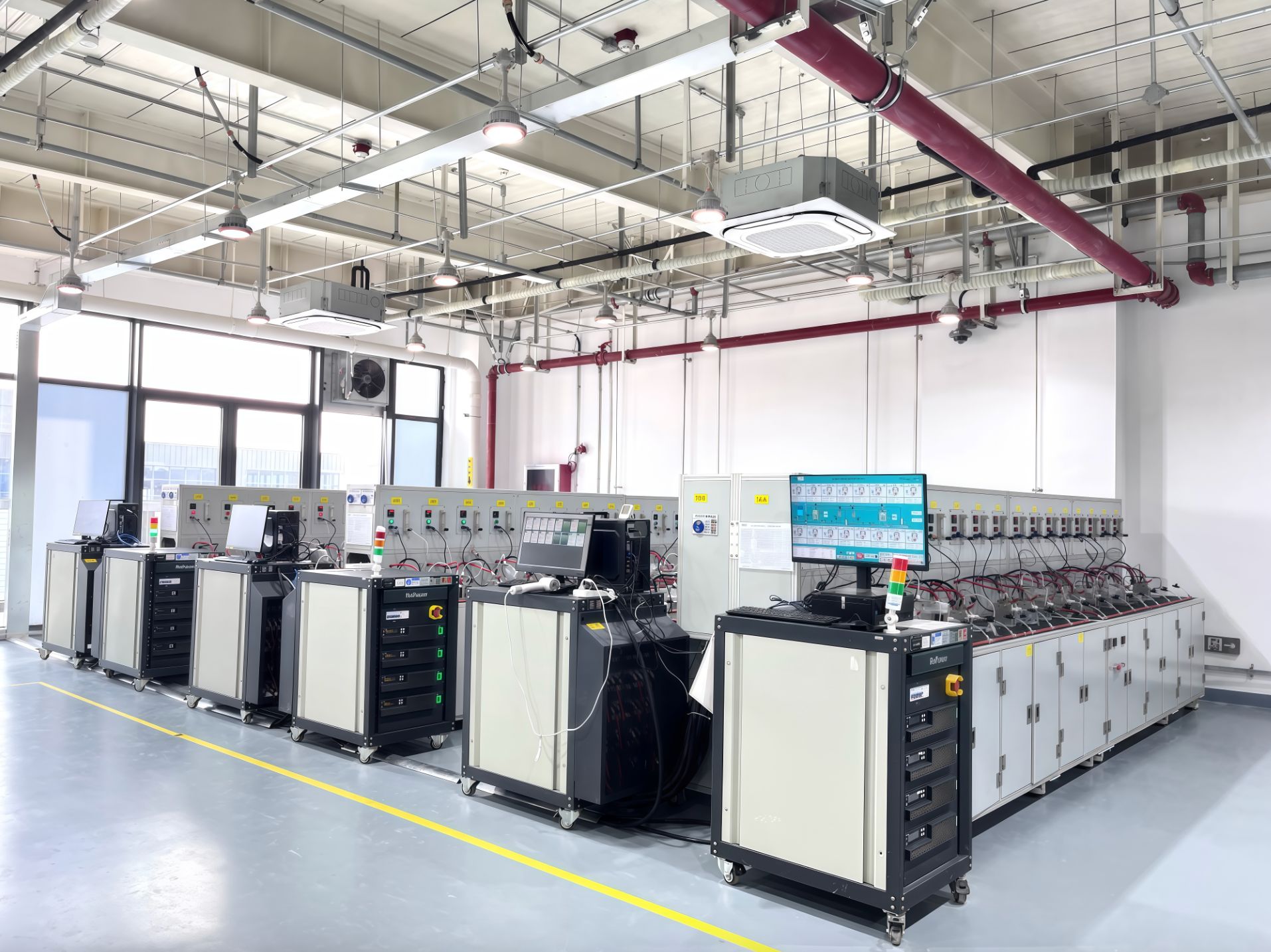
Shenshui Technology's R & D and testing center (Source/Enterprise)
Investors' Messages:
NIO Capital said that relying on the world's high - quality wind and solar resource endowment and the complete domestic industrial chain advantage, green hydrogen is emerging as a trillion - level core track. In the key link of hydrogen production, PEM electrolyzers, with their natural adaptability to volatile green electricity, have become an important support for large - scale green hydrogen production, and cost breakthrough is the key to opening the industrial door. We are pleased to see that Shenshui Technology, with its excellent material innovation ability and engineering implementation strength, uses self - developed core technologies to reshape the industry's economic efficiency with disruptive costs, accelerating the industrialization process of PEM technology and attracting attention on the international stage. We look forward to walking side by side with Shenshui Technology, using material innovation as a fulcrum to jointly promote the accelerated arrival of the global green hydrogen era.
Legend Capital said that the Shenshui team has been deeply involved in the fields of cutting - edge materials and electrochemistry, with deep technical accumulation in key directions such as core catalyst materials and current density improvement, and has experience in large - scale delivery. It has obvious advantages in the technological evolution and industrialization of membrane electrodes. We look forward to Shenshui continuing to use key technologies as a fulcrum to promote the large - scale application of hydrogen energy in various fields and becoming an indispensable promoter in the wave of clean energy transformation.
Zhong'an Capital said that we are optimistic about the team's solid ability to closely combine cutting - edge technologies with engineering implementation. In response to the industry pain point of high membrane electrode costs, the team has effectively reduced the iridium loading through a full - chain layout and solved the problem of mass production of ultra - thin membranes, providing new possibilities for cost reduction. We believe that this underlying innovation is expected to help the hydrogen energy industry move towards a more economical and practical direction and gradually achieve the transition from policy - driven to market - driven.
Wang Yun, the person - in - charge of the hydrogen energy group of Hefei Innovation Investment, said that Shenshui Technology is based on future industries, focusing on technological breakthroughs, cost reduction, and demonstration applications, and driven by the original innovation of core materials and key devices, it has achieved applications in many representative customers and scenarios. In the future, Hefei Innovation Investment will work with Shenshui from the perspectives of capital, talent, and the industrial chain, using hydrogen as a means to jointly embrace the future.