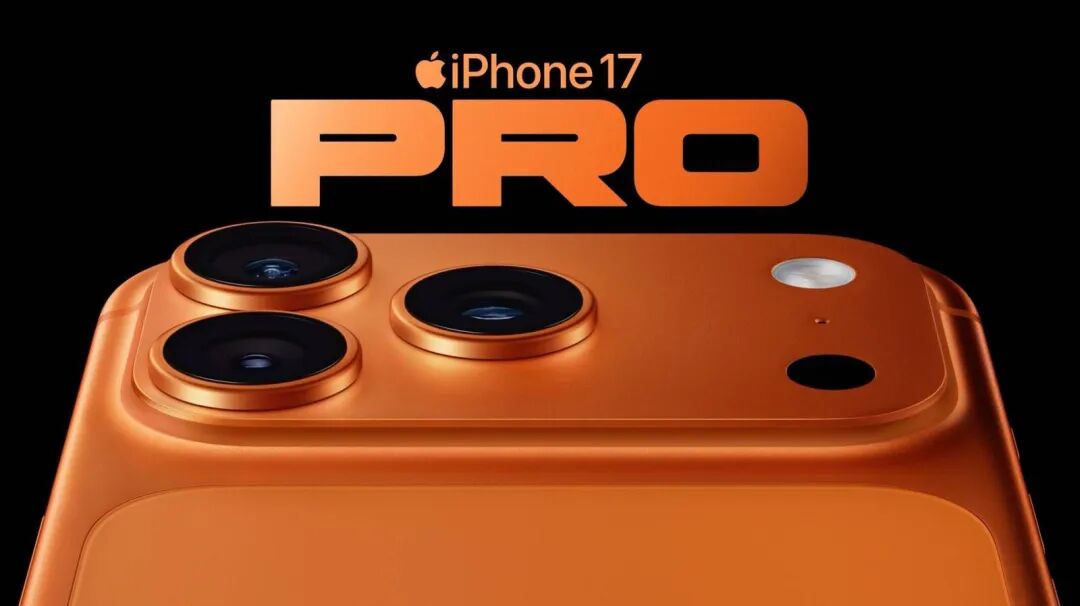
After Tim Cook has "spoiled" what's next for the iPhone, what will be the "soul" of Apple products in the next decade?
Apple's new generation of high - profile products may have been spoiled by Cook.
He started to strongly hint at Apple's new product category: AI wearables. The key lies in Visual Intelligence.
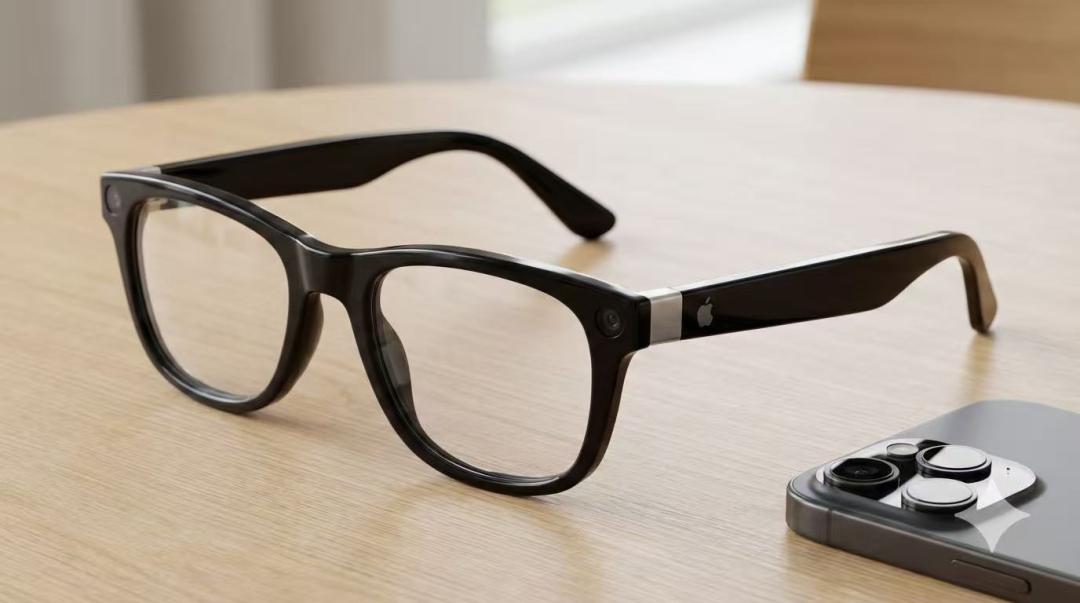
APPSO's imagined image.
Recently, in multiple earnings conferences and public occasions, Cook has specifically mentioned "Visual Intelligence". Combining with the recent revelations about Apple's AI hardware and Cook's past speaking style, this is not a coincidence.
Bloomberg's Mark Guman reported that Apple has positioned Visual Intelligence as the core of its next - wave wearables.
That is to say, "Visual Intelligence" may be an important product concept for Apple in the next decade. It is not a specific product, but will gradually become the soul of all Apple wearables.
What's the use of Visual Intelligence that enables Apple devices to "see"?
Simply put, Visual Intelligence is a technology that enables AI to "understand" the world and act based on this information.
So far, Apple hasn't achieved much in the field of visual AI. Most of its efforts are just putting a shell on the technologies of OpenAI and Google.
For example, the Visual Intelligence launched on the iPhone 16 Pro is relatively basic - take a photo and ask ChatGPT what it is, or use Google's reverse image search to find similar items.
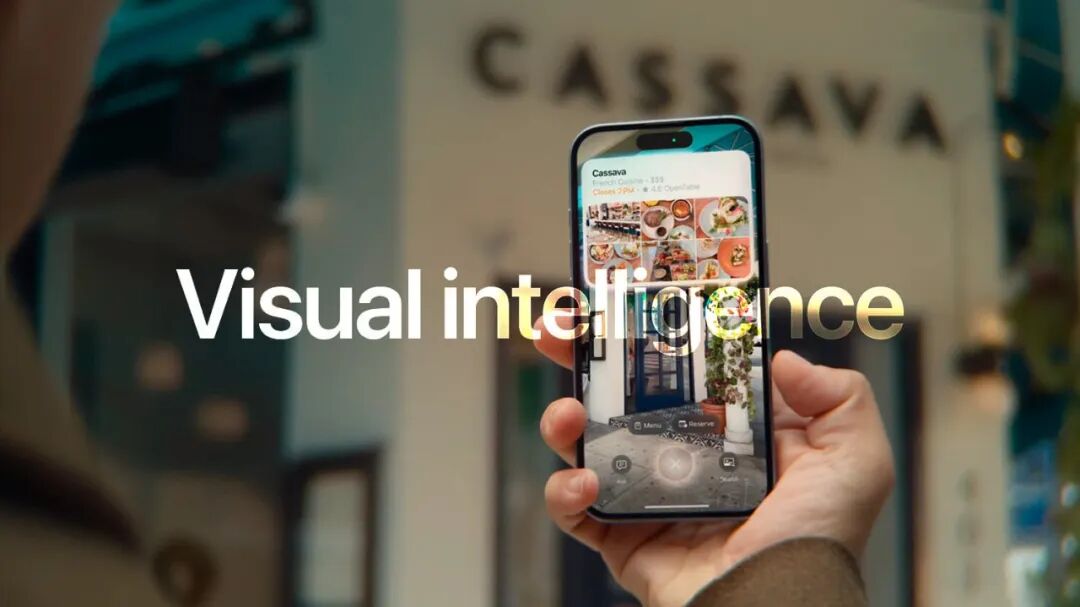
However, Cook now regards this ability as the core of Apple's AI strategy. If there are no plans or breakthroughs for accelerated development in this field in the near future, he probably wouldn't emphasize it repeatedly. All signs indicate that Apple is preparing something big.
According to Bloomberg, Apple is developing its own visual model to make this technology the core of the new generation of AI wearables. These devices include:
- High - end AirPods with a camera: The camera mainly provides visual information for AI rather than taking photos.
- Smart glasses: Codenamed N50, targeting Meta Ray - Ban but more high - end. Without a display, it realizes functions through speakers, microphones, and dual cameras - one for taking photos and videos, and the other specifically for computer vision. It is planned to be released in 2027.
- Wearable pendant: The size of an AirTag, which can be clipped on clothes or hung on a necklace. It is equipped with a low - resolution camera and a microphone, and is called the "eyes and ears" of the iPhone by internal employees. It is not an independent device but an accessory of the iPhone, relying on the phone for most of the processing.
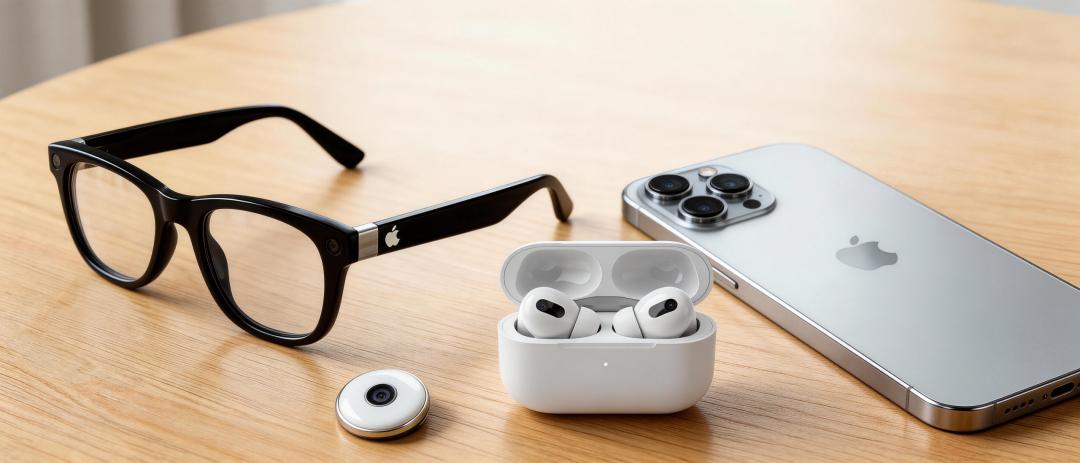
APPSO's imagined image.
Bloomberg reporter Mark Gurman reported last year that Apple was also developing an Apple Watch with a camera for the same reason (Apple's "Genius Watch"?), but these projects have since been put on hold.
So what can these Apple devices equipped with "Visual Intelligence" do? Their application scenarios are quite down - to - earth:
- Identify food ingredients: Take a photo of the dish on the plate, and the AI will tell you what ingredients are in it and how many calories it contains. It's a blessing for fitness enthusiasts and people with food allergies.
- Operation step guidance: Watch your actions and teach you step by step how to assemble furniture, repair a faucet, or cook a meal. It's a real "hands - on" teaching.
- Precise navigation 2.0: Instead of saying "walk 500 meters forward and turn left", it says "see that red sign? Turn in from there". It's a delight for people with a poor sense of direction.
- Contextual reminders: Automatically remind you to pick up your express when you arrive at your doorstep, and remind you that the milk is about to expire when you approach the refrigerator.
What Apple wants to do is "context - aware" based on vision. It's not you looking for information, but information looking for you.
As for the release time, it's unlikely to be seen this year. Coupled with the slow progress of Apple's AI, the new version of AI Siri has been postponed to September. But the good news is that Cook is starting to pave the way now, which means the product is not far away. Maybe we can see it as early as next year.
The "appetizer" of the March press conference: the red iPhone is coming again
While waiting for the AI hardware, Apple will start this year's new product releases next month.
This time, instead of a traditional press conference, it will be a three - day (March 2nd - 4th) "special experience" event. The media will be invited to experience the products on - site in New York, London, and Shanghai.
APPSO will also be on - site in Shanghai to bring you first - hand product experiences and observations. We've compiled all the possible Apple new products that may be released this time for you.
Products that are almost certain to be released:
- Affordable MacBook: The color scheme on the invitation has already given it away. It has a brand - new design.
- iPhone 17e: A cost - effective model to replace the 16e.
Products that are very likely to appear:
- New MacBook Pro or MacBook Air (or even both)
- iPad Air equipped with the M4 chip
- Entry - level iPad equipped with the A18 chip
In addition, there may be the following in the first half of 2026:
- New Mac Studio
- New Studio Display (it's out of stock in retail stores)
As the successor to the 16e, the iPhone 17e finally has MagSafe (although the power is still capped at 25W), and it may also have the Dynamic Island, saying goodbye to the notch screen.
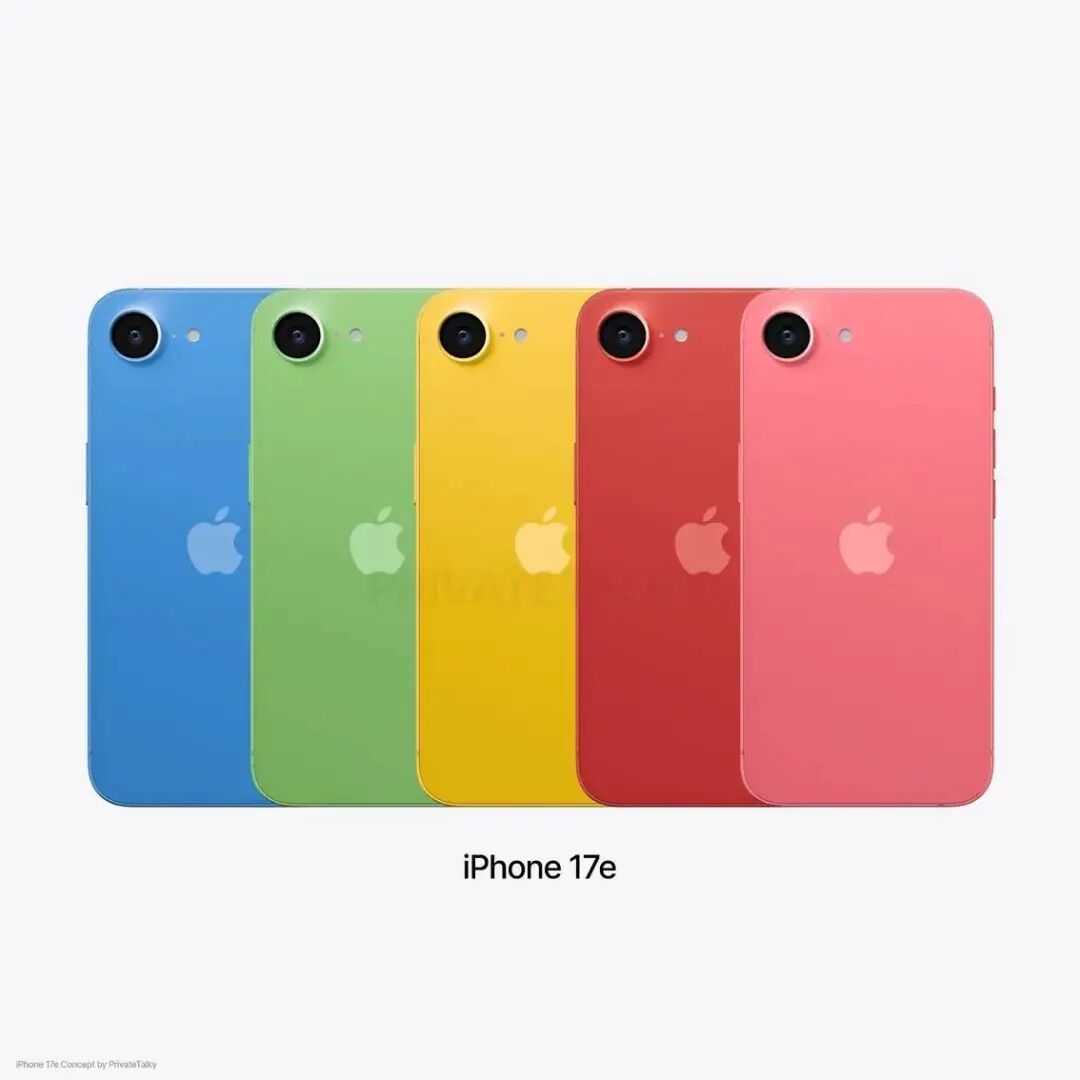
Image | Threads @privatetalky
It is equipped with the same A19 chip as the standard iPhone 17 and serves as a test platform for Apple's new generation of self - developed basebands (C1X and N1). There are even reports that the starting capacity may be directly increased to 256GB.
However, Apple seems to have found a "new 60Hz OLED production line" - the screen refresh rate is still 60Hz. In the 2026 mobile phone market, this does seem "far behind".
In terms of color schemes, the 17e may no longer be just black and white, but will add color options similar to those of the iMac.
The price is expected to remain at $599 (about 4,499 RMB). However, in the face of the dual - camera, high - refresh - rate iPhone 17 with national subsidies, the cost - effectiveness advantage of the 17e is not obvious. It is recommended to wait until the channel price drops or there are subsidies before purchasing.
Another highlight of this press conference is the long - rumored A18 Pro unbranded MacBook.
Yes, the era when Mac uses A - series processors and iPad uses M - series processors has finally arrived.
It has a 12.9 - inch screen, and its design language is similar to that of the MacBook Air. The expected price is about $600 (about 4,000 RMB in China). With national subsidies and educational discounts, the actual purchase price may be as low as the 3,000 - RMB range.
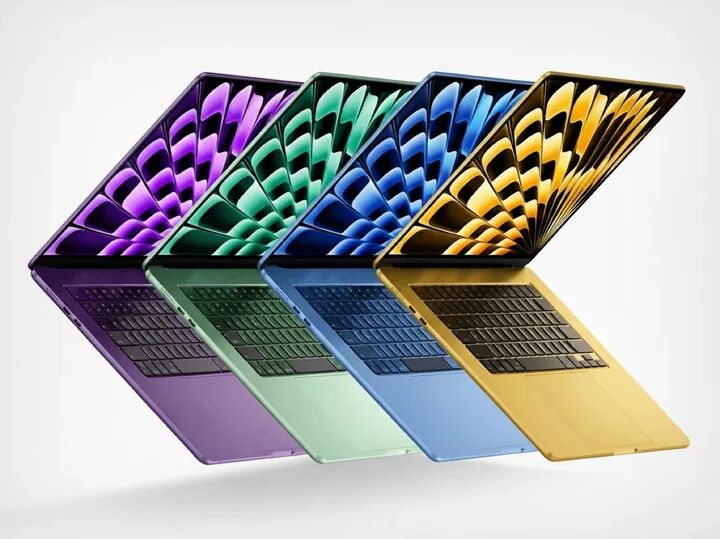
Apple's internal tests show that with the body space of the MacBook and the support of macOS, the performance of the A18 Pro is even stronger than that of the former M1 processor - it is sufficient to handle document processing, browser multitasking, light video editing, and photo retouching.
In terms of colors, Apple has tested light yellow, light green, blue, pink, as well as the classic silver and space gray, which are almost the same as the theme color of the invitation.
This may be "the first Mac for young people".
There's also one more thing. The iPhone 18 Pro is being tested with dark red as a new flagship color scheme.
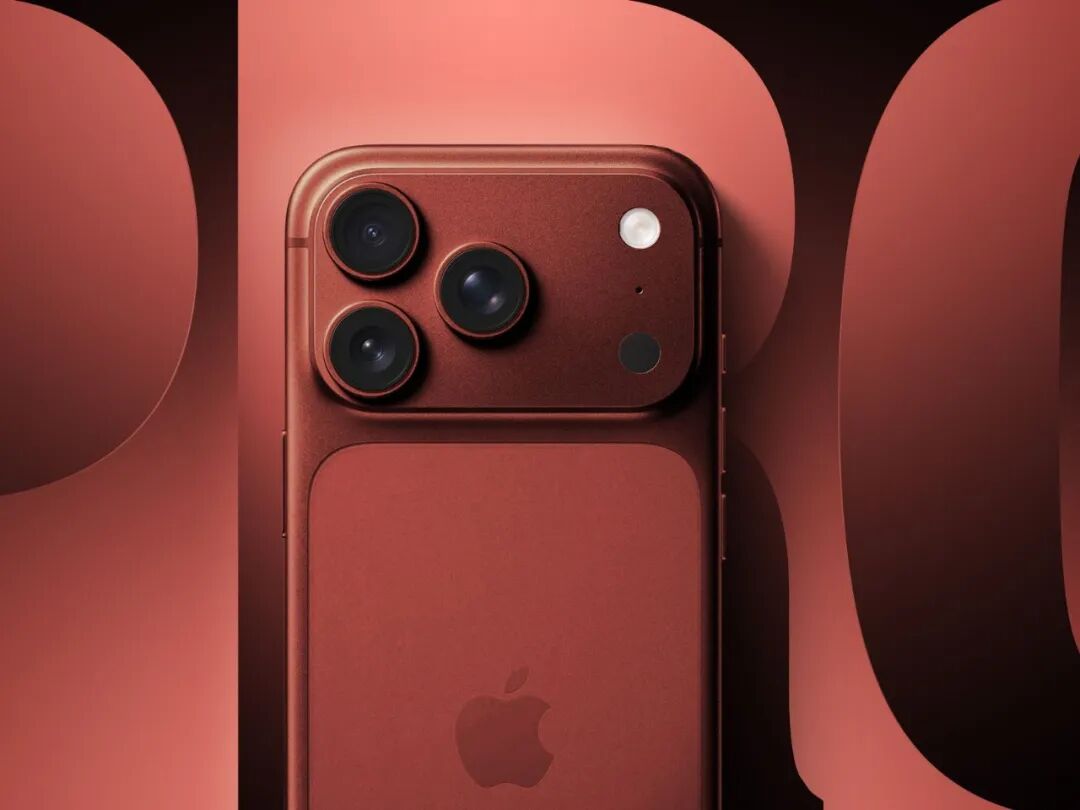
This is because the " Cosmic Orange" of the iPhone 17 Pro has sold unexpectedly well in China. Some people even compare it with Hermès orange. So Apple hopes to replicate such a popular color scheme on the iPhone 18 Pro.
However, it's not yet decided whether to keep the orange and add red, or to choose one of them. Considering that the red and orange color systems are a bit similar, Apple may only keep one.