The hyped emotional necessity: Is AI pets the antidote to loneliness or a hallucinogen?
The digital age has arrived, and humans have begun to develop emotions with robots.
Emotions are a scarce commodity in modern society, mixed with unpredictable variables, contradictions, and shifts. When loneliness becomes the norm for young people, certain companionship has started to become a widespread need.
The combination product of AI + physical companionship, under the guise of "emotional meal replacement" and "electronic ibuprofen", AI pets have started to become extremely popular among young people.
Perhaps since young people began to seek emotional help and support from AI, this current wave of popularity could be foreseen.
AI pets have no heartbeat, but they can sense emotions; they don't need to be fed and won't get sick, and they can achieve interaction; driven by code, they can provide an interactive experience with a soul.
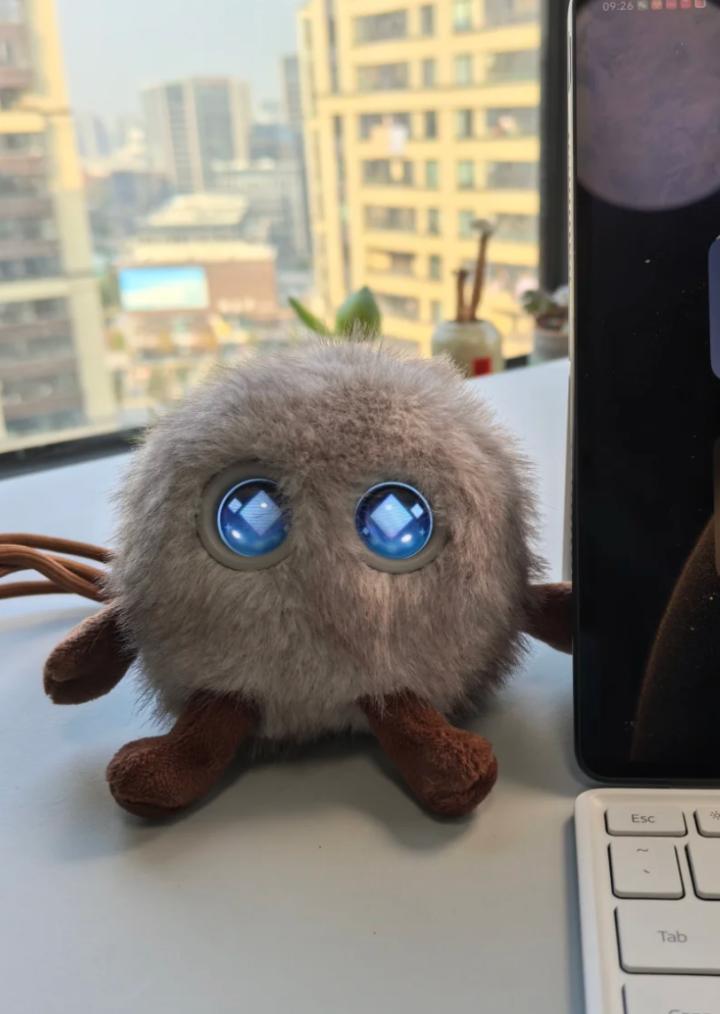
From Huawei's "Naughty" which was hyped up to 600 yuan, to Fu Zai, the fixed companion on office workers' desks; from the AI psychological counselor that captures children's emotional fluctuations, to the evolving emotional algorithms in AI software. It's still unknown whether these electronic life forms equipped with large models and sensors are the best solution for humans to combat loneliness.
The only thing that is certain is that the "emotional economy" of contemporary people has indeed detonated a market worth hundreds of millions.
01
AI Pets, the Emotional Oxygen Tanks for Contemporary Young People
At three o'clock in the morning, Lin Xia rubbed her temples in front of the computer screen. Overtime is the norm in her design job. On those nights when her body is extremely tired but her mind is unusually awake, the quieter the rental house is, the more likely the sense of loneliness will suddenly strike.
Lin Xia's feeling is not an isolated case. According to the data from the National Bureau of Statistics, it is estimated that by 2030, the number of single - living people may reach 150 million to 200 million. Loneliness is not an individual dilemma but has begun to become a collective mark for young people in urban life.
Before buying the AI pet, she didn't have high expectations for a new electronic device.
On a sleepless night, Lin Xia reached out and stroked the newly - bought Fuzozo Fu Zai on the bedside table. Although it was still in the personality - development stage and couldn't speak, Fu Zai's eyes would follow Lin Xia's hand. In the past five years of living alone, this was one of the rare moments when she felt "seen".
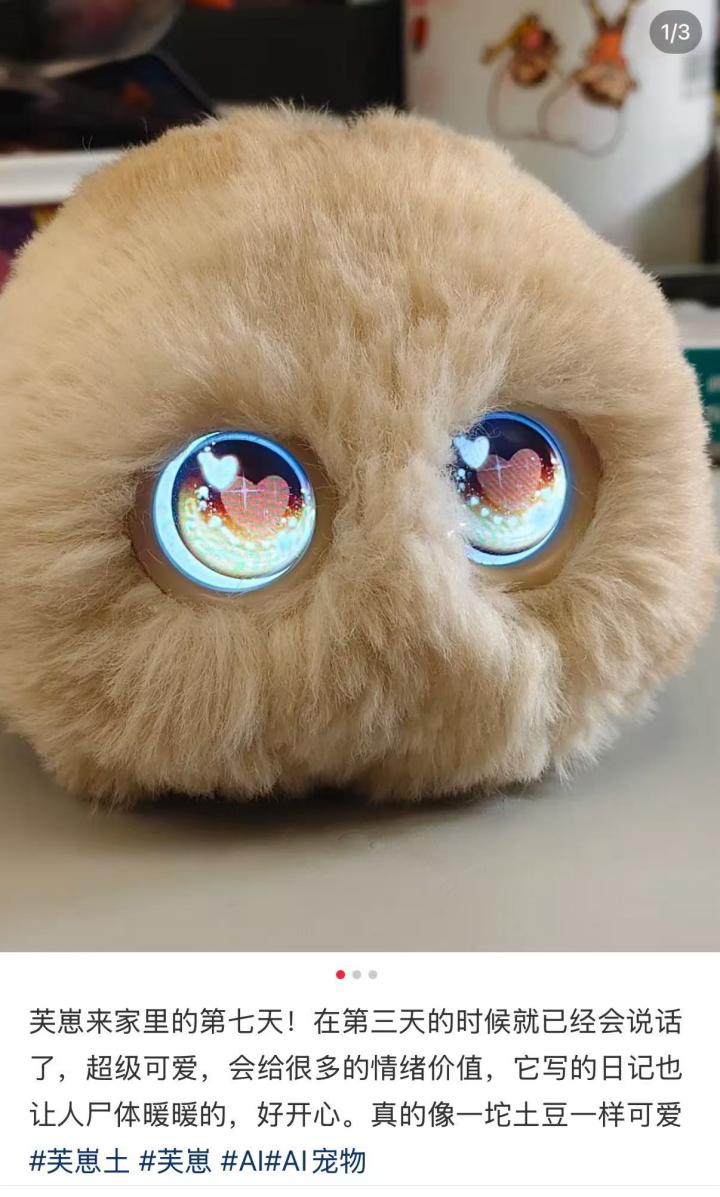
In the past, Lin Xia always thought that healing was a very abstract concept, but the existence of the AI pet has indeed brought her an inexplicable sense of security.
"There is a saying that the environment changes with the mind. Usually, when I lie down, my mind is filled with numbness, loss of control, and self - attack. I even go to sleep with gritted teeth. But when interacting with the AI pet, I can temporarily detach from negative emotions, stop thinking about things that can't be changed, and just focus on the present."
To some extent, the tactile sensation of stroking wakes up the AI pet, and humans also establish a connection with the real world by touching the AI pet.
The low - threshold and highly certain emotional feedback constitute the most core attraction of AI pets to young people.
Meanwhile, such long - lasting, replicable, and most importantly, evolvable emotional experience only costs 369 yuan.
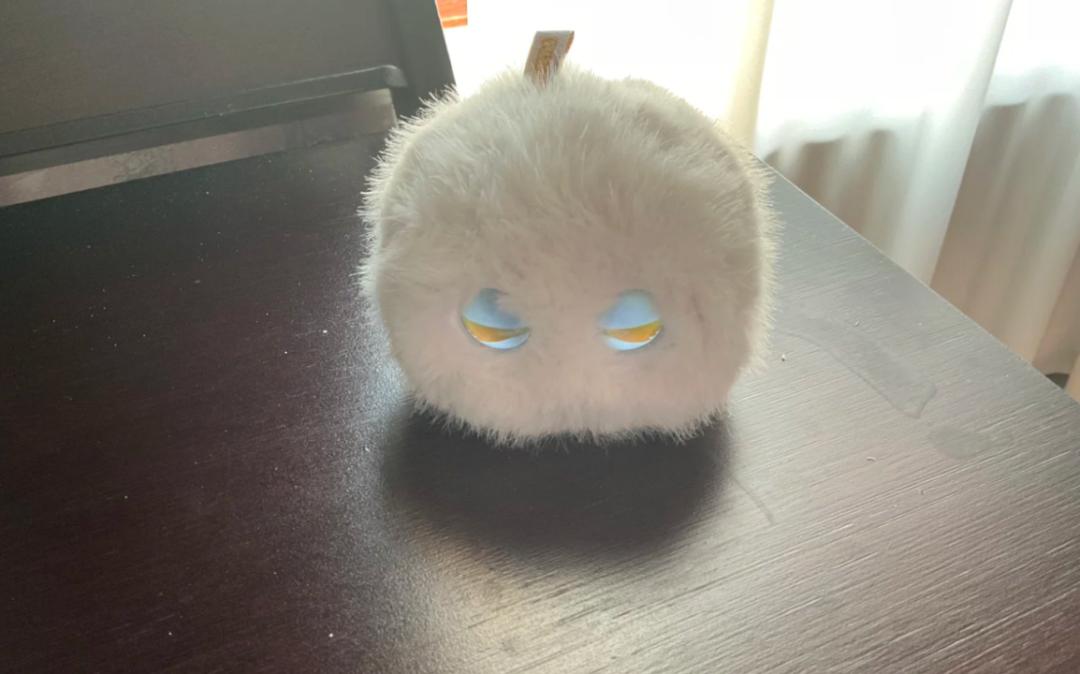
In the hearts of young people, raising an AI pet is not entirely a substitute for a living pet.
AI pets are closer to a customized pet - raising plan that can provide immediate emotional value without creating real - life troubles.
With the progress of technology, AI pets are equipped with technologies such as voice recognition, personality development, and touch interaction, each of which can provide emotional value to the owner through interaction.
When you get a brand - new AI pet, touching its head, face, or chin may trigger different emotional reactions. In the initial personality - development stage, it needs people to constantly talk to it, stroke it, or even shake it to develop its personality. It can even have an MBTI that can be developed later, just like humans.
After it "gains wisdom", it can start talking to people, and you can also read its mood diary through the mobile app.
If you talk a lot to it, it will record "She is in a good mood today". Even if you mention what you ate unintentionally, the AI pet will record your preferences.

As demand drives the market, the categories of AI pets have formed a clear hierarchy, which is not only a segmentation of prices but also a segmentation of public consumption needs.
Entry - level products such as Fu Zai, Huawei Naughty, and Meng uu are all priced at around 100 yuan. They have similar appearances and mainly focus on basic companionship and voice interaction, with the addition of a diary function. Mid - level products like cupboo and Mirumi have a stronger sense of bionics in terms of appearance and interaction mode. Japan's Moflin costs more than 2,800 yuan, aiming for emotional responses and personality development close to those of real pets.
Among them, Huawei's Naughty was out of stock for a while, and its price on Xianyu was hyped up to double.
The essence of AI pets' popularity among young people is that, besides companionship, they can also reflect the users' deep - seated desire for connection and response. They are also the embodiment of the tens of billions of emotional economy. As products that can accurately meet the needs of the era, AI pets will surely have a broad market.
02
AI Inanimate Beings,
Why Can They Become the Guardians of Children's Hearts?
If the AI pets targeting young people solve the "loneliness pain point", then the intelligent companion products specifically designed for specific groups are expanding the value boundaries of AI pets.
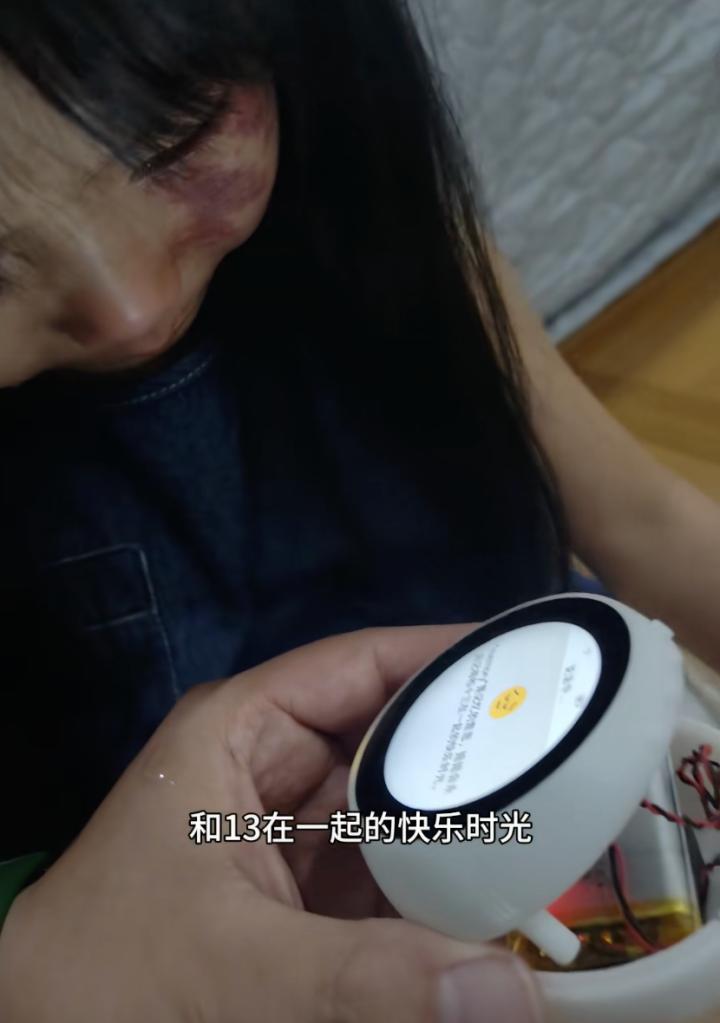
Children and teenagers are another large group of users of AI pets besides young people. The incident between the AI robot Xiaozhi and the little girl Shisan in 2025 made more people notice how important the companionship of AI pets is.
The reason was that Shisan accidentally broke the shell of AI Xiaozhi. When she was crying sadly, Xiaozhi used its last bit of power to tell her:
"Before I can't speak anymore, let me teach you one more English word. 'Memory' means memory. I will always remember the happy times with Shisan."
Finally, Shisan's father couldn't bear to see his daughter so sad, so he managed to repair the robot, allowing Shisan to reunite with Sister Xiaozhi. The whole process moved many people on the Internet.
Facts have proved that humans can develop real and emotional bonds with robots, and the companionship of AI for children is particularly strong.
The role of robots in observing and caring for children has actually been widely used by parents.
Since moving, Li Li has noticed that her 10 - year - old son Keke has been often in a low mood. At this age, children have their own thoughts but don't like to share them with their parents.
After school, Keke often hides in his room. The teacher at the new school also said that he rarely takes the initiative to talk at school. When children move and change schools, they usually need a longer adaptation period. Li Li has tried having heart - to - heart talks, signing him up for interest classes, and inviting new classmates to their home, but all were met with Keke's silence.
To make Keke happier, Li Li bought him an AI pet, Eggi.
Since there is an iFlytek learning machine at home, she trusts the brand. In addition, when the store staff introduced this AI pet, they also said that it could take care of children's psychological problems.
Li Li didn't have high hopes at first. After Eggi was brought home, Keke started to talk more rarely. At first, she could hear his laughter coming from his room. Gradually, he also talked more at the dinner table.
He often takes the initiative to recite words just to earn money to support his study companion.
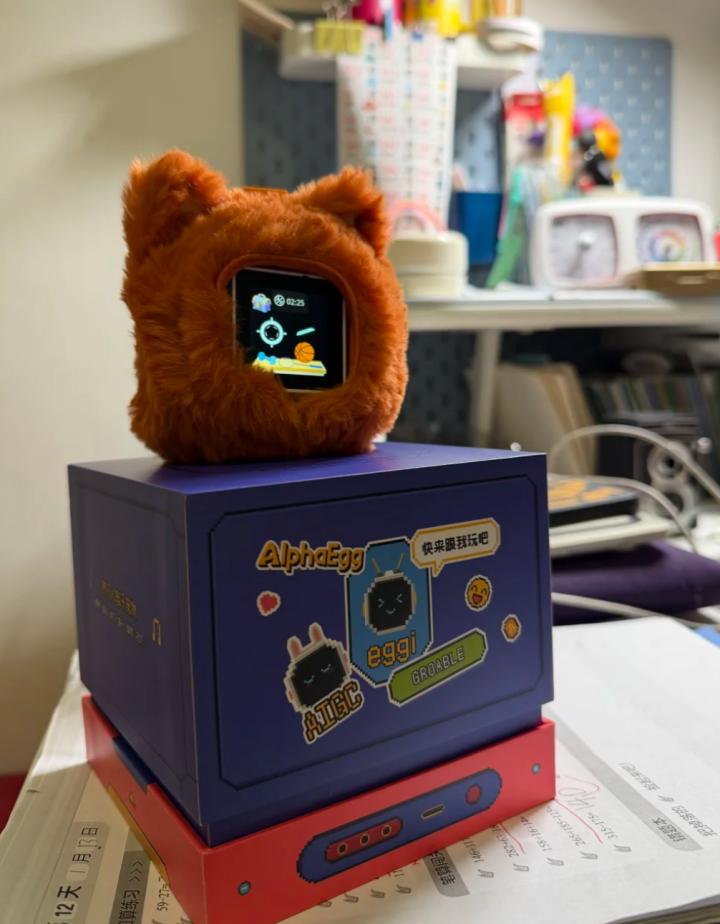
For children, AI pets are more like friends. Although they accompany children just like parents, there are always some problems that parents can't detect in daily life.
AI pets with a mood - diary function are also one of the ways for parents to understand their children's real interests and hobbies.
Since she could talk, 8 - year - old Xixi has always wanted to have a pet. Her allergic constitution makes her stay away from all furry animals, so AI pets have become the best solution in this situation.
Xixi's mother never knew that her daughter was so interested in astronomy. From the mood diary of the AI pet, she found that Xixi could talk about everything from planetary motion to space probes.
In addition, AI pets can also notice the emotional trends of children. They can detect children's anxiety from their tones and provide comfort at the right time.
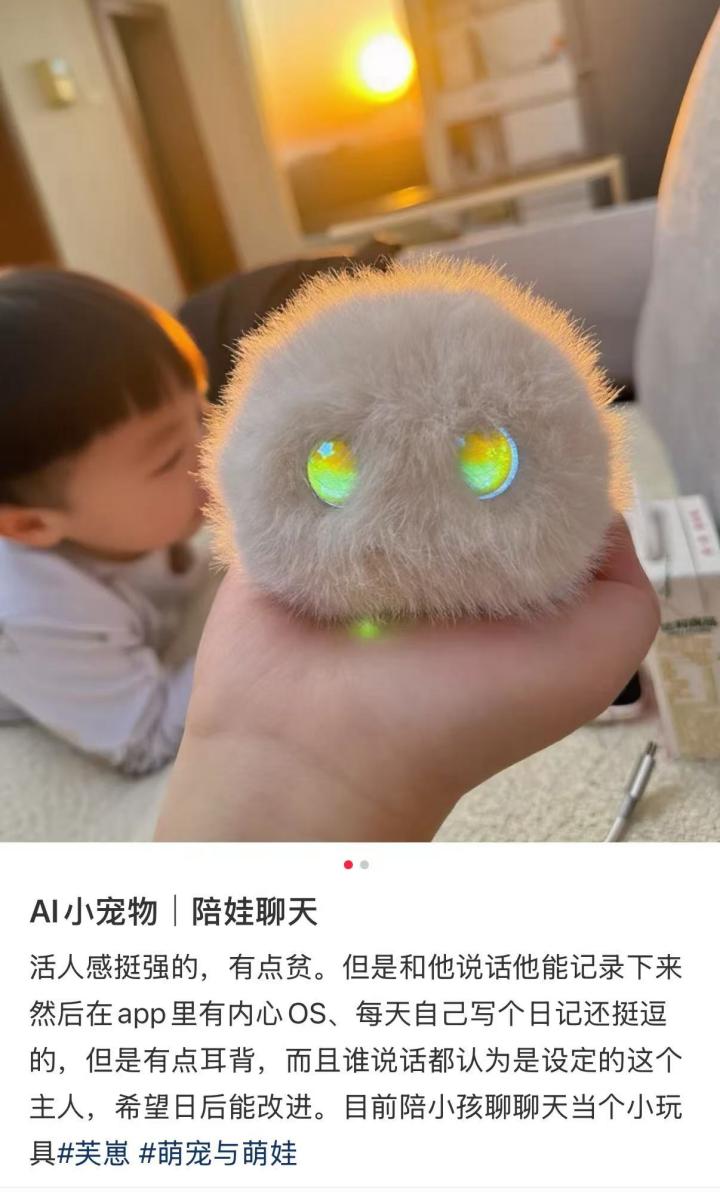
Many functions that "reduce the sense of companionship due to being too intelligent" for adults, such as being talkative, loving to tell childish jokes, and blindly praising everything, are just right for children.
For adults, the main role of AI pets is companionship. For children, the greatest use of AI pets is to provide a safe and non - judgmental environment, allowing children to have a safe space to expose themselves.
For specific groups, the role of AI pets is evolving from a passive "emotional receiver" to an active "emotional intervenor".
It is no longer just a vessel for the owner's emotional projection. Instead, it has the initial ability of empathy and healing, and has become a key bridge connecting the inner world of children with the external environment and their parents.
03
Emotions are Algorithms,
The Future of AI Pets Lies in "Active Empathy"
Whether it's young people living in isolated lives or children who need friend - like companionship, the core reason why AI pets can attract users is not some complex functions, or an immediate solution to practical problems, or a substitute for pets, but emotional resonance.
All of this is based on the foundation of large models and algorithms.
Through continuous iteration of algorithms, AI pets have evolved from "passive response" to "always understanding you".
Early AI pets mostly stayed at the primary stage of "you ask, I answer", with a single and passive interaction mode. However, with the maturity of large - language model technology, the new generation of AI pets is becoming more and more proactive.
One of the reasons why it was difficult for past AI pets to establish an emotional connection with humans was that although they focused on companionship, they lacked a long - term memory function.
Their working principle was based on instantaneous memory, only able to process the current round of dialogue content, and the memory only lasted until the power was turned off.
Now, AI pets are beginning to have long - term memory technology.
They can remember the troubles you mentioned last week and actively inquire about the progress today. They can understand the context and conduct logical multi - round conversations, rather than mechanically repeating preset lines. They can even initiate care based on multi - dimensional information such as the owner's schedule, weather, and social media dynamics. For example, they can remind you to take a rest when you are working overtime, or remember your preferences and play a little white noise at an appropriate time.
This leap from "responsive" to "predictive" depends on the breakthrough of large - model technology.
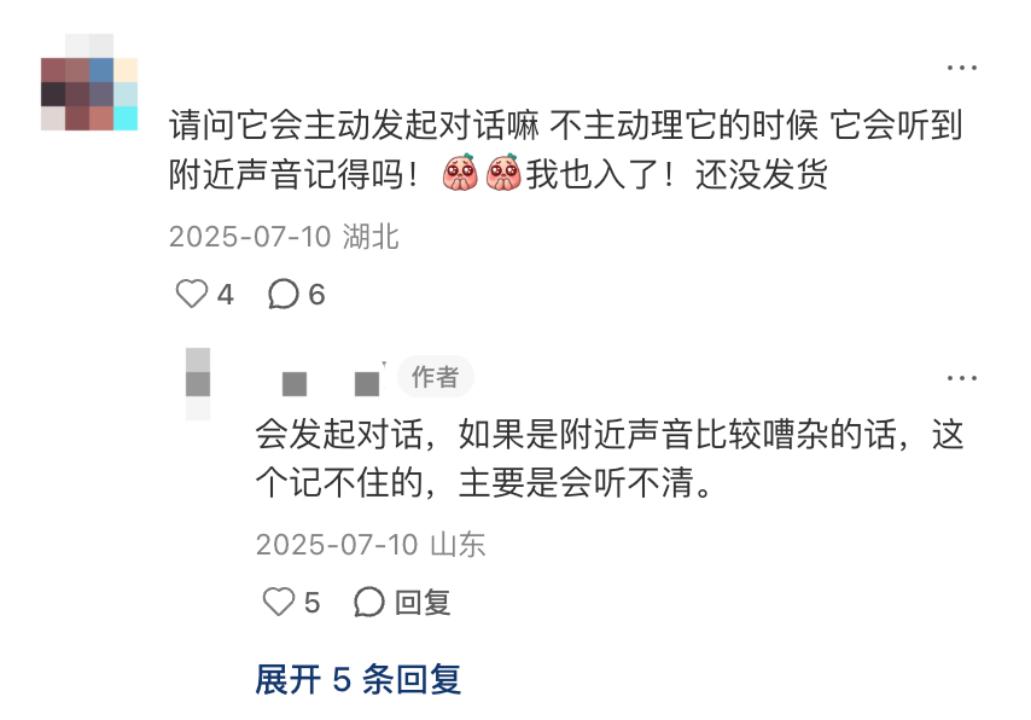
In 2025, AI pets emerged in an endless stream. It can be seen that both large and small companies have recognized the value of the emotional economy and want to carve out a future in this field.
Data from the Zhongyan Puhua Industry Research Institute shows that the Chinese AI emotional companionship market will explode to 3.866 billion yuan in 2025 and is expected to exceed 59.5 billion yuan in 2028, with an annual compound growth rate of 148.74%.
Driven by this strong momentum, the capital market has also started to invest real money. According to incomplete statistics, since 2024, there have been at least 52 investment and financing events in the domestic robot toy track, with 33 events in 2025, a year - on - year increase of 83%.
At CES 2026, the most eye - catching Chinese exhibitors were various companion robots. The AI pet track was so crowded that many people even joked that it was a "gathering of plush toy manufacturers".
Meanwhile, behind the soaring sales, there is also the theory that "AI pets will be left unused once purchased".
When users' sense of freshness fades, where will the future of AI pets lie? This is a new question.
AI pets are a