Did a black-and-white photo of a turtle break the defenses of Elon Musk, the world's richest man? Jeff Bezos' veiled sarcasm is a classic move in top-tier business warfare.
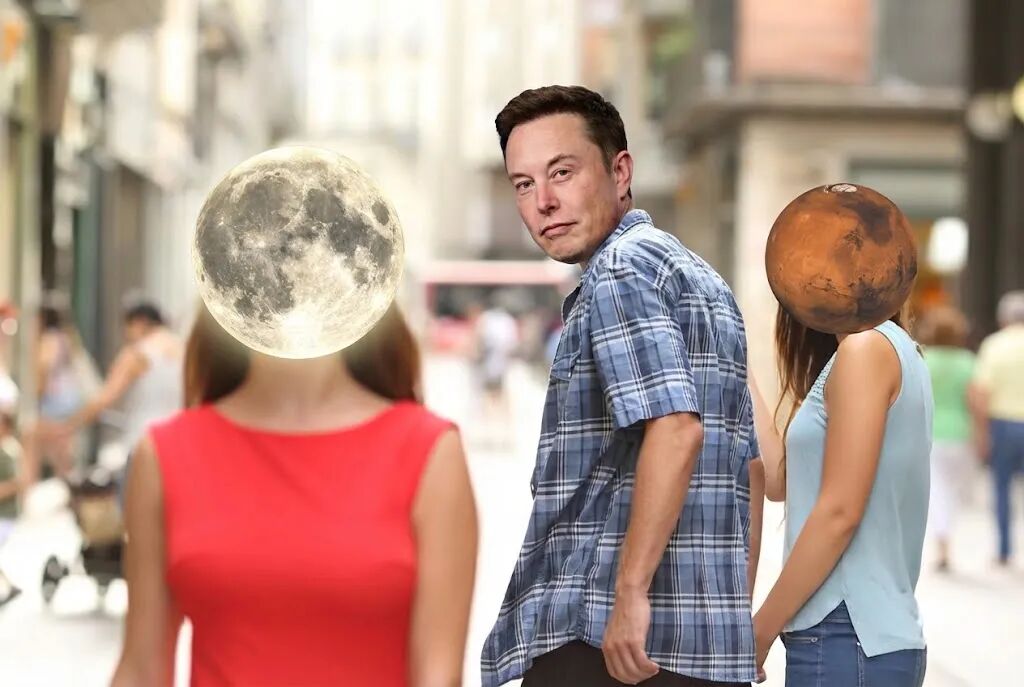
Elon Musk finally admitted: Mars is too far away. Let's go to the moon first.
On February 9th, on the night when the Super Bowl in the United States kicked off, Jeff Bezos posted a photo of a turtle on the social media platform X.
It was in black and white and had no caption.
Bezos posted a black-and-white photo of a turtle on X | Screenshot from X
The timing of this post was extremely delicate.
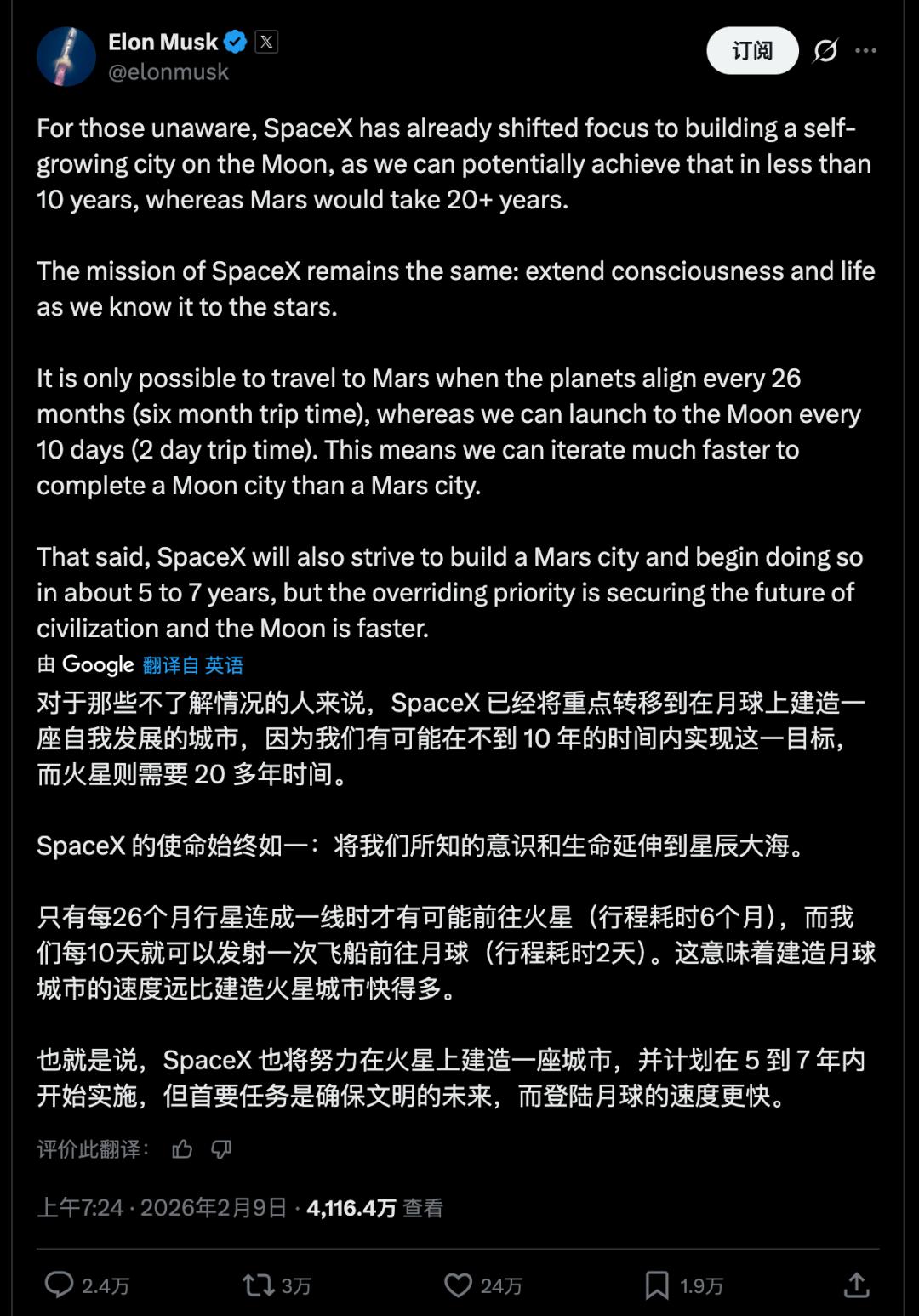
Less than 3 hours earlier, Elon Musk had just announced that SpaceX would shift its strategic focus from Mars back to the Moon and planned to build a lunar city by 2035.
Musk announced on X that the goal was shifting from Mars to the Moon | Screenshot from X
High - end business competition is so veiled
Bezos' obsession with turtles has been around for a long time. The motto of Blue Origin is a Latin phrase "Gradatim Ferociter", which translates to "Step by step, boldly forward". In his philosophy, there is no shortcut in space exploration. It must go through rigorous engineering demonstrations to ensure that every step is solid and reliable.
What about Musk's SpaceX? It's more like a crazy testing ground, charging forward through numerous explosions and rapid trial - and - error.
People in the space circle instantly understood Bezos' veiled meaning: My Blue Origin is like a turtle, slow but steady; Your SpaceX is like a rabbit, fast but easily distracted.
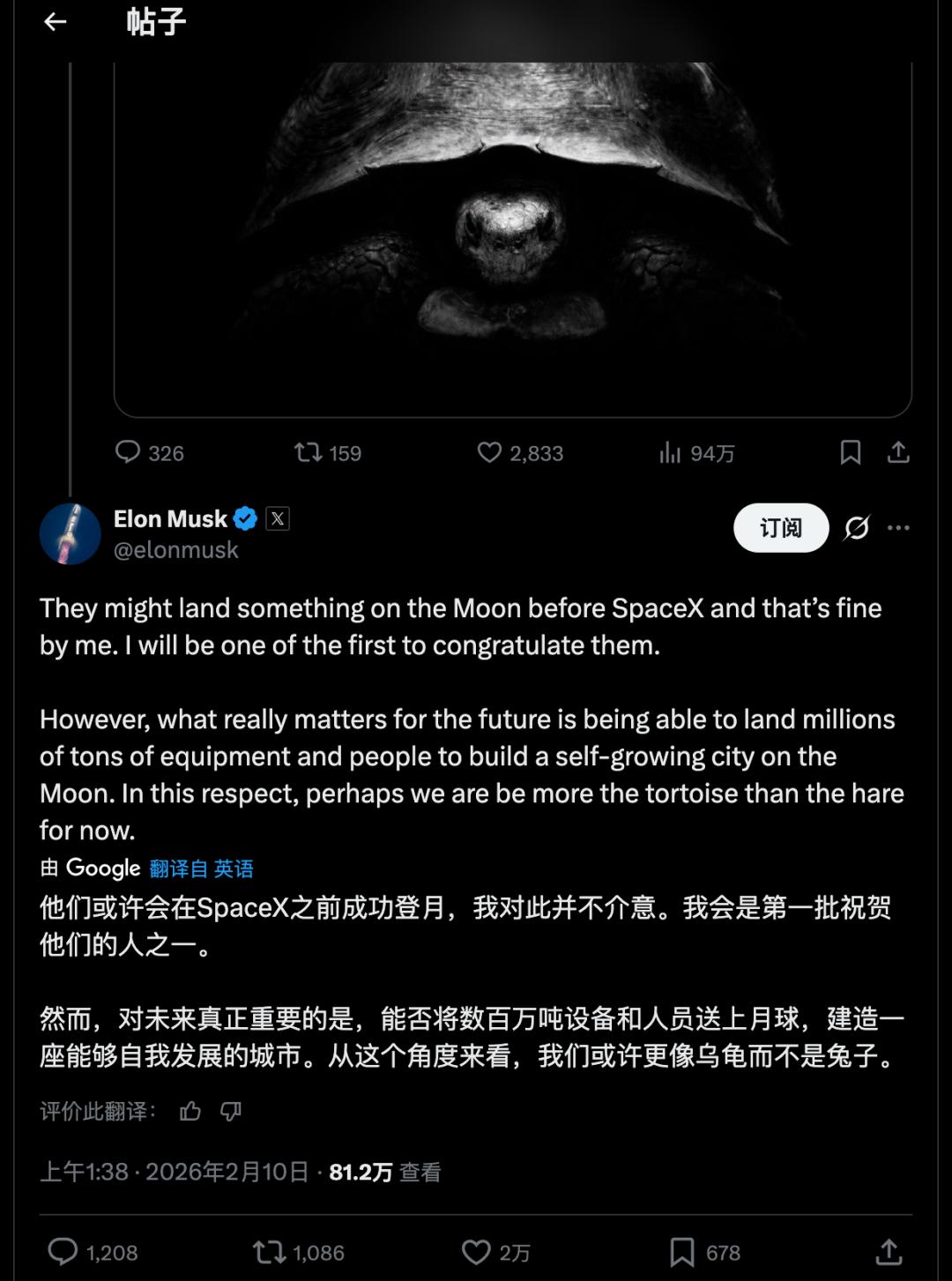
Musk's response was quite interesting. Instead of refuting, he went along with Bezos' statement: "Maybe we are more like turtles."
Musk's response to Bezos' turtle post | Screenshot from X
There was a hidden edge in his words. Musk's logic was: If the goal is just to send a few astronauts to the Moon for a photo - op, then the rabbit is indeed fast. But if the goal is to build a self - expanding city and transport millions of tons of equipment to establish an industrial civilization, then everyone is crawling, and no one can be fast.
This seemingly emotional interaction actually exposed two completely different space exploration philosophies. This divergence is not just verbal but also reflected in the hardware routes they have chosen.
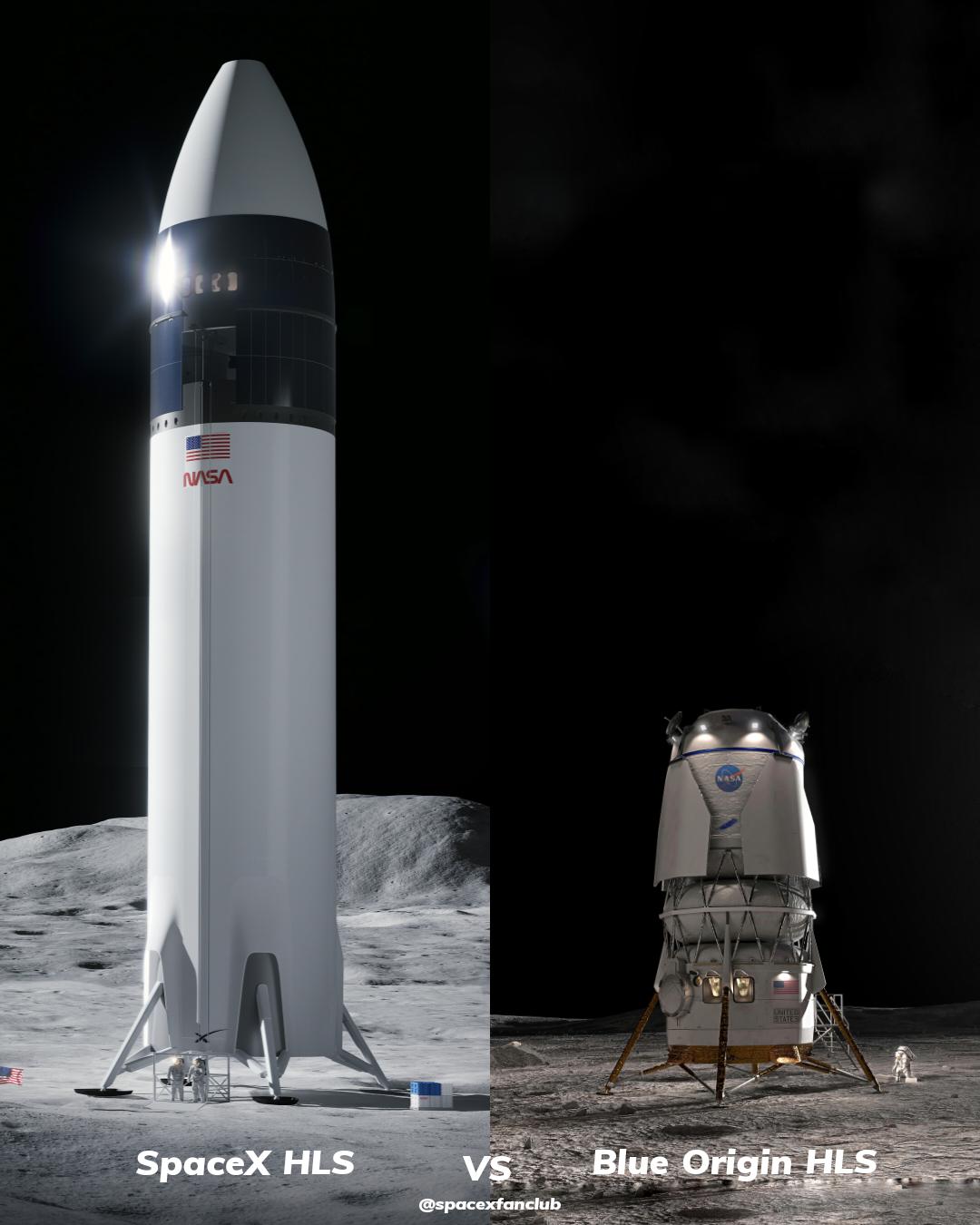
Blue Origin's "Blue Moon" lander is a technologically extremely stable solution. It precisely meets NASA's requirements and can steadily and reliably unload several tons of payload on the lunar surface. It pursues success rate and certainty, and is a typical gem of the industrial era.
SpaceX's Starship is like a flying skyscraper. Its carrying capacity is in a completely different league from traditional spacecraft, with an obvious generational gap. In Musk's view, although Blue Origin is stable, its limited carrying capacity means that it can only complete exploration but cannot support a civilization.
Comparison between the Starship (left) and the Blue Moon MK2 (right) lunar lander | NASA
The onlookers on X didn't let Bezos off the hook either. Some sharply commented that although the "turtle" Blue Origin is stable, it has only achieved two orbital launches in 25 years since its establishment. While the "rabbit" SpaceX has blown up many prototype vehicles, it is almost ready to complete the Starship process.
But everyone wants to ask the same question: Why did Musk suddenly change his direction?
The Mars enthusiast turns to the Moon
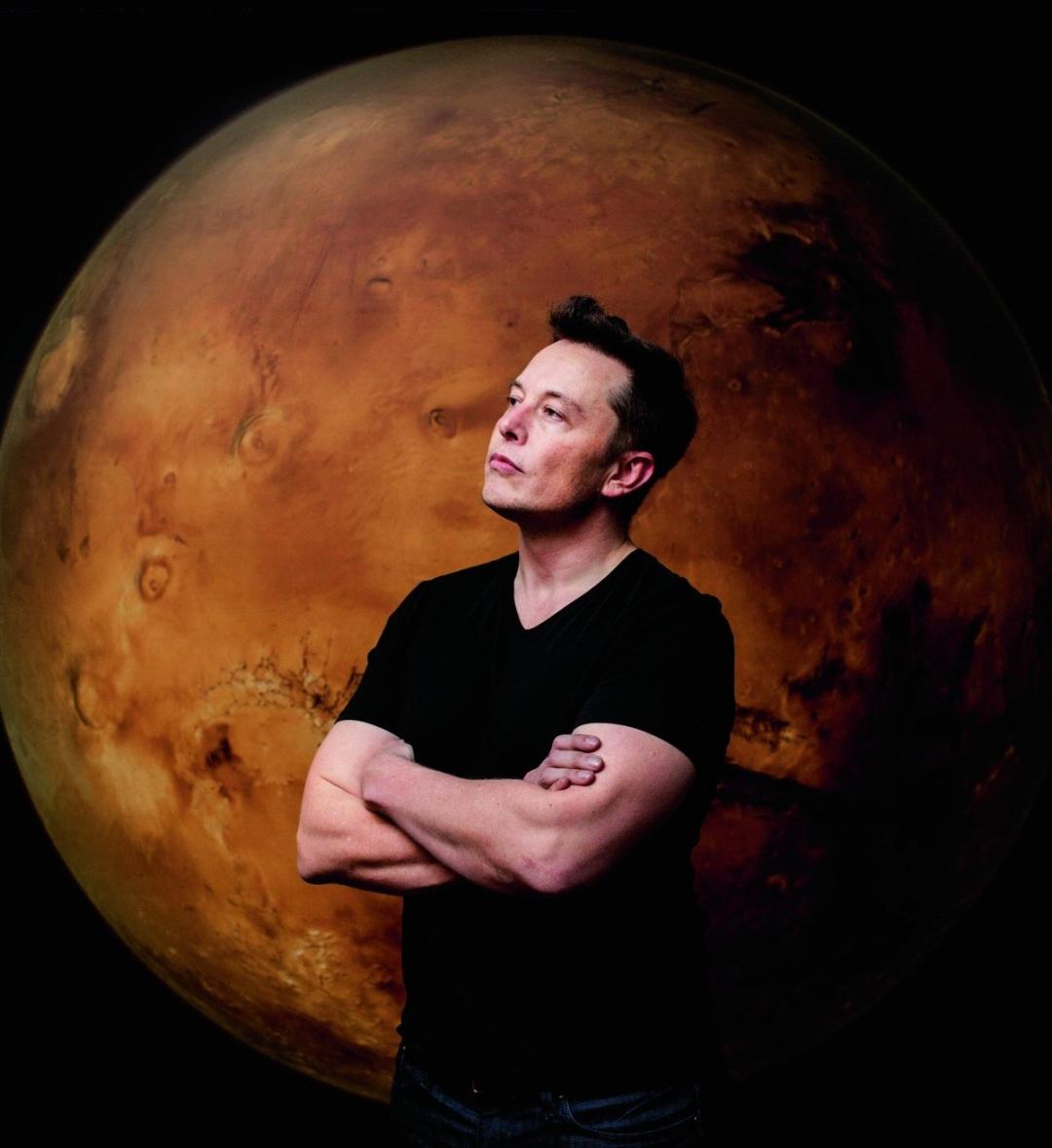
You know, for this man, Mars is not just a goal but more like a belief.
In 2002, Musk founded SpaceX with only one goal: to colonize Mars. SpaceX's giant rocket factory in South Texas is called Starbase, also known as the Gate to Mars. The carpet in the meeting room of Musk's office is rust - red, the same color as the Martian surface. This man has engraved Mars into every aspect of the company.
Over the past 25 years, Musk has transformed from a relatively unknown wealthy man into the richest man in human history, from a political centrist to Trump's top supporter. Public opinion of him has also diverged. Some call him an industrial magnate and a genius, while others scold him as a super - villain and a fraud.
But one thing has never changed: He wants to make humans a multi - planetary species, and Mars is the first stop.
Until the Sunday night of the Super Bowl in 2026.
What made a man who has been so persistent for 25 years suddenly change his direction?
Of course, it's because the competitors are catching up.
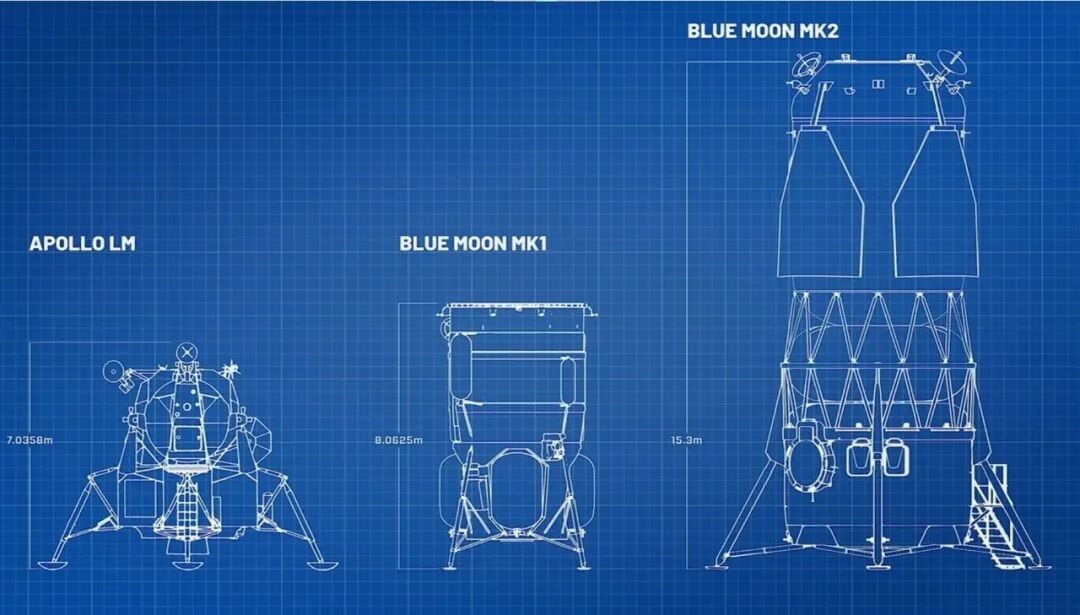
Bezos' Blue Origin has finally started to gain momentum. The New Glenn rocket has been successfully launched and landed. They are also developing a lunar landing system, codenamed Blue Moon MK1.5, which can directly send people to the lunar surface without refueling the spacecraft in orbit. This means that they may achieve manned lunar landing earlier than SpaceX's Starship.
Last year, Musk still regarded the Moon as a distraction. Now, when the competitor might plant the flag on the Moon first, the distraction has become a must - win territory.
Comparison of two previously disclosed "Blue Moon" landers of Blue Origin with the Apollo lunar lander (left). The MK2 on the right is the manned version, and the MK1 in the middle is the cargo version. It is rumored that Blue Origin has proposed an MK1.5 between the two, which is expected to achieve manned lunar landing faster | Blue Origin
And the deeper motivation comes from artificial intelligence.
The super electromagnetic cannon
Musk increasingly believes that the future of AI requires massive computing power, and the most ideal computing center is in space orbit, powered by solar energy and not restricted by the Earth's power grid. For this reason, SpaceX has officially applied to the FCC, planning to launch one million computing power satellites to form an "orbital data center" to provide massive computing power for AI.
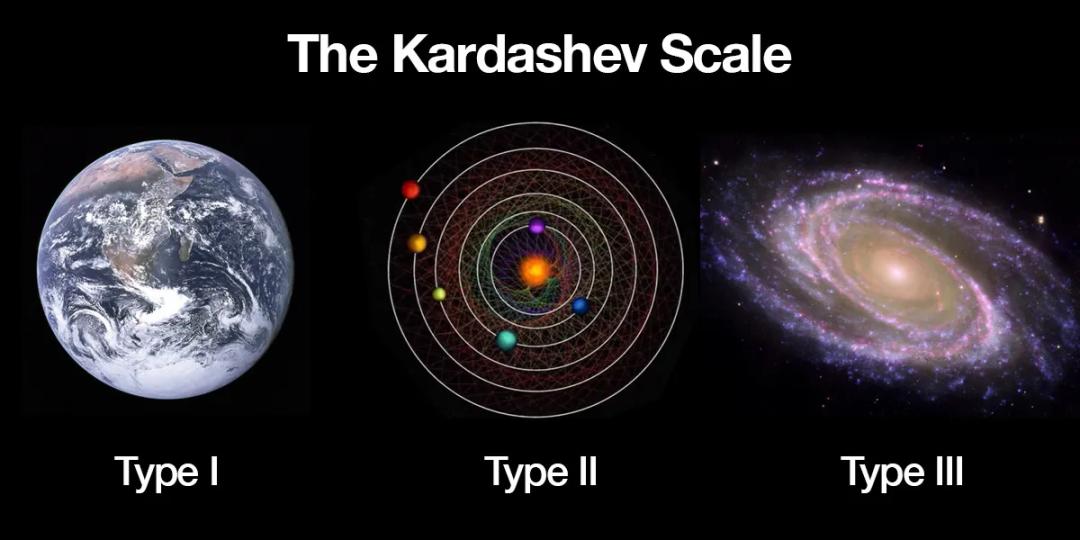
He described this move as a key stepping - stone for humanity to move towards a "Kardashev Type II civilization": By establishing a million - level computing cluster in orbit to directly capture almost infinite and constant solar energy, it will completely break the shackles of Earth's resources and push the energy level of human civilization from planetary to stellar.
Knowledge card
The Kardashev scale of civilizations was proposed by Soviet astronomer Nikolai Kardashev in the 1960s, ranking civilizations according to how much energy they can utilize.
A Type I civilization can utilize all the energy of its home planet, a Type II civilization can directly collect the energy of an entire star, and a Type III civilization can control the energy of an entire galaxy.
It is generally believed that currently, human civilization is close to but has not yet reached Kardashev Type I, about 0.73 on the scale.
Musk doesn't sound like he's daydreaming about the future when talking about these things; he sounds more like he's making an engineering plan. But to carry out such large - scale infrastructure in space, where will the raw materials come from? Transporting them from Earth would cost an astronomical amount.
The answer is still the Moon.
The Moon is rich in oxygen and silicon, which are exactly the basic raw materials for building space facilities. The South Pole of the Moon is in permanent shadow and hides a large amount of water ice. Water can be drunk and can also be electrolyzed into hydrogen and oxygen, the two main components of rocket fuel. Once the Moon can produce its own fuel, it will become a gas station for deep - space exploration.
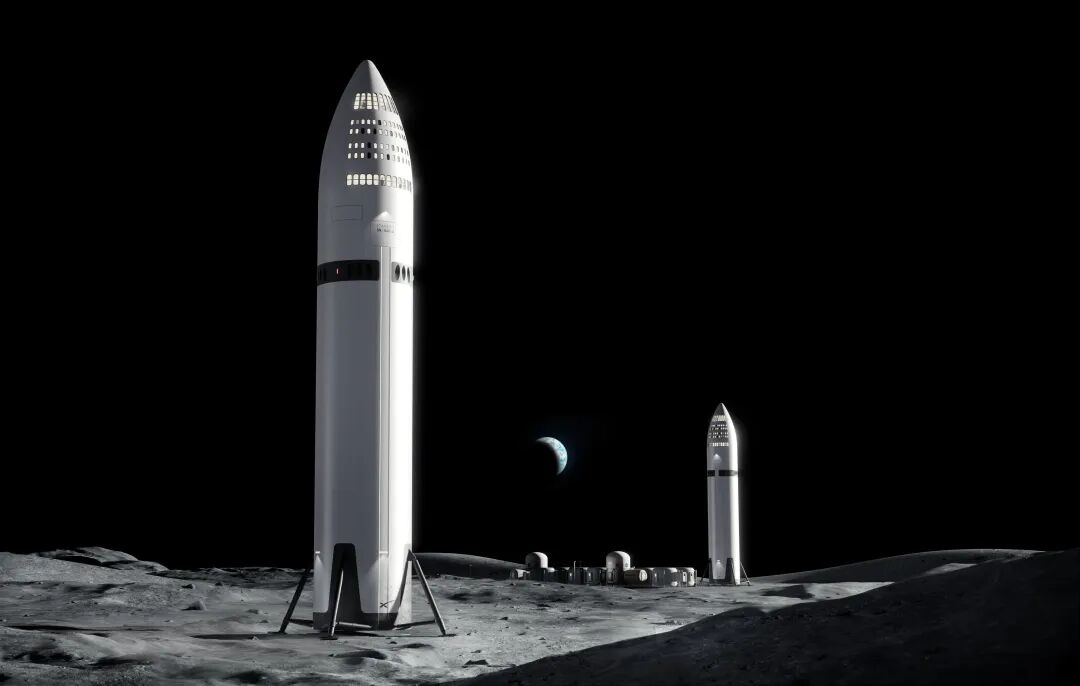
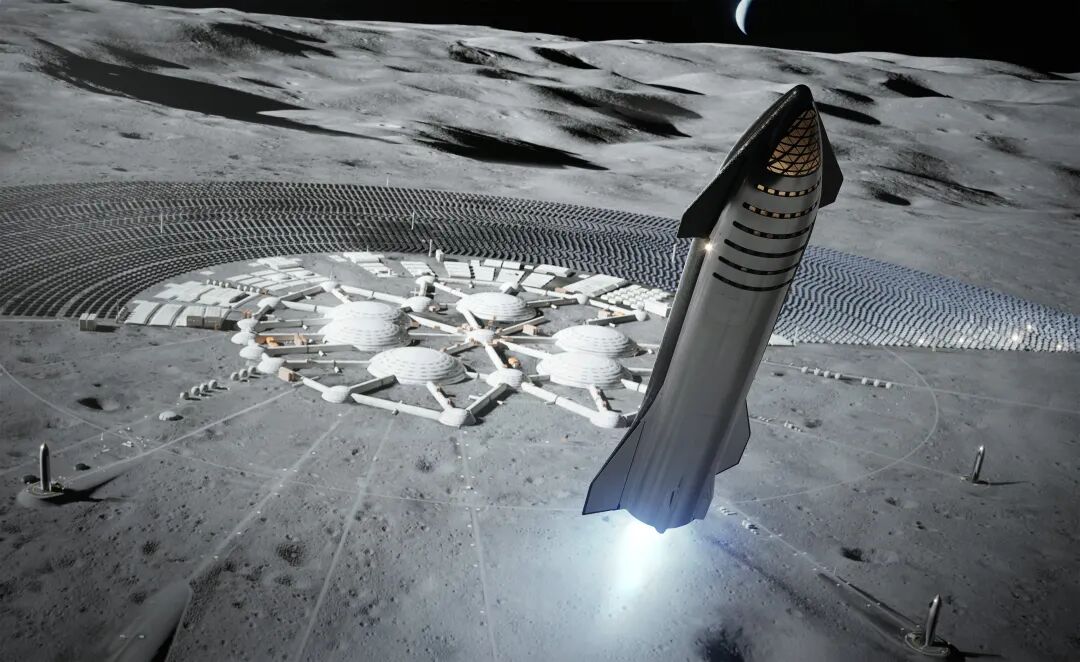
Rendering of the lunar - landing version of the Starship, with the lunar base in the distance | SpaceX
But the biggest advantage of the Moon is that it has no atmosphere.
This means that there is no air resistance, and you can build a super electromagnetic cannon to accelerate supplies to extremely high speeds using electromagnetic force and directly launch them into space orbit.
It doesn't use rockets or burn fuel but is purely electrically driven. Since the lunar gravity is only one - sixth of Earth's, it's easy to "throw" things out.
With this system, you can build solar power stations, factories, data centers, and even giant space cities on a large scale in orbit.
There is also a chilling use.
If you launch objects at high speed from the Moon and aim them at the Earth? A large projectile launched from the Moon, accelerated by Earth's gravity, would have a catastrophic impact force. Controlling the super electromagnetic cannon on the Moon is like holding a hammer hanging over everyone's heads.
We don't know if Musk has discussed this with the military, but the possibility itself is thought - provoking.
The Moon allows you to make mistakes
The real trump card of the Moon is its fault - tolerance rate.
The one - way journey from Earth to Mars takes 6 months. The launch window only opens once every 26 months because the two planets need to reach a specific relative position for the spacecraft to fly there on the most fuel - efficient trajectory. Miss one window, and you have to wait for more than two years. If there's a problem with the equipment? You can only wait. If there's a flaw in the design? You can only wait. If an astronaut gets sick? You're on your own.
The Moon is completely different. The one - way journey takes two days, and the launch window opens about once every 10 days. If the equipment breaks down, supplies can arrive in 10 days. If there's a flaw in the design, engineers can get real - world feedback within two days.
The Moon allows you to make mistakes and quickly correct them. This is exactly the approach that Musk is best at - high - frequency trial - and - error and rapid iteration. Once the technology is fully developed on the Moon, going to Mars will be a breeze.
The schedule has been set. Musk plans that in March 2027, the Starship will make its first unmanned lunar landing. By 2035, a self - expanding city will be built on the Moon.
Those who know Musk well know that his schedules are always extremely optimistic and often delayed, but he has never been wrong about the direction.
In 2019, SpaceX's rendering of the lunar city. At that time, the Starship looked different from now | SpaceX
The tortoise - and - hare race on the lunar surface
In the short term, this change in direction will have a limited impact on the progress of space exploration. Anyone who pays a little attention to space news knows that it was unrealistic for SpaceX's Starship to reach Mars in 2026, and the 2028 launch window is also uncertain. Mars was always far away, and now it's just clear that it will remain so for a while. But this decision is a real boon for the US space industry. The Starship has extremely powerful cargo - carrying capacity and can transport over 100 tons of cargo to the lunar surface. For NASA and any company that wants to do business on the Moon, Musk's change of direction is a huge opportunity.
The most disappointed are the Mars enthusiasts. For years, many people around the world have dreamed of colonizing Mars, but only Musk has really built rockets and amassed enough money, seemingly the most likely to turn the dream into reality.
Now, this dream has been put on hold.
But when the demand for computing power, business competition, and military strategy all point to the Moon, even the richest and most stubborn man on Earth has to turn around.