Is it difficult to distinguish between “real” and “fake” Level 3 autonomous vehicles? VOYAH says its mass-produced vehicles will be launched after the Spring Festival, but they still need to wait for approval to hit the road.
On February 9th, Lu Fang, the CEO of Voyah Motors, posted on Weibo that Voyah will launch the first domestically produced L3 conditional autonomous driving (hereinafter referred to as "L3 autonomous driving") SUV in March. Besides Voyah, since 2025, many companies such as Geely Auto, GAC Group, and XPeng Motors have also announced that they will launch L3 autonomous driving technologies or models. Seizing the high - ground of L3 autonomous driving has become a key focus in terms of technology and public opinion for major automakers.
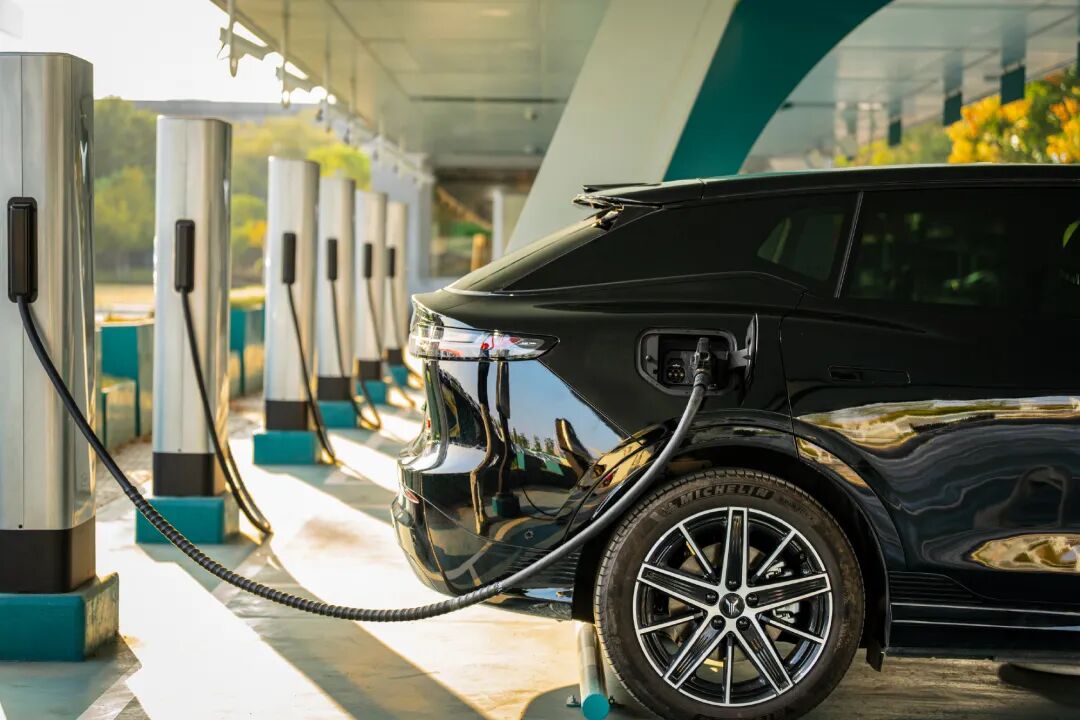
△ Image source: Voyah Motors
Especially on December 15, 2025, two models from Changan Automobile and BAIC New Energy were respectively approved for on - road pilot tests in designated areas of Chongqing and Beijing, marking that China's L3 autonomous driving has entered the stage of commercial application from the testing phase, and L3 vehicles on the road have become a reality.
In the view of the industry, domestic automakers are expected to launch multiple L3 autonomous driving vehicles this year, but it remains doubtful whether consumers can purchase L3 models and use L3 autonomous driving functions. A relevant person in charge of Voyah Motors told a reporter from Time Weekly about whether ordinary consumers can use the L3 functions of the new car on the road: "We have both the hardware and software ready. All we need is regulatory approval."
Another Automaker Announces Plans to Launch L3 Vehicles
The L3 autonomous driving vehicle planned by Voyah is a new version of its existing model, Voyah Taishan, which will be equipped with the "Huawei Kunlun Intelligent Driving ADS" four - lidar solution. Lu Fang referred to this vehicle as "China's first mass - produced L3 SUV," but did not disclose more information.
A reporter from Time Weekly inquired with Voyah about whether the vehicle supports L3 autonomous driving functions and whether consumers can purchase and use this function normally. The company replied that "we have both the hardware and software ready. All we need is regulatory approval."
Before Voyah, many domestic automakers had also announced plans to launch L3 autonomous driving vehicles.
In March 2025, GAC Group stated that it would start the mass production, launch, and sales of the first domestic L3 autonomous driving model in the fourth quarter of that year. He Xiaopeng, the chairman and CEO of XPeng Motors, also said in an interview with a reporter from Time Weekly that XPeng is expected to launch L3 full - scenario autonomous driving technology in the second half of 2025. Geely Auto and Li Auto have also announced relevant plans.
Different from L2, L3 autonomous driving emphasizes that the vehicle takes the lead and assumes corresponding accident responsibilities, which requires higher product technology and regulatory access requirements. In the current domestic application scenarios, L3 autonomous driving functions can only be used conditionally by specific enterprises, models, and in limited areas, and are not yet available for consumers to purchase.
In Lu Fang's view, a real L3 vehicle is not just an upgrade in functions but also needs to build a safety system based on full - domain redundancy. It must transform from a passive means of transportation into a reliable entity capable of actively implementing the minimum safety strategy.
Lu Fang also revealed that as of the end of 2025, Voyah's L3 conditional autonomous driving had completed a cumulative 110,000 kilometers of actual road tests and 900,000 kilometers of simulation tests, and had obtained an official road test license, entering the real - vehicle verification stage.
The Industry is Still in the Testing Phase
China's L3 autonomous driving has achieved phased breakthroughs but is still in the testing phase.
In the fourth quarter of 2025, many domestic enterprises began L3 autonomous driving tests on highways. For example, on November 26th, Huawei Kunlun's intelligent vehicle solutions announced that the ADS high - speed L3 solution had started tests on highways in multiple cities. The cooperative models include the Seres AITO M9 and the JAC Zunjie S800.
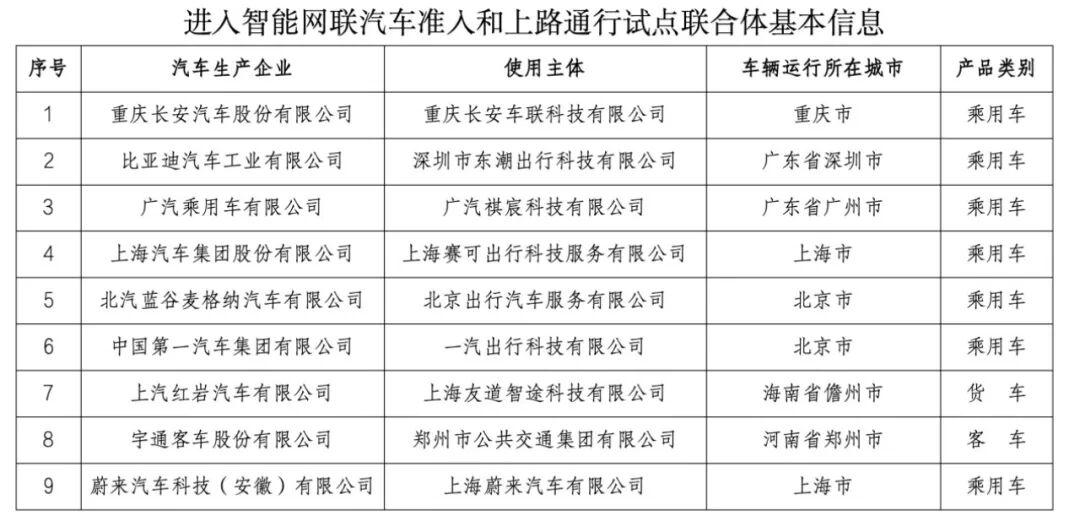
△ Image source: Ministry of Industry and Information Technology
On December 15th last year, the Ministry of Industry and Information Technology officially announced the first batch of access permits for L3 conditional autonomous driving models in China. Two models from Changan Automobile in Chongqing and BAIC New Energy will conduct on - road pilot tests in designated areas of Chongqing and Beijing respectively, marking that China's L3 autonomous driving has entered the stage of commercial application from the testing phase.
According to the permit, the above - mentioned Changan vehicles can achieve autonomous driving functions on single lanes of highways and urban expressways in congested traffic environments in specific areas of Chongqing; the BAIC New Energy models can achieve autonomous driving functions on single lanes of highways and urban expressways in specific areas of Beijing.
The reporter learned from BAIC New Energy that individual users are expected to be able to use the L3 autonomous driving functions of relevant models in the future. "This pilot uses the strategy of 'starting with the B - end and gradually opening up'. After the relevant supporting policies are further mature and improved, it is expected that starting from the second quarter of 2026, it will be gradually opened to individual users," BAIC New Energy said.
In the view of many industry insiders, China's technological capabilities in the field of autonomous driving are approaching the requirements for highway applications. "Compared with ordinary roads, the technical requirements for autonomous driving vehicles on highways are lower, so L3 autonomous driving will be first applied on highways," Ji Xuehong, the director and professor of the Automobile Industry Innovation Research Center of North China University of Technology, told the reporter.
The L3 autonomous driving vehicle announced by Voyah is different from the above two pilot models: consumers can purchase Voyah's new car, but they cannot legally use the L3 autonomous driving function on the road for the time being and need to wait for the relevant regulations to be implemented.
Many industry insiders also hold a cautiously optimistic attitude when communicating with reporters. Some believe that the autonomous driving of civilian passenger cars in China has officially started and is accelerating. More vehicles are expected to obtain access to L3 autonomous driving functions on highways this year, but consumers still need to wait for some time to use L3 autonomous driving functions.
This article is from the WeChat official account “Time Weekly” (ID: timeweekly), author: Wu Kai. Republished by 36Kr with permission.