Swiss engineering and technology company Lightium develops mass-production-level thin-film lithium niobate photonic chip foundry services to achieve large-scale mass production of photonic chips | Top 100 Swiss Innovators
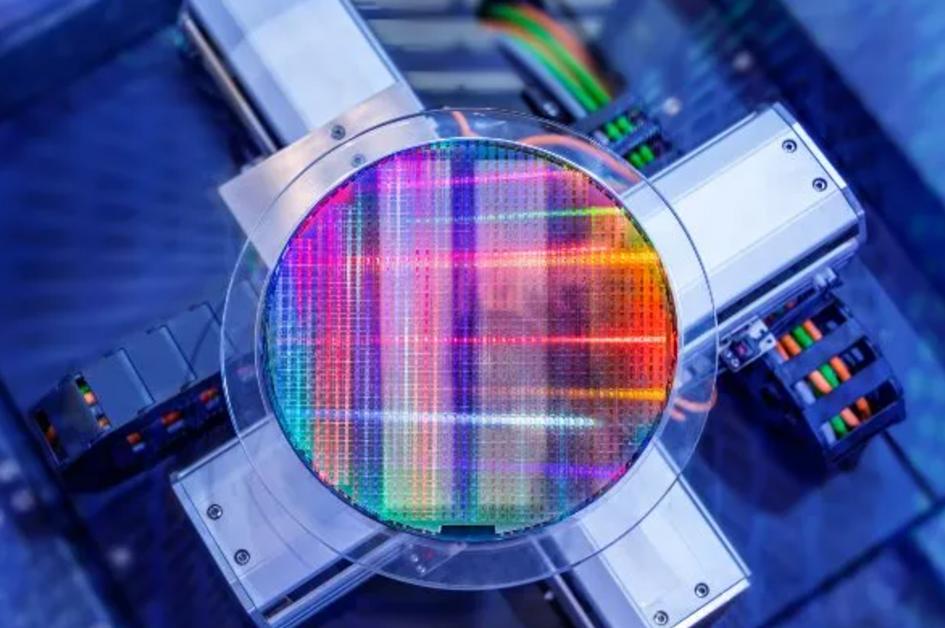
Image source: EE Times
Lightium, a Swiss engineering and technology company founded in 2023, is committed to providing mass - production - grade thin - film lithium niobate photonic chip foundry services. With its proprietary manufacturing process that meets mass - production requirements, it offers customers rapid supply capabilities from prototype production to large - scale manufacturing, aiming to create the next - generation photonic chips.
Lightium was co - founded by Amir Ghadimi, Frédéric Loizeau, and Dirk Englund. Amir Ghadimi, the CEO of the company, holds a Ph.D. in Electrical and Electronic Engineering from the Swiss Federal Institute of Technology in Zurich and was previously a senior PIC expert at the Swiss Center for Electronics and Microtechnology. Frédéric Loizeau, the Chief Revenue Officer, has a Ph.D. in Microsystems from the Swiss Federal Institute of Technology in Zurich and was formerly the business and technology development manager at the Swiss Center for Electronics and Microtechnology. Dirk Englund currently serves as a professor of Electrical Engineering and Computer Science at the Massachusetts Institute of Technology.
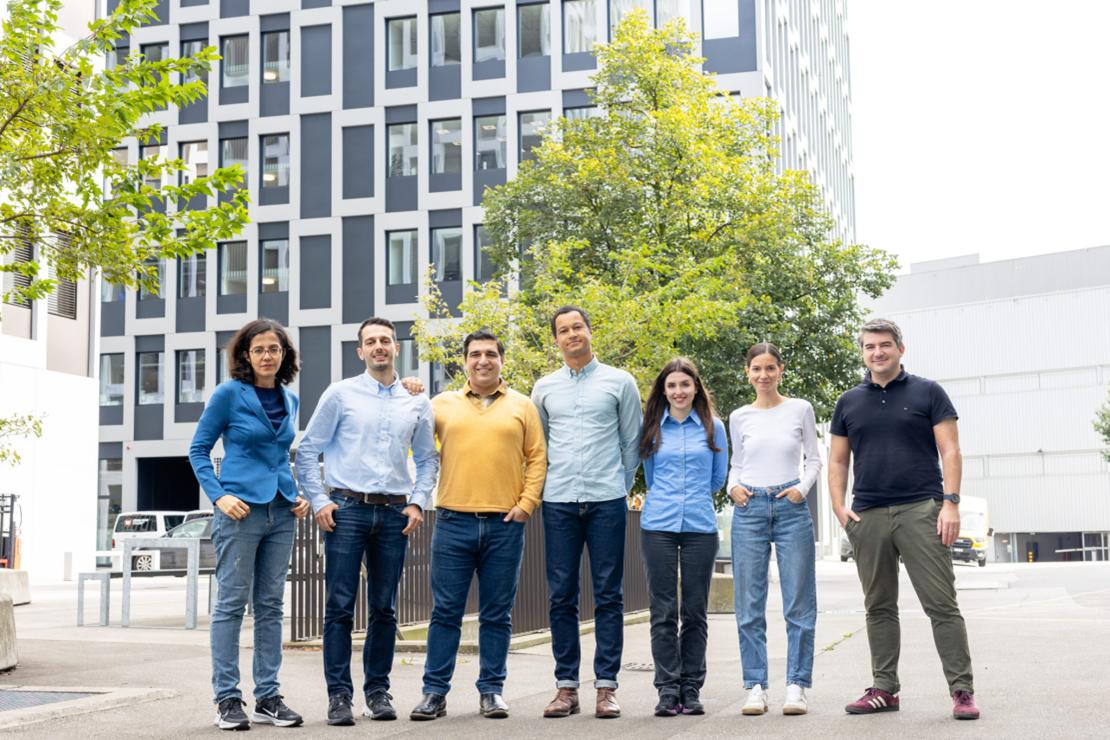
Image source: Lightium
The rapid development of products such as artificial intelligence and ChatGPT has led to an explosive growth in data volume and an unprecedented increase in energy consumption. By 2030, the data processing volume of data centers will increase by 100 times, and the power consumption will account for 10% of the world's total power consumption. Data centers are mainly composed of large - scale central processing unit (CPU) and graphics processing unit (GPU) clusters, which are used to accelerate computationally intensive tasks and transmit data at extremely high speeds between these processors through optical interconnections. Although industry giants such as NVIDIA have made significant progress in improving GPU performance, there are still critical gaps in the data transmission speed and energy efficiency of optical interconnections. Currently, the widely used semiconductor - based interconnection technology faces huge technical challenges at speeds exceeding 800 Gb/s and has reached the physical limit of material performance, unable to meet the speed requirements for dealing with the exponential growth of data.
Since silicon materials are difficult to meet the requirements, there is a strong market demand for alternative materials with excellent electro - optical properties. These materials must not only meet strict performance standards but also be able to withstand the harsh environment of data centers. Thin - film lithium niobate is a material that meets the above requirements, but it is also one of the most difficult materials to process. To date, it has been limited to prototype production in the clean rooms of academic institutions and research and development organizations.
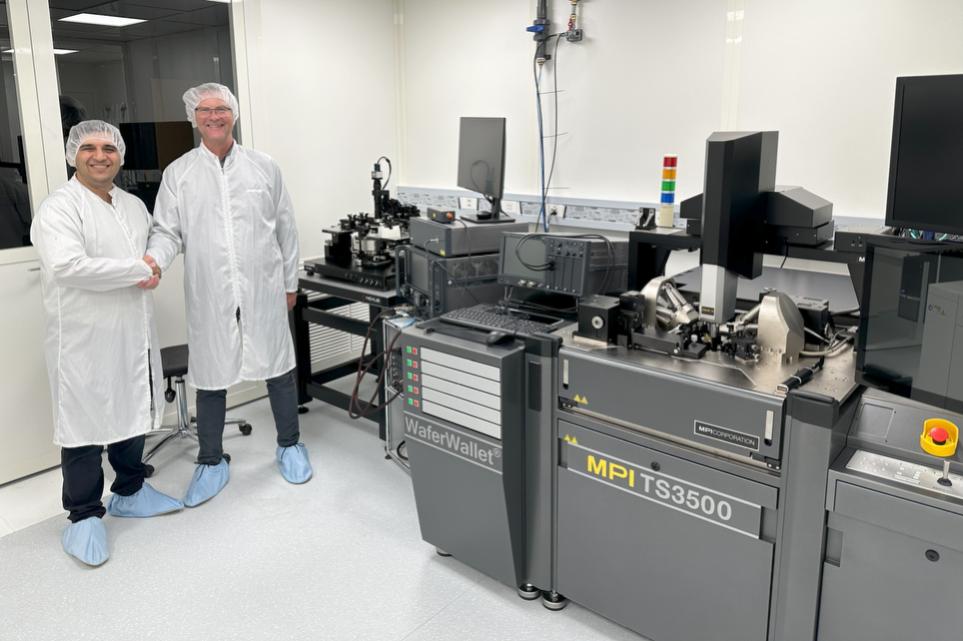
Image source: Lightium
Based on its proprietary manufacturing process for mass production, Lightium can provide commercial - scale mass - production - grade thin - film lithium niobate chip foundry services to meet the high - speed, low - energy - consumption data interconnection needs of industries such as data centers and telecommunications.
Thin - film lithium niobate is a glass - like material that can significantly increase the transmission rate and reduce power consumption. Its properties are similar to those of glass, with clear and stable performance and no compatibility issues. It also has the same properties as glass in terms of packaging, connection, and integration, allowing customers to easily integrate it without modifying their existing production lines. Thin - film lithium niobate can provide data transmission rates of 1.6 Tb and 3.2 Tb/s, while reducing the environmental impact and cost. Moreover, compared with bulk lithium niobate, thin - film lithium niobate requires less lithium raw material.
Lightium has developed a proprietary mass - production process for thin - film lithium niobate and is the first European production - grade thin - film lithium niobate foundry. Its business model is a fabless foundry service. A wafer fab is a physical facility for chip manufacturing, including clean rooms, machines, technicians, and materials. In addition to the wafer fab, chip manufacturing also requires processes such as design tools, module construction, and process flow verification, which is the foundry service. Some traditional wafer fabs in Europe and the United States were capable of producing CMOS (Complementary Metal - Oxide - Semiconductor) chips 20 years ago. Although their resolution is not at the most advanced level, they can fully meet the chip production needs in the photonics field. Lightium cooperates with several of these wafer fabs and uses their existing infrastructure to run its own production processes, thus avoiding the large capital expenditure and long delivery cycle required for building a wafer fab from scratch and reducing the time to market for customers' products and the industrialization risks.
Lightium has strong foundry capabilities and can support the needs from prototype verification to large - scale mass production. Oriented towards mass production, Lightium can produce 200 - millimeter wafers in a high - capacity wafer foundry environment. The light - speed modulation bandwidth of the thin - film lithium niobate it produces is greater than 100 GHz, and it can work stably in a low - voltage environment with Vπ ≤ 1V. It can cover a wide transparent window from 350 to 5,500 nm and has greater second - and third - order nonlinearities. At the same time, Lightium also has a comprehensive process design kit (PDK) and can provide four bandwidth options: C - band, O - band, 780 nm, and 830 nm.
Currently, telecommunications and data center communications are the main application areas of Lightium's services because these industries require higher bandwidth and lower power consumption, and the relevant demand continues to grow. In the future, Lightium will gradually expand its application areas to industries such as satellite communications, quantum computing, new optical computing architectures, and lidar.
In September 2024, Lightium completed a $7 million seed - round financing, led by Vsquared Ventures and Lakestar. The funds will be used to accelerate the commercialization process of the company's thin - film lithium niobate foundry services.
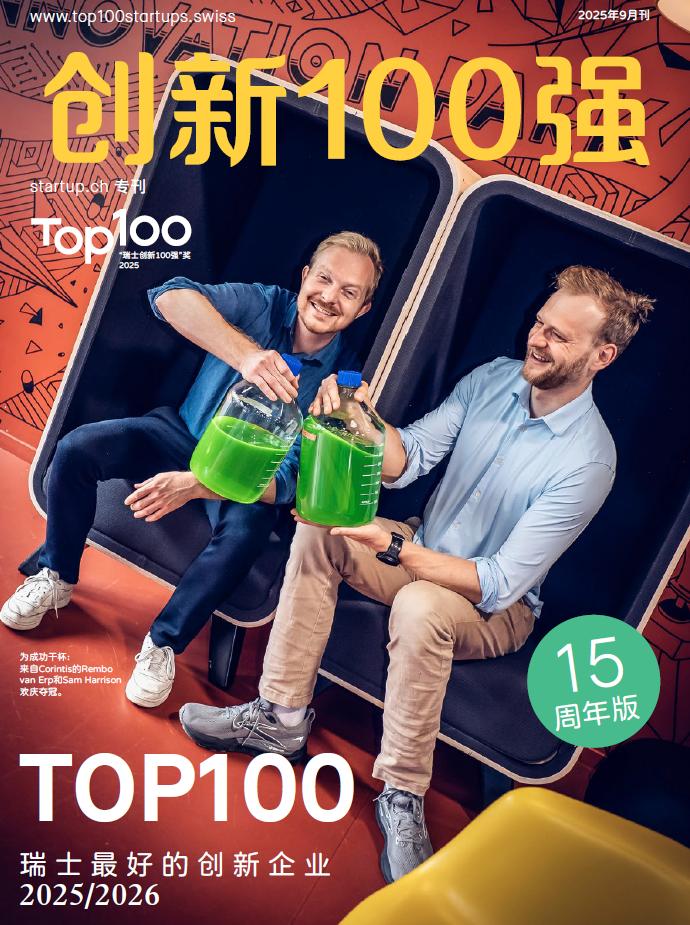
Lightium is one of the companies on the "TOP 100 Swiss Startups" list in 2025. The "TOP 100 Swiss Startups" list brings together the best Swiss - made startups and growing technology innovation companies and is the most internationally influential benchmark list in the Swiss technology innovation field. Since 2011, this list has selected 100 of the most innovative and market - promising Swiss technology companies and 25 Swiss growing companies with the greatest unicorn potential across Switzerland every year, covering fields such as life sciences, engineering machinery, robotics, information and communication, low - carbon technology, and food technology. The "TOP 100 Swiss Startups" and its series of brand activities are iconic events in the Swiss innovation ecosystem, representing the highest level of Swiss innovation and the forefront of international investment and financing.
The Chinese version of the "TOP 100 Swiss Startups" in 2025 was honorably released by Insight Tech. Insight Tech is the Chinese authorized partner of the "TOP 100 Swiss Startups" list, responsible for the operation and promotion of the list in China and assisting in the commercial cooperation of the list projects with China. Insight Tech is a service provider for China - Europe (Switzerland) industrial innovation cooperation, committed to promoting the localization of Swiss innovation in China and the internationalization of Chinese industries through innovation accelerators, equity investment, and business consulting services.
To obtain the full list and industry lists of the "TOP 100 Swiss Startups", please visit the official account or website of Insight Tech.