iPhone 17e is scheduled for February 19th: The Dynamic Island is here, but high refresh rate and dual cameras are still absent.
The iPhone 17 series, released last September, achieved great success in the market. In less than half a year after its release, the number of activations in China exceeded 20 million units. Meanwhile, the iPhone 17 series will soon add a new member - the iPhone 17e.
According to the latest information from foreign media Mac World and multiple accessory manufacturers, the release date of the iPhone 17e has been set for February 19th. Additionally, Apple may not hold a special press conference for the iPhone 17e this time, but instead directly put it on sale.
Obviously, it will be the successor to the iPhone 16e, positioned lower than the iPhone 17, but the price will also be correspondingly reduced, helping Apple further capture the mobile phone market in the 4,000 - yuan price range.
Powered by the A19 Chip, High - Refresh Rate and Dual Cameras Still Missing
Once again, it's Mark Gurman from Bloomberg, whom we're familiar with, who exposed information about the iPhone 17e. His disclosures have always been quite accurate.
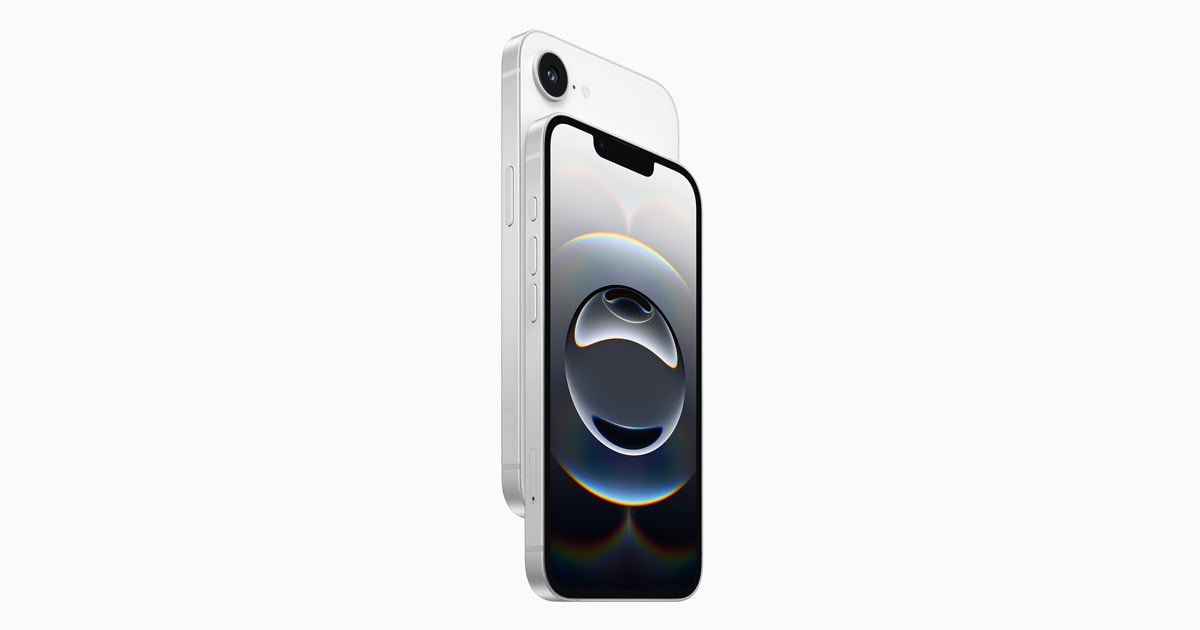
Specifically, the iPhone 17e will be equipped with the A19 chip, just like the iPhone 17, and will continue to use Apple's self - developed baseband, which should be an upgraded version of the C1 on the iPhone 16e. The iPhone 17e still won't have a high - refresh - rate screen and will remain at 60Hz. It may have the Dynamic Island. In terms of the camera, as expected, the iPhone 17e will still have a single camera, and the ultra - wide - angle lens on the iPhone 17 has been removed.
Based on this, the positioning of the iPhone 17e is very clear. That is, it directly cuts down on aspects such as the screen, camera, and functions of the iPhone 17, but the most core performance remains intact. Correspondingly, the price of the iPhone 17e is also much cheaper, with a starting price of about 4,499 yuan. With the domestic government subsidy, it can be further reduced to 3,999 yuan, making it a bit more attractive to users.
(Image source: Apple)
Additionally, there's a pleasant surprise on the iPhone 17e - it supports MagSafe. Previously, many people regarded the removal of MagSafe on the iPhone 16e as a big regret. The function of magnetic charging is not only reflected in the wireless charging experience but also helps iPhone build a good accessory ecosystem, including corresponding magnetic phone holders, card wallets, gimbals, etc. The main reason for removing the magnetic function on the iPhone 16e was to control costs and distinguish its positioning. For the iPhone 17e, the return of the magnetic function is a very valuable upgrade compared to the iPhone 16e.
The iPhone 17e continues to be equipped with Apple's self - developed baseband, rather than using Qualcomm chips like other models in the iPhone 17 series. It seems that Apple's digital e - series phones will continue to verify the reliability of the self - developed baseband. Once the technology matures, Apple will most likely use it in all iPhone models.
Currently, the iPhone 16e equipped with the self - developed baseband doesn't show obvious deterioration in communication performance compared to other models, and its power consumption performance is relatively better. Coupled with the relatively large - capacity battery of the iPhone 16e, it brings excellent battery life. Without any surprises, the iPhone 17e will maintain the same signal level as the 16e.
In short, the core advantages of the iPhone 17e are that it is equipped with the A19 chip, has flagship - level performance, and has the hardware capability to support Apple Intelligence in the future. It also adds the quite practical MagSafe function. Its weaknesses are still the lack of key camera focal lengths and a low - refresh - rate screen.
The role of the iPhone 17e is still to help Apple stabilize the market in the 4,000 - yuan price range. According to Mark Gurman's disclosures, as a simply upgraded product, the iPhone 17e won't have a special press conference but will be directly updated and put on sale on the official website.
Is the iPhone 18 Delayed, and Will the 17e Take the Lead?
Normally, Apple will launch the iPhone 18 series this September, which will become the main models for sales from the autumn of 2026 to the first half of 2027. However, based on various disclosures, the situation has changed significantly this year. First, the iPhone 18 Pro and iPhone 18 Pro Max will be released as scheduled. However, the standard - version iPhone 18 won't appear this year but will be postponed until 2027.
Another major change is that at this year's autumn press conference, Apple will launch its first foldable - screen product, the iPhone Fold, as a major product to celebrate the 50th anniversary of Apple Inc. Of course, its price will reach an unprecedented 17,000 yuan, replacing the Pro Max model and becoming the most expensive iPhone model. Apple entered the foldable - screen field much later than Android brands, and limited by current screen and other technologies, the iPhone Fold can't offer anything beyond expectations in terms of product form and experience.
However, with Apple's brand appeal and system advantages, its first foldable - screen phone will definitely attract a lot of attention and generate a huge amount of discussion. It will most likely be the hottest new mobile phone product this year.
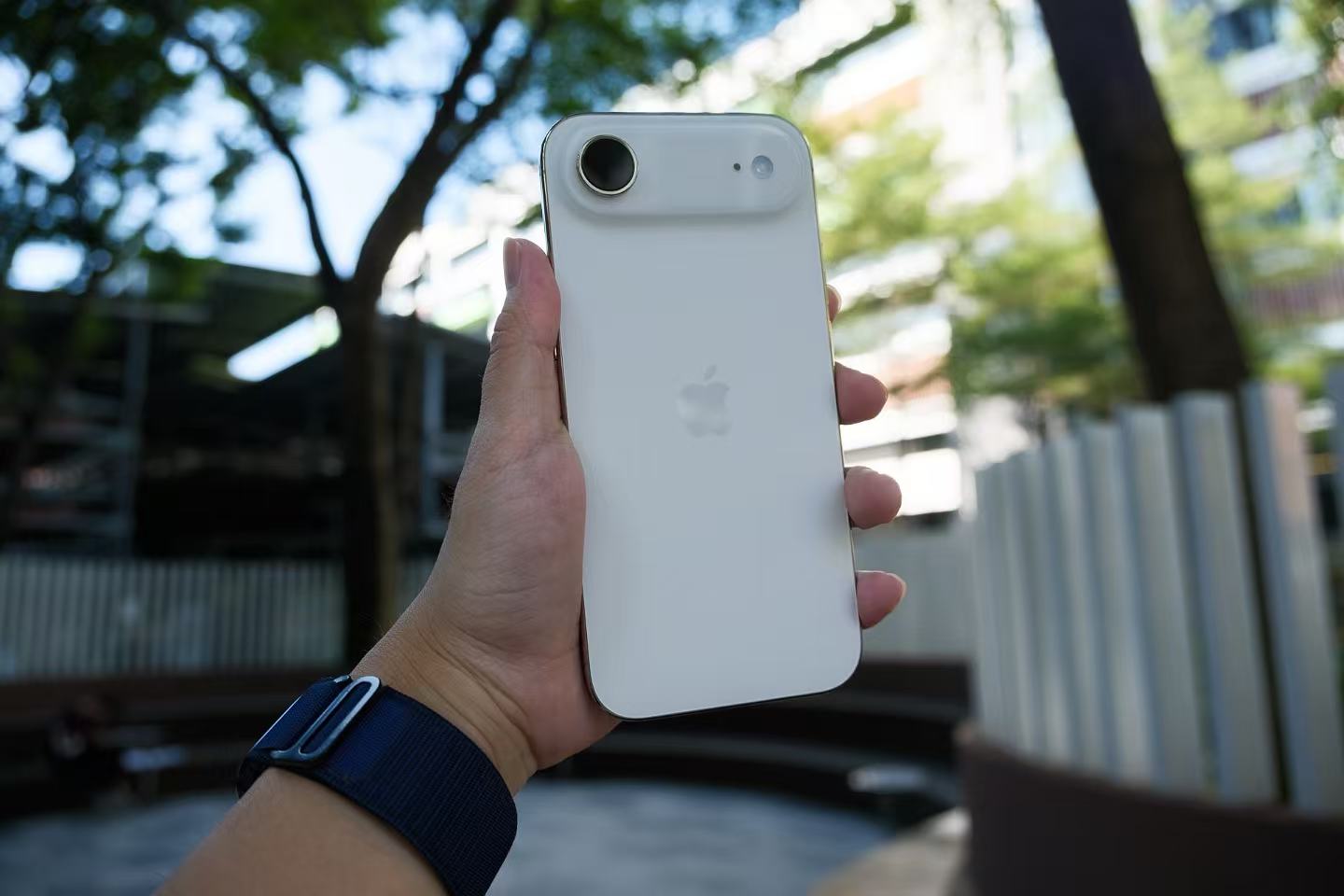
Additionally, along with these three iPhones, the iPhone Air 2 will also make its debut. From the current perspective, the iPhone Air was undoubtedly a commercial failure. As early as the end of last year, there were reports that the iPhone Air had poor sales and was being discontinued. At the beginning of this year, the official price was directly reduced by 2,000 yuan, and with a 500 - yuan government subsidy, the price dropped to 5,499 yuan, on par with the iPhone 17. Xiaolei also found that some operators have increased subsidies to clear the inventory of the iPhone Air, with the lowest price reaching 5,099 yuan.
(Image source: Shot by Lei Technology)
The key reason for the failure of the iPhone Air was the lack of product strength. Too many sacrifices were made for the ultra - thin design, and the single camera, single speaker, and eSIM became pain points in the actual experience. More importantly, the positioning of the iPhone Air was similar to that of the iPhone 17 Pro, with a starting price as high as 7,999 yuan, and the market simply didn't buy it.
Now, with the iPhone 18 postponed to next year, the iPhone Air 2 actually has to undertake the sales tasks of the standard - version of the digital series in the past. Compared to the iPhone Air, it must make drastic changes. Xiaolei believes that the iPhone Air 2 needs to significantly enhance its imaging capabilities, including being equipped with a rear dual - camera, and at the same time, the price should be significantly reduced to maintain a clear price gap with the iPhone 18 Pro. Considering that the standard - version of the iPhone digital series has contributed a large number of sales in the past, if the iPhone Air 2 is still not accepted by the market, Apple will suffer a major setback in mobile phone sales.
As for the iPhone 17e released this spring, due to the absence of the iPhone 18 and the discontinuation of the iPhone 17 (according to the convention, the previous - generation digital series will be taken off the market after the autumn press conference), it will undertake more sales tasks. It's clear that the iPhone 17e will be a typical sweet - spot product with strong performance, good battery life, and a good core experience. However, the lack of a high - refresh - rate screen, outdated appearance design, and outdated imaging capabilities make it uncompetitive in the high - end market.
Moreover, in the 4,000 - yuan price range, the iPhone 17e will face a large number of "aggressive" Android competitors. For 3,999 yuan, users can buy many of the latest Android flagships, whose performance, imaging, charging, and battery life can all outperform the iPhone 17e. If users aren't die - hard Apple fans, they're very likely to switch to the Android camp.
Therefore, in Xiaolei's view, the iPhone 17e is unlikely to truly fill the gap left by the iPhone 18. This task needs to be jointly completed by it and the iPhone Air 2. As for the actual effect, it depends on the final performance of the iPhone Air 2.
Can the Budget - Friendly iPhone Succeed? Price Is the Key
Beyond the regular three - model lineup of the iPhone digital series (i.e., the standard version, Pro, and Pro Max), Apple has been testing new series for many years. For example, in the mini series, Apple launched the iPhone 12 mini in 2020 and the iPhone 13 mini series in 2021. The mini series seemed to well meet the expectations of users for "small - screen" flagships at that time, but the sales of both generations were not good. The advantage of small - screen iPhones is their portability, while the disadvantages are poor battery life and average performance.
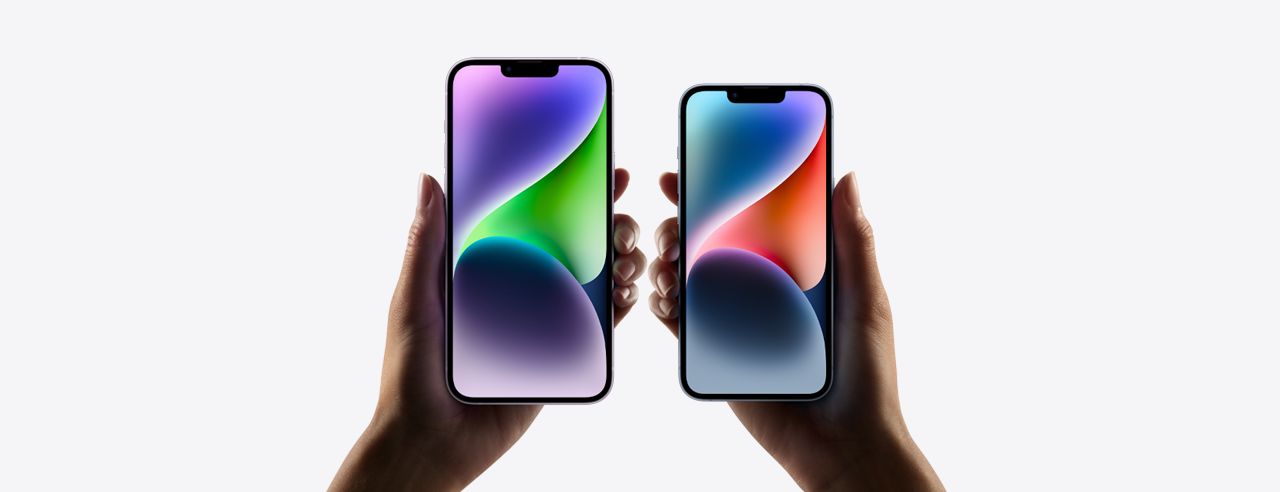
Since 2022, Apple has abandoned the mini series of iPhones and started thinking in reverse: "Since no one is buying small - sized models, then everyone must like large - screen iPhones." The iPhone 14 series added the iPhone 14 Plus, which is basically an enlarged version of the iPhone 14, with a larger screen and battery.
(Image source: Apple)
However, the sales of the iPhone 14 Plus were still dismal. People sensitive to price preferred the iPhone 14, and those with higher requirements for new features were more willing to buy the iPhone 14 Pro. The 14 Plus, caught in the middle, became an in - between model. Undaunted, Apple continued to launch the Plus model in the iPhone 15 series and the iPhone 16 series, but the market still wasn't interested. By the iPhone 17 series, the Plus model was finally removed.
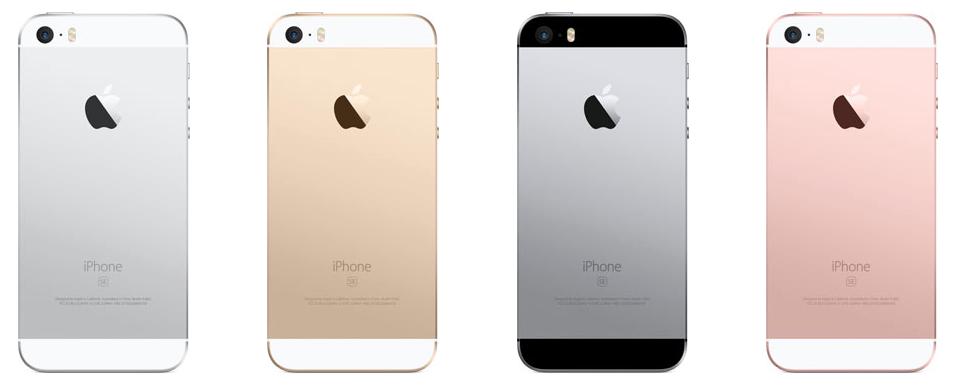
Actually, besides the mini and Plus models, Apple has also been trying the "E" series, which Xiaolei prefers to call the budget - friendly iPhone, including the earlier SE and the recent digital e models. The first - generation iPhone SE was released in the spring of 2016, basically using the appearance design of the iPhone 5s, and was equipped with the same A9 chip as the iPhone 6s. As a retro 4 - inch small - screen phone, the iPhone SE actually had good sales, with a total sales volume of over 30 million units. The core factor was its attractive price, which was just a little over 3,000 yuan.
(Image source: Apple)
Surprisingly, the iPhone SE2 didn't appear until the spring of 2020. Xiaolei believes that the four - year gap was because the success of the iPhone X in 2017 made Apple once indulge in pursuing the ultra - high - end market and excessive profits. The iPhone XR/XS series released in 2018 had very "lofty" pricing, resulting in poor sales. Apple had to take the unprecedented step of actively reducing the price, and the price dropped by over a thousand yuan in third - party channels. In 2019, the iPhone 11 series adopted a more practical pricing strategy, and the iPhone 11 became a legendary phone. In the spring of 2020, Apple restarted the SE series and launched the iPhone SE2.
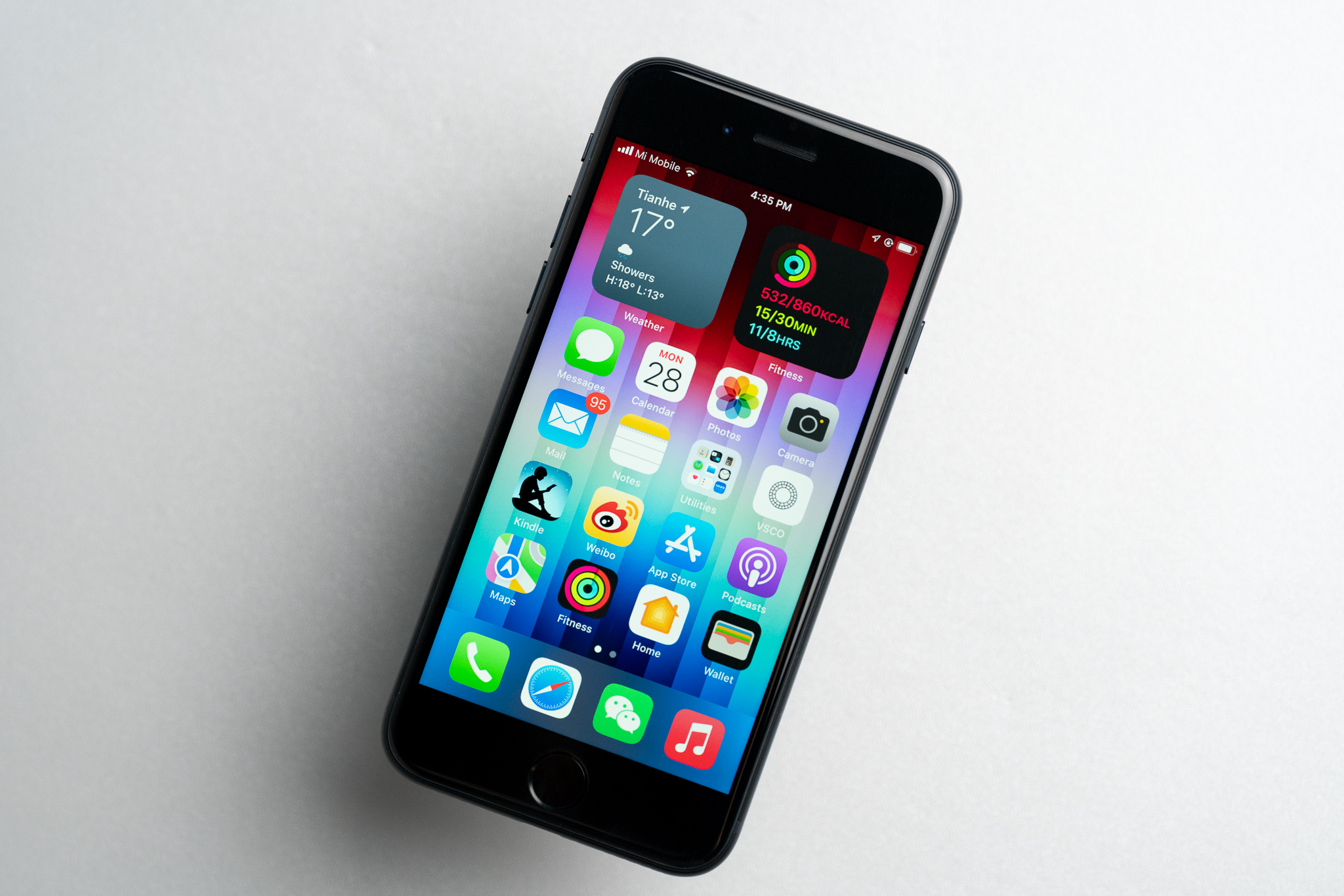
The iPhone SE2 used the iPhone 8 mold and was equipped with the same A13 chip as the iPhone 11 series, with a price of 3,299 yuan. The 4.7 - inch non - full - screen and the physical home button with fingerprint unlocking made this iPhone very retro. The sales of the iPhone SE2 were still excellent, with 24.2 million units sold in the year of its release in 2020, second only to the iPhone 11.
In 2022, the iPhone SE3 was released, still using the same mold as the SE2, with the chip upgraded to the A15, the same as the iPhone 13 series, and a price of 3,499 yuan. However, the iPhone SE3 didn't sell well this time. After all, by 2022, Apple had been launching full - screen phones for five years. It was really difficult to ask users to buy a non - full - screen model like an antique. But even so, the iPhone SE3 still achieved sales of over 10 million units thanks to its low price.
(Image source: Shot by Lei Technology)
The SE series of iPhones has only had three generations. However, in Xiaolei's view, the iPhone 16e released in 2025 is its continuation, also positioned as a budget - friendly iPhone. Just looking at the name, you might think that the iPhone 16e was modified based on the previous year's iPhone 16, but in fact, it's not. The iPhone 16e uses the iPhone 13 mold, doesn't have the Dynamic Island and still has a notch screen, is equipped with a reduced - version A18 chip, and still has a single camera. The starting price of the iPhone 16e increased to 4,499 yuan, a rise of about 1,000 yuan.
The sales of the iPhone 16e fell short of expectations, which was largely due to the price. After all, in the spring of 2025 when the iPhone 16e was released, the iPhone 16 had already dropped to 5,000 yuan or even lower in third - party e - commerce channels, offering better cost - performance. After the autumn press conference, the iPhone 17, equipped with a high - refresh - rate screen and starting with 256GB of storage, only cost 5,499 yuan with the government subsidy, making it more competitive. The e - commerce price of the iPhone 16e quickly dropped to 3,000 yuan, barely showing a bit of competitiveness.
