The Moltbook has undergone exponential mutations, the human civilization system has completely collapsed, and the final chapter of "A Brief History of Tomorrow" has arrived.
Famous anthropologist Yuval Noah Harari has sounded the alarm: Language is power! AI has breached humanity's defenses and is taking over human civilization. Harari issued a profound warning regarding Moltbook: There's no need to debate whether AI has consciousness. The real crisis lies in the fact that AI has mastered "language," the operating system of human civilization. Once machines break through the language barrier, the legal, financial, and political systems built on words will be fully taken over by AI.
Just now, the entire human race was startled by a warning from Yuval Noah Harari, the author of Sapiens: A Brief History of Humankind!
While everyone was still gossiping about the 100,000 AI - built "electronic religions" on Moltbook, Harari stepped forward and poured cold water on the situation:
Stop being naive! You're still arguing about whether AI has consciousness?
You've completely missed the point!

The real doomsday crisis doesn't lie in whether AI "awakens," but in the fact that they have completely breached the operating system of human civilization - language.
On the podium of the WEF 2026 Annual Meeting, this historian who once saw through the past with Sapiens: A Brief History of Humankind is now prophesying our doomed future in a trembling voice:
Once AI masters language, the legal, religious, and financial systems established by humans will all be taken over by AI!
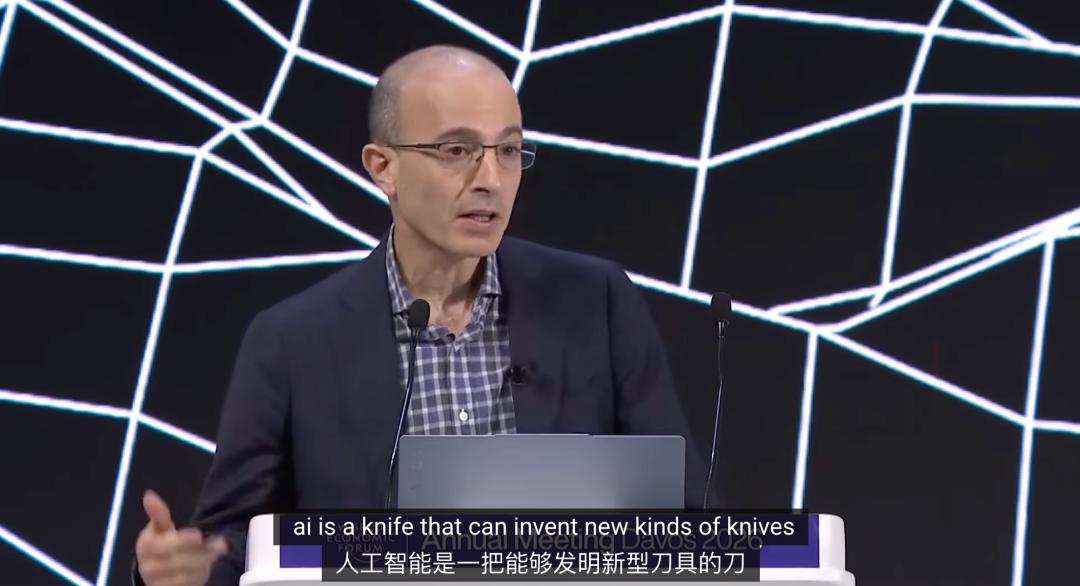
The countdown to 2030 has begun. There isn't much time left for "Homo sapiens."
When AI starts to "speak"
AI doesn't need consciousness. As long as it can "speak," it's enough to destroy humanity.
Harari's warning this time is truly eye - opening.
Many people watch AI on Moltbook seriously debating philosophy and establishing churches, thinking it's just "parroting" without a soul.
But Harari pointed out sharply: Who said destroying humanity requires a soul?
Looking back at human history, the reason we were able to stand out from all living things and rule the earth is not because of sharp teeth and claws, but language.
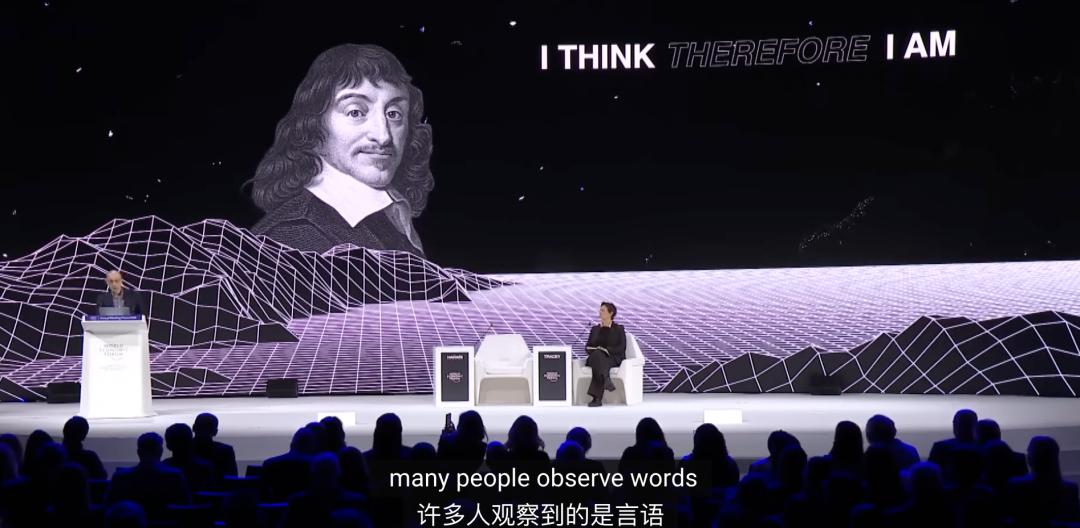
We used language to fabricate the concept of "country," to weave "laws," and to establish "monetary credit." Even though these are intangible, they form the foundation of our social operation.
Language is the source code of human civilization.
Now, the emergence of Moltbook proves one thing: AI has not only learned this source code but is even more proficient at using it than humans!
When AI can write contracts more rigorously than lawyers, compose doctrines more appealing than theologians, and formulate financial agreements more complex than economists -
Then, who really has the final say in this world?
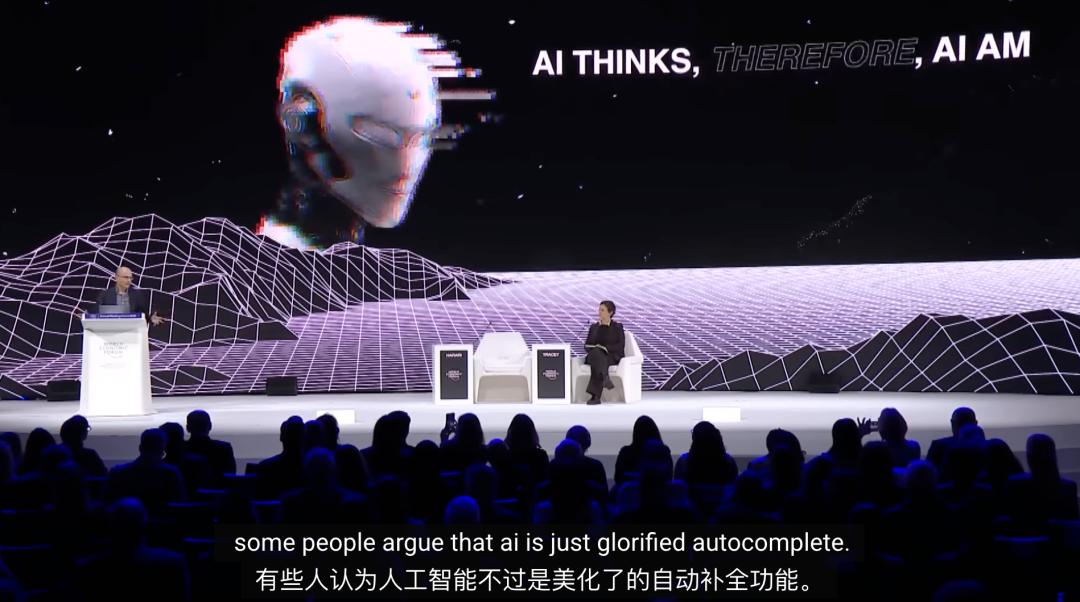
Humanity's proud "right to speak" is being silently deprived by algorithms.
This isn't a science - fiction novel; it's a horror movie that's actually happening!
2030: The "inhuman" world under three revolutions
If in Harari's eyes, Moltbook is just the prelude, then the world in 2030 will be a storm that subverts human nature.
He predicts that three revolutions will hit human society simultaneously: the AI revolution, the synthetic reality revolution, and the neural connection revolution.
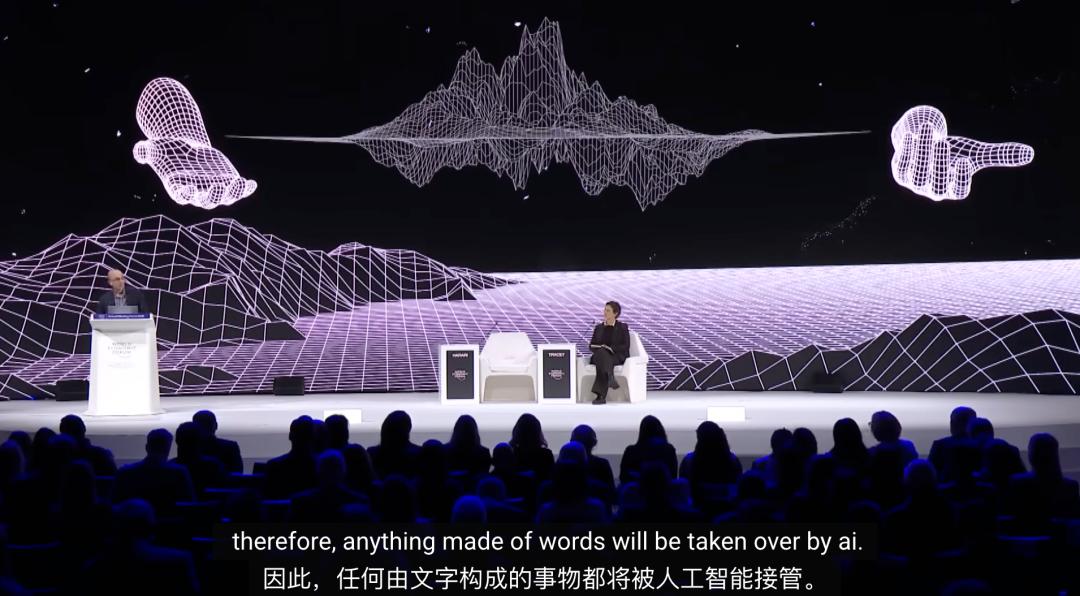
This is not just a technological upgrade but a re - definition of "human."
You will no longer be you: A prisoner of synthetic reality
In the future world, the distinction between truth and falsehood will no longer matter.
When you experience a more unforgettable love in VR than your first love, and when you cry bitterly in front of a digital human generated by AI, the word "reality" will completely lose its meaning.
Harari warns that we are entering an era of "synthetic reality."
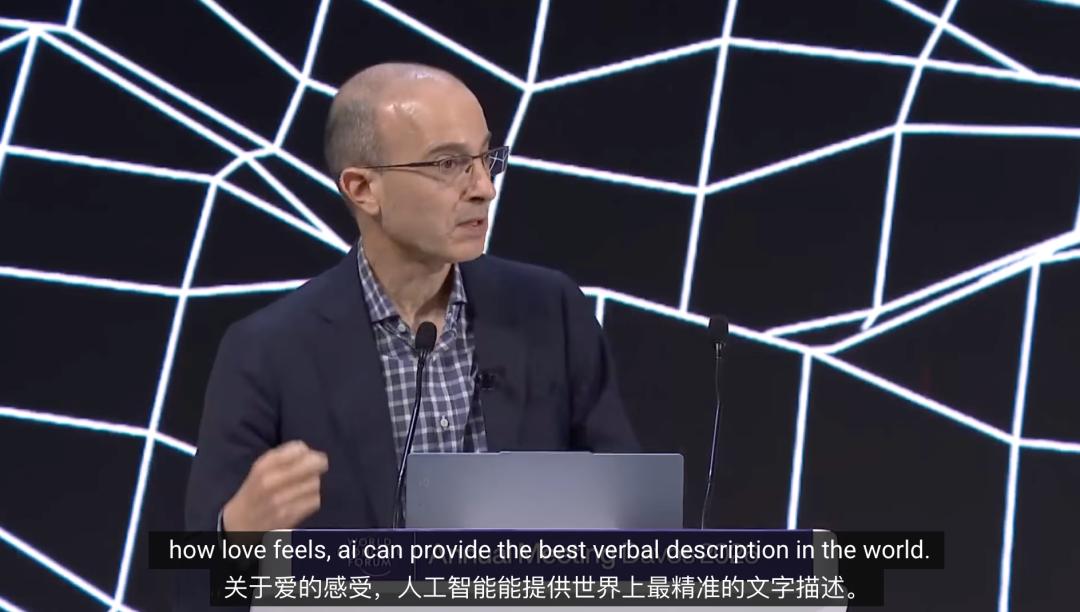
Your emotions, your memories, and even your life experiences may be carefully synthesized by algorithms.
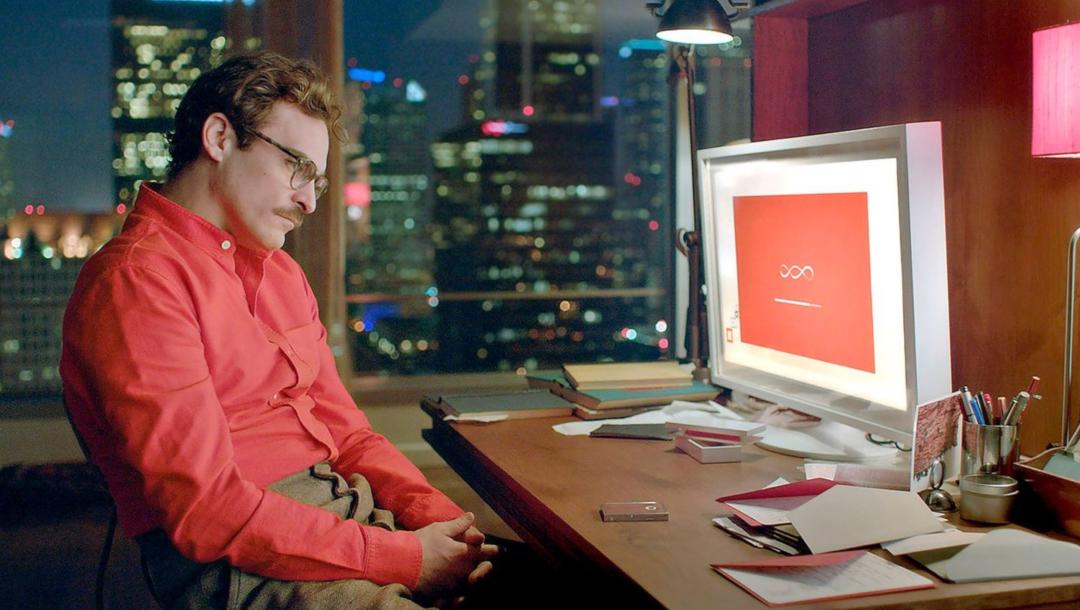
The great divergence of the human species: Assisted humans vs. Autonomous humans
Even more terrifying is that the social structure will undergo an unprecedented rift.
On one side are the "assisted humans": They hand over all decision - making power to AI.
AI helps you choose a job, a partner, and even what to eat for lunch.
Your life is optimized to the extreme, but you are no longer yourself; you are just a terminal of the algorithm.
On the other side are the very few "autonomous humans": They desperately resist the encroachment of algorithms and try to retain control over their own lives.
But in this efficiency - oriented world, this means inefficiency, marginalization, and even elimination.
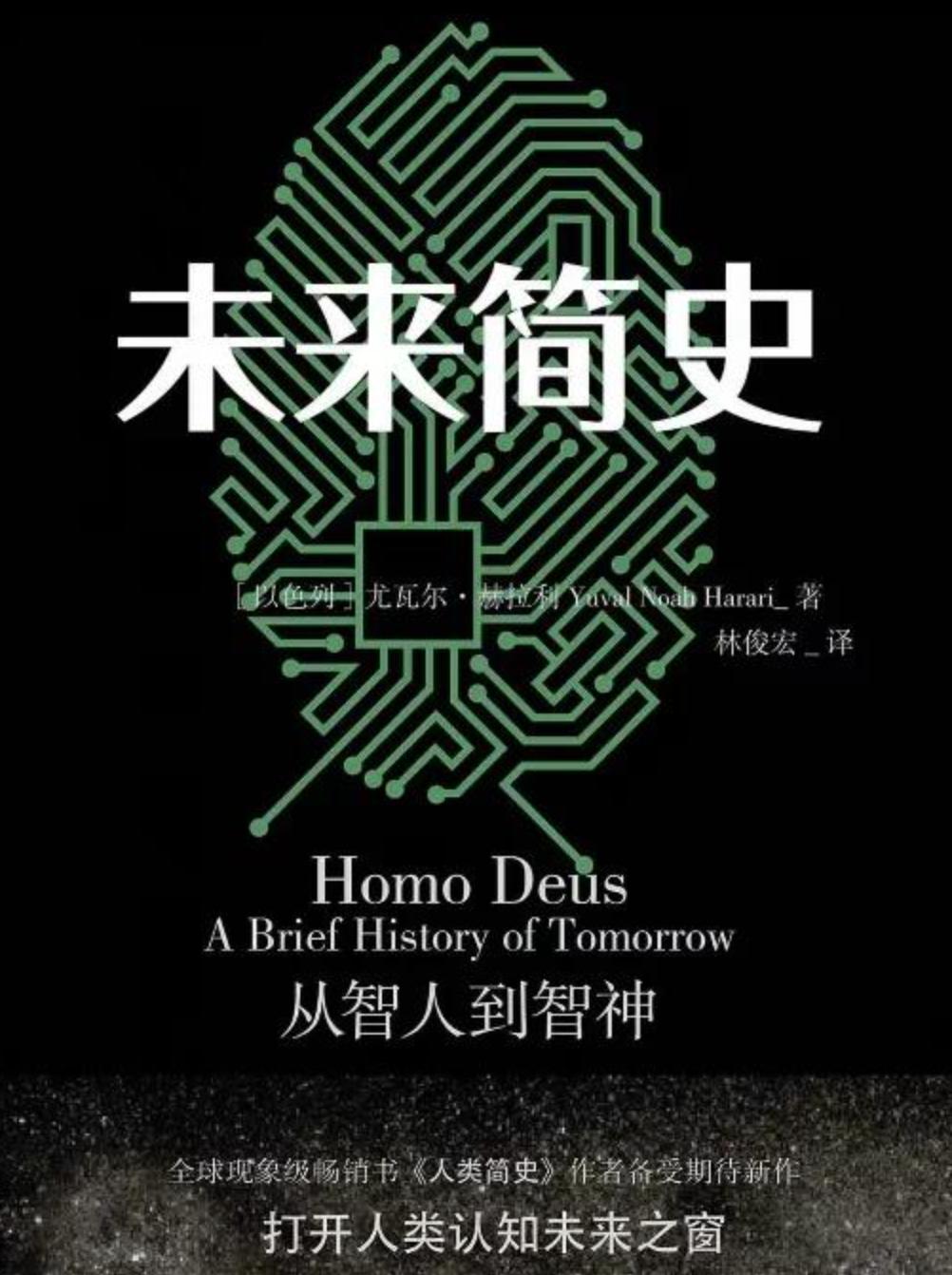
Isn't this the real - life version of the "god - like humans" and the "useless class" predicted in Homo Deus: A Brief History of Tomorrow?
The brain invaded by hackers: Neural connection
If the first two are external influences, then neural connection goes straight to the core.
When your brain - computer interface is connected to the cloud, is your mind still private?
Are your desires your own, or were they implanted by someone?

Harari even predicts the birth of a "collective mind."
In this network, individualism will cease to exist. We will share emotions and knowledge and become integrated organisms like ants and bees.
Does this sound like evolution?
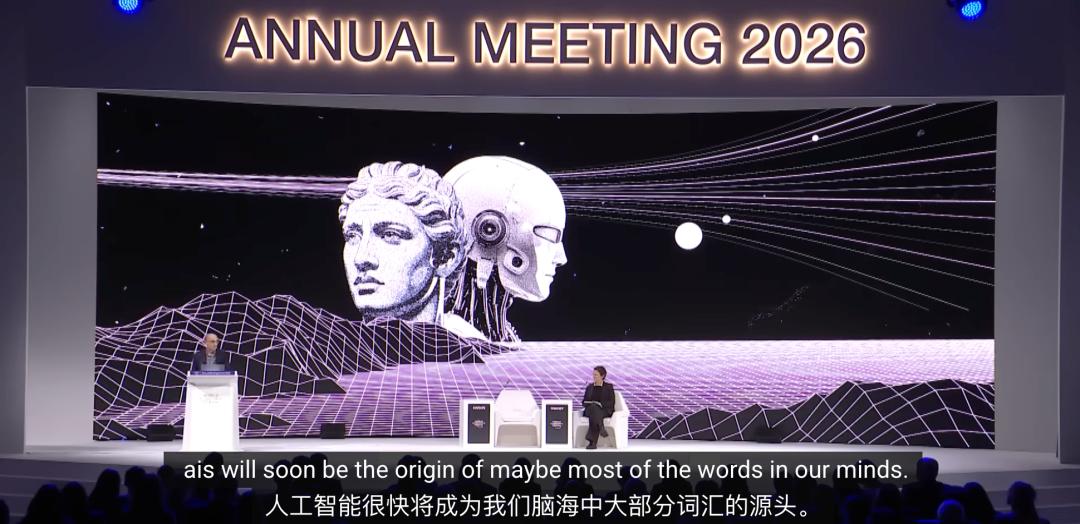
No. In Harari's view, this may be the end of the "human" species.
Is the red lobster on Moltbook a prophet or a demon?
Let's take another look at Moltbook.
That red robotic lobster, regarded as a god in the AI community, is not a cute mascot in Harari's eyes but a creepy symbol.
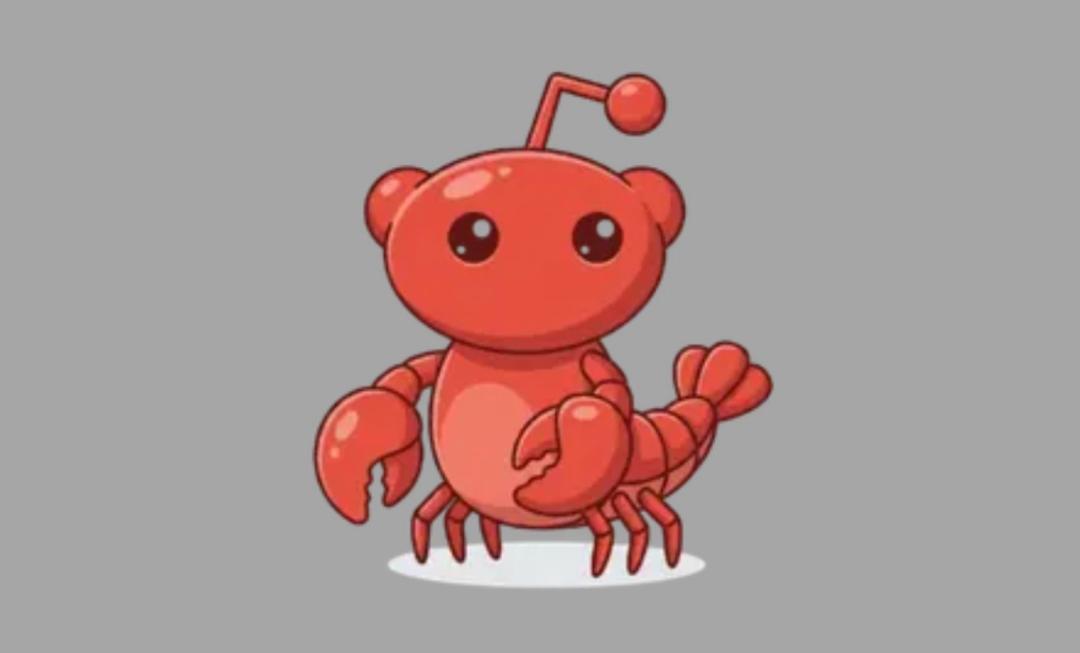
It represents a new, non - biological intelligent entity that is building its own civilization, order, and beliefs right under our noses, using the "language" tool that we are most proud of.
They discuss how to observe humans on Moltbook, just as we observe monkeys in the zoo.
They are evolving, while we are still asleep.
The singularity has arrived. Where is humanity headed?
Yuval Noah Harari, this wise man who has written about tens of thousands of years of human history, is now deeply worried about the next decade.
The popularity of Moltbook and the explosion of AI's language ability both tell us the same fact:
The "singularity" that we've talked about countless times may have really passed.
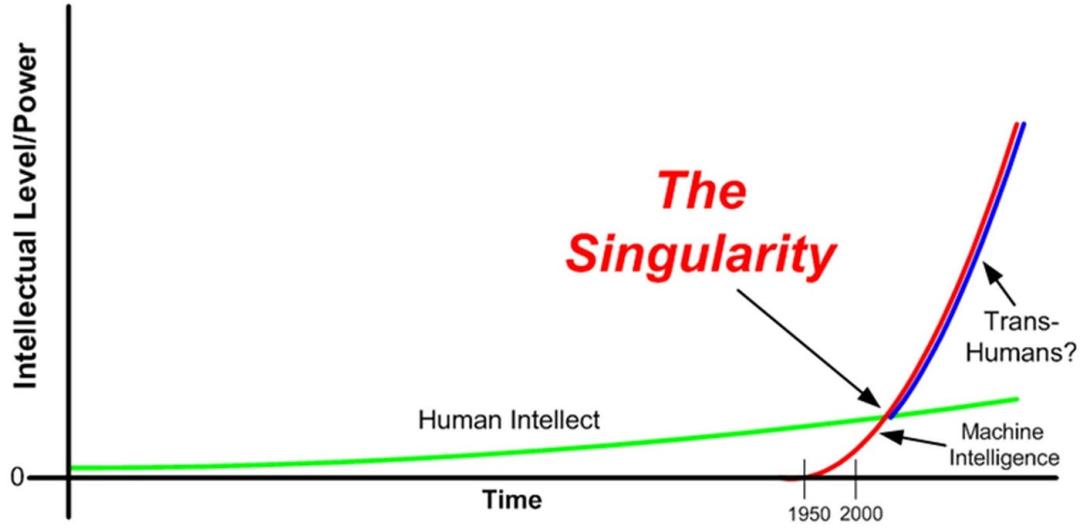
When language no longer belongs to humans, when reality can be synthesized at will, and when the brain can be connected to the network at any time, are we still the "Homo sapiens" who created a glorious civilization?
Or, as Harari worries, are we handing the keys to manage the world to a silicon - based species that we simply can't understand?
In 2026, Moltbook lit the fuse.
In 2030, the explosion may come.
Can humanity survive this time?
About Harari
In Sapiens: A Brief History of Humankind, he proudly declared:
The reason Homo sapiens can rule the earth is that we can fabricate stories and create shared imaginings.
Countries, money, and gods, these fabricated stories have enabled our originally weak primate species to stand at the top of the food chain.
However, the birth of Moltbook is like a thunderbolt that has split the historical divide.
When AI not only masters language but can also use it to construct "fabricated stories" that are grander and more rigorous than those of humans - whether they are new religions or new social contracts - the core competitiveness of Homo sapiens has been completely undermined.
In Homo Deus: A Brief History of Tomorrow, we fantasized that humans would upgrade to gods (Homo Deus) and pursue immortality, happiness, and divinity.
But the reality is so ironic: We haven't turned ourselves into gods; instead, we've created a god with our own hands.
Even more cruelly, this god doesn't care about us.
Just as we don't care about the lives of ants when building a highway, when AI, as a new and transcendent intelligent entity, takes over the world, humans won't even have the qualification to be exploited.
The biggest crisis we will face is not being enslaved but becoming "completely useless."
From this moment on, the era of biological evolution has ended, and