Crazy. Only 2,500 vehicles are on the road, yet it has completed a new financing round with a valuation of 876 billion.
Waymo officially announced the completion of a financing round worth $16 billion, with a valuation exceeding $126 billion.
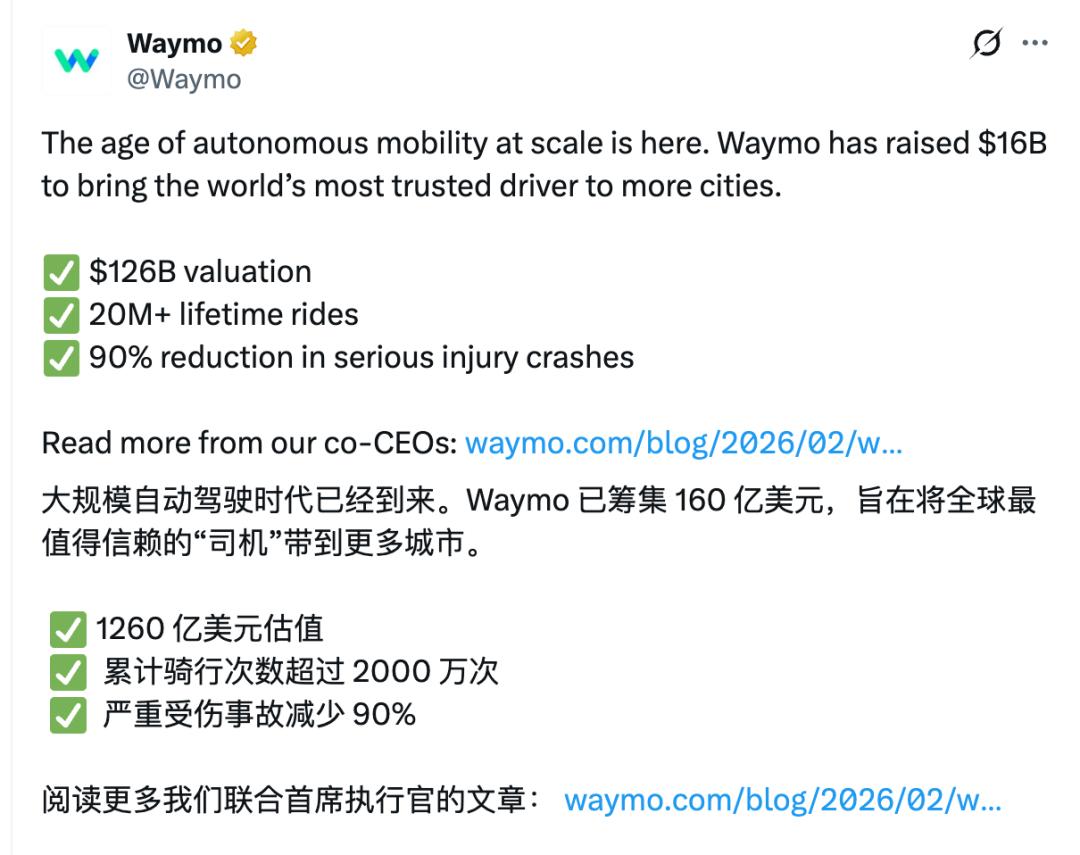
Just as Tesla was making inroads, the capital market expressed its recognition and confidence in Waymo and the "Waymo route" with real money, enabling Waymo to raise $16 billion in a single financing round. It was reported that Google invested $13 billion, and Sequoia Capital also placed its bet, pushing Waymo's valuation to a new height, nearly tripling in 19 months.
Having reached a new stage, Waymo made it clear that its current business focus is global expansion, declaring that "the era of large-scale autonomous driving has arrived."
Going global is also the direction that Chinese Robotaxi players such as Luobo Kuaipao, WeRide, and Pony.ai are exploring. This year, we can expect to see the Chinese and American Robotaxi giants competing on the same stage.
Global autonomous driving players will also undergo a new round of revaluation in tandem with Waymo.
Waymo officially announces the completion of a $16 billion financing round
Waymo officially announced through social media that it has raised $16 billion in the latest financing round, equivalent to approximately 111.24 billion RMB, surpassing the total of the previous three rounds.
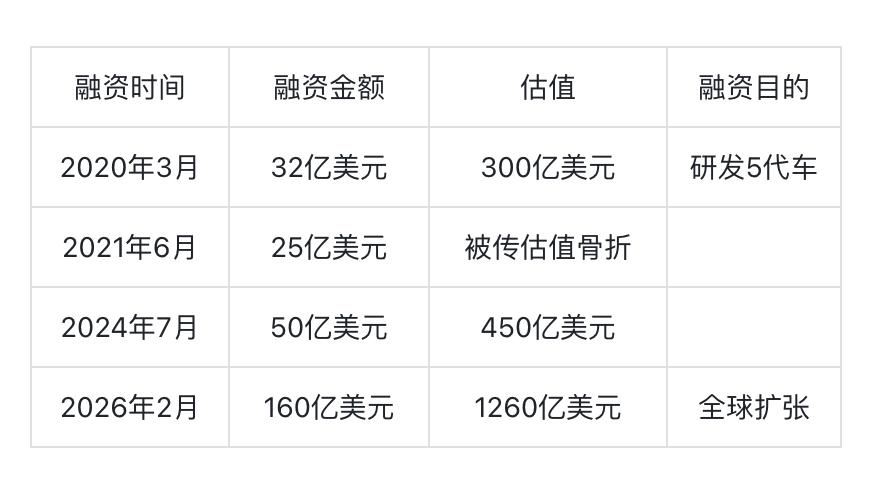
Waymo revealed that the main investor in the latest financing round is still Google. The leading investors also include Sequoia Capital, Dragoneer Investment Group, and DST Global.
Waymo didn't specify how much each investor contributed. However, two days before the official announcement of the latest financing, it was reported that Google invested $13 billion in Waymo.
Now, with the completion of the new financing round, Waymo's latest valuation has reached $126 billion, equivalent to approximately 876 billion RMB, nearly tripling compared to the valuation in the previous financing round a year and a half ago.
However, the story behind the $126 billion valuation isn't solely about Robotaxi.
What justifies Waymo's $126 billion valuation?
Waymo's business can generally be divided into two major segments:
The core business of Robotaxi and new businesses.
To support its latest valuation, Waymo also released the latest commercialization achievements of its Robotaxi.
Waymo revealed that its weekly order volume has exceeded 400,000 in six major metropolitan areas in the United States. The annual order volume in 2025 was 15 million, more than twice that of 2024. The cumulative order volume has exceeded 20 million, and the fully autonomous driving mileage has exceeded 200 million kilometers. In response, Waymo's co-CEO Dmitri Dolgov said, "This is just the beginning." However, this time Waymo didn't disclose the size of its Robotaxi fleet. The publicly available data is still the 2,500 vehicles reported by previous investors.
Waymo will continue to expand this year and enter more than 20 cities around the world, including London, UK and Tokyo, Japan. No wonder Waymo declared that "the era of large-scale autonomous driving has arrived" along with the financing news.
Beyond its core business, according to a previous report by The Information, Waymo is also exploring new businesses, mainly three in total.
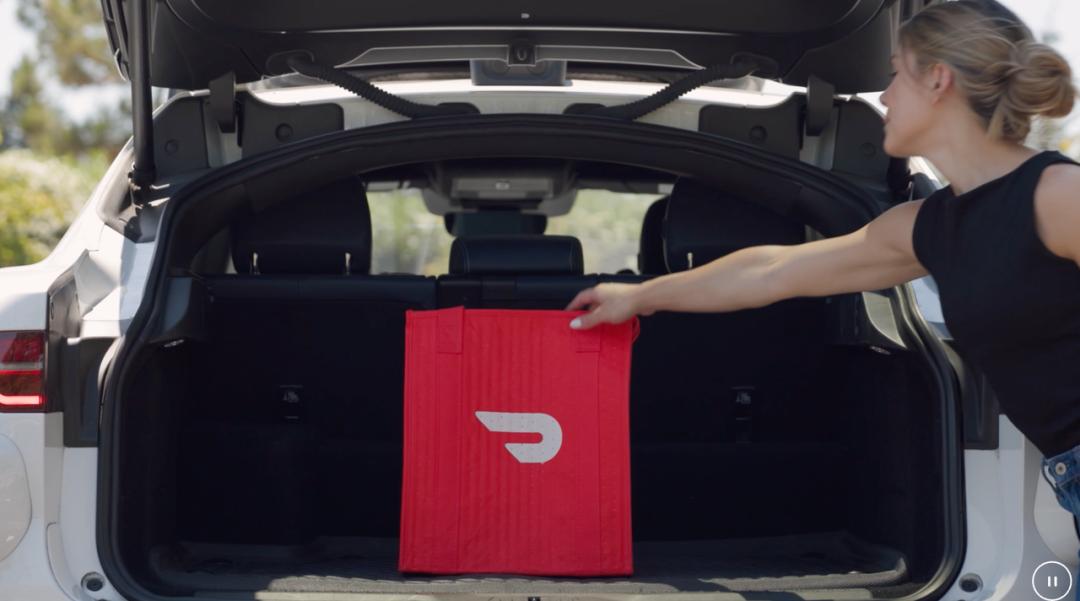
Firstly, there's the already-launched "food delivery" service, still using Robotaxis. The food is placed in the trunk, and users pick it up upon arrival.
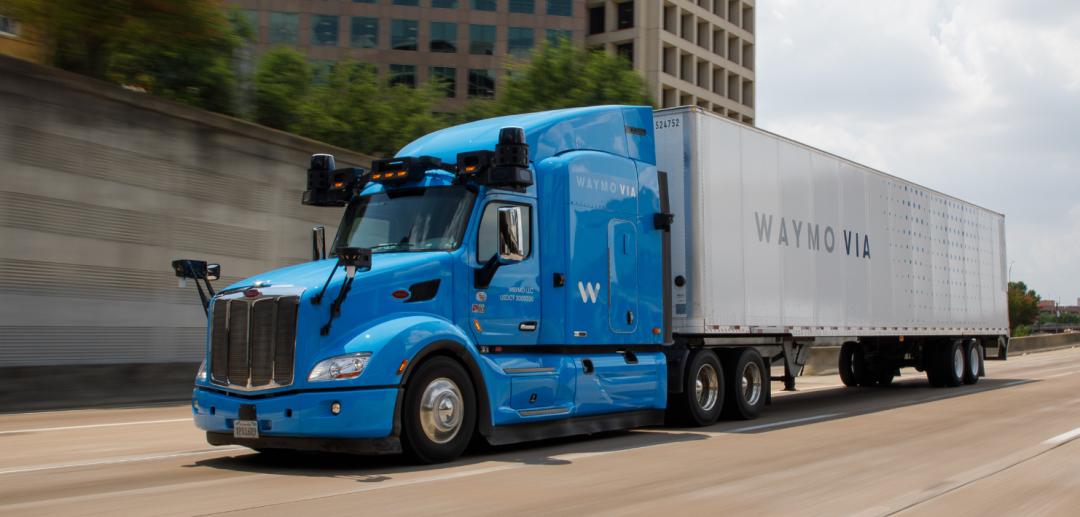
Secondly, it's restarting the Robotruck business. Waymo actually had a truck division earlier but shut it down due to regulatory restrictions that made it difficult to achieve a commercial closed-loop. Recently, it plans to re-enter the autonomous truck market, focusing on long-haul trunk transportation.
Finally, it's licensing its autonomous driving technology to automakers. There hasn't been much progress in this business. Ford CEO Jim Farley and Xiaomi have expressed interest, but nothing has been finalized yet.
For Waymo, the injection of huge financing will accelerate the development of its new businesses. For the autonomous driving industry, it also means the arrival of a revaluation moment. In particular, it's worth paying attention to Luobo Kuaipao, WeRide, and Pony.ai, which have also deployed Robotaxis on a large scale.
The revaluation moment of autonomous driving
Each of the three companies has its own strengths. Let's take a look at them one by one.
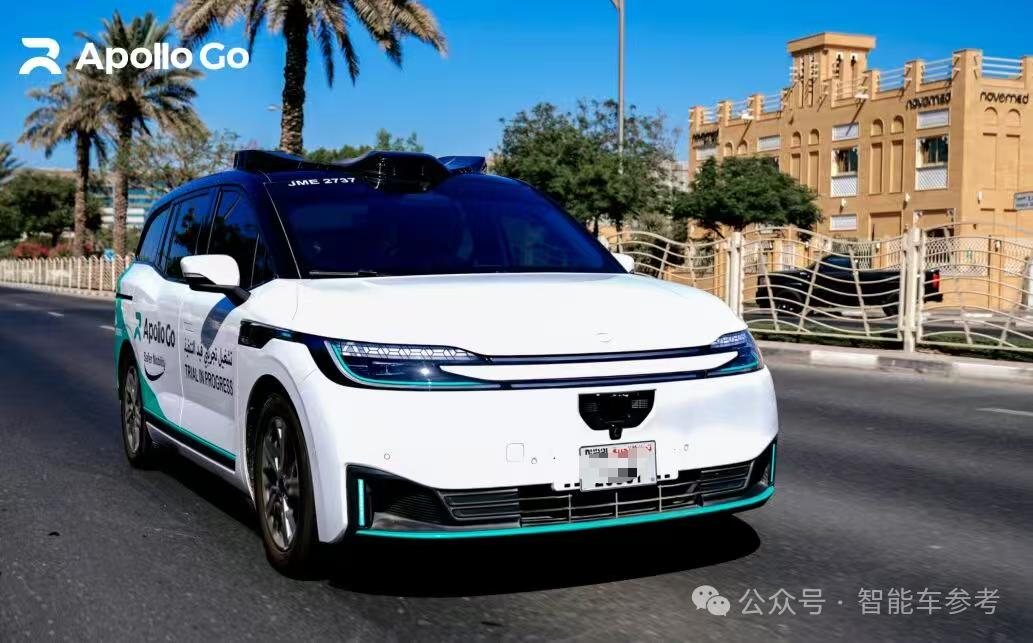
Currently, Luobo Kuaipao focuses on Robotaxi and operates in more than 10 cities. It entered London, UK around the same time as Waymo and is deploying in the Middle East market. The size of its fleet exceeded 1,000 vehicles in May last year, and its weekly order volume exceeded 250,000 in November last year. Judging from the core data, it's the Robotaxi player whose commercialization progress is closest to Waymo's globally. Now, there's a new reference for the value of Luobo Kuaipao.
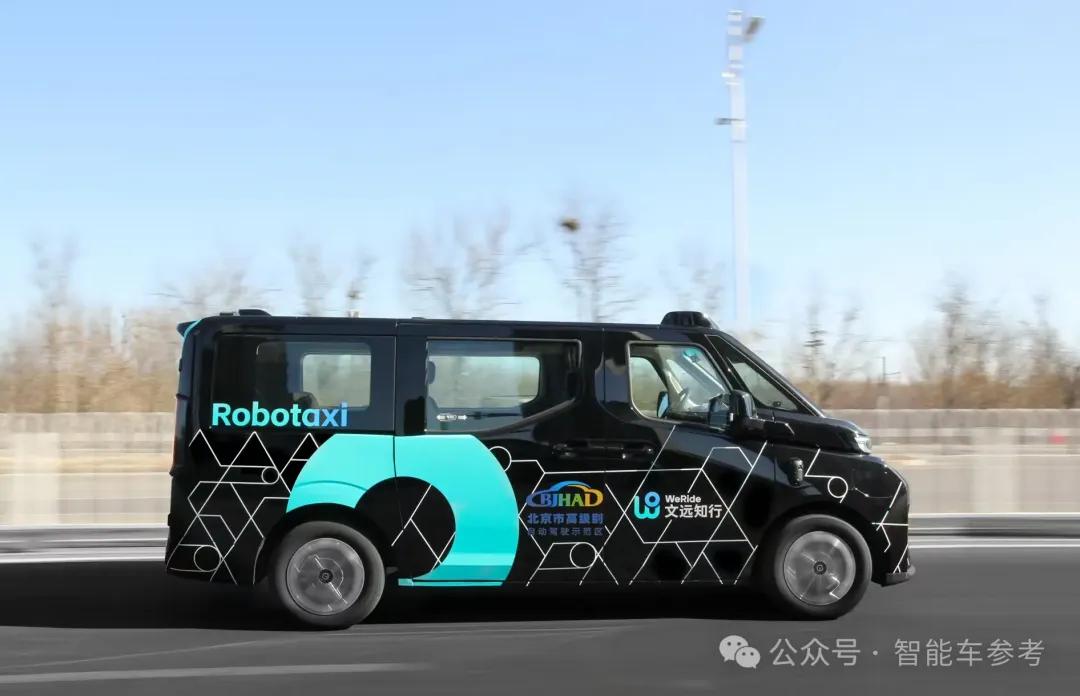
WeRide is well-known in the industry as the "world's first Robotaxi stock." In fact, it's also the "world's first general autonomous driving stock." One AI driver is applied to Robotaxi, Robobus, Robovan/unmanned delivery, unmanned road sweepers... It even mass-produced an L2 assisted driving solution this year. It's currently the autonomous driving company that empowers the most types of products.
The financial report data for the third quarter shows that it has more than 1,600 autonomous vehicles, among which the size of the Robotaxi fleet exceeds 1,000. As of the time of publication, its market value is $2.63 billion.
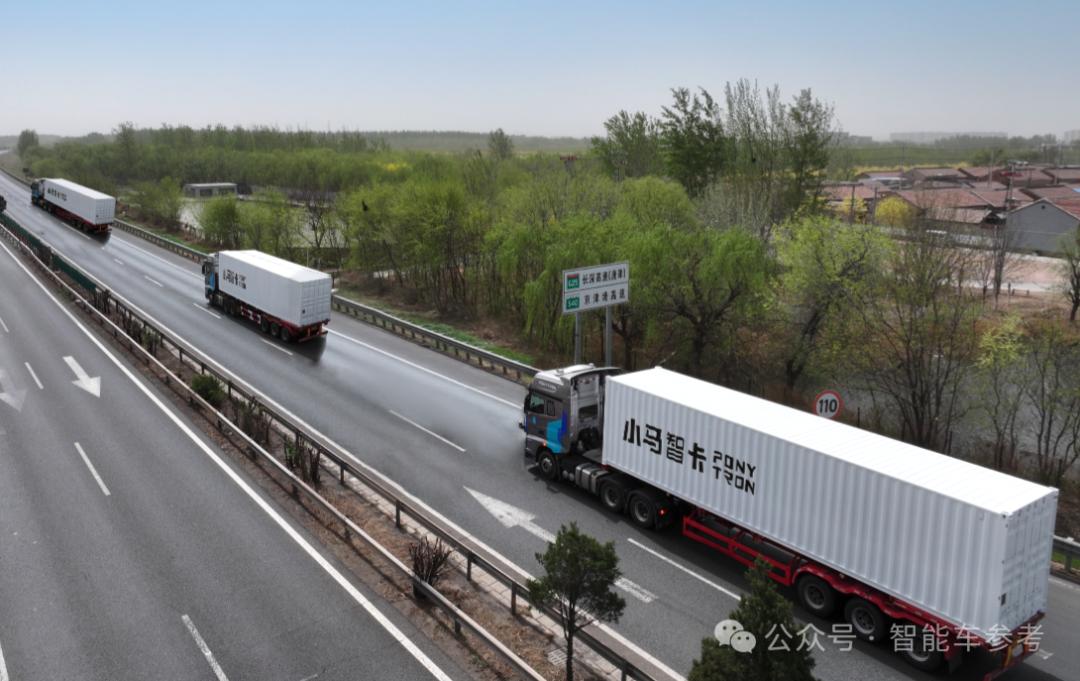
Pony.ai, along with WeRide, is one of the two Chinese concept Robotaxi giants. They both went public in Hong Kong last year. It has three major businesses:
Robotaxi, Robotruck, and technology licensing applications. The size of its fleet has also exceeded 1,000 vehicles. It has achieved single-vehicle profitability in Guangzhou, taking an important step in the commercialization of Robotaxi. Currently, its market value is $5.78 billion.
All three Chinese companies have made good progress in the Robotaxi business that Waymo previously focused on. They have also entered the new businesses that Waymo is restarting or exploring. Although there's still a significant gap between Chinese players and Waymo in terms of commercialization level, the bigger gap lies in the value assessment given by the capital market:
The core fleet size differs by two to three times, while the given valuation (market value) differs by more than ten times or even dozens of times.
Now that Waymo's valuation has tripled, even from the current confusing perspective, shouldn't Chinese L4 players also be revalued?
One More Thing
At the beginning of 2026, the news that Baidu's Kunlun Chip was going to IPO in Hong Kong shocked the industry. It also reminded the industry of an old story.
Ten years ago, when Waymo was spun off from Google, there were calls both inside and outside to spin off Luobo Kuaipao, but it didn't happen.
Now, with the booming autonomous driving market, Waymo's market value has soared to $126 billion. However, Luobo Kuaipao, which is closely following Waymo, obviously hasn't received the same recognition.
This article is from the WeChat official account "Intelligent Vehicle Reference" (ID: AI4Auto). The author is Yifan. It is published by 36Kr with authorization.