The person who knows the iPhone camera best is back at Apple.
The person who knows the iPhone camera best is back at Apple.
According to Sebastiaan de With himself, he will join Apple's Human Interface Design (HID) Team, which is Apple's core design team.
Who is Sebastiaan? You may be unfamiliar with this name, but if you're familiar with iPhone photography, you've probably heard of or even used the app he developed - Halide.
Early on, Sebastiaan was an Apple employee. He participated in the transformation from MobileMe to iCloud and was also involved in the design of features like Find My iPhone and Find My Friends, which later evolved into the current "Find My" app.
After that, he met Ben Sandofsky, an engineer who left Twitter. Both of them were very interested in photography, and they hit it off! So, in 2017, the professional photography app Halide was officially launched.
Two years later, the AI - driven long - exposure photography software Spectre Camera (Lux Optics) was released. These two apps won the App Store Award 2019 App of the Year and the Apple Design Award 2022 Best Visuals and Graphics Award respectively.
At the bottom of Lux Optics, there are four apps developed by this small team so far, and it proudly states:
Made with love in California and New York by two dads.
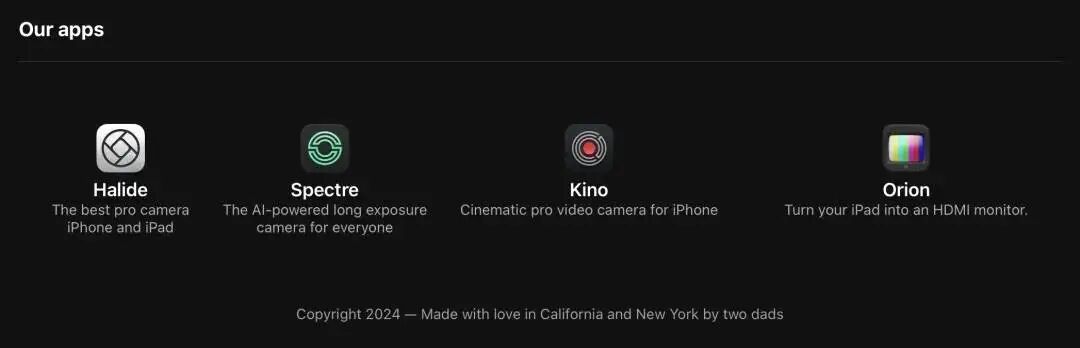
After the launch of Halide and Specter Camera, in 2020, the Lux Optics studio published an article announcing the addition of an iOS developer, Rebecca Slatkin, expanding the team to three. Then came the launch and award of Kino - a video - recording app. Different from the extremely professional Blackmagic Camera, Kino is user - friendly and won the App Store Award 2024 App of the Year honor.
Since the development of Halide, Sebastiaan de With has maintained the habit of evaluating iPhone's flagship imaging devices every year. This year is no exception. After Apple's fall product launch event, Sebastiaan de With immediately released an imaging evaluation of the iPhone 17 Pro series, sharply pointing out the current peak and hidden problems of Apple's imaging technology. Understanding this evaluation means understanding the future direction of iPhone imaging.
With his return to Apple, this is probably his last time personally conducting such an evaluation. After joining Apple, due to the confidentiality agreement, he probably won't dissect iPhone imaging in such detail from a third - party objective perspective again.
If you're interested, you can also directly visit his website to view the original evaluation and uncompressed sample photos:
https://www.lux.camera/iphone-17-pro-camera-review-rule-of-three/
The following is a full - text compilation of Sebastiaan de With's in - depth experience of the iPhone 17 Pro. Since the original text's logic and arguments were a bit scattered, we re - organized it according to an appropriate order and logic:
Every year when I watch Apple's product launch events, I feel a bit sorry for their camera team. Because they have an annual KPI, but the whole world expects them to come up with "earth - shattering" tricks.
At first glance, this generation of the iPhone 17 Pro is really different. Since the "triple - camera" style was established with the iPhone 11 Pro, this is the generation with the biggest update in the camera module and overall design. There are still three cameras on the back and one on the front. The physical camera control button is still there (even the slimmer iPhone Air is equipped with a slender control button), and the telephoto lens is longer.
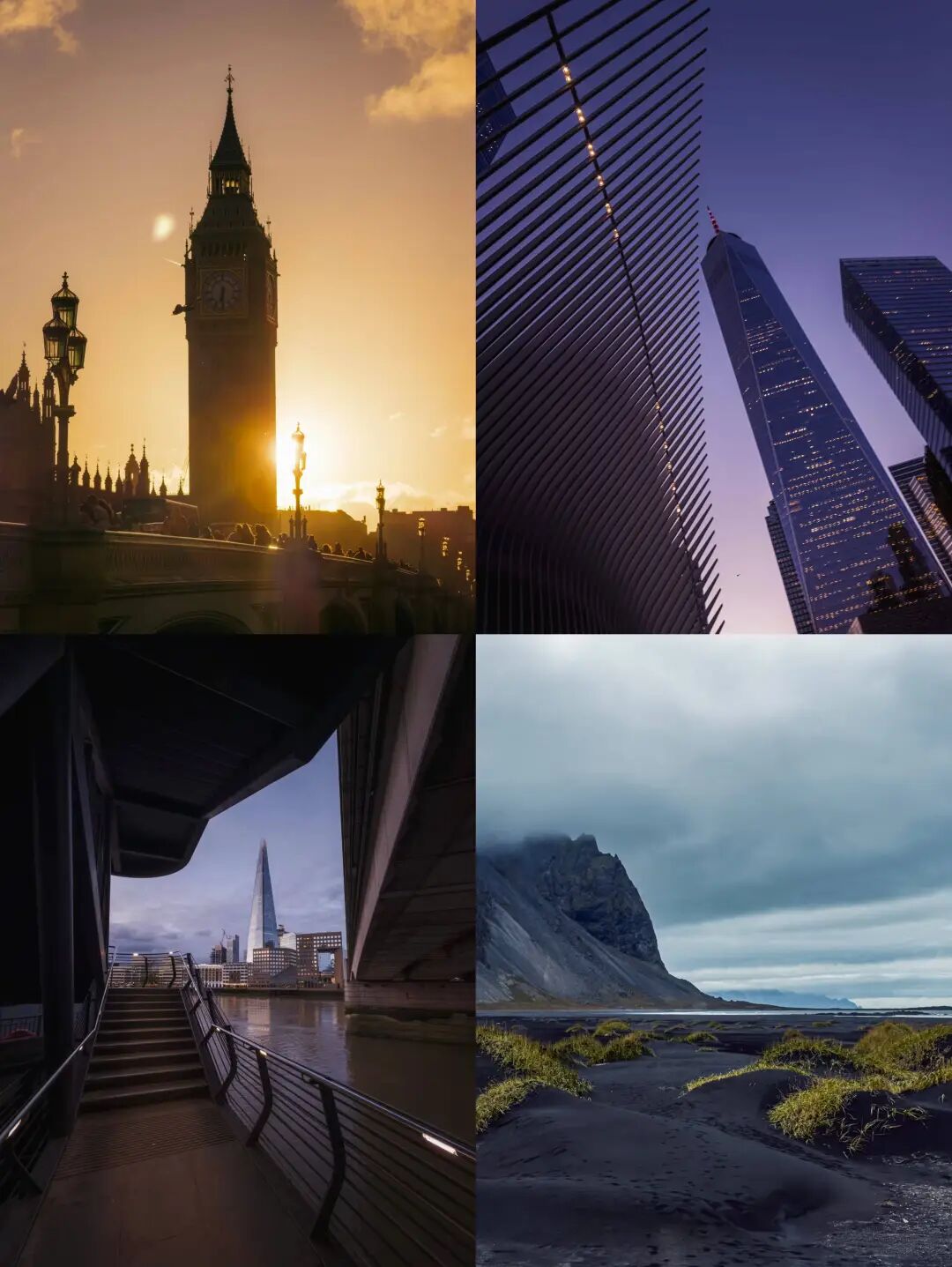
To figure out the significance behind these configurations, we took it to New York, London, and Iceland within 5 days. We didn't get a media review unit; we bought it at our own expense. So, this will be an unfiltered and real review. All sample photos were taken with the iPhone's native camera or our in - development Halide Mark III.
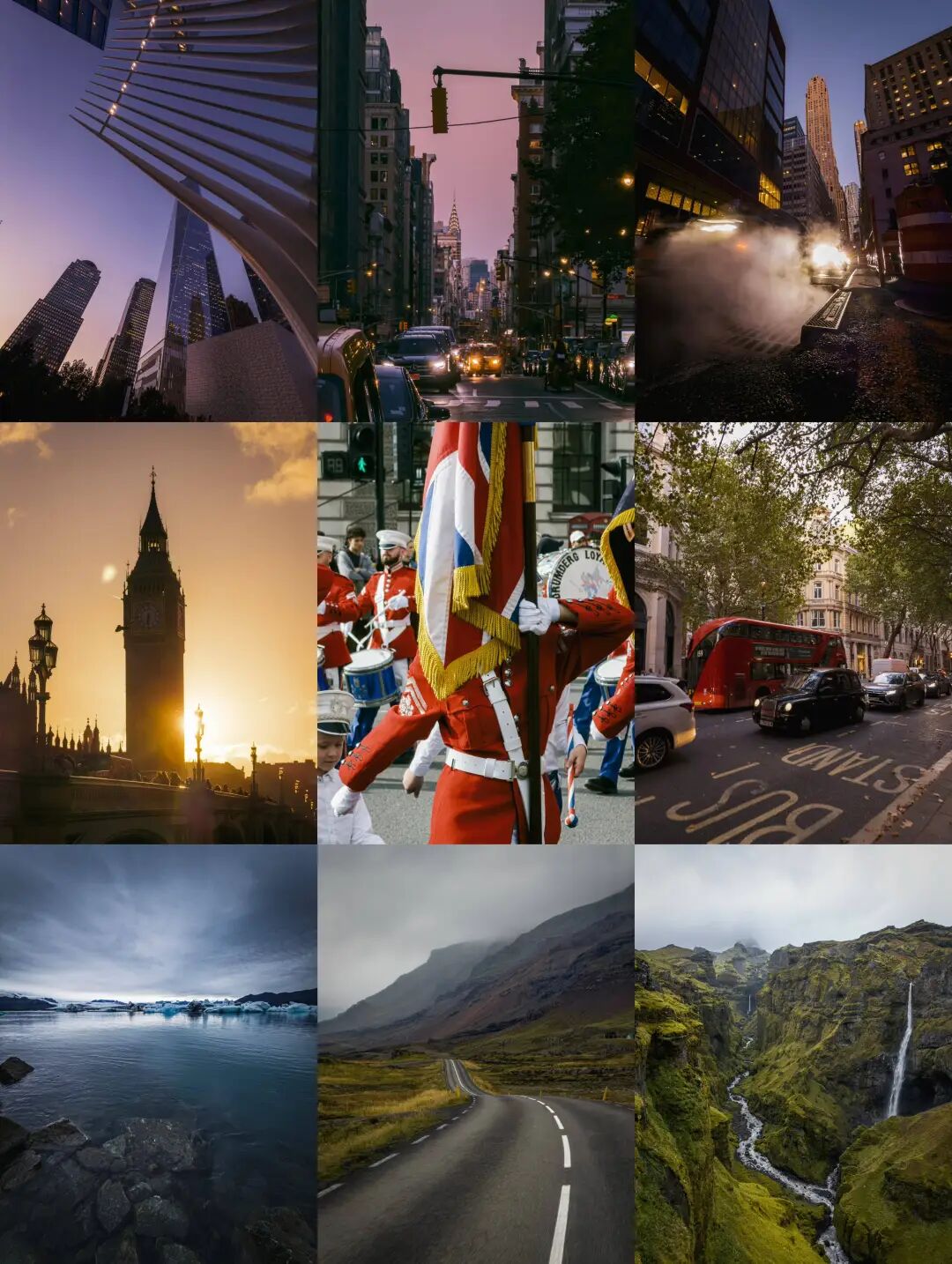
During this journey, the iPhone 17 Pro gave me quite a few surprises.
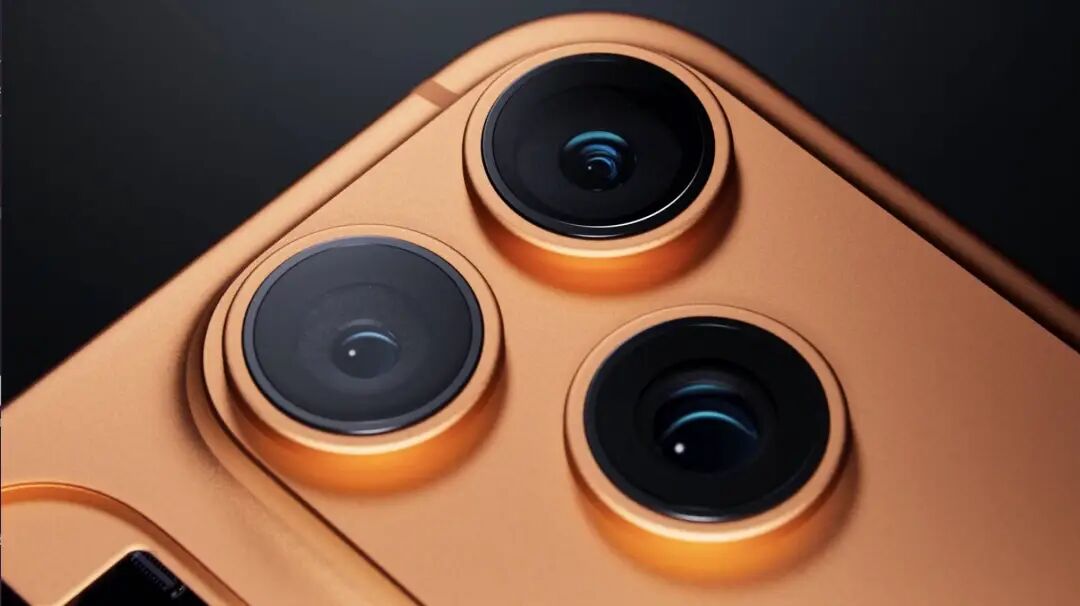
This time, there are quite a few new things
Apple calls the iPhone 17 Pro's camera system the "ultimate Pro camera system."
The biggest change lies in the telephoto lens. Since the triple - camera system was introduced with the iPhone 11 Pro, everyone has gotten used to 12 - megapixel cameras. After last year's upgrade of the ultra - wide - angle lens to 48 megapixels, Apple finally upgraded the telephoto lens. The sensor area is 56% larger, and the pixel count has reached 48 megapixels. Using center - cropping technology, it provides a 12 - megapixel "optical - grade" 8x zoom.
As a telephoto lens enthusiast, this makes me excited.
But this year's most hidden and "Apple - style" upgrade is actually in the front - facing camera.
Apple replaced the long - unchanged selfie lens with a square sensor, which is quite rare in the camera industry.
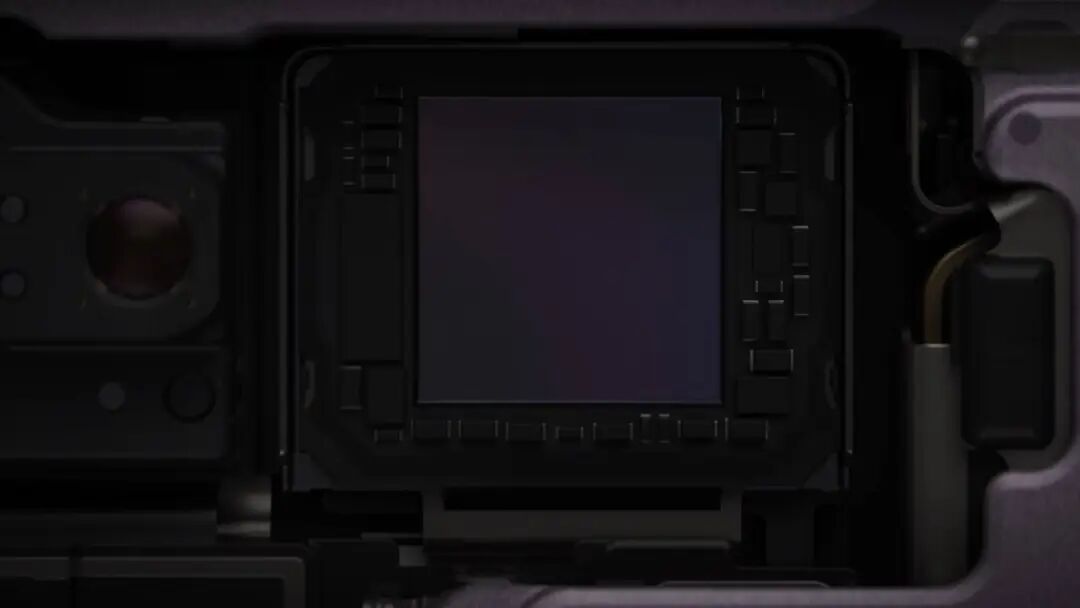
Don't misunderstand. Apple didn't do this for you to take square photos. You can't even find an option in the camera to take square photos using the entire CMOS. The only mission of this 24 - megapixel square sensor is to serve the "Center Stage" function. Whether you hold the phone horizontally or vertically, it can use the sensor's extra area to crop an 18 - megapixel photo and automatically frame you in the center of the picture without you having to stretch your arm to find the right angle.

This is an extremely excellent engineering design and a classic Apple - style innovation.
It's a party in the front, business in the back
Let's get back to the rear - facing cameras. This is undoubtedly a powerful system. Since all three lenses are 48 - megapixel, your creative freedom is huge. Apple says it's "like having eight lenses in your pocket." Although it's a bit of an exaggeration, if you count: macro, 0.5x, 1x, 2x, 4x, 8x, it really feels like you're carrying half a lens bag.
Although the imaging system has had a major upgrade this year, there are still some familiar hardware components. The main camera is an update from the iPhone 15 Pro, and its specifications haven't changed. The ultra - wide - angle lens is an update from the iPhone 16 Pro, and both of them are very stable.

But I have to complain about an increasingly serious problem: the minimum focusing distance of the main camera.
The problem of the minimum focusing distance is really serious. For most people, taking photos of a drink in their hand, food on the table, or their pets at home is a very common scenario. But on the iPhone 17 Pro, you'll find that to focus, it keeps switching back and forth between the main camera and the ultra - wide - angle macro mode. The former has good image quality and natural bokeh; the latter can focus, but the image quality drops significantly. In contrast, the iPhone Air, which doesn't focus as much on the imaging system, has a minimum focusing distance that's 5 centimeters closer.
This is why in the Halide app we developed, we firmly don't support automatic lens switching. This problem has persisted for several years, and I hope Apple can fix it in the future.
The image quality of the iPhone 17 Pro's main camera in 2x mode has been significantly improved. It's not only clearer, but also has much less of that "digital feel" and "over - sharpening."
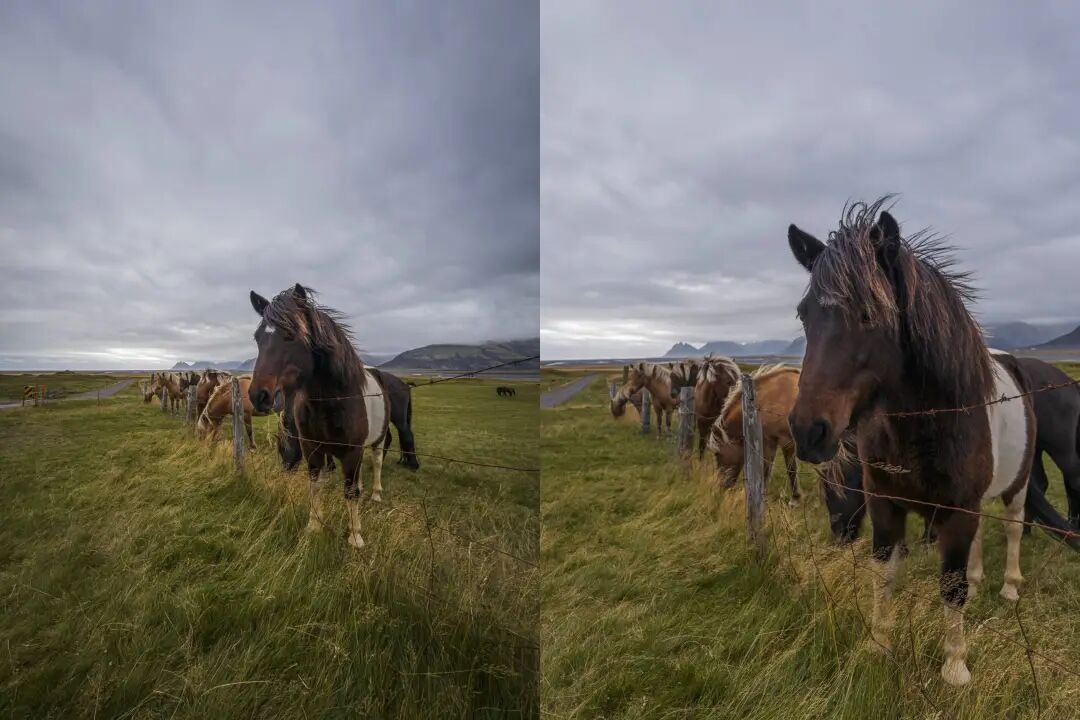
Apple said in its keynote speech that deep learning is used to decode the raw data from the sensor's four pixels to obtain more natural details and colors in each image. This also means that the AI upsampling technology behind the 2x and 8x lenses has been significantly improved. In my opinion, the result is that the photos look less digitally sharpened.
This year, the overall matching of the imaging system is very good. The color and color temperature consistency between different focal lengths is strong, and the zoom is smoother than before.

4x is just right, 8x is amazing
I used to write quite a few "love letters" to the 3x telephoto lens of the iPhone 13 Pro because the 75mm focal length is really charming. Later, although the 5x periscope telephoto lens can shoot farther, there was an obvious drop in image quality in the commonly used 3x - 4x focal length range.
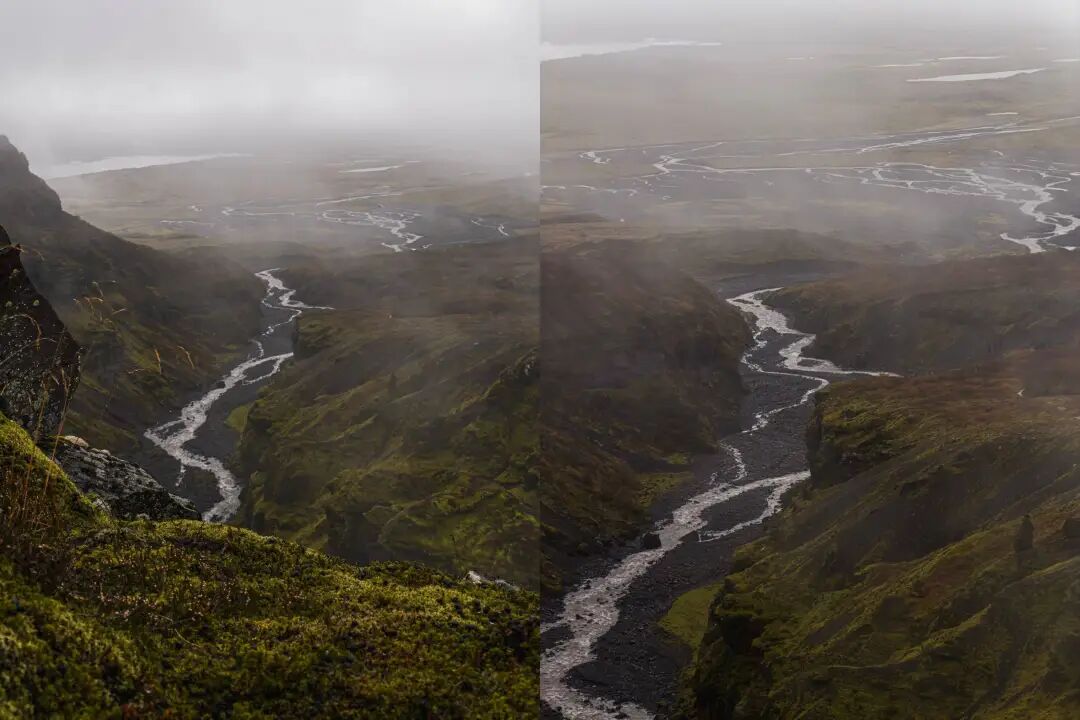
The 4x telephoto lens of the iPhone 17 Pro is an elegant solution. It's suitable for both short - and long - distance shooting, with moderate image quality, and is very suitable for portrait and close - up shooting. The large - sensor brings amazing details.
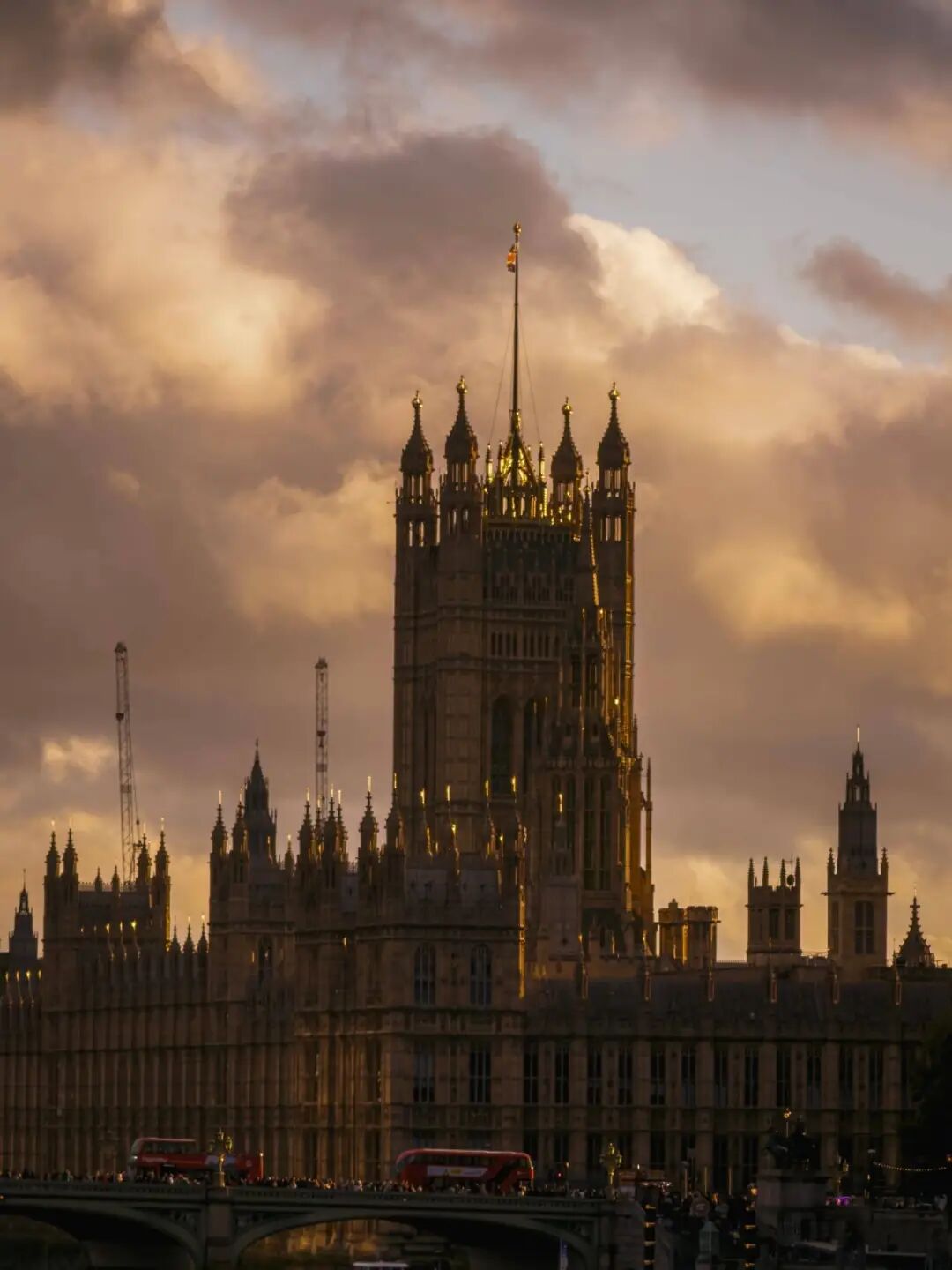
Even in low - light environments, thanks to the top - notch sensor - shift optical image stabilization and software algorithms, the details of buildings are processed with smoother noise reduction.
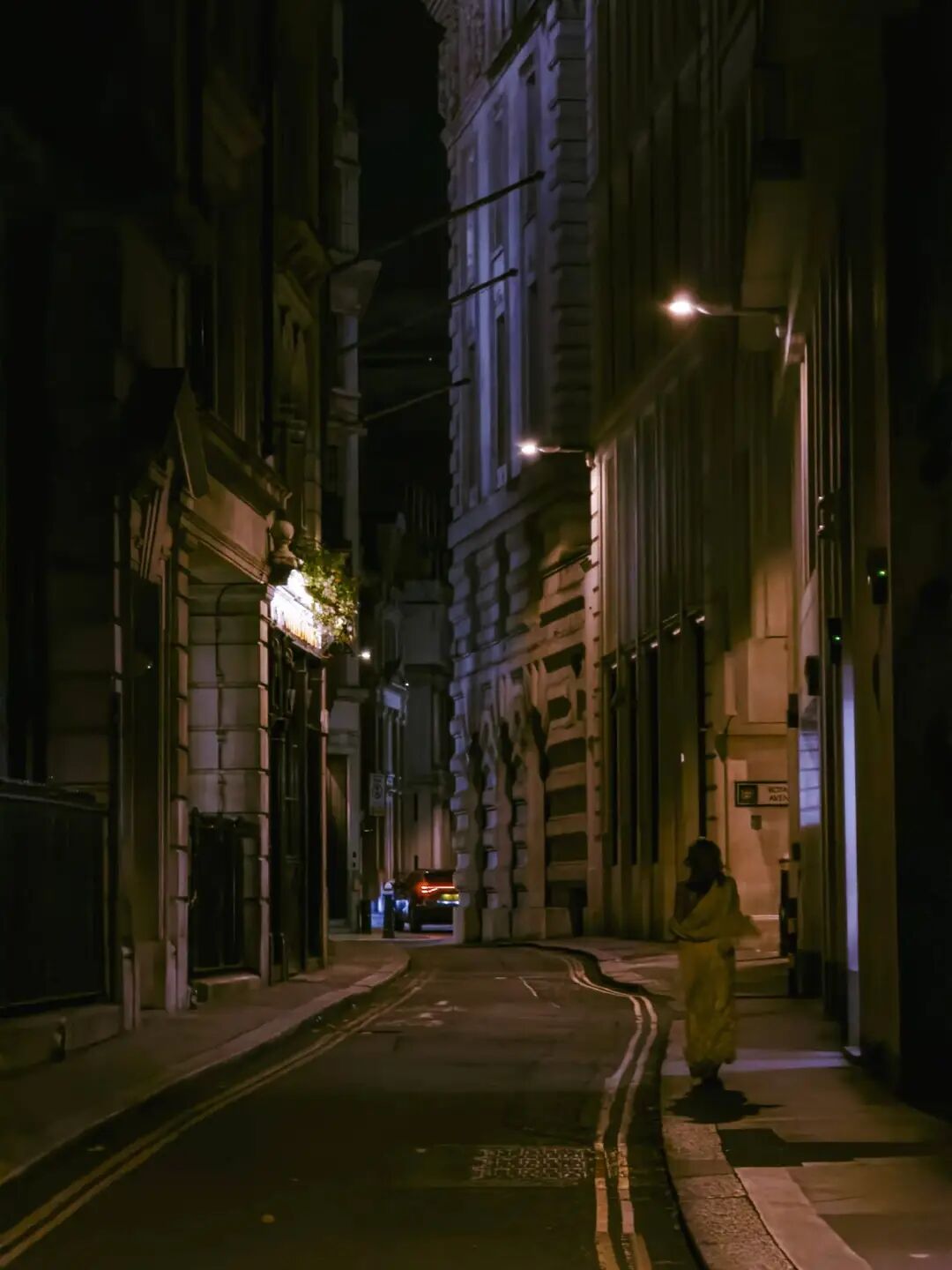
Is the upgrade to the 48 - megapixel telephoto lens noticeable? Here are the photos, and you can give your own evaluation:
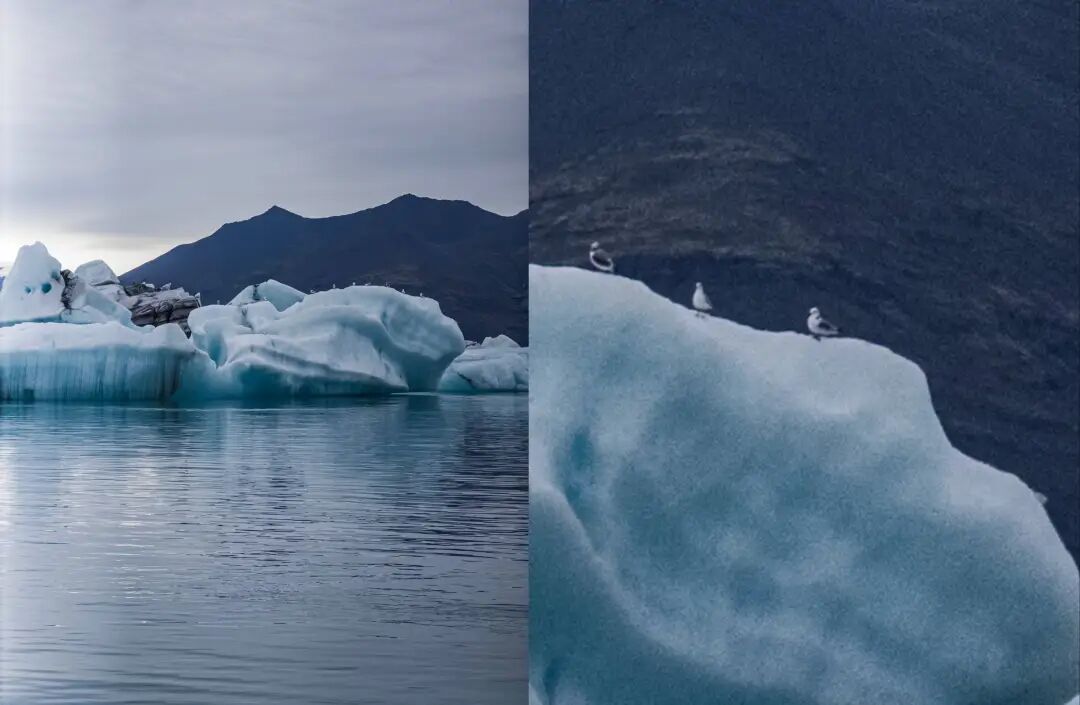
For me, the resolution of this 48 - megapixel telephoto lens is good, but the image it produces is a bit "soft."
At the same time, when shooting in Halide's Process Zero mode or the iPhone's native ProRAW mode, I found that the images are quite soft and don't have over - sharpening, creating a very strong sense of atmosphere. If you like the sharpened look, you can edit the photos after shooting.
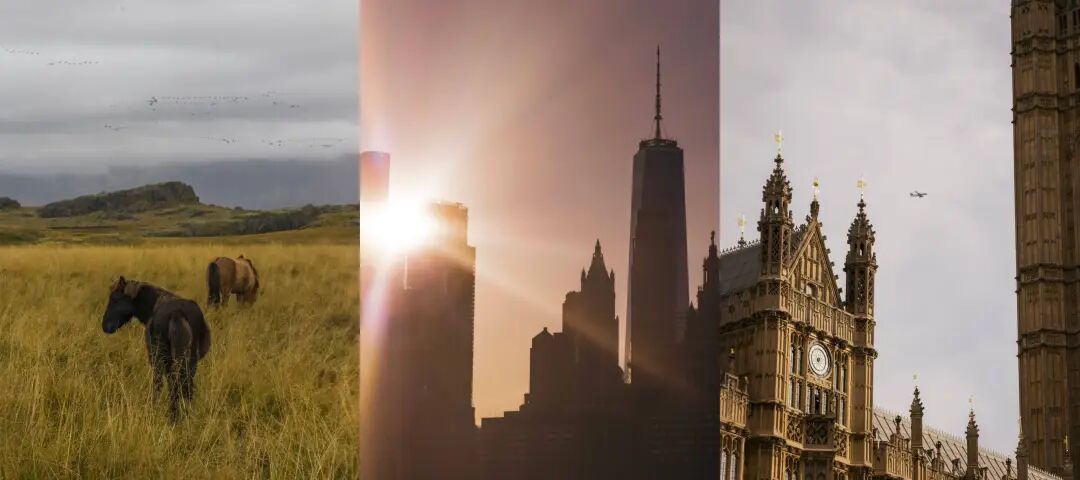
With these extra pixels and processing, the iPhone 17 Pro series also offers a new function: unlocking an additional lens by cropping a 12 - megapixel area from the center of the image. How effective is this function?
First of all, what surprises me is its stability.