Summary of the preview of new mobile phones in February: Next-generation mobile phones emerge, folding phones are further segmented, and new phones no longer follow the same path.
If the keyword for the mobile phone market in 2025 was still "filling in the weak spots", then judging from the rhythm of new product launches that have emerged so far, 2026 seems more like a battle of differentiation that has started ahead of schedule.
On one hand, manufacturers are redefining "what a high - end mobile phone should be" with Ultra and flagship models; on the other hand, they are also using more radical forms and more extreme configurations to solve core industry issues such as the actual experience of foldable screens and battery life anxiety.
More importantly, this round of new products is not in a cut - throat competition in the same direction.
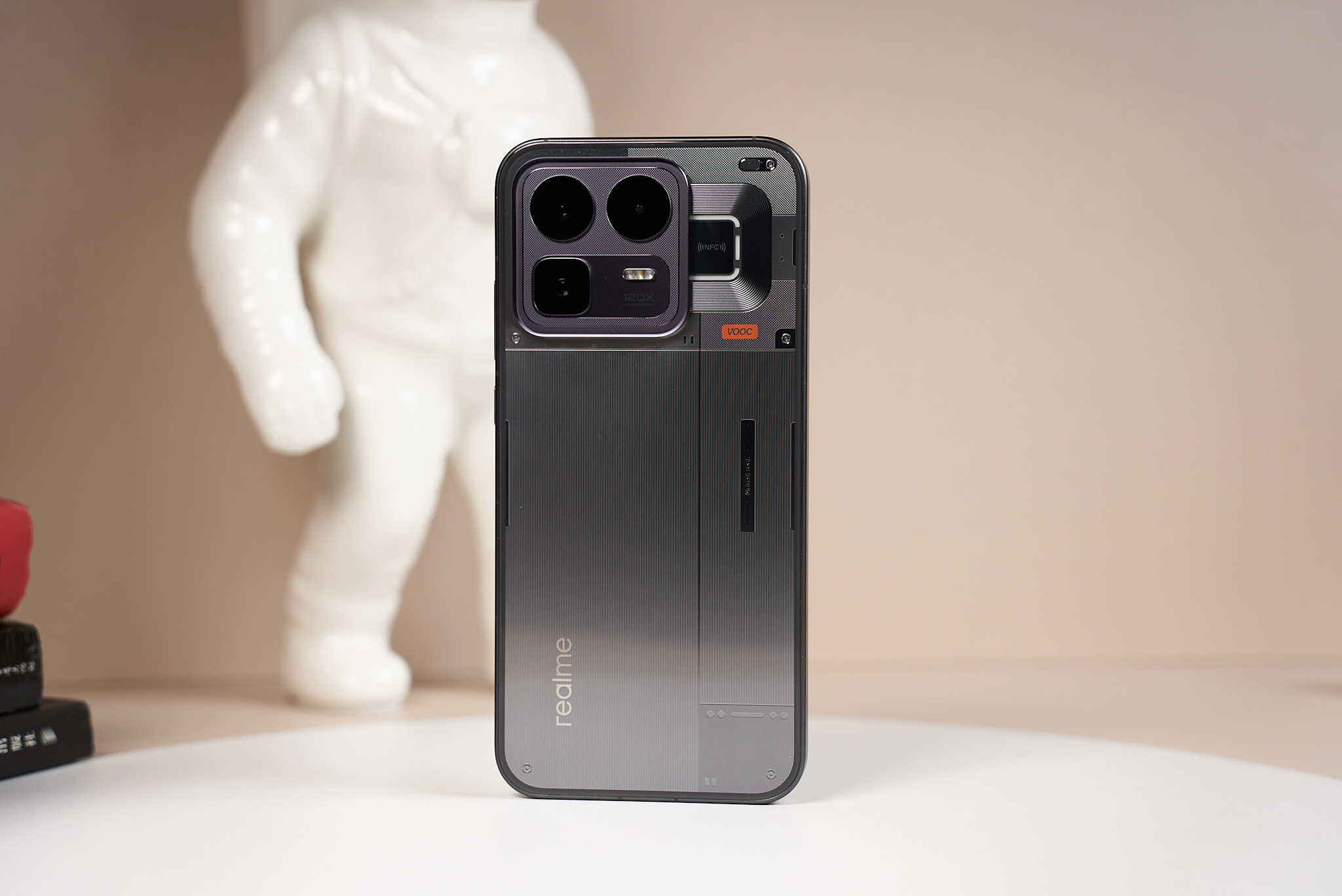
(Image source: Captured by Lei Technology)
Some choose to raise the upper limit of the brand, some try to expand the user base by lowering the price, some continue to refine the foldable screen, and some manufacturers simply abandon "balance" and directly target niche user groups with single - point experience.
To some extent, this means that mobile phone manufacturers are no longer obsessed with "one phone for everyone".
Abandoning balance, everyone is a "lopsided student"?
1. iQOO 15 Ultra: iQOO's first attempt in the high - end market
Since the birth of iQOO, the word "performance" has been inseparable from this brand. Many users will first think of iQOO when it comes to high - performance, gaming - oriented mobile phones. However, iQOO has always lacked a truly ultra - high - end flagship mobile phone. As early as the iQOO 15 launch event last year, the official said that it would launch a real Ultra phone.
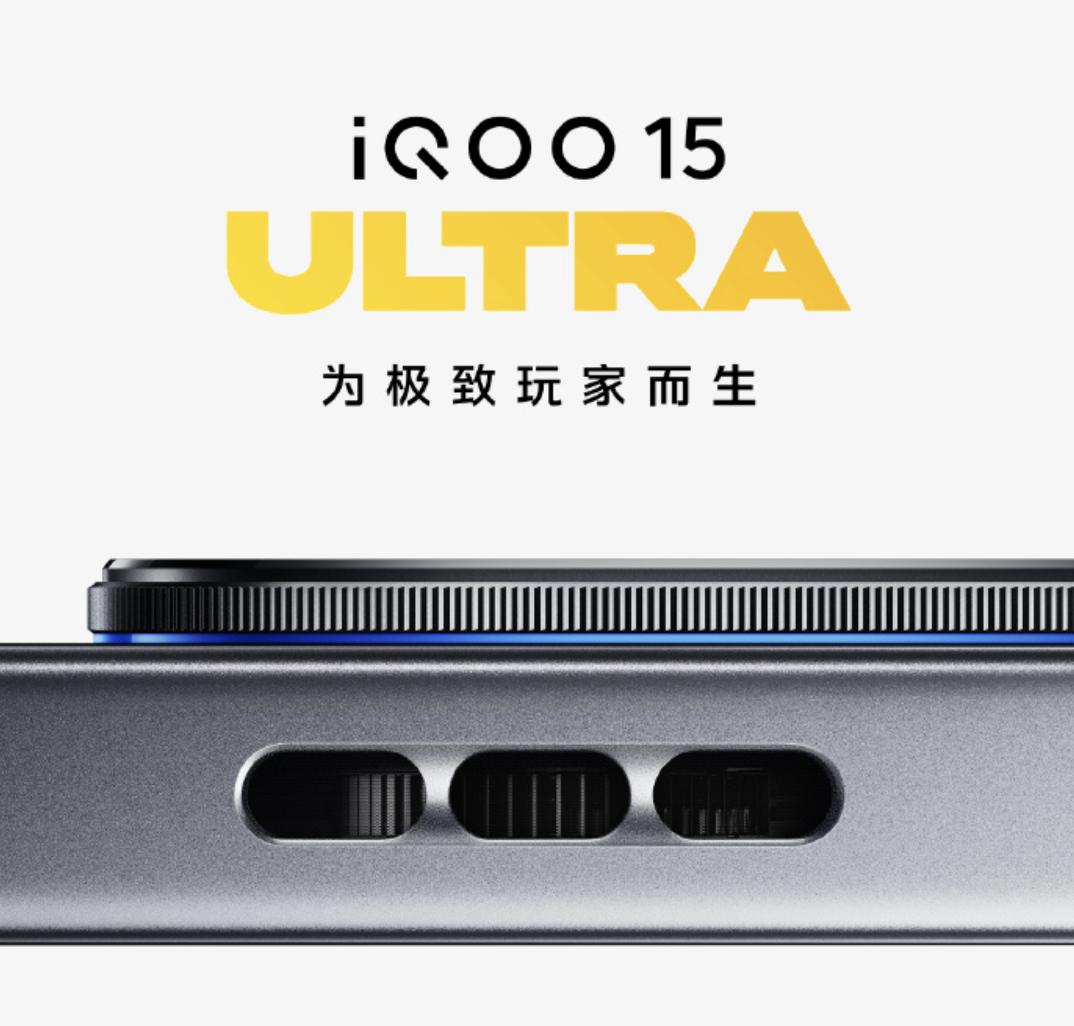
(Image source: iQOO official)
In the past, Ultra models were generally associated with imaging, while iQOO emphasizes performance and continuous experience. This is indeed a form of Ultra and points out a new development direction.
According to current online leaks, the "Ultra" of iQOO 15 Ultra is mainly reflected in the screen and performance. First, it will be equipped with a new 2K Samsung Everest screen with a daily peak brightness of up to 2600 nits and a local peak brightness of up to 8000 nits, which is a must - have hardware configuration for users who like to play games outdoors. Second, it will be equipped with the industry's largest cooling fan. The official revealed that it not only has 59 fan blades with a diameter of 17x17mm, but also comes with a series of configurations such as a super - large single - layer VC, double - layer ultra - high thermal conductivity graphite, and ice dome thermal insulation aerogel, which can make the performance of the fifth - generation Snapdragon 8 Extreme Edition approach that of the next - generation.
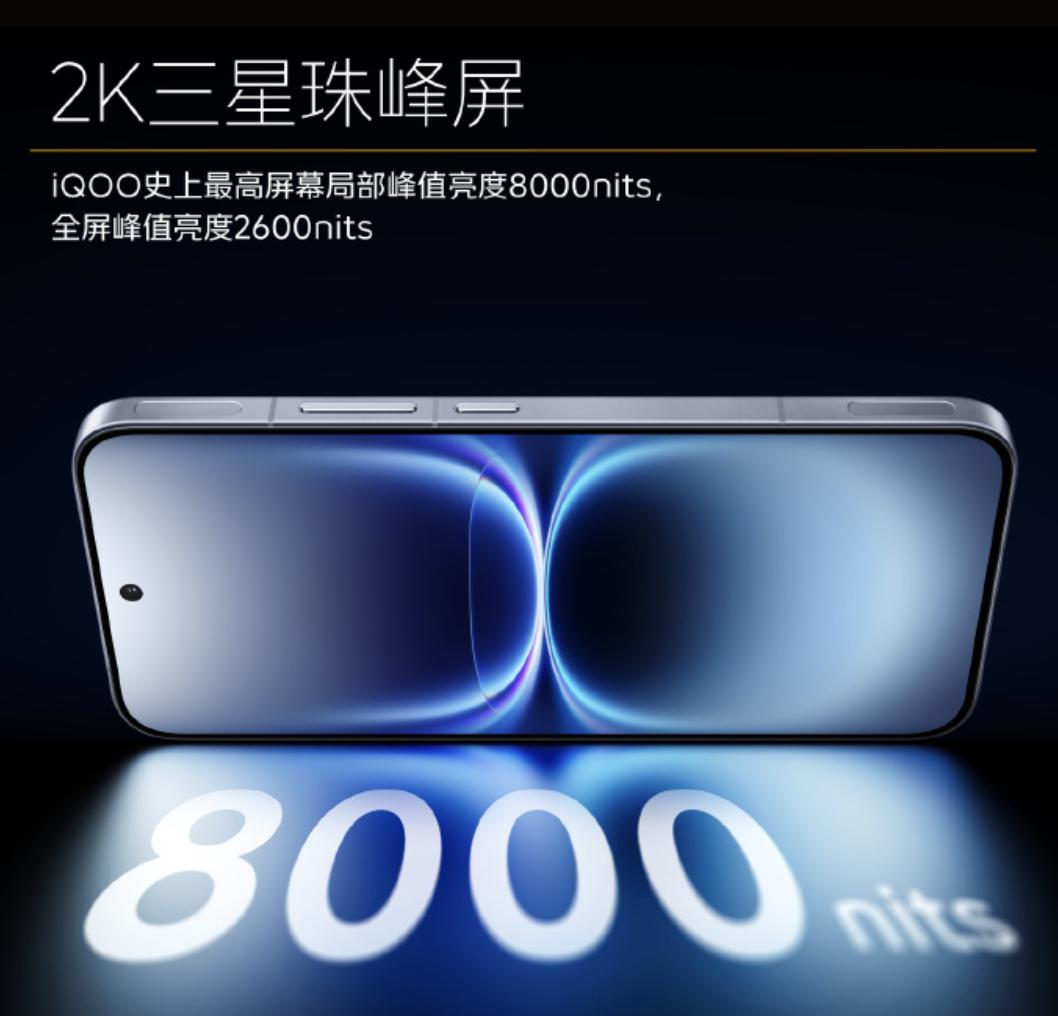
(Image source: iQOO official)
iQOO's message is clear. It doesn't want to passively wait for processor iterations but hopes to become a "next - generation gaming phone" in advance through its own optimization and configuration.
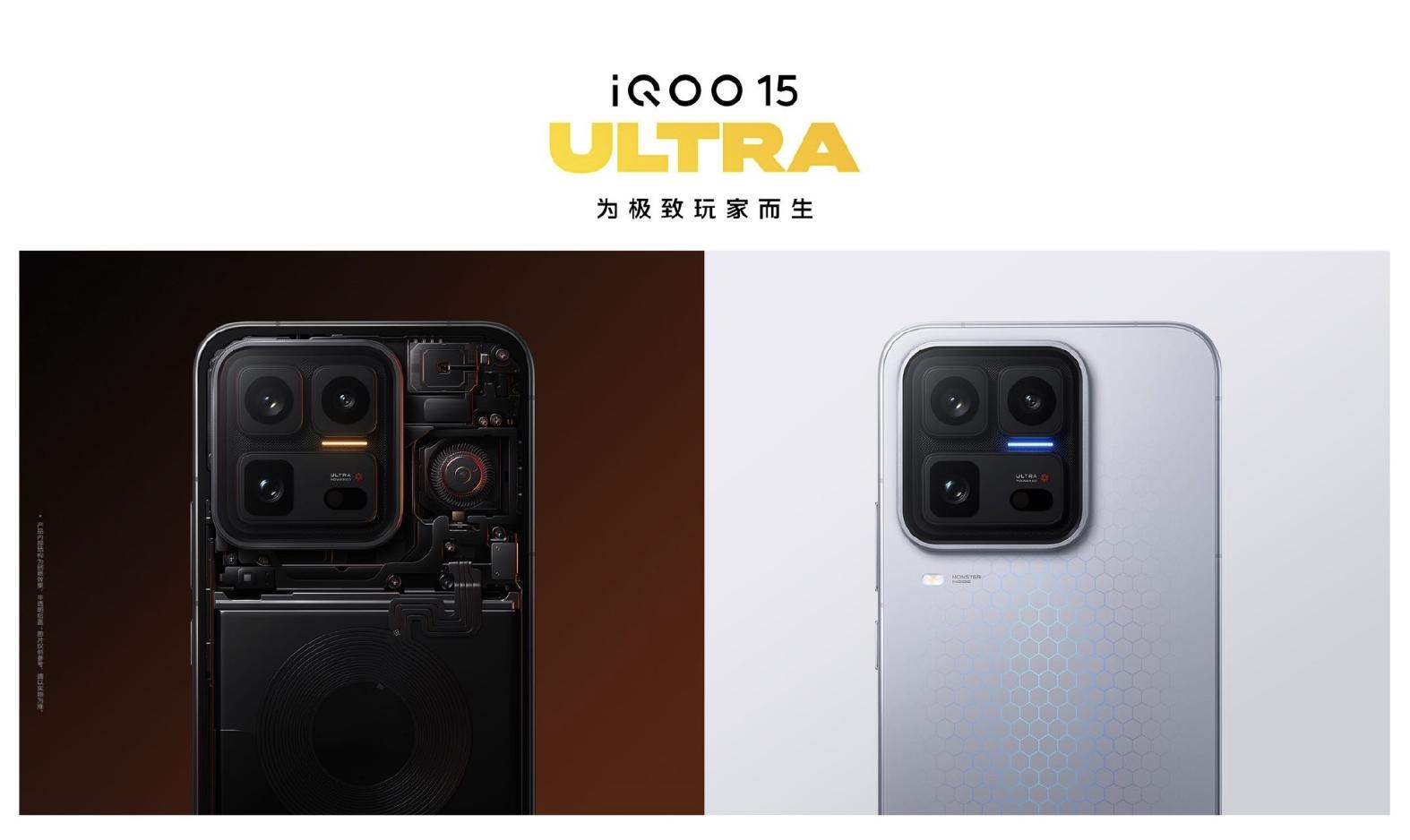
(Image source: iQOO official)
Judging from the product definition, iQOO 15 Ultra is obviously not a volume - selling model but an attempt by iQOO to see if it can raise the product price to a new level and gain market recognition. If this Ultra model truly achieves comprehensive flagship - level performance or even outperforms its competitors in the same class in terms of experience, then it will be a huge success for iQOO's brand upper limit.
2. Samsung Galaxy S26 series: Still the "standard answer" for Android flagships?
Although Samsung has not performed well in the domestic market, it doesn't affect its S series being hailed as the "benchmark" for Android flagships in the market.
Currently, Samsung has officially confirmed that the Galaxy S26 series will be officially launched on February 25th, still including three versions: S26, S26 +, and S26 Ultra.

(Image source: @AndroidHeadline)
What's interesting is that the S26 and S26 + will be equipped with Samsung's self - developed Exynos 2600 processor, which is the industry's first mobile phone chip using a 2nm process, a full generation ahead of Qualcomm and Apple. According to leaks, this processor has a 10 - core design, including one super - large core at 3.80GHz, three large cores at 3.26GHz, and six cores at 2.76GHz. Its single - core score exceeds 3400 points, and its multi - core score breaks through 11,000 points.
However, readers familiar with Samsung know that Samsung's Exynos chips have always been strong on paper, but their actual performance is far inferior to Qualcomm, MediaTek, and Apple chips. Perhaps this is one of the important reasons why only the Korean domestic version will be equipped with the Exynos 2600. After all, Samsung doesn't dare to use the global market as its "laboratory".
(Image source: Samsung official)
In terms of other configurations, according to the data collected online, the improvements in the Samsung S26 series are not significant. There isn't a big gap between this generation and the previous one in terms of appearance, imaging, or battery. However, it's certain that the Samsung S26 series will still remain in the first echelon in the industry in terms of the screen. From a positive perspective, this is "winning by stability". After all, Samsung has a user base that other manufacturers can hardly match in the global market, and pursuing stability is more reliable than innovation.
However, from a product perspective, this conservative upgrade will only cause it to gradually lose the advantages and reputation it has accumulated over the years. On one hand, domestic manufacturers are making rapid progress in imaging, fast charging, and system experience; on the other hand, foldable screens are continuously attracting high - end users, and the user pool for traditional straight - board flagships is shrinking.
If Samsung used to "define" Android flagships, then starting from the S26 series, it has become about "holding on to" the title of Android flagship.
Of course, this is not an easy task in itself.
3. Huawei Pura X2: Going to teach Apple a lesson in advance?
Previously, some media reported that Apple would launch a wide - fold mobile phone with a proportion similar to that of the Huawei Pura X in 2026, which also proves that wide - fold screen mobile phones have indeed been recognized by the market.
According to the information released by the media @Chaoweijie, the Huawei Pura X2 is on the way and may meet us as early as the end of February. The annual iteration rhythm also proves that the first - generation Pura X has achieved quite good sales and reputation in the market. However, this makes Xiaolei curious about how the Pura X2 will be upgraded.
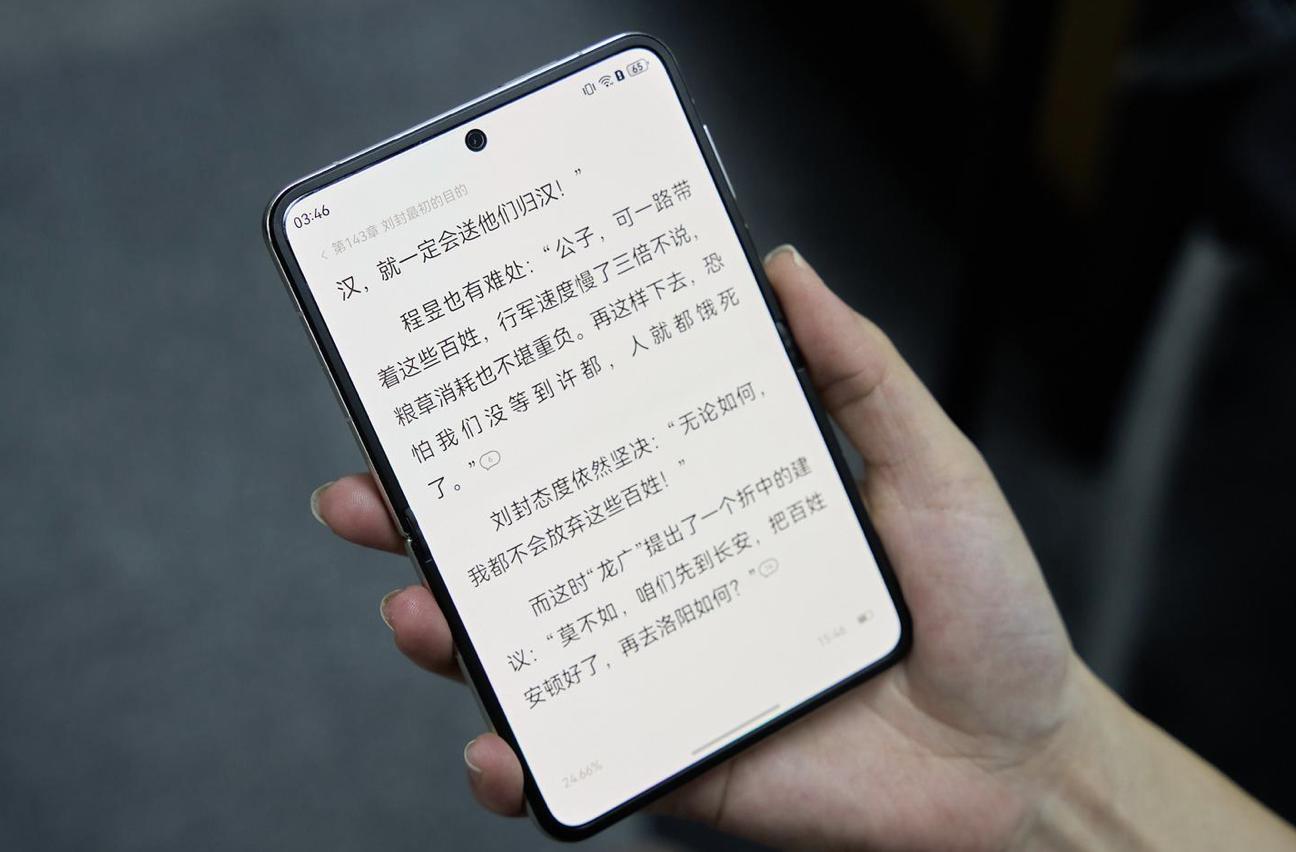
What Xiaolei mentioned here is not an upgrade at the hardware level. As foldable screen mobile phones have developed to date, hardware is no longer the top priority. What really determines the upper limit of the experience is the depth of adaptation at the system and application levels. Therefore, for the Pura X2, whether the HarmonyOS can provide more complete multi - window, cross - application collaboration, and scenario - based interaction for the wide - fold ratio is the core factor for it to become the only benchmark in the wide - fold screen market.
(Image source: Captured by Lei Technology)
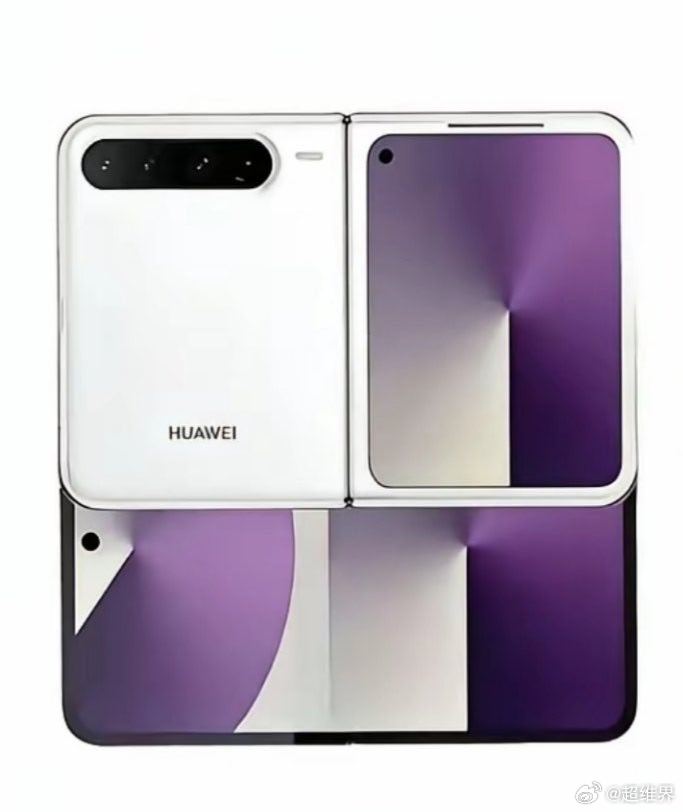
According to the exposed renderings, the Huawei Pura X2 basically continues the body proportion of the Huawei Pura X, but the external screen size is significantly larger. The rear camera module uses a horizontal design, including 4 cameras, and the flash is independent of the lens module. The overall design of the phone remains simple.
(Image source: @Chaoweijie)
In terms of core configurations, the Huawei Pura X2 will be equipped with Huawei's self - developed Kirin processor. The internal screen has an aspect ratio of 16:10 and is over 7 inches when unfolded. The rear camera can take photos with a maximum resolution of 200 million pixels, and the hinge uses some of the same technology as the Huawei Mate X7.
Huawei's decision to launch the second - generation Pura foldable screen proves that they believe there are still usage scenarios that have not been fully met beyond the mainstream foldable forms.
Therefore, the core value of the Huawei Pura X2 lies in continuous refinement and evolution in the existing direction. What it represents is not a radical attempt but a product route that is being continuously refined and gradually becoming clearer.
4. iPhone 17e: Can the cheapest 17 become the new sales champion?
The iPhone 17 series can be said to be Apple's most "successful" model in the past five years. It achieved a terrifying sales volume of 15 million units just three months after its launch, higher than the total sales of all other domestic mobile phones. On one hand, it's because the product strength of the iPhone 17 series is indeed good; on the other hand, it also has something to do with the continuous price increase of domestic flagships.
Especially the iPhone Air, which has just been discounted by 2000 yuan, once again proves Apple's terrifying appeal in the mobile phone market. So, if there is an even cheaper iPhone, will it continue to sell like hotcakes?
(Image source: Captured by Lei Technology)
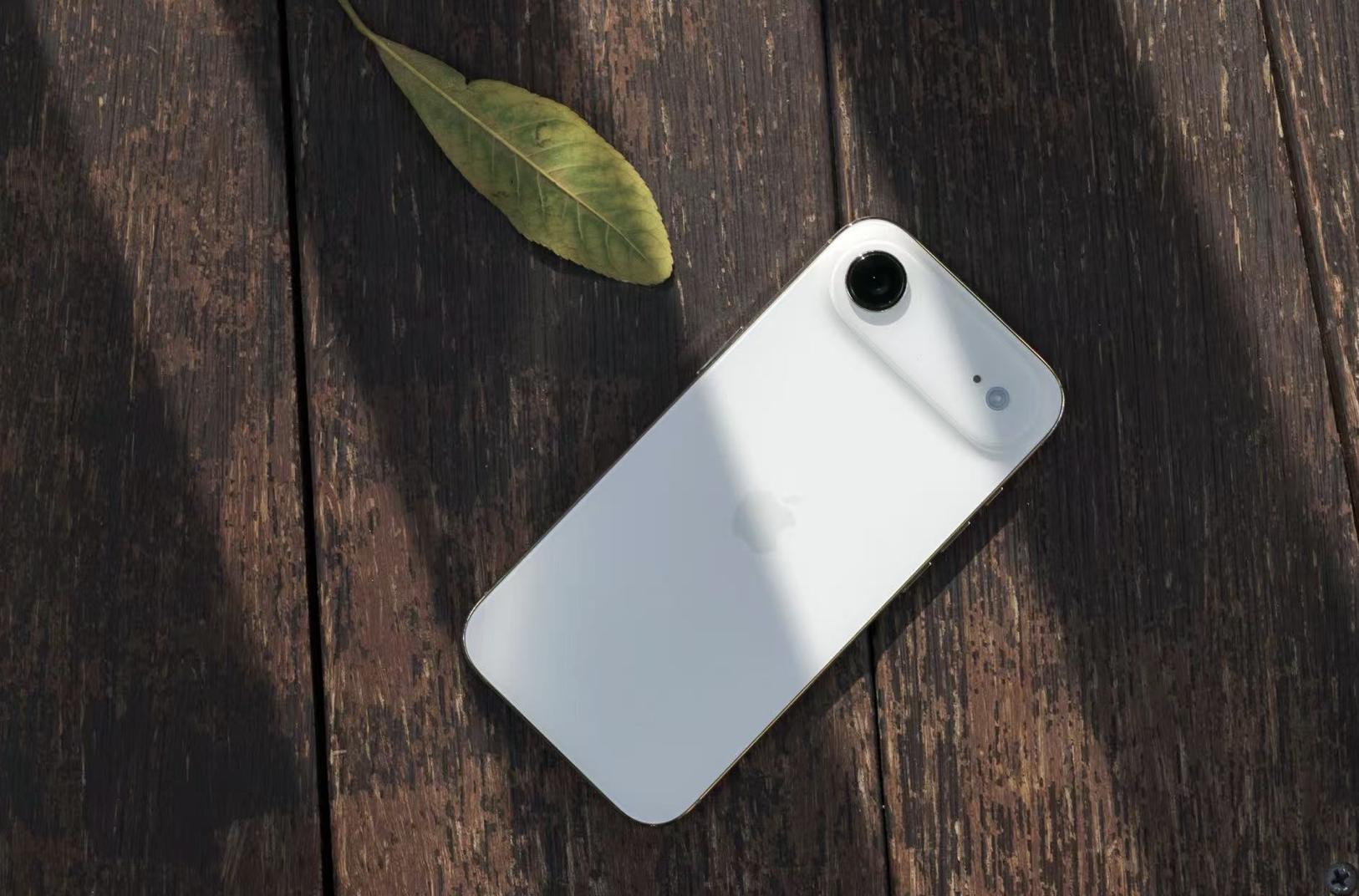
According to leaks, the iPhone 17e is on the way and may be released directly in February at the earliest. Its improvements are very straightforward. First, it will be equipped with the A19 processor using a 3nm process, which has a steady improvement compared to the previous generation but will definitely be "cut down" compared to the processors in the iPhone 17 Pro series. Second, its screen finally abandons the notch design and switches to the more mainstream Dynamic Island design, and the screen bezel will also become narrower. However, the refresh rate will still remain at 60Hz, which is reasonable. If the 17e uses a 120Hz screen, the sales of the iPhone 17 will be greatly affected.
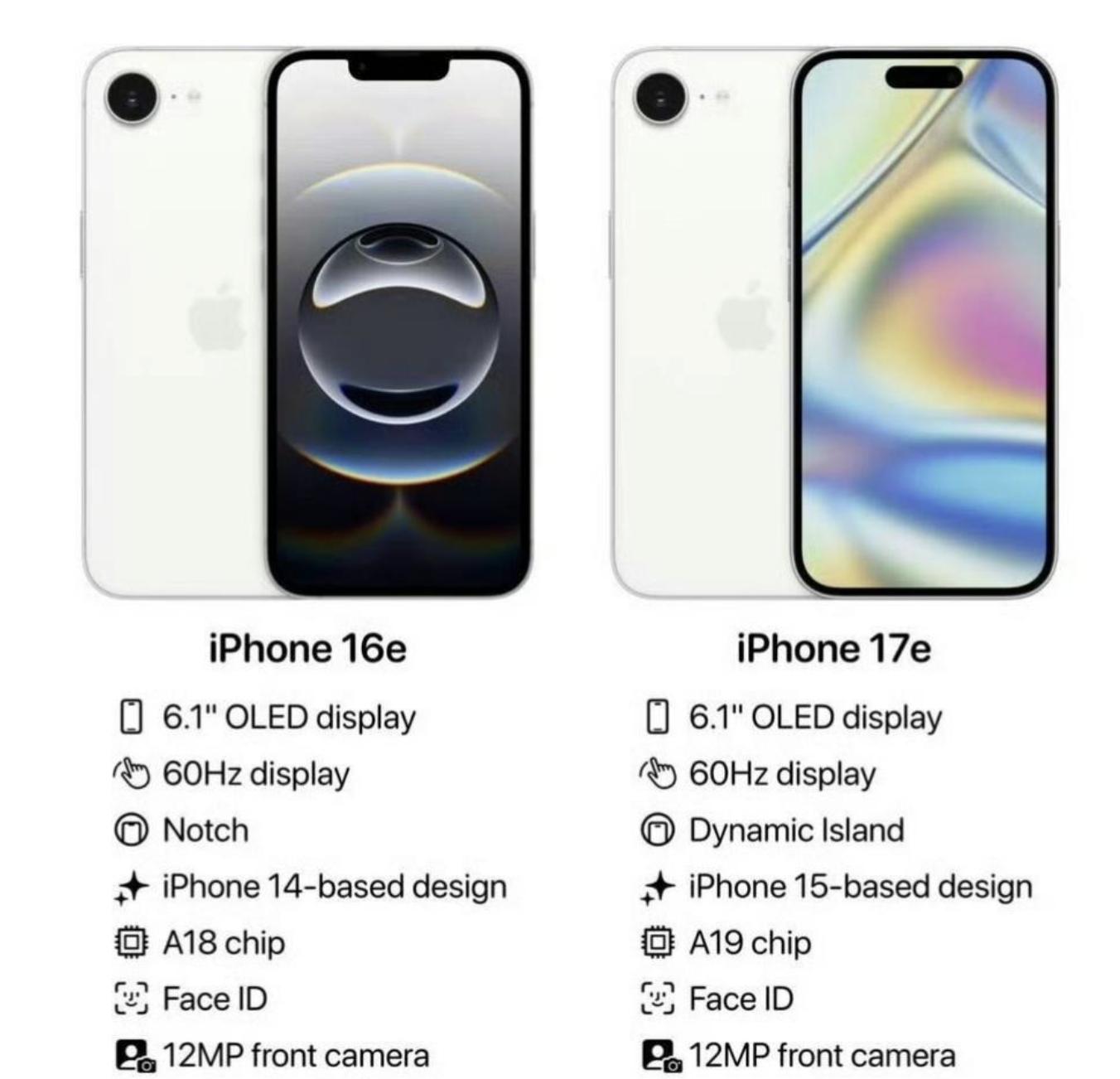
In terms of imaging, the iPhone 17e still continues the single - camera design. Although there is no specific specification information yet, according to Apple's tradition, the iPhone 17e should be one of those products with "just okay" imaging.
If we only look at the configuration, the iPhone 17e really has no highlights. However, the positioning of the "e" determines that it has only one task: to keep the price at a level that more people can accept without significantly sacrificing the core experience.
Therefore, if the iPhone 17e can be priced at 3999 yuan (256GB version), it will indeed have a non - negligible impact on domestic manufacturers. After all, for Apple now, expanding the user base is often more important than the profit margin of a single device.
5. OPPO Find N6: The biggest competitor to Apple's foldable phone?
Besides the Huawei Pura X2 mentioned above, there is another potential competitor to Apple's foldable screen phone: the OPPO Find N6. This is not groundless. Previously, some media reported that Apple specifically bought an OPPO Find N5 for disassembly and learning.
The biggest advantage of the OPPO Find N5 is that it has achieved the shallowest screen crease in the industry, and this record remains unbroken to date. The appearance