Excavating the ancestral garbage mountain that is hundreds of meters high, why is there not enough garbage to burn?
01
Digging up the "Garbage Ancestral Tombs"
The ancestral garbage mountain that has been closed for 20 years is recently going to be completely "dug up like an ancestral tomb."
The "Yulong Landfill" in Luohu, Shenzhen, is the earliest simple domestic waste landfill in Shenzhen. It was built in 1983, stopped operating in 1997, and was closed at the end of 2005. The total amount of landfilled garbage is about 2.5 million cubic meters, enough to fill 1,000 international standard swimming pools.
The 20 - year closure doesn't mean it's just been sitting there for 20 years; it's been that long since it was "filled up."
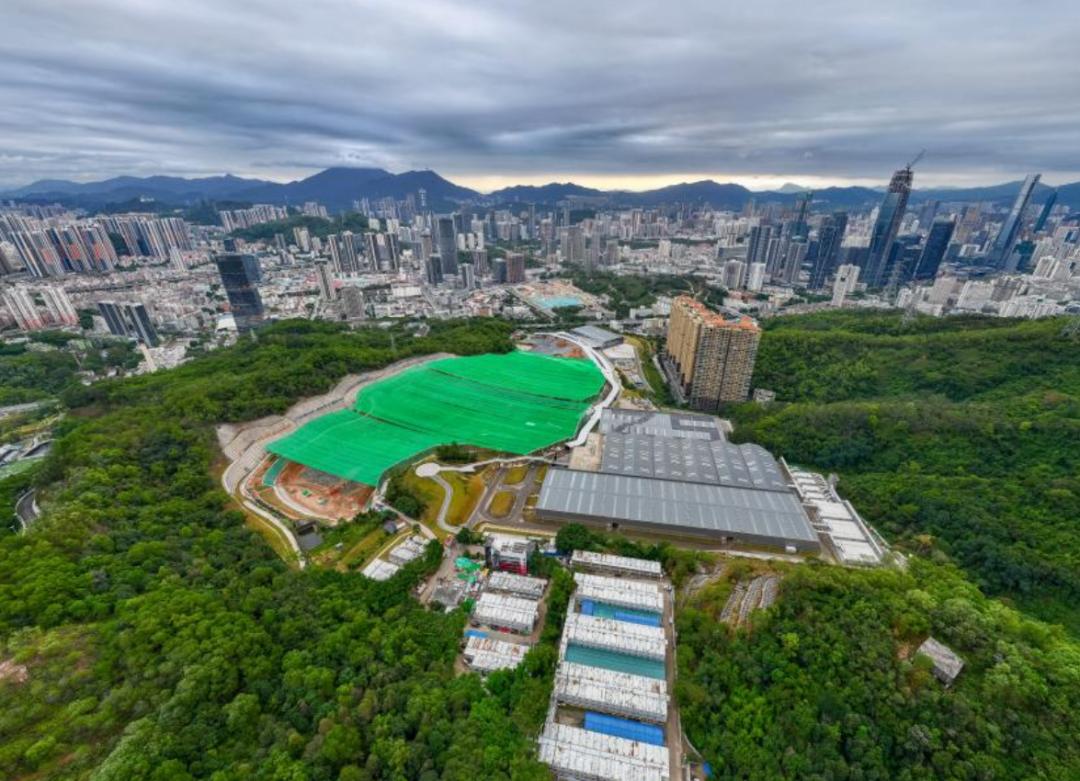
4.5 million tons of garbage
Now, the Yulong Landfill is not only located in the city's core area, but also has prominent problems such as potential odor, leachate, groundwater pollution, and geological disaster risks.
To environmentally treat this giant garbage mountain, the overall removal process is like "peeling an onion":
After passing the inspection, the muck is transported out; construction waste is comprehensively utilized; after screening the domestic waste, the light - weight materials are sent to the Longgang Energy Ecological Park for incineration and power generation, the humus soil is landfilled in the Xiaping Environmental Park, the inorganic aggregates are comprehensively utilized, and the polluted soil at the bottom of the landfill is sent to the stabilization treatment workshop and transported out after passing the inspection.
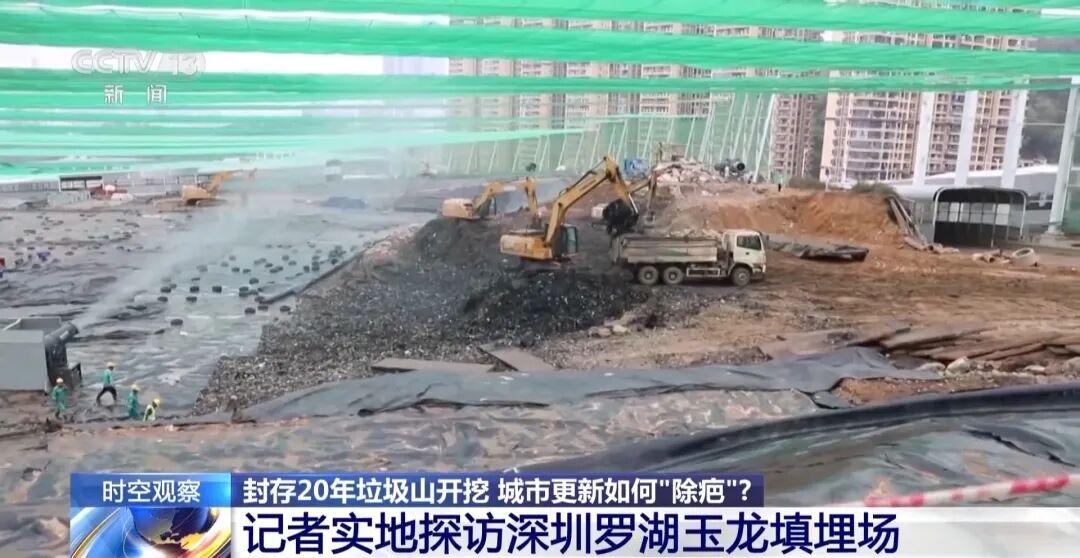
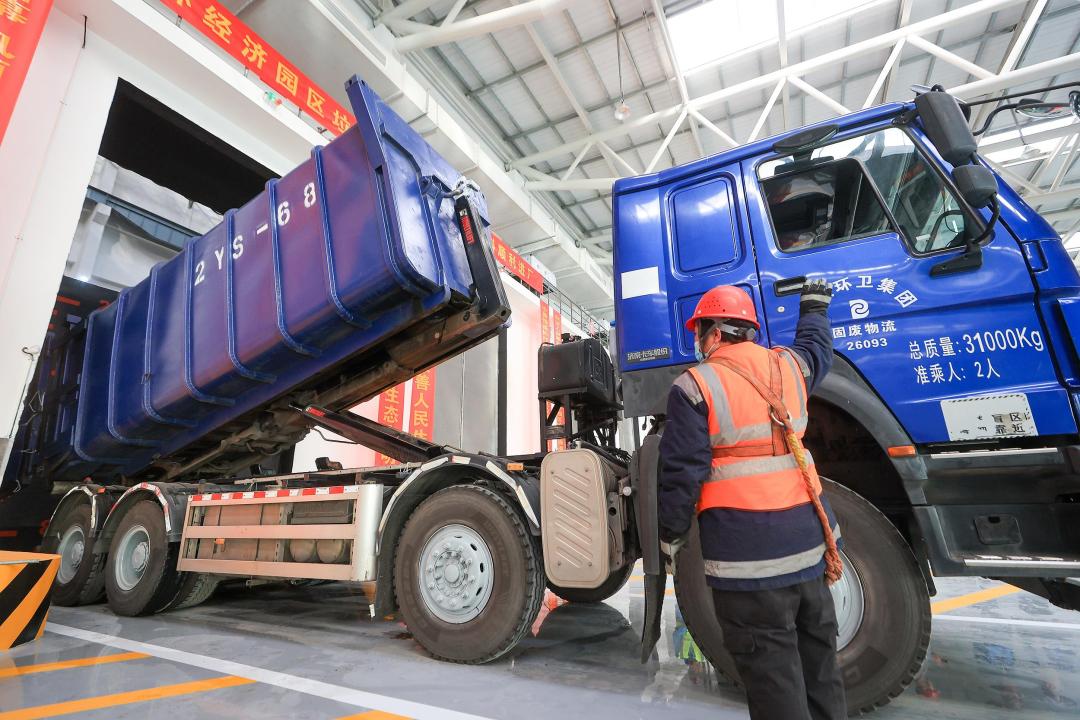
As the largest - scale and full - excavation garbage relocation and treatment project in China at present, 6,000 tons (about 460 trucks) of garbage will be screened and recycled on - site every day.
After the treatment is completed, nearly 300,000 square meters of land will be released locally for the construction of a science and technology park. However, in the model of "getting land from garbage," there is actually a very counter - intuitive industry situation hidden: Chinese waste incineration plants are actually starting to "go hungry."
Indeed, with the explosion of online shopping and takeaways, the total amount of garbage generated nationwide has been increasing year by year, but it's still not enough for waste incineration plants.
The "2024 China Ecological Environment Status Bulletin" recently released by the Ministry of Ecology and Environment shows that, preliminarily calculated, in 2024, the national urban domestic waste removal volume was 262.3662 million tons, the harmless treatment capacity was 1.1555 million tons per day, and the harmless treatment volume was 261.9858 million tons.
According to research by research institutions, currently, the average load rate of Chinese waste incineration plants is only about 60%, and 40% of the production capacity is idle.
One of the main reasons is that the incineration technology is too advanced.
European and American countries started waste classification earlier, and their waste types are relatively "dry." Their incinerators are used to dealing with high - quality waste. However, Chinese waste contains a large amount of kitchen "wet waste" with high moisture content and large fluctuations in calorific value, and the moisture content often exceeds 55%.
Due to the mixture of kitchen waste, the calorific value is extremely low. Forcing incineration not only results in a dim flame but also is more likely to produce dioxins, which are several times more toxic than arsenic.
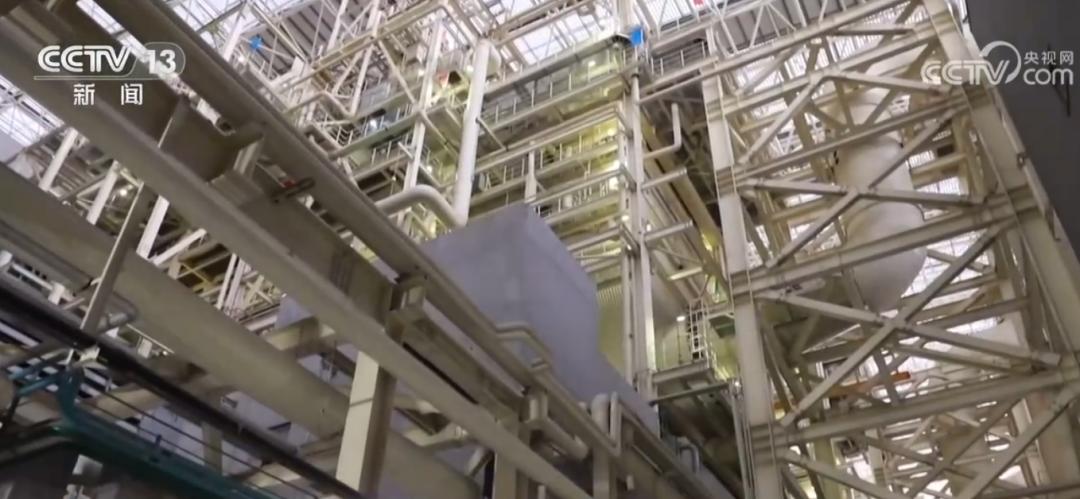
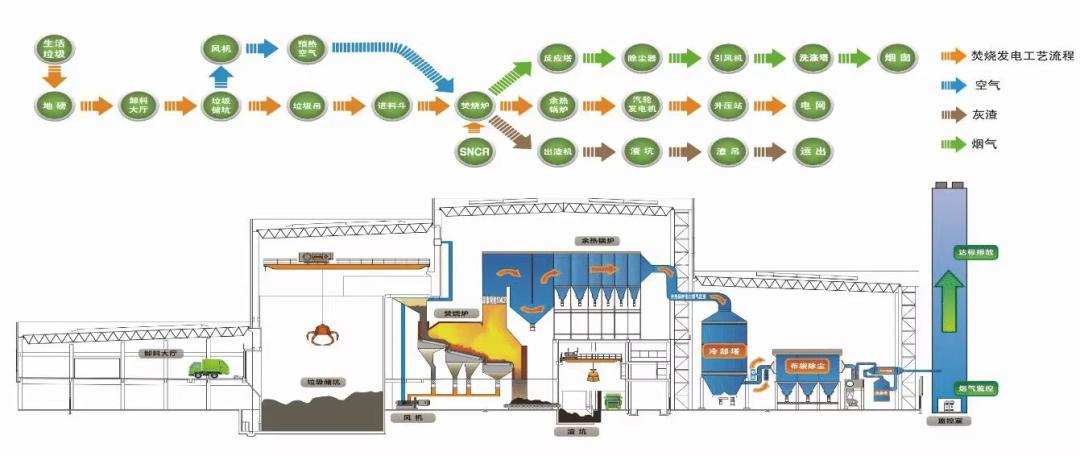
Inside a waste incineration plant
This has forced Chinese engineers to work hard in aspects such as flue gas purification, leachate treatment, and combustion control.
In order to find an environmentally friendly incineration solution suitable for Chinese waste, Chinese scientists represented by Academician Du Xiangwan tried cross - border and dimensionality - reduction strategies.
Academician Du had been deeply involved in nuclear physics and the nuclear industry. He introduced the high - temperature thermodynamics logic of nuclear material processing into waste treatment and led the team to overcome the "3T" control technology (temperature, time, and turbulence), making the waste burn more and more cleanly.
The waste tumbles and burns on the grate. The high - temperature secondary air blown in from the bottom not only dries the moisture instantly but also keeps the furnace temperature constant between 850°C and 1100°C. At such a high temperature, when the flue gas stays for more than 2 seconds, highly toxic molecules such as dioxins will be completely shattered and decomposed.
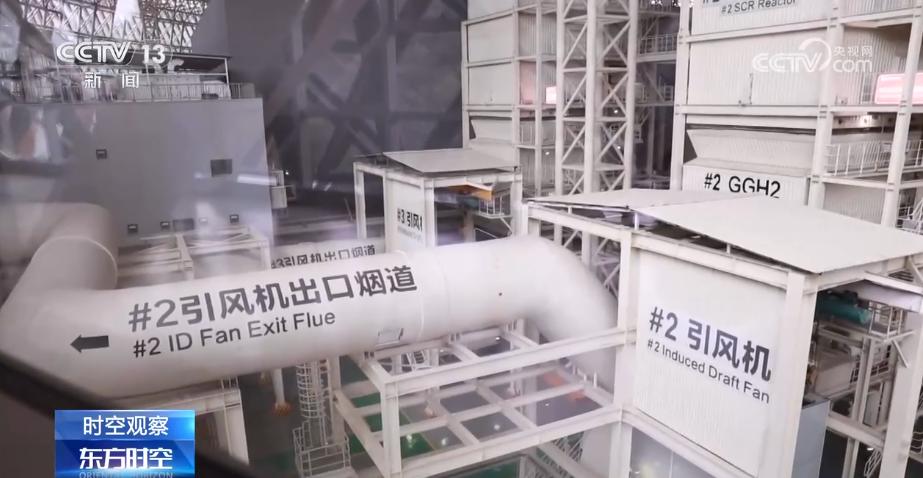
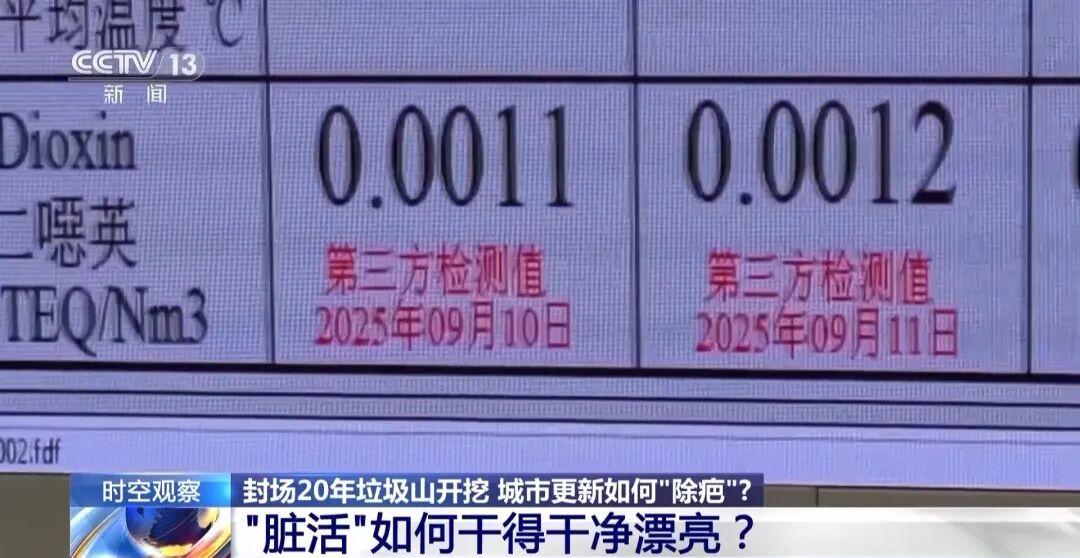
Now, the dioxin emissions of China's top - notch incineration plants are only 0.004 nanograms per cubic meter, less than one - tenth of the EU standard.
Coupled with the three - dimensional temperature field monitored in real - time by thousands of sensors and the AI adaptive adjustment system, this precision can automatically adjust the grate speed and air volume according to the waste composition, keeping the thermal efficiency stable above 85% and making the combustion of originally unstable mixed waste extremely stable.
In addition to technical control, the state also has strict regulatory requirements for waste incineration: all incineration plants must install automatic monitoring equipment, which is connected to the monitoring equipment of the ecological environment department to upload various emission data in real - time, ensuring that the entire treatment process is controllable and traceable.
Taking the waste from the Yulong Landfill as an example, it can generate 3.4 million kilowatt - hours of electricity per day, which is equivalent to the electricity consumption of 8,000 families in a month.
The waste after incineration can also be made into "environment - friendly bricks." These bricks are harder and cheaper than ordinary bricks. Even if they are discarded, they can still be recycled, truly forming an environmental closed - loop.
Another major reason for the shortage of waste for incineration is that when the incineration plants were planned and built, no one expected that China's waste management level would improve so rapidly.
After 2019, mandatory waste classification was promoted in major cities. Although the supervision at the resident level has become less strict later, the overall classification level has been greatly improved.
Even though there is still a perception of "mixed disposal" at the resident level, in the back - end collection and transportation system, 50% of the "wet waste" (kitchen waste) in the total waste has been massively separated. Especially in the past five years, thousands of kitchen waste treatment plants have been built across the country, and all this wet waste has been diverted for anaerobic fermentation to produce biogas.
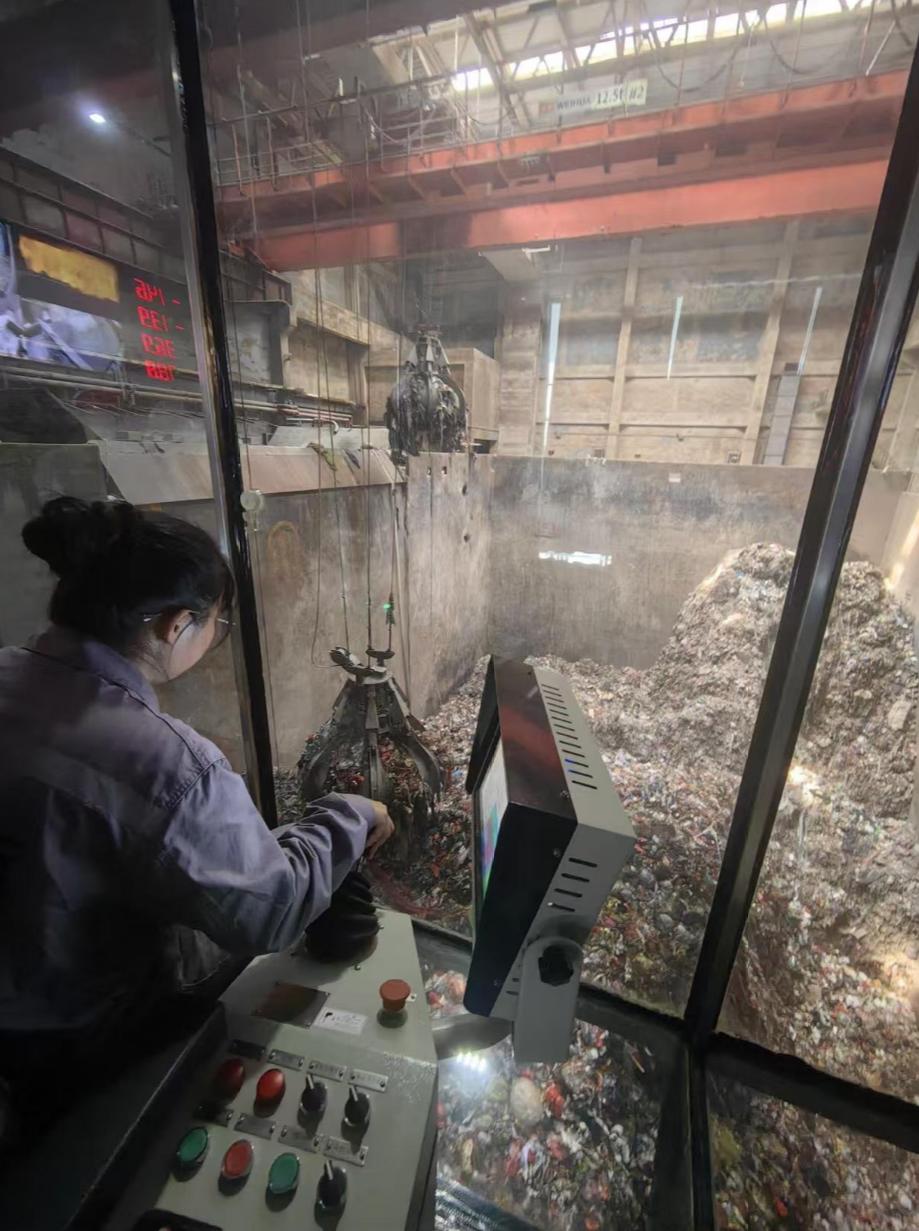
A lot of waste has been diverted before reaching here
In the traditional recycling field, waste with high calorific value and good incineration performance such as cartons, plastic bottles, metals, and used household appliances hardly enter the waste piles of incineration plants. Because many of them are "intercepted on the way" by cleaners, elderly residents in the community, or professional waste collectors before they even reach the incineration plants.
In the technological recycling field, there are dedicated classification recycling machines in communities, and AI sorting technology has been used in the back - end recycling and sorting process, greatly improving the classification efficiency and accuracy.
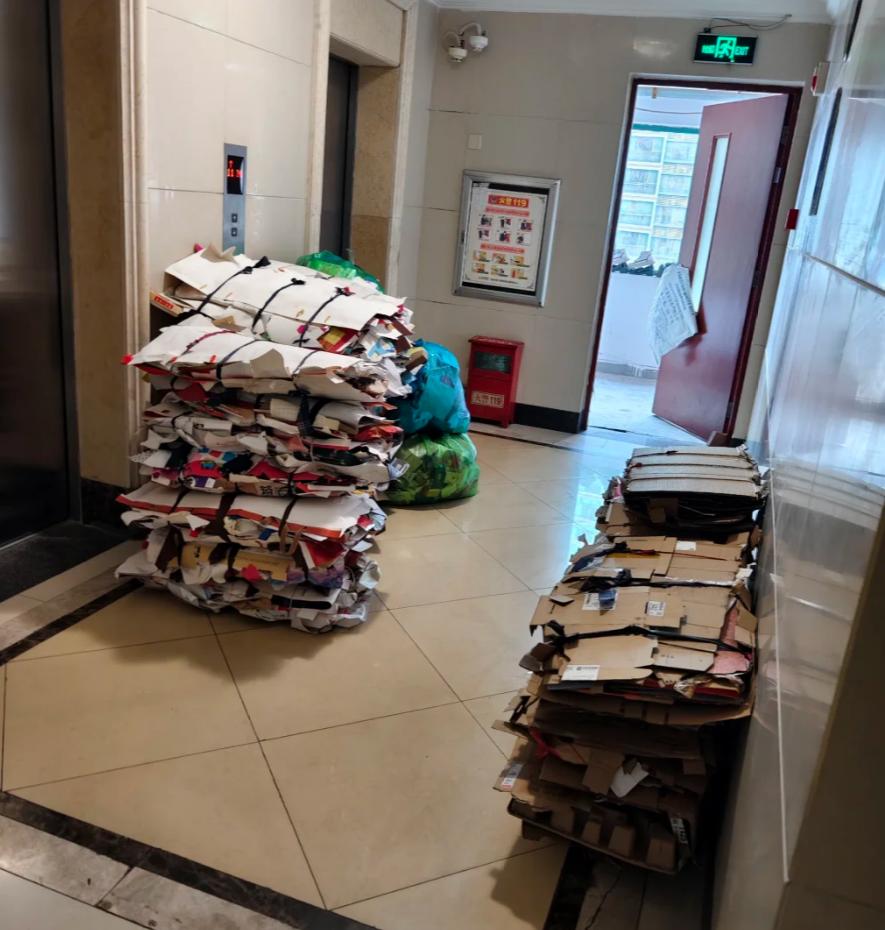
In the field of environmental protection policies, we are even more familiar with them.
From the world's strictest plastic - limit order to packaging reduction requirements, although the amount of waste still increases in terms of data, the "quality" of the waste has changed significantly.
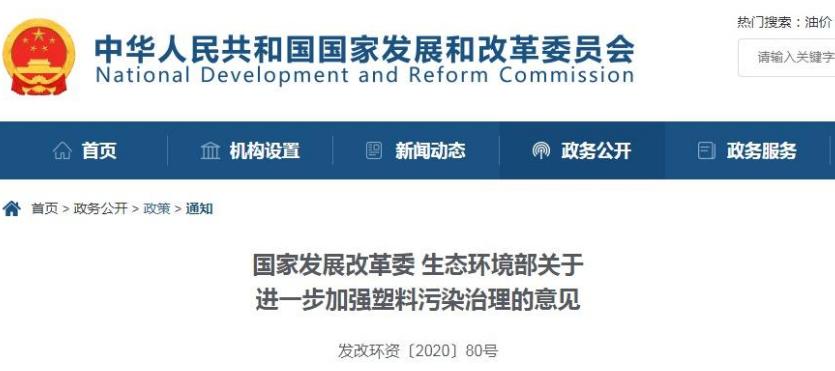
As for why the "resident waste classification" campaign, which was very popular in the early years, has become more relaxed later, it is precisely because of the combined effects of technology and policies.
It has liberated residents' hands, saved their time, and achieved good incineration results.
02
From Overcapacity to Going Global
In the past few years, waste - to - energy incineration projects have been launched intensively, achieving full coverage of incineration facilities from cities at all levels to county - level areas.
The national incineration treatment capacity has exceeded 1.1 million tons per day, surpassing the total of Europe, America, and Japan.
However, precisely because the incineration is so good, the incineration plants are "going hungry."
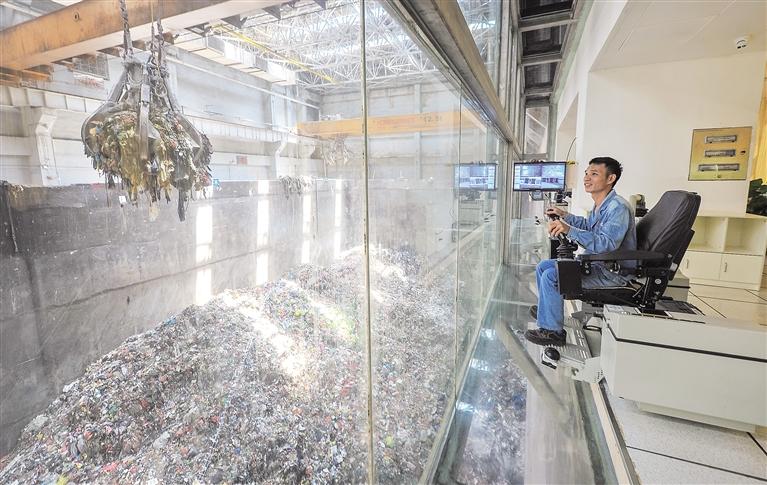
Currently, core large - scale cities are still operating at full capacity or even saturated, but in some regions, the designed scale of waste incineration plants is too large, while the actual waste removal volume is insufficient, resulting in the incinerators having to "reduce production" or "stop operation waiting for waste."
In some highly competitive areas, in order to obtain social - source waste (such as industrial solid waste or kitchen waste from large office buildings and shopping malls), incineration plants even offer "referral fees" or "commissions" of dozens of yuan per ton to property management companies or waste removal contractors.
There is a bit of over - construction of waste incineration plants. When planning, no one expected that multiple measures would be taken in the future to control the "garbage siege."
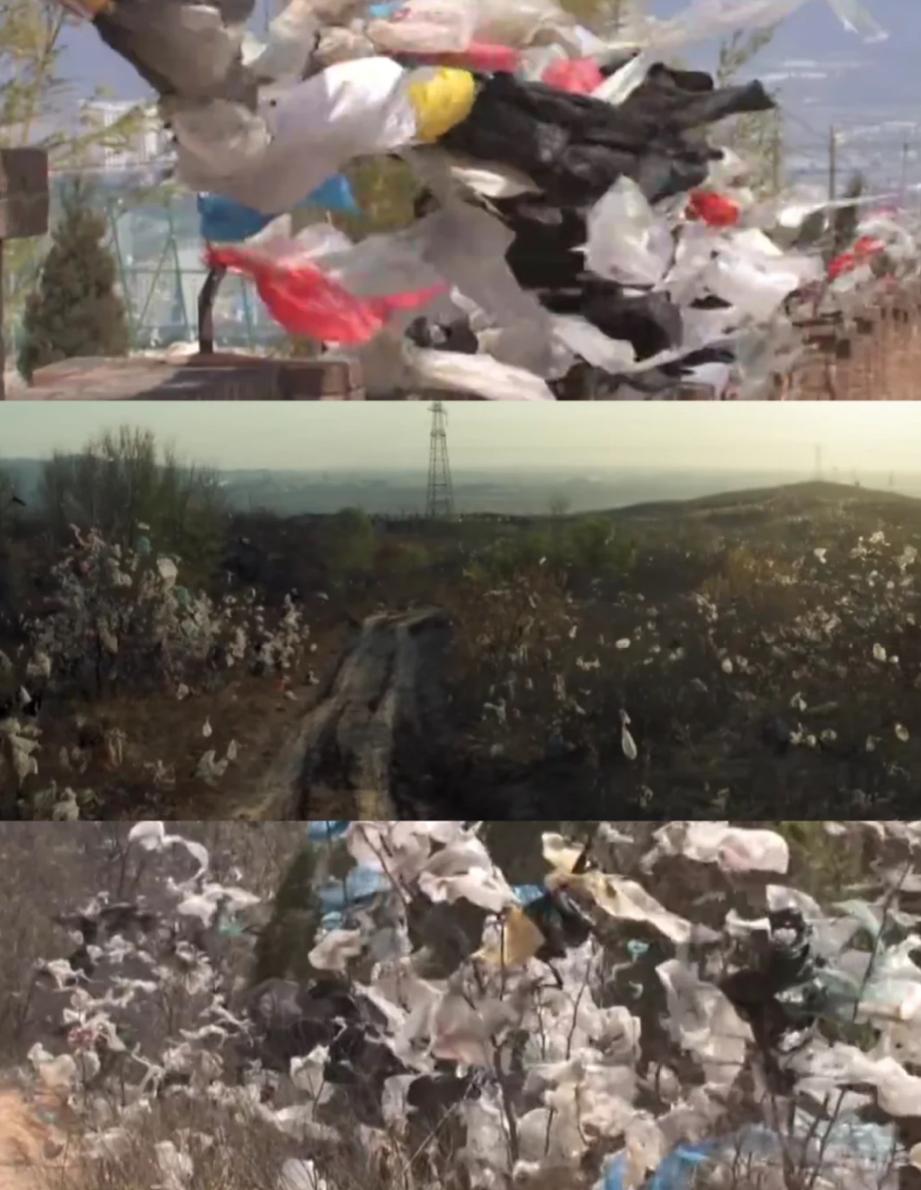
Documentary "Garbage Siege"
In the early days of reform and opening - up, when urbanization was just starting, the composition of waste was simple (mostly kitchen waste and ash), and it was mainly disposed of through simple open - air stacking or simple landfilling.
During this period, China began to try to introduce technology from abroad. In 1988, Shenzhen established China's first waste - to - energy incineration power plant (using Japanese Mitsubishi technology), kicking off the era of waste incineration.
