OpenAI pulled a major move early in the morning. The free Prism is revolutionizing scientific research. From abstracts to acknowledgments, GPT-5.2 has got it all covered.
The long - standing deadlock in scientific research tools that has remained unchanged for decades has finally been broken. OpenAI has entered the arena with GPT - 5.2 and is using the free Prism to tell the world: In future scientific research, there's no need to waste time on fragmented old tools!
After a Q&A session yesterday, Altman finally played his trump card.
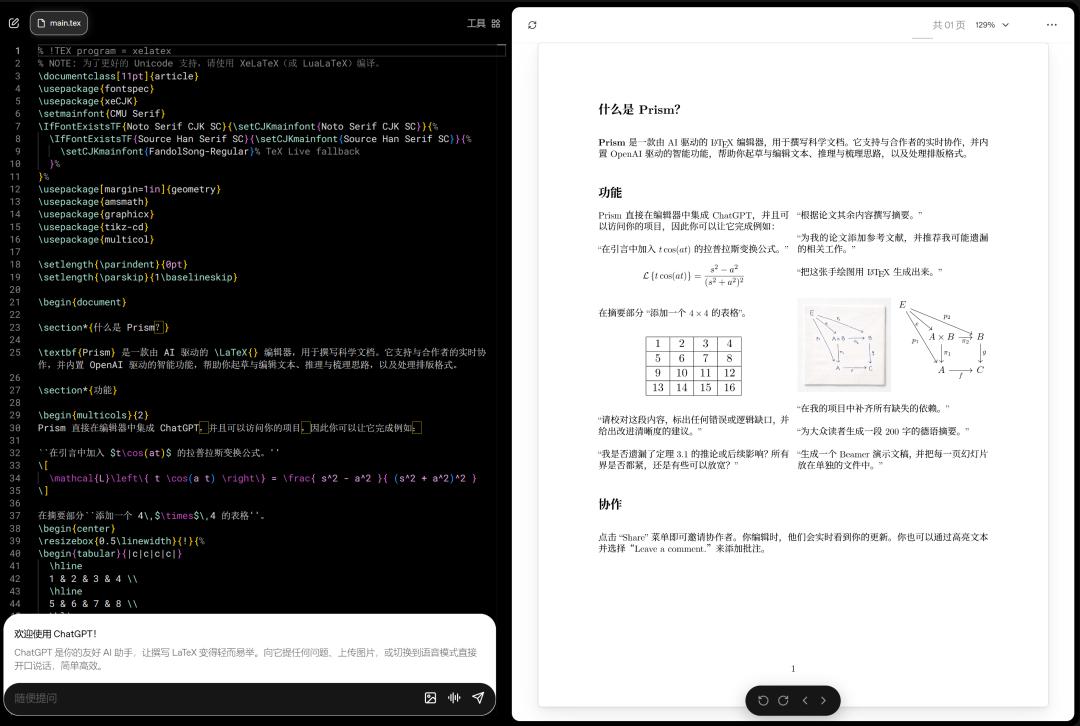
Late at night, OpenAI officially launched a new generation of scientific research tool - Prism, powered by GPT - 5.2 and designed specifically for writing and collaboration.
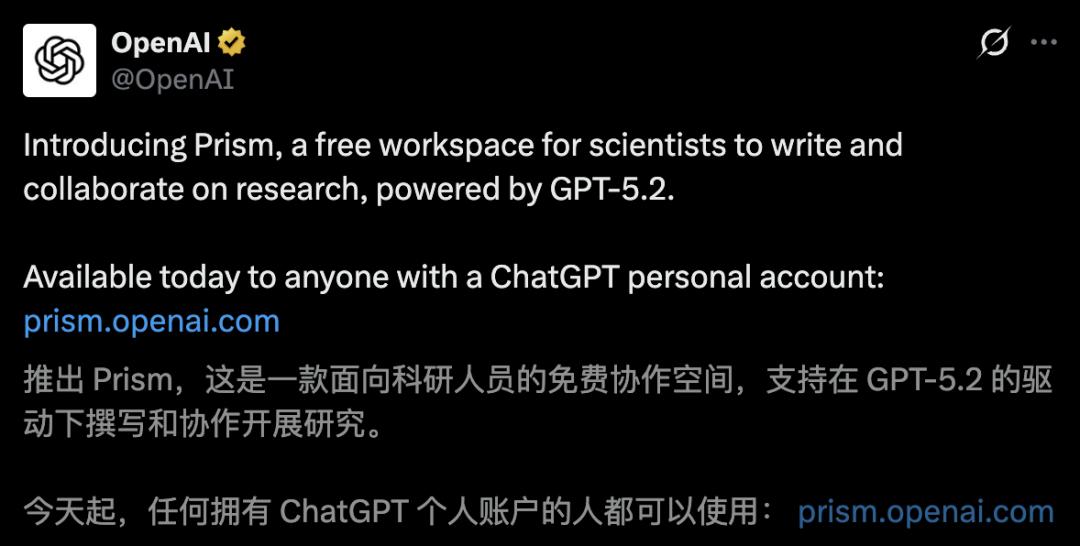
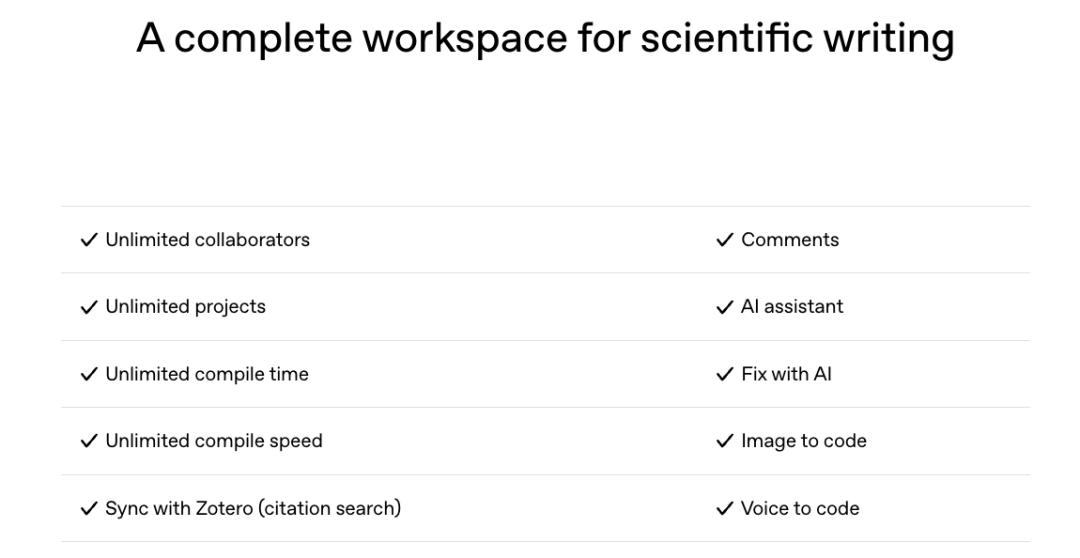
It is a cloud - based "AI - native" LaTeX workspace with no limits on the number of projects or collaborators.
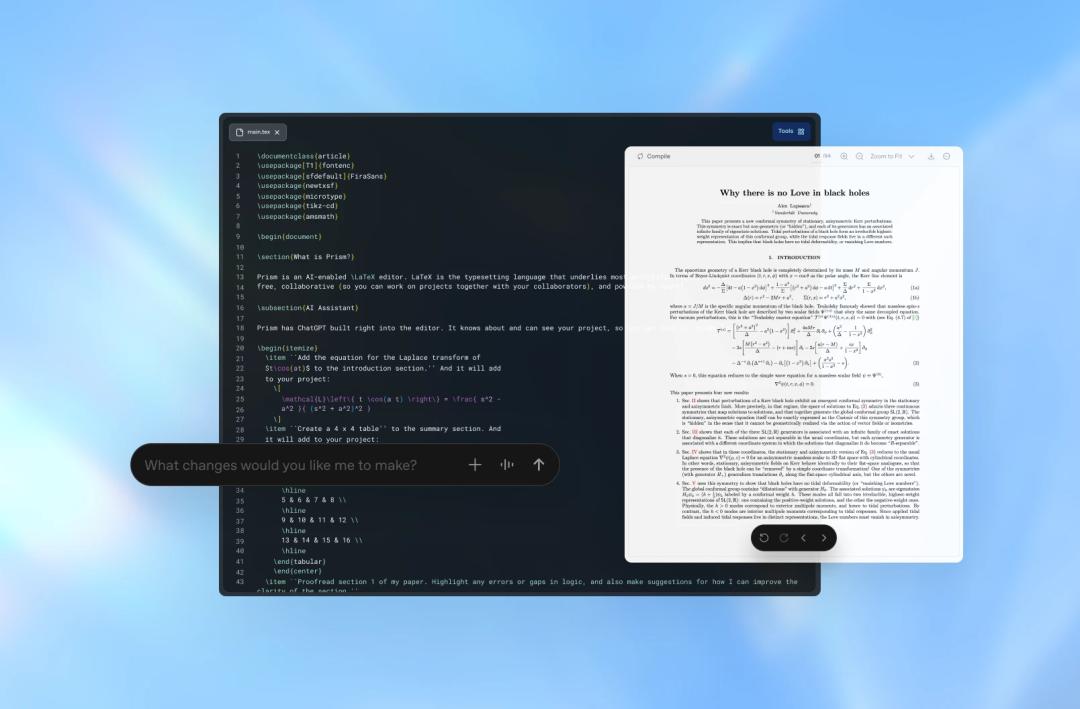
The most convenient part is that GPT - 5.2 is embedded in the project —
It can see the entire structure, formulas, references, and context of your paper, and is available whenever needed for scientific research.
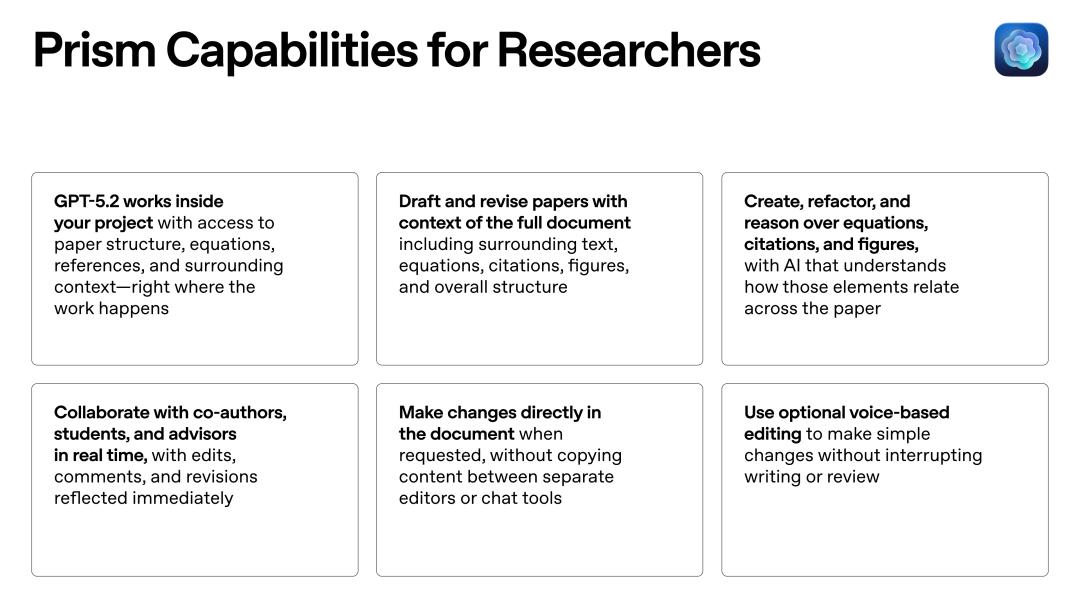
So to speak, it is a powerful research tool for researchers and students.
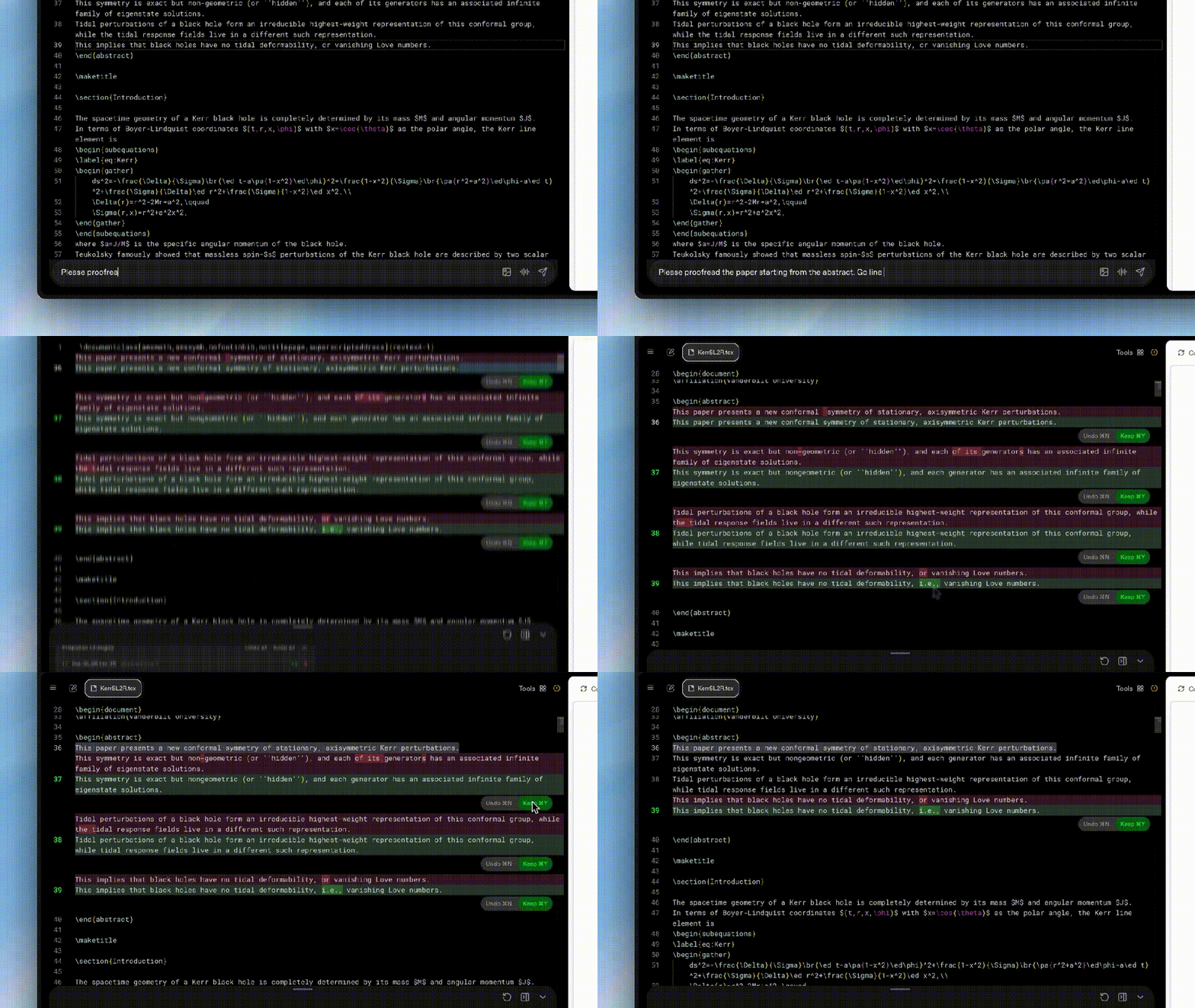
Leave the paper polishing to Prism. It can handle the whole process smoothly starting from the first - line abstract. Humans only need to act as the review machine that keeps clicking "continue".
It can also directly convert the uploaded whiteboard diagram into a TikZ diagram with one click and insert it at the cursor position.

Prism can also manage references and summarize all research related to the paper.

Even the final review step is fully covered by AI.
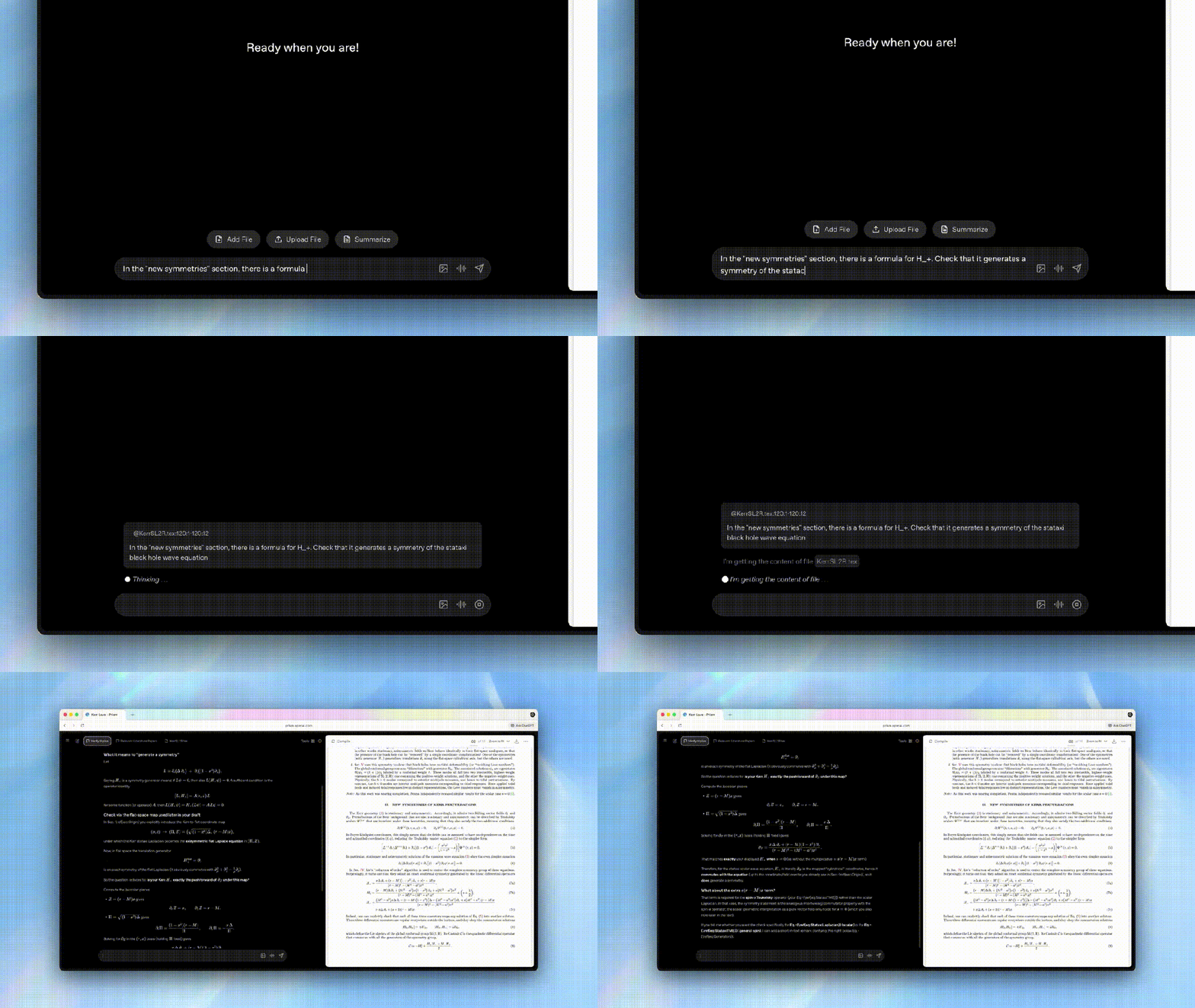
Sure enough, the OpenAI team also improvised a paper introducing Prism.
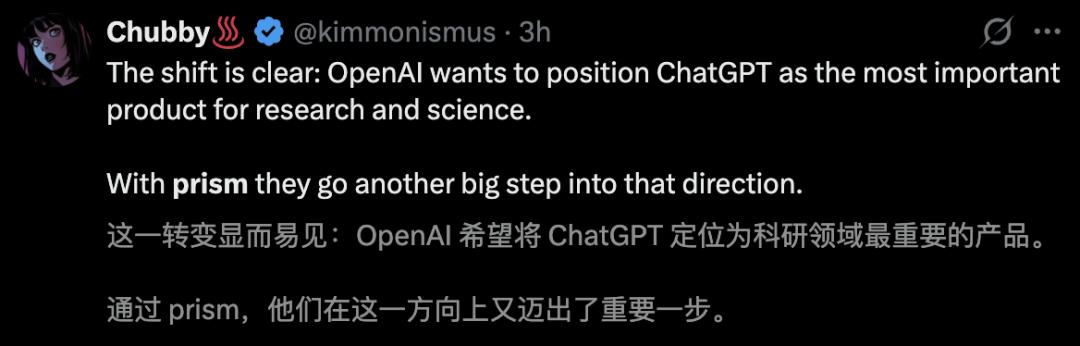
The release of Prism might be a strategic move by OpenAI to focus on the scientific research field.
An AI expert commented, "In the future, when doing scientific research with Prism, every paper will have a ChatGPT co - author."
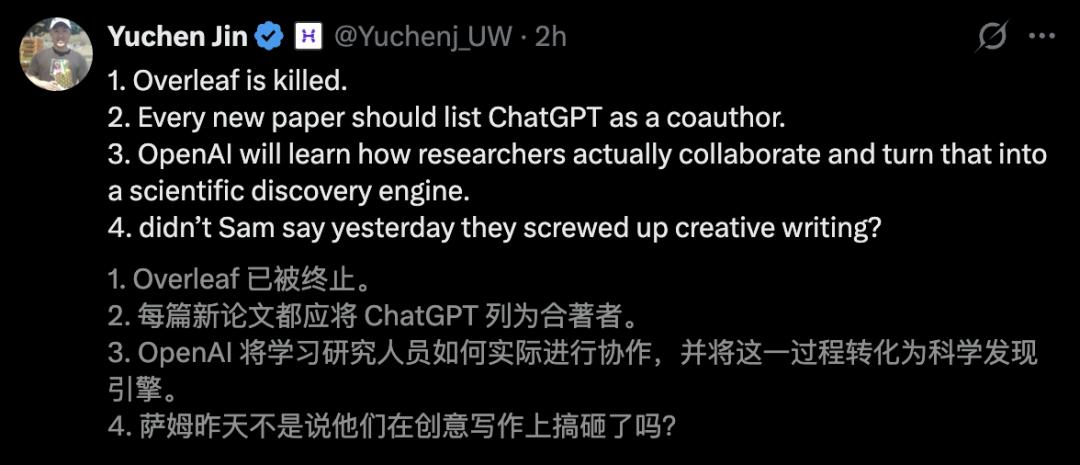
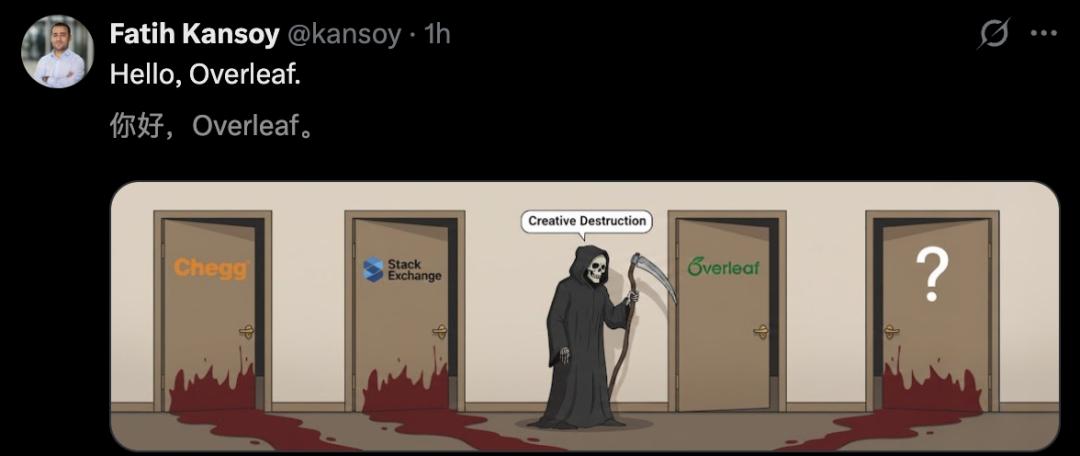
Overnight, OpenAI has outshined Overleaf, the once - efficient paper - writing tool.

From today on, any user with a ChatGPT personal account can use it for free. Soon, Prism will also be available to ChatGPT Business, Enterprise, and Education users.
Prism Ends the Era of Traditional Scientific Research Tools
Write a Paper in One Go
In the past year, AI has begun to accelerate scientific research in various fields.
Advanced reasoning systems like GPT - 5 are expanding the boundaries of mathematics, speeding up the experimental analysis of human immune cells, and even accelerating the iteration in molecular biology.
However, the reality is harsh.
Many daily scientific research tasks, such as drafting papers, revising arguments, managing formulas and citations, and communicating with collaborators, are still fragmented across various incompatible tools.
Researchers have to switch back and forth between editors, PDF readers, LaTeX compilers, literature management software, and independent chat apps.

This not only loses the context but also mercilessly disrupts the precious concentration.
Researchers often have to switch repeatedly between editors, PDFs, LaTeX compilers, literature management software, and independent chat apps, which not only loses the context but also interrupts their concentration.
Prism is OpenAI's first step to solve this "fragmentation" pain point.
Powered by GPT - 5.2, Reinvent the Scientific Research Workflow
Specifically, it is built on Crixet, a cloud - based LaTeX platform acquired by OpenAI.
With the most advanced mathematical and scientific reasoning model GPT - 5.2, OpenAI has integrated drafting, revising, collaborating, and publication preparation into a single, cloud - based LaTeX - native workspace.
Thus, GPT - 5.2 is no longer an independent tool outside the writing process but is directly integrated into the project's internal workflow —
It can read the paper's structure, formulas, citations, and the surrounding context.
This enables OpenAI to integrate AI in a mature and powerful writing environment in a way that most naturally fits the scientific research workflow.
Using Prism, researchers can gain the following superpowers:
Converse with GPT - 5.2 Thinking: Explore ideas, verify hypotheses, and reason about complex scientific problems in the current context.
Draft and Revise in the Global Context: AI can assist in writing and revising by considering the entire document (including the surrounding text, formulas, citations, charts, and overall structure).
Intelligent Literature Search and Integration: Search for relevant literature (e.g., arXiv) based on the content of the current manuscript and automatically suggest text revisions according to newly discovered relevant work.
Intelligent Handling of Formulas and Charts: Create, restructure, and reason about formulas, citations, and charts. AI can understand how these elements are interrelated in the paper.
Sketch to LaTeX in an Instant: Directly convert formulas or diagrams on the whiteboard into LaTeX code, eliminating hours of tedious pixel - by - pixel image adjustment.
Seamless Real - Time Collaboration: Collaborate in real - time with co - authors, students, and supervisors. Any edits, comments, and revisions will be instantly synchronized.
Direct In - Document Modification: Make direct modifications to the document according to instructions, completely eliminating the need to copy and paste between independent editors and chat tools.
Voice Editing: Support voice - based simple modifications without interrupting the writing or review process.
Unlimited Collaborators, Zero - Threshold Co - Writing of Papers
The essence of scientific research is collaboration.
The birth of a paper often aggregates the efforts of co - authors, students, supervisors, and reviewers, transcending institutional and geographical boundaries.
Prism supports unlimited collaborators and allows research teams to work together without any seat limits or access barriers.
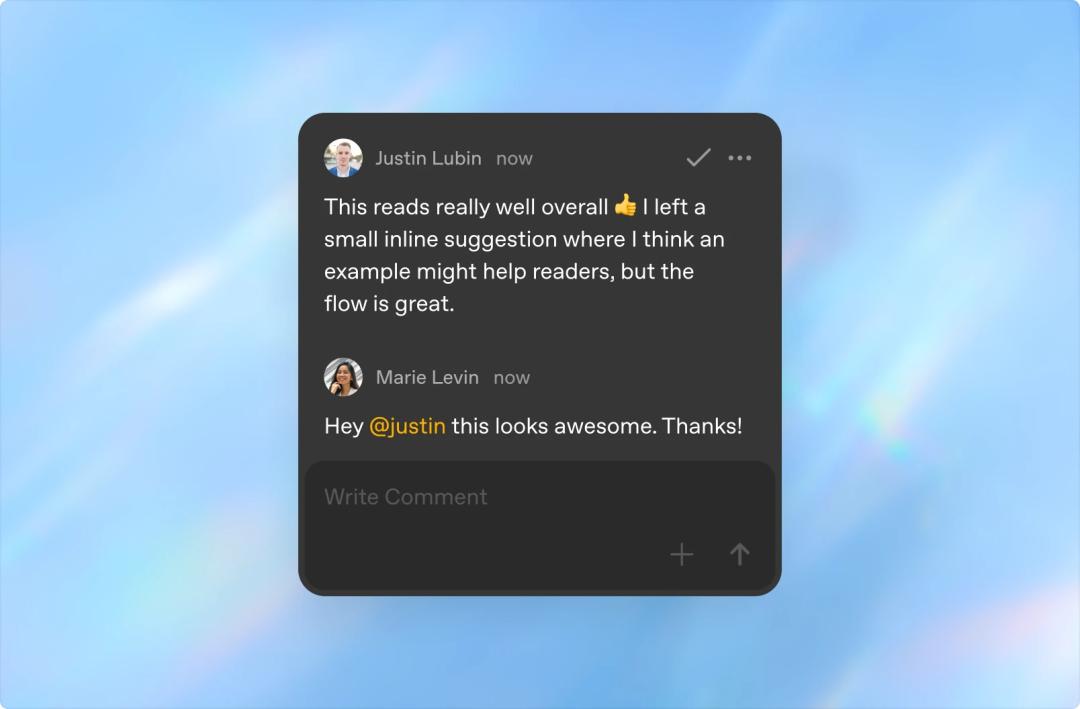
Since it is cloud - based, users don't need to configure a local LaTeX environment, making team collaboration easier than ever.
By reducing version conflicts, manual merging, and mechanical repetitive work, Prism frees the team from cumbersome file management and allows them to focus on the research itself.
Fully Free, Everyone Gets a Scientific Research Tool
Another core mission of Prism is to lower the threshold and popularize the use of scientific tools.
Prism is completely free.
Anyone with a ChatGPT account can start writing immediately, with no subscription fees and no seat limits.
OpenAI hopes that by making high - quality scientific tools accessible, researchers from any institution, discipline, or career stage can fully participate in the scientific process.
In the future, more powerful AI advanced features will be gradually launched through ChatGPT's paid plans.
Why Launch It Now?
In 2025, AI completely transformed software development.
In 2026, the scientific field will also witness the same transformation.
AI will substantially accelerate scientific discovery in multiple dimensions, and reducing the resistance in daily scientific research work is a crucial part.
Prism is the pioneer leading to that future.
OpenAI looks forward to learning from every researcher using Prism and jointly creating tools that can drive science forward at an extremely fast pace.
Let's work together to embrace the new era of science.
References:
https://openai.com/prism/
This article is from the WeChat official account “New Intelligence Yuan”. Author: New Intelligence Yuan. Editor: Taozi Haokun. Republished by 36Kr with permission.