Why does it take longer to charge a larger battery?
Do we really still need power banks in 2026?
Not long ago, Honor released a new phone with a battery capacity of up to 10,000 mAh. There are also reports that several other new phones have broken through the 8,000 mAh mark.
So theoretically, we can indeed do without power banks.
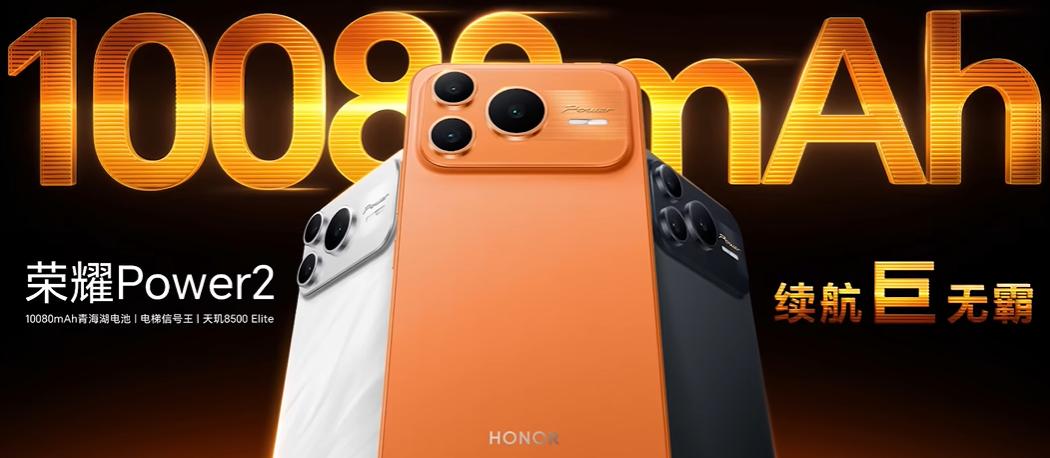
It took us more than a decade to gradually increase the battery capacity from 2,000 - 3,000 mAh to 5,000 mAh, starting from the era of universal chargers when a single battery had a capacity of only a few hundred mAh, and then to the era of non - removable batteries.
However, in the past year, the development of battery technology has been so rapid that before we could even react, the battery capacity has reached 10,000 mAh.
Actually, before this, the entire battery industry had been stagnant in the field of graphite materials for a full decade. The main reason is that the theoretical specific adsorption capacity of graphite is 372 mAh/g. In the past few years, even when engineers squeezed the manufacturing process to its limit, they could only achieve about 360 mAh/g.
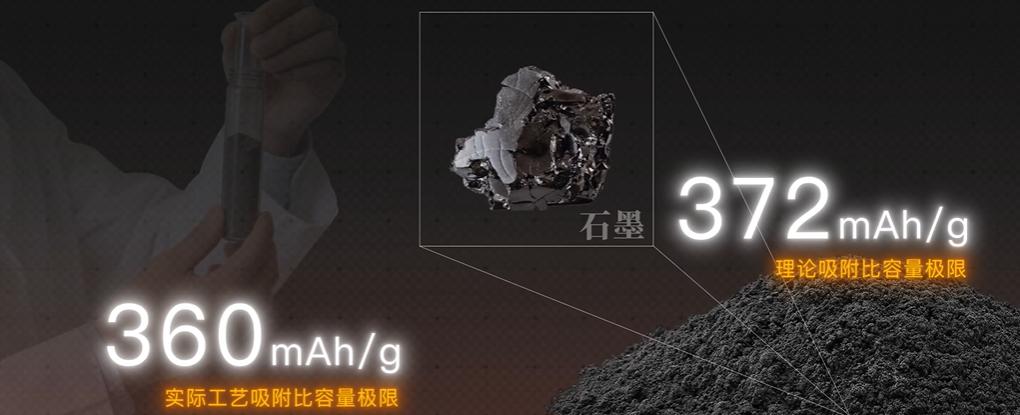
This is like a bottle that is already full of water. No matter how you treat the surface or optimize the structure, it can only hold that much water.
So as long as graphite is still being used, the battery capacity will remain stagnant. Therefore, manufacturers realized that making minor repairs won't work, and they had to come up with a new approach. Thus, silicon as a material was brought back into the spotlight.
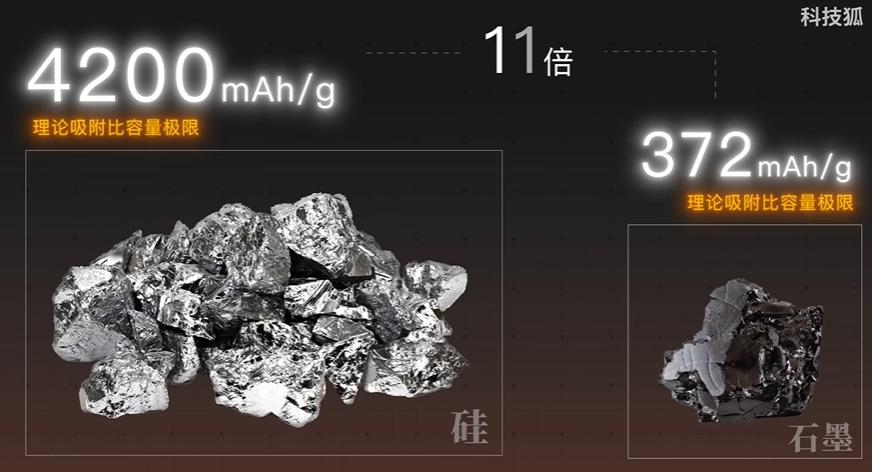
The theoretical data of silicon is very impressive. Its capacity is as high as 4,200 mAh/g, which is more than 11 times that of graphite.
So, what are the fundamental differences between silicon - carbon batteries and our previous batteries?
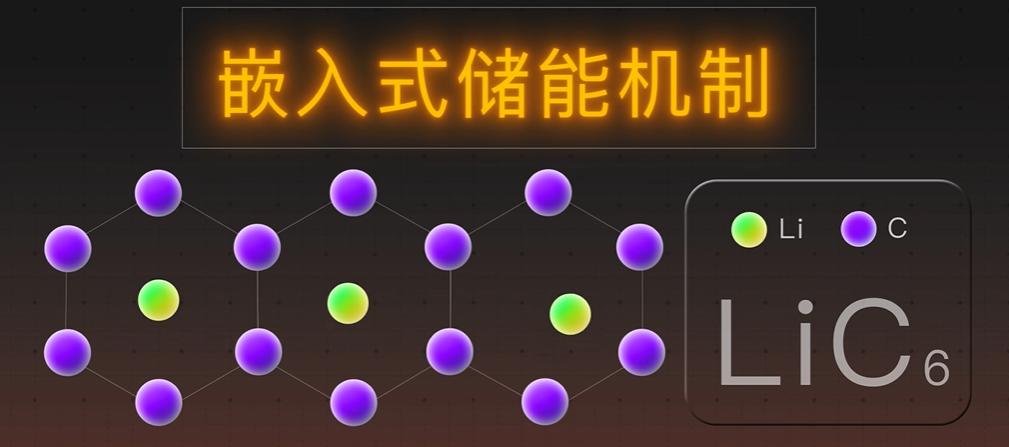
Firstly, traditional graphite anodes use an "intercalation energy storage mechanism".
Lithium ions store energy by physically intercalating into the layered lattice gaps of graphite. This is limited by the crystal structure of graphite. Theoretically, only 1 lithium ion can be captured by every 6 carbon atoms. Therefore, its capacity ceiling is relatively low and difficult to break through.
On the other hand, silicon - carbon anodes use an "alloying energy storage mechanism".
Silicon stores energy by chemically reacting with lithium ions to form lithium - silicon alloys. Theoretically, each silicon atom can combine with 4.4 lithium ions. This atomic - level combination method exponentially improves the efficiency of silicon in capturing lithium ions, thus breaking the capacity limit of graphite.
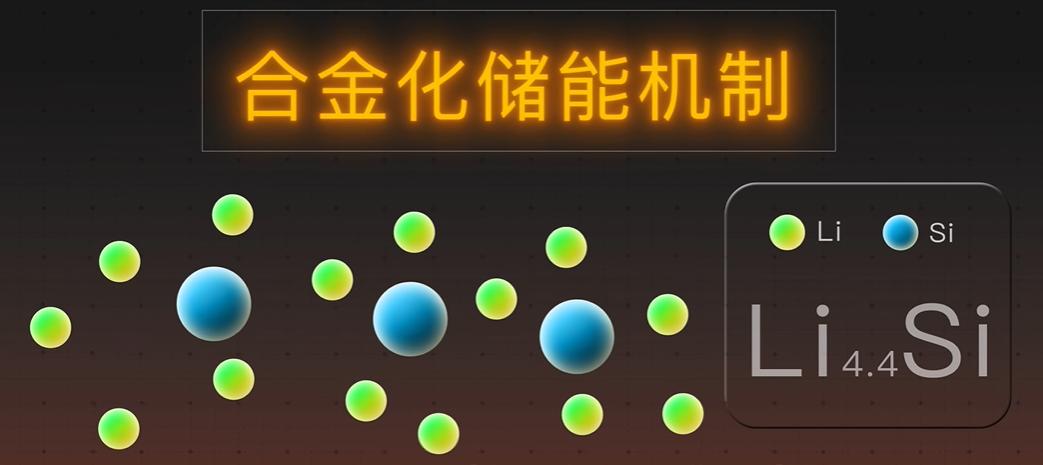
If silicon is so powerful, why wasn't it used before?
The core problem is simple - it expands too much during charging!
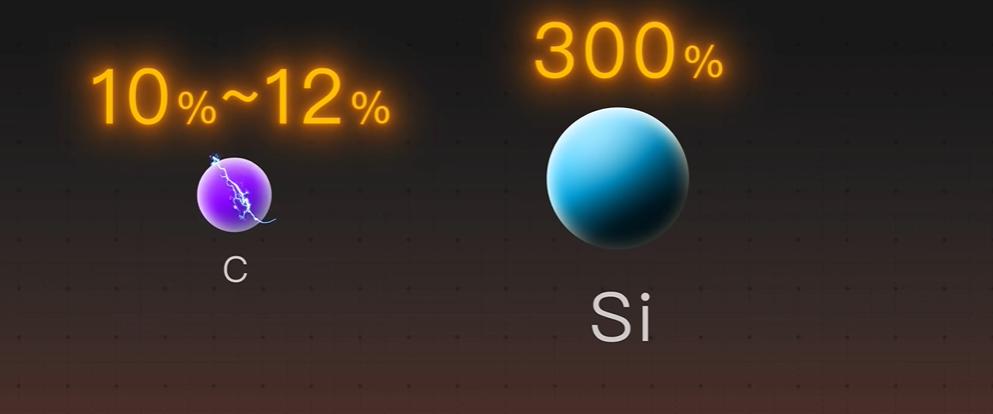
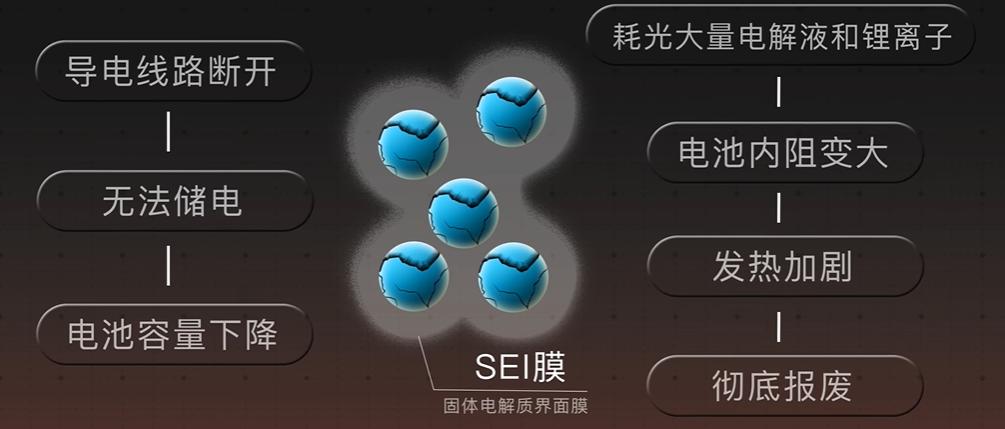
Graphite only expands by 10% - 12% during charging and discharging, which is very stable. However, after silicon is fully charged, its volume expands by three times. This expansion and contraction cause major problems: first, the silicon particles crack and turn into powder, disconnecting from the conductive circuits in the battery, and completely losing the ability to store electricity. As a result, the battery capacity drops rapidly.
What's even more troublesome is that there is a SEI film (solid electrolyte interphase) on the surface of silicon, which protects the battery. This film will continuously repair and thicken as the silicon repeatedly expands and cracks. This process consumes a large amount of electrolyte and lithium ions. Not only does the internal resistance of the battery increase and the heat generation intensify, but the battery will also stop working completely before long.
So, with so many physical defects in silicon, how can it be applied to mobile phone batteries?
This is mainly due to four key technological solutions developed by the industrial chain in the past two years based on its characteristics.
1. To solve the expansion problem, the industry has been exploring for a long time. It wasn't until 2023 that equipment manufacturers represented by Suzhou Numut popularized a key process - nano - carbon coating technology. Simply put, it's like dressing the silicon.
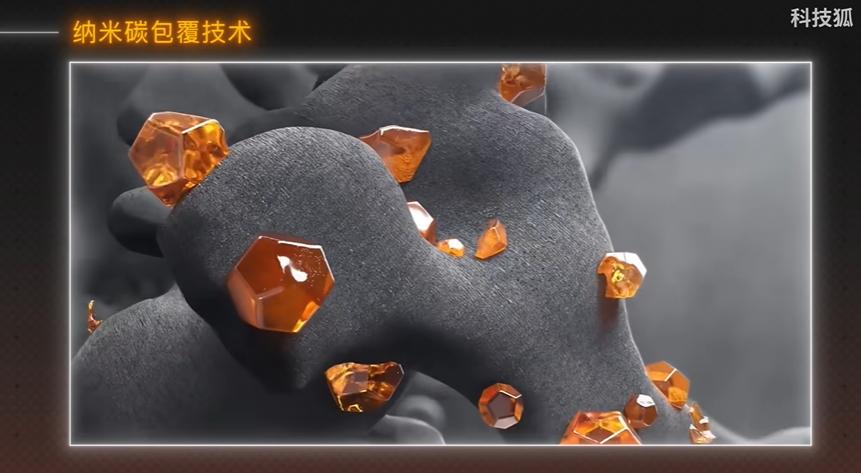
This process uses CVD (chemical vapor deposition) technology to introduce silane gas into a porous carbon skeleton like a sponge, allowing silicon atoms to be directly deposited inside the pores of the carbon. This is like building a strong room for the restless silicon atoms. With this carbon coating, no matter how much the silicon expands inside, it is restricted within the skeleton and won't break the structure. At the same time, the carbon network ensures conductivity, enabling the battery to work stably.
It is precisely because this technology has reduced the cost that large - capacity batteries have become popular today.
2. To address the cracking of the SEI film and the consumption of electrolyte caused by silicon expansion, technological solutions represented by vivo's Blue Ocean Battery have improved the electrolyte by using a "solid - liquid hybrid" or "in - situ solidification" process, which is commonly known as semi - solid battery technology.
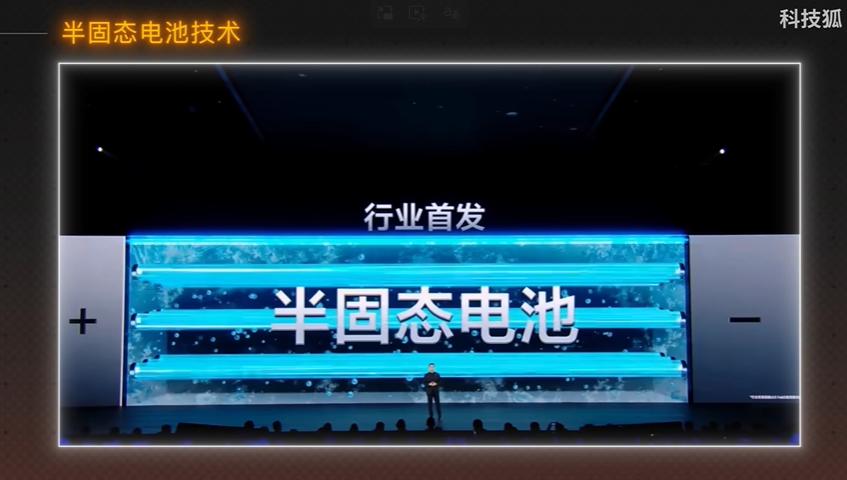
By introducing high - molecular polymers into the electrolyte, a microscopic polymer network is constructed.
This network not only restricts the random movement of the solvent and reduces side reactions but also provides mechanical strength like a gel, physically buffering the expansion of silicon particles.
3. Silicon is a semiconductor, and its electrical conductivity is far inferior to that of graphite.
To ensure smooth flow of electricity inside the battery, the supply chain has fully switched to single - walled carbon nanotubes. In this regard, Tiannai Technology in China is a representative.
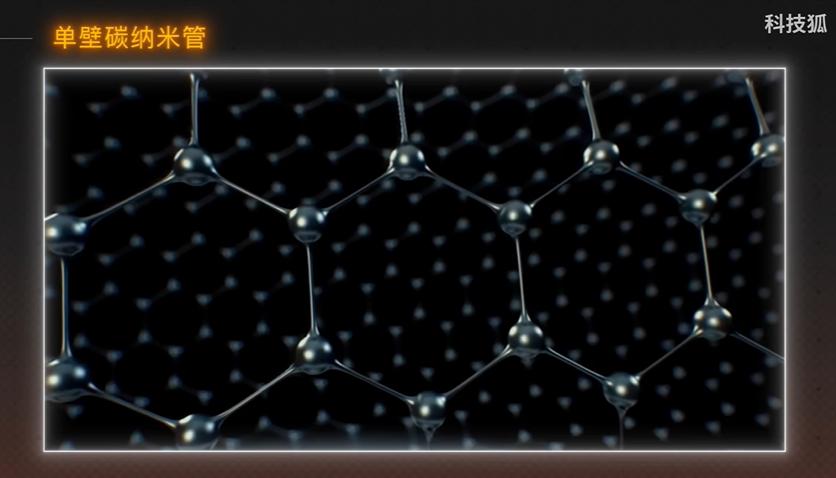
Simply put, carbon nanotubes are like a highly conductive neural network built inside the battery, tightly holding the dispersed silicon particles together. This is a crucial step for large - capacity batteries to work normally.
4. Another drawback of silicon anodes is that they consume a large amount of lithium during charging, resulting in permanent capacity loss.
To make up for this loss, companies like CATL have introduced pre - lithiation technology.
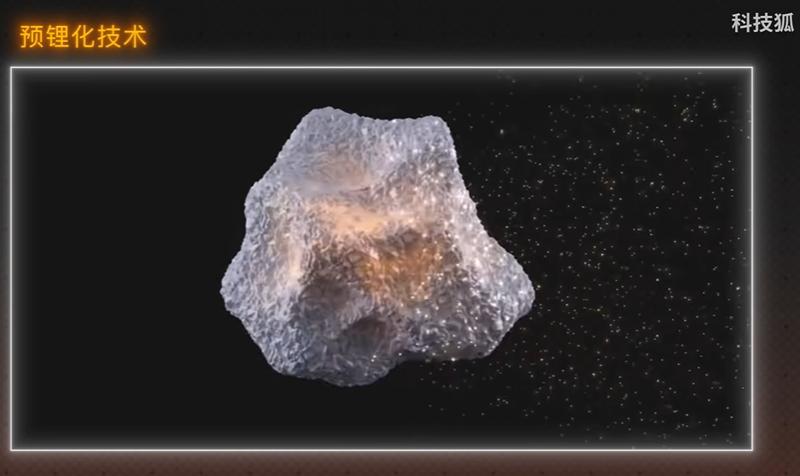
This is an extremely difficult process. It's like injecting a certain amount of active lithium into the anode before the battery leaves the factory. The main purpose is to make up for the lithium ions consumed during the formation of the SEI film and irreversible reactions during the first charging.
So, now large - capacity batteries are available on the market. However, as the battery capacity increases, we've noticed an obvious phenomenon: the high - power fast - charging competition that was so fierce in previous years has suddenly died down.
Previously, we could see phones with over 200W fast - charging and even concept phones with 320W fast - charging. At that time, manufacturers were so obsessed with fast - charging that they seemed to have lost all sense of proportion. But in the past two years, the charging power of new phones has mostly returned to below 120W.
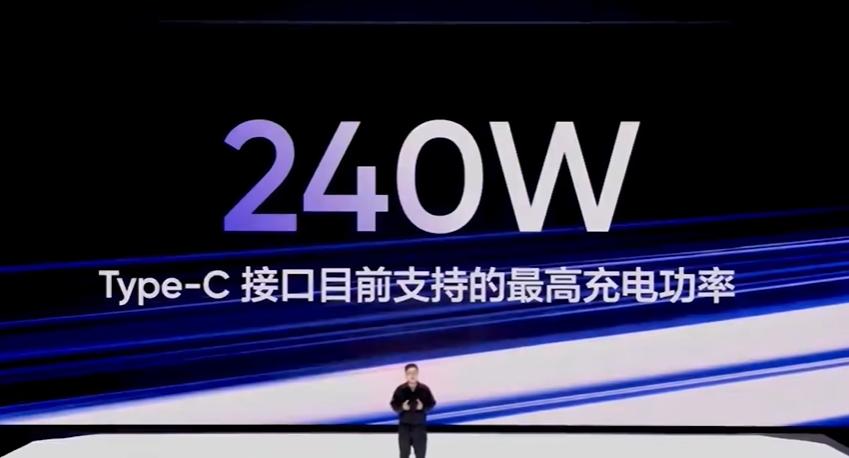
So why does charging become slower when the battery capacity increases? There are mainly two reasons.
The first reason comes from the silicon material itself.
We all know that graphite is a good conductor, and electrons move very fast in it. However, silicon is essentially a semiconductor, and its electrical conductivity is far inferior to that of graphite. According to Joule's law (heat = current squared × resistance), which even second - graders learn, when a high - power fast - charging current flows in, due to the higher resistance of the silicon material, a large amount of heat will be generated. If we force ultra - high - power fast - charging, the inside of the battery will instantly become like a "pressure cooker", and the temperature control system won't be able to handle it.
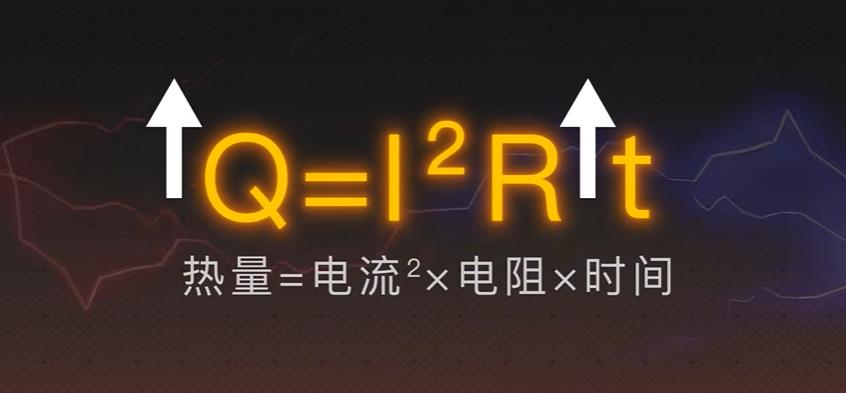
The second reason is that the movement speed of lithium ions in silicon is too slow.
We can imagine the process of charging a battery as a subway station during the morning rush hour: high - power fast - charging is like a fully - loaded subway arriving at the station, with thousands of passengers (lithium ions) pouring out at once and rushing towards the exit. However, the internal structure of the silicon anode is like an old - fashioned station with only one turnstile, with extremely low throughput efficiency (low diffusion coefficient).
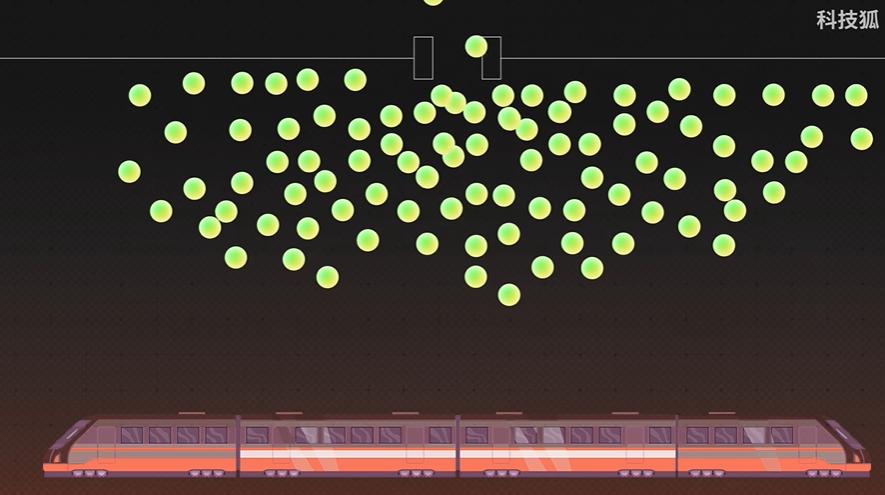
This leads to a situation where if we use high - power fast - charging, the lithium ions flowing in from the outside don't have enough time to enter the internal structure of silicon and can only accumulate on the surface of the electrode. If too many accumulate, these lithium ions that can't get in will solidify on the surface of the anode and turn back into metallic lithium. This not only causes permanent capacity loss but also poses a greater danger: these metallic lithium will grow sharper like icicles on an eave, forming lithium dendrites, which will eventually pierce the battery separator, causing a short - circuit or even an explosion. This is the lithium plating phenomenon.

In addition to the limitations of the material itself, the change in battery structure is also an important reason for the decline of fast - charging. If you like watching phone disassembly videos, you'll notice that the dual - cell design, which was standard for high - power fast - charging in the past, has disappeared, and is now replaced by single - cell designs across the board.
To understand why single - cell batteries can't achieve high - power charging, we only need to look at a physics formula that second - graders learn: P = UI (power = voltage × current).
The voltage of a single lithium - ion battery is generally fixed. If we want to forcefully increase the charging power of a single - cell battery, and since the voltage can't be changed, the only way is to increase the current drastically.
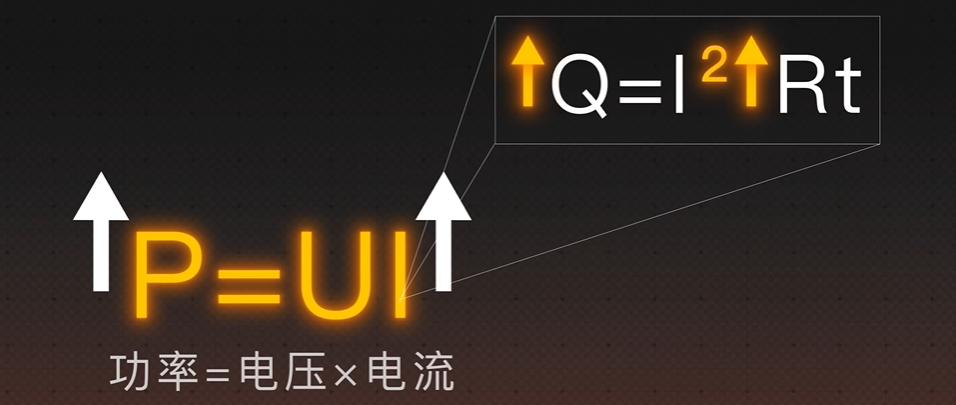
However, don't forget Joule's law we mentioned earlier. The heat generation increases exponentially with the square of the current. Ex