Autoimmune ADC is on the verge of an explosion.
ADC has become one of the most promising therapeutic strategies in the current innovative drug field.
At this year's J.P. Morgan Healthcare Conference, many multinational corporations (MNCs) explicitly included ADC in their core technology platforms in their R & D plans. Whether it is single - drug R & D or combination therapy, the importance of ADC in oncology pipelines continues to increase, making it a core direction for industry giants.
However, the potential of ADC is not limited to the oncology field. From a treatment logic perspective, the characteristics of ADC, "precise targeting + potent killing", precisely meet the core requirements of autoimmune diseases for "precise intervention and long - term control".
In fact, the exploration of autoimmune ADC has long been initiated. As a leading company in the global autoimmune field, AbbVie took the lead in making attempts. Unfortunately, its two autoimmune ADC drugs, ABBV - 3373 and ABBV - 154, were successively terminated due to issues such as insufficient druggability and the risk of glucocorticoid exposure, leaving both experience and challenges for the field.
However, the setbacks of the pioneers did not stop the exploration. Today, in the emerging field of autoimmune ADC, Chinese biopharmaceutical companies have changed from followers to core participants. Many domestic pharmaceutical companies, such as InnoCare Pharma, Hengrui Medicine, and Simcere Pharmaceutical, have all deployed multiple autoimmune ADC pipelines and advanced them to the clinical stage.
Although the precise treatment of autoimmune diseases driven by ADC is still in the early exploration stage, and its clinical value and mechanism of action still require more conclusive clinical data, it is undeniable that an innovation competition around autoimmune ADC has quietly begun.
The Next - Generation Autoimmune Drugs
The exploration of drugs for autoimmune diseases never stops.
In the past two decades, the treatment of some autoimmune diseases has witnessed leap - forward development. From the past when first - line treatments mainly relied on hormones and traditional immunosuppressants to the continuous validation of targets such as TNF, IL - 6, IL - 17, BAFF, and CD20, the treatment has moved towards a more precise direction, and the control of patients' disease activity has been significantly improved.
However, there is still a huge room for improvement. On the one hand, only a few diseases can achieve precise treatment. On the other hand, even for precise treatment, there are still a series of problems such as efficacy, compliance, and safety.
Therefore, there are still real unmet needs in the current autoimmune field. More precise and long - term sustainable immune regulation is the pursuit of "next - generation" autoimmune drugs, and ADC shows great potential in this context.
Different from the oncology field, which emphasizes "cell clearance", the core of autoimmune ADC is to precisely deliver the payload to pathogenic immune cells by targeting immune cells with specific phenotypes (such as autoreactive B cells or T cells), which can inhibit the inflammatory response while preserving the overall immune function as much as possible.
This concept of high targeting and functional removal means that autoimmune ADC has both higher efficacy and lower systemic toxicity.
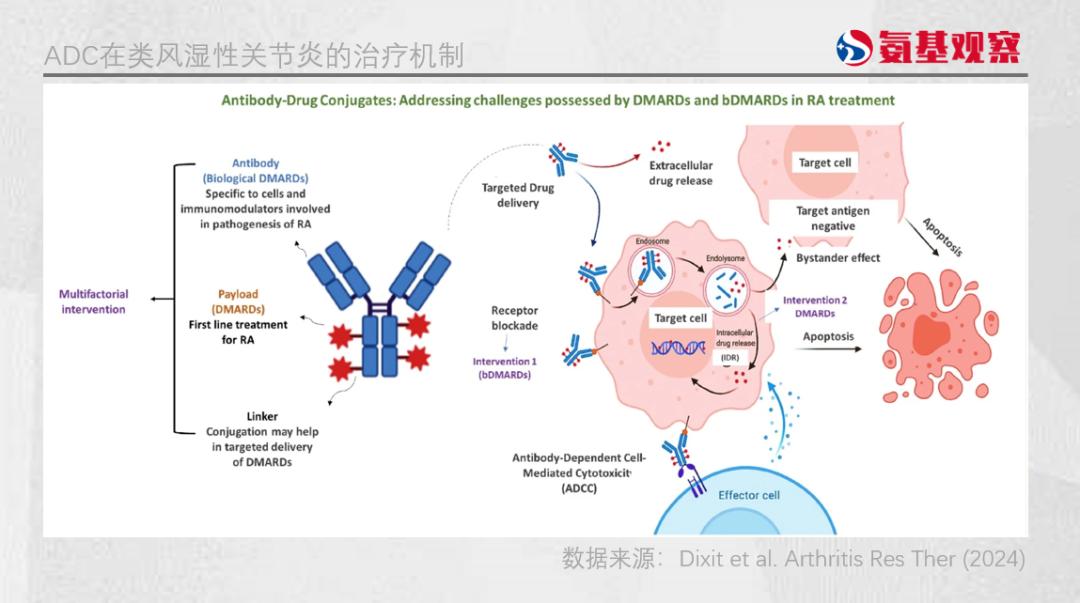
More importantly, the requirements for the treatment of autoimmune diseases are not only "rapid onset of action" but also long - term control. In chronic autoimmune diseases such as systemic lupus erythematosus and rheumatoid arthritis, over - activation and continuous loss of control of the immune system are the most typical characteristics.
ADC inherits the pharmacokinetic advantages of its antibody component, especially a longer plasma half - life. Compared with traditional small - molecule drugs, it requires a lower dosing frequency, enabling treatment once a week or every few weeks. Moreover, the targeting of ADC allows it to use a lower dose than systemic treatment while maintaining stable disease control.
For this reason, the successful transformation of ADC from oncology to autoimmune diseases lies in its advantages in targeting, delivery efficiency, and safety, which precisely address the long - standing pain points of traditional autoimmune drugs.
The Pioneer: AbbVie
The practice has long begun.
After the patent cliff of Humira, two autoimmune drugs, Skyrizi and Rinvoq, quickly filled the sales growth gap for AbbVie in the autoimmune field, confirming its "dominance" in this area.
Before the full - scale explosion of oncology ADC, as one of the earliest multinational pharmaceutical companies to deploy ADC, AbbVie had already tried to introduce ADC technology into the field of immune inflammation. ABBV - 3373 and ABBV - 154 are two key projects in this direction.
Among them, ABBV - 3373 uses adalimumab as the antibody backbone and is connected to a glucocorticoid receptor modulator as the payload, aiming to directly deliver the anti - inflammatory effect to activated immune cells.
In early - stage clinical trials, ABBV - 3373 showed impressive efficacy signals. In a phase 2 head - to - head study against adalimumab for moderate - to - severe rheumatoid arthritis, at week 12, the decrease in DAS28 - CRP score in the ABBV - 3373 group was more significant than that in the adalimumab group (-2.65 vs -2.29; p = 0.022).
Notably, among the 17 patients who achieved low disease activity at week 12, 70.6% still maintained this state at week 24 after drug withdrawal. This result was once regarded as key evidence that autoimmune ADC is expected to achieve long - term deep remission.
However, problems soon emerged. Since the payload is a steroid, the risk of long - term exposure always exists. Four adverse events were reported in the ABBV - 3373 treatment group, including one case of anaphylactic shock.
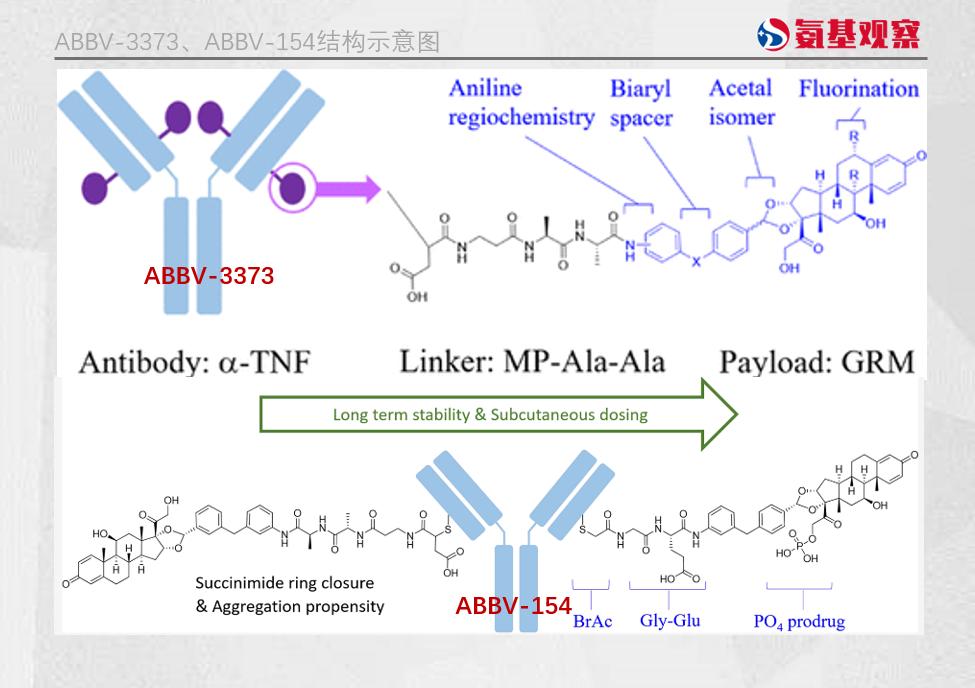
ABBV - 154 also faced similar challenges. It was originally based on ABBV - 3373, and AbbVie optimized the linker and payload to improve its druggability.
Although ABBV - 154 achieved statistically significant improvements in all key efficacy endpoints in a phase 2 clinical trial for polymyalgia rheumatica, two cases of tumors occurred during the study, which were considered possibly related to the drug after evaluation. Moreover, compared with other competing products, the benefit - risk ratio of this drug was insufficient, and finally AbbVie terminated its R & D.
Even so, AbbVie's withdrawal did not end this technical route. Instead, it sent a key signal to the industry: the efficacy logic of autoimmune ADC is valid, and it is expected to achieve continuous deep remission.
Differentiated Competition Has Begun
Today, the field of autoimmune ADC is becoming increasingly active. Although it is still in the early stage, "differentiated" competition in terms of target selection, dosage form, and indication has already started.
In terms of target selection, B cells, T cells, and molecules related to their activation pathways remain the focus of autoimmune ADC. The application potential of antibody targets such as BCMA, CD19, and CD20 in ADC has been rediscovered. ADCs targeting IL - 7R, IL - 6, CD45, etc. have completed validation in animal models, covering multiple indications such as arthritis, transplant pre - treatment, and scleroderma.
Lifordi represents another approach. Its autoimmune ADC drug, LFD - 200, targets VISTA. VISTA is a cell - surface protein specifically expressed on immune cells. After being bound by an antibody, it can be rapidly endocytosed and accumulate intracellularly, which helps the ADC payload efficiently enter target cells while reducing off - target toxicity.
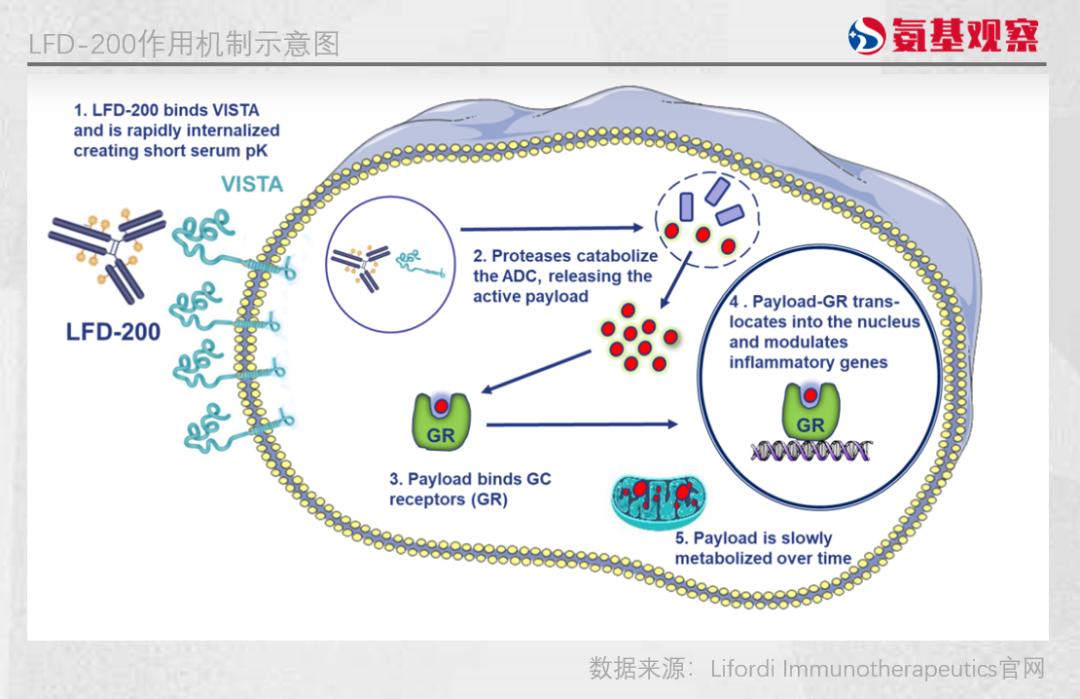
Non - clinical data disclosed at ACR 2025 showed that continuous 13 - week administration of LFD - 200 could maintain glucocorticoid exposure in immune cells, and no systemic toxicity was observed. This result helped the company obtain a $42 million strategic investment from Sanofi Ventures.
In this round of layout of autoimmune ADC, domestic biopharmaceutical companies are at the forefront.
InnoCare Pharma has developed an autoimmune ADC targeting BDCA2, DB - 2304, based on its DIMAC platform. Data from healthy subjects disclosed at the AIC2025 conference showed that at a dose of 1mg/kg Q4W, the occupancy rate of the BDCA2 receptor could be maintained above 95%. Currently, the first patient has been dosed in its phase 2 clinical study for SLE.
Meanwhile, domestic pharmaceutical companies' innovation in dosage forms is further opening up new possibilities. Hengrui's SHR4597 is an inhaled IL - 4R ADC for the treatment of asthma. Through local administration, it further reduces systemic exposure. In April 2025, a phase 2 clinical study of this drug was initiated, but patient recruitment has not started yet.
For the same target, BR2060 of Boerui Biotech was submitted for clinical trials in January 2026 and was accepted by the CDE. It is another IL - 4R ADC to enter the clinical stage after SHR - 4597. Simcere Pharmaceutical's SIM0708 is currently in the pre - clinical stage.
In addition, some mature oncology ADC drugs are "crossing over" into the autoimmune field. The CD30 ADC Brentuximab Vedotin, used for the treatment of Hodgkin lymphoma, has launched a feasibility clinical exploration trial for early - stage diffuse cutaneous scleroderma.
Although autoimmune ADC has not yet produced successful drugs, the early - stage clinical efficacy shows hope for long - term treatment. We are waiting for a major breakthrough.
This article is from the WeChat official account "Amino Observation". The author is Amino Jun. It is republished by 36Kr with permission.