Mercedes-Benz and BMW's sales targets have reverted to those of a decade ago.
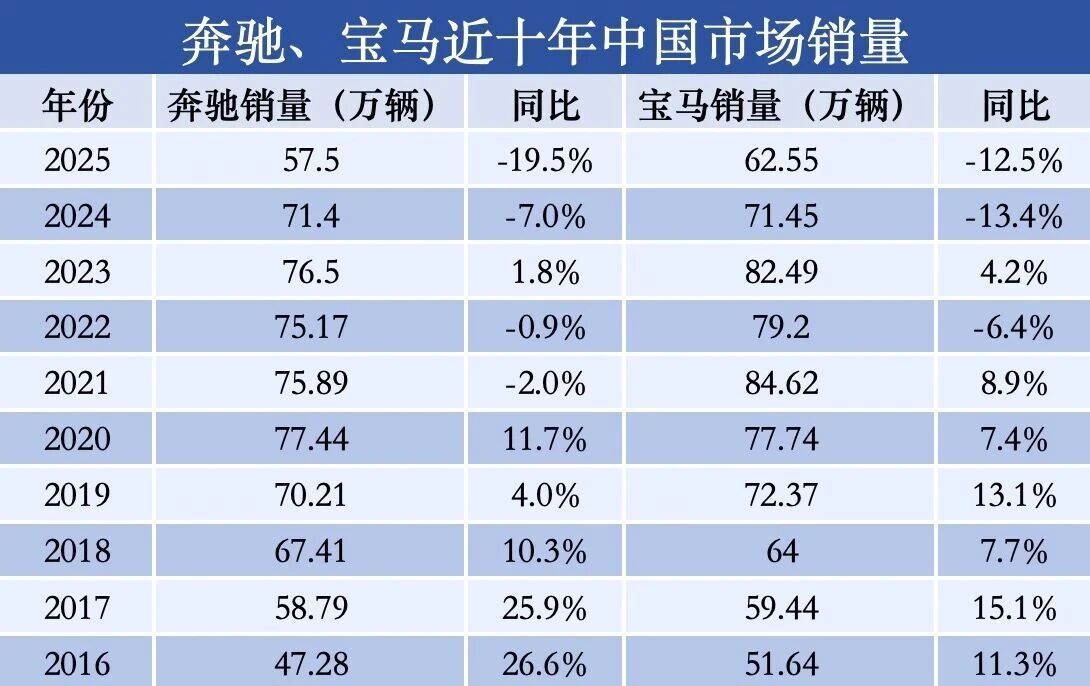
After a decade, the sales volumes of Mercedes-Benz and BMW seem to have come full circle and returned to where they started.
Recently, it was reported that Mercedes-Benz and BMW have provided their domestic supply chains with their estimated annual sales volumes for 2026, both of which are less than 500,000 units. This figure is similar to their annual sales volumes in the Chinese market in 2016. In that year, Mercedes-Benz's cumulative sales in China reached 470,000 units, a year-on-year increase of 26.6%; BMW's cumulative sales in China reached 516,000 units, a year-on-year increase of 11.3%.
However, the situation is very different now. In 2025, Mercedes-Benz's sales in China were 551,900 units, a year-on-year decline of 19%; BMW's were 625,500 units, a year-on-year decline of 12.5%. This is the second consecutive year of sales decline for both companies.
What's even more alarming is that before 2025, the impact of domestic new energy vehicle brands on traditional luxury brands was mainly concentrated in the 300,000-yuan market segment. But in 2025, this battle has spread to the core market segment above 400,000 yuan. For popular models like the BMW 5 Series and Mercedes-Benz E-Class, even though the terminal discount prices have dropped by more than 100,000 yuan, it's still difficult to reverse the downward sales trend.
The collapse of the price system has, to some extent, shaken the foundation of the brand premium of Mercedes-Benz and BMW and triggered a chain reaction. In the past year, many 4S stores of Mercedes-Benz and BMW dealers have chosen to close their stores or withdraw from the network and switch to new energy vehicle brands.
In sharp contrast, Chinese brands are showing a continuous and positive growth momentum. Many Chinese high-end brands have set their sales targets for 2026 at 500,000 units or even higher. The sales target of Wenjie is 500,000 units, XPeng's is 550,000 - 600,000 units, and Xiaomi is aiming for 550,000 units.
In 2025, the total sales volume of the Chinese passenger car market (excluding exports) reached 24.065 million units, an increase of 132,000 units compared with 2016. The market volume has returned to a historical high. During the years when the automotive market was in continuous decline (2017 - 2022), the BBA brands were booming. In the past three years when the market recovered, the BBA brands have quietly returned to where they were, missing out on the dividends of the new energy vehicle growth.
In 2026, Mercedes-Benz and BMW will launch a new round of offensive with new energy vehicles, but the overall market demand is starting to decline, which further intensifies the challenges.
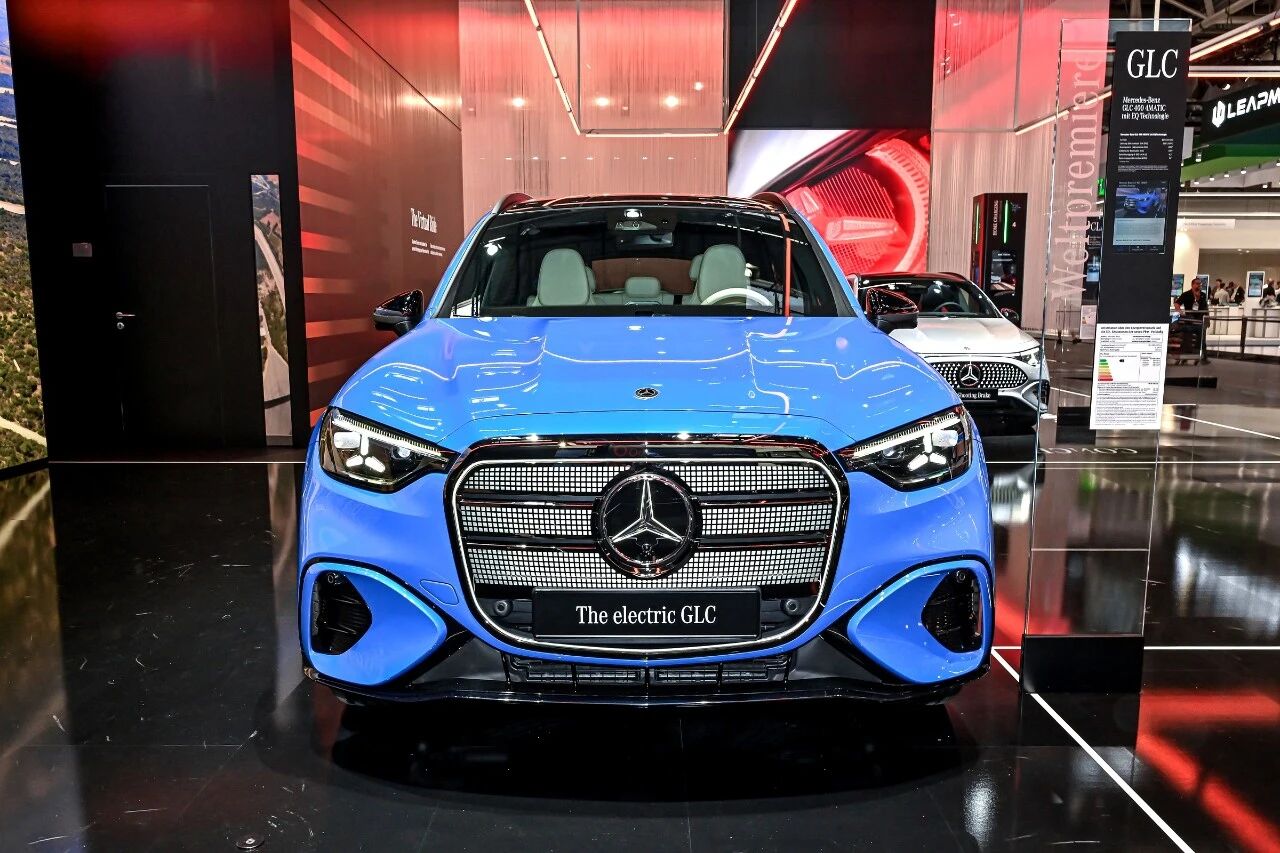
It is reported that Mercedes-Benz plans to launch more than 15 new models this year, including both gasoline and electric vehicles, covering all market segments. At the same time, Mercedes-Benz is also accelerating its cooperation with Chinese technology companies, including Momenta, ByteDance, Tencent, etc. It hopes to leverage local technological strength to make its cars more intelligent and more in line with the usage habits of Chinese users.
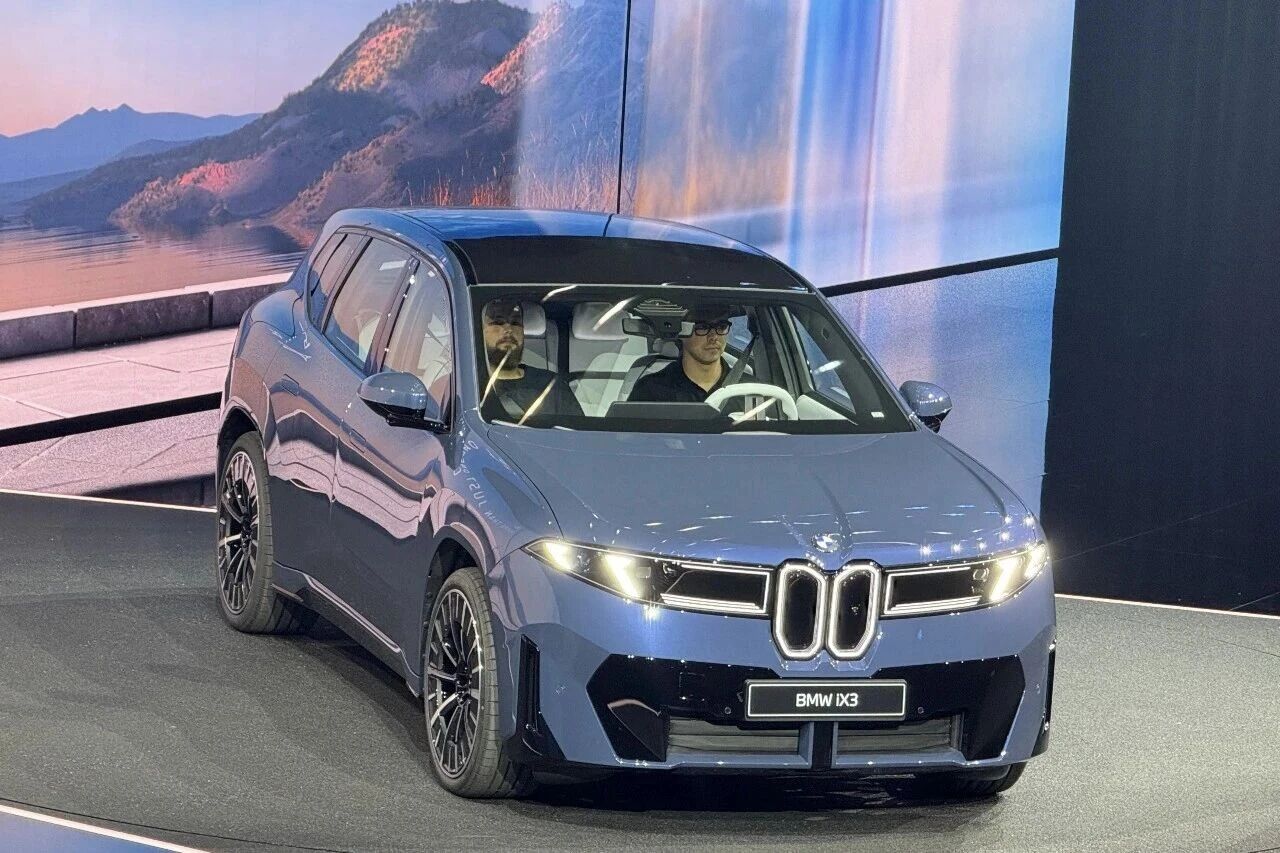
BMW plans to launch about 20 new products in China, including the domestically produced and lengthened version of the iX3, the first model of the "New Generation" project. It is reported that this car is built on BMW's new electric platform, integrating the latest technologies such as BMW's new-generation electric drive, the super brain for driving control, and the first panoramic iDrive. In terms of intelligent driving, it is also cooperating with the Chinese company Momenta.
Whether these plans will be effective remains to be seen. After all, the Chinese market is changing at a very fast pace, and domestic new energy vehicle brands are making new moves almost every month. It takes time for Mercedes-Benz and BMW to plan and launch new models. By the time these cars are actually launched in the market in 2026, their competitors may have already entered the next product cycle.
In 2026, Mercedes-Benz and BMW are not facing an ordinary model replacement, but a battle for survival on a new track.
This article is from the WeChat official account "AutoReport" and is reprinted by 36Kr with permission.