Thirteen years of strategic planning, and a sudden leapfrog: The real story of Google AI's rise
In August 2025, an image generator called Nano Banana topped the LMArena rankings. Later, the Gemini App became the most downloaded app in the Apple Store, and OpenAI issued a Code Red internally. However, few people know that the starting point of this comeback was a secret auction at a casino hotel in Lake Tahoe in 2012. Over the next thirteen years, Google acquired DeepMind, invented the Transformer, developed its own TPU chips, was impacted by ChatGPT, and faced the failure of Bard. It wasn't until the return of founder Sergey Brin and core talent Noam Shazeer that Google achieved an overtaking in 2025. This is a story about talent, time, and long - termism.
At 2:30 a.m. on a day in August 2025.
Naina Raisinghani, an AI project manager at Google, was sitting in front of her computer, ready to upload the latest result from the DeepMind lab - an ultra - fast image generator - to the LMArena ranking platform.
The system required a name for submission.
No one was online at this hour.
So she casually combined two nicknames her friends gave her: Nano Banana 🍌.
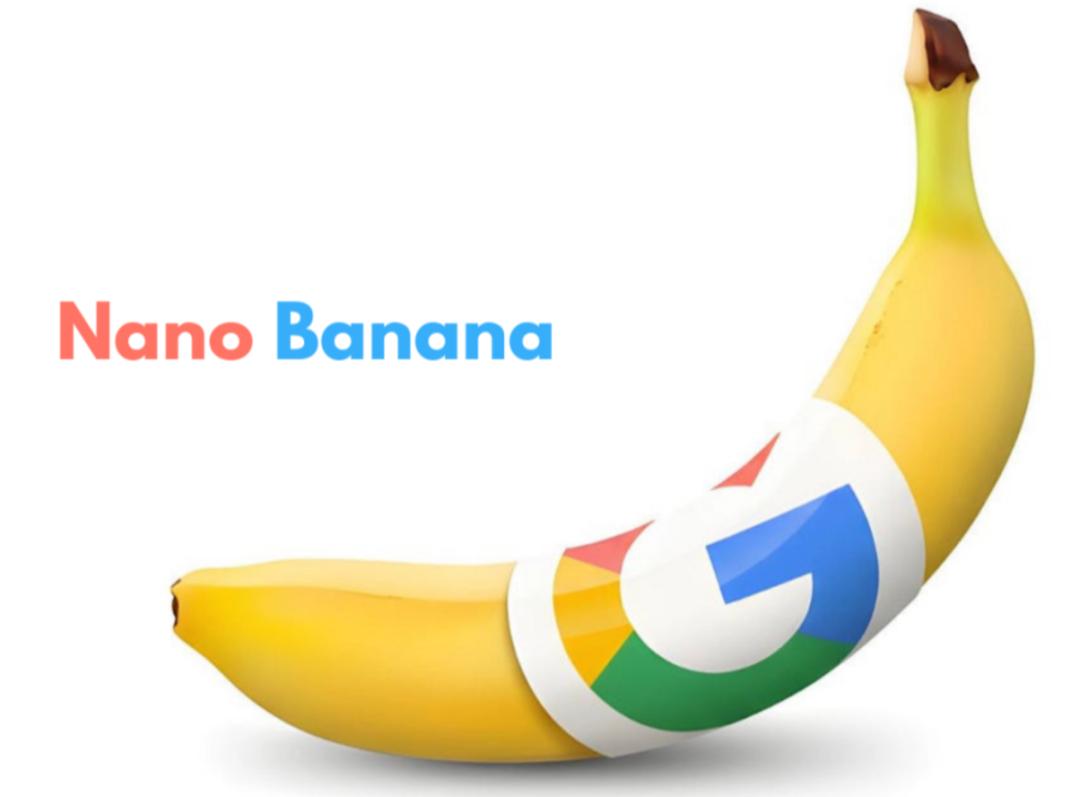
A few days later, Nano Banana reached the top of the rankings and became a hot topic on X. Global users generated billions of images.
Google couldn't find enough computing power for a while and had to urgently borrow servers.
Josh Woodward, the person in charge, later called this release a "successful disaster".
By September, the Gemini App became the most downloaded app in the Apple App Store. In November, Google released the most powerful Gemini 3 model to date, surpassing ChatGPT in multiple metrics, and its stock price soared.
The news reached the other end of Silicon Valley, and OpenAI issued a Code Red internally.
If the field of artificial intelligence is a marathon, Google has just completed an epic sprint.
However, few people know that the starting point of this comeback can be traced back to Room 703 of a casino hotel thirteen years ago.
The Stake in Lake Tahoe
One day in early December 2012, a secret auction was taking place at a casino hotel in Lake Tahoe, a ski resort in the United States.
Lake Tahoe is located at the border of California and Nevada. It is the largest alpine lake in North America, with a sapphire - like lake surface and top - notch ski slopes.
The Godfather Part II was filmed here, and Mark Twain lingered here.
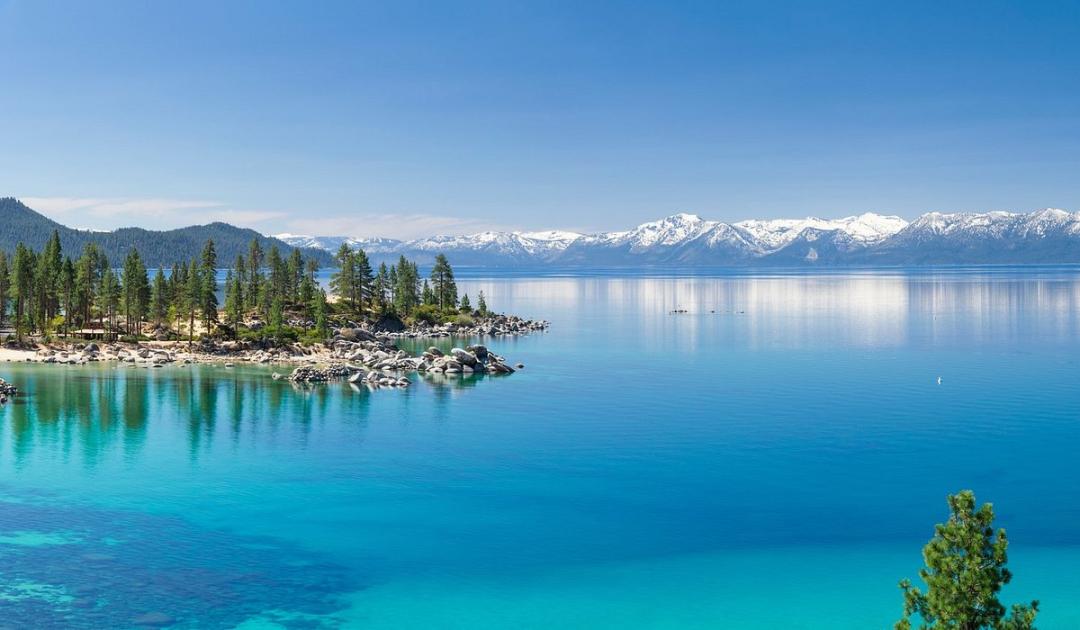
Since it is only more than 200 miles away from the San Francisco Bay Area, it is called the back garden of Silicon Valley - both Zuckerberg and Ellison have bought land here to build mansions.
But on this day, the bigwigs in Silicon Valley didn't come to ski. They were bidding for a person.
The object of the secret auction was a company called DNNresearch that had just been established for one month and had only three employees.
It didn't have any tangible products or assets, but the identities of the suitors hinted at its significance: Google, Microsoft, DeepMind, and Baidu.
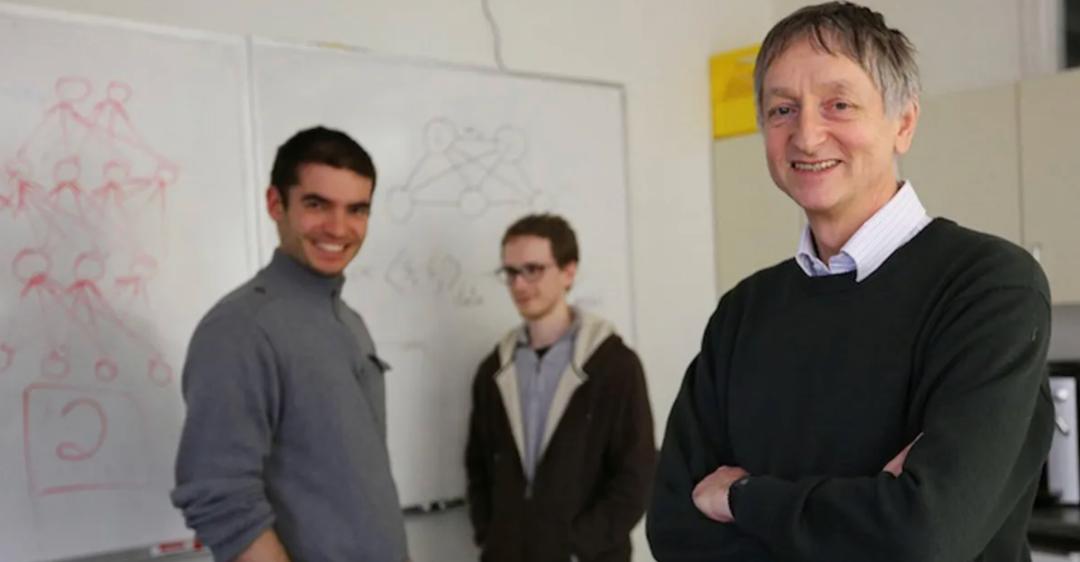
Sixty - five - year - old Geoffrey Hinton was sitting on the floor of Room 703 in the hotel. He was old and thin, suffering from severe lower back pain - he couldn't drive or fly. This professor from the University of Toronto was a master in the field of deep learning. Since he entered the University of Edinburgh in 1972, he had been in this field for 40 years.
He set the rules for the auction: the starting price was $12 million, and each bid increment must be at least $1 million.
A few hours later, the price was pushed up to $44 million. Hinton felt a bit dizzy and thought, "It's like we're making a movie." He firmly stopped the auction and sold the company to the final bidder - Google.
Interestingly, one of the origins of this $44 - million auction was Google itself six months ago.
"Google Cat" and the Oldest Intern
In June 2012, Google's research department, Google Brain, publicly announced the results of a project called "Google Cat".
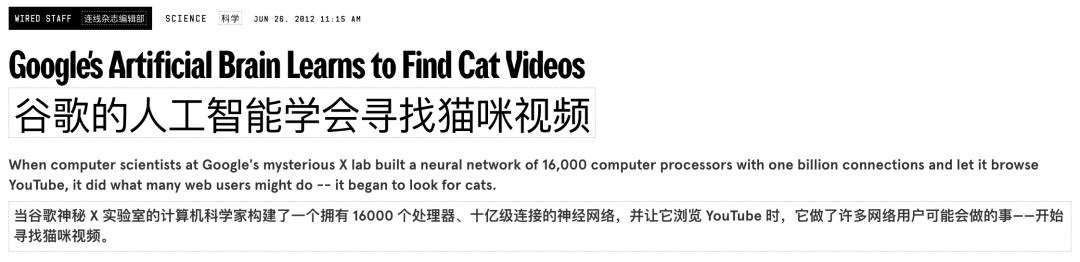
To put it simply, this project used algorithms to identify cats in YouTube videos.
It was initiated by Andrew Ng, who jumped from Stanford to Google, and he invited the legendary Google figure Jeff Dean to join. He also got a large budget from founder Larry Page.
Google Cat built a neural network and used 16,000 CPUs spread across Google's data centers for training, ultimately achieving a recognition accuracy of 74.8%.
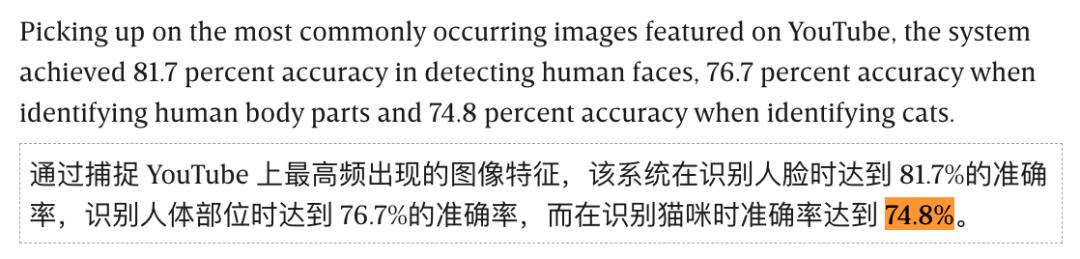
This figure shocked the industry.
But Andrew Ng withdrew from the project before it ended and devoted himself to his own Internet education project. Before leaving, he recommended Hinton to the company to replace him.
Faced with the invitation, Hinton said that he wouldn't leave the university and only wanted to go to Google for a summer.
Due to the special recruitment rules at Google, 64 - year - old Hinton became the oldest summer intern in Google's history.
After this intern learned the technical details of the Google Cat project, he immediately saw the hidden flaws behind its success. He later said: "They ran the wrong neural network and used the wrong computing power."
Hinton believed that he could do better for the same task.
So after the short internship ended, he immediately took action.
Hinton recruited two of his students, Ilya Sutskever and Alex Krizhevsky. Both were Jewish people born in the Soviet Union. The former had great mathematical talent, and the latter was good at engineering implementation. The three worked closely together to create a new neural network and participated in the ImageNet image recognition competition.
In October 2012, the champion algorithm AlexNet from Hinton's team won the championship with an astonishing recognition accuracy of 84%.
Compared with Google Cat, which used 16,000 CPUs, AlexNet only used 4 NVIDIA GPUs.
The academic and industrial circles were completely shocked.
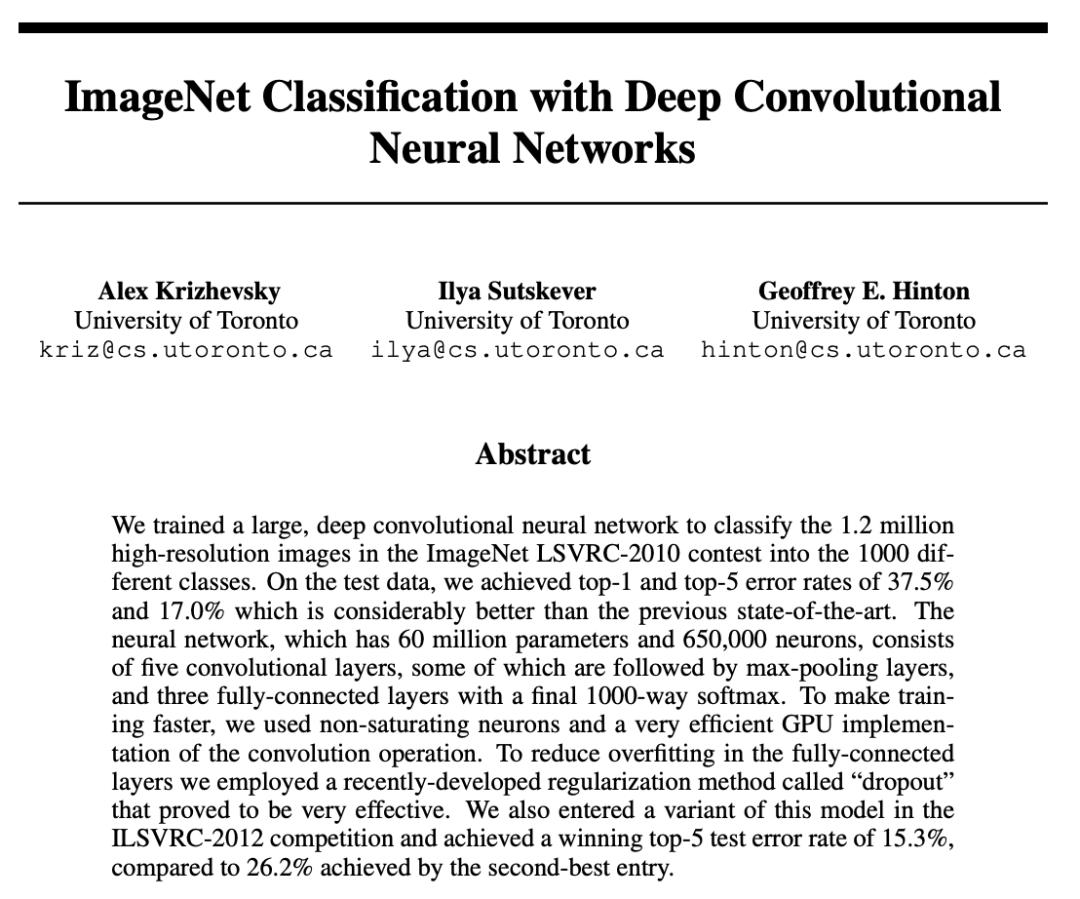
The paper on AlexNet became one of the most influential papers in the history of computer science, and it has been cited more than 120,000 times so far. Meanwhile, Google Cat was quickly forgotten.
The $44 million in Lake Tahoe re - priced the world's top deep - learning experts. In front of that price, the $1 - million Turing Award seems like pocket money.
All Heroes in the World Are in the Net
After acquiring Hinton's team, Google continued to make efforts.
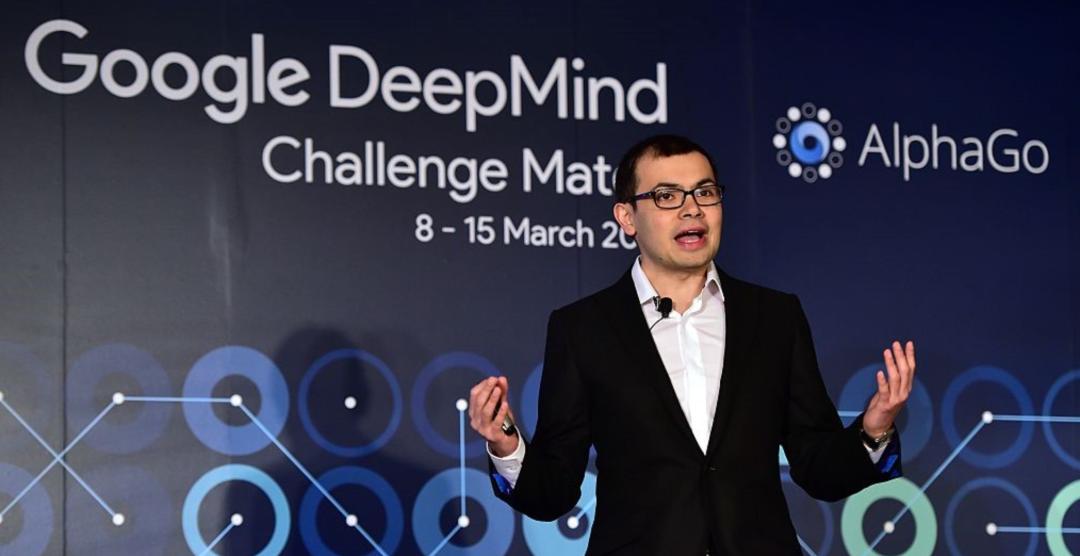
In January 2014, Google acquired DeepMind, a company that had competed with it in the Lake Tahoe auction, for approximately $600 million.
The founder of this London - based company, Demis Hassabis, was a chess prodigy. He started playing chess at the age of 4 and became a chess master at 14.
Elon Musk once recommended this company he invested in to Google founder Larry Page.
In order to take Hinton to London to assess the strength of DeepMind, the Google team chartered a private plane and modified the seats because Hinton's back problem made it impossible for him to take a regular plane.
After the acquisition, Google's AI landscape had gathered the top deep - learning talents at that time.
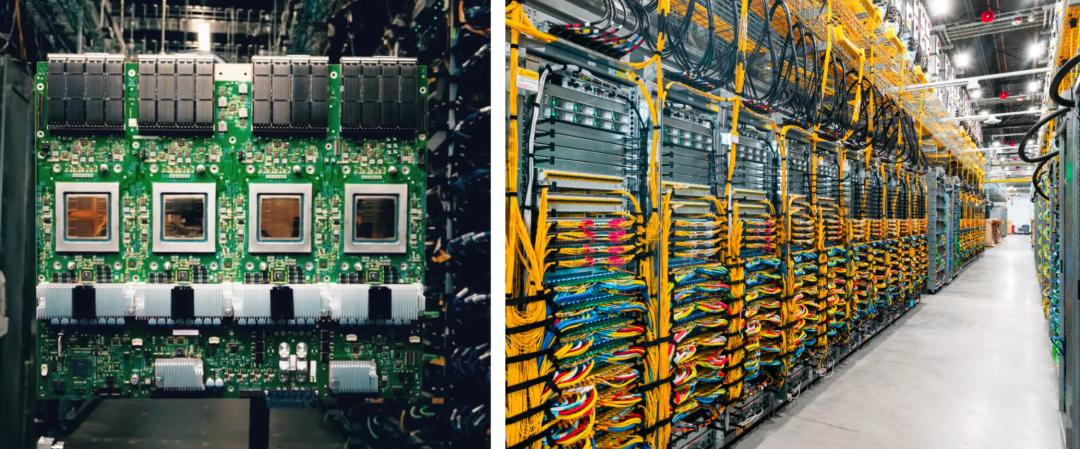
Meanwhile, a less noticeable project was quietly underway: Google started to develop its own AI chips.
They believed that applications like speech recognition would require a large amount of computing power, so they designed the TPU (Tensor Processing Unit), which is more power - efficient than traditional CPUs and GPUs.
This move didn't seem significant at that time.
But more than a decade later, it would become the key weapon for Google to overtake its competitors.
Transformer: The Paper That Changed the World
In March 2016, DeepMind's AlphaGo defeated the world - champion Go player Lee Sedol 4:1, shocking the world.
This was the first time that AI defeated a top - level human player in such an extremely complex strategy game.
That year, Sundar Pichai had just taken over as Google's CEO. He wrote in his blog: "The past decade was the era of smartphones, and the next decade will be the era of AI - first."
In June 2017, a Google team published a paper titled "Attention Is All You Need". Eight Google scientists proposed the Transformer model - a new architecture that completely abandoned recurrent neural networks and was entirely based on the attention mechanism.
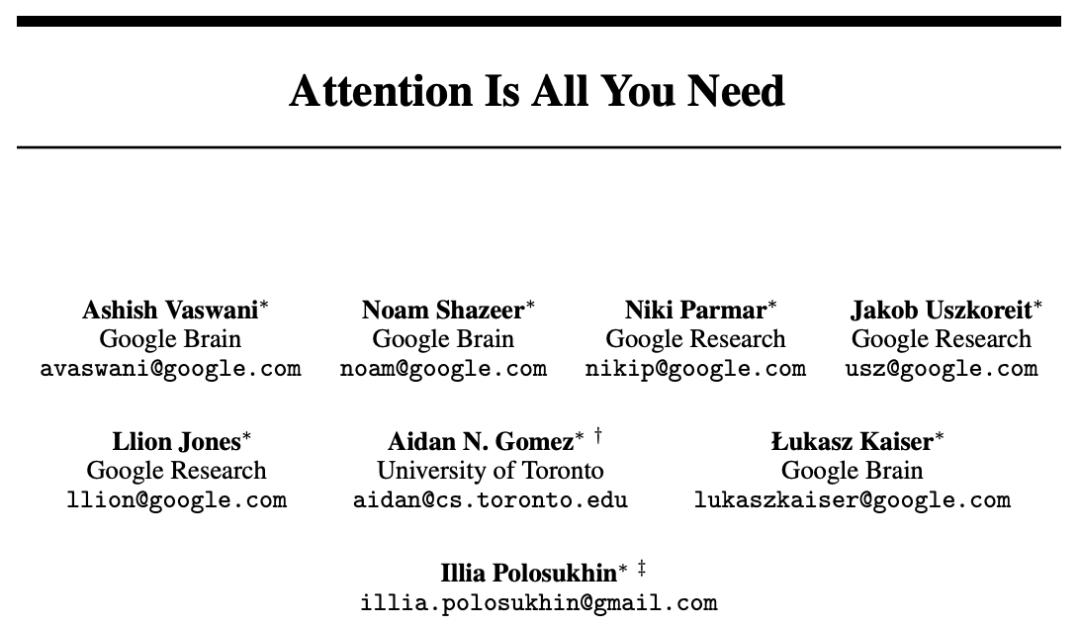
This paper initiated the current era of large - scale models. ChatGPT, Claude, Gemini... all the most powerful AI models today are based on the Transformer.
As of 2025, this paper has been cited more than 173,000 times, ranking among the top ten most - cited papers in the 21st century.
Ironically, all eight authors later left Google to found or join other companies.
One of them is Noam Shazeer.
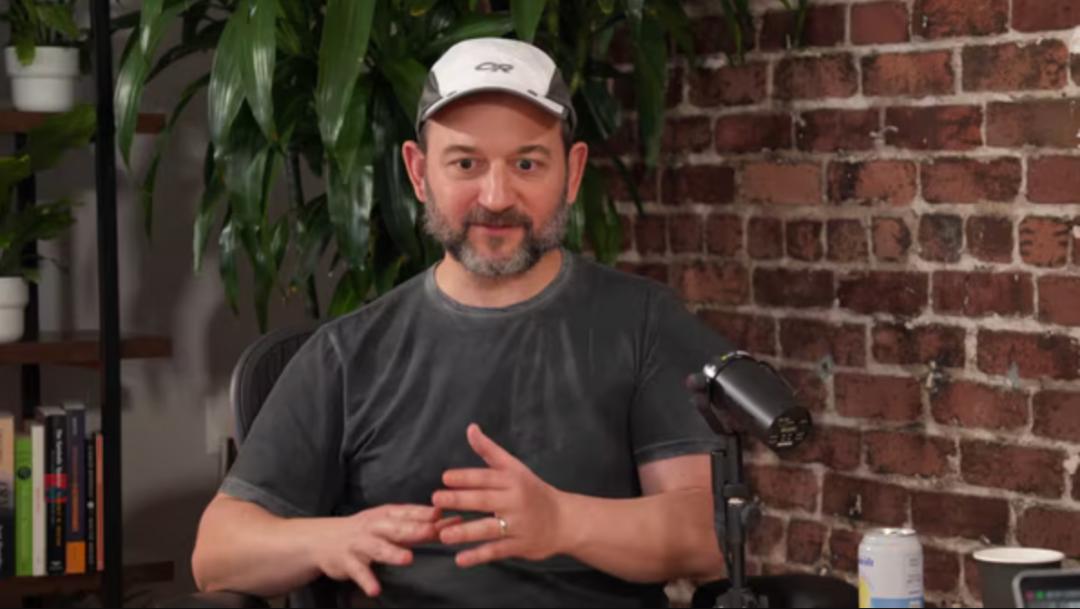
Remember this name.
The Impact of ChatGPT
Although Google had the strongest technological accumulation and the top - notch talents, it had always been extremely cautious in the field of chatbots.
In May 2021, Google released LaMDA, a large - scale dialogue model based on the Transformer.
But it was only open for testing to a few people with many restrictions. In August 2022, Google launched the test application AI Test Kitchen, which had three functions: Imagine It, List It, and Talk about Dogs.
Yes, the third function could only talk about dogs.
Google's executives and researchers were worried about security issues. Early models were easily induced to give racially - discriminatory or gender - discriminatory responses. Julia Winn, a former Google Brain employee, said that Google took such risks more seriously than any other company she had worked for.
This caution frustrated some researchers, and some of them chose to leave.
Then, on November 30, 2022, OpenAI released ChatGPT.
Within five days, one million people registered. Users had few restrictions and could talk about anything they wanted.
Some Google employees who had been working in AI for many years were extremely angry.
Analysts and investors began to question: Was Google going to miss the next big wave in the history of technology?
The Failure
In January