Is the mass production of solid-state batteries a reality? Beware of being deceived.
China, Japan, and South Korea have been fiercely competing for the dominance of solid-state batteries, never expecting a small Finnish company to win effortlessly.
At the CES exhibition at the beginning of the year, Donut Lab, a Finnish company established just over a year ago (literally translated as "Donut Lab"), preemptively released the world's first all-solid-state battery that is "mass-producible and can be used in actual vehicles."
According to Donut Lab's official statement, the energy density of its battery, at 400Wh/kg, is still normal. Considering that the theoretical limit of liquid lithium batteries is around 350Wh/kg, 400Wh/kg is relatively modest for an all-solid-state battery.
However, the other parameter specifications of the battery are so excellent that they are almost astonishing: it can be charged to full capacity in 5 minutes and has a cycle life of up to 100,000 times, directly shattering NIO's battery swapping business model; at extreme temperatures of -30°C and 100°C, the battery capacity retention rate is over 99%, making CATL look rather dull.
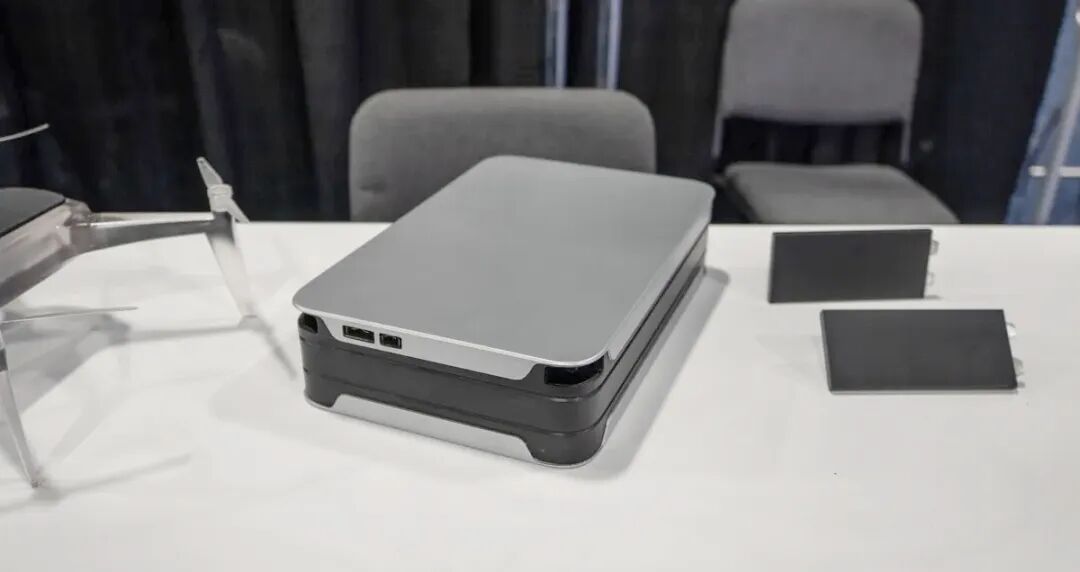
The all-solid-state battery displayed by Donut Lab; Image source: CNET
In addition, this all-solid-state battery is 100% made of green and environmentally friendly materials, contains no rare earths, and has no raw materials involving geopolitical risks, outperforming traditional lithium batteries in terms of spiritual and cultural development.
It's quite possible that there are only two explanations for an unknown Finnish company mass-producing the solid-state battery that East Asian companies have struggled to achieve:
1. The engineers at Panasonic, LG, and CATL are not up to par; 2. It's a hoax.
Three Amateurs
Behind a great invention, there is usually at least one person obsessed with technology. However, among the management team disclosed on Donut Lab's official website, none of them has experience in battery R & D and manufacturing.
Marko Lehtimäki, the CEO, has a rich entrepreneurial experience. He founded a rap group when he was young and later established an IT company, AppGyver, with Finnish rapper Pikku G, which was acquired by SAP in 2021 [1]. However, he has never been involved in the battery industry.
Haydn Baker, the COO, is the only one with experience in the automotive industry. He has a very diverse career, mostly concentrated in the fields of machinery and design, with no relevant experience in electrochemistry.
However, the three of them have a common experience: they all worked at a Finnish electric motorcycle manufacturer, Verge Motorcycles. This company is the parent company of Donut Lab, and its boss is Marko Lehtimäki's older brother.
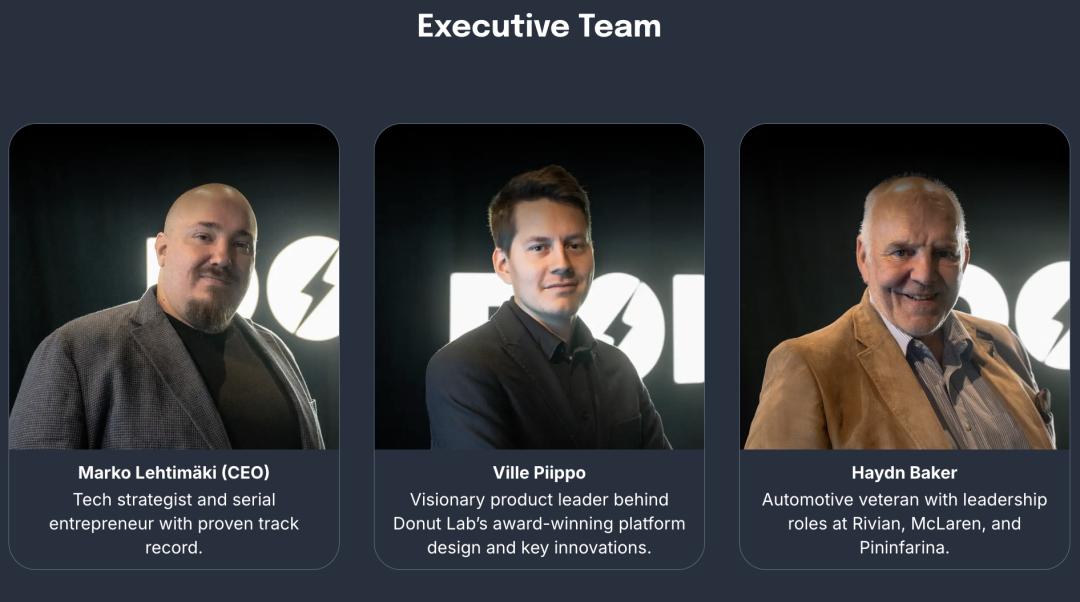
From left to right: the CEO, CTO, and COO of Donut Lab
Verge set its sights on the electric vehicle market in recent years. At the end of 2024, Verge established a technology subsidiary, Donut Lab, and gave the lucrative position of CEO to Marko Lehtimäki, while the other two executives were directly transferred.
Although it lacks the genes for battery production, strictly speaking, Donut Lab's original business was developing electric motors.
At the CES in early 2025, the newly independent Donut Lab released a hub motor that resembles a donut. It is claimed that it can be directly integrated with the wheel rim, and its parameters are also quite amazing: it has the world's largest torque and the highest power density.
At that time, IEEE Spectrum, an authoritative magazine in the field of engineering and technology, severely criticized Porsche, the inventor of the hub motor, saying that the latter was complacent and let a promising technology stagnate [2].
Actually, in 2019, Verge, Donut Lab's parent company, released its first motorcycle prototype, which was equipped with the first-generation donut motor. By the end of 2022, Verge announced that it had received "hundreds of pre - orders" and that its production line was "ready."
However, to this day, this motor is still in the "demonstration" stage.
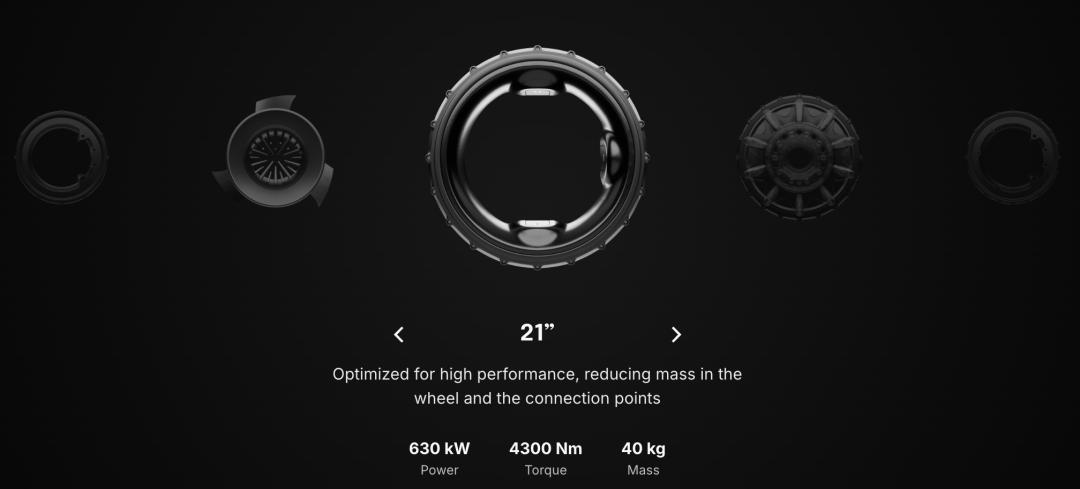
The hub motor (also known as the hubless motor) displayed by Donut Lab at last year's CES
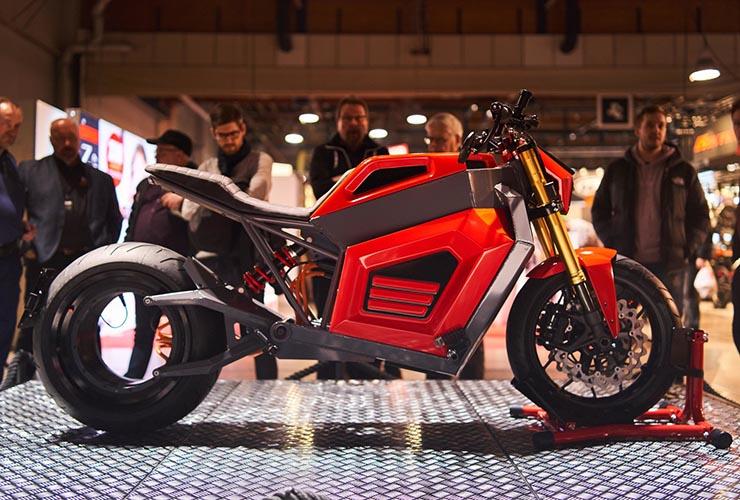
Verge's exhibit at the EICMA in 2019
In 2025, Verge exhibited a new - style motor at the CES. Why did they put the motor business in the subsidiary Donut Lab? Perhaps the reason is that six months after the release of the sci - fi motor, Donut Lab received an investment of 25 million euros.
There is no news about the subsequent progress of the donut motor. In the same place and with the same posture, Donut Lab released an all - solid - state battery that shocked the world.
The Imperfect Battery
Donut Lab's all - solid - state battery unsurprisingly caught the attention of global media. Unexpectedly, its Finnish compatriots were the first to expose the possible fraud.
Ilta - Sanomat, the largest digital media in Finland, was the first to step in. They conducted a comprehensive investigation of Marko Lehtimäki and found that although he was involved in operating dozens of companies, most of them had no real achievements.
Battery experts from local universities are also very skeptical of Donut Lab: If the battery parameter specifications shared by Marko Lehtimäki are accurate, then they should be directly awarded the Nobel Prize in Chemistry.
Objectively speaking, some of the parameters disclosed by Donut Lab do seem to go against industry common sense, such as "charging from 0 to 100% in 5 minutes."
Generally speaking, charging is a process that starts fast and then slows down. The charging speed is fast when the battery has a low charge. After reaching a certain level, it will switch to constant - voltage charging and finally trickle charging. This is related to the chemical properties of the battery and is also to extend the battery life. Therefore, most battery companies will promote "charging 80% in XX minutes."
Taking an electric vehicle with a battery capacity of 60kWh as an example, to fully charge it in 5 minutes (charging rate of 12C), the charging power needs to be at least 720kW. That is to say, Donut Lab, which has been in the battery business for only one year, has reached the level of BYD's megawatt fast - charging technology. BYD should reflect on this.
The all - solid - state battery is the holy grail that the industry is vying for. However, even East Asian manufacturers that have been working on it for many years have unanimously set the mass - production time after 2027.
The biggest feature of solid - state batteries is a significant increase in energy density. Compared with the theoretical limit of about 350Wh/kg for liquid lithium batteries, the industry's goal for all - solid - state batteries is above 500Wh/kg.
On the one hand, since the theoretical energy density (Wh/kg) of the cathode material is directly proportional to the discharge voltage, liquid electrolytes have a voltage bottleneck. Solid electrolytes can provide a wider operating voltage, match high - voltage cathode materials, allow more lithium ions to participate in the reaction, and significantly increase the energy density.
On the other hand, based on solid electrolytes, the anode has the opportunity to use metallic lithium. The specific capacity of a lithium anode is higher than that of a silicon - carbon anode and is about 10 times that of a graphite anode [5]. In liquid electrolytes, metallic lithium will continuously react with the electrolyte, while solid electrolytes can "restrain" the active lithium.
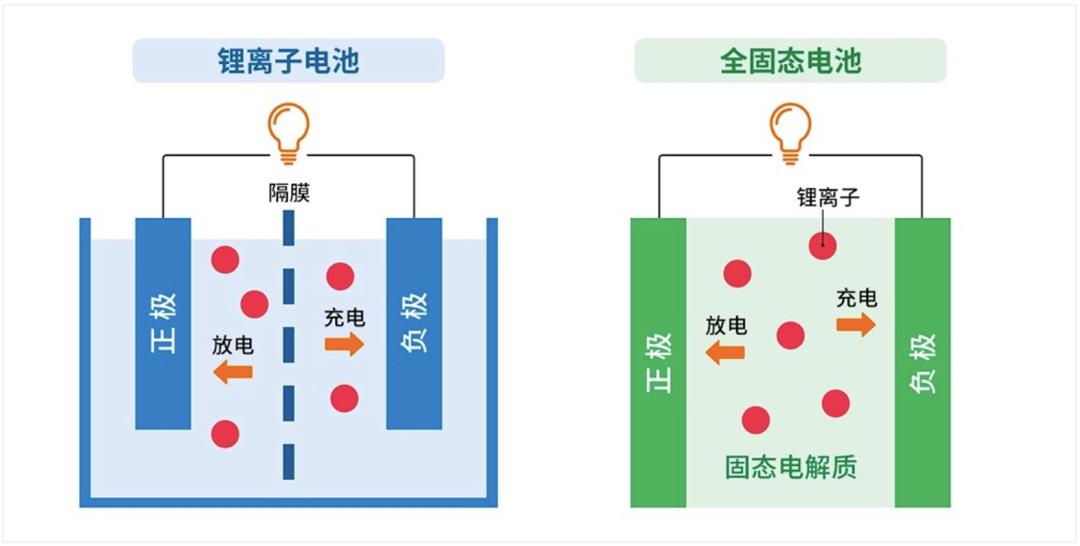
Traditional lithium batteries and all - solid - state batteries
In addition to energy density, the safety of solid - state batteries is theoretically better.
When a liquid lithium battery is externally impacted or lithium dendrites form inside, it may cause the separator, which is thinner than a hair, to rupture. The direct contact between the positive and negative electrodes can cause a short - circuit. Therefore, batteries are usually subjected to needle - penetration tests to observe whether there will be thermal runaway and fire.
In solid - state batteries, the solid electrolyte itself acts as a separator, fundamentally eliminating the possibility of separator rupture. Coupled with the high trigger temperature of thermal runaway in the electrolyte, the safety is several levels higher.
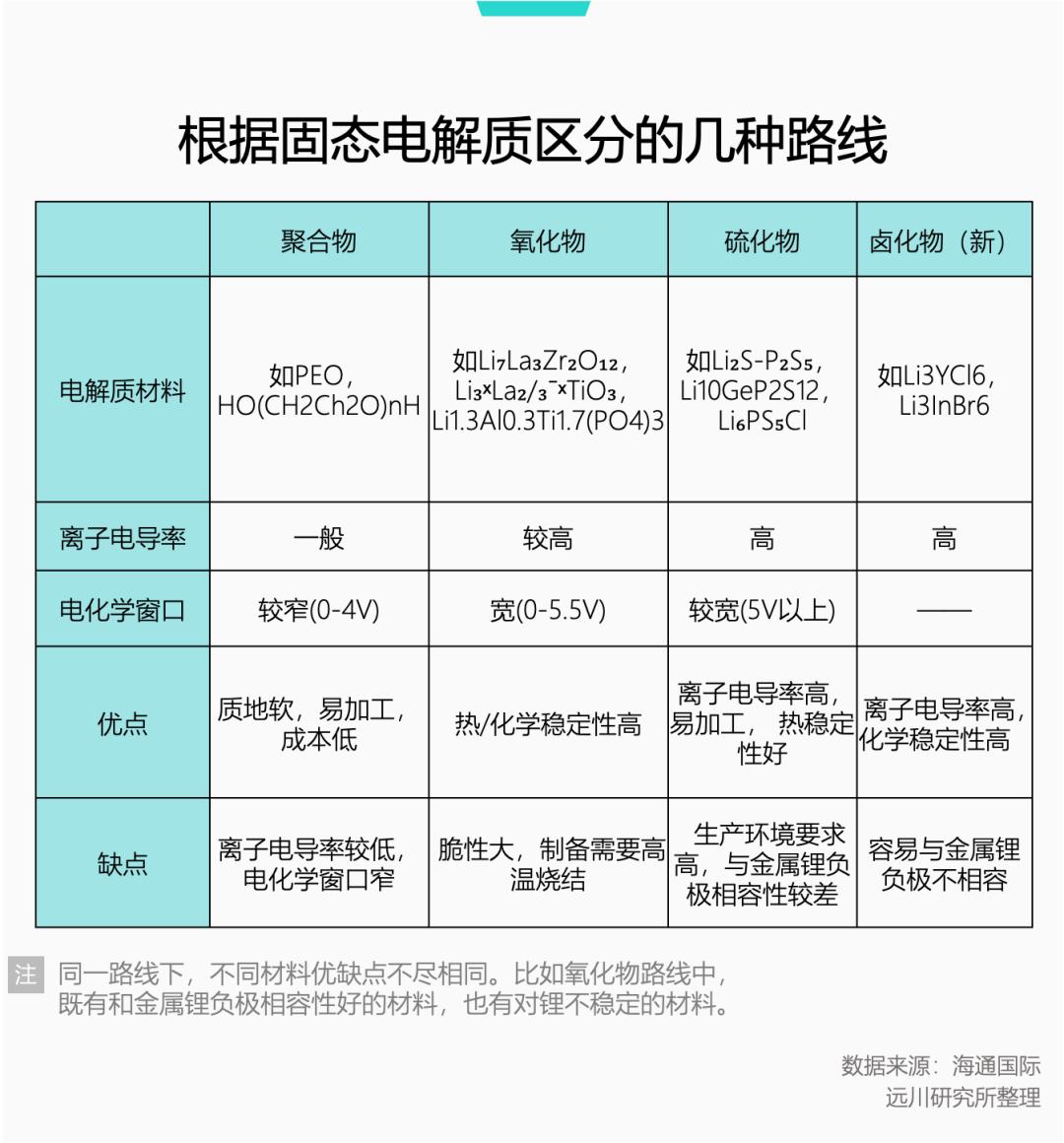
Because of its many advantages, in the past few years, there have been reports of solid - state battery mass - production every once in a while. However, so far, no solid - state battery has been truly mass - produced and installed in vehicles. The reason is simple: there are many problems that all - solid - state batteries need to overcome, and the solid - solid interface is a typical example.
In traditional lithium batteries, the liquid electrolyte can completely infiltrate the positive and negative electrodes, forming a tight contact interface that facilitates ion transmission. However, in all - solid - state batteries, both the electrolyte and the electrodes are rigid solids. Even with external pressure, it is difficult to achieve a close fit.
It's already difficult to "swim" on land. The ions inside the battery also have to take a detour to the contact points of the solid - solid interface. As the path becomes longer, the resistance also increases.
In addition, the charging and discharging of traditional lithium batteries rely on the back - and - forth de - intercalation/insertion of lithium ions between the two electrodes. The liquid electrolyte can fill the gaps left by material shrinkage and adapt to its expansion. All - solid - state batteries can hardly do this. If cracks occur due to material volume changes, it will affect the battery performance.
Even someone as confident as Zeng Yujun has said that the most difficult problem with all - solid - state batteries is the solid - solid interface problem. It's unknown how Donut Lab solved it.
Even if all of Donut Lab's parameters are true and reliable, mass - production may be an even more difficult hurdle than R & D in the battery industry.
In most manufacturing sectors, product prototype development is just the first step. There are still two major challenges ahead: Can it be mass - produced? What's the yield rate? For power batteries, there is also a long verification and testing process.
If it's just to produce a single solid - state battery for testing and verification, most battery companies can do it. However, achieving stable and large - scale mass - production, controlling production costs, and passing strict tests for vehicle installation are the real challenges for solid - state batteries.
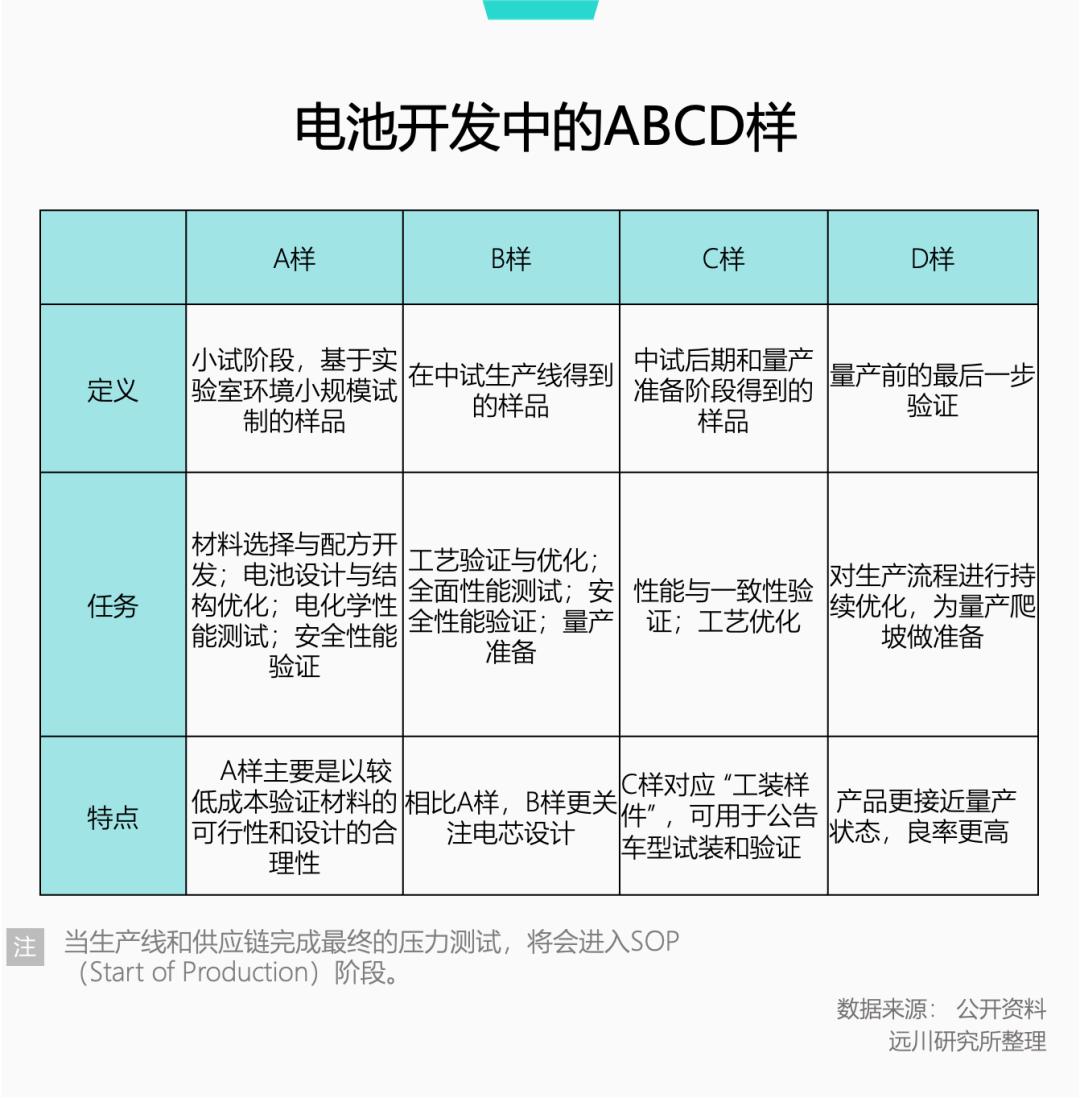
Donut Lab has no R & D experience, no industrial background, and no talent reserve, yet it managed to produce an almost perfect all - solid - state battery, surpassing Northvolt, a European pioneer. It's hard not to be suspicious.
A reasonable speculation is that in the face of the strong offensive of East Asian battery companies, Europe has offered high - value subsidies in an attempt to achieve autonomy in the battery industry. Any large - scale subsidy will lead to bubbles and subsidy fraud. If East Asians can do it, Europeans can too, just in different currencies.
References
[1] Suomalaisyrittäjän ihmekeksintö herättää epäilyksiä – sama mies julisti kehittäneensä supertekoälyn, Ilta - Sanomat
[2] Donut Lab’s New Motor Brings Power to the Wheel Hub, IEEE Spectrum
[3] Verge Motorcycles begins series production of its Verge TS model and Verge TS Pro, The Pack
[4] Solid - state battery series report: Lithium metal anode, Huajin Securities
This article is from the WeChat official account "Yuanchuan Technology Review" (ID: kechuangych). Author: Xu Shanshan. Republished by 36Kr with permission.