Equipped with a 2nm chip, OpenAI aims to outperform the iPhone with its AI earphones.

Rendering of OpenAI's first AI headset, the image is generated by AI
From software to hardware, OpenAI is pushing forward its most strategically significant attempt since its establishment.
Recently, according to the supply - chain insider "Smart Pikachu", who has long been revealing new Apple product information, OpenAI is advancing an in - house project codenamed "Sweetpea", a portable AI hardware project - an audio device centered around voice interaction.
It is understood that Project Sweetpea belongs to OpenAI's internal "To - go" hardware system. Multiple types of devices are being developed simultaneously, including home - use AI terminals and AI smart pens. Foxconn has been requested to prepare production capacity in advance for a total of five devices by the fourth quarter of 2028.
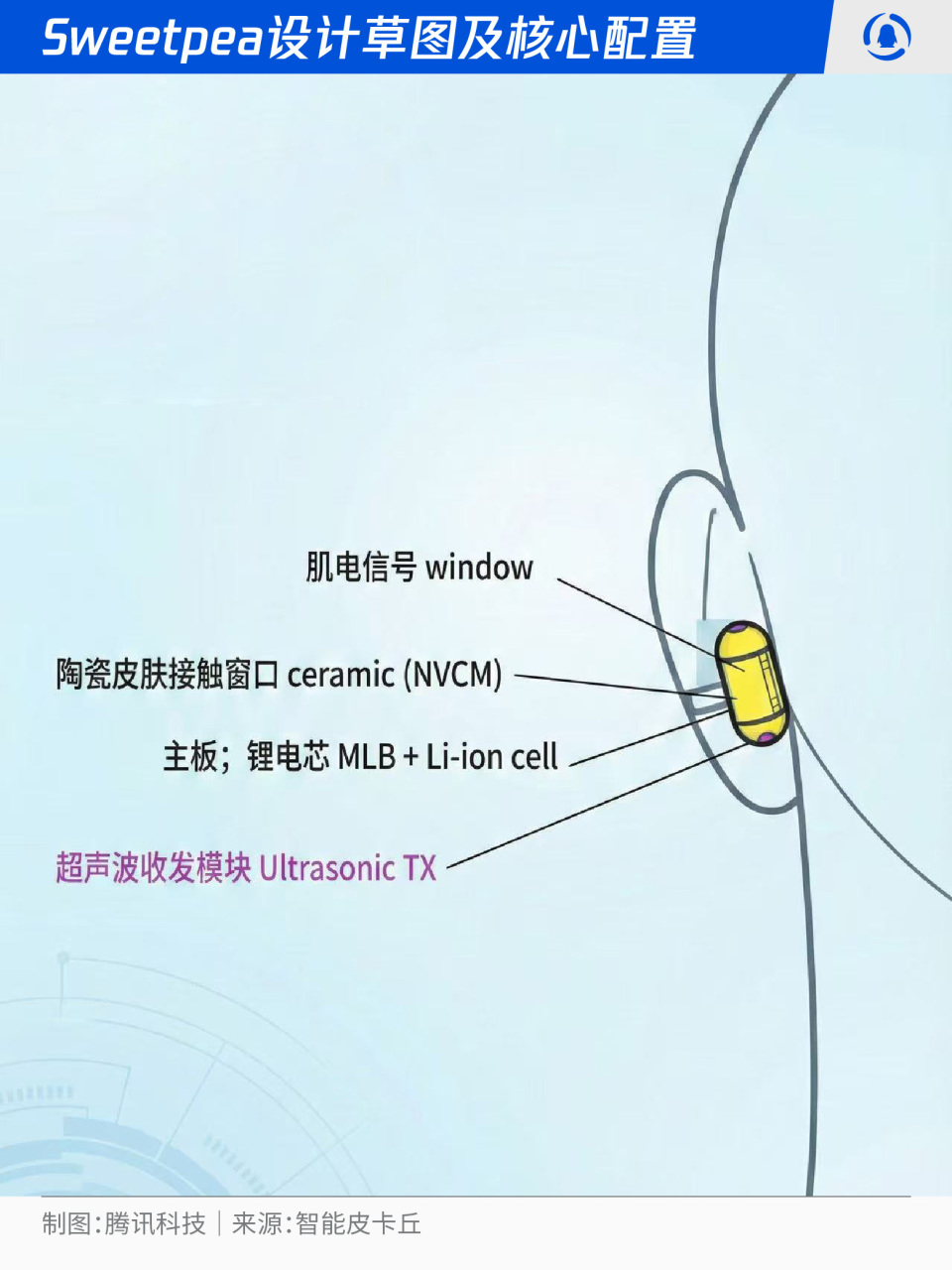
Sweetpea abandons the in - ear design and adopts a behind - the - ear wearing design. The main device is made of metal and has an overall shape similar to an "eggstone". It contains two removable capsule - shaped modules inside and is fixed behind the ear when worn. It is designed for all - day, screen - free voice use scenarios.
It is understood that the bill of materials cost of "Sweetpea" is closer to that of a smartphone rather than a traditional headphone product. This means that OpenAI is trying to bypass the existing entry point of smartphones and redefine the starting point of personal computing.
On the manufacturing side, since Foxconn has almost completely lost in the AirPods OEM competition, Sweetpea is regarded as an important opportunity for Foxconn to re - enter the core track of next - generation audio and interactive hardware.
Existing smart devices, whether they are mobile phones, computers or home terminals, follow the logic of "wake up first, then operate, and then call on intelligent capabilities". Generative AI is just embedded in them as a "smarter function".
Sweetpea attempts to break this sequence: it does not require users to initiate actively but is naturally at the starting point of voice interaction. Its goal is to capture the user's intention the moment they start speaking, making AI the first responder as a "default presence" rather than a traditional functional layer.
This strategic judgment highly aligns with the reflections of former Apple design director Jony Ive on the "post - screen era".
Ive once emphasized that the problem with modern computing lies not in its capabilities but in the fact that the screen occupies users' attention. Through its screen - free design, Sweetpea compresses interaction to the minimum, integrating AI into daily behavior as a background presence rather than becoming a new center of attention.
This image is presumably generated by AI
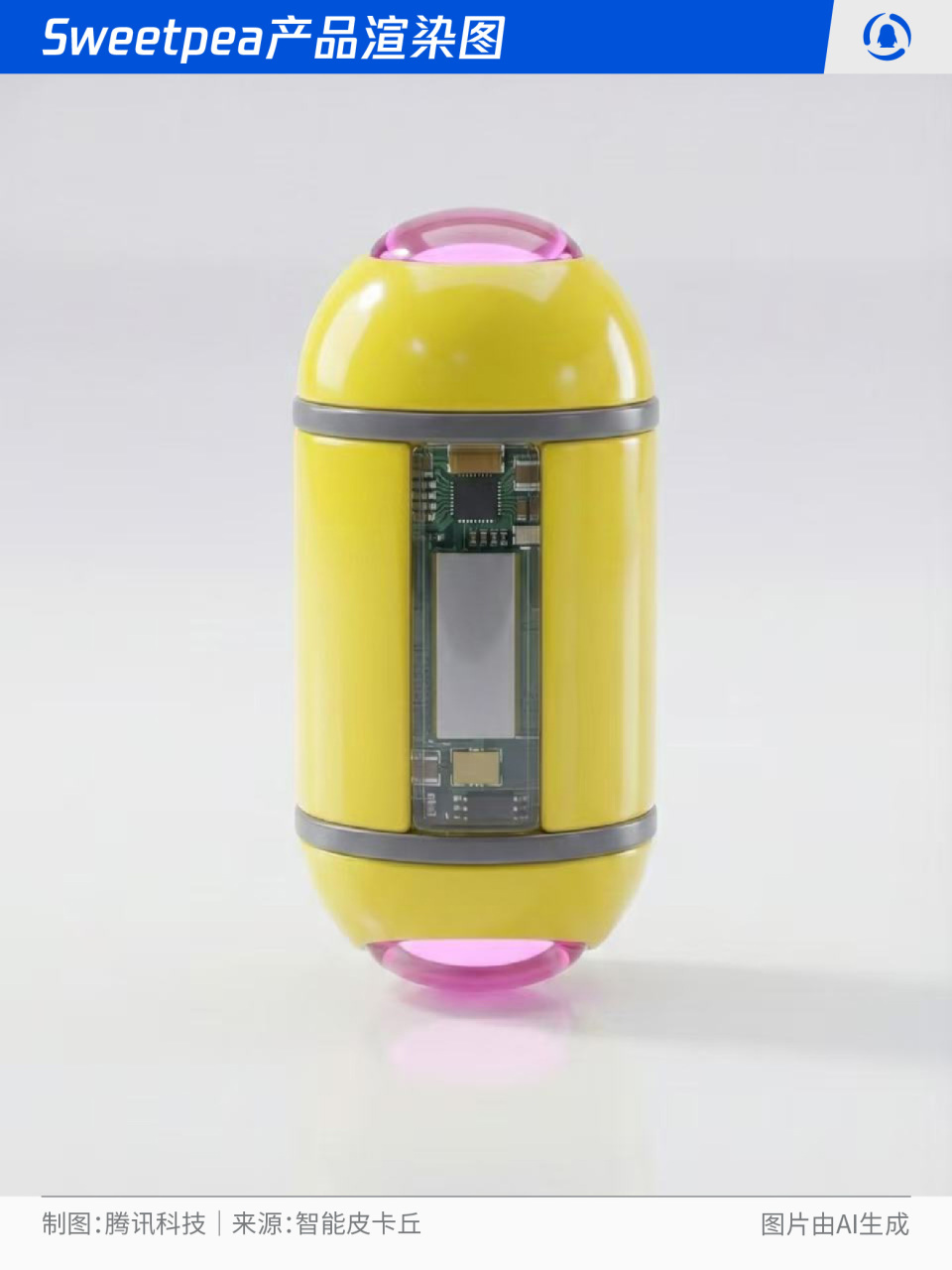
It is revealed that the main processor of Sweetpea will use a 2 - nanometer - process smartphone - grade chip, supplemented by a custom - made chip, enabling the device to directly call Siri through voice commands.
The device's audio model is also optimized to express natural emotions and handle real - time interruptions. This is the key for Sweetpea to break free from the label of a "voice assistant" and be promoted to a full - function AI assistant.
Through the custom - made chip, Sweetpea can directly call an iPhone or Siri to perform some system - level operations that originally relied on the phone.
However, the industry's attitude towards such products is cautious.
Analyst Ben Glanney pointed out: "This could be a tough battle for OpenAI... Decades of Apple's hardware experience is likely to outweigh Sweetpea's first - mover advantage."
From Apple's perspective, it is also accelerating the integration of ChatGPT technology at the system level, deeply embedding AI functions into iOS. At the same time, it is strengthening the interconnection between its voice assistant and cloud services with Google, and building a multi - terminal collaborative network through AirPods, Apple Watch, and HomePod to prevent emerging devices from breaking through its moat.
Special translator Wuji also contributed to this article
This article is from "Tencent Technology", author: Su Yang, editor: Xu Qingyang. It is published by 36Kr with authorization.