Exclusive Interview with Apple Vice President: What Apple Tools Should a Little Red Book Blogger Use?
On January 29, 2026, Apple will launch Apple Creator Studio – a brand - new subscription service that aggregates all of Apple's creativity/productivity software.
The price is as low as a cup of coffee per month.
On the eve of the product launch, Bob Borchers, Apple's vice president of global product marketing, and Brent Chiu - Watson, senior director of global App product marketing, were exclusively interviewed by ifanr.
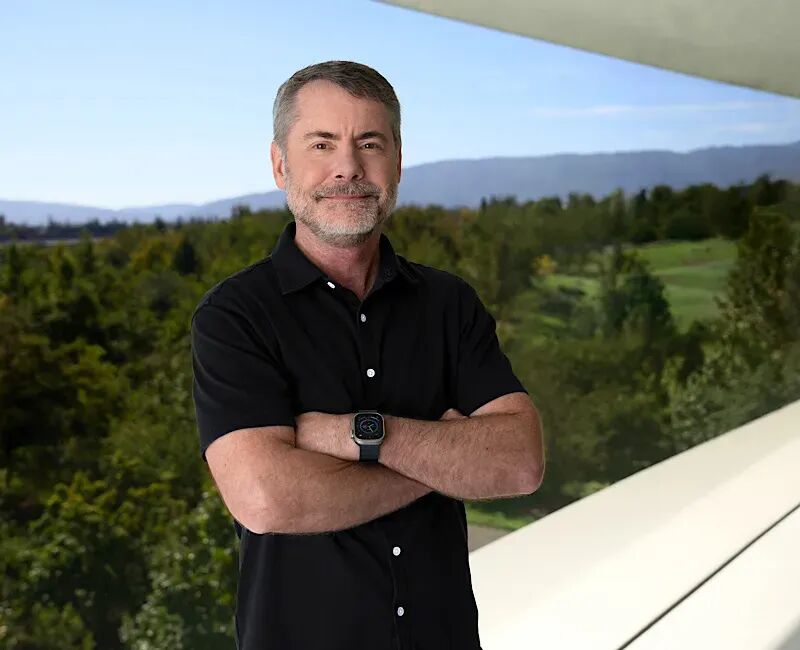
▲ Bob Borchers, vice president of global product marketing at Apple
Through this interview, we tried to find an answer:
When a musician is also a video producer, a graphic designer, and a small business owner, what tools should Apple provide for him?
A new breed of creators
If you are a blogger on Xiaohongshu, you're probably familiar with this workflow:
Come up with a topic, write a script in a document first, then shoot with a device. Next, use a series of post - production software for color correction, editing, and soundtracking. Finally, design an eye - catching cover and upload it to the platform along with the video for publication.
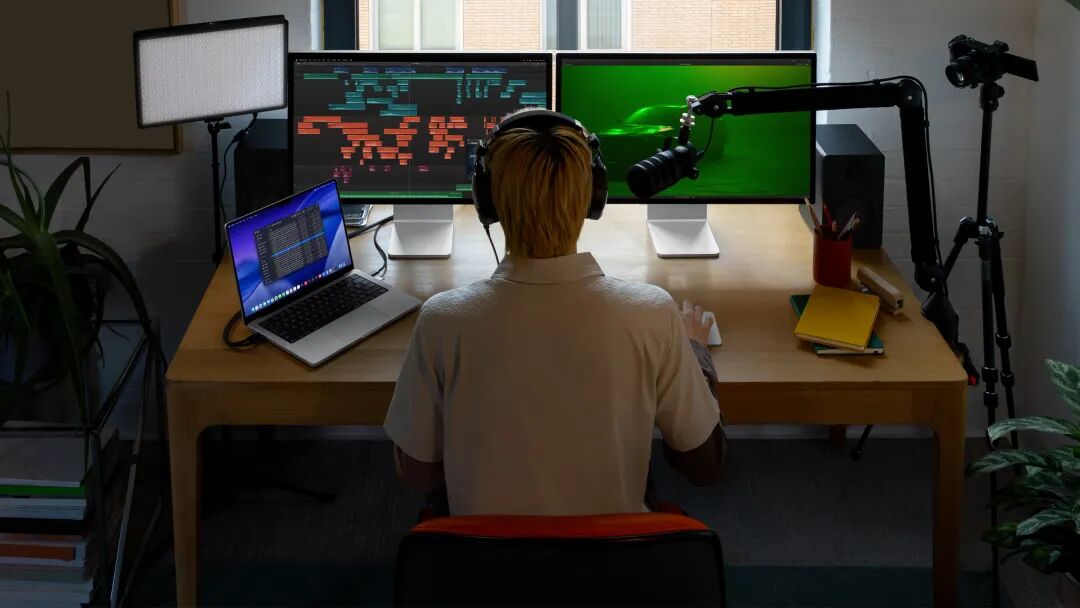
In Bob Borchers' eyes, this is a typical portrait of a modern creator:
They are no longer confined to a single field. A musician doesn't just write songs; they also produce tracks, design album covers, shoot MVs, and create peripheral products.
The creator economy is not a new concept, but its form is changing dramatically.
Ten years ago, a musician's workflow was linear: write a song → record → find a record label → release. Everyone focused on their own area, and the tools were vertical and professional.
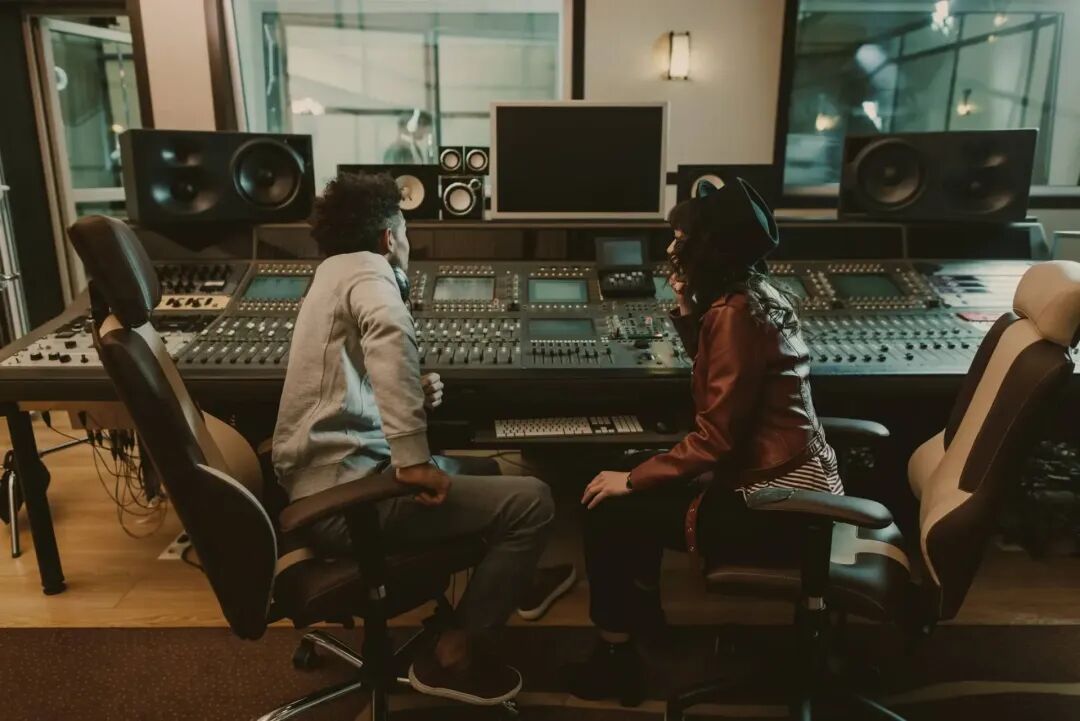
▲ Image | AudioDope
But today, this production chain has become completely flat.
Allie Sherlock, an Irish musician with millions of fans, often performs on Grafton Street in Dublin and then uploads the videos to YouTube. But what she does goes far beyond music creation: she uses Logic Pro to produce original music, Final Cut Pro to edit street performance videos, Pixelmator Pro to design album covers and peripherals, Keynote to create promotional materials, and Pages to make her own product catalog – one person, five roles.
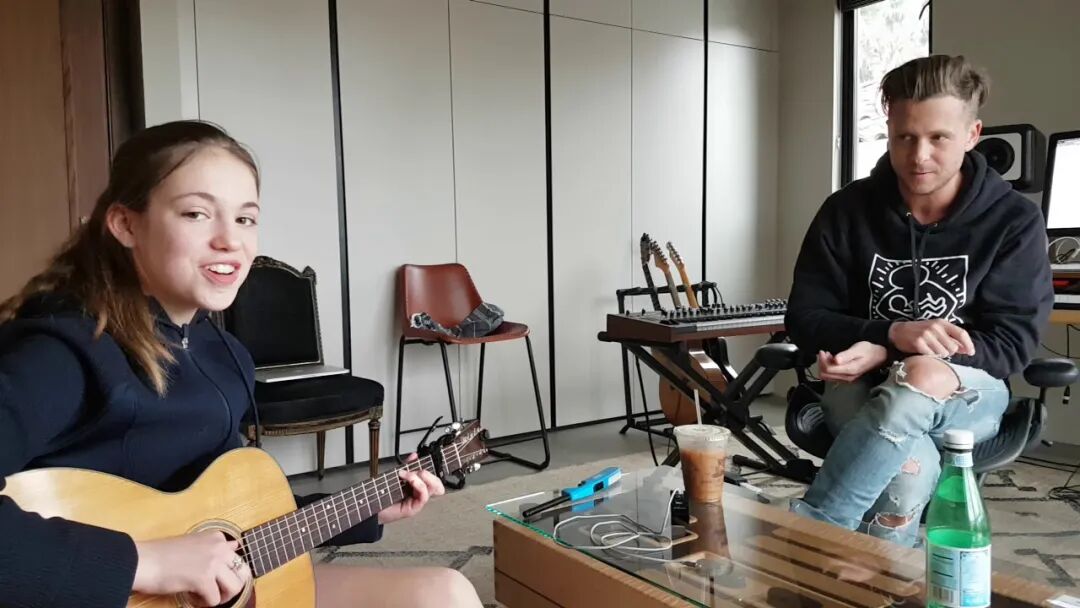
▲ Image | Youtube @Ellie Sherlock
As a media editor, writing is just part of my job. In many cases, I also need to shoot videos, do editing, and design covers – this is the norm for today's creators. I'm sure we're all used to it, but it was unimaginable in the past.
The traditional creative toolchain is fragmented.
Use Logic Pro for music, Final Cut Pro for video editing, Photoshop for photo retouching, Illustrator for design... Each software has its own learning curve, file format, and payment plan. They belong to different big companies, and you need to pay in various places.
What Apple Creator Studio wants to do is to be all in one.
The philosophy of the all - in - one package
What is Apple Creator Studio? In fact, it's a complete set of creator services –
It includes Final Cut Pro (video editing), Logic Pro (music production), Pixelmator Pro (image editing), Pages, Numbers, Keynote, and supporting applications such as Motion, Compressor, and MainStage. All these applications and their advanced content are packaged together. It costs 38 yuan per month or 380 yuan per year, and can be shared by up to 6 family members. The unit price is lower for students and educators, 18 yuan per month or 180 yuan per year.
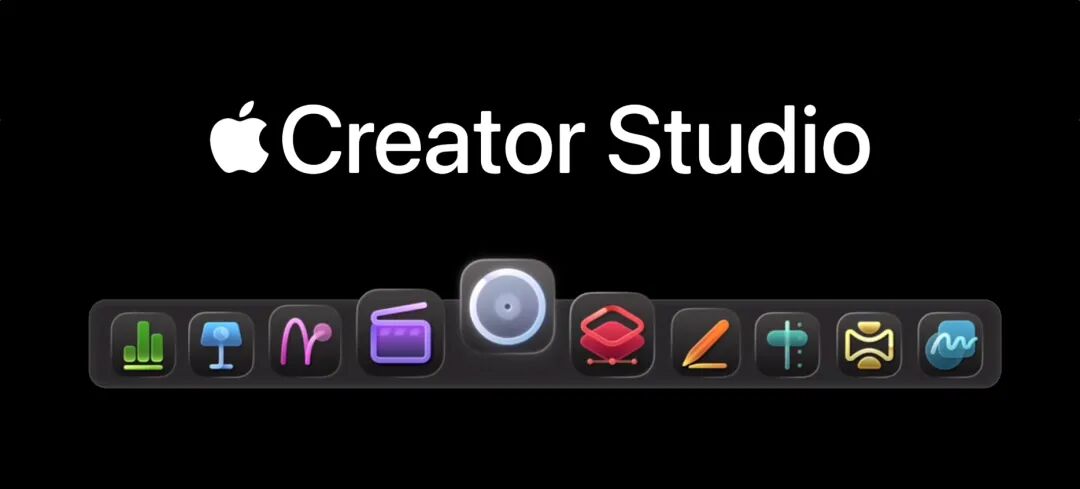
There's a calculation behind this price: if you buy these professional software separately, Final Cut Pro costs 1998 yuan, Logic Pro costs 1298 yuan, Pixelmator Pro costs 328 yuan, and with other tools, the total price exceeds 4000 yuan. By subscribing to Apple Creator Studio, 4000 yuan is enough for a Chinese creator to use continuously for more than 10 years.
Brent Chiu - Watson, Apple's product marketing director, explained the working logic of this system:
We believe that technology should allow creativity to flow freely and appear in the most suitable form when you need it.
For another example, Final Cut Pro has a built - in beat detection engine from Logic Pro. After you import music, the system will automatically analyze the rhythm and mark each beat on the timeline. When editing a video, the pictures will automatically snap to these beats without having to count the beats manually.
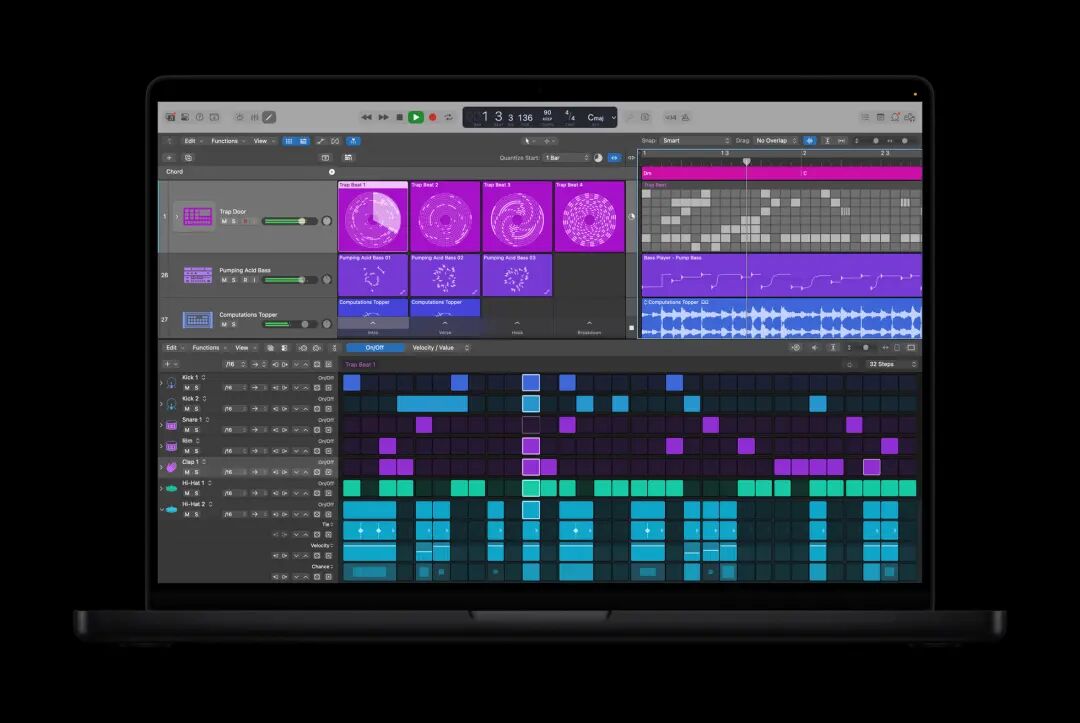
Deeper integration occurs at the technical level.
All applications share the on - device AI capabilities of Apple devices and have a high degree of consistency: the super - resolution and automatic cropping functions can be used across Pixelmator Pro, Keynote, Pages, and Numbers. For example, when adjusting the composition of a picture in Keynote, the automatic cropping will provide three optimization options.
Brent emphasized this consistency:
Users don't need to learn where and how to use the AI functions of each application. The same capabilities will appear wherever they are needed.
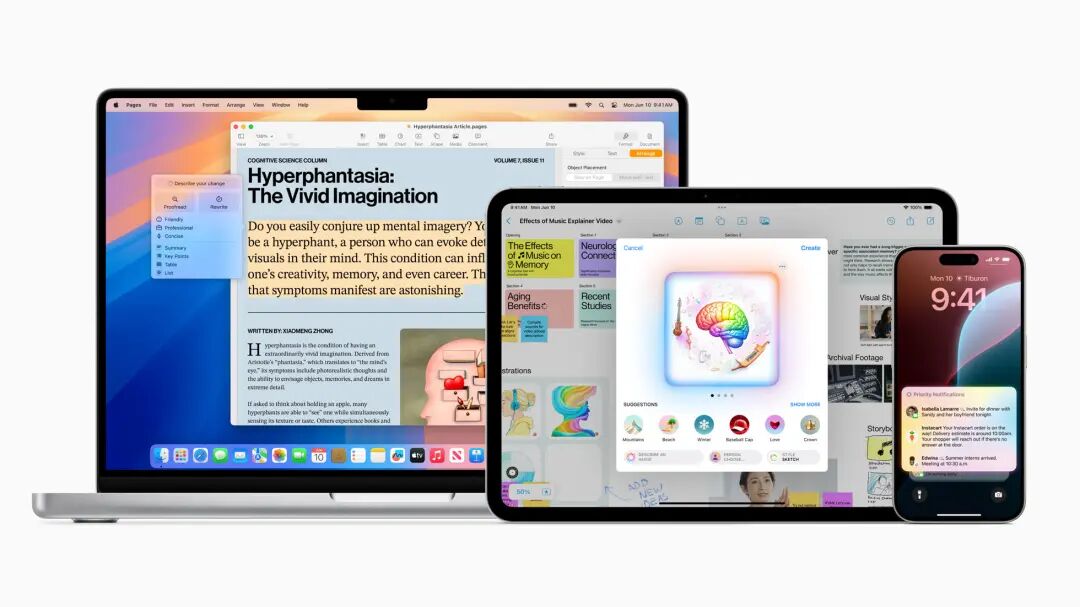
This kind of integration requires a huge engineering investment. All applications must use a unified image processing framework, a unified AI model call interface, and a unified interaction logic. Apple can achieve this because it controls the entire technology stack from the chip to the operating system and then to the application layer.
In Apple's view, deploying AI functions on the device can bring a fast, consistent, and secure experience, but this doesn't mean that it won't open up the capabilities of cloud - based AI. Brent Chiu - Watson told ifanr:
The market is changing rapidly, and we will continuously observe user needs. If different technical solutions are needed in certain scenarios, we will also consider them.
The full - stack optimization from the chip to the software, from Final Cut Pro to Logic Pro, from Pixelmator to Keynote may seem unrelated, but they all run on the same chip, share the same technical framework, and serve the same creativity.
Building tools for the mind
Since Steve Jobs founded Apple, "empowering creativity" has always been its core philosophy and is even written into Apple's corporate vision:
To make a contribution to the world by making tools for the mind that advance humankind.
To make a contribution to the world by making tools for the mind that advance humankind.
When the first Macintosh was born in 1984, it was positioned as a product "born for creators": it had a strong aesthetic sense and the extremely scarce ability of text - image mixing at that time, and even came with the HyperCard tool, allowing people without programming skills to develop programs or web pages in a visual way.
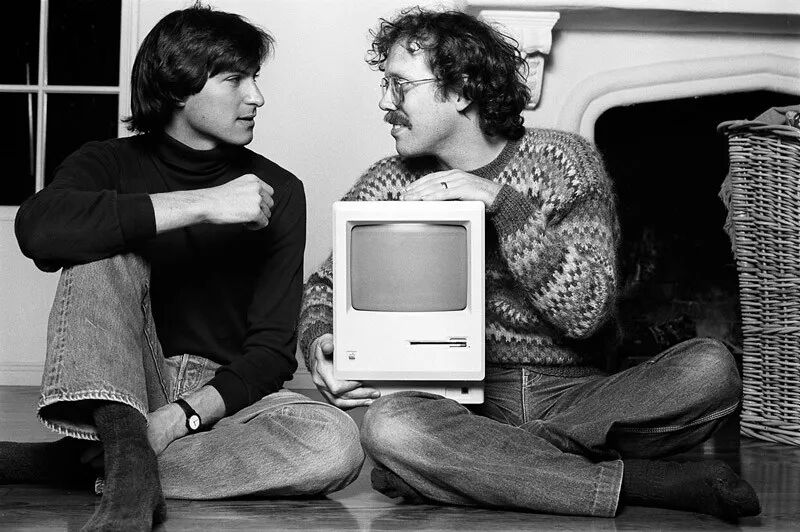
▲ Image | Steve Jobs and Bill Atkinson, photographed by Norman Seeff
In the past 20 years, Apple has incorporated professional creativity tools such as Final Cut Pro, Logic Pro, and Pixelmator through continuous acquisitions. This "consistent" philosophy is reflected in: integrating the tools needed by creators.
Before the advent of the iPod and iPhone, Apple's main business model was to let users obtain a complete creativity toolbox by purchasing Apple's hardware and software products.
Today, the number and coverage of creators in the Apple ecosystem are incomparable. Creators in the new era cross scenarios, categories, and boundaries, and it's common for them to use multiple creative tools at the same time.
So, Apple has become the integrator and accelerator of "creativity tools": just buy an Apple device, spend 38 yuan to subscribe, and you can unlock a whole day's worth of creativity tools worth more than 4000 yuan and immediately gain professional productivity – in the era of software purchase - outright systems, such a low entry threshold was unimaginable.
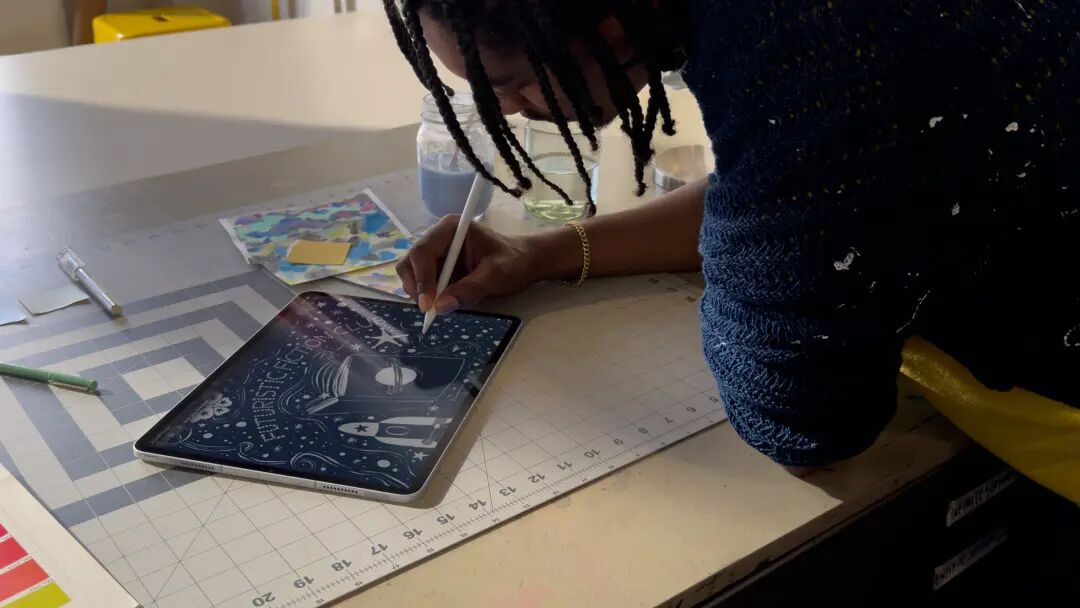
Bob Borchers explained this pricing strategy:
Our goal is to inspire and accelerate creativity as widely as possible. We want to provide them with tools and capabilities to help them do what they're doing more efficiently and explore things they've never thought of before.
From this perspective, Apple Creator Studio doesn't just want to engage in a price war but is based on a long - term judgment of the creator market.
Today, the threshold for becoming a creator is so low, and the distribution channels are so wide. Therefore, the threshold for creativity tools should also be continuously lowered. A lower threshold for creativity means releasing more creativity, and this creativity will ultimately feed back into the entire ecosystem – today's student creators may be tomorrow's producers, musicians, and designers.

It's worth mentioning that Apple Creator Studio uses a subscription system, but all applications can still be purchased separately. Bob Borchers explained:
We know that some creators have very specific requirements for a certain application, which is why we continue to offer the one - time purchase option and will continuously update these versions.
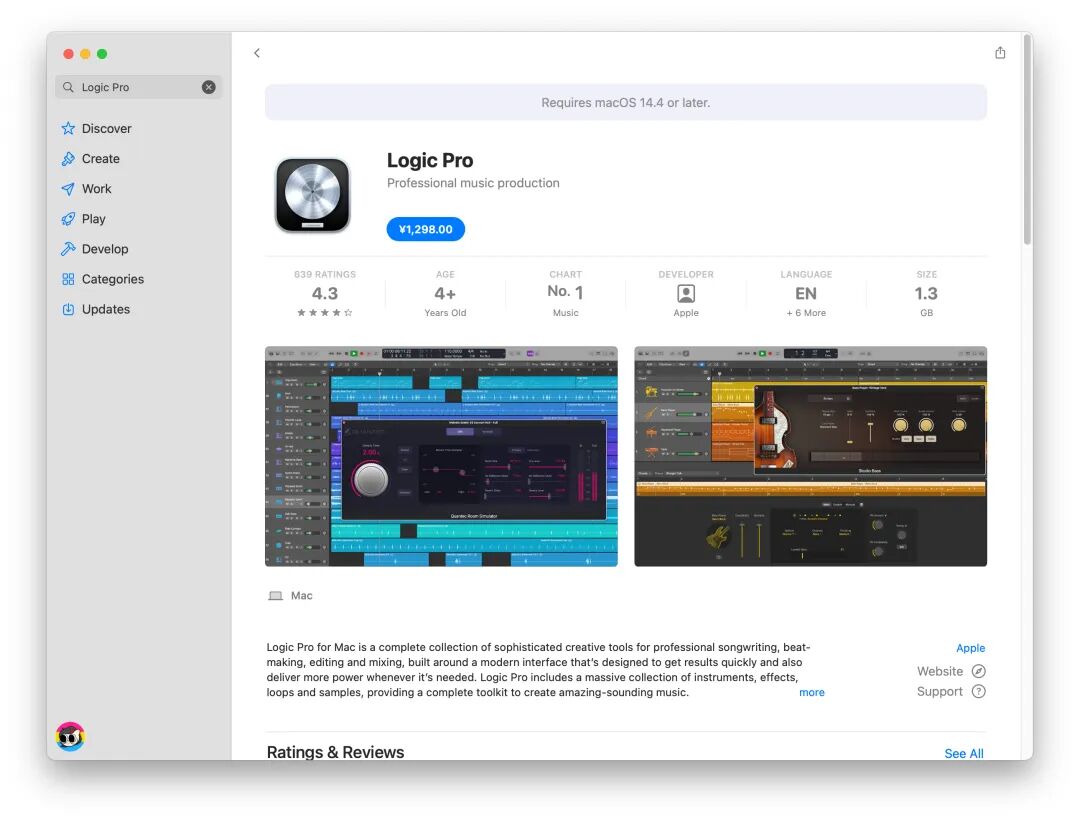
Subscribers value completeness and convenience, while those who buy outright value certainty and ownership. Apple's strategy is to balance both. The functions of the subscription version and the purchase - outright version are basically the same, and only a very small number of advanced functions are exclusive to the subscription. In Bob Borchers' view, Apple Creator Studio still has great potential in the future:
This is just the beginning. Apple Creator Studio will continue to be enhanced over time, with new content and new functions added.
In 1984, when the Macintosh was released, Apple didn't know what designers would use it for; in 2001, when Final Cut Pro was released, Apple didn't know that independent filmmakers would use it to challenge Hollywood; today, by opening an iPad or Mac, you can become a professional - level creator anytime, anywhere – the meaning of tools never lies in defining the boundaries of creation but in removing the obstacles to creation.
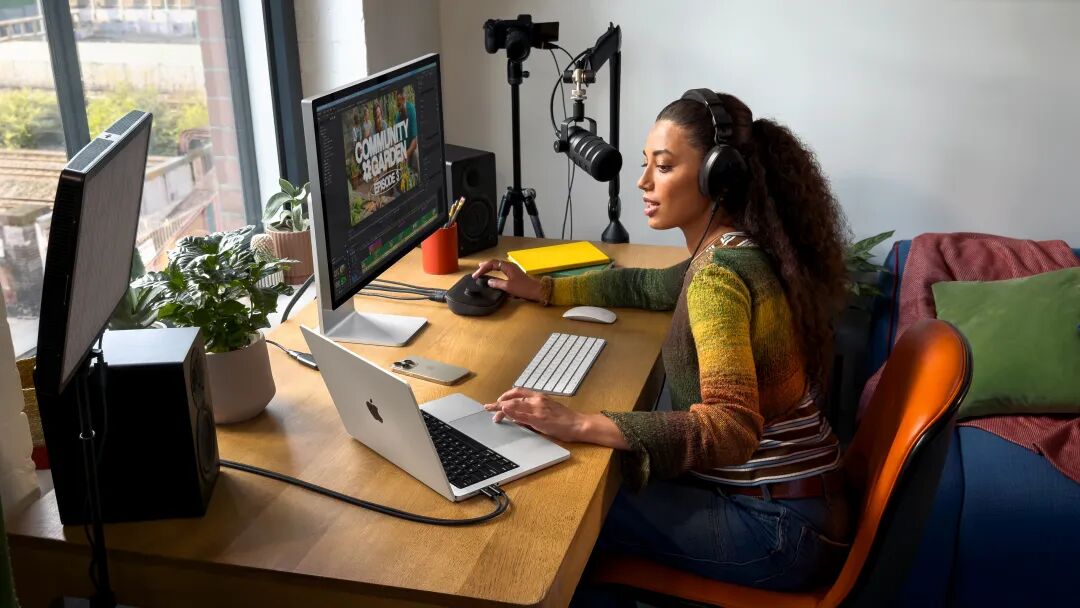
For creators in this era, "buy an Apple device, subscribe to Apple services, and unlock creative capabilities" is evolving into a new cognitive paradigm. When creators evolve, tools must also evolve, and the ultimate form of tools is always in the future.
Apple Creator Studio, which costs 38 yuan per month, is a battle for the future.