A detailed analysis of six major trends: Who says there's nothing new in the mobile phone industry?
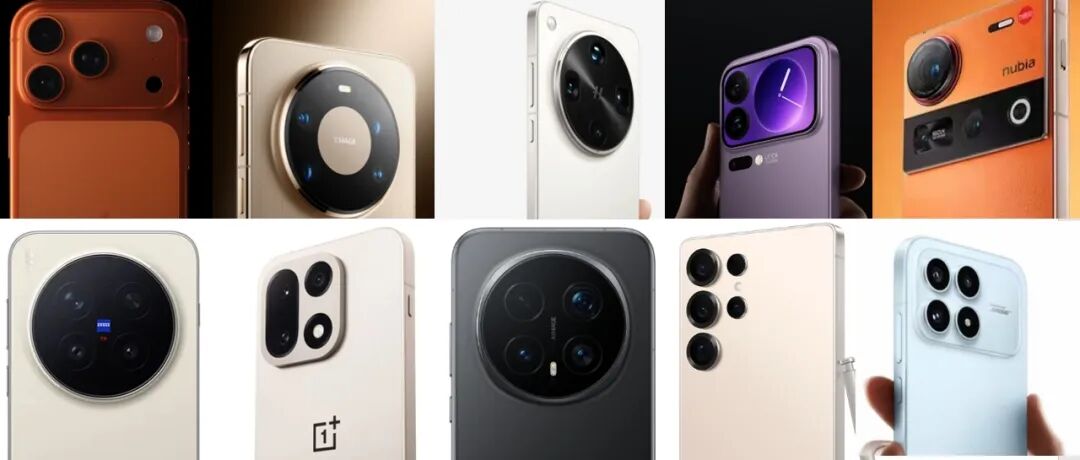
The CES has concluded, and AI and robots have taken the spotlight. This serves as a warning to the mobile phone industry: as leading companies pour resources into new AI terminals, will the technological driving force of smartphones be weakened?
Major manufacturers are trying to provide answers —
Honor officially launched the "Robot Phone," the ROBOT PHONE, which integrates AI mobile phones, embodied intelligence, and high-definition cameras at the CES, further enriching the design forms of smartphones.
Samsung showcased its legendary foldable OLED panel without creases, which is expected to be first featured in the Galaxy Z Fold 8 to be released in the second half of this year.
Transsion's Infinix launched the NOTE 60 series of smartphones, the "industry's first to support global satellite calls," and communication technology is expected to see a new round of breakthroughs...
Apparently, technological innovation and high-end competition under the empowerment of AI remain the main themes of the industry. Although the smartphone market has entered an era of stock competition, the industry foundation remains solid — manufacturers hope to break through the growth bottleneck and achieve a breakthrough with the help of new technologies such as AI.
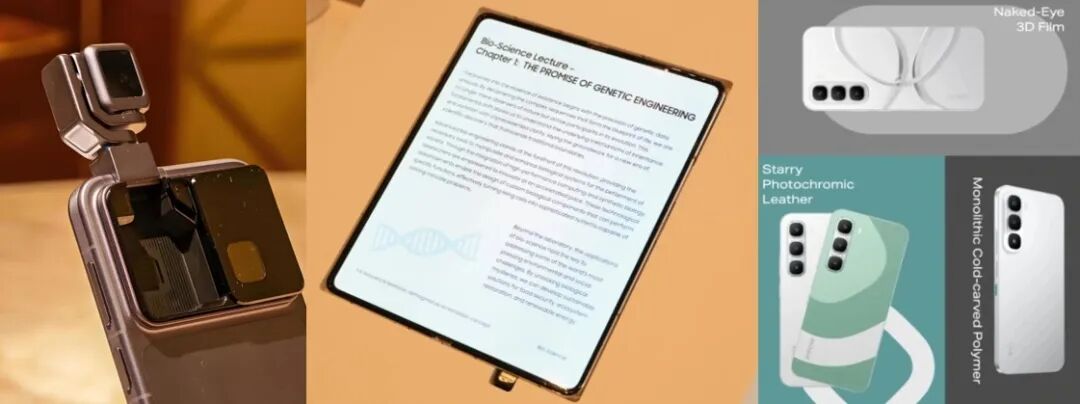
Honor ROBOT PHONE, Samsung's crease-free foldable OLED panel, Infinix NOTE 60. Image source: Weibo
Let's start with the conclusion:
Overall situation: The overall market growth is sluggish. Apple, Samsung, and Xiaomi firmly hold the top three positions globally. Among them, Apple's recovery is the most robust. The Chinese market has been fluctuating, and the top five brands frequently change positions.
The mid - to high - end market continues to grow: Mid - range models with "high - end configuration at a reasonable price" are selling well. High - end flagships are still working on technological breakthroughs, emphasizing imaging, system, and scenario experience.
AI is accelerating its penetration: The competition has shifted from single - function to ecosystem and self - evolution capabilities. The popularity of Doubao AI mobile phones has opened up new ideas for the industry to explore the in - depth reconstruction of daily experiences by AI.
Marketing lacks highlights: Xiaomi had a "fiasco." The effectiveness of traditional marketing methods is decreasing, and star marketing is no longer just about "top - tier stars."
Increment in instant retail: The half - hour delivery service is reshaping the mobile phone retail experience. From Huawei, Xiaomi, Honor, OPPO, and vivo to Apple, all are making arrangements.
Sluggish market, Apple's rebound
Overall, the global mobile phone market remains in a state of "sluggish growth."
According to the latest data released by Counterpoint, the global smartphone shipments increased slightly by 2% year - on - year in 2025. Apple surpassed Samsung with a 20% market share and returned to the global number one position after 14 years. Xiaomi, vivo, and OPPO ranked third to fifth respectively.
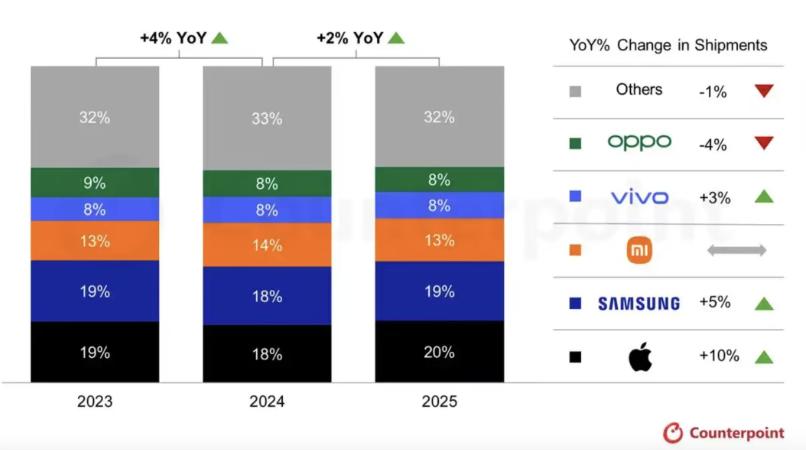
Apple returns to the global number one position. Image source: Counterpoint
Among the leading brands, Apple's rebound is the most obvious. CounterPoint statistics show that Apple's shipment growth rates in the first and third quarters of 2025 reached 14% and 9% respectively, both the highest among the top five brands. In the fourth quarter, its global shipment share was as high as 25%, setting a new historical record. This is very different from the various market expectations at the beginning of the year — Goldman Sachs predicted in a research report that in an uncertain economic environment, Apple's performance in the new replacement cycle might fall short of expectations.
This rebound is mainly due to its more competitive product and pricing strategies.
The iPhone 16e released at the beginning of the year was very popular and ranked fourth among the world's top ten best - selling models in the third quarter according to CounterPoint. The pricing of the iPhone 17 series was also better than market expectations. In the Chinese market, which is always price - sensitive, Apple's situation has also improved significantly. CounterPoint statistics show that Apple's sales in China soared by 37% in October, accounting for almost a quarter of the market share that month. Among them, the sales volume of the standard version of the iPhone 17 in the Chinese market was almost twice that of the iPhone 16 in the same period.
Samsung's stabilization also has similar reasons. In the first quarter of 2025, the average selling price of Samsung's products decreased by 7% year - on - year, and in the second quarter, it launched high - cost - performance products in the A series.
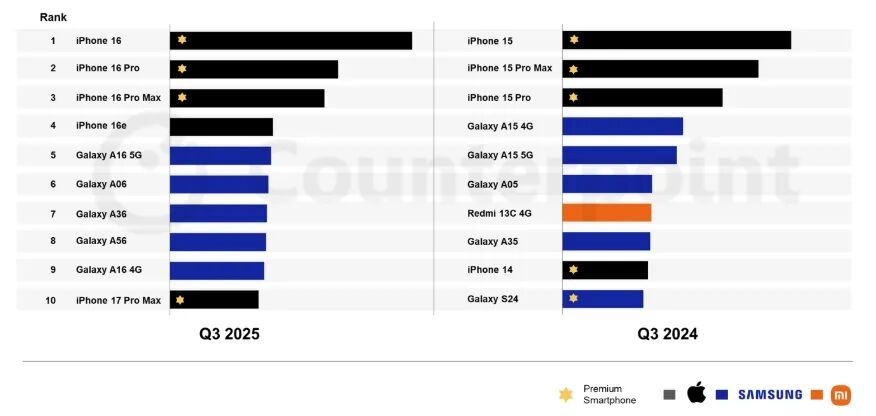
The world's top ten best - selling models in the third quarter. Image source: CounterPoint
It is worth noting that although the overall market has not changed much, the differentiation between different countries and regions is intensifying, and brands are seizing market shares.
Emerging markets represented by India, Latin America, and the Middle East have maintained a good momentum. Among them, vivo has performed outstandingly in the Indian market. In the first quarter of 2025, its shipments soared by 13% to 7 million units, surpassing Samsung to take the top spot. OPPO has also established a foothold in the Southeast Asian and African markets.
Apple and Samsung are engaged in fierce competition in high - end markets such as Europe and Japan. The Samsung Galaxy S25 series has been very popular in Japan, and the sales volume of the Galaxy S25 Ultra has increased by 150% compared with the previous generation product.
The situation in the Chinese market is a bit more complicated.
On the one hand, there are greater fluctuations. According to IDC data, in the first quarter, the shipments of smartphones in China increased by 3.3% to 71.6 million units, leading the overall market. However, in the second quarter, it turned down by 4% to 69 million units, and there was also a slight decline of 0.6% in the third quarter.
On the other hand, the competition is more intense. The top five brands frequently change positions, and Xiaomi, Huawei, and vivo took turns to top the list in the first three quarters.
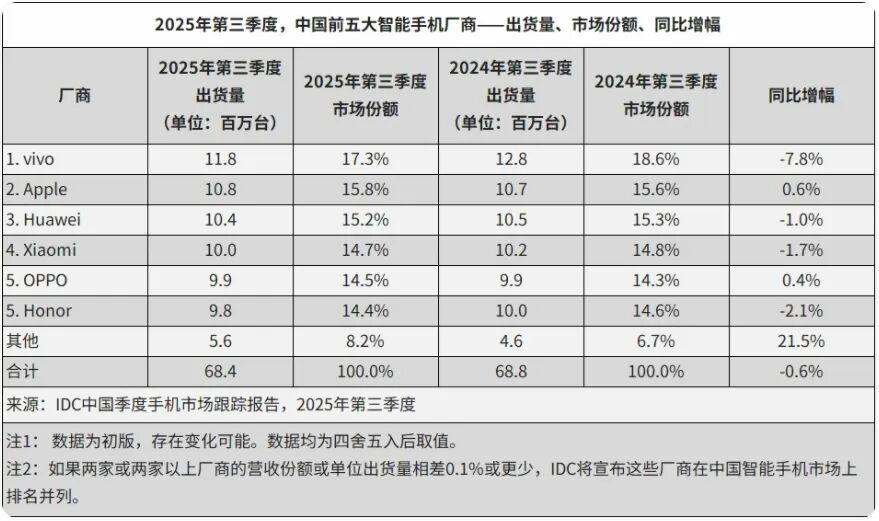
Smartphone shipments in China in the third quarter. Image source: IDC
As mentioned above, price changes are still one of the dominant factors in the Chinese market. The fluctuations in shipments are basically synchronized with the overall price changes of products.
The fact that the shipment growth rate in the first quarter outperformed the overall market was largely due to the promotions by brands and e - commerce platforms during the Spring Festival and the support of national subsidies. For example, OPPO announced that the entire Find X8 series would join the "national subsidy" program, with a maximum savings of 800 yuan. After superimposing the "national subsidy" and platform subsidies, the high - end flagship products of Honor could be reduced by up to 1500 yuan. However, in the middle of the year, there were news that the national subsidy was suspended in some areas, and the mobile phone market was also affected to a certain extent.
In the second half of the year, most regions gradually resumed the "national subsidy" and adjusted the subsidy form. Forms such as limited - quantity distribution and real - name system reservation ensured that the "national subsidy" was distributed more reasonably and evenly. Coupled with the stimulation brought by the successive releases of important new products by Apple, Huawei, vivo, etc., the market stopped its decline and narrowed the decline in the third quarter.
It is foreseeable that the trend of rational consumption will continue for a longer period, and cost - performance will become a major theme in the Chinese mobile phone market.
Cost - performance is king, and the mid - range market expands
Consumers are more price - sensitive, which has promoted the growth of demand for high - cost - performance products, which is a great benefit to the mid - range market.
The QuestMobile report points out that as of June 2025, the products in the 2000 - 2999 yuan price range are the most preferred by the two major groups of Generation Z and new middle - class, accounting for 30.4% and 27.4% respectively.
The key mid - range models of various brands have performed well in 2025: In March, the sales volume of the Redmi K80 series, which had been on the market for 100 days, exceeded 3.6 million units. The OPPO Reno 14 sold more than one million units in 40 days after its launch and once topped the domestic single - model sales list in all price ranges in June. Since the fourth quarter, products such as the iQOO 15, Redmi K90, OPPO Reno 15, and OnePlus 15 series have been successively released, providing more choices for mid - range models.
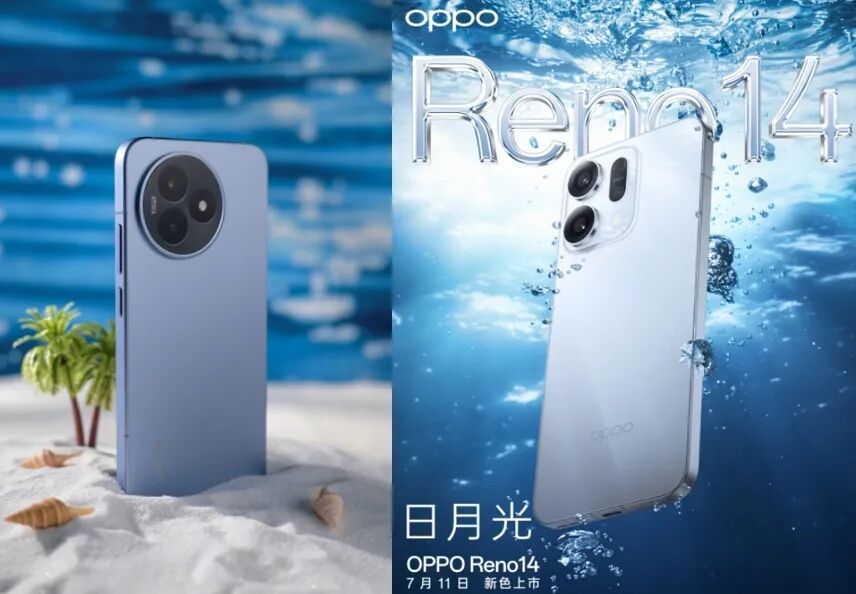
Redmi K80, OPPO Reno 14. Image source: Official website
In a stock competition environment, it is indeed more beneficial for mid - range mobile phones: On the one hand, high - end flagship products are often criticized for lack of innovation, making it difficult to arouse the desire to change phones. On the other hand, entry - level products lack competitiveness in terms of performance. Mid - range models strike a balance between the two and become the choice for cost - performance.
Relying on the supply - chain advantages, domestic manufacturers can also configure mid - range models with "higher - level" features, bringing down more high - end hardware and functions to further enhance competitiveness.
For example, the Honor 500 series is equipped with the Qualcomm Snapdragon 8s Gen4 processor, and the iQOO Neo11 under vivo uses the Snapdragon 8 Extreme Edition. The OnePlus Ace 6T is standard with an 8300mAh glacier battery, greatly improving the battery life and heat - dissipation ability and achieving a better gaming experience.
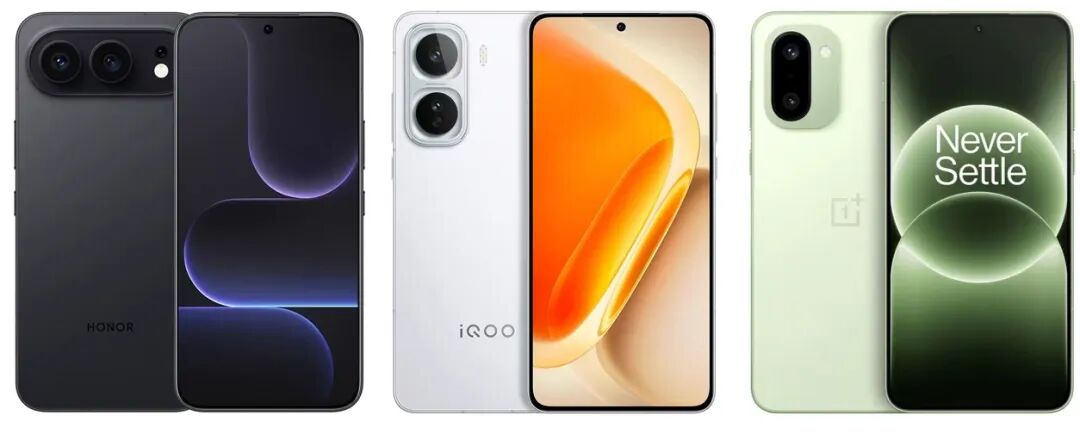
Honor 500, iQOO Neo11, OnePlus Ace 6T. Image source: Official website
However, as the prices of some high - end flagship models drop, the mid - range market may face certain impacts.
During the Double 11 period in 2025, the price cuts of Huawei's Mate and Pura series reached more than 1,000 yuan. Apple participated in the national subsidy for the first time during the 618 period, and the iPhone 17 Pro series also saw the first official price cut in early December — in the past, Apple rarely adjusted the official price of new models within the first three months after the launch.
In the short term, price cuts will not cause serious involution or price - system chaos. However, it can be seen that high - end flagship products are facing severe pressure. To break through the bottleneck, they still have to rely on product strength.
High - end battle: Focus on the system and create a distinct "phone persona"
Although the high - end market is facing pressure, its potential is also undeniable. IDC predicts that the market share of high - end mobile phones priced above $600 will increase by 5.4% year - on - year in 2026. Manufacturers are also actively looking for breakthroughs in performance and imaging.
In terms of performance, the craze for self - developed chips has temporarily subsided, and the operating system has become the focus. The main selling point of the Huawei Mate 80 series is the upgrade of the HarmonyOS 6 system. Xiaomi's release of the Pengpai OS 3 once made "Mi fans" spontaneously spread the news. The MagicOS 10 AI intelligent agent operating system carried by the Honor Magic 8 series also sparked heated discussions.
Objectively speaking, both self - developed chips and self - developed operating systems are very difficult, but the former has more restrictions and uncertainties in the hardware and foundry links. The biggest advantage of a self - developed system is that it can more accurately match the needs of the brand's core users, achieve in - depth scenario customization, and create differentiation. Huawei with the HarmonyOS is a typical example. When the Mate 80 series was released, the HarmonyOS ecosystem already had more than 300,000 applications and meta - services, and the ecosystem adaptation rate exceeded 95%.
Furthermore, manufacturers can build a smart ecological closed - loop based on the system.
Image source: Huawei HarmonyOS official website
In terms of imaging, starting from more specific scenarios and creating a distinct "phone persona" has become the industry consensus. For example, the Huawei Mate 80 series focuses on "high - quality large - format photos" and features the second - generation Maple Primary Color camera.
In addition, several brands are targeting the performance scenario and creating the label of "concert magic weapon": The vivo X300 series is equipped with the full - focal - length technology jointly developed with Zeiss and self - developed VS 1 and V3+ chips, excelling in creating an atmosphere. The OPPO Find X9 series focuses on the "instant triple - exposure technology," excelling in capturing moments and dynamic details. Through cooperation with Hasselblad, it has launched