36Kr Global Offline Event | Insights into the Seven Trends of CES 2026 and Their Implications for Global Entrepreneurs Going Global
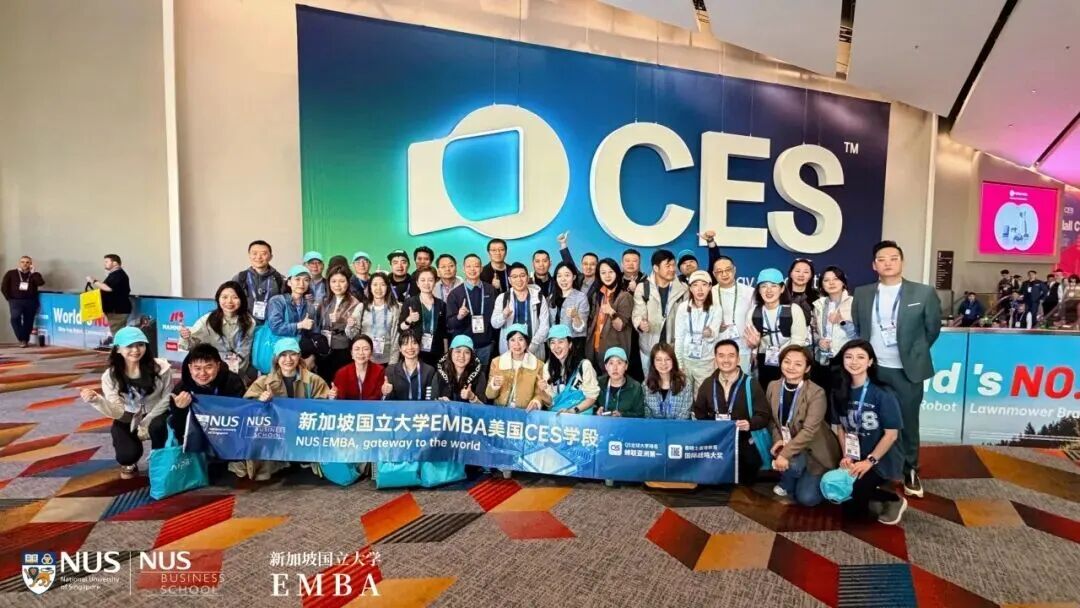
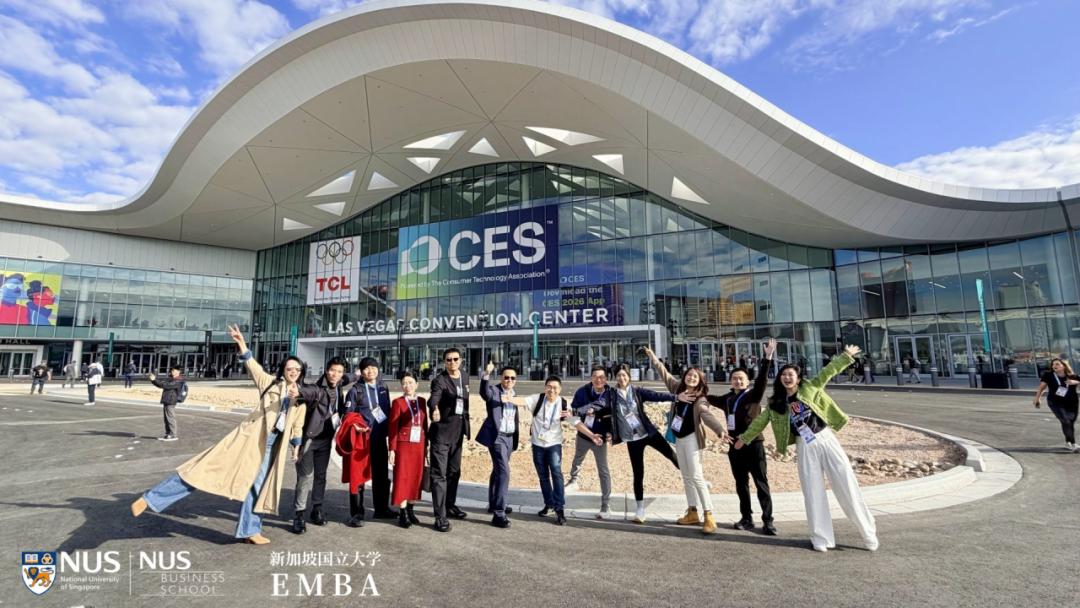
As the world's largest and most forward - looking technology event, CES has long been regarded as an industry trendsetter. It gathers global tech giants and the most dynamic startup forces, previewing the technological and commercial structural changes in the next 5 - 10 years. Here, global tech giants and the most dynamic startup forces gather, previewing the technological and commercial structural changes in the next 5 - 10 years. The EMBA program of the National University of Singapore has always been committed to helping Chinese entrepreneurs connect with the world and go global. We bring the classroom to CES, hoping that students can develop more forward - looking judgment in the global context and prepare for the globalization and long - term development of their enterprises.
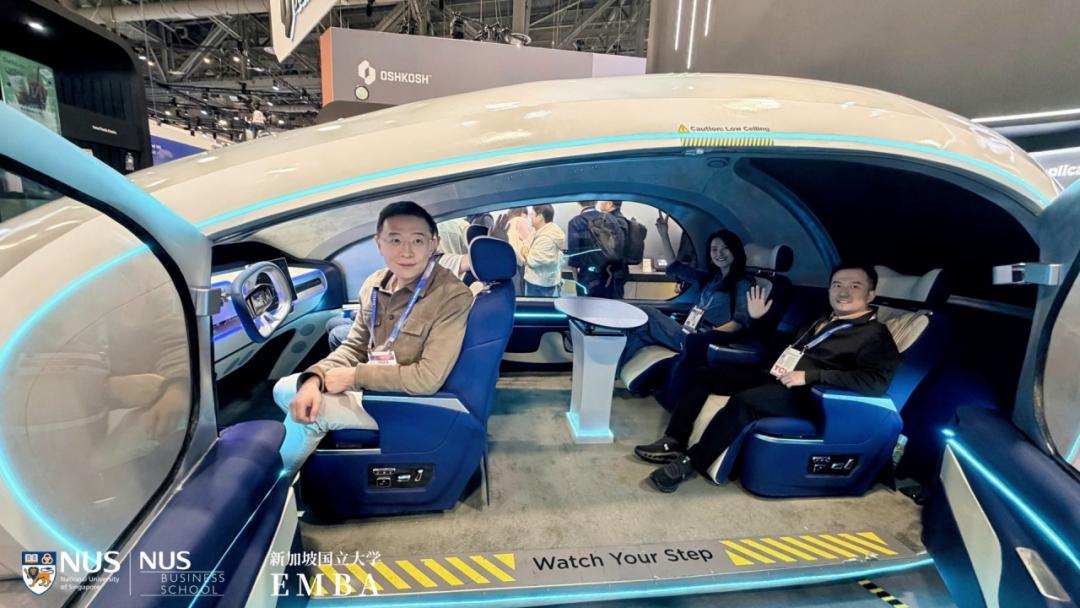
The signals transmitted by CES 2026 are very clear: AI is sinking from the "functional layer" to the "underlying system" and accelerating its entry into the execution end of the real world. Robots, smart homes, transportation, and health are becoming the real - world scenarios where AI is truly implemented.
Seven Trends at CES 2026
1. AI Everywhere: AI Becomes the "Default Configuration"
It's almost impossible to find a product line at CES 2026 that doesn't mention AI at all. From wearables, screens, home appliances to toys and companion devices, AI is written into the product narrative. The trend summary from The Verge also directly points out: AI permeates almost every category.
Key changes:
- From "cloud - based AI" to on - device / edge AI: It emphasizes privacy, low latency, and personalization.
- From "Q&A assistants" to AI Agents: They not only answer questions but also execute tasks and orchestrate processes across apps and devices.
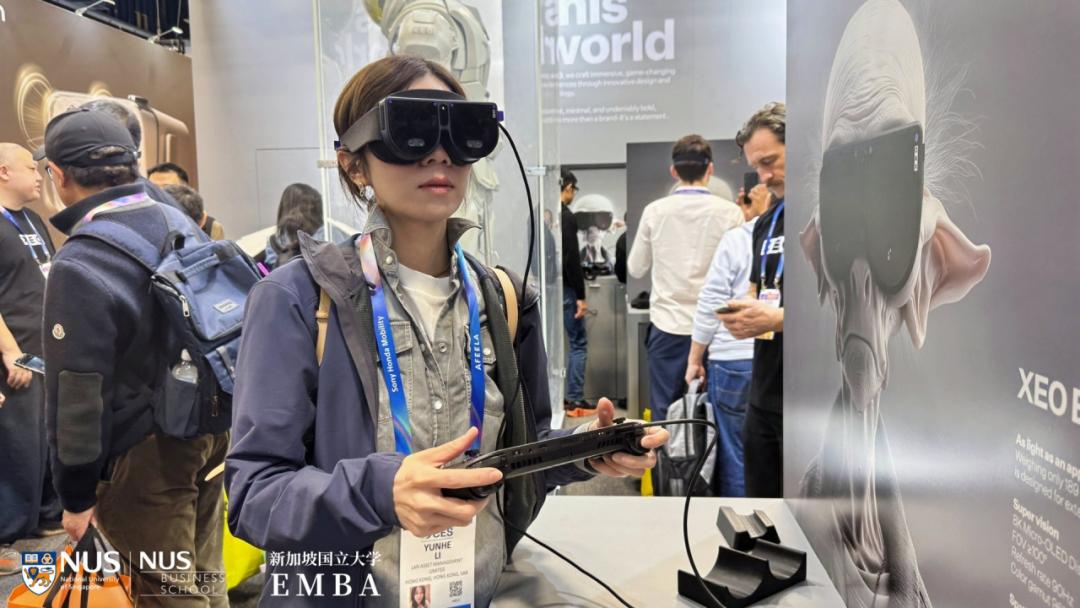
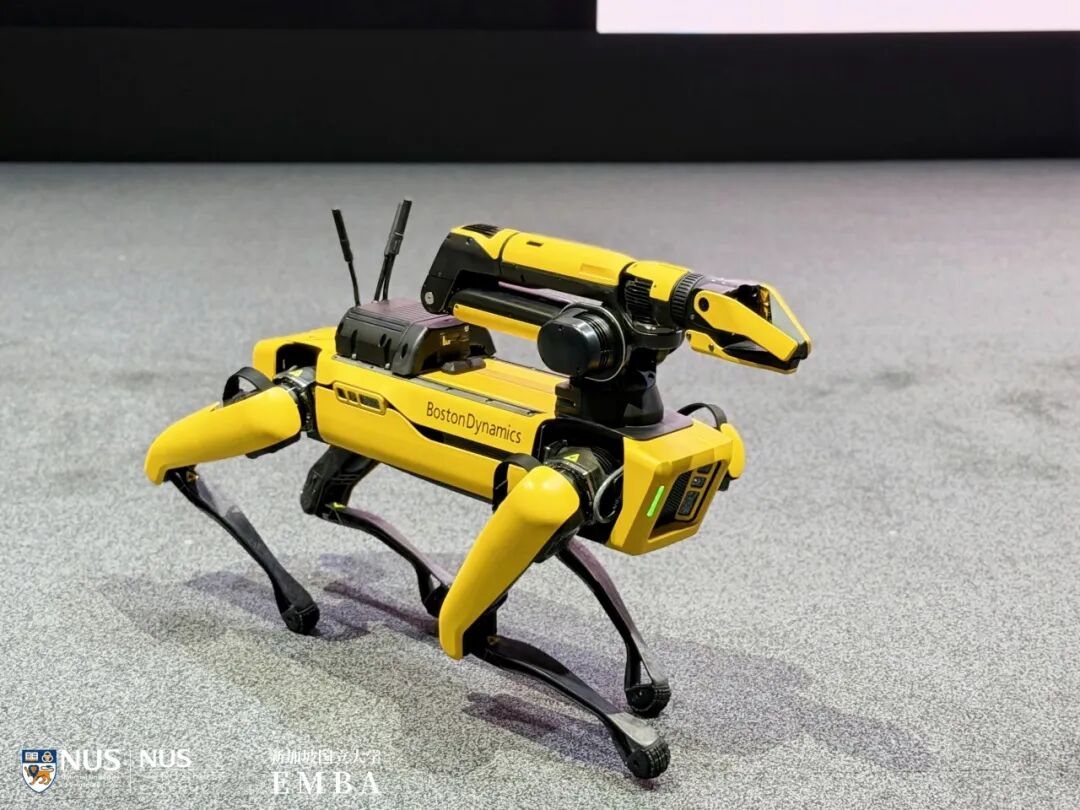
2. Physical AI: Robots and "Mobile AI" Become the Second Main Axis
Both the official content of CES and many media outlets are emphasizing: The robot exhibitions are more intensive, and the focus is shifting from "looking cool" to "being able to do things and be implemented in the real world."
The most typical implementation directions this year:
- Upgrade of home robots: Vacuum cleaners start to "climb stairs", with stronger spatial perception and posture control (for example, Roborock's stair - climbing solution has repeatedly appeared in the media and award lists).
- The narrative of digital twin + simulation training has increased significantly: XR / digital platforms are regarded as the "training grounds" for Physical AI.
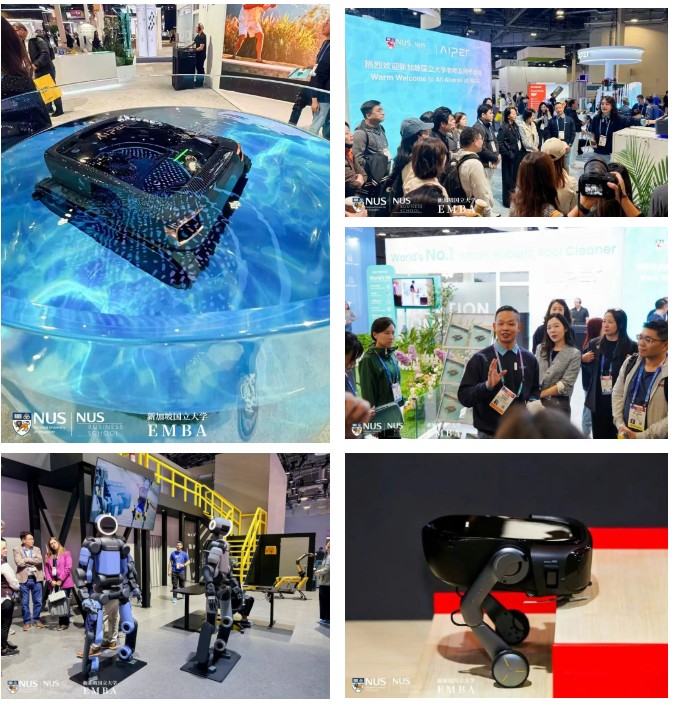
3. Smart Homes: From "Interconnection" to "Understanding and Automation"
Smart homes have been around for several years, but the change at CES 2026 is that they have upgraded from "being able to connect" to "being able to understand what you're doing" and then "automatically adjusting", such as daily updates of smart home devices (door locks, refrigerators, lighting, voice - controlled doors, etc.).
Core trends:
- The development of Matter / UWB / home security continues, and devices are becoming more like a system.
- The combination of "home appliances + AI" is starting to cover more detailed aspects of daily life (kitchen, access control, lighting, home management).
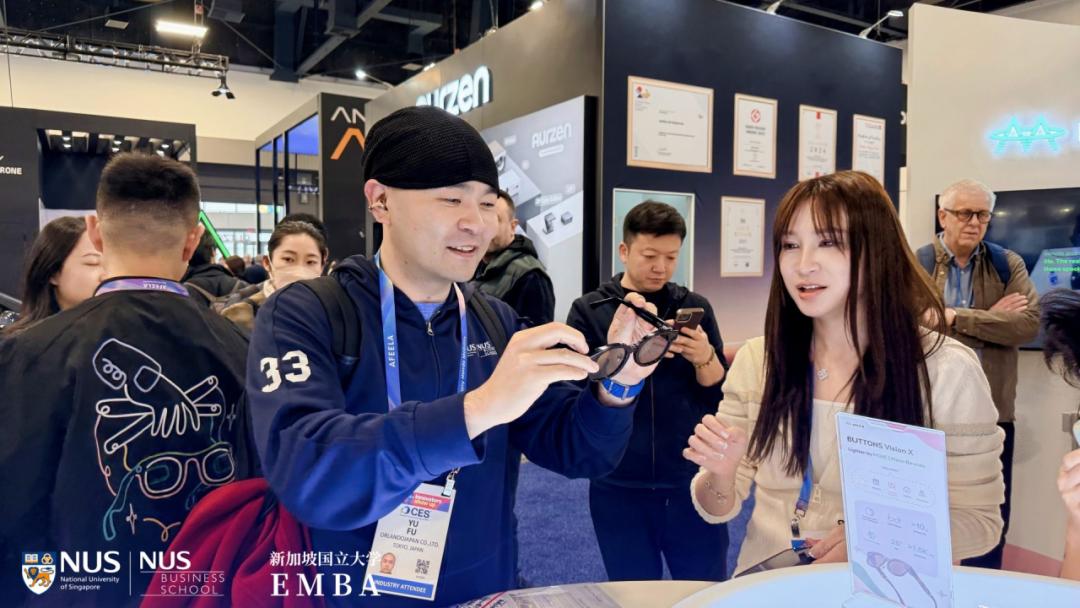
4. Computing Terminals: Innovation in Laptop Forms + "Repairable / Sustainable"
The focus of PCs at CES this year is clear: on one hand, there are new forms (rollable / expandable, multi - screen); on the other hand, there are improvements in user experience and product lifecycle (repairable, optimized structure).
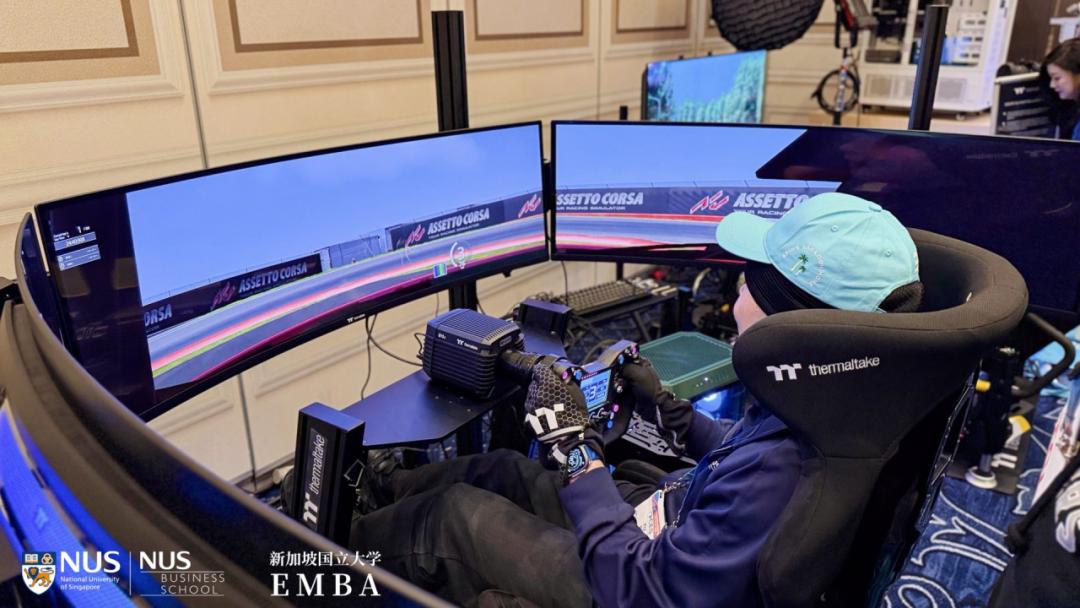
5. Display and Content Technology: Brighter, More Immersive, and More Like Home Decor
TVs remain a traditional highlight at CES, but this year, the terms "art mode / home integration" are more commonly used, while the competition in brightness, refresh rate, and gaming features continues.
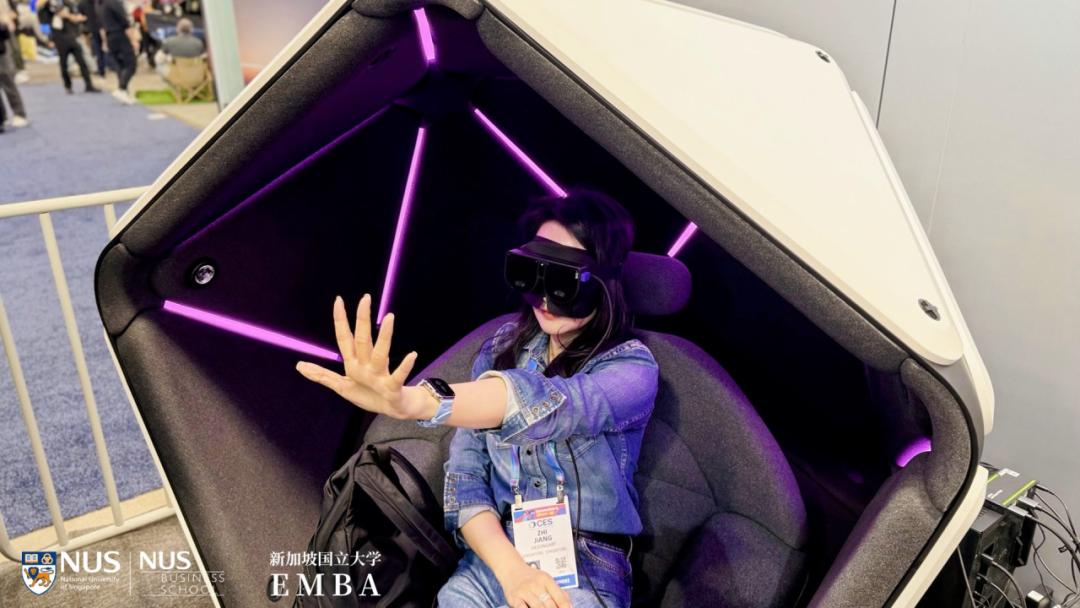
6. Digital Health: Further Progress in Women's Health and Continuous Monitoring
CES officials are continuously increasing their investment in digital health and emphasizing topics such as AI, wearables, and women's health. This echoes the health - related products selected by the media (wearables, metabolic / sleep / long - term indicators).
7. "AI Abuse / Pseudo - AI" Also Becomes a Sub - theme at CES 2026
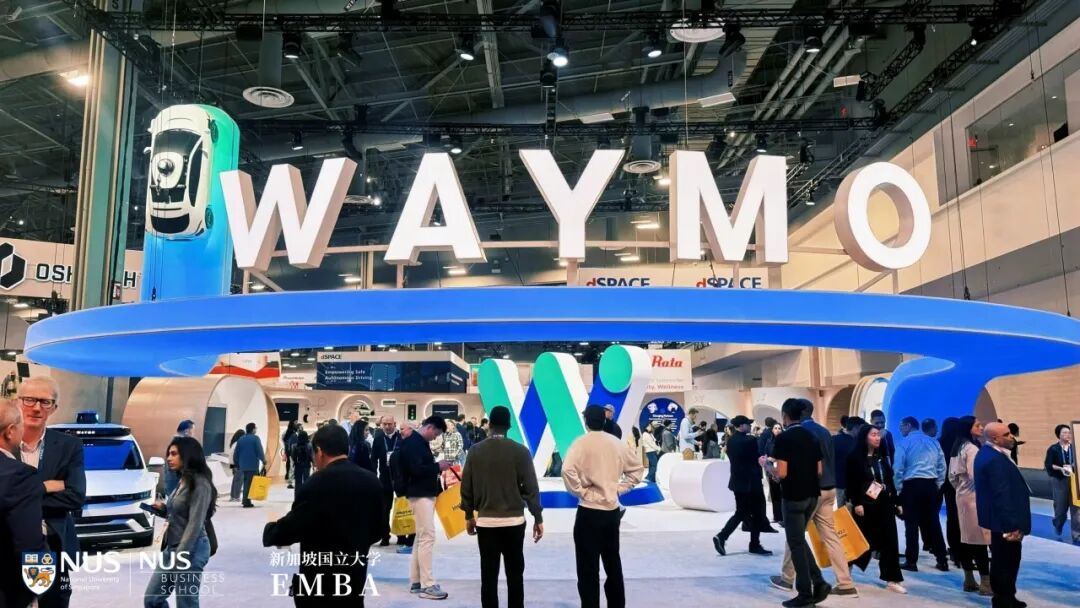
After visiting the exhibition for a few days, I noticed a very real phenomenon: AI labels are almost everywhere, and the question "Is AI really useful?" has become a concern for many people. When AI becomes a marketing buzzword, its real capabilities are more likely to be overshadowed by the noise. This reminds us that for entrepreneurs, it's more important to judge which AI can enter real - world scenarios and generate long - term value than to chase the concept itself. In a highly hyped stage, maintaining rationality and a long - term perspective is in itself a competitive advantage.
Summary: The "Three Most Important Signals" at CES 2026
1. AI Agents + On - device AI are becoming the new foundation for consumer electronics.
2. Physical AI is moving from concept to "visible implementation routes" (home robots, industrial robots, simulation training).
3. Consumer - end innovation emphasizes "entering daily life": being purchasable, usable, and long - term usable.
Implications for Global - Expansion Entrepreneurs
After visiting CES 2026, I've been constantly thinking about one thing: What do these changes mean for our EMBA alumni and entrepreneurs?
Here are some core implications we've summarized:
1. AI is Becoming the "Survival Ability" of Enterprises, Not Just an Efficiency Booster
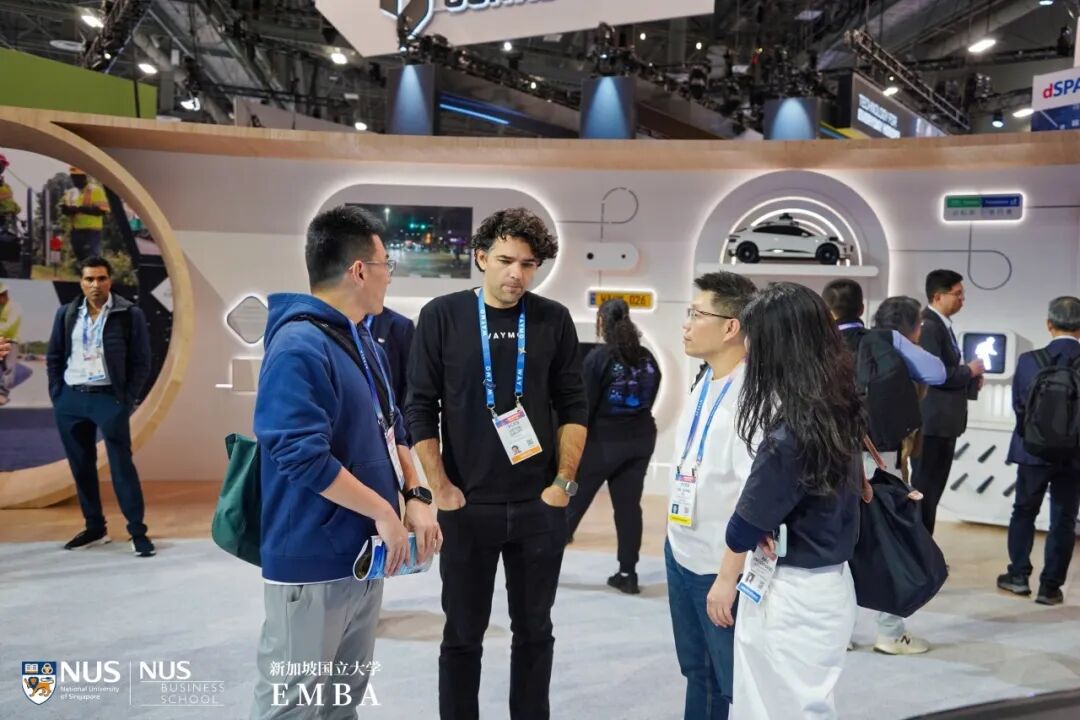
When AI becomes the underlying setting, the real gap lies in who can complete the reorganization of the organization and business earlier. At CES 2026, AI is present in almost all sectors. But the more important change is that AI is now regarded as a prerequisite for product design and business processes. This means that for enterprises, the question is no longer "whether to use AI" but "whether your business has been reorganized around AI." This is especially true for enterprises going global. The complexity of different markets, efficiency requirements, and cost structures are accelerating the push of AI to the core of the organization.
2. What Determines the Upper Limit of Enterprises is Shifting from Single - Point Technology to Systematic Capability
Models will become similar, and what's truly difficult to replicate is the systematic integration ability across technologies, organizations, and markets. From the keynote speeches of Jensen Huang and Lisa Su to each booth, we can see a very consistent trend: people are discussing single models or single technologies less and less. Instead, they are focusing on the system - synergy ability:
- How multiple models can collaborate;
- How AI can be embedded in business processes;
- How technology can operate across departments and regions.
The implication for us entrepreneurs going global is that in the future, the real gap may not come from a single technology choice but from whether your enterprise has the ability to continuously build systems. This is also the value that the EMBA program of the National University of Singapore has always emphasized: continuous iteration of cognition, lifelong learning, and long - termism.
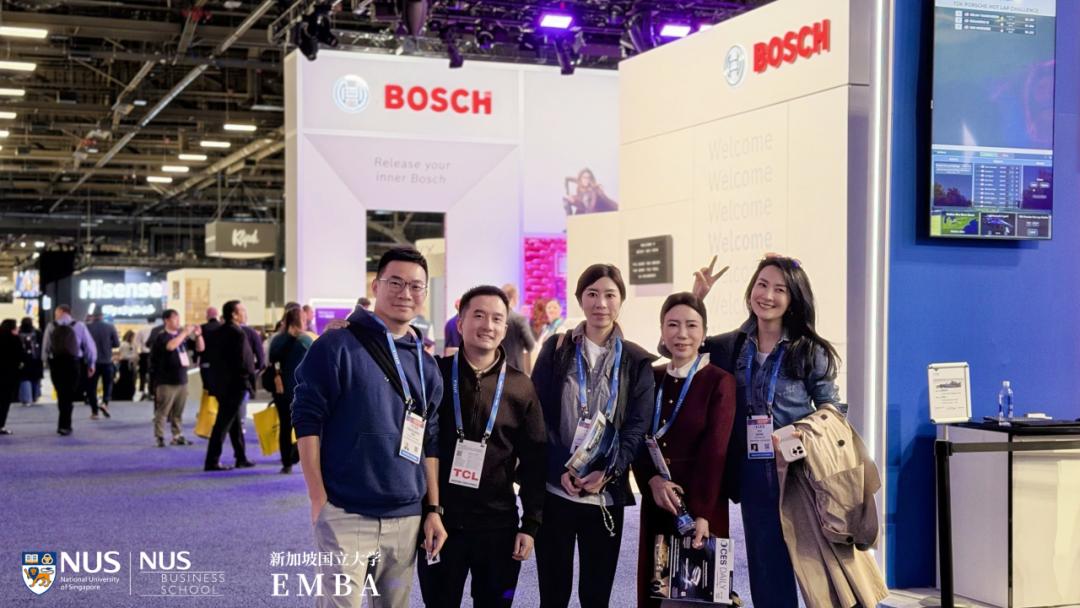
3. Physical AI Marks the Industry's Transition from "Digital Competition" to "Real - World Execution"
When AI starts to directly participate in production, service, and delivery, enterprises are facing both structural opportunities and structural eliminations. CES 2026 clearly sends a signal that AI is entering the real world through robots, devices, and terminals. Whether it's manufacturing, logistics, home services, health, companionship, or transportation, Physical AI is redefining the boundaries of "products" and "services."
For enterprises going global, this means:
- The integration of hardware, software, and services will become the norm;
- Technological capabilities must be deeply integrated with real - world scenarios;
- Local understanding and execution capabilities are becoming more important.
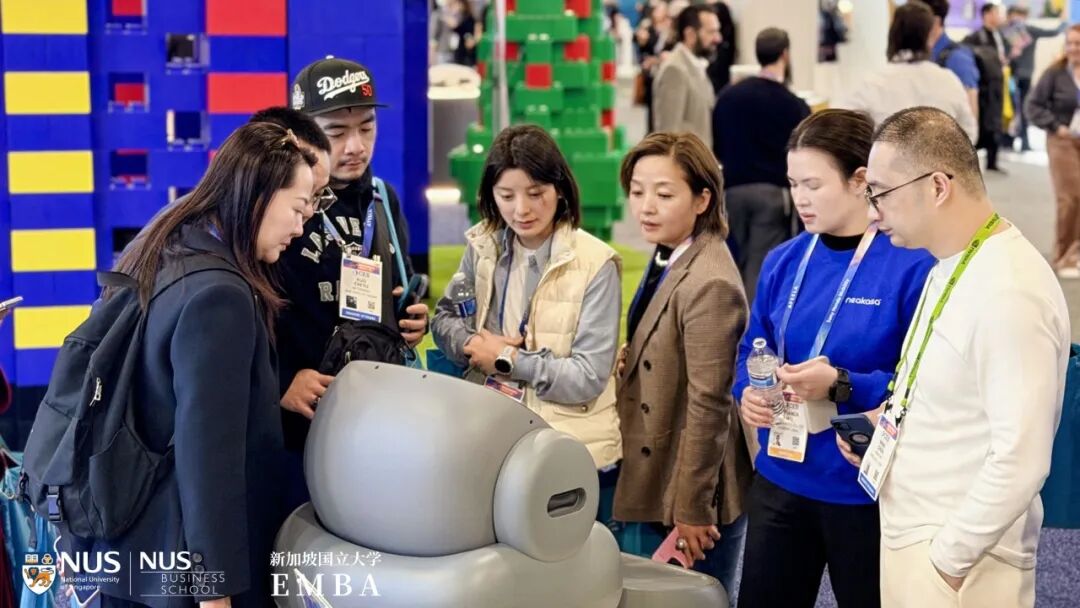
4. Truly Valuable Innovation is Getting Closer to Real Life and Real Problems
Concepts may become obsolete, but needs remain. The real barriers lie in the daily scenarios that are repeatedly used. CES 2026 gave me a strong impression that many of the most promising products are not flashy. They solve our specific daily problems: health, care, cleaning, sleep, home management, and emotional companionship. This reminds us that no matter which market you enter, long - term value usually comes from a continuous understanding of real needs, rather than a quick chase after concepts. For entrepreneurs, this is a very important issue of perseverance.
