XPeng's prediction has come true. This time, Li Bin's "prophecy" has caught people's attention.
“The rising memory prices are putting great cost pressure on the automotive industry. You may consider buying a car earlier.”
After the 1 millionth mass - produced vehicle rolled off the production line on January 6th, Li Bin, the chairman and CEO of NIO, played the role of a “prophet” at a media communication session. He said that the memory chips, whose prices have been driven to a historical high by the AI industry, will significantly impact China's auto market in 2026, especially in terms of new car pricing.
Two days later, Li Bin's remarks became somewhat concrete.
On January 8th, XPeng Motors launched four new models in one go, including two extended - range models. Given XPeng Motors' style of constantly creating surprises in new car prices in 2025, the market generally expected that the pricing of the two new extended - range models would be more competitive than that of the pure - electric versions, just like the starting price of the extended - range XPeng X9 being 50,000 yuan lower than that of the pure - electric version.

Surprisingly, XPeng Motors adopted the strategy of setting the same price for the extended - range and pure - electric versions of the 2026 XPeng P7+ and G7. On this basis, XPeng Motors, which has always been generous in the intelligent cockpit field and advocates equal rights, also differentiated the cockpit chips. The relatively lower - priced XPeng P7+ uses the MediaTek MT8676 chip, while the slightly higher - priced XPeng G7 continues to use the Qualcomm Snapdragon 8295P.
If you want to use the latest generation of XPeng's intelligent cockpit with in - depth application of AI technology, both the 2026 XPeng P7+ and XPeng G7 need to pay an additional 20,000 yuan to upgrade to XPeng's self - developed intelligent cockpit Turing AI chip.
Since XPeng Motors, which is good at cost control in recent years, is also affected like this, the price war in the auto market in 2026 will obviously change.
01
A “bloody battle” triggered by memory chips
According to Xinhua News Agency, since the second half of 2025, the prices of consumer - grade memory and server memory have more than doubled. Some industry experts said that this round of memory price fluctuations is not a short - term phenomenon and may gradually ease in about 12 months. Both consumer - grade memory and server memory are closely related to the automotive industry.
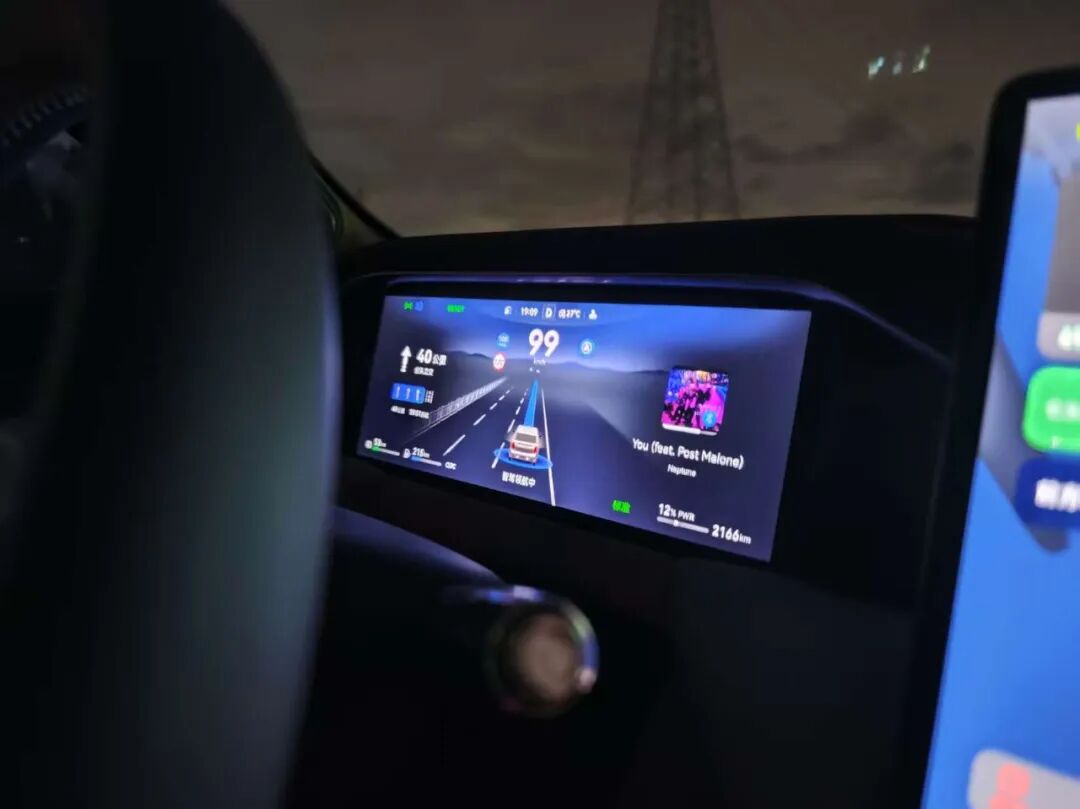
“Consumer - grade memory is a necessity for intelligent cockpits. To put it simply, whether it is a new energy vehicle or a fuel vehicle, if you want the system of the central control large screen to be smooth and have rich functions, especially when applying large AI models, there is a relatively high demand for consumer - grade memory. As for server memory, it is more related to large model training. Building a virtual world for training the assisted driving system requires a large amount of server memory.”
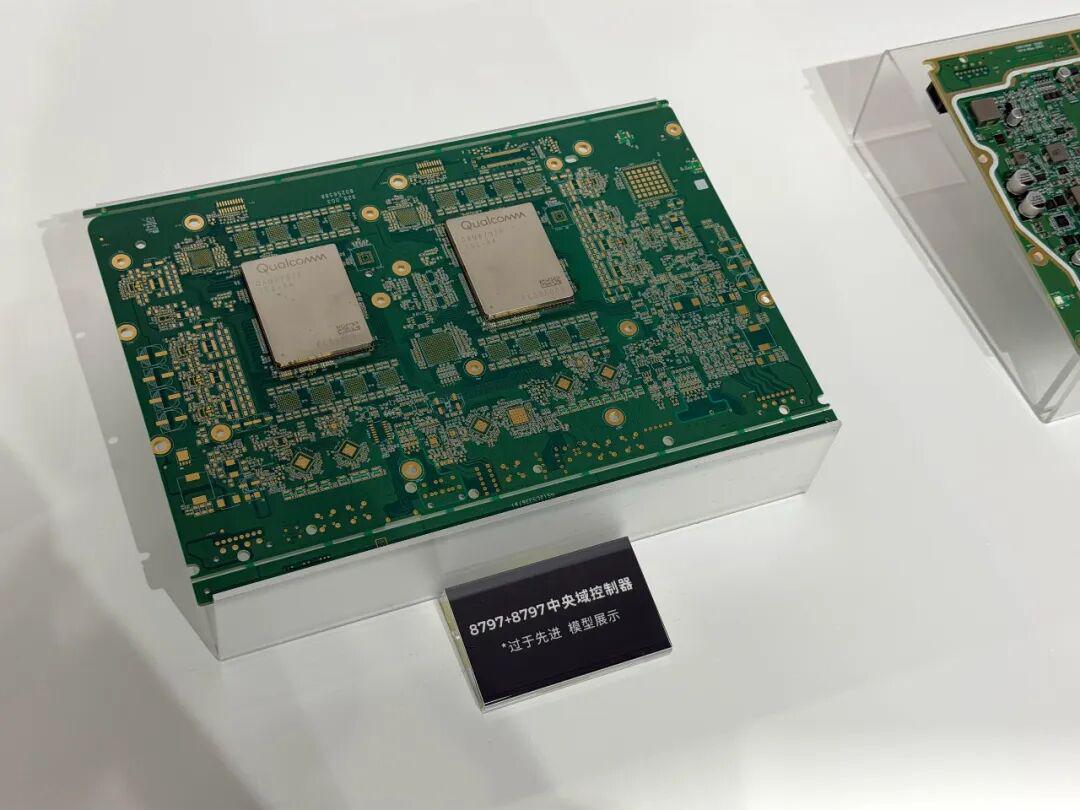
On January 13th, an industry insider told Yuan Auto that due to the soaring costs, many new cars that planned to use Qualcomm Snapdragon's latest generation of flagship chip 8797 as a selling point for the intelligent cockpit are in a difficult situation. “The total cost of a set can easily reach five digits.”
For reference, in 2025, for a leading automaker with a large sales scale, the cost of equipping a new car with an intelligent cockpit using the previous generation of Qualcomm Snapdragon flagship chips generally ranges from 5,000 to 8,000 yuan, depending on specific functions and effects. Only a few models that pursue comprehensive functions and ultimate experience need to exceed 10,000 yuan.
The rising cost of intelligent cockpits may reverse the domestic new car price war that has lasted for more than a year.
In this context, for many automakers, it may already be a significant challenge to keep the prices of new cars unchanged like XPeng Motors mentioned above. Especially for those automakers with relatively poor software development capabilities, who previously relied on top - level hardware to catch up with the industry average in terms of smoothness and reliability, can they offset the decline in hardware performance by coding now?
If not, a price increase of new cars or a decline in the car - using experience are two more likely outcomes.
02
Is it a stroke of luck for Huawei?
Looking back at Li Bin's suggestion that people should buy cars earlier this year, it is obviously not a scare tactic to force sales. After all, the price of memory chips still shows a rising trend. According to Li Bin, at the current stage, the increase in costs still leaves enough profit margins as a buffer for high - end automakers including NIO.
In fact, for automakers with healthy profit margins, this round of sky - rocketing memory chip prices may be an opportunity.
Take Huawei - affiliated models as an example. They usually require a five - digit software subscription fee for the assisted driving system, and the subscription rate is relatively high. They will have more abundant profit margins to share the cost - rising pressure, including that of the intelligent cockpit.

If other automakers that have always offered the latest assisted driving systems and intelligent cockpit capabilities for free are also forced to start charging for optional installations, it is believed that many consumers will be more inclined to choose Huawei - affiliated models, which have established the perception of being at the “ceiling of intelligentization”.
It should be noted that the impact of “Huawei - affiliated cars” on the domestic auto market is expected to increase in 2026.
According to the analysis by Yuan Auto, there will be as many as 10 new models launched by the “Five Realms” plan of Hongmeng Zhixing in 2026. In addition, the Yijing and Qijing models jointly developed by Huawei Qiankun with Dongfeng and GAC respectively will also make their debuts. Coupled with a series of automakers that have reached cooperation with Huawei at the supply - chain level, there will be dozens of new cars equipped with Huawei's assisted driving and intelligent cockpit systems in 2026.
There are reports that the auto circle in 2026 may be bombarded with news about important “Huawei - affiliated cars” every month.
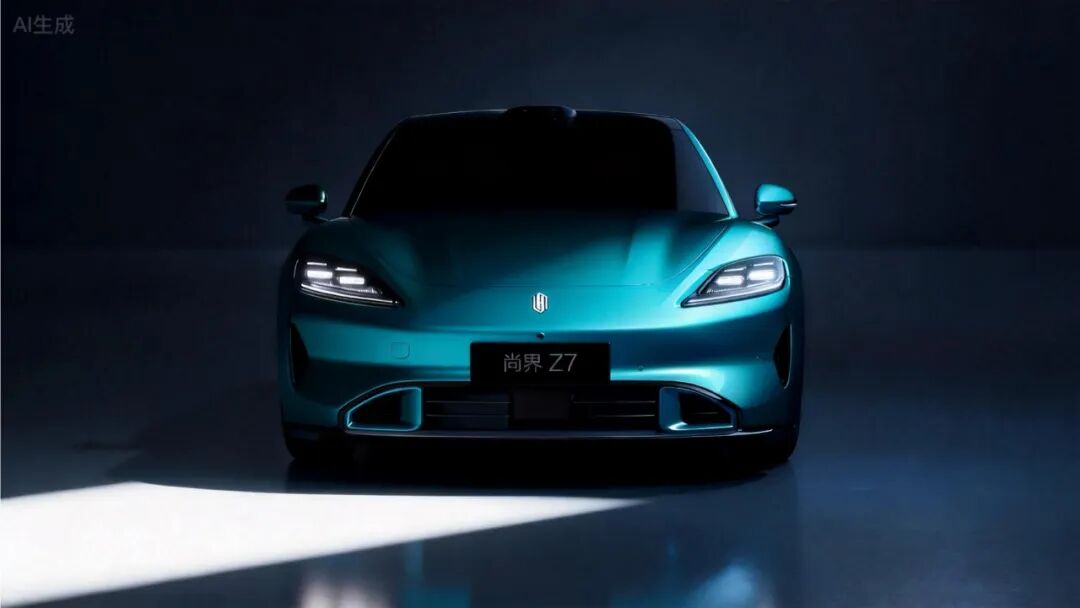
Imagine that in such a situation, if “Huawei - affiliated cars” try to seize market share by waiving software subscription fees, it is believed that only a few automakers can follow up in this price war. In contrast, Huawei's Hongmeng Zhixing delivered nearly 590,000 new cars in 2025. Even if calculated based on a 60% software subscription rate and a discounted subscription price of 12,000 yuan, the “Five Realms” alone will generate at least 4.2 billion yuan in revenue, which is a rather conservative estimate.
Of course, Huawei also has huge R & D investments in assisted driving, intelligent cockpits and other aspects, but this does not prevent it from accumulating more profits from automotive intelligent hardware and software compared with automakers, and having unique pricing advantages in the auto circle. In this “bloody battle” triggered by memory chips, Huawei holds an extraordinary trump card.
This article is from the WeChat official account “Yuan Auto”, author: Pan Zhuolun. It is published by 36Kr with authorization.