More insane than the iPhone. 15 years after Steve Jobs' death, "the man most like him" helms the first AI hardware.
[Introduction] In 2019, Jony Ive, the "soulmate" of Steve Jobs, left Apple after working there for 27 years. In 2026, he returned with an AI device shaped like an "eggrock". This time, his partner was no longer Apple in Cupertino, but OpenAI in San Francisco.
In January 2026, a leaked roadmap stirred up a storm in Silicon Valley.
OpenAI's first piece of hardware, codenamed "Sweetpea" internally, will be released in September!
The metal charging case is shaped like an "eggrock" and contains two "pill"-shaped devices to be worn behind the ears.
It is equipped with a top - of - the - line 2nm chip, and its manufacturing cost is comparable to that of a smartphone.
Note! It's worn behind the ears. I'm quite curious about how it's fixed. What if there are pimples behind the ears? Will it affect the performance?

Image source: X platform @@zhihuipikachu
It is said that Foxconn has received the order and is preparing for production. The target for the first year is 40 million to 50 million units.

As soon as the news came out, everyone was asking the same question: Can this really replace AirPods? How can the comfort of the behind - the - ear device be guaranteed?
But perhaps a more worthy question is: Who is qualified to design this first AI device?
The answer points to a name - Jony Ive, who is also known as "the man most like Steve Jobs".
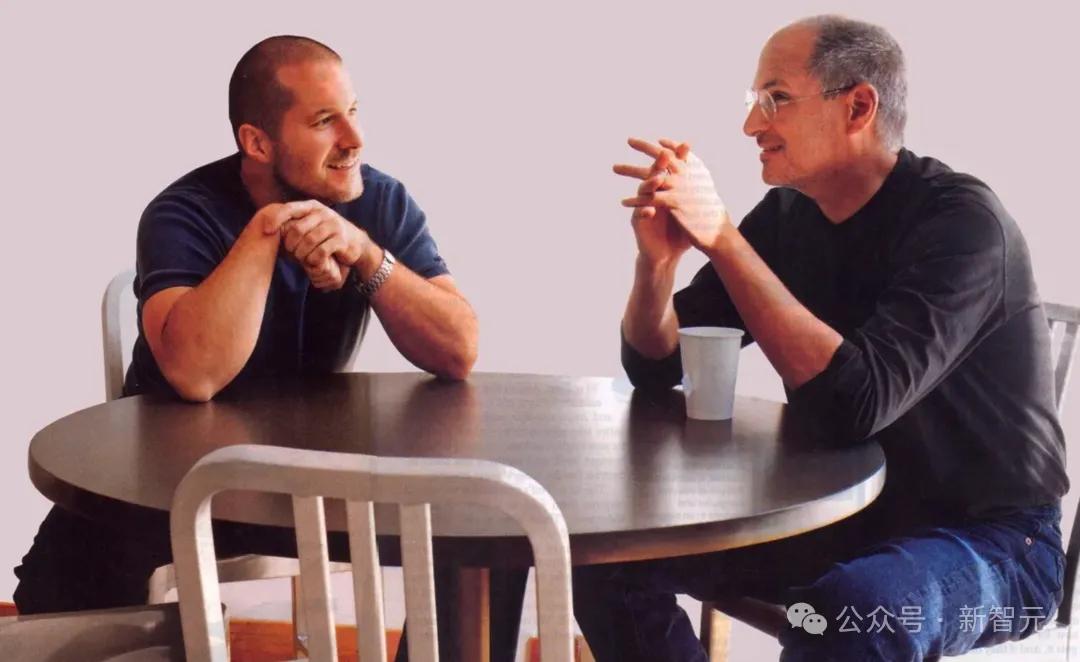
The man who designed the iMac, iPod, and iPhone. The man whom Steve Jobs called his "soulmate".
The man who left Apple in 2019 and disappeared from the public eye.
Seven years have passed.
When he left Cupertino seven years ago, and now, seven years later, he's back with an "eggrock" - only this time, his partner is no longer Apple, but OpenAI.
And it all starts with a $6.5 billion acquisition in 2025.
A Secret Acquisition in Silicon Valley
One day in May 2025, a $6.5 billion acquisition was quietly completed.
The acquirer was OpenAI, an AI giant valued at over $300 billion.
The acquired company was io Products - a hardware startup with only a few dozen employees and no products on the market.
This scenario reminds people of another acquisition that shocked Silicon Valley 13 years ago.
In December 2012, at a casino hotel by Lake Tahoe, Google bought DNNresearch for $44 million. It was a company that had been founded just one month earlier, with only three employees and no products. The founder of that company was Jeff Hinton, known as the "father of artificial intelligence".
History always rhymes.
What was bought for $6.5 billion was not a product, nor a patent, but a person - Jony Ive, the design genius whom Steve Jobs called his "soulmate".
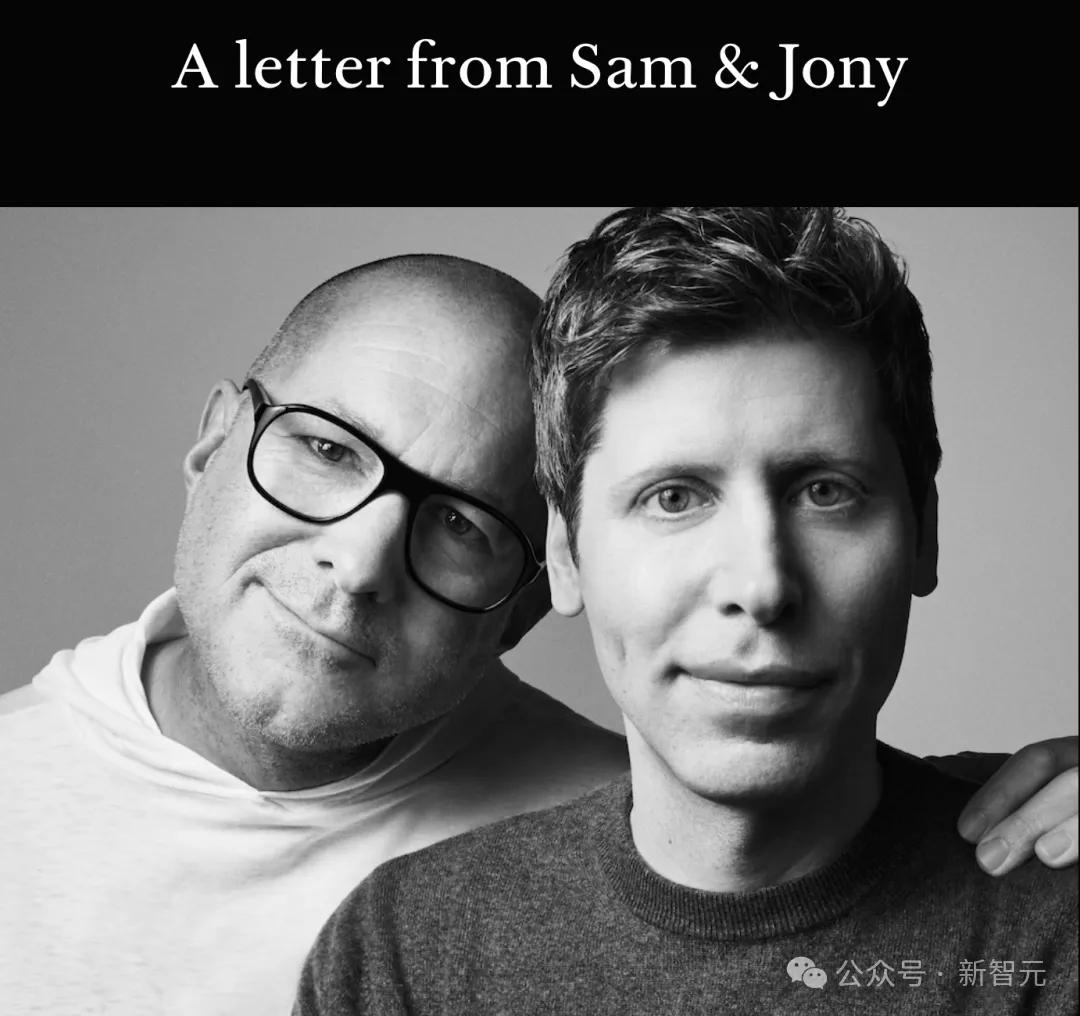
Jony Ive joined Apple in 1992 and was promoted to the director of industrial design after Steve Jobs returned in 1997.
In the following two decades, he was in charge of almost all the Apple products that defined an era:
The transparent iMac in 1998 that saved Apple from the brink of bankruptcy, the iPod in 2001 that revolutionized the music industry, the iPhone in 2007 that reinvented the phone, the iPad in 2010 that launched the tablet era...
As a designer, he rewrote the aesthetic language of the entire consumer electronics industry.
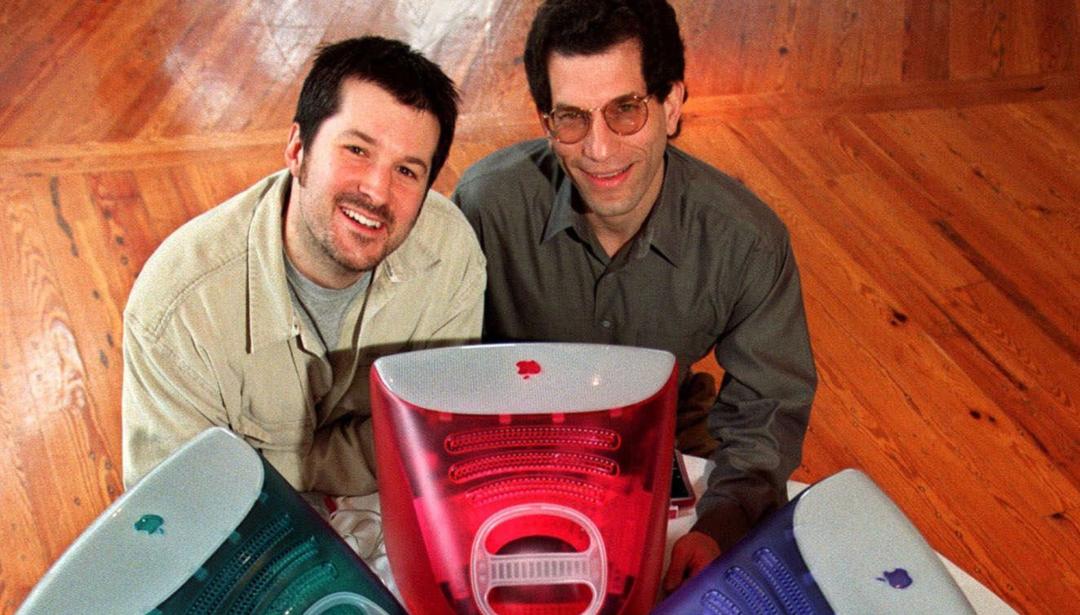
Now, he is going to make the first stroke for the AI era.
The Ambition in the "Eggrock"
When the roadmap was leaked, the whole of Silicon Valley was eagerly anticipating.

The internal code name of OpenAI's first hardware is "Sweetpea" - a sweet - sounding name that doesn't seem to fit OpenAI's style.
But behind this gentle name lies a crazy ambition: to replace the iPhone.
The leaked information shows that it is an audio device to be worn behind the ears.
The charging case has a highly recognizable appearance - made of metal, shaped like an "eggrock", and contains two removable "pill"-shaped devices inside.
This is not just another competitor to AirPods; it is a declaration of war against the "screen".
Sam Altman once described his expectation for this device like this: "It should make you feel the tranquility of a lakeside cabin, rather than the restless energy of an iPhone."
This sentence might be the key to understanding Jony Ive's inspiration for this creation.
During his 27 years at Apple, every product Ive designed pursued a goal: to make complexity simple and technology human - friendly.
The transparent shell of the iMac dispelled people's fear of computers; the scroll wheel of the iPod made music easily accessible; the multi - touch feature of the iPhone made fingers the commands - every time, Ive tried to push technology to the background and put people in the foreground.
Ironically, his most successful product, the iPhone, eventually became the biggest source of digital anxiety.
Endless notifications, an ever - scrolling stream of information, and the shocking numbers in the screen time reports... Smartphones have changed from liberators to captors, from tools to cages.
After leaving Apple, Jony Ive has been thinking about a question: If given a second chance, what should smart hardware look like?
The answer is Sweetpea.
The Cost of a 2nm Chip
The leaked specifications surprised hardware engineers.
Sweetpea is not just another "headphone" imitation; it is a miniature smartphone in the guise of headphones.
The device is equipped with a processor using 2nm technology - currently the most advanced chip manufacturing process on Earth, only reached by the latest flagship chips of Apple and Qualcomm.
It is rumored that this chip comes from Samsung's Exynos team and is customized specifically for OpenAI.
Meanwhile, the device is also equipped with another customized chip for processing Siri commands - yes, one of the goals of Sweetpea is to take over the iPhone's voice assistant.
The cost of this configuration is astonishing.
According to the leaked supply - chain information, the BOM cost (bill of materials cost) of Sweetpea is close to that of a complete smartphone.

This means that if priced according to the usual gross - margin of consumer electronics, its price could be between $500 and $800 - more than twice as expensive as AirPods Pro.
Foxconn has received this order.
For this manufacturing giant that used to manufacture products for Apple, this is a redemption battle to regain the audio - product market from Luxshare Precision.
OpenAI's goal is even more ambitious: 40 million to 50 million units in the first year.
In comparison, it took AirPods five years to reach this annual sales volume.
The Ghost of Steve Jobs
To understand what Jony Ive is doing, we must first understand where he comes from.
On January 9, 2007, at the Macworld Conference, Steve Jobs stood on the stage in San Francisco and took out the first - generation iPhone from his jeans pocket.
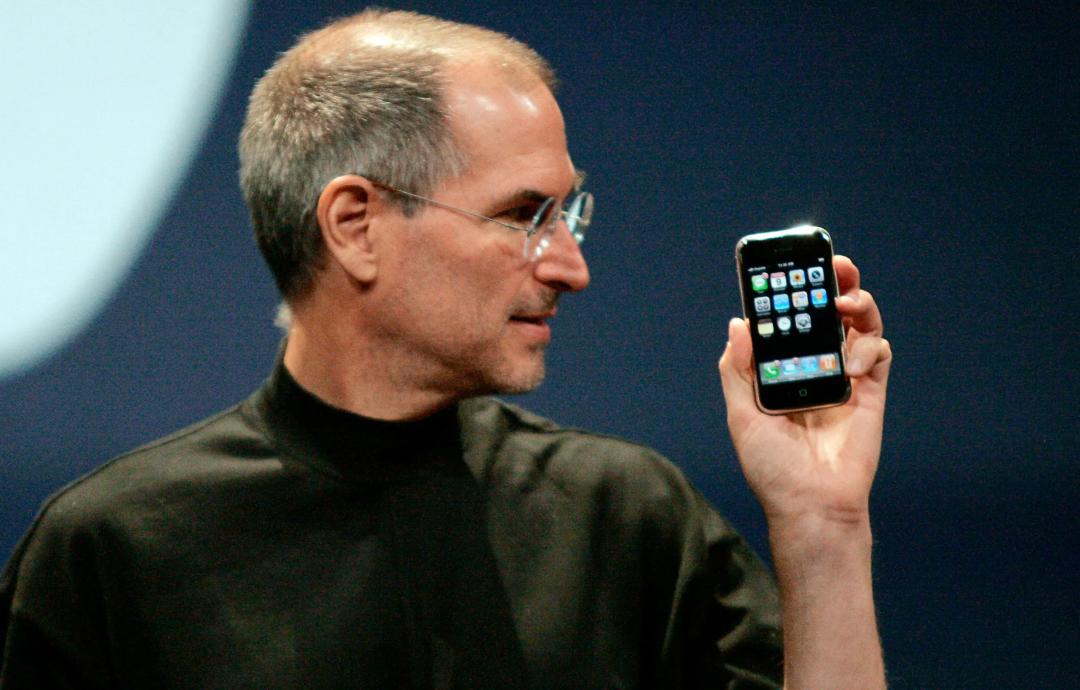
The whole audience erupted in excitement.
But few people know that beneath that glass screen that changed the world, Jony Ive's team had countless do - overs.
That year, there was a popular saying within the Apple design team: "Steve's Thursday".
Every Thursday, the design team had to present their latest work to Steve Jobs.
Jobs' feedback was often brief and harsh:
"No. Next. Worse. Next. Even worse. Next. No. Come back next week with something better."
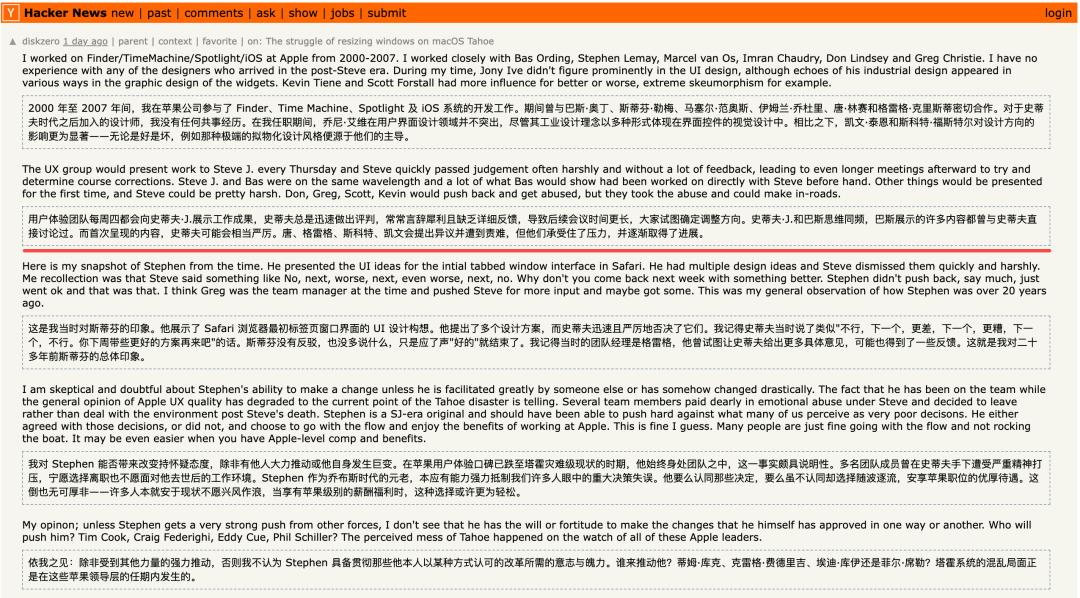
Stephen Lemme, a designer, presented multiple designs for the Safari tab - page interface. Jobs rejected them one by one and finally said only this.
Stephen didn't argue. He just said "Okay" and then turned around to continue working.
This was the Apple design department in the era of Steve Jobs, a cruel "Hell's Kitchen".
But not everyone got scolded equally.
Bas Ording, the designer of the iPhone's swipe interaction and the inventor of the "rubber - band bounce effect".
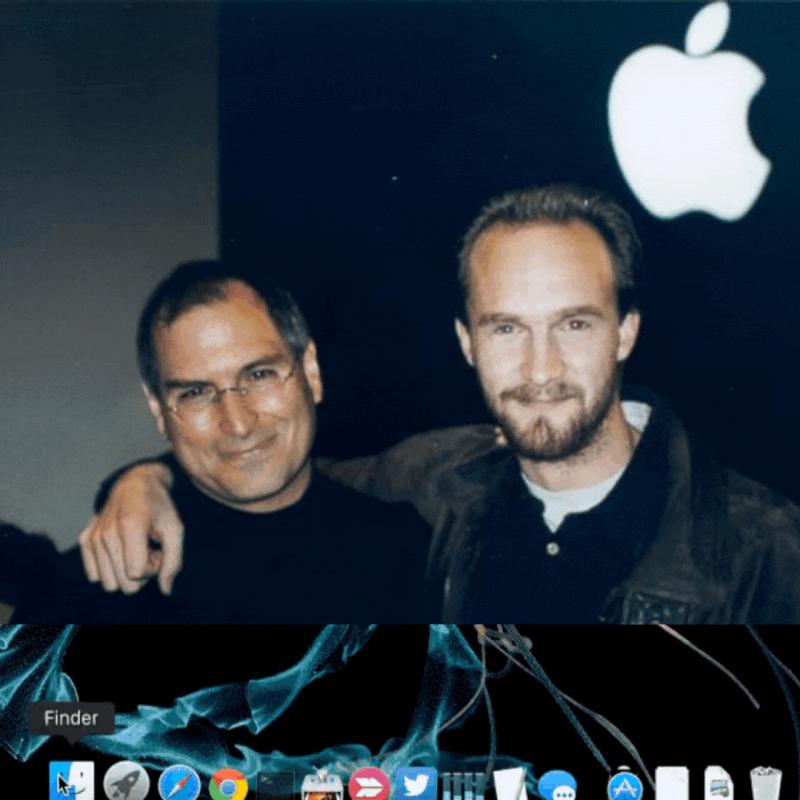
An old Apple employee from the 2000s recalled: "Steve and Bas were on the same wavelength. Many of the things Bas presented had been directly discussed with Steve in advance."
Among everyone, the one most "in sync" with Steve Jobs was Jony Ive.
Jobs publicly called Ive his "soulmate at Apple".
In the last few years, the two had lunch together almost every day and spent afternoons in the design studio, refining the details of the prototypes over and over again.
Jobs gave Ive almost unlimited power within Apple - no one but Jobs himself could interfere with Ive's designs.
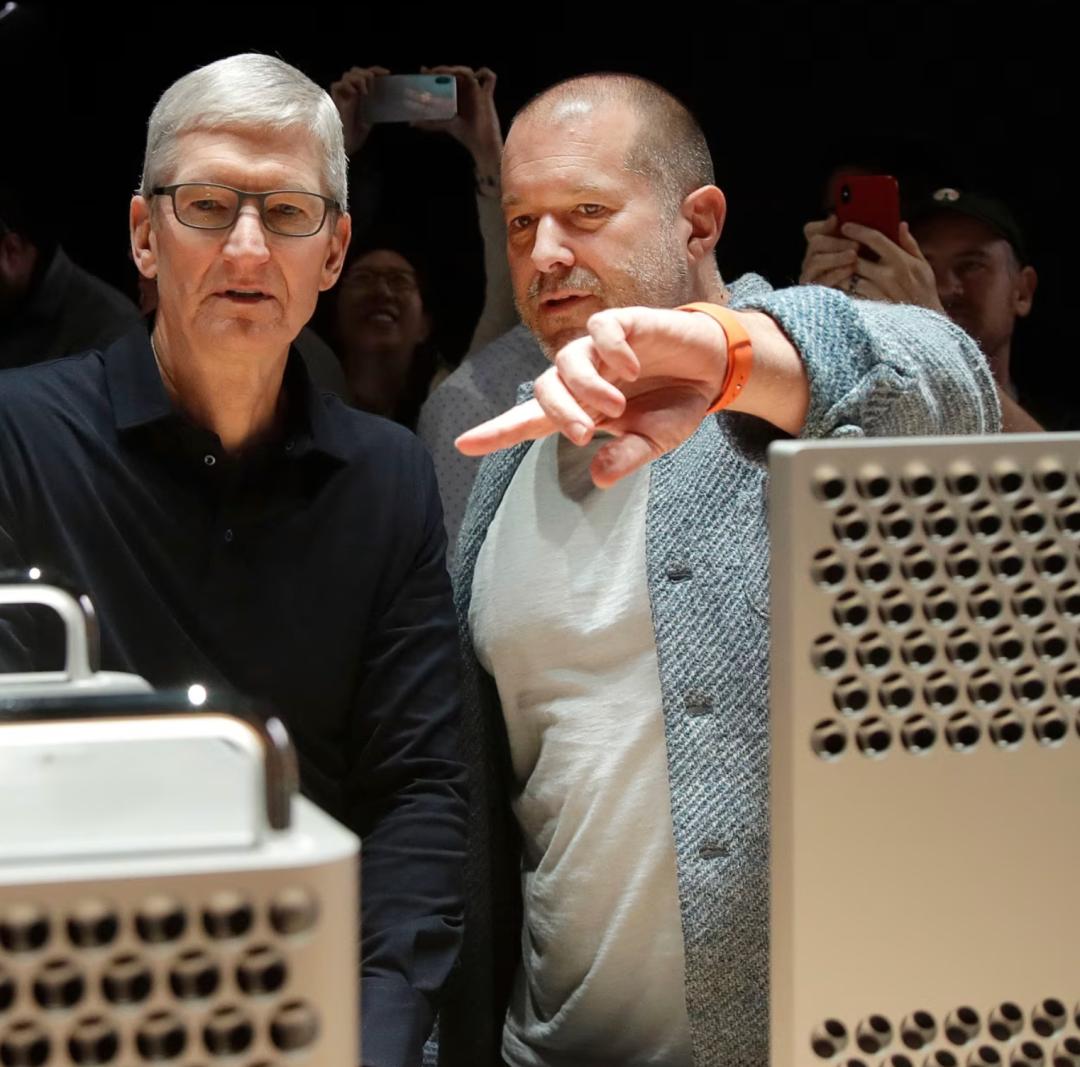
This trust gradually faded after Jobs' death in 2011.
The Real Reason for Leaving Apple
On June 27, 2019, Apple officially announced that Jony Ive would leave the company to start his own design firm, LoveFrom.
The official statement was that Ive wanted to explore a broader design field. But the real reason might be much more complicated.
An old employee from the Apple design team in the 2000s revealed some little - known inside information on an online forum in 2025:
"Several colleagues had suffered severe mental stress under Steve. They later chose to leave, not because of the stress, but because the environment changed after Steve left."
There is a subtle logic here:
Under Steve Jobs' "dictatorial" rule, design decisions were painful but at least had a direction;
After him, the Apple design team lost the person who was "obsessively focused on getting things done", and all that remained was the internal politics of a large organization.
"Maybe I need psychological counseling, but I really love the dictatorial style of Steve's era. Yes, we can point out failed cases like the MacCube or the hockey - puck mouse, but I truly appreciate the way of working that was crazy about solving problems and cutting through bureaucracy."
This former employee's evaluation of Apple's current situation was quite harsh:
"Whenever I look at the current state of Safari, Finder, and the overall UI, I'm deeply saddened. I see a strange combination of stagnation, pointless changes, and a loss of overall direction on both the desktop and mobile platforms."
In 2025, after the release of macOS Tahoe, there were complaints on social media:
"Bigger, bulkier, and harder to use."