CES 2026: At CES, we saw computers from forty years ago and forty years into the future.
Where is the Personal Computer Heading?
Have you ever had this feeling:
After 30 to 40 years of development, the product form of personal computers seems to have fallen into a cycle recently —
A PC is either a thin notebook or a glass - inlaid chassis. On the contrary, peripheral computing devices such as mobile phones and smartwatches have witnessed a great explosion.
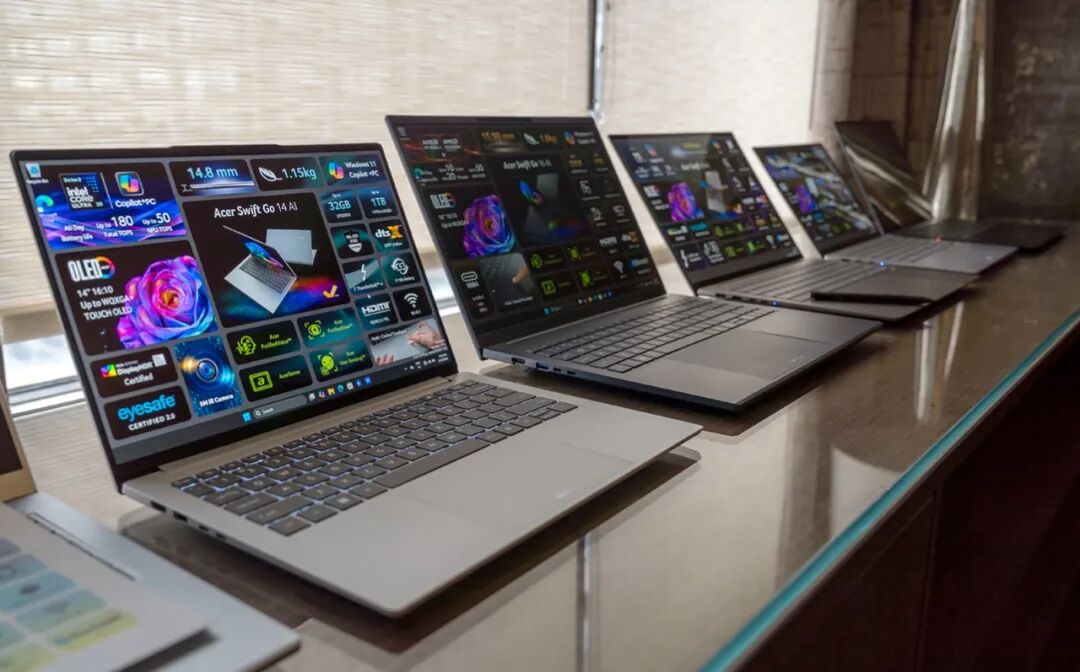
▲ Image | Best Buy Blog
Of course, the high degree of uniformity in form is actually an inevitable phenomenon after the industry matures: mature, but also boring.
Fortunately, at this year's CES, we found many interesting cases that break out of the inherent form. Whether it's a "renaissance" or "innovation", the vibrant and competitive state of the PC market a decade ago is still vivid in our minds.
CES 2026: The Year of Oddities
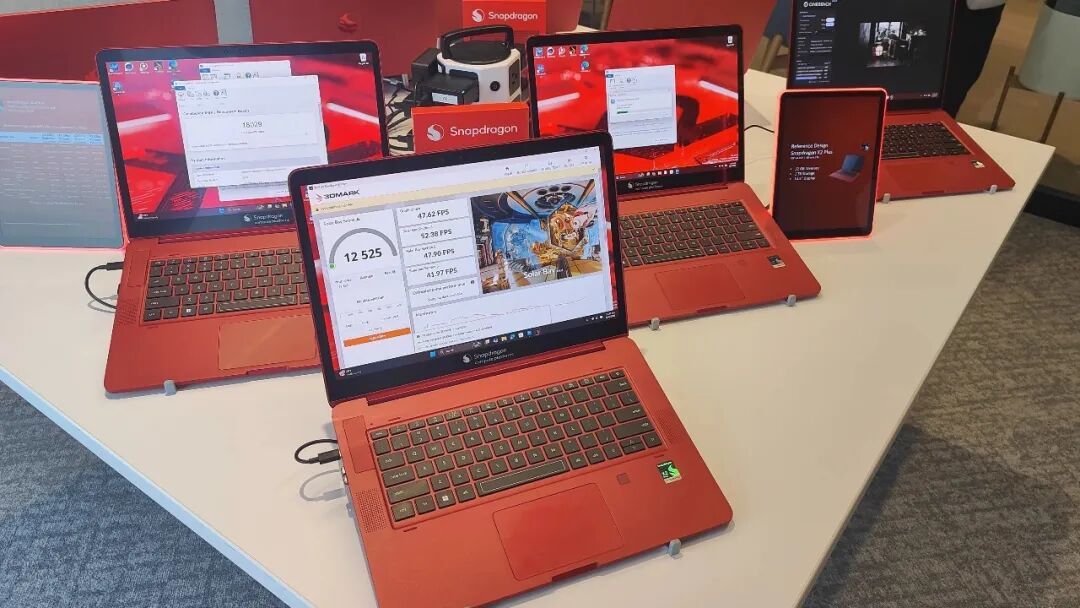
The most important basic industry news at this year's CES is that Intel, AMD, and Qualcomm have all announced updates to their chip platforms in the same year.
The key lies in the new processes and designs, which have brought about great progress in CPUs and their integrated graphics — especially Intel's Xe series. It's no longer a pipe dream to pack the performance of a 4050 - level GPU into a thin and light notebook.
Moreover, most of the main upgrade points of this generation of CPUs are aimed at high - efficiency thin and light notebooks and other miniaturized or mobile scenarios, which is generally beneficial to the notebook market:
▲ Image | PCMag
On the other hand, NVIDIA has announced that it will not launch new models (60 - series) of RTX graphics cards this year. Some factory news even implies that it may restart the production line of 30 - series graphics cards to make more room for AI business.

▲ Image | Engadget
Therefore, for notebook manufacturers this year: although the prices of components have skyrocketed, the improvement in the integrated graphics capabilities of CPUs is also a rare opportunity, which allows them to reserve more body space and BOM costs to explore new product forms.
This is also the reason why we can see many more strangely - shaped computers at this CES than in previous years.
After all, against the backdrop of "guaranteed performance", consumers' demands will shift to other niche scenarios, and OEM manufacturers will be more motivated to try new and odd products.
For this reason, we have selected three products from this year's CES that recall the former forms of computers and one representative product that indicates the next - step form. We'd like to talk to you about the future that ifanr saw at CES.
After Forty Years, Commodore Returns: HP EliteBoard G1a
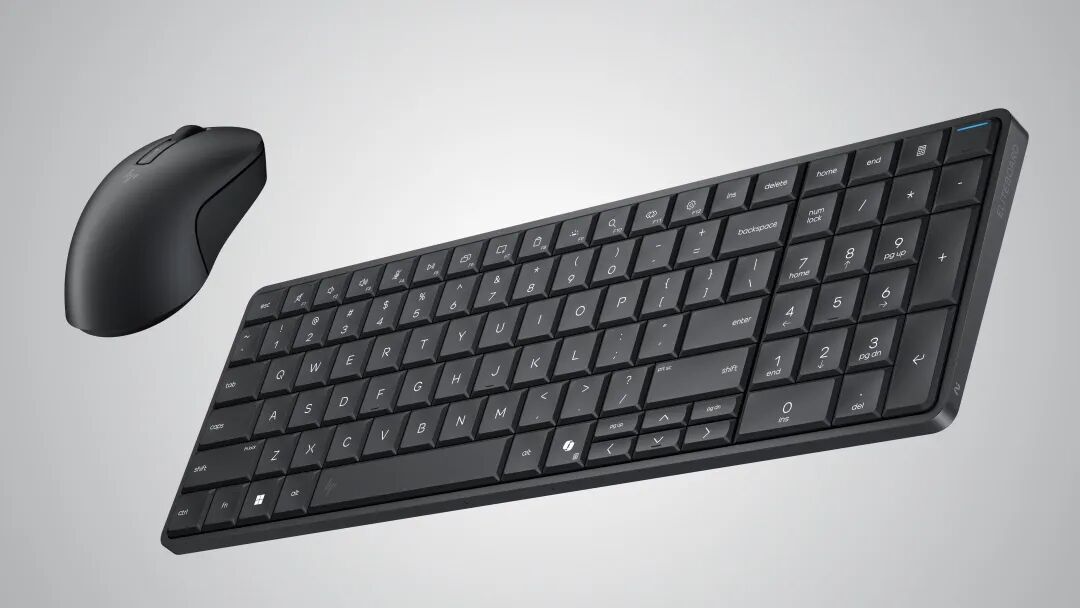
If we have to pick a product at this year's CES that stands out in both hardware form and usage form, we think it's the HP EliteBoard G1a demonstrated by HP —
▲ Image | HP
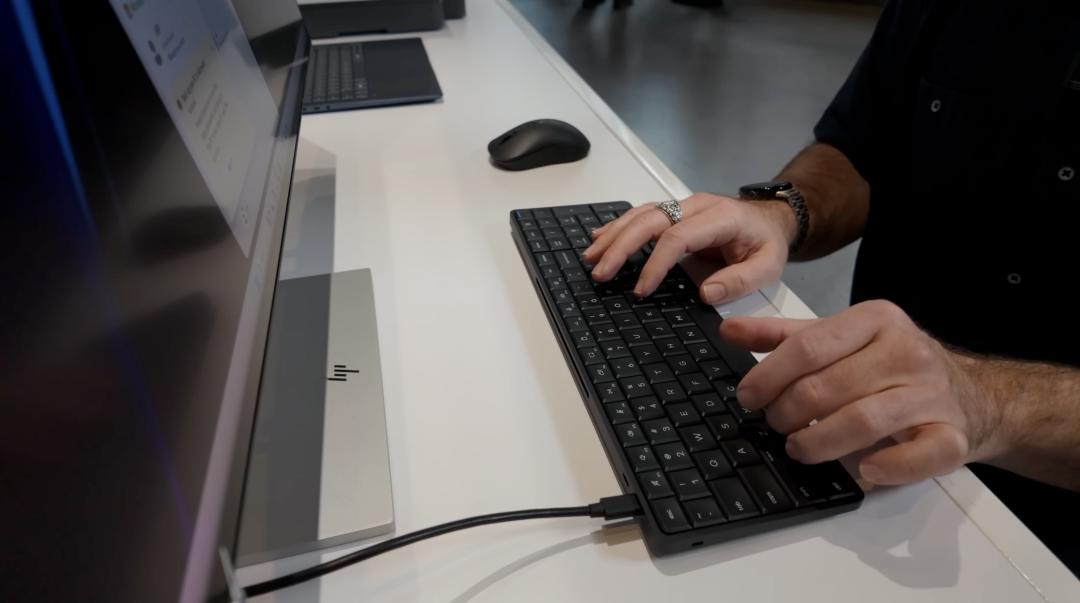
You're not mistaken. This product, which looks exactly the same as the "high - end, minimalist, silent office keyboard and mouse set with a cleaning brush" that costs only $20 on Taobao, is actually a complete computer. You can plug in a screen and turn it on directly.
For many readers, the HP EliteBoard G1a may seem like those strange Raspberry Pi integrated products, but in fact, it's a real renaissance.
▲ Image | Youtube @PCWorld
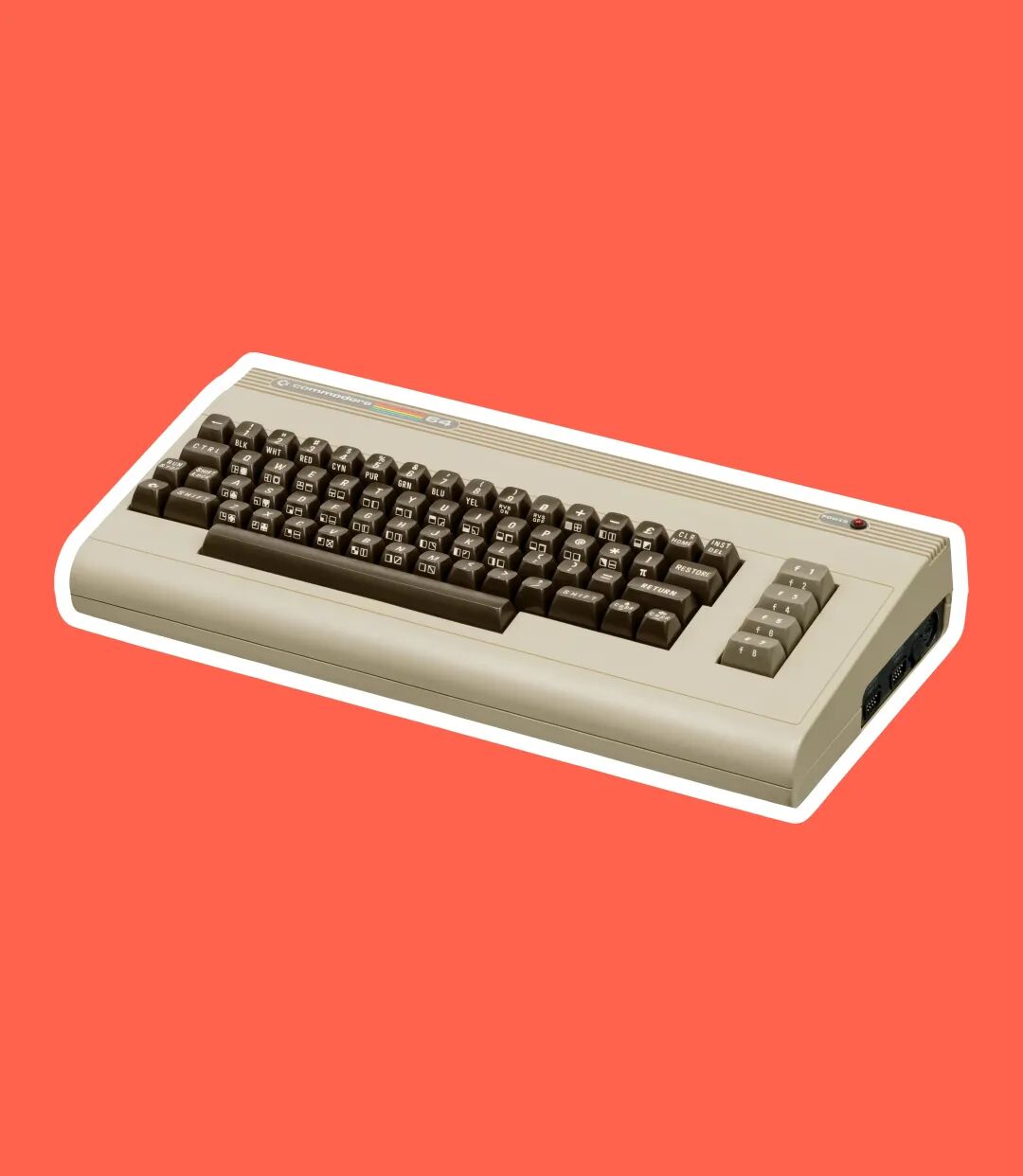
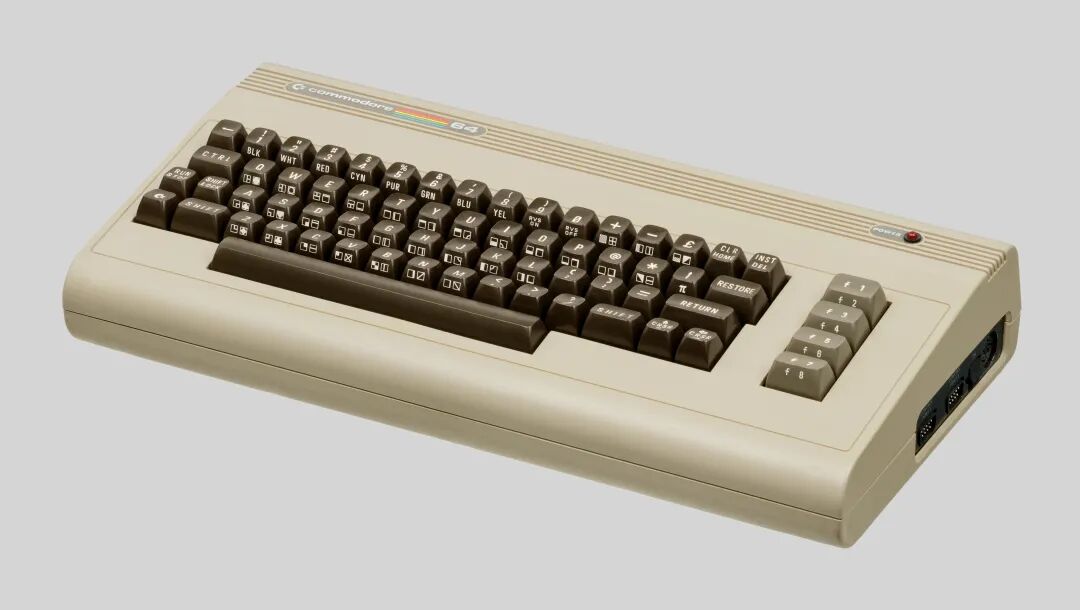
Forty - four years ago, in 1982, a company called Commodore also exhibited a personal computer product at the Las Vegas CES, which was as significant in changing the world as the APPLE II.
That computer was the Commodore 64:
▲ Image | Wikipedia
In the era of 8 - bit computers with CLI interfaces, this integrated keyboard design was the absolute mainstream for computers.
In other words, although HP defines the EliteBoard G1a as a "next - generation AI PC", it is actually an all - in - one computer of renaissance level.
Of course, despite its retro form, the hardware configuration of the EliteBoard G1a is anything but retro.
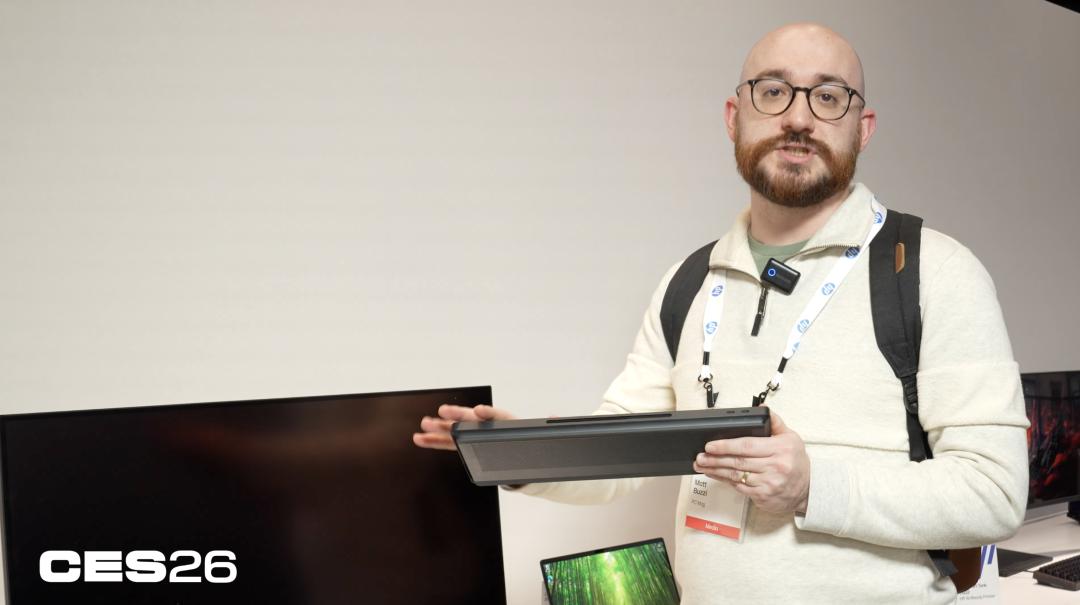
The HP EliteBoard G1a is equipped with an AMD Ryzen AI 5/7 300 series processor, and you can choose a storage combination of up to 64GB + 2TB. The NPU computing power can reach up to 50 TOPS.
▲ Image | Youtube @PCMag
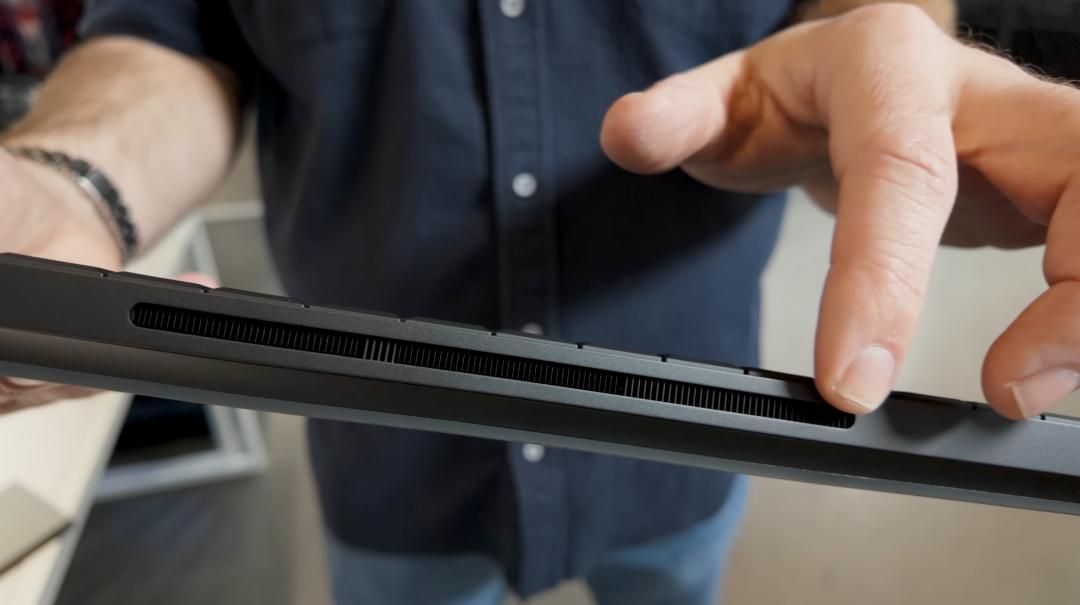
At the same time, the Ryzen AI 300 also brings the Radeon 800 series graphics card to the EliteBoard G1a, allowing this "keyboard" to reach a maximum output specification of 8K 60Hz and 4K 120/240Hz.
In other words, it's not a bad idea to play some light - weight games on it — after all, it has active cooling.
▲ Image | Youtube @PCWorld
However, HP has not positioned the EliteBoard G1a as a mobile computer.
Although it has a built - in 32 - watt - hour battery and can also power a portable display, using it without power for a long time is still quite limited. The battery is more of a backup power source.
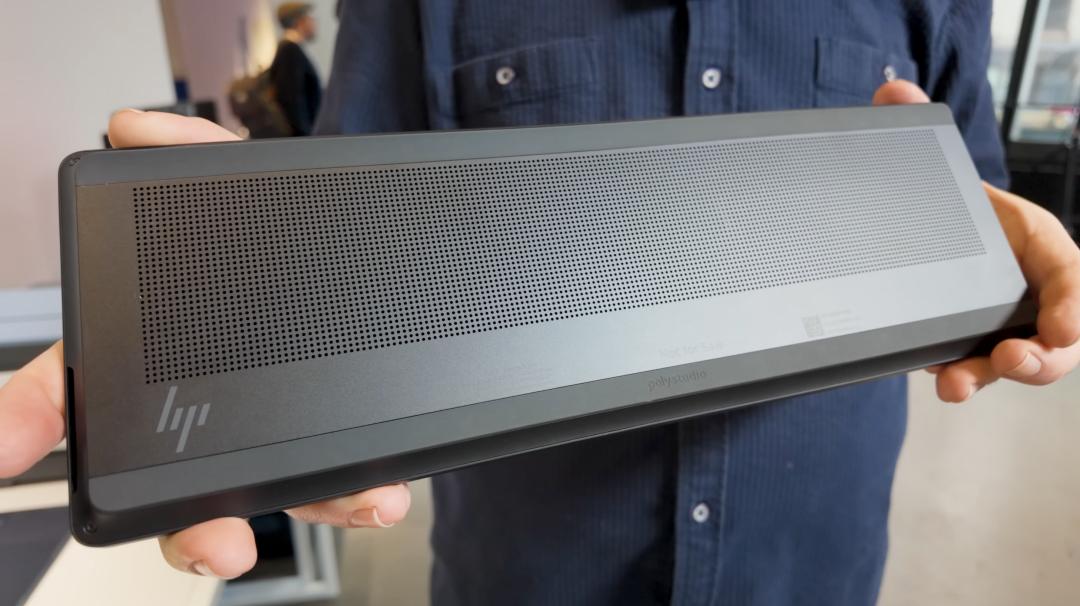
▲ Image | Youtube @PCWorld
It's a pity that HP has not announced the specific price and release date of the EliteBoard G1a. We only know that it will be on sale this year.
Would you be interested in a Windows AIO PC that is more integrated than a NUC and more portable than a Mac mini?
The Fully Automatic Toshiba M400: ThinkBook Plus Gen 7 Auto Twist
The ThinkBook Plus series, which Lenovo uses to test various new hardware concepts, has something new to offer this year.
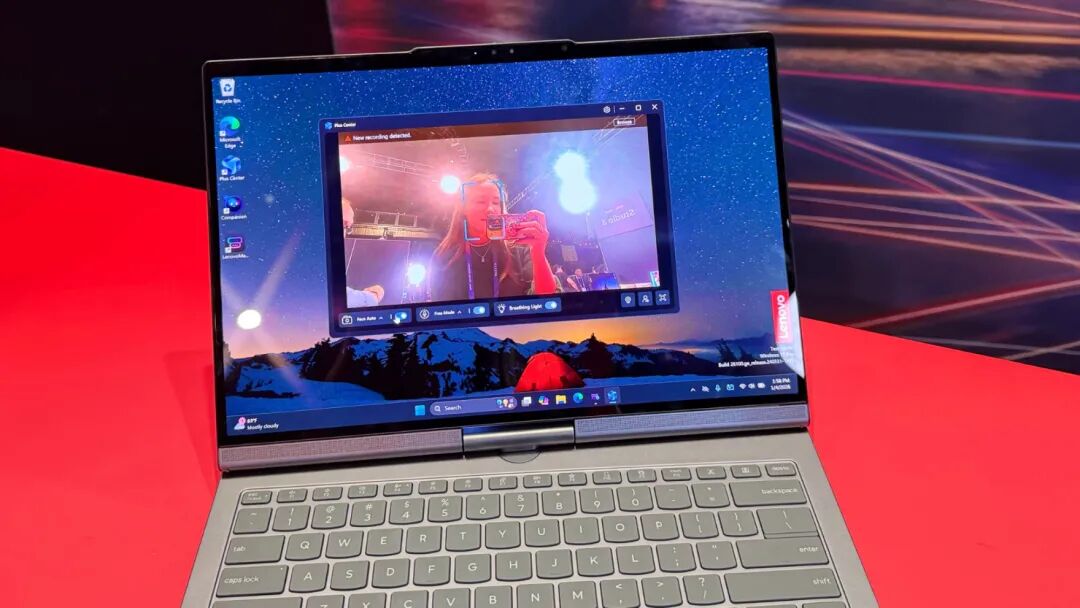
▲ Image | Mashable
Although in terms of appearance, the ThinkBook Plus Gen 7 Auto Twist is unremarkable, not as eye - catching as the ThinkPad Rollable XD and the Legion Pro Rollable XD, it solves the biggest lazy problem when using a notebook computer —
You have to reach out to open the screen.
Yes, the main feature of this year's ThinkBook Plus Gen 7 Auto Twist is the motor - driven hinge, which can achieve automatic lid opening and closing and intelligent screen following:
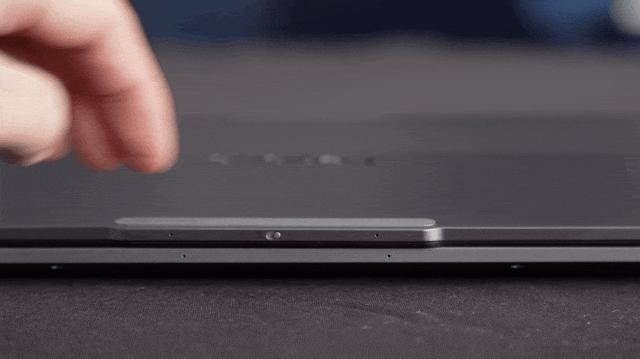
▲ Image | Youtube @Engadget
You just need to tap the armrest on the A - side twice, and the ThinkBook Plus Gen 7 Auto Twist can smoothly open the screen within two seconds, solving the century - old problem that it was difficult to open the lid of a thin and light notebook with one hand.
In terms of intelligent following, its implementation method can be regarded as the ultimate evolution of the iMac G4 back then.
You just need to select the face to follow in the program, and the computer will always keep the screen facing the selected person during use, and automatically adjust the left - right and pitch angles:
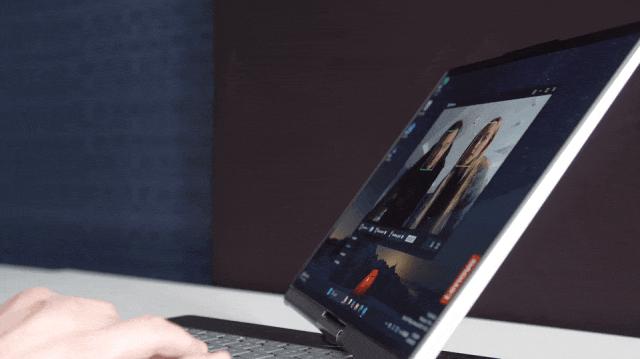
▲ Image | Youtube @Engadget
Does it seem familiar? Yes, similar rotating - screen notebooks were actually popular twenty years ago, but unfortunately, they couldn't be powered by electricity. For example, the Toshiba Portege M400 in 2006 was one of the best.
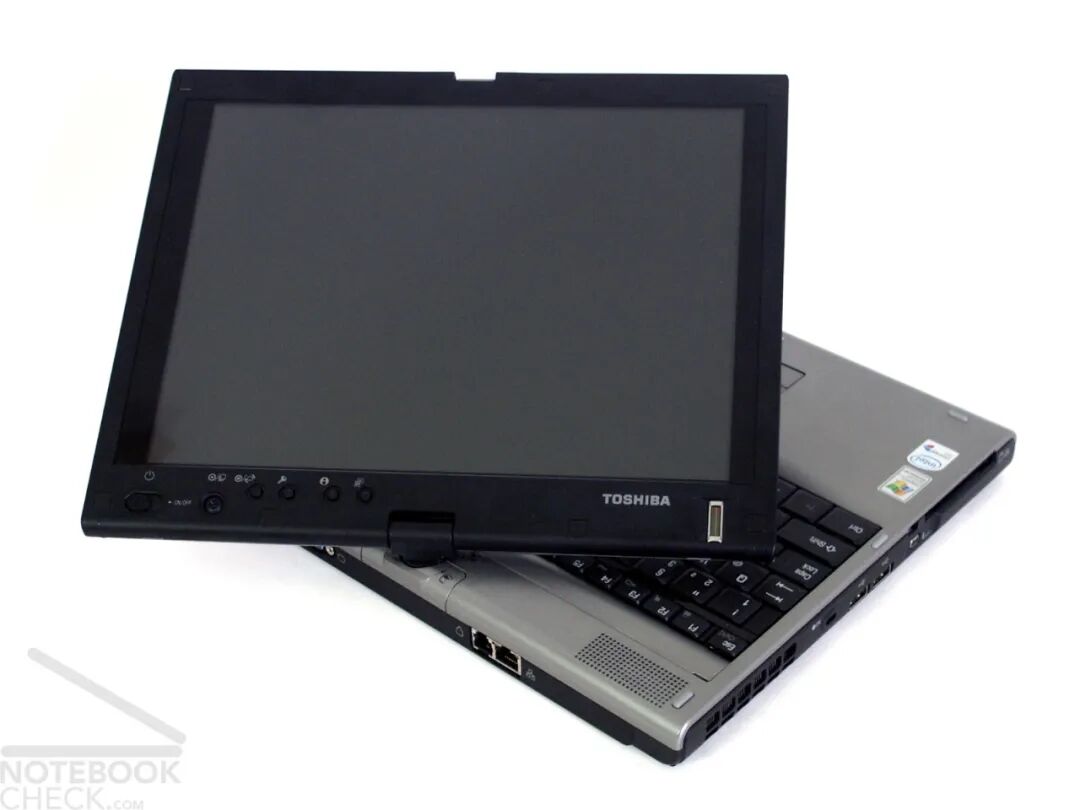
▲ Image | Notebookcheck
However, based on on - site experience, the motor speed and screen stability of the ThinkBook Plus Gen 7 Auto Twist have not reached the best level, and there will be some shaking when adjusting the pitch angle.
In addition, such a "smart" device naturally cannot lack AI functions. Besides the built - in Qira AI, the ThinkPlus Gen 7 Auto Twist also offers a usage of screen - following translation —
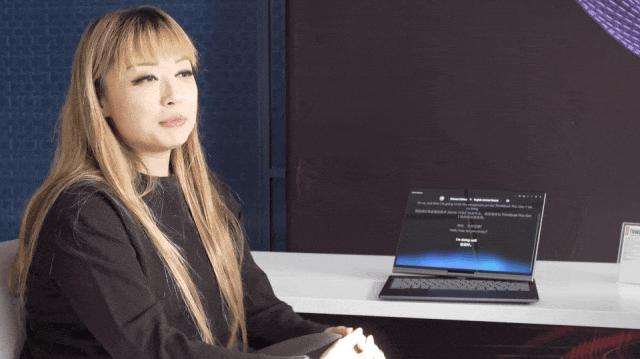
▲ Image | Youtube @Engadget
In terms of specific parameter configuration, the ThinkBook Plus Gen 7 Auto Twist is equipped with a 14 - inch 2.8K 120Hz OLED screen, the newly released Core Ultra Series 3 series processor, and a 75Wh battery.
In terms of storage, which people are more concerned about, you can choose a combination of up to 32GB + 2TB. The I/O ports are also quite rich for a 14 - inch notebook, with two Thunderbolt 4 and two full - size USB - A 3.2 ports. The total weight of the body is about 1.4 kilograms, and the price and release date are yet to be determined.
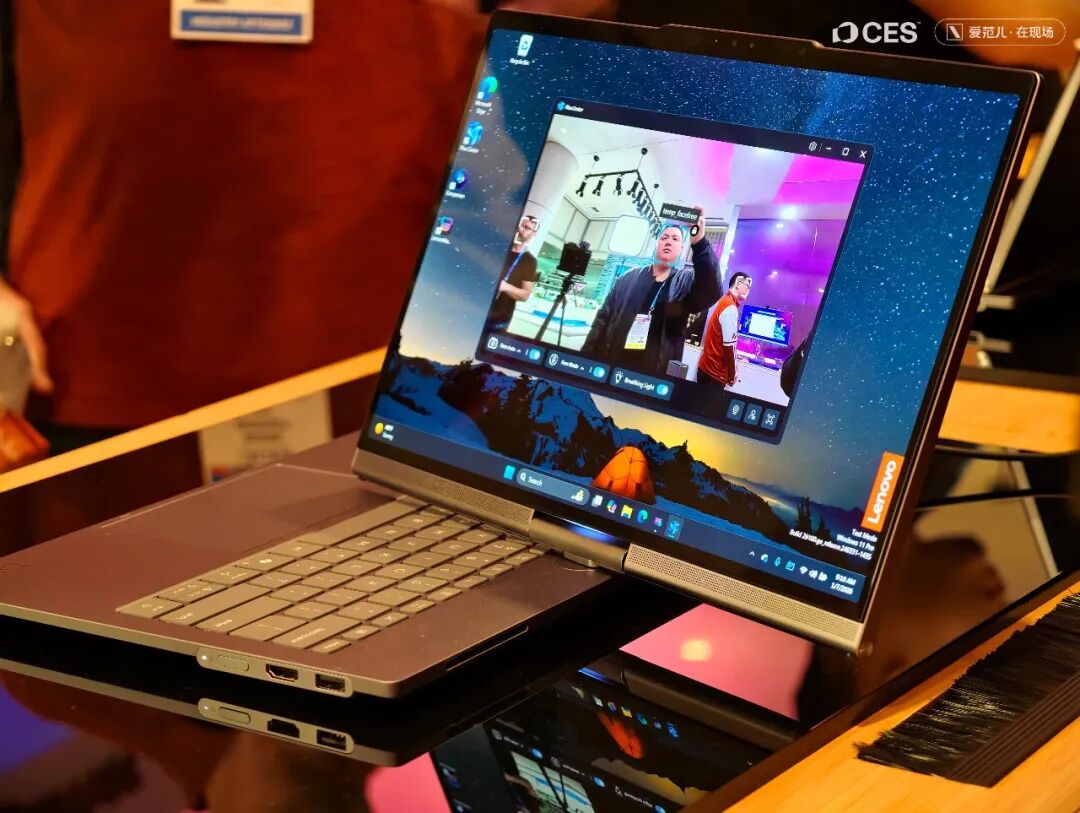
In short, the ThinkBook Plus Gen 7 Auto Twist is one of the few computers at CES 2026 that are both "fun" and "smart". It should be very suitable for some meeting or business - travel scenarios.